




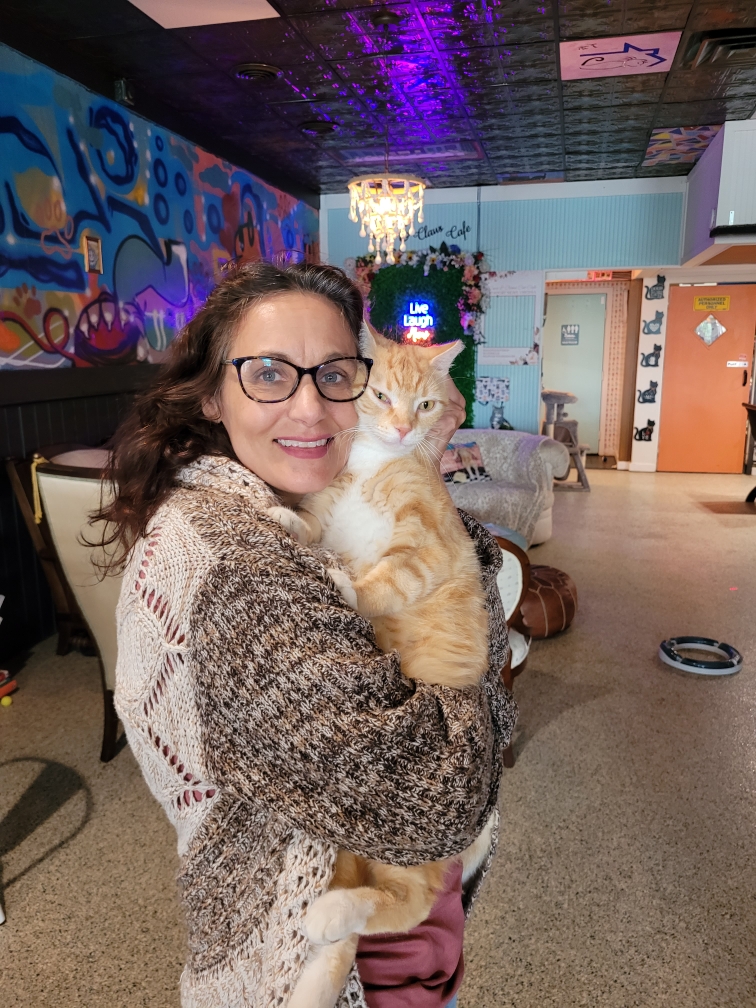
Today we’d like to introduce you to Kimberly Zettel.
Hi Kimberly, we’d love for you to start by introducing yourself.
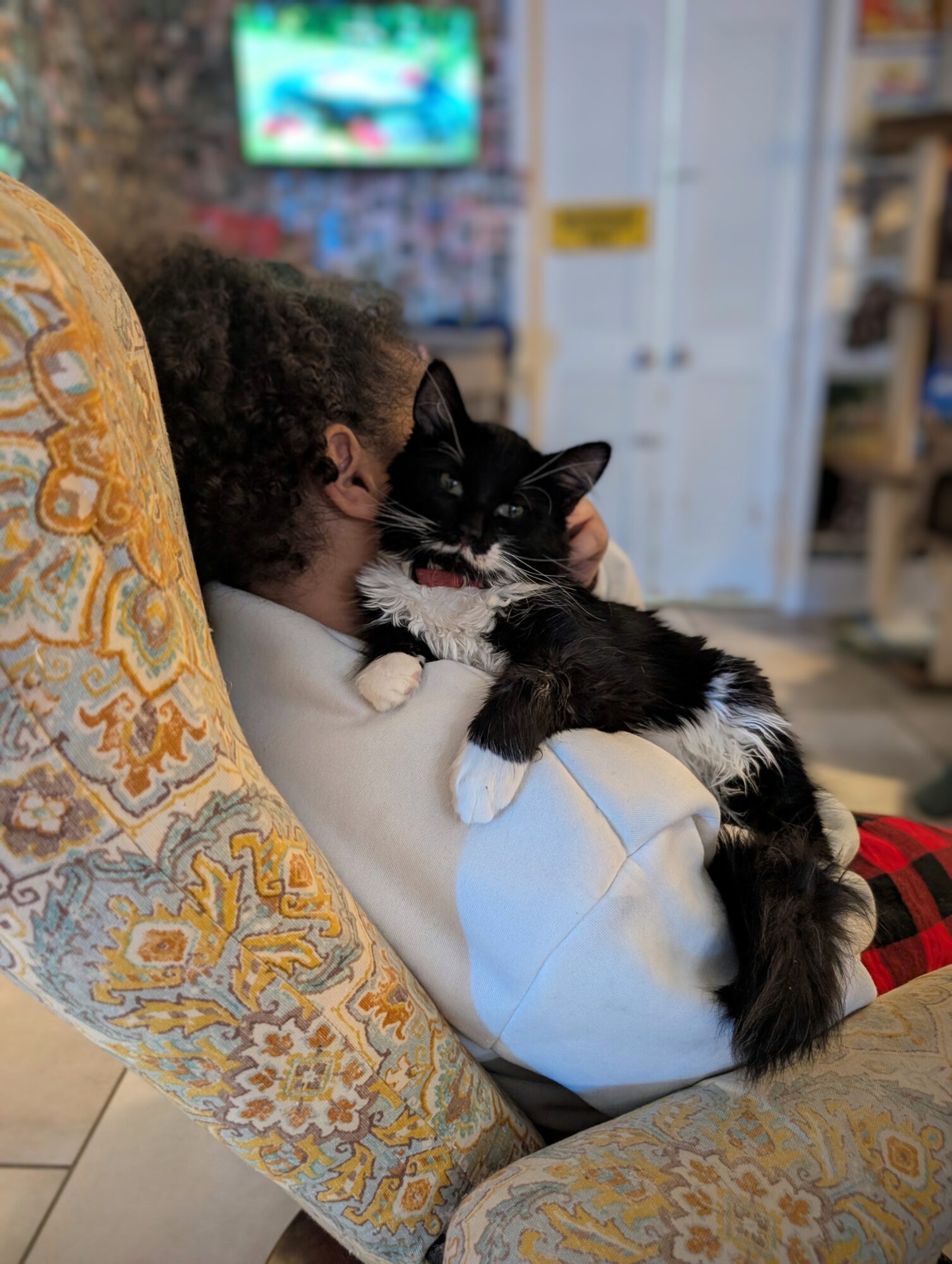
Our story actually started in the online classroom during COVID. Teaching online was incredibly frustrating and isolating, but we found our grounding by doing what we had always done—volunteering and fostering for local shelters. During that heavy time, we noticed a profound pattern: being around these rescue animals wasn’t just helping the cats; it was doing something deeply restorative for the people around them.
That sparked the idea to build a community center centered around rescue kitties. But turning that vision into reality was a massive uphill battle. Because it was such a foreign concept to the community at the time, we had to constantly mediate between city and state officials. Nobody knew how to categorize us. We were trying to mesh four completely different concepts into one footprint: a cafe, a retail store, a foster home for cats, and a mental health sanctuary for humans.
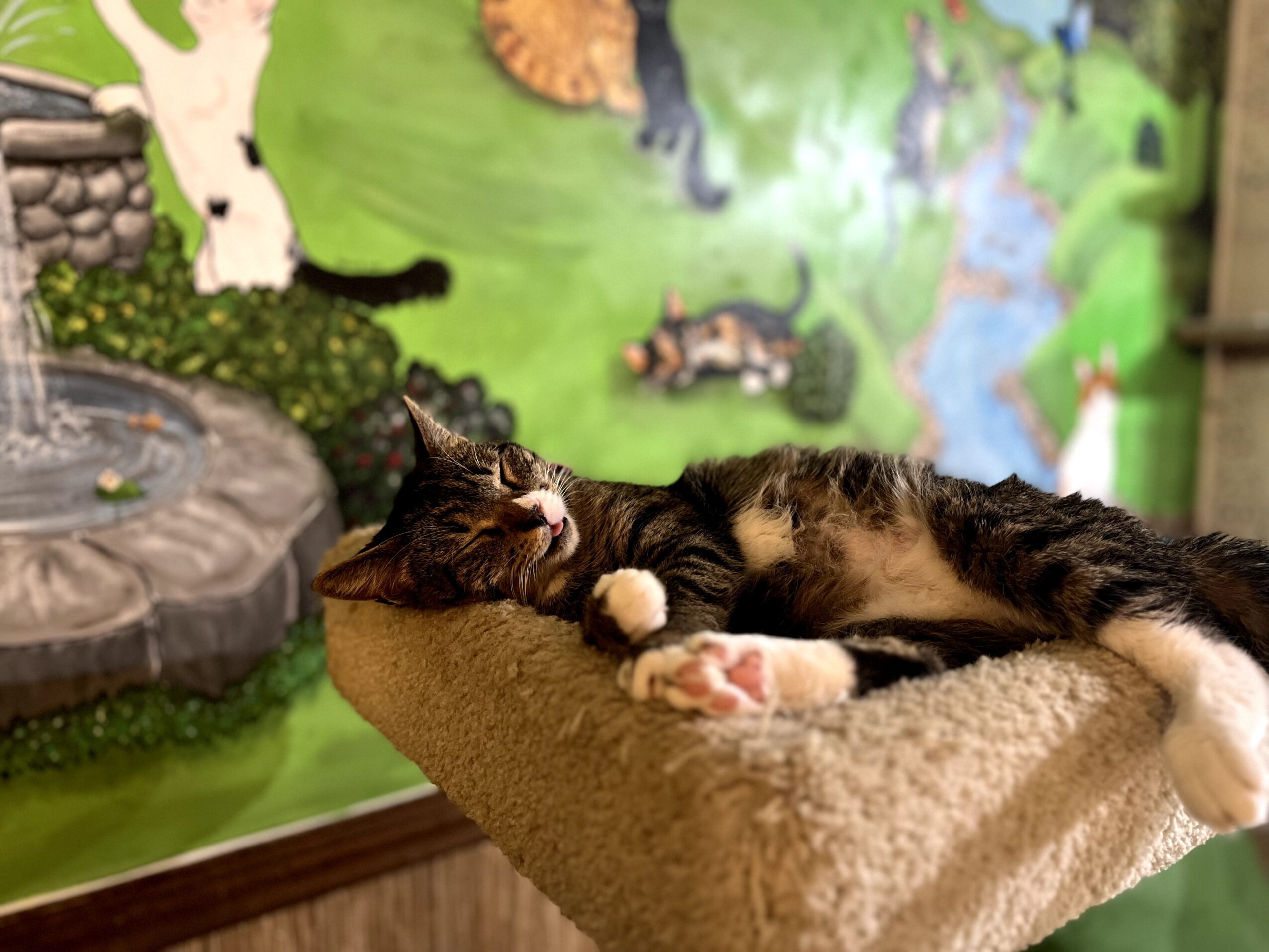
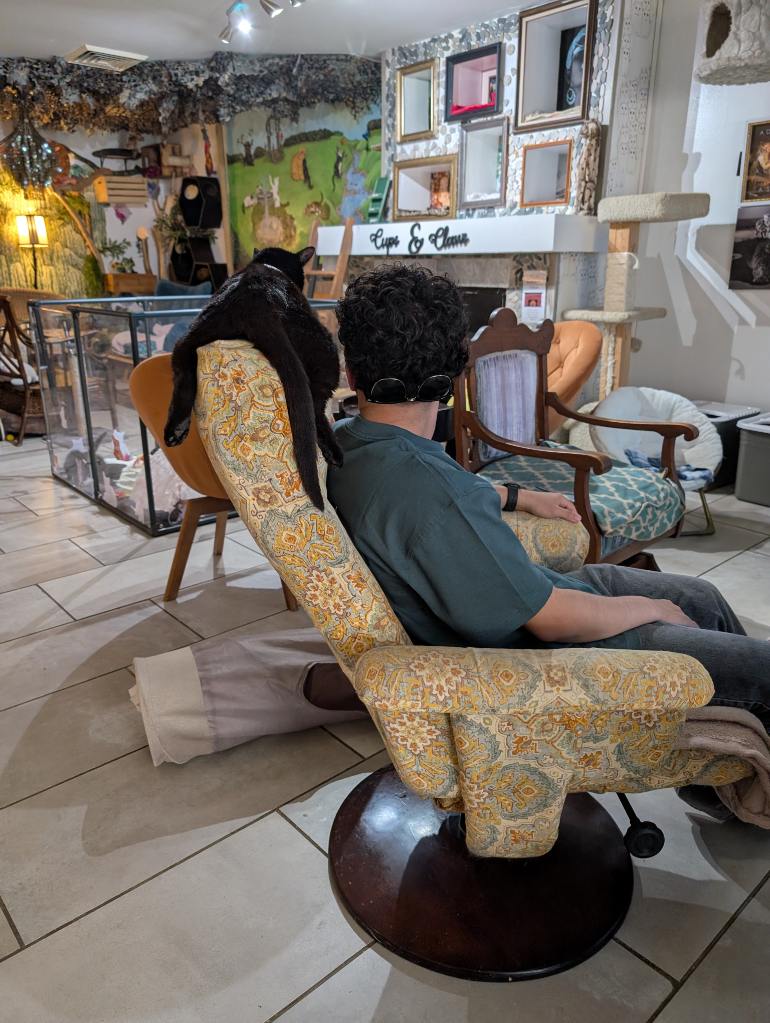
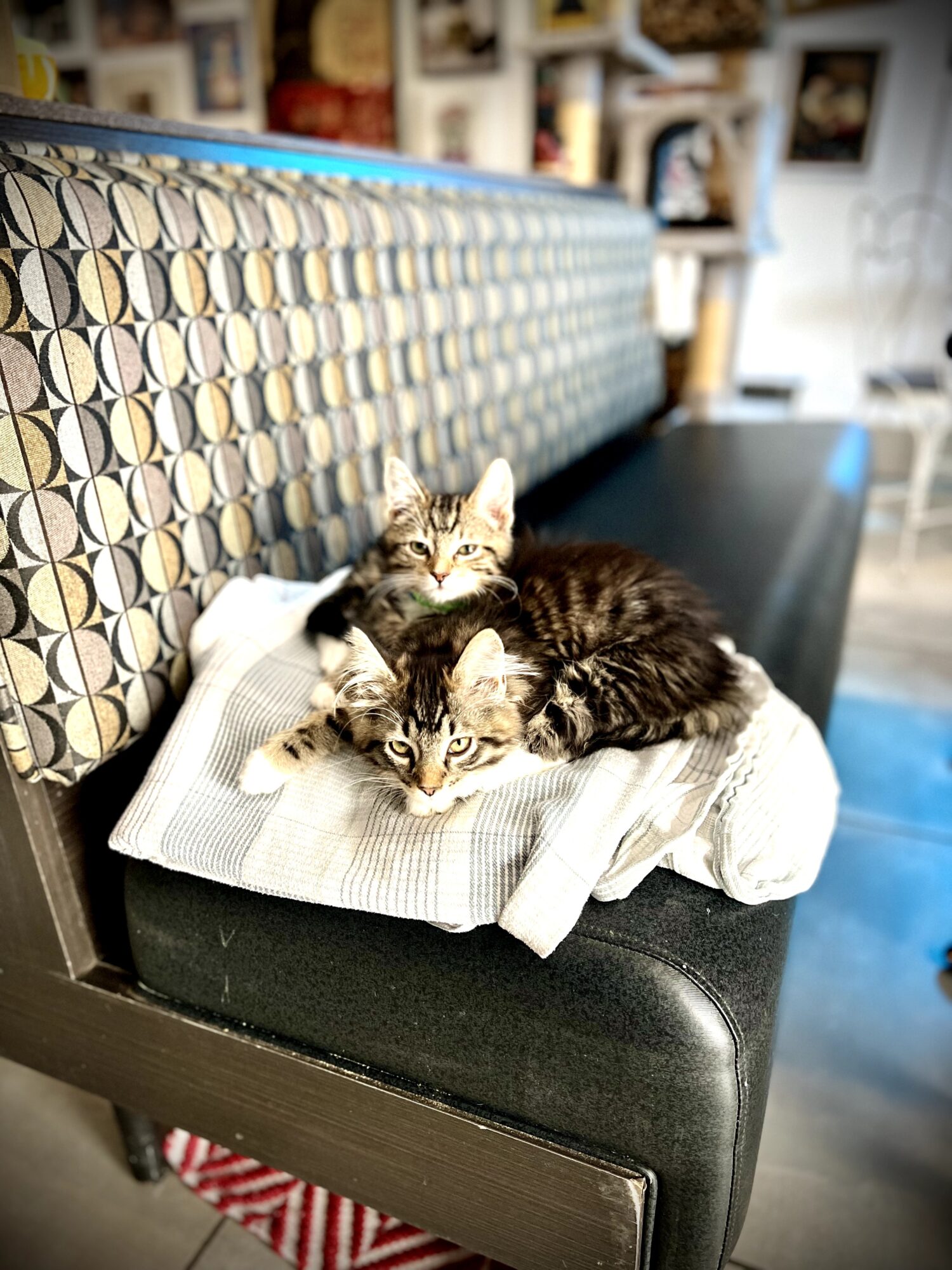
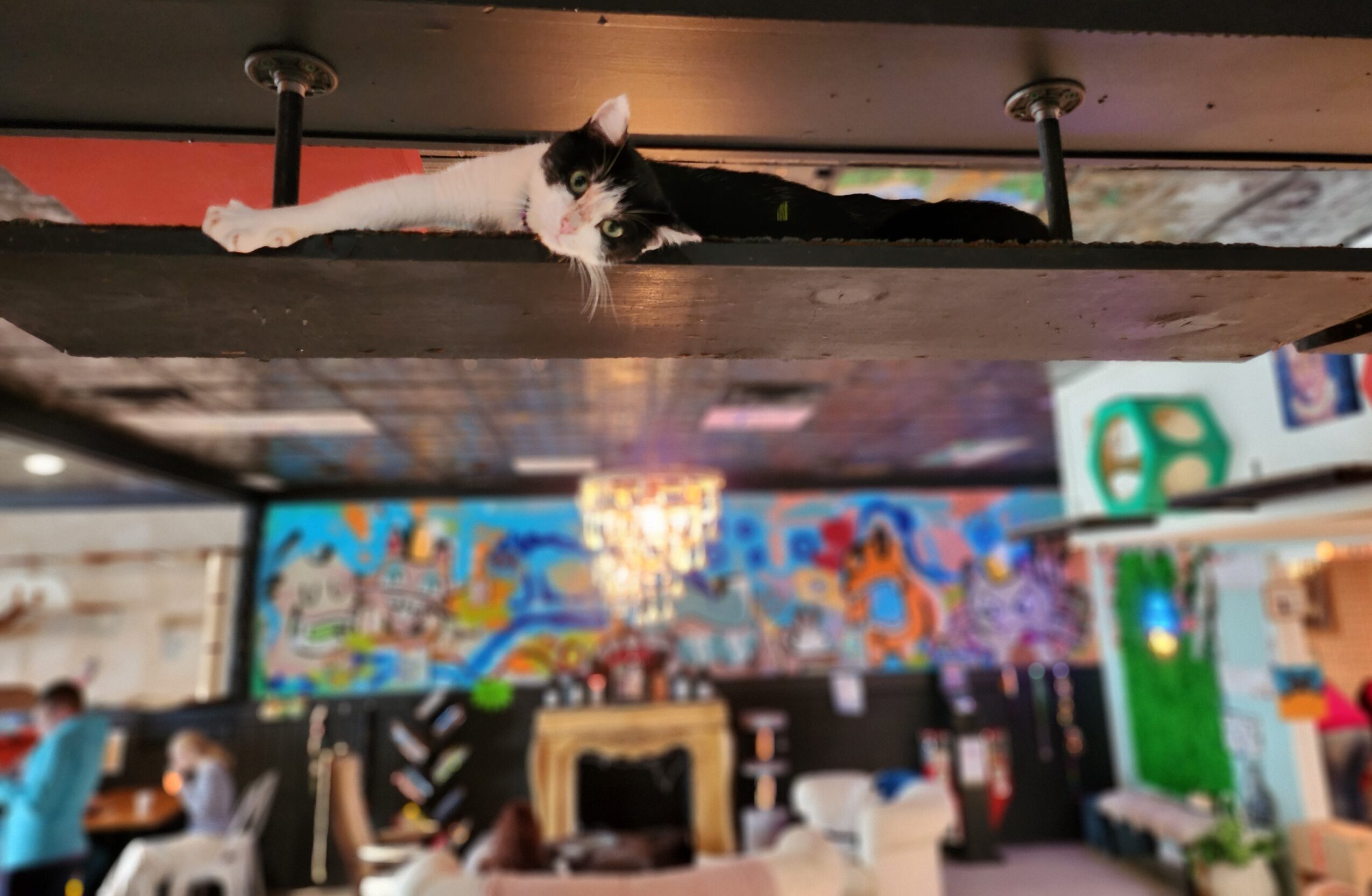
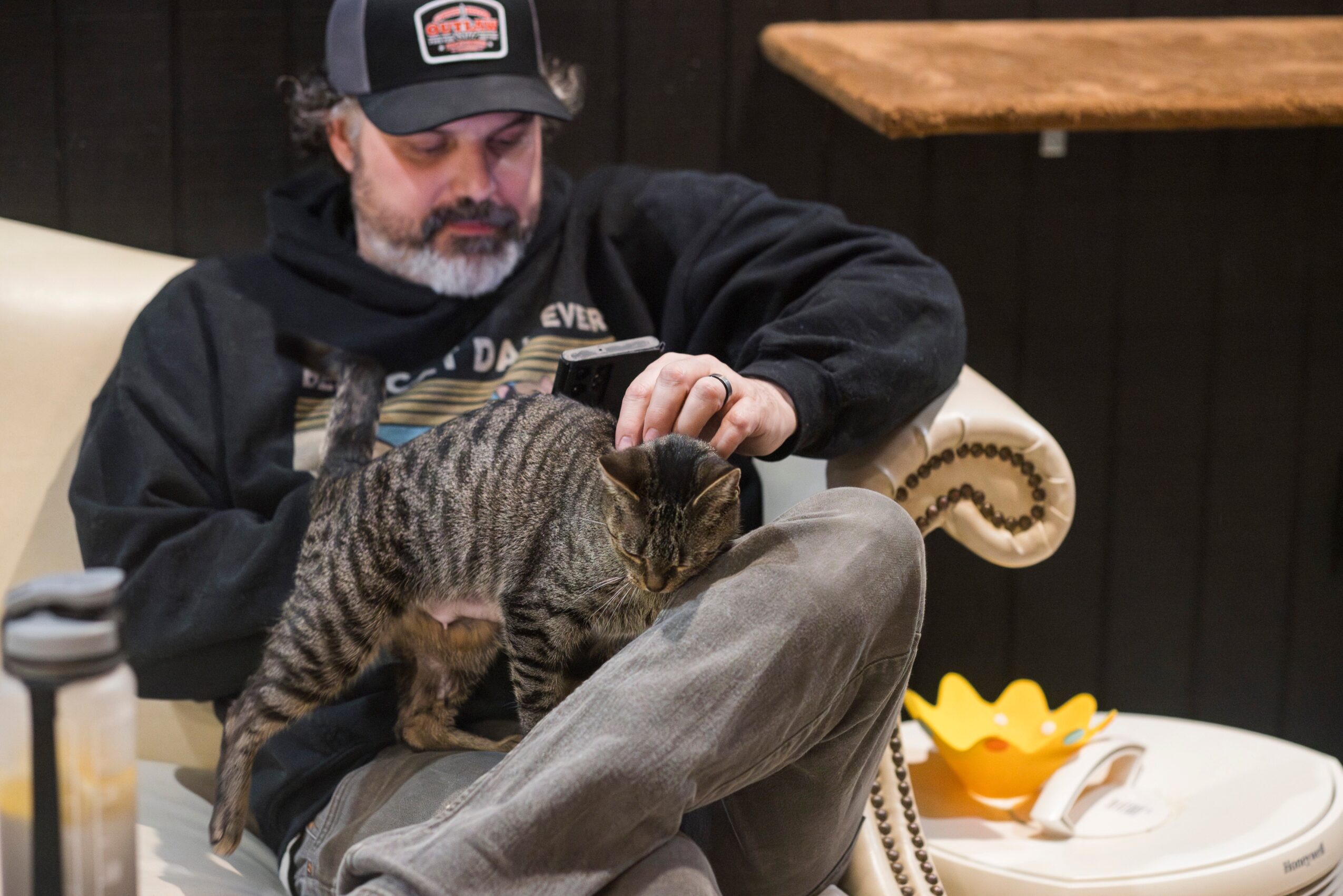
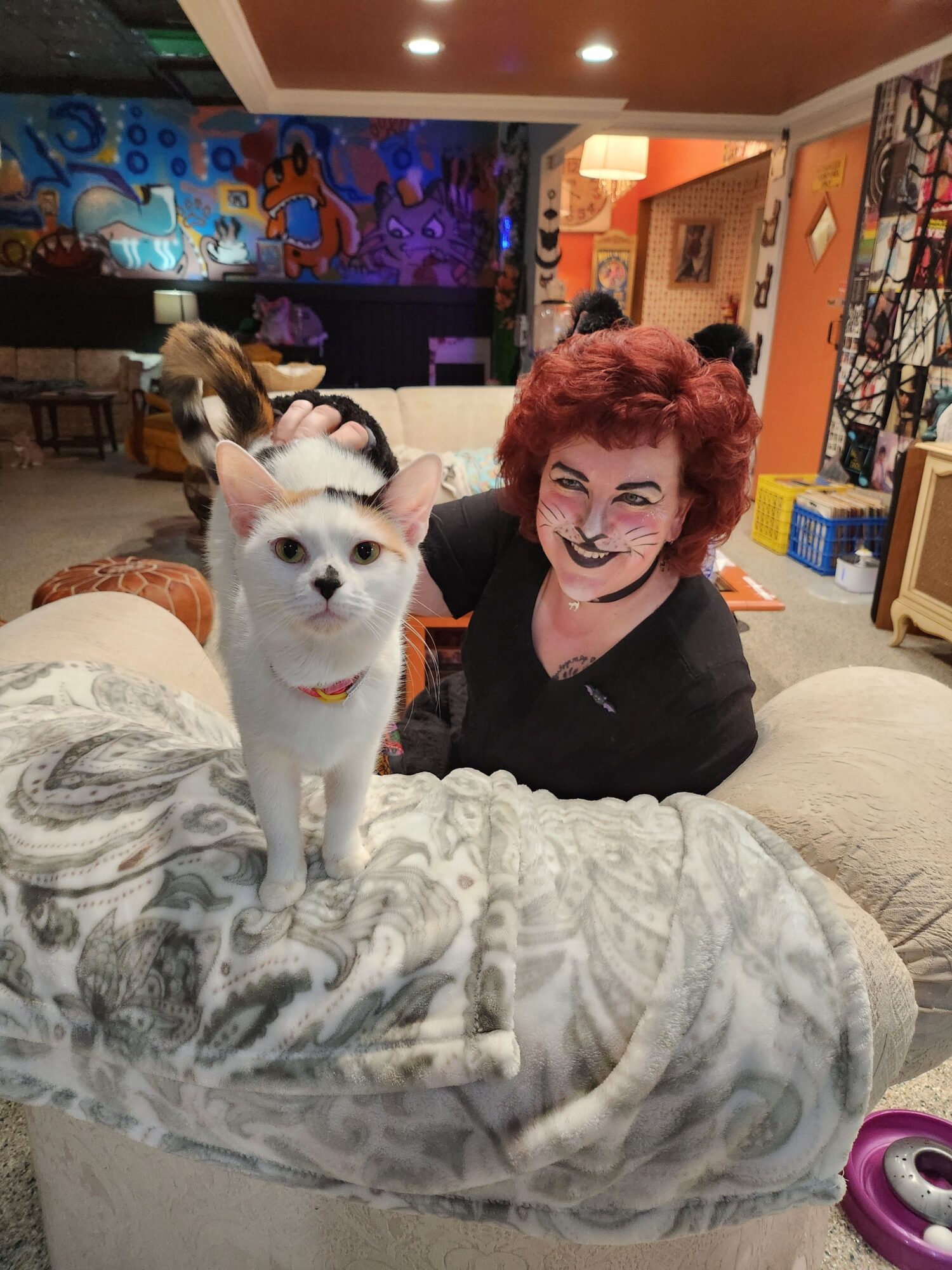
Navigating that regulatory red tape took incredible persistence, but we stuck with it. Today, Cups & Claws stands as Newport News’ best—and only—cat lounge. We successfully created that cage-free environment where hundreds of homeless felines get to show their true personalities and find forever homes, while giving our community a vital, loving space to decompress, heal, and unwind.
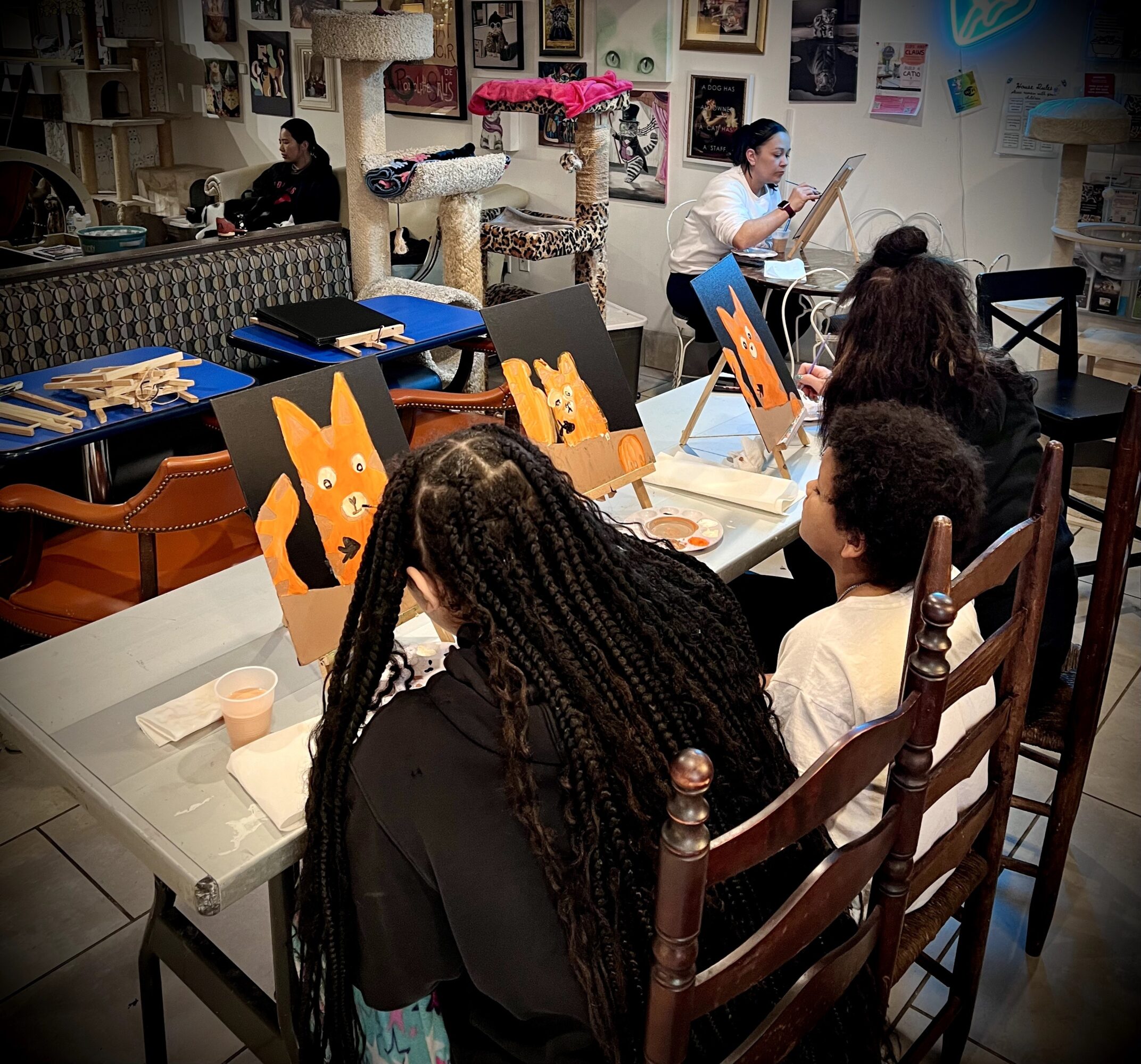
Cups & Claws is a mission-first, community-funded rescue engine. It flips the novelty cafe model on its head by turning a standard visit into an act of advocacy—where every entry fee directly sponsors a homeless cat’s freedom from a cage while providing humans a vital place to unwind and heal. Community-Rooted: This place we created serves as a versatile sanctuary where our customer can be anyone including locals, families, and students can study, read, or relax, all while supporting the local ecosystem through partnerships with other small business.
We all face challenges, but looking back would you describe it as a relatively smooth road?
Our biggest struggle, both at the start and today, has been balancing a business model that doesn’t fit into a standard box.
In the beginning, the struggle was purely bureaucratic. We were trying to combine a cafe, a retail store, an animal foster network, and a mental health sanctuary under one roof. The health department looked at us through one lens, zoning through another, and animal welfare through a third. Mediating between those entities and rewriting the playbook for how a business like this can safely and legally operate took immense stamina .
Once we opened, the struggle shifted to education. We had to teach the community what a cat lounge actually is—and gently remind people that it’s not a playground to bring their own pets!
Today, like many small business owners, our struggle is economic. We are constantly walking a tightrope between rising operational costs and increased wages, while fighting to keep our space affordable for the neighbors, students, and families who rely on us as a sanctuary. It’s a daily balancing act between staying financially sustainable and staying true to our mission as a community-first rescue space
If you look at our day-to-day operations right now, our biggest hurdle is an educational one. A lot of people walk through our doors expecting a traditional coffee shop where you only pay for what you consume. They don’t always understand that our entry fee isn’t just a ticket to hang out—it is the literal life support system for these animals.
Operating a cage-free rescue sanctuary 24 hours a day is a massive financial undertaking. It requires specialized care, continuous cleaning, food, litter, and a massive amount of space to ensure these felines are safe, healthy, and happy while they wait for their forever homes.
When someone pays that entry fee, they aren’t just buying time; they are directly sponsoring a cage-free life for a homeless kitty that would otherwise be sitting behind bars in a traditional shelter. Balancing the rising costs of running this sanctuary while helping the public understand the true weight of what their admission funds is a constant, delicate conversation we are having every single day.
As you know, we’re big fans of you and your work. For our readers who might not be as familiar what can you tell them about what you do?
People are often surprised when they hear I transitioned from teaching to running a cat lounge, but the truth is, I use my teaching degree every single day at Cups & Claws.
First, classroom management and cat colony management are remarkably similar. In both cases, you have a room full of distinct, sensitive personalities, varying energy levels, and unique emotional backgrounds. You have to read the room constantly, know how to de-escalate tension, and ensure that the environment remains safe, structured, and peaceful for everyone in it. In a classroom, you have 20 to 30 completely different personalities, energy levels, and emotional needs interacting in one space. You have to know who needs quiet space, who is a bit of a bully, and how to de-escalate tension before a conflict breaks out. Managing a room of dozens of free-roaming rescue cats—many coming from stressful or unknown backgrounds—requires that exact same high-level situational awareness and behavioral tracking.
Second, my role as an educator never stopped—it just shifted from students to the general public. Because a cat lounge is still a relatively foreign concept, a massive part of my daily job is education. Whether I’m teaching a first-time visitor how to properly interact with a shy rescue, or explaining how our entry fee serves as the literal life-support system that keeps these animals out of cages, I am constantly using my classroom skills to guide our community toward empathy and understanding.
Ultimately, online teaching during COVID showed me exactly how devastating isolation is to human mental health. It made me realize that both humans and rescue animals desperately need spaces that facilitate safe, authentic connection. Cups & Claws is simply an extension of my classroom—it’s a structured, loving environment designed for learning, growth, and mutual healing
.
Can you tell us more about what you were like growing up?
Looking back, I think the seeds of everything I do today were planted pretty early on. Growing up, I was a mix of a deeply empathetic caretaker and a fiercely independent problem-solver. I was the kid who was constantly fascinated by the living world around me, whether that was volunteering, caring for pets, or just being outside. I loved environments that felt alive, connected, and grounded.I also had a stubborn streak—in a good way! When I set my mind to a project or believed something should exist, I wouldn’t let go of it easily.I grew up in a household where animal rescue wasn’t just a hobby—it was a mission.
My mom was the kind of person who would protect and nurse absolutely anything that needed help. My dad owned his own tree company for 30 years and if he accidentally cut one down that had a nest of baby raccoons in it, he’d bring them right home to my mom. We raised those raccoons, we nursed wounded birds back to health, and our house was always a revolving door of rescue dogs and cats. I learned by example very early on that if a living creature is vulnerable, you build a sanctuary for it.
Personality-wise, I’ve always been an introverted extrovert. I love people, I love connection, and I love building community—but I also deeply value quiet, peaceful spaces where I can decompress and recharge my own battery.
When I look at my path later in life—moving from the classroom to ultimately fighting through red tape to open Cups & Claws—it is the literal manifestation of that upbringing and personality. I took my mother’s philosophy of building a cage-free haven for animals, and I combined it with my own need as an introverted extrovert for a peaceful environment. I accidentally built the perfect space for myself and my community: a vibrant hub that is also, fundamentally, a quiet sanctuary where humans and animals can just sit, heal, and recharge together.
Pricing:
- $12 weekdays
- $16 weekends
- $10 college students
- $10 seniors
- 10 percent off shipyard, military, first responders, city workers and more
Contact Info:
- Website: https://www.cupsandclaws.com
- Instagram: https://www.instagram.com/cupsandclawscafe/
- Facebook: https://www.facebook.com/cupsandclawscatcafe