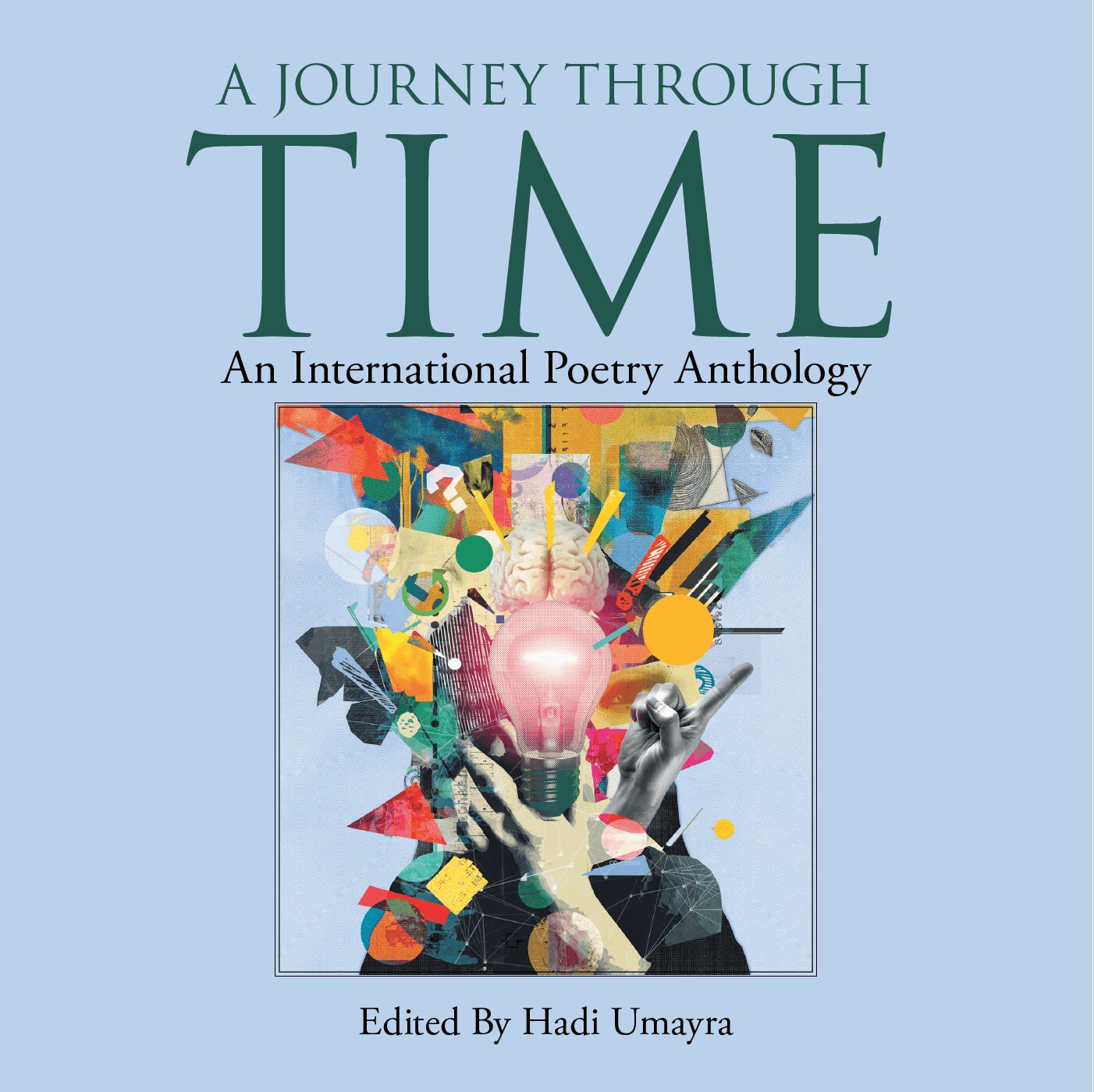





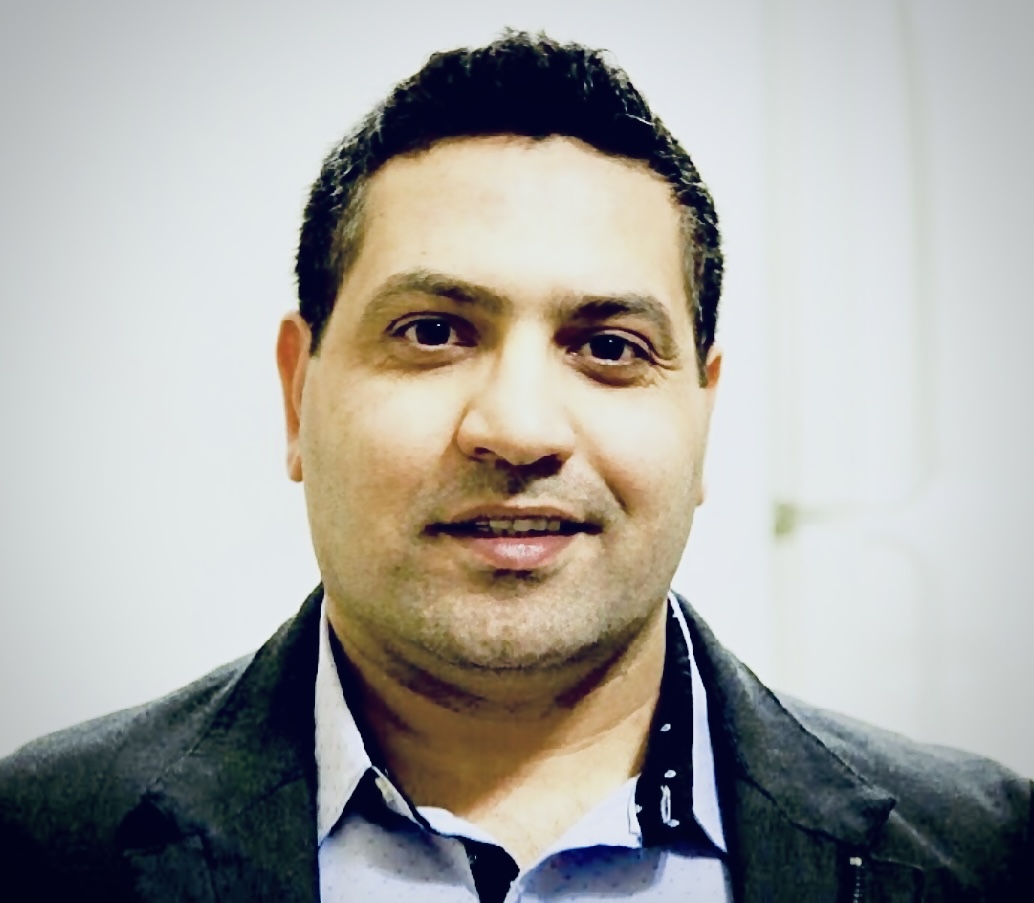
Today we’d like to introduce you to Hadi Umayra.
Hi Hadi, thanks for sharing your story with us. To start, maybe you can tell our readers some of your backstory.
My journey as a writer began with a deep love for language and an enduring belief in the power of words. From an early age, I was drawn to poetry and literature as a way to understand the world, to process emotion, and to give voice to experiences that often go unspoken. Writing was never just a hobby for me—it was a calling, a responsibility, and a form of inner awakening.
Over the years, I committed myself to developing my craft, publishing book after book, each one representing a different stage of growth in both my personal life and my literary vision. Every publication taught me something new—about storytelling, about discipline, about patience, and about the courage it takes to share your voice publicly.
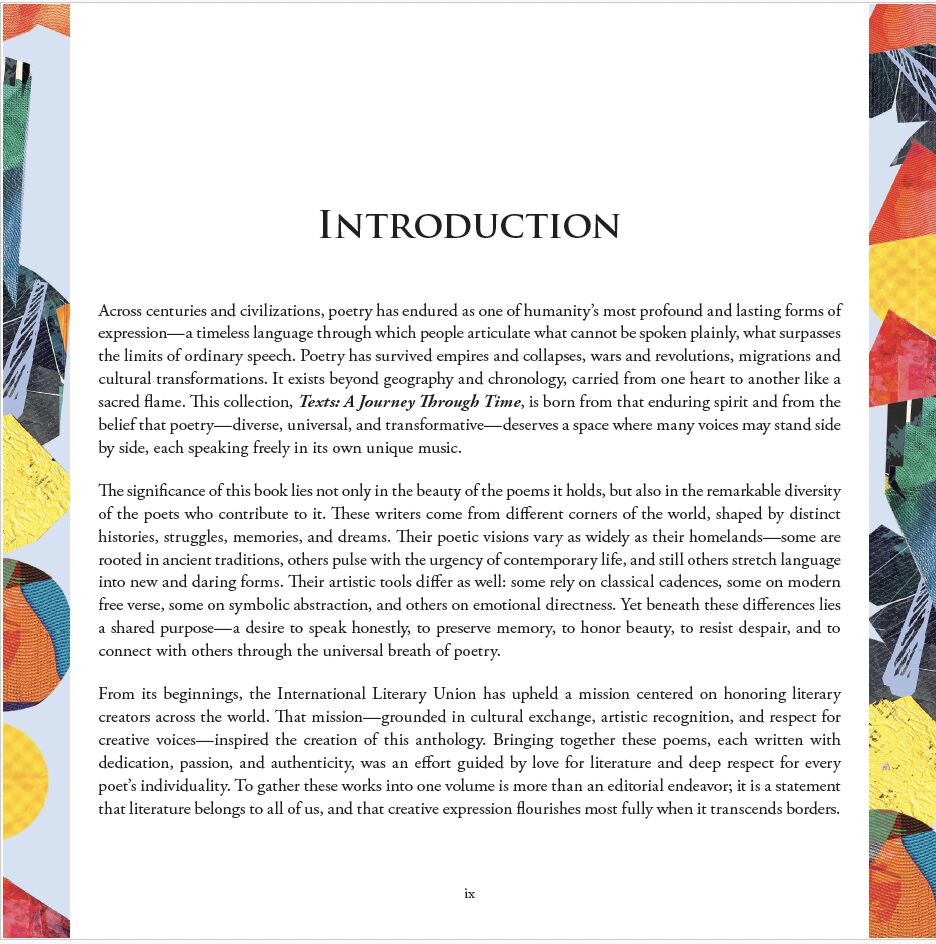
My latest published book, A Journey Through Time: An International Poetry Anthology, marks a particularly meaningful milestone in my career. It is my tenth book to be published and made available for sale online under my name. Reaching this point feels both humbling and empowering. This anthology brings together diverse poetic voices from different backgrounds, cultures, and experiences, reflecting my belief that literature can transcend borders and unite people through shared humanity.
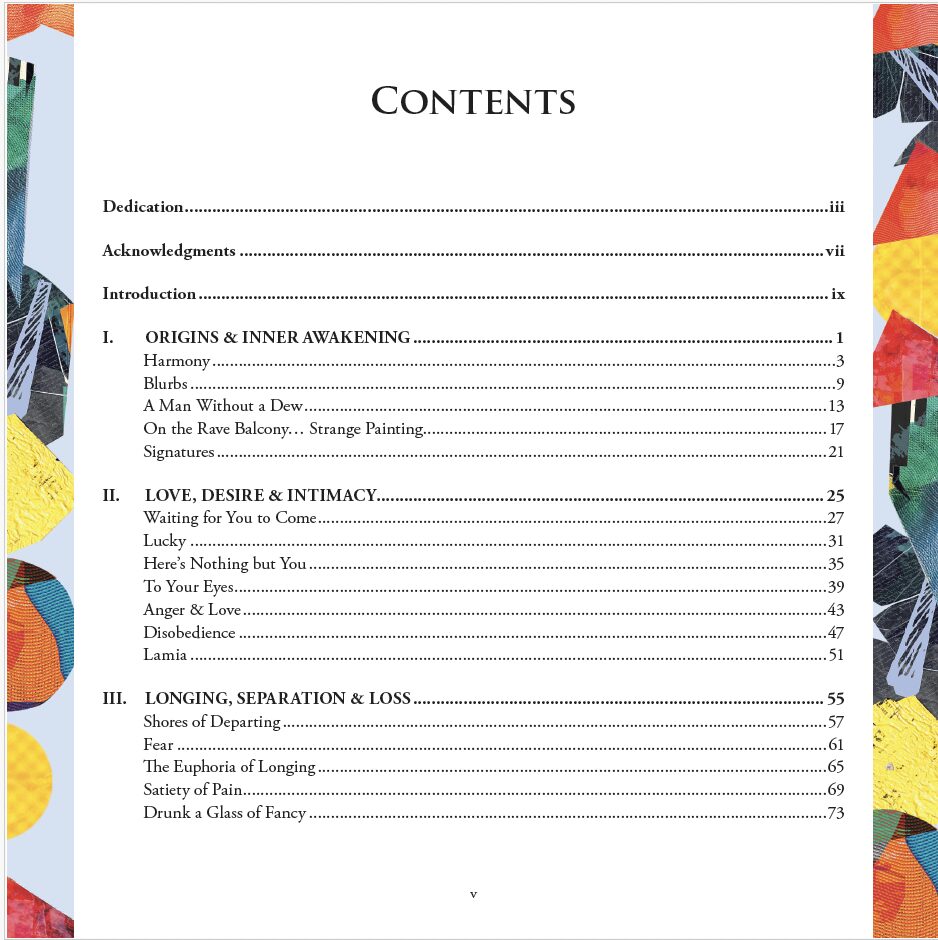
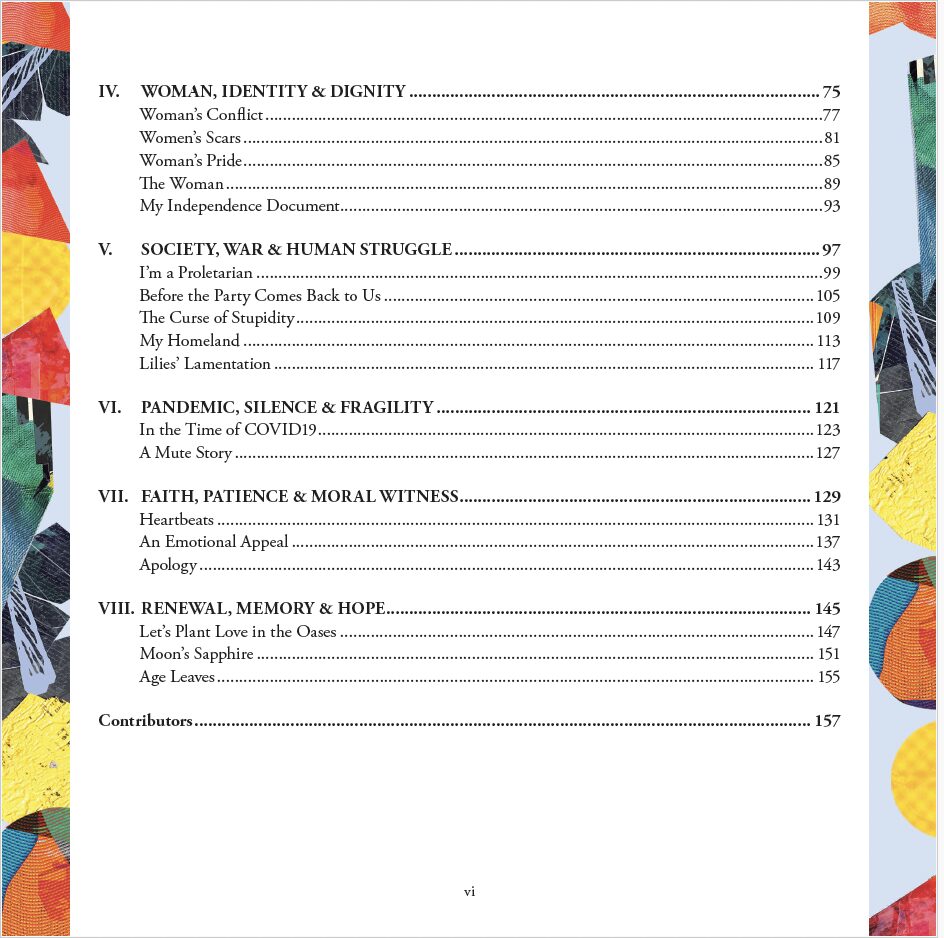
As editor of this international collection, I aimed to create more than just a book—I wanted to build a literary bridge. The anthology explores themes such as identity, love, loss, war, womanhood, faith, resilience, and hope. Each contributor entrusted the pages with their truth, and I felt a deep responsibility to honor those voices with care and integrity.
Publishing ten books has been a journey of persistence, learning, and growth. There were challenges along the way—moments of doubt, obstacles in the publishing process, and the constant effort required to balance creativity with structure. But each step strengthened my commitment to literature.
Today, I continue to write, edit, and contribute to the literary community with the same passion that first inspired me. My goal is not only to produce books but to create meaningful spaces where voices can be heard, stories preserved, and emotions transformed into something lasting.
Reaching my tenth published book is not the end of the journey—it is a new beginning. I look forward to continuing to write, to collaborate, and to expand the reach of poetry and literature in ways that inspire, connect, and endure across time.
Alright, so let’s dig a little deeper into the story – has it been an easy path overall and if not, what were the challenges you’ve had to overcome?
It has certainly not been a smooth road.
Like many writers, I faced moments of doubt early in my journey—questioning whether my voice mattered, whether my work would resonate, and whether I could truly build something lasting in the literary world. Writing itself is a solitary act, but publishing adds another layer of challenge: navigating the technical, financial, and promotional aspects while still protecting the integrity of the work.
One of the greatest struggles was persistence. Publishing ten books did not happen overnight. Each project required discipline, long hours of editing, revisions, communication, coordination, and emotional investment. There were times when progress felt slow, when recognition did not come easily, and when balancing creativity with practical responsibilities felt overwhelming.
With A Journey Through Time, the challenges were even more complex. Editing an international poetry anthology meant working with diverse voices, themes, and perspectives. It required sensitivity, organization, and a strong editorial vision to bring everything together into a cohesive whole while still honoring each poet’s individuality. Ensuring quality, maintaining consistency, and managing the production process demanded patience and resilience.
There were also personal challenges—moments of emotional exhaustion, creative blocks, and the pressure of representing not only myself but also the contributors who entrusted me with their work. Carrying that responsibility was both an honor and a weight.
However, every obstacle strengthened my commitment. The struggles taught me discipline, humility, and endurance. They reminded me that literature is not only about inspiration—it is about perseverance. Reaching my tenth published book is meaningful not because the journey was easy, but because it required resilience at every stage.
Looking back, I see that the challenges were not barriers; they were shaping forces. They refined my voice, deepened my purpose, and made the achievement far more rewarding.
As you know, we’re big fans of you and your work. For our readers who might not be as familiar what can you tell them about what you do?
At the heart of my professional life is one central pursuit: understanding how systems shape meaning—whether those systems are linguistic, technological, political, mechanical, or psychological.
I am a writer, translator, theorist, and interdisciplinary researcher. My work moves between creative literature and conceptual scholarship, often blending the two. I specialize in rhetoric, translation studies, digital literacy, and theoretical interpretation, but my writing extends into philosophy of stability, constraint theory, and the structural foundations of persistence across systems.
As a creative writer, I am known for psychological and philosophical storytelling. In Mind in Motion, for example, I explore the internal architecture of consciousness—identity, exile, artificial intelligence, faith, and the silent negotiations between light and darkness within the human mind. My stories are not event-driven; they are interior. They examine what happens beneath visible reality. Readers often describe my style as reflective, layered, and intellectually immersive.
As a scholar, I approach theory with the same creative intensity. In my article Digital Literacy Is Not a Device, I reframed digital literacy as a socially sponsored, multimodal, epistemic, and civic practice embedded within socio-technical systems—challenging the idea that literacy is merely a technical skill. My work in constraint theory and stability—such as Constraint Fields and Stability as a Fundamental Physical Principle—demonstrates my fascination with foundational structures: the hidden forces that maintain order, support, and boundedness in physical and conceptual systems.
What sets me apart is this integration. I do not separate creativity from theory. My background—an M.A. in Translation and Interpreting from the University of Illinois, an M.A. in Political Science and Literature from UT Dallas, and my ongoing Ph.D. in English focusing on Rhetoric and Technology—has shaped a mind that thinks across disciplines. Translation trained me to enter another consciousness. Political science trained me to analyze systems of power. Literature refined my narrative voice. Rhetoric and technology studies sharpened my understanding of mediation and digital structures.
Even in my early work, like Brain Hacker, I described translators as individuals who enter the mind of the author—an idea that later evolved into my broader scholarly focus on mediation, interpretation, and structural cognition. Whether I am writing fiction, theoretical essays, or interdisciplinary research, I am always asking: What structures sustain meaning? What keeps systems stable? What makes ideas persist?
What I am most proud of is not a single publication, but the coherence of my intellectual journey. I have built a body of work that connects literature, theory, translation, digital media, and philosophy. My writing—creative and scholarly—shares a distinctive quality: it seeks depth beneath surface reality. It looks for the invisible architecture that holds experience together.
In a world that moves quickly, I specialize in slowing thought down—examining structure, uncovering hidden assumptions, and turning complexity into clarity.
That, ultimately, is my work.
Where do you see things going in the next 5-10 years?
Over the next five to ten years, I see my field—situated at the intersection of writing, rhetoric, translation, and digital technology—undergoing profound structural transformation.
The most significant shift will continue to be the normalization of AI-mediated production. Writing, translation, research, and even creative drafting are no longer exclusively human-first processes. Large language models and generative systems are becoming embedded into everyday communication infrastructures—education, publishing, journalism, policy, and corporate communication. The question is no longer whether AI will be used, but how authority, authorship, and responsibility will be negotiated within AI-assisted environments.
This will produce three major changes:
1. Redefinition of Literacy.
Digital literacy will expand beyond technical skill into algorithmic literacy—understanding how systems generate, rank, filter, and frame information. Professionals in writing, rhetoric, and translation will increasingly function as mediators between human intention and machine output. The ability to critically interpret AI-generated text, detect bias, and ethically deploy generative tools will become a core competency.
2. Hybrid Authorship Models.
We will see the emergence of collaborative authorship between humans and AI. The role of the writer will shift from sole creator to architect, curator, and critical editor. Creativity will not disappear; rather, it will become more conceptual. The human contribution will lie in vision, structure, ethics, and depth—areas where intentionality and contextual judgment remain crucial.
3. Increased Demand for Clarity and Trust.
As synthetic content proliferates, trust will become scarce. Clear communication, transparent methodology, and ethical framing will gain renewed importance. Fields like rhetoric, discourse studies, and translation will be central in rebuilding credibility within institutions, media, and public discourse.
For translation specifically, machine translation will continue improving, but human translators will remain essential for cultural nuance, literary voice, and high-stakes communication. The translator’s role will shift toward post-editing, cultural adaptation, and strategic communication rather than raw linguistic transfer.
In academia and creative industries, interdisciplinarity will intensify. Boundaries between the humanities, technology, political systems, and data science will continue dissolving. Scholars and artists who can think structurally—across systems rather than within silos—will be best positioned to lead.
I also anticipate a philosophical shift. As AI systems simulate cognition, society will revisit foundational questions: What is originality? What is authorship? What distinguishes human creativity from generative synthesis? These are not merely technical questions—they are rhetorical, ethical, and existential.
Overall, I see my industry moving toward integration rather than fragmentation. The future will belong to those who can combine technical fluency with theoretical clarity, creative imagination with ethical responsibility.
For me, this trajectory is not disruptive—it is generative. My work has always focused on mediation, systems, and the structures that sustain meaning. The next decade will simply make those questions more urgent, more visible, and more necessary than ever before.
Pricing:
- Available for speaking engagements, academic lectures, and workshops (pricing upon request)
- Consulting in digital literacy, rhetoric, translation, and interdisciplinary research (custom quotes based on scope)
- Editorial and translation services (project-based pricing)
- Creative writing collaborations and manuscript consultations (rates available upon inquiry)
Contact Info:
- Website: https://www.amazon.com/stores/author/B07JMNP5QB/allbooks?ccs_id=1288d39f-7050-4b84-9182-29b5a4090aa3
- LinkedIn: https://www.linkedin.com/feed/
- Other: umayrahadi@gmail.com