





Today we’d like to introduce you to Scotti Quam.
Hi Scotti, we’d love for you to start by introducing yourself.
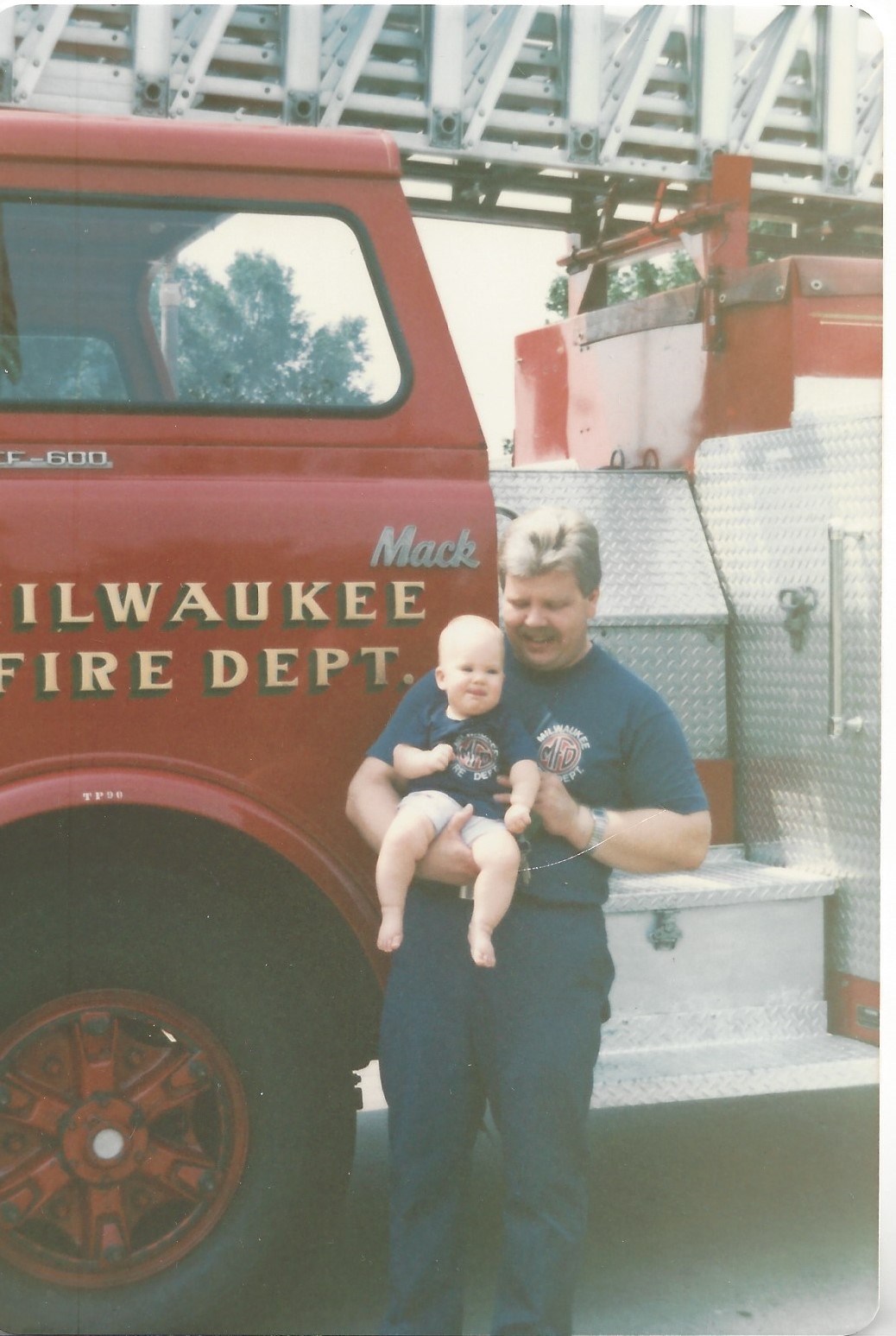
I grew up in the fire service. My father was a Fire Lieutenant with the Milwaukee Fire Department—a hazmat specialist and Honor Guard founder. I learned early what it means to carry a job that never fully comes home with you, and what it costs a family when it does. That foundation shaped more than I realized at the time.
My own career took a different path. I was drawn to organizational psychology and change management, and I climbed into corporate leadership without a clear sense of what I was climbing toward. The incentives were obvious—title, income, stability—and I was good at the work. But I was running hard without ever asking whether the direction was right.
My father was diagnosed with cancer and died when I was in my mid-thirties. Losing him forced me to stop and look at two things at once: how he had spent his time, and how I was spending mine. I started to see grief as the human cost of time misused—we don’t just mourn the person, we mourn the unlived possibilities, the things we said we’d do later. That reckoning changed everything.
I left corporate work and founded Slow Living Solutions out of personal necessity first—I needed to live more intentionally—and out of professional calling second. The fire service I’d grown up watching was the community I felt most called to serve. I had seen the burnout build behind the scenes: the fatigue that gets normalized, the relationships that carry the strain, the silence that becomes a way of surviving shift life. I had the training to understand it systemically, and the lived experience to understand it personally.
Today, Slow Living Solutions works with Fire & EMS professionals and departments to reduce chronic stress, illness, and suicide risk through the science of self-regulation, social support, and community connection. The premise is the same as it’s always been: you can never save time, but you can always choose how you spend it.
Alright, so let’s dig a little deeper into the story – has it been an easy path overall and if not, what were the challenges you’ve had to overcome?
No smooth road here—and I’d be skeptical of anyone in this work who claimed otherwise.
The first challenge was personal. Grief doesn’t come with a timeline, and building a business while processing the loss of my father—while also stepping away from the career identity I had relied on—meant building on uncertain ground. There were stretches where I questioned whether I was the right person to do this work, or simply the person who needed it most.
The second challenge was earning trust in the fire service. It’s a proud and insular culture, for good reason. Outsiders are met with skepticism. I had to earn my way in—not by leading with credentials, but by showing up consistently, learning the language, and demonstrating that this work was built for firefighters, not just about them. My father’s legacy opened doors. What I did with those conversations determined whether they stayed open.
The third challenge is ongoing: the gap between what the research says works and what departments are equipped or willing to implement. Peer support programs exist. Wellness initiatives exist. But most stop short of addressing the deeper issues—identity drift, moral injury, the slow erosion of social connection—because those are harder to measure and slower to show results. Making the case for upstream, culture-level change to organizations that are in constant crisis-response mode is genuinely difficult. That tension is something I live with every day, and it’s also what keeps me sharp.
Appreciate you sharing that. What should we know about Slow Living Solutions?
Slow Living Solutions exists because too many of the strongest in our communities are expected to carry the weight of the job in silence—until it shows up in their health, their relationships, or their will to keep going.
Our mission is to help mid-career Fire & EMS professionals build sustainable health, life, and career longevity through confidential coaching and consulting that strengthens self-regulation, social support, and community connection. This is not therapy, grief counseling, or crisis intervention. We operate proactively—partnering with departments to co-create stigma-resistant, supportive cultures that reduce the risk of chronic stress, chronic illness, and suicide before the crisis arrives.
The name reflects our commitment to intentionality. In Fire & EMS, “slow” doesn’t mean doing less—it means building the internal and organizational capacity to stay steady under pressure and recover well after it.
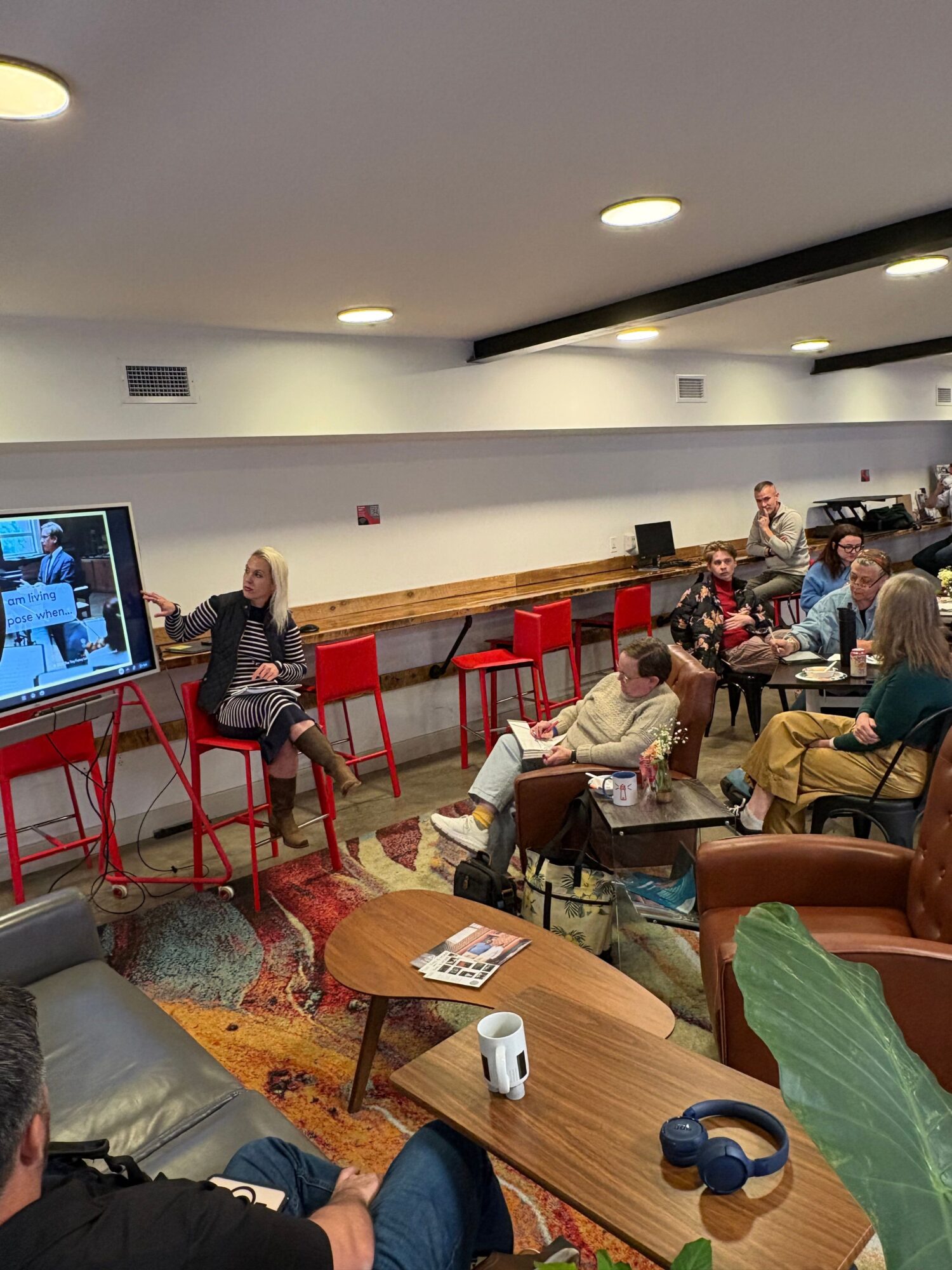
As an Applied Organizational Psychologist, I translate research into practical, field-tested tools that work in real departments. My approach starts with mental, emotional, and physiological self-regulation—skills that help people interrupt the stress cycle and rebuild self-trust. Self-trust becomes the gateway to stronger interpersonal and organizational trust, deepening connection and strengthening team environments. These skills are delivered through Mindfulness-Based Resilience Training, Burnout Mitigation & Recovery, small-group coaching, and scenario-based intensives designed to build empathy, perspective, and problem-solving for real-world Fire & EMS challenges.
For departments, we offer leadership workshops, culture and burnout-driver assessments with debriefs, and pilot programs that build stigma-resistant peer support and practical recovery habits into daily operations.
One differentiator I’m particularly proud of: our work explicitly cultivates generativity—the drive to pass something meaningful forward. To serve, mentor, and leave the place better than you found it. In Fire & EMS, protecting that sense of purpose and legacy is protective of longevity itself. When purpose and connection erode, burnout and isolation accelerate. Clients walk away with strategies, habits, and behaviors that help them regulate under pressure, reconnect with their people, and lead with clarity—so they can serve sustainably and build a legacy they’re proud to pass on.
Let’s talk about our city – what do you love? What do you not love?
I wouldn’t live anywhere other than Staunton, VA. It’s nestled in the foothills of the Blue Ridge Mountains, surrounded by history, horses, and wine country. But beyond the natural beauty, the historic sites, and the rich art and artisan culture, I call it home because — unlike anywhere else I’ve lived — I’ve been able to cultivate real community here. That’s not a small thing. At the end of the day, my slow living solution is my own lifeline. The life I’m intentionally building isn’t spent entirely on building a business. It’s about living the life I actually want.
The honest “least” is harder to say but worth saying: Staunton’s local economy leans heavily on tourism, and that single-industry reliance limits broader economic growth. The ripple effect is real — economic disparity quietly narrows educational and experiential access for the majority of people who grew up here. The same people who are the backbone of this community often have the least runway to build within it. That tension sits with me. It’s part of why the work I do — helping people reclaim agency over their time, their identity, and their path forward — feels as relevant here at home as it does anywhere else.
Pricing:
- Redline to Baseline Scorecard — Free self-assessment that identifies your personal burnout drivers and gives you a starting point for recovery. Takes less than 5 minutes. [https://101c8q4mrpo.typeform.com/to/tf1643f8]
- 8-Week MBRT Burnout Recovery Challenge — Self-paced online course built on Mindfulness-Based Resilience Training. Designed for Fire & EMS professionals who want practical, research-backed tools for regulating stress, rebuilding recovery habits, and reconnecting with purpose — on their own schedule. $67 | [https://slowlivingsolutions.thrivecart.com/mbrt-challenge/]
Contact Info:
- Website: https://www.slowlivingsolutions.com
- Instagram: @thetinyfancylady, @slowlivingsolutions
- Facebook: https://www.facebook.com/thetinyfancylady
- LinkedIn: https://www.linkedin.com/in/stefaniquam/
- Youtube: https://www.youtube.com/@slowlivingsolutions