





Today we’d like to introduce you to Mark Gilvey.
Alright, so thank you so much for sharing your story and insight with our readers. To kick things off, can you tell us a bit about how you got started?
The Beginning: Foundational Mastery (1985)
My professional journey began with a formal foundation at the Art Institute of Pittsburgh, where I graduated in 1985 with an associate degree in Specialized Technologies for Photography and Multi-Image. Coming up in that era meant cutting my teeth on the uncompromising mechanics of large-format cameras, complex E-6 chemistry, and Ansel Adams’ Zone System. It was an environment that demanded absolute technical precision; because you couldn’t see your results instantly, every frame had to be calculated meticulously before clicking the shutter. This taught me to view light not just as an exposure setting, but as an active element to be shaped.
The Optical & Prepress Years: Quinn Associates, Inc. and Utopia Communications Group
Armed with a specialized multi-image background, I stepped into the fast-paced world of corporate media and agency production. I spent a pivotal decade as a core creative force at Quinn Associates, Inc., engineering high-end multi-projector slide presentations, corporate video content, and high-impact commercial photography for national clients. It was a highly specialized niche; I learned to execute advanced optical special effects on a pin-registered film system—using the exact same model of optical printer used to composite the original Star Wars movie.
As the sun began to set on the analog multi-image industry, I transitioned into print media, working for a prominent design agency in Washington, D.C.; Utopia Communications Group. Adobe Photoshop was only at version 2.0 at the time, and I stepped into the role of lead photo retoucher. This era was my literal bridge from analog chemistry to digital pixels, giving me a deep, foundational mastery of digital color spaces, masking, and image compositing long before they became mainstream industry standards.
During this agency chapter, the U.S. Marine Corps Historical Museum reached out to our firm for a major historic commission. I was tasked with creating a massive 4′ x 6′ hand-colored photo montage of the Mt. Suribachi flag raising. That finished historical installation now resides as a permanent exhibit aboard the USS Iwo Jima (LHD-7).
The Digital Shift: InterPublishing Group
When the company in Washington, D.C. hit hard times, it forced a critical pivot that expanded my skill set far beyond the static page. I moved out of the city and went to work for InterPublishing Group in Manassas, Virginia. Over the course of several years, I completely immersed myself in the early frontier of the internet, working as a web designer and search engine optimization (SEO) specialist. This chapter was crucial; it took my deep understanding of visual composition and married it to digital marketing, user experience, and online discoverability—the exact tools needed to build a modern, forward-facing creative business.
Design for a Mission: Zeiders Enterprises & MCB Quantico
Building on that blend of print, prepress, and digital layout skills, I next stepped into the role of Senior Graphic Designer for Zeiders Enterprises, an organization dedicated to supporting military service members and their families. Working closely with Marine Corps Base Quantico, I was part of a specialized team tasked with developing an essential “playbook” of sorts—a comprehensive, highly visual guide designed to help military families navigate, adjust to, and understand the unique complexities of their new life. This project deepened my connection to the military community and allowed me to use tactical visual design to translate complex, life-altering information into an accessible, human story.
The Commercial Evolution: Mark Gilvey Creative (mgcre8v.com)
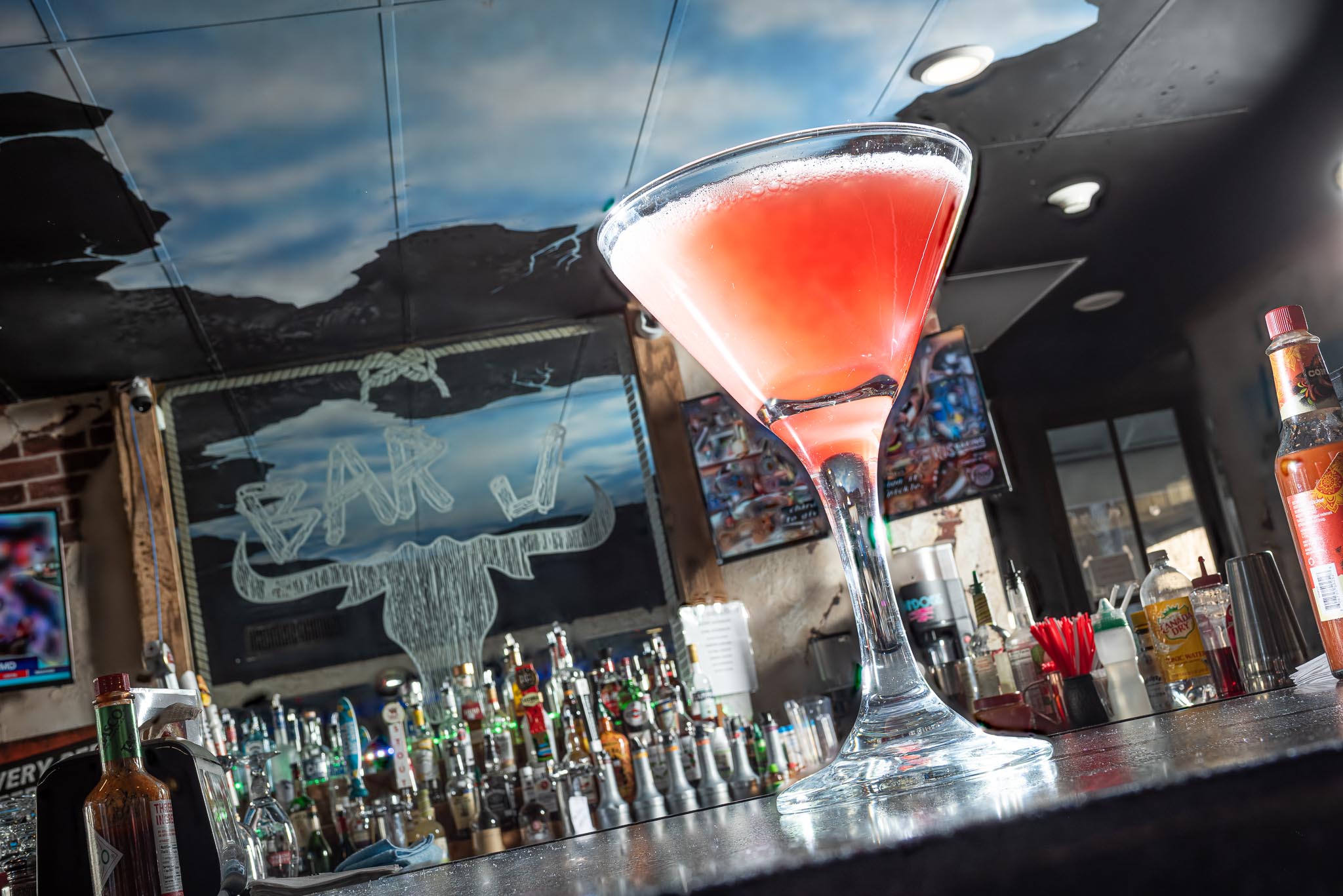
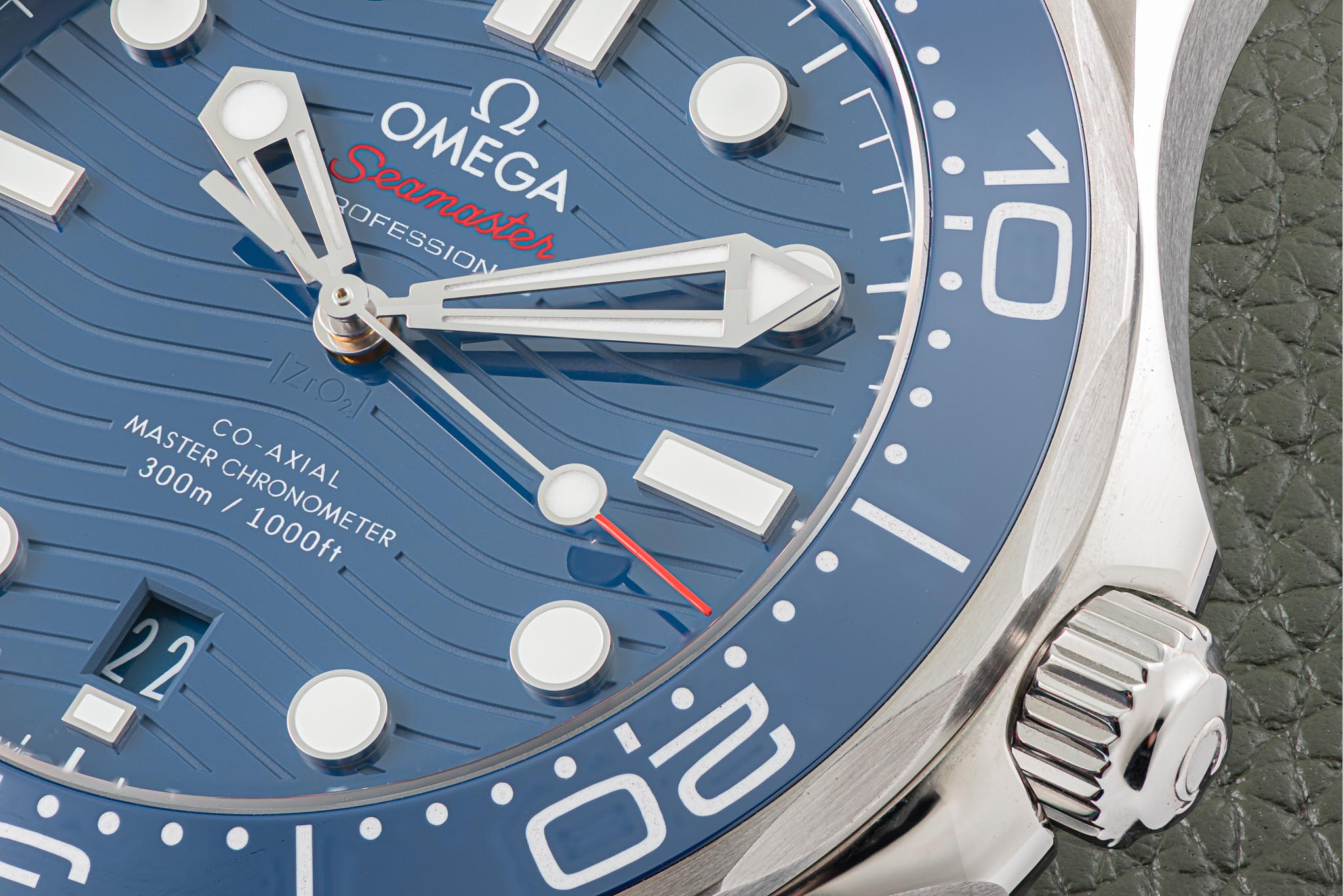
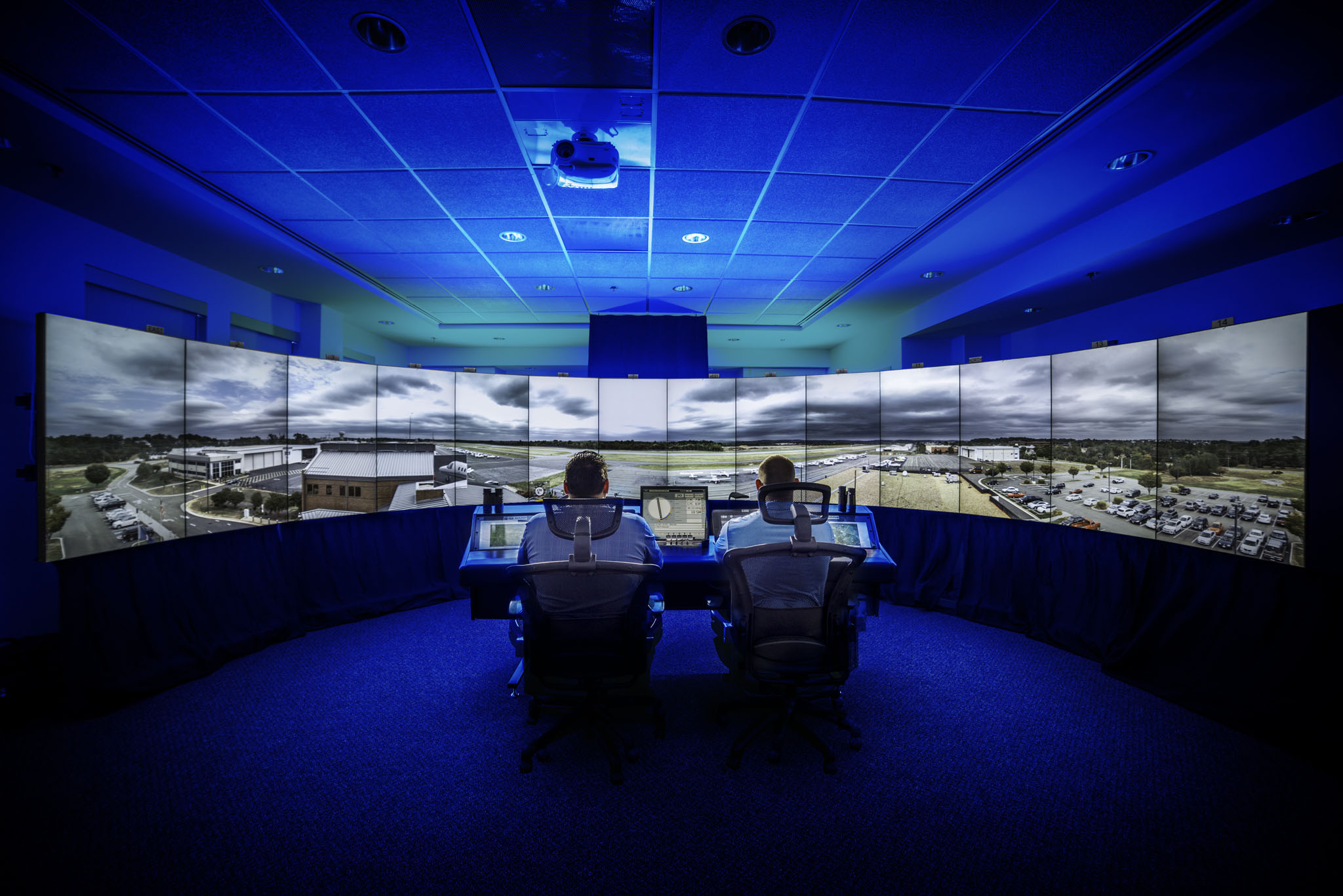
After going through another corporate shake up, I took my corporate agency background and tech-forward prepress experience and launched Mark Gilvey Creative, based out of Woodbridge, VA. My mission was to give regional businesses, corporate teams, and art directors a sharp, professional alternative to the DIY approach—specializing in meticulous industrial and product photography, corporate portraiture, and dynamic events. My commercial work has been featured in the an IMAX theater, and on the covers of major regional and industry publications like Prince William Living and Advanced Photoshop.
The Parallel Path: Narrative Surrealism & Fine Art (mgfineartphoto.com)
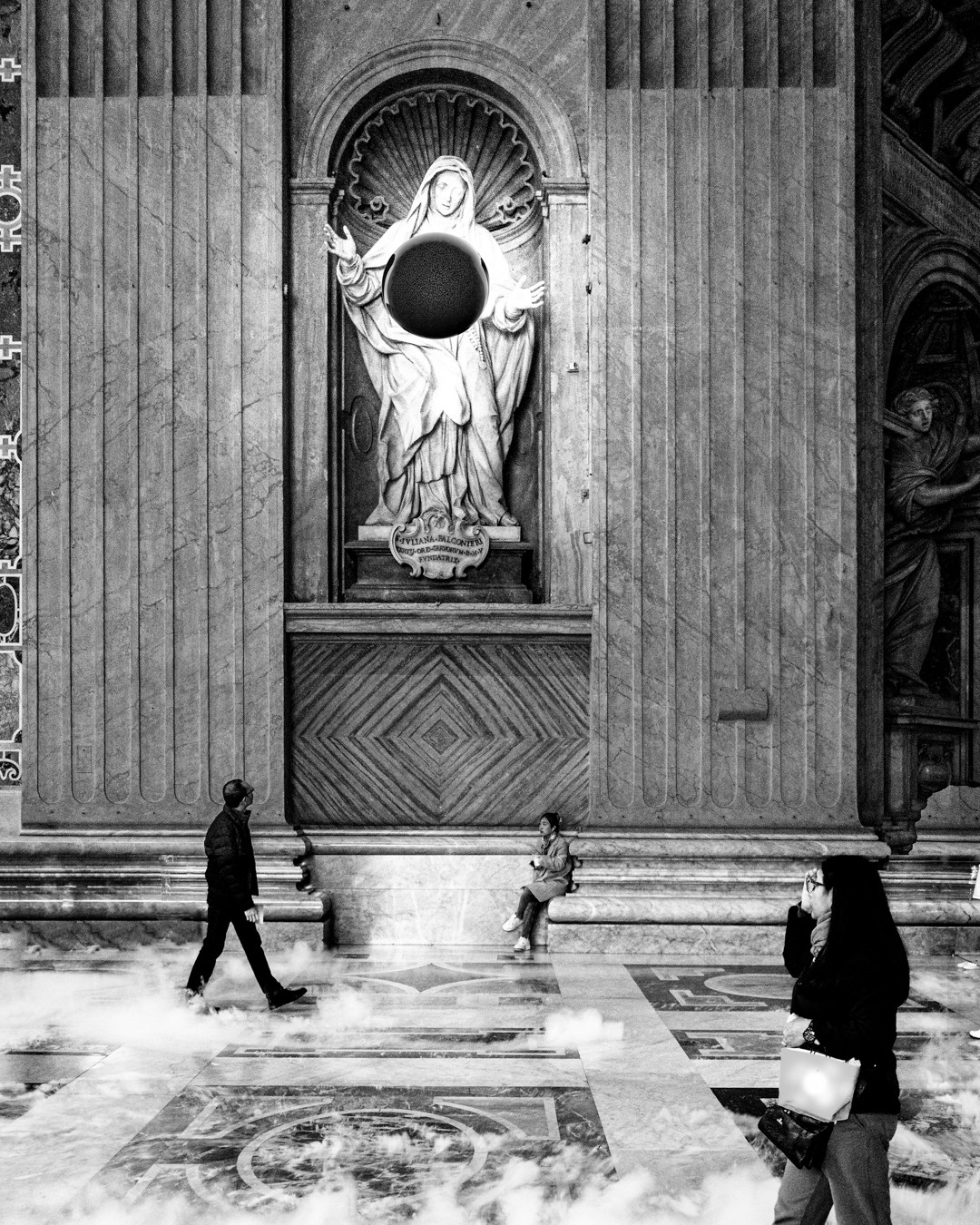
While building a busy commercial studio, I never lost my passion for the purely creative, fine-art side of the lens. This dual perspective led me to establish my fine art presence. I view the digital sensor not just as a tool for commercial capture, but as a canvas for the same meticulous optical experimentation I used to do by hand. Today, my fine art work thrives at the intersection of technical precision and narrative surrealism. I lean into techniques like light painting—physically sculpting textures with handheld flashlights—and what I call “Digital Alchemy” to transform ordinary subjects into dreamlike, surreal narratives.
Where I Am Today
Today, I operate with one foot firmly planted in the commercial world and the other in fine art education and expression. Beyond client commissions and gallery projects, I’ve channeled my decades of technical knowledge into writing and publishing—creating specialized guides (like the Blurb For Photographers series) to help other photographers master the complex nuances of print-on-demand color and grayscale formatting. Whether I am delivering crisp, flawless product imagery for a defense contractor or building a surreal visual story, my focus remains the same: using precise technical mastery to tell a compelling story.
Can you talk to us a bit about the challenges and lessons you’ve learned along the way. Looking back would you say it’s been easy or smooth in retrospect?
It has not been easy. The photography industry was hit hard during COVID-19 and recovery is still taking place for many of us. Between that, everyone having a camera on their phone, and Ai, it’s a real struggle. You can say that professional photographers know the potential pitfalls for the DIYers. The problem is people have come to accept a lesser product—they don’t know what they don’t know; they just know they like it, so it must be good enough.
Appreciate you sharing that. What else should we know about what you do?
The Sensor is the First Nail
To understand my life as a creative, you have to understand that I don’t view the camera as a tool for passive documentation. In my world, the sensor is simply the first nail in a much larger project. The initial click of the shutter isn’t the final destination; it is the gathering of raw raw material, the laying of a foundation for a complex, constructed visual narrative.
My fine art work thrives at the intersection of strict, old-school technical precision and modern narrative surrealism. Because I spent the early chapters of my career in the analog era—mastering Ansel Adams’ Zone System, E-6 film chemistry, and operating complex pin-registered optical printers—I learned to respect the mechanics of light. When the industry shifted to digital, I brought that meticulous, calculating mindset into my creative art practice, utilizing a vast, multi-disciplinary toolkit to build stories from the ground up.
Constructing the Narrative: A Diverse Toolkit
Because the initial capture is just the beginning, I deploy a wide array of specialized physical and digital techniques, selecting whatever method best serves the emotional and structural core of the project:
– Digital Alchemy & Compositing:
Drawing directly from my roots as a lead photo retoucher in the early days of the Washington, D.C. prepress industry, I treat the computer as a digital darkroom. I use advanced masking, complex layering, and precise color grading to seamlessly assemble disparate pieces into surreal visual narratives that cannot exist in reality.
– Light Sculpting:
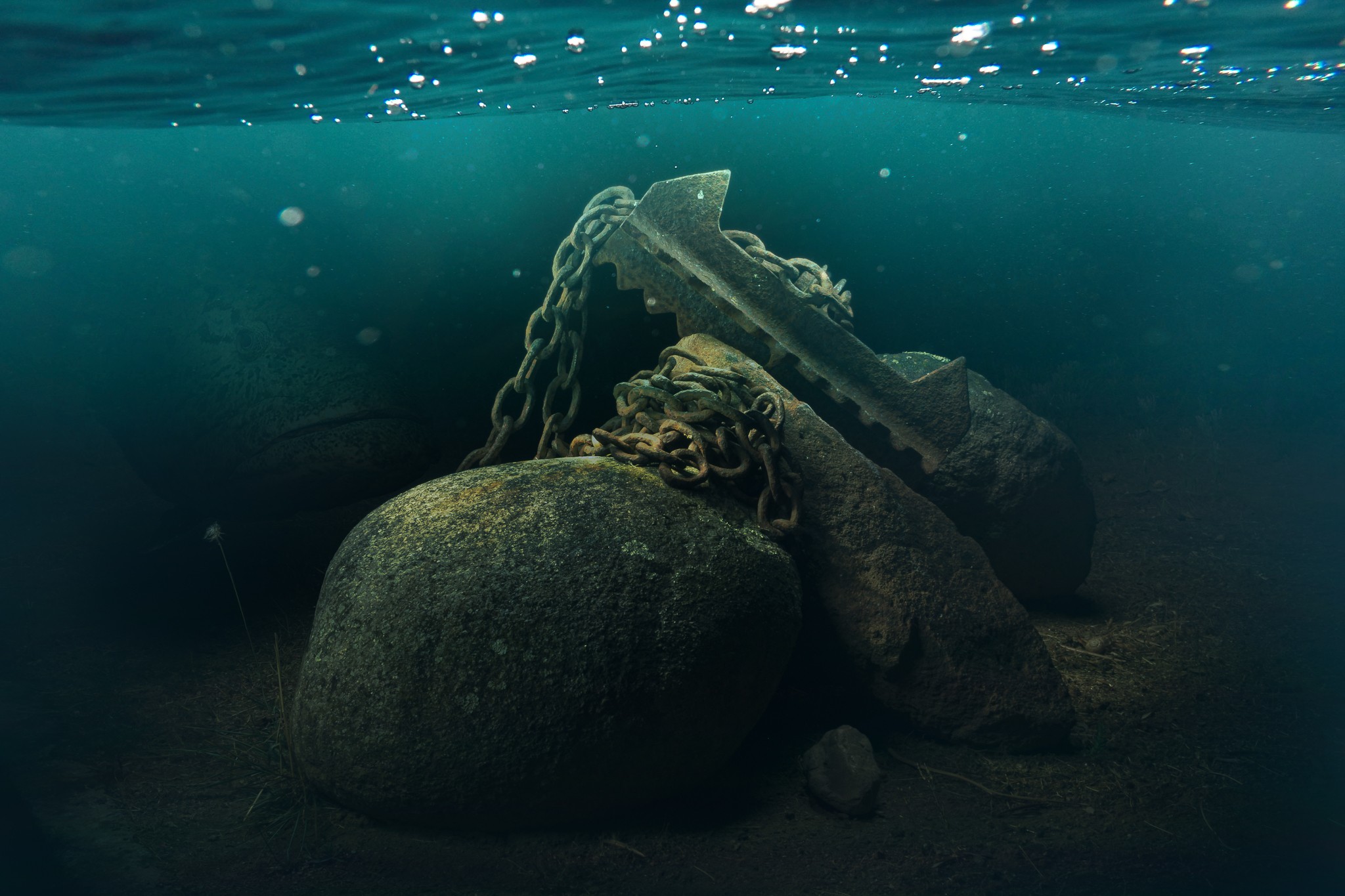
For projects requiring raw tactile depth, I work in total darkness during the initial capture. Using handheld flashlights, speedlites, and colored gels, I physically “paint” and sculpt light onto industrial relics and organic forms over long exposures, isolating them from their mundane environments.
– Perspective & Geometric Manipulation:
I lean heavily into architectural precision, utilizing specialized lenses and deliberate framing to manipulate geometry, scale, and lines. This allows me to deconstruct ordinary urban landscapes and rebuild them as striking, abstract graphic expressions.
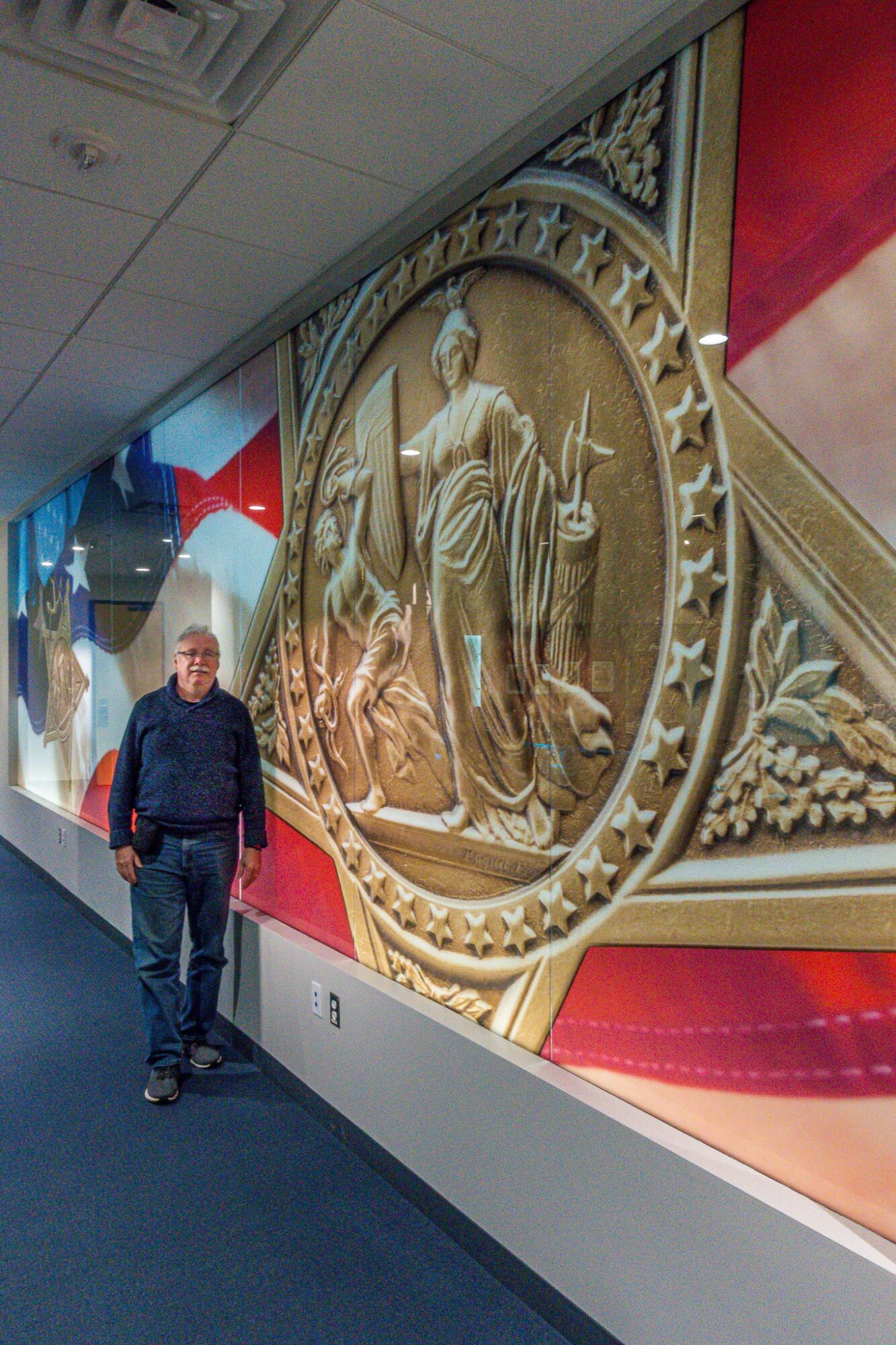
Whether I am photographing a historic medal for a massive 28-foot permanent installation for the Medal of Honor theater at the National Museum of the Marine Corps, or capturing the quiet, gritty isolation of a night street scene, my creative goal is to reveal the hidden extraordinary within the ordinary.
Being a creative means recognizing that a photograph is built, not just taken. It is about using decades of hard-won technical mastery—across both physical capture and digital post-production—to drive home every single nail until the final, overarching visual story is complete.
What I Do & What I Specialize In
I operate at a rare intersection in the photographic industry, splitting my time between commercial problem-solving and deep fine-art expression.
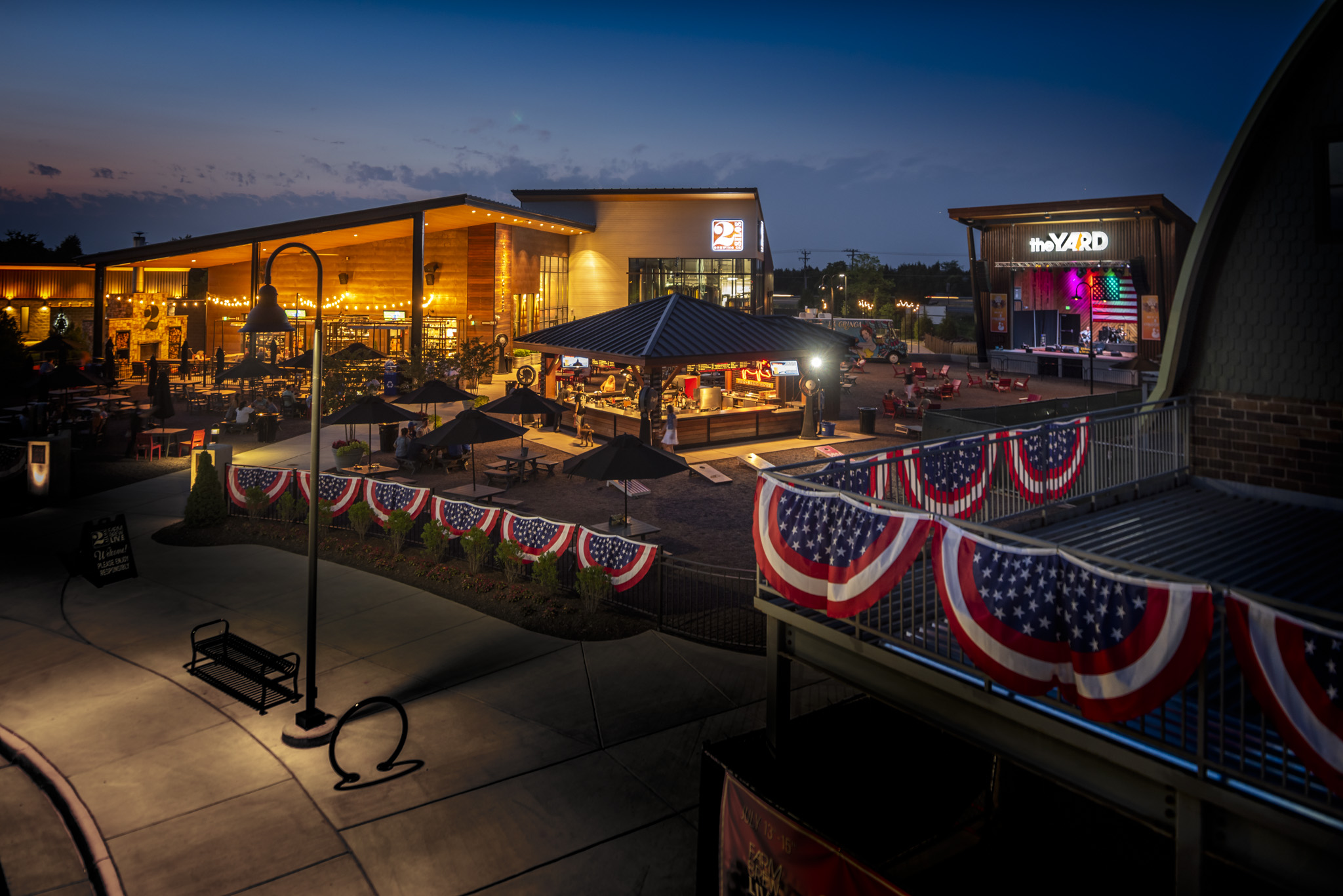
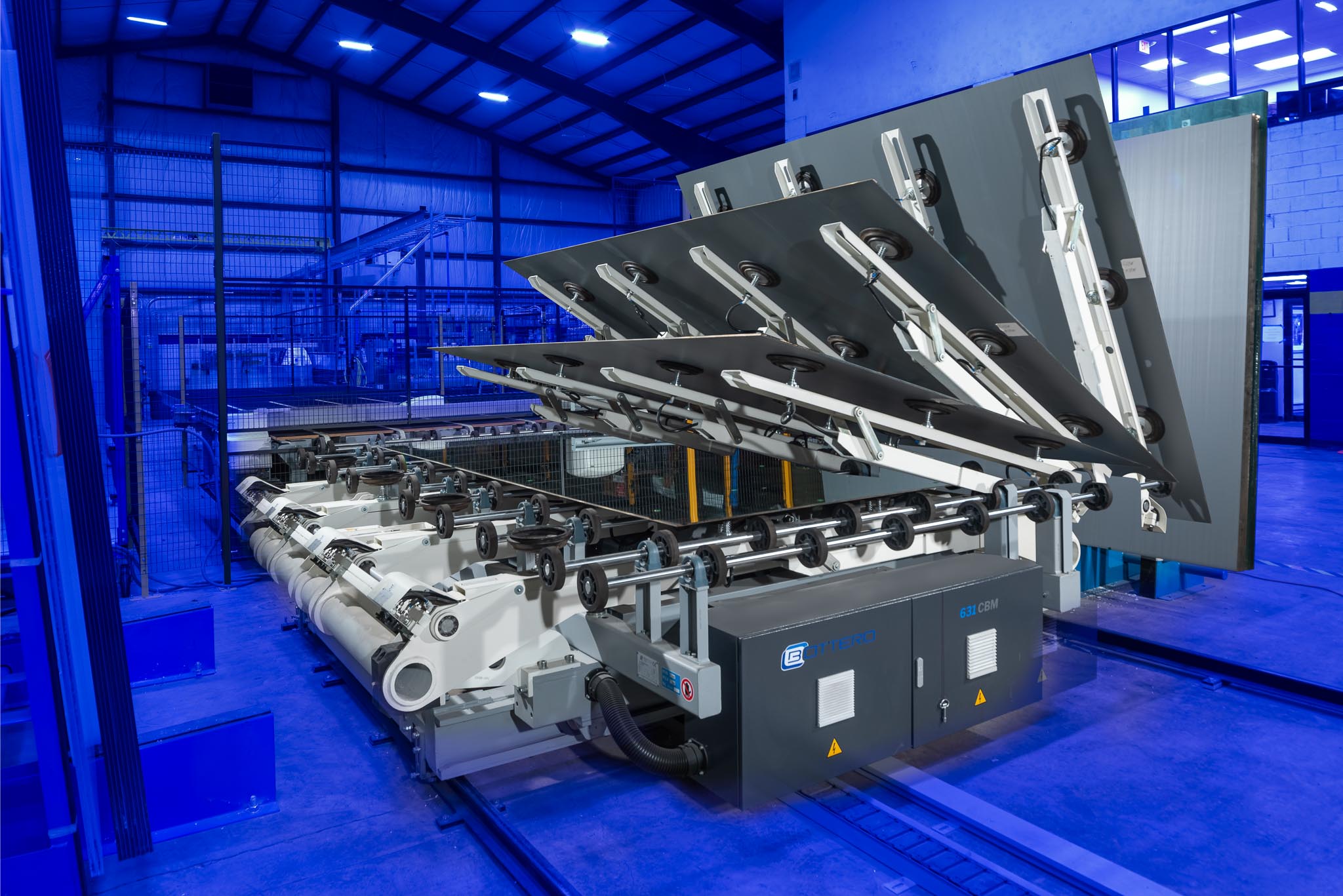
– On the Commercial Side (mgcre8v.com): I provide a sharp, professional alternative to the DIY approach for regional businesses, corporate teams, and art directors. Operating out of a fully equipped commercial studio in Woodbridge, VA, I specialize in high-end, technically demanding assignments: intricate product catalogs (from delicate jewelry to heavy industrial plumbing fixtures), architectural photography, executive portraiture, and high-impact corporate events.
– On the Fine Art Side (mgfineartphoto.com): I break the boundaries of standard photography to create narrative surrealism. I treat the camera and the computer as an artist’s studio, utilizing a diverse toolkit that includes advanced digital compositing, long-exposure light painting, and architectural geometric manipulation.
– As an Author: I specialize in stripping the mystery out of the complex print-on-demand workflow, authoring the Blurb for Photographers book series to teach creators how to perfectly format color and black-and-white spaces.
What I Am Known For & What Sets Me Apart
I am known for total technical control in service of a story. In my creative philosophy, the sensor is simply the first nail in a much larger project. I am not a passive observer waiting to snap a lucky frame; I am a builder who views the initial shutter click as the gathering of raw materials.
What truly sets me apart is my deep lineage in the industry. I cut my teeth in 1985 on large-format film, chemical darkrooms, and pin-registered optical special effects printers (the same machines used to composite early Star Wars films). I then spent years as a lead photo retoucher in D.C. when Photoshop was only at version 2.0, followed by a critical chapter handling web design and SEO.
Because I intimately understand the entire evolution from analog chemistry to modern digital code, I don’t guess—I engineer. Whether I am correcting color casts on a complex industrial product or seamlessly masking a surreal fine-art composite, my clients and readers benefit from four decades of absolute, hard-won technical mastery.
What I Am Most Proud Of
Professionally, I am most proud of my permanent, historic legacy installations that honor the military community:
– The USS Iwo Jima (LHD-7): While working with Utopia Communications Group, I was commissioned by the U.S. Marine Corps Historical Museum to craft a massive 4′ x 6′ hand-colored photo montage of the Mt. Suribachi flag raising, which now serves as a permanent exhibit aboard the ship.
– The National Museum of the Marine Corps: I produced a towering 28-foot large-format banner that stands as a permanent installation inside the Medal of Honor theater.
– Community Impact: I am deeply proud of my work as a Senior Graphic Designer for Zeiders Enterprises, where I collaborated with Marine Corps Base Quantico to develop a highly visual “playbook” helping military families navigate and understand the complexities of their new life.
To see my work live on in national museums, aboard naval vessels, and in the hands of families who genuinely need it is the ultimate validation of my career.
Do you have any advice for those just starting out?
Advice for Those Just Starting Out
1. Treat the Camera as a Tool for Gathering Raw Materials, Not the Final Destination When you click the shutter, you haven’t completed the project—you’ve just laid the foundation. One of the most freeing mindsets you can adopt early on is realizing that the sensor is simply the first nail in a much larger project. Don’t paralyze yourself looking for the “perfect, flawless out-of-camera shot” that requires zero processing. Instead, look at a scene and ask: What raw materials can I extract from this frame to build the story I actually want to tell? Whether you build that story through light painting, architectural manipulation, or advanced digital compositing, learn to see the initial image as a beginning, not an end.
2. Learn the Rules of the Craft So You Can Break Them Intentionally There is a massive difference between accidental mistakes and intentional creative choices. I spent the early chapters of my career cutting my teeth on large-format film cameras, E-6 chemical darkrooms, and strict prepress color spaces. Because I had to master the rigid math and science of exposure and color calibration when Photoshop was only at version 2.0, I earned the freedom to manipulate reality later in my fine art work. Don’t skip the boring technical fundamentals. Learn how digital color spaces interact, master how light physically wraps around a subject, and understand your software inside and out. Once you possess total technical control, your tools stop limiting your imagination.
3. Never Put Yourself in a Single Creative Box If I had stayed strictly inside the “photographer” box I started in back in 1985, I would have missed out on some of the most rewarding chapters of my life. When the industry shifted, I expanded. I pivoted into agency multimedia production, stepped into early web design and SEO, worked as a senior graphic designer creating educational playbooks for families at MCB Quantico, and eventually became an author. Every single one of those seemingly disconnected skills—from understanding online discoverability to mastering print-on-demand layouts—came back to feed my creative business. Be a multi-disciplinary creator. The more tools you have in your kit, the more resilient and uniquely distinct your artistic voice will be.
What I Wish I Knew When I Was Starting Out
I wish I had known that the medium will change, but the core of visual storytelling never does.
When you are starting out, it is easy to get caught up in the “gear trap”—believing you need the latest sensor, the fastest lens, or the newest software update to be relevant. I have watched technology completely reinvent itself multiple times over the last four decades. The high-end, pin-registered optical special effects printers I used to engineer slide presentations on are now museum pieces.
What survived those transitions wasn’t the gear; it was the ability to look at an ordinary subject, recognize its underlying atmosphere or emotional core, and use light and geometry to reveal it to an audience. Invest your time and energy into mastering visual literacy and human narrative. The technology will always evolve, but a compelling, well-constructed story is timeless.
Contact Info:
- Website: https://mgcre8v.com
- Instagram: https://instagram.com/mgcre8v
- Other: https://mgfineartphoto.com