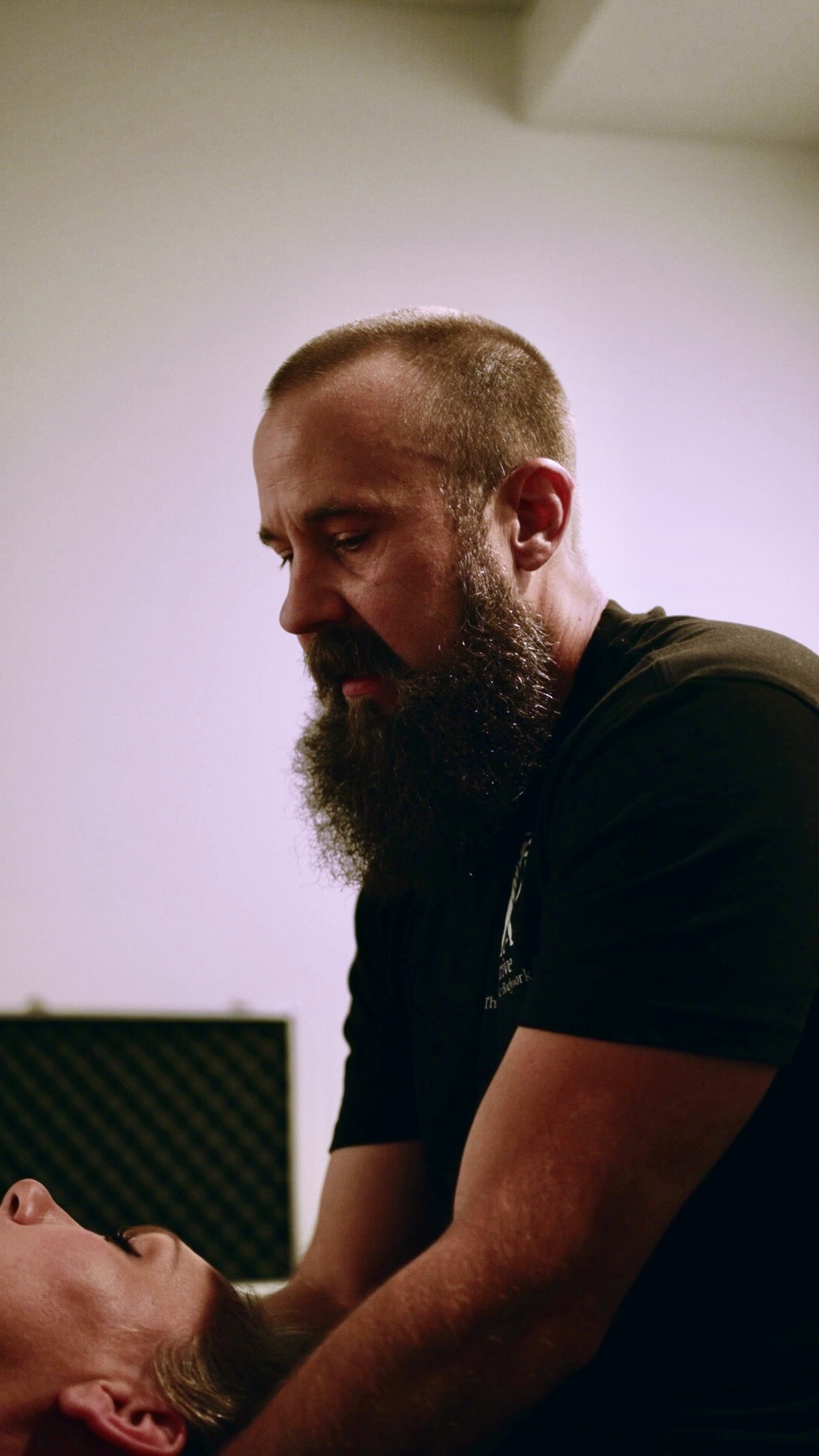





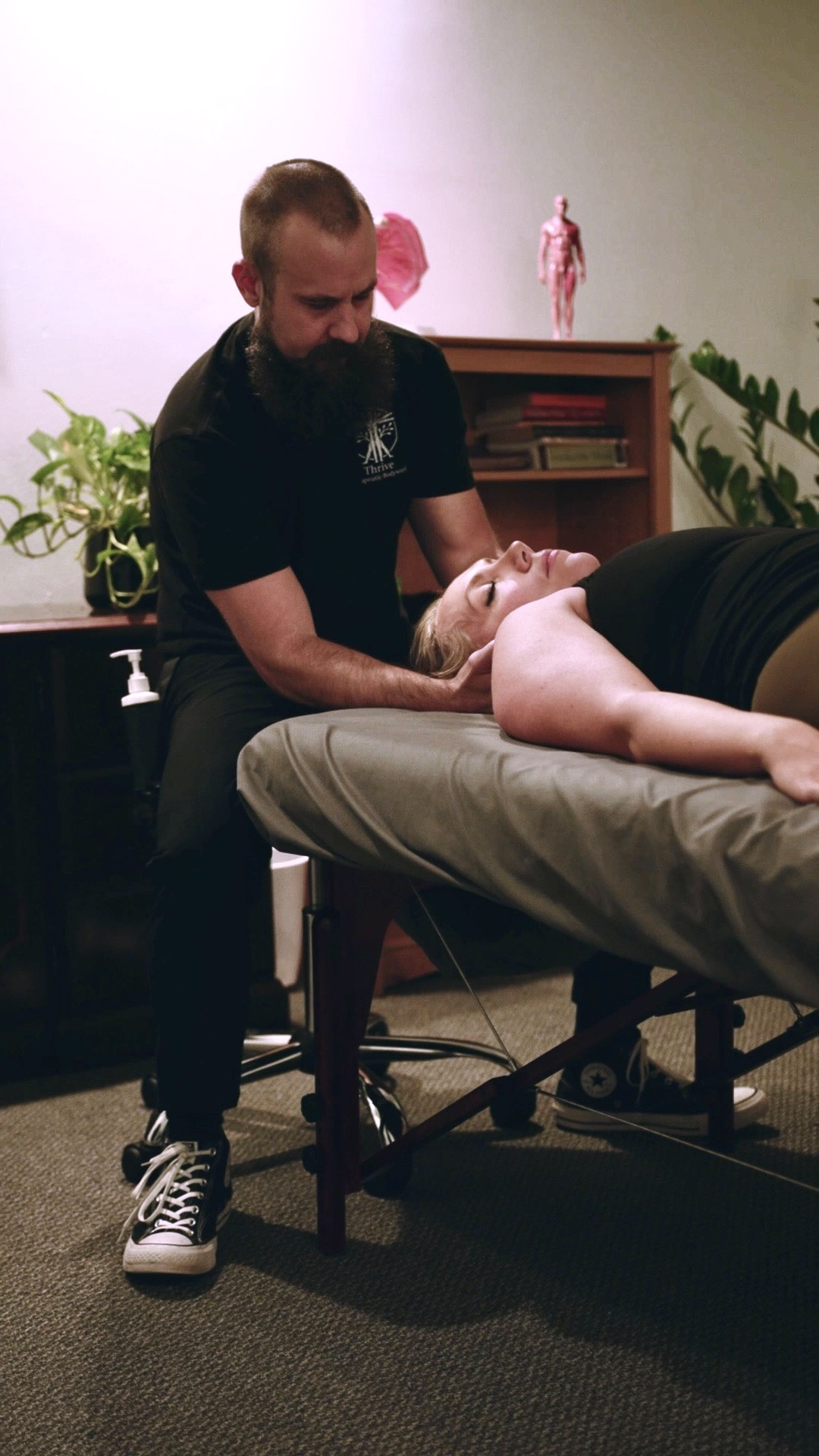
Today we’d like to introduce you to Tim Tuholski.
Alright, so thank you so much for sharing your story and insight with our readers. To kick things off, can you tell us a bit about how you got started?
I’ve always felt a pull toward helping people, but it took me a while to figure out what that was supposed to look like. I originally started pursuing mental health counseling because I wanted to make a meaningful difference in people’s lives. As I went through that process, I realized it wasn’t quite the right fit for me. Around that same time, I noticed something that friends and family had pointed out for years, I had a natural ability to find areas of tension and dysfunction in people’s bodies. Even without formal training, I seemed to instinctively know where to work to help relieve pain. That led me to massage therapy.
Even then, I knew I wasn’t interested in providing relaxation massage alone. I wanted to understand why people were in pain and how to create lasting change instead of temporary relief. That search led me to NeuroKinetic Therapy. During my Level 1 course, the instructor used me as a demonstration and significantly improved a shoulder problem I had been dealing with on and off for more than ten years. Seeing that kind of change happen in just one assessment completely changed the direction of my career. I left that class knowing this was what I wanted to dedicate myself to.
Since then, I’ve continued building my education beyond massage therapy. I completed advanced NeuroKinetic Therapy training, earned certifications as a Medical Massage Practitioner, Personal Trainer, and Nutritionist, and pursued extensive continuing education in anatomy, biomechanics, movement assessment, and corrective exercise. Along the way, I realized that effective treatment requires more than simply working on muscles—it requires understanding how the entire body moves and functions as a system.
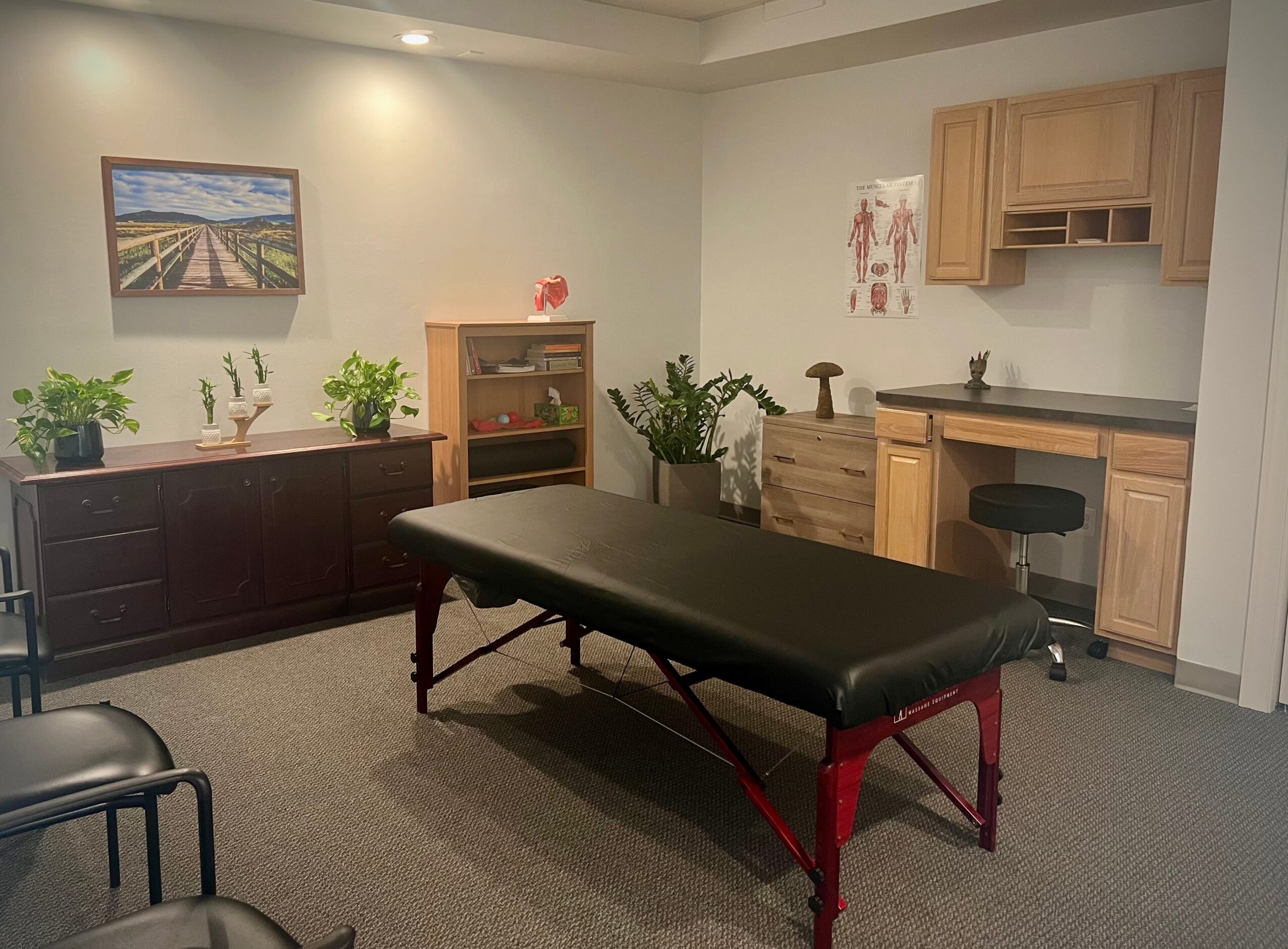
In 2024, I opened Thrive Therapeutic Bodyworks. Although I officially launched the business then, I began building my client base in earnest during 2025. Today my practice focuses on assessment-driven bodywork, movement analysis, breathing mechanics, and helping people understand the underlying causes of pain rather than simply treating symptoms.
One area that has become especially important to me is the connection between breathing, the nervous system, and physical function. Through both my professional education and my own experiences with meditation and personal growth, I’ve come to appreciate how deeply the body and mind influence one another. While I don’t practice mental health counseling, that background continues to shape how I communicate with clients and how I approach their care as whole people.
I’m still learning every day. Anatomy, biomechanics, movement, and human performance are fields that constantly evolve, and that’s one of the things I enjoy most. I consider myself a lifelong student, and my goal is to keep refining my skills so I can help people solve problems that they’ve often been told they’ll simply have to live with.
Alright, so let’s dig a little deeper into the story – has it been an easy path overall and if not, what were the challenges you’ve had to overcome?
It definitely hasn’t been a smooth road. Looking back, it’s been a lot of trial and error, but I don’t see that as a bad thing. Every time I thought I had found the answer, I would learn something new that made me realize there was still more to understand. That can be overwhelming at times, but it’s also what keeps me growing.
One of the biggest challenges has been finding my own path. I’ve invested a tremendous amount of time, money, and travel into continuing education, and not every course ended up being exactly what I was looking for. Instead of seeing those experiences as wasted, I treated them as stepping stones that helped me refine my approach and better understand what truly works.
Another challenge has been learning to trust myself. I care deeply about helping people, so when a client doesn’t improve as quickly as I’d hoped, I naturally take that personally. Over time, I’ve learned that no practitioner has every answer, and that humility has actually made me a better clinician. Rather than getting discouraged, I go back to studying, ask questions, seek mentorship, and keep improving.Building a business has also brought financial and personal challenges. Balancing work, education, and the costs of starting a practice has required discipline and persistence. There were times when it felt overwhelming, but I never lost sight of why I started.
If there’s one lesson I’ve learned through all of it, it’s that growth comes from staying curious and being willing to adapt. The more I learn, the more I realize there is still to discover, and I genuinely see that as one of the most exciting parts of this profession.
We’ve been impressed with Thrive Therapeutic Bodyworks , but for folks who might not be as familiar, what can you share with them about what you do and what sets you apart from others?
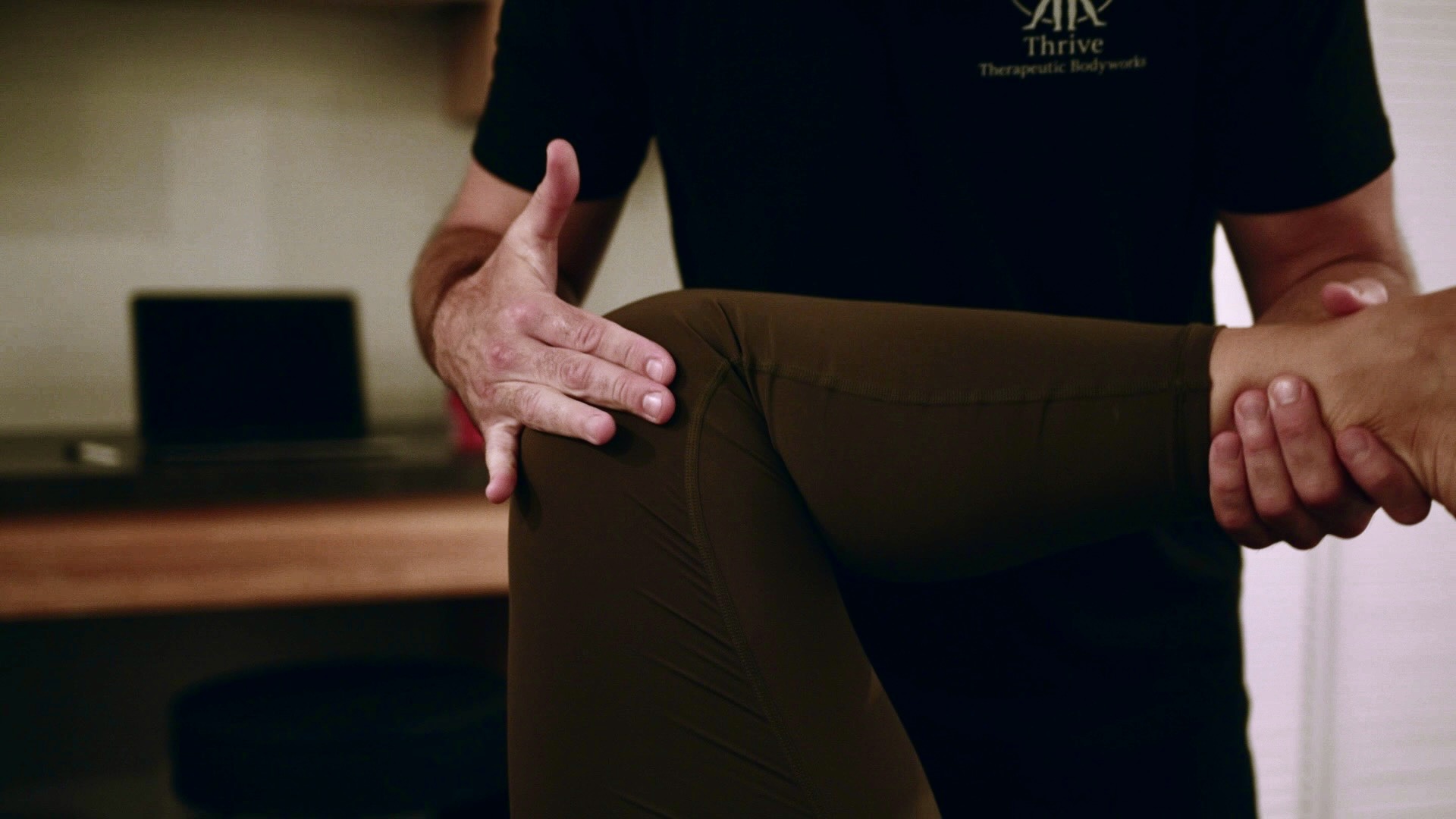
Thrive Therapeutic Bodyworks was created to help people understand and resolve the root causes of pain rather than simply treating symptoms. While many people think of massage as relaxation, my approach is assessment-driven and focused on restoring function. I combine NeuroKinetic Therapy, medical massage, movement assessment, biomechanics, corrective exercise, and breathing mechanics to identify why the body is compensating and where dysfunction is originating.
What sets my practice apart is my commitment to continuing education and individualized care. Every client receives a thorough assessment because no two people or two pain patterns, are exactly alike. My goal isn’t to have clients rely on me forever; it’s to help them better understand their own bodies, move more efficiently, and regain confidence in what they can do.
I’m especially passionate about working with people who have tried multiple treatments without finding lasting relief. Those are often the clients who inspire me the most because they remind me that there is rarely a one size fits all solution. I enjoy solving complex problems and continually refining my skills to better serve the people who trust me with their care.
At Thrive Therapeutic Bodyworks, I see myself as both a practitioner and an educator. I believe that when clients understand why they’re experiencing pain and become active participants in their recovery, they achieve better and more lasting results. My mission is to provide thoughtful, evidence-informed care while continuing to grow as a lifelong student of anatomy, movement, and human performance.
Can you talk to us a bit about the role of luck?
I’ve never viewed life or business through the lens of luck. I believe experiences, whether they seem positive or negative in the moment are opportunities to learn, adapt, and move closer to who we’re meant to become. Some of the most difficult moments in my life have ultimately shaped my values, strengthened my resilience, and led me toward opportunities I wouldn’t have found otherwise.
Looking back, what some people might call “bad luck” often redirected me toward something better. Changing career paths, investing in education that wasn’t always the perfect fit, dealing with setbacks, and facing uncertainty all taught me lessons that continue to influence how I care for my clients and run my business.
If I’ve experienced any “good luck,” it’s been meeting the right mentors, discovering NeuroKinetic Therapy when I did, and having clients who trusted me enough to be part of their healing journey. But even those moments came because I was willing to keep learning, stay curious, and put myself in situations where opportunities could find me.
Ultimately, I believe we have more influence over our lives than luck does. We can’t control every circumstance, but we can choose how we respond to it. That’s the mindset I’ve tried to carry throughout both my personal life and my professional journey.
Contact Info:
- Website: https://www.thrivertherapeuticbodyworks.com
- Facebook: https://www.facebook.com/profile.php?id=61553127084023