



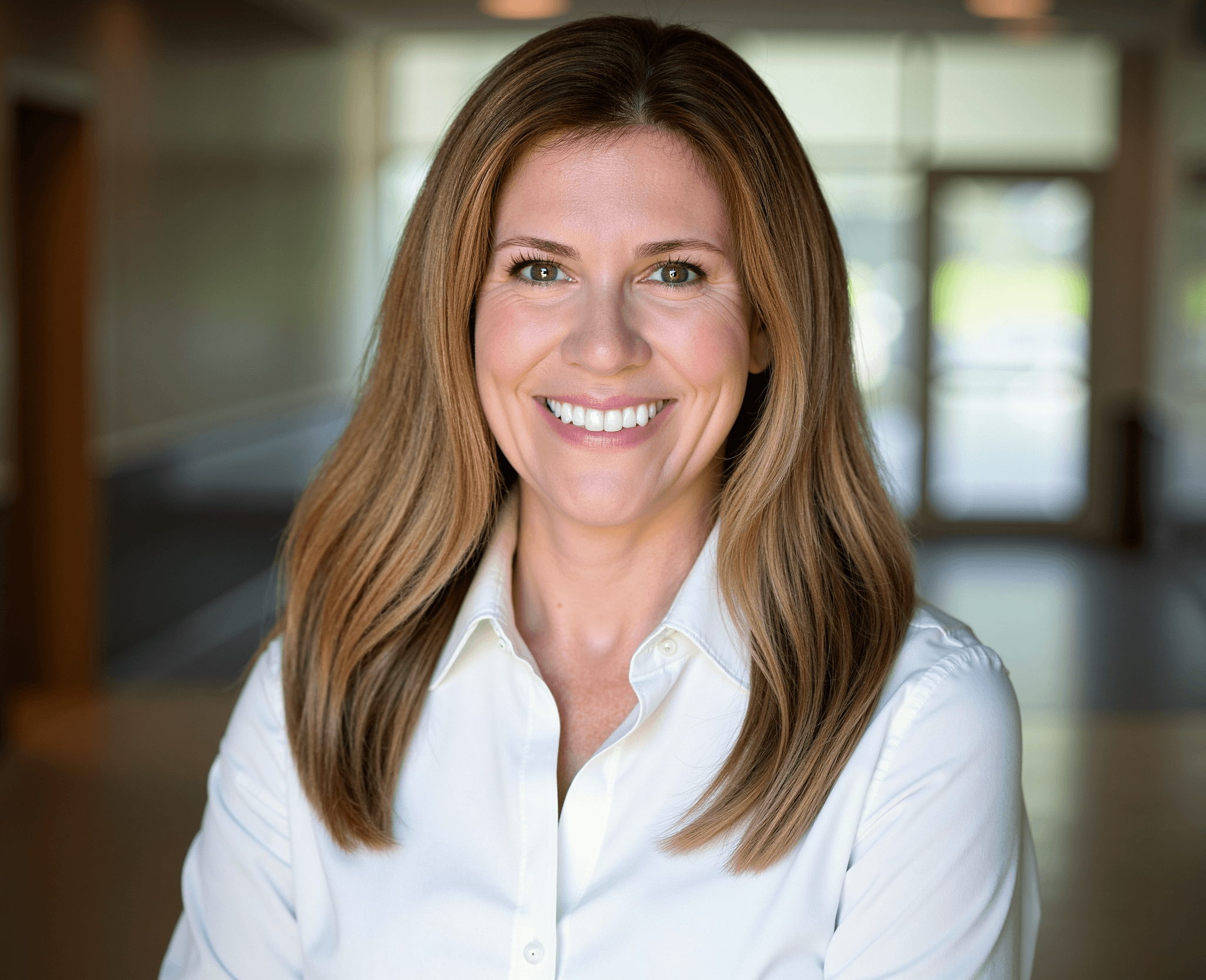
Today we’d like to introduce you to Beth Payne.
Hi Beth, thanks for sharing your story with us. To start, maybe you can tell our readers some of your backstory.
I created Full Circle Consulting and Care because I wanted the freedom to help people in the ways they actually needed—not only in the ways a traditional healthcare system allowed.
Throughout my career as an occupational therapist, I became increasingly frustrated by the smaller decisions made across Congress, insurance systems, and healthcare organizations that collectively determined how—and sometimes whether—I could help someone. I often knew what a person or family needed, but the system did not always provide the time, authorization, reimbursement, or flexibility to offer it.
Even if it meant creating a nontraditional niche, I wanted to find a responsible way to keep helping.
That desire began long before I became a therapist. My mother was a hospice nurse, so death was never something I was taught to fear. Some of my earliest lessons about caring for people came while running errands with her on Sunday afternoons. Sometimes that meant bringing a bedside commode to someone who could no longer walk safely to the bathroom.
I watched my mother give people dignity almost effortlessly. She met them where they were and provided what they needed in that moment—whether that was equipment, reassurance, a hand to hold, or a well-timed dirty joke.
She taught me that meaningful care is not always dramatic or complicated. It is often practical, deeply human, and specific to the person standing in front of you.
That became the foundation of Full Circle: helping people at any stage of life identify what matters, understand their choices, and receive practical support for what comes next.
Can you talk to us a bit about the challenges and lessons you’ve learned along the way. Looking back would you say it’s been easy or smooth in retrospect?
One of my greatest challenges has been working within a healthcare system that can provide extraordinary, lifesaving care while still making it surprisingly difficult to help people with the practical realities of their lives.
No single policy or decision creates the entire problem. It is often the accumulation of smaller choices—legislation, insurance requirements, authorization limits, reimbursement structures, organizational policies, and professional boundaries. Together, they determine which services count, how long someone may receive them, and what kind of help is considered medically necessary or reimbursable.
I have worked with people who knew they were dying and wanted to spend the remainder of their lives at home. Sometimes, as an occupational therapist, I had enough time and flexibility to identify what they needed, arrange equipment, educate their family, and coordinate a safe discharge.
Increasingly, I have also seen insurance authorizations end before those pieces were in place. The patient, family, and care team were then left scrambling to coordinate the services, equipment, education, and support necessary for the person to return home safely.
It is difficult to know how to help and still be told, in one way or another, “That is not what we cover,” “That is outside the authorization,” or “That is not how the service is structured.”
Creating Full Circle has been my way of building another path and finding responsible ways to continue the conversation after a traditional system says no.
That creates its own challenges. Full Circle does not fit neatly into a single category. It connects movement, function, healthcare navigation, education, future planning, organizational consulting, and end-of-life support. Those areas may look unrelated on a list, but they are deeply connected in a person’s actual life.
Part of my work as a business owner has been learning how to explain that connection clearly. I am also learning that wanting to help people is not, by itself, a sustainable business model. The work must be defined, structured, communicated, and appropriately valued so I can continue providing it.
I cannot personally change every insurance rule or repair every gap in healthcare. I can help people understand their choices, prepare for likely challenges, identify meaningful next steps, and retain as much function and autonomy as possible.
The challenge is learning to recognize what I cannot control without allowing it to keep me from acting on what I can.
Thanks for sharing that. So, maybe next you can tell us a bit more about your business?
Through Full Circle Consulting and Care, I help individuals, families, healthcare professionals, and organizations navigate the places where movement, function, healthcare, and future planning intersect.
For individuals and families, that may mean improving movement and confidence through Pilates-based wellness, identifying practical ways to function more safely at home, preparing for a medical appointment, understanding complicated healthcare information, or determining what needs to happen next when a diagnosis or change in health has left everyone feeling overwhelmed.
It may also mean helping someone talk with the people they love about future healthcare decisions, organize important information, preserve personal stories, or prepare for the end of life without allowing fear of the future to consume the life they are living now.
Sometimes clients know exactly what service they need. Often, they simply tell me, “I don’t know where to start.” That is a perfectly reasonable place to begin. My role is to listen, help clarify what is happening, identify what can be influenced, and turn a complicated situation into practical next steps.
I also work with healthcare organizations, clinicians, and leaders. Drawing on my experience as an occupational therapist and rehabilitation executive, I provide education and consulting related to therapy operations, advance care planning, grief-smart workplace cultures, aging, function, and more human-centered approaches to care. I help organizations examine whether their services, workflows, and reimbursement structures actually support the outcomes they say they value.
Although my work crosses several areas, it is connected by one central purpose: helping people live with greater clarity, confidence, function, alignment, and preparedness.
Sometimes that looks like a small adjustment in movement that helps someone feel stronger and more capable. Sometimes it is a family leaving a medical appointment with a shared understanding of what was said. Sometimes it is helping a person return home safely, document the stories behind treasured belongings, or communicate what matters before they can no longer speak for themselves. For an organization, it may mean identifying valuable work that clinicians are already doing and creating a structure that allows that work to be recognized, supported, and sustained.
Full Circle is not about predicting or controlling everything that may happen. It is about understanding what matters, taking action where possible, and preparing thoughtfully for what cannot be controlled.
Less reacting. More choosing.
We’d be interested to hear your thoughts on luck and what role, if any, you feel it’s played for you?
Luck has played a meaningful role in my life, although I do not think luck works alone.
I was lucky to have a mother who showed me, long before I understood it professionally, what dignified and human-centered care looks like. I was lucky to have an aunt who introduced me to end-of-life doula work at exactly the point when I was searching for a constructive way to channel my grief. I have also been fortunate to work with patients and families who trusted me during extraordinarily vulnerable moments and allowed me to learn from their experiences.
I did not choose many of the moments that shaped Full Circle. I did not choose to lose my mother. My patients did not choose devastating diagnoses, and their families did not choose to navigate complicated healthcare systems while grieving. I would never describe those circumstances themselves as lucky.
The luck was in the connections: encountering the right people, receiving their trust, recognizing the lessons, and having the education and experience to do something useful with what I learned.
Opportunity can appear in forms we would never ask for. What matters is how we respond to it. For me, that has meant turning grief into service, frustration into advocacy, and gaps in traditional healthcare into opportunities to create something different.
Luck may have placed certain people and experiences in my path. Building Full Circle has been my decision to pay attention to them and use what they taught me to help someone else.
Contact Info: