




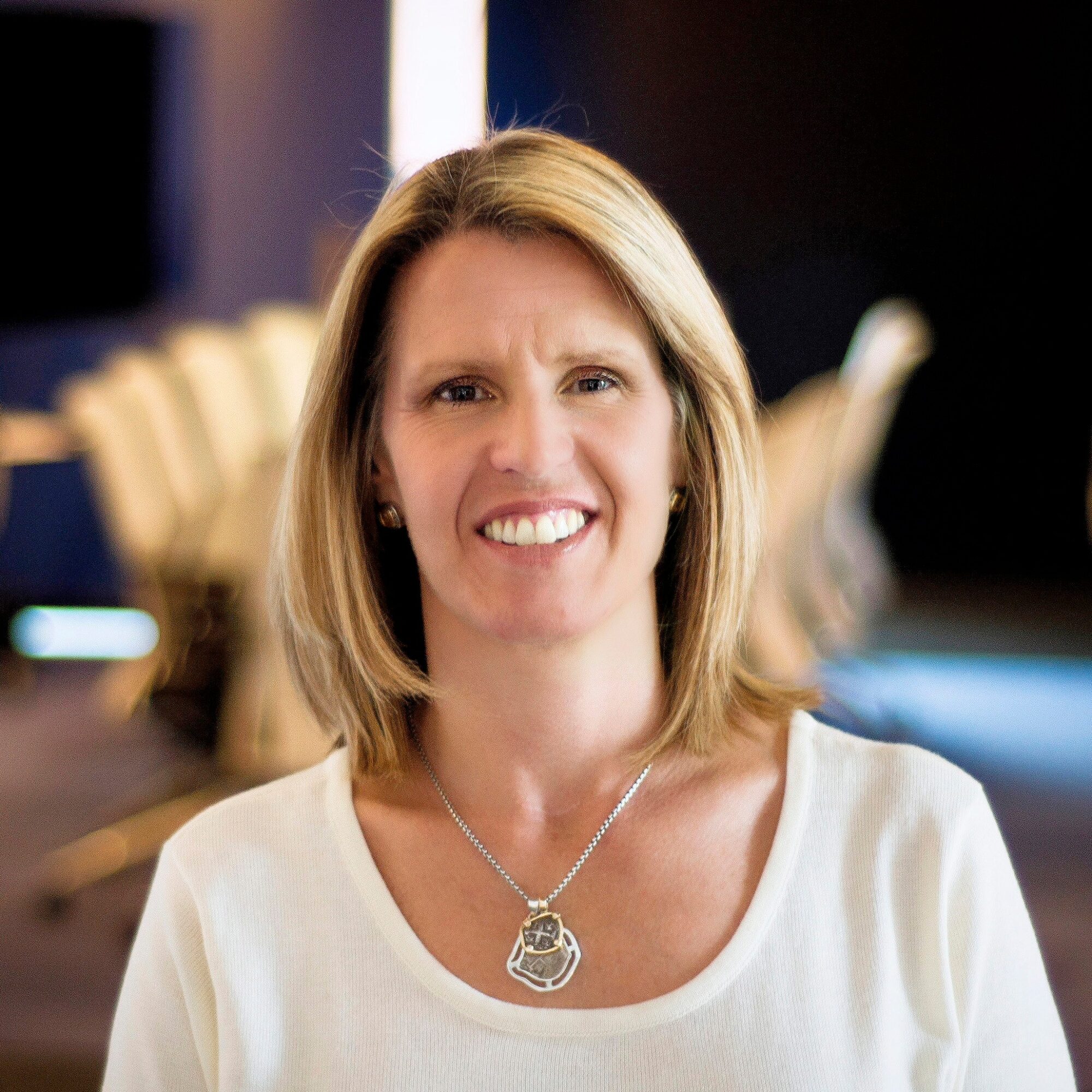
Today we’d like to introduce you to Marie Vogt.
Hi Marie, can you start by introducing yourself? We’d love to learn more about how you got to where you are today?
Well, I’m originally from New York, and while I’m not old enough to say I was a trailblazer in architecture, I did grow up at a time when women entering the profession wasn’t quite mainstream yet.
I actually remember finding a book in my grammar school library called Yes, You Too Can Become an Architect! By the time I got to high school, I was fortunate to have classes in drafting and architectural design. I had always loved art, and I was also good at math and science, so architecture felt like a natural blend of all the things I enjoyed.
My teacher was especially excited to have a female student in his class. I was left-handed, so he set me up with a special drafting table and did everything he could to make me feel comfortable in what was otherwise an all-male classroom. He was incredibly supportive, and I remember how excited he was when I told him I was going to pursue architecture as a career. (shout out to all those teachers that change your life)
From New York, I came to Washington, DC, to attend The Catholic University of America, where I earned my degree in architecture. I also met my husband there—he’s originally from San Diego. We decided to stay in the DC area because there was so much opportunity here (and we couldn’t agree on east vs west coast beaches!)
We both started our careers in residential architecture, but when we graduated, the economy was in a significant downturn. That experience really shaped how we thought about our careers. For one we decided as a couple we needed to diversify, so I moved to a larger firm that focused on corporate interiors and was beginning to expand into base building and government work.
After a long and rewarding run there, I joined CORE, where I had the opportunity to expand my experience into retail and hospitality design.
I’ve always been drawn to firms that focus on the design process rather than being defined by a particular building type. I think working across different typologies has given me a broader perspective and allows me to bring more creative, sometimes unexpected, solutions to our clients.
Today, I’m a Principal at CORE, and one of the things I enjoy most is leading teams in a truly co-creative process with our clients—bringing together different perspectives and helping turn their vision into something tangible.
I’m sure it wasn’t obstacle-free, but would you say the journey has been fairly smooth so far?
Architecture can be incredibly inspirational and transformative, and that is why you fall in love with it but actually practicing architecture—and getting something built—is almost always a challenge. And I think that’s what makes it such a rewarding profession. No project, no day, and no design challenge is ever quite the same.
My very first project was a residential home. Since then, I’ve worked on projects that were ten stories high and over a million square feet. And my most recently completed project was a conversion of a small home into hospitality-focused office space. In a way, it felt like my career had come full circle. I started with a house, spent years working at a much larger scale, and came back to a house with everything I had learned along the way.
It feels a little overdone to say this but just like the challenge of being the only girl in that High School drafting class, early in my career I certainly had plenty of meetings where I was the only woman in the room. And there were job sites where I felt a little out of place.
What’s been incredibly cool is seeing that change. Architecture is a profession built on mentorship—we learn from those who came before us and hopefully make the path a little easier for those who follow.
I have two daughters, and one is studying aerospace engineering. It’s been wonderful to see her entering a world where being a woman in a technical field doesn’t necessarily mean being the only woman in the room.
The other challenge has been the business of architecture. I graduated into a difficult economic climate, and I’ve experienced the industry’s ups and downs. When your passion is design, learning to embrace the business side can initially feel like an obstacle.
But I’ve come to understand that the business is what allows the design to happen. A great idea is only an idea until you figure out how to get it built.
So, for me, architecture really has been a journey—not just of designing spaces, but of learning, adapting, mentoring, and understanding what it takes to turn an idea into something real.
Thanks for sharing that. So, maybe next you can tell us a bit more about your work?
I’m a Principal at CORE architecture + design, where I’ve spent the past twelve years working with an incredibly talented group of architects and designers. One of the things I value most about CORE is the culture we’ve built. It’s a genuinely collaborative studio where people care deeply about the work, but also about one another. There’s a lot of curiosity, creativity, and exchange of ideas, and I think that comes through in the places we create.
As a firm, we’re driven by discovery, innovation, and experiential design. We work with owners, developers, operators, and brands across a wide range of project types, but there is a common thread throughout our work: a hospitality-driven approach centered on how people experience a place. We think carefully about how people arrive, move through a space, gather, and connect, and how architecture and interiors can work together to create something memorable, authentic to its setting, and meaningful to our clients.
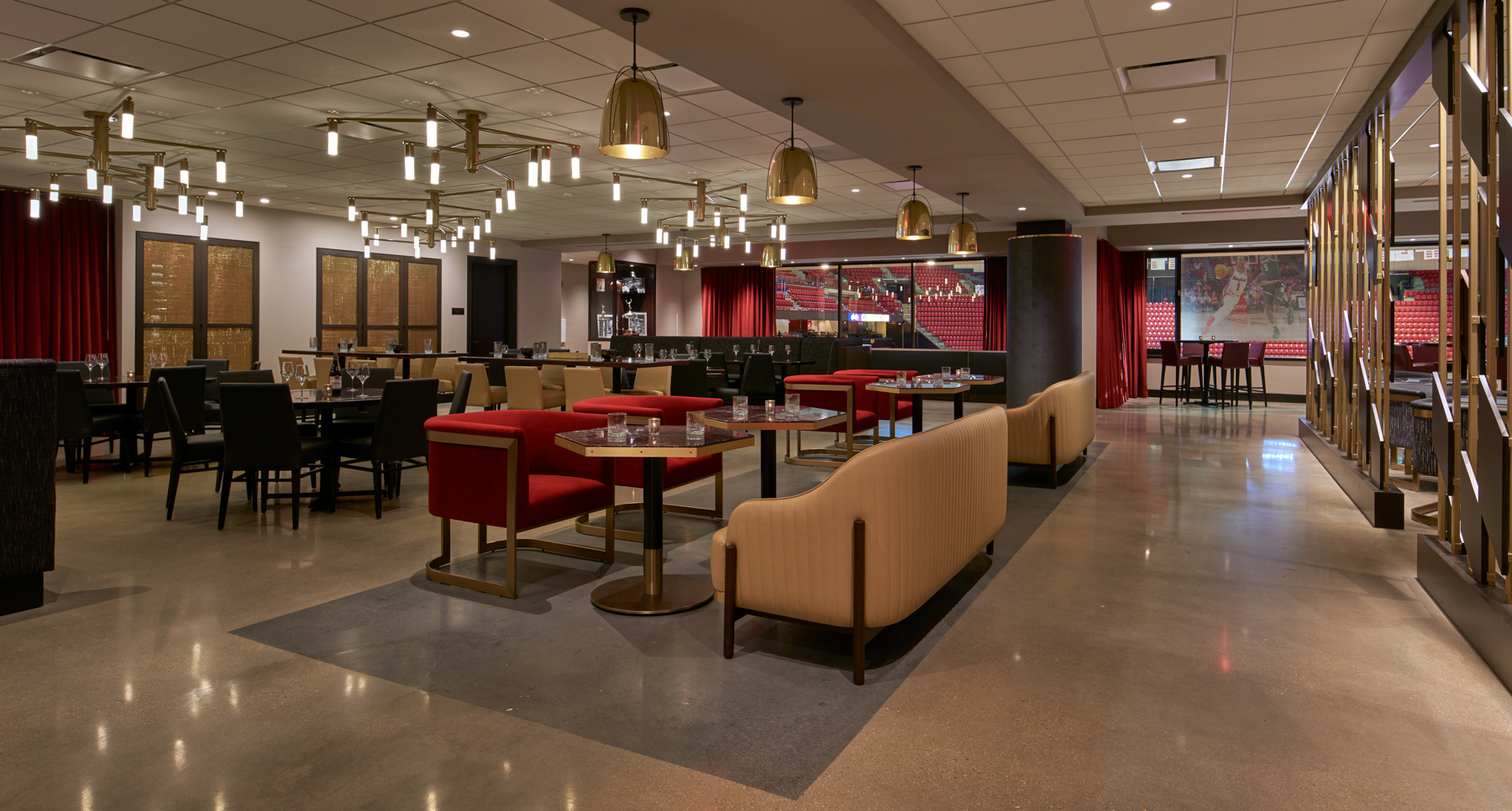
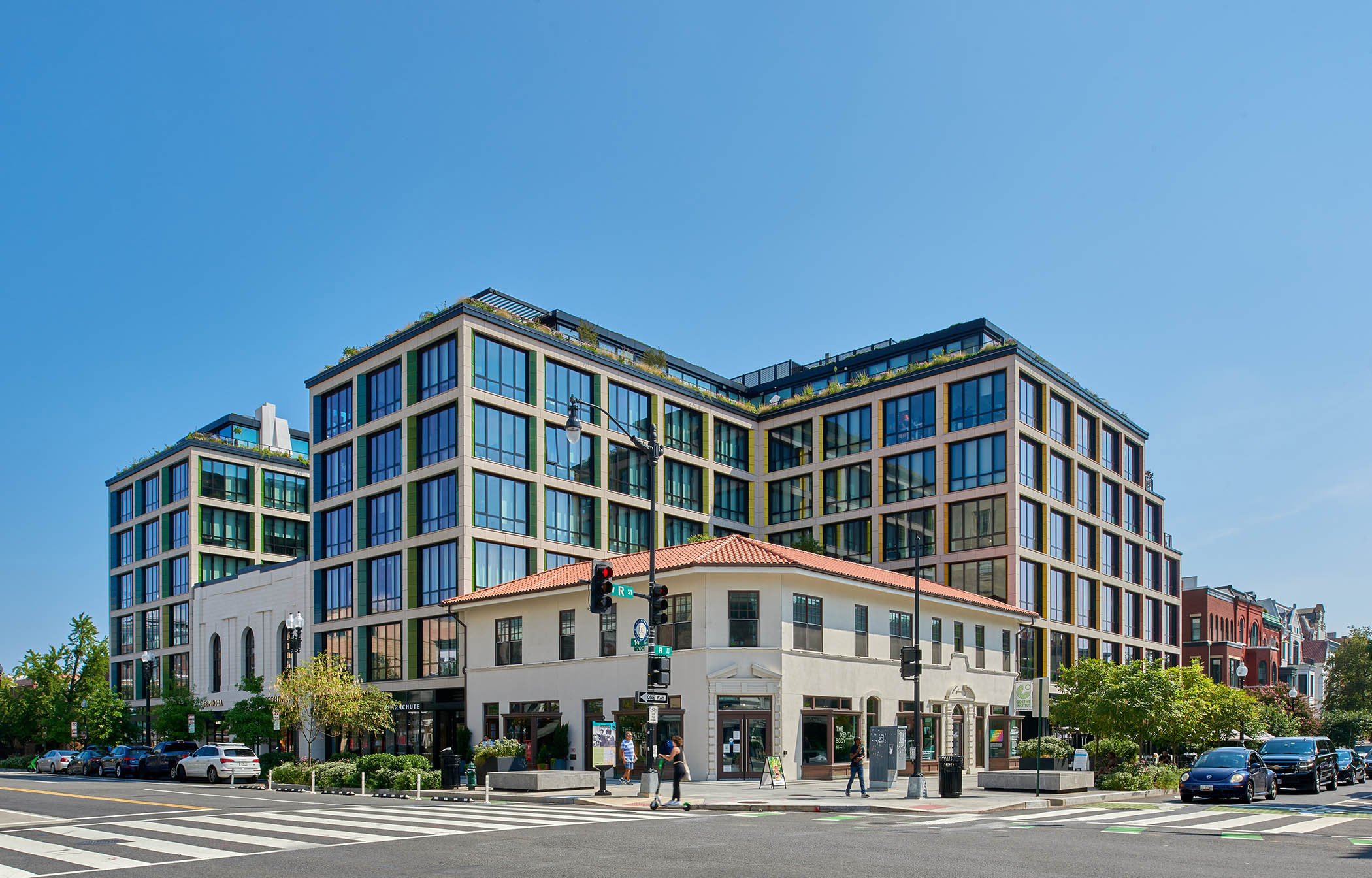
One of the things that has made my career at CORE so rewarding is the opportunity to work across very different scales and typologies. I’ve been involved in larger architectural projects such as Liz, a transformative mixed-use development along DC’s 14th Street corridor, and 2501 M, the conversion of an existing West End property into luxury condominiums with a new residential identity. At the same time, I’ve had the opportunity to work on hospitality and workplace interiors where the experience can be much more intimate and personal—from Maryland Club, a sophisticated private members’ club within the University of Maryland’s XFINITY Center, to CORE’s own new Arlington studio, where we brought a hospitality sensibility to the workplace, and the transformation of a historic Capitol Hill rowhouse into a sophisticated, flexible workplace and gathering space for Edward Jones.
That variety is something I really appreciate. No two projects—or clients—are quite the same, and each one gives us an opportunity to discover what will make that particular place special. For me, that combination of great people, thoughtful clients, and challenging, creative work is what has made CORE such an excellent place to grow as a designer and leader.
Where do you see things going in the next 5-10 years?
I think the next five to ten years are going to be a really interesting time for architecture, particularly because I’ve already lived through one major technological transformation in the profession.
When I started, we drew by hand. Today, we use computers, and younger architects can produce and explore things much faster than we ever could. But one thing I’ve noticed as a mentor is that sometimes the speed of the tool can come at the expense of understanding the “why” behind what we’re doing.
I find myself often explaining to younger architects, “This is why we did it this way,” or “This is how we used to solve that problem,” not because the old way was necessarily better, but because understanding where something came from gives you context. It helps you make better decisions when the situation changes.
I think AI will bring that issue into even sharper focus. It will give us the ability to generate ideas and information incredibly quickly, but we still need people who understand architecture deeply enough to question the output, recognize what works, and understand why.
That’s where I think mentorship becomes even more important. The tools are going to continue to evolve, but experience gives you a framework for using those tools intelligently.
So I don’t see AI as replacing architects. I see it as another major evolution in the way we practice—much like the transition from hand drafting to computers. The real opportunity is to use these tools to be more creative and more efficient, while making sure we don’t lose the knowledge, context, and critical thinking that make good architecture possible.
Contact Info:
- Website: https://coredc.com
- LinkedIn: https://www.linkedin.com/in/marie-curcio-vogt