




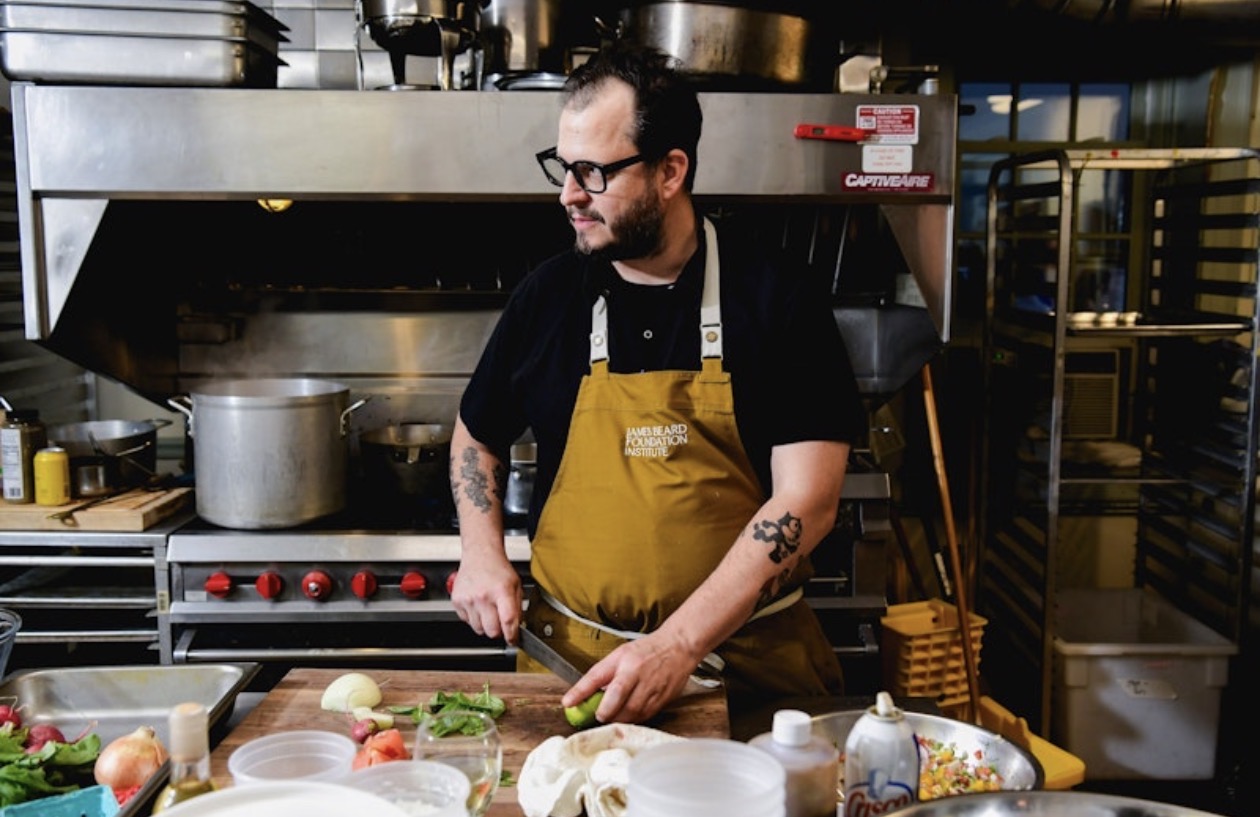
Today we’d like to introduce you to Christian IRABIEN.
Hi Christian, please kick things off for us with an introduction to yourself and your story.
My story starts on the border.
I was born in Chihuahua, Mexico, and grew up between Chihuahua and El Paso, Texas, in a family where food, work, and hospitality were always intertwined. Some of my earliest memories are in my grandparents’ restaurant; washing dishes, bussing tables, peeling shrimp, and watching the adults around me create a sense of community through food. At the time, I didn’t necessarily think of it as the beginning of a career. It was just life.
Being raised between Mexico and the United States also shaped the way I see food and identity. The border is a place where cultures, languages, ingredients, and traditions are constantly overlapping. You learn very quickly that identity isn’t always one thing or the other. That perspective has stayed with me throughout my career and has become an important part of how I cook and how I think about hospitality.
My path into restaurants wasn’t particularly linear or glamorous. I worked my way through the industry, learned from a lot of people, made plenty of mistakes, and spent years figuring out what kind of chef and leader I wanted to become. Over time, I became less interested in simply cooking impressive food and much more interested in what food can communicate, where it comes from, whose stories it tells, and how a restaurant can make people feel.
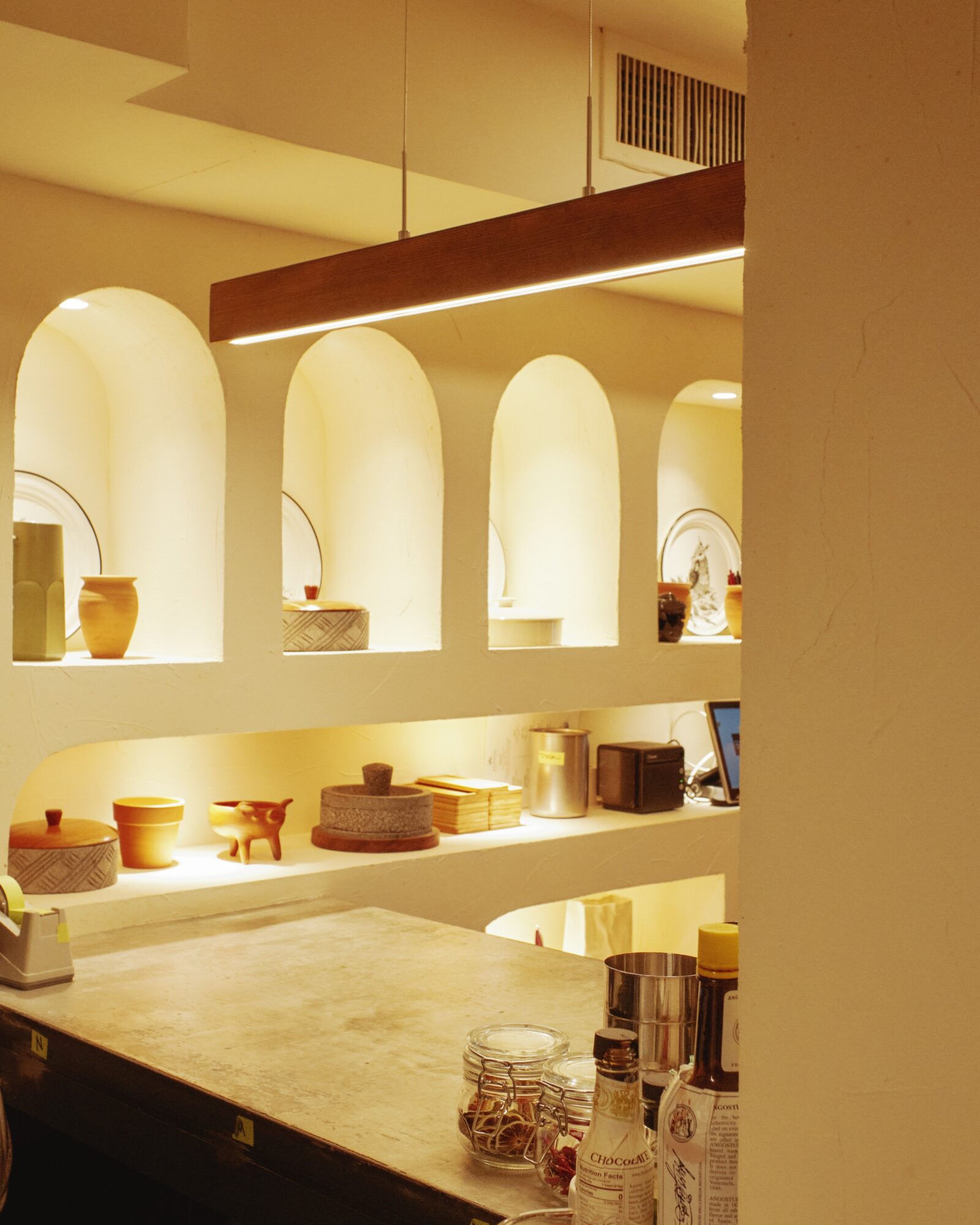
Eventually, that led me to create Amparo Fondita in Washington, DC. Amparo is named after my mother, and the word itself means “shelter” or “refuge,” which felt appropriate for the kind of restaurant I wanted to build. It is rooted in Mexican food and tradition, but also in my own experience as an immigrant, a border kid, and someone who has spent much of his life moving between different worlds.
Today, I’m incredibly fortunate that the restaurant and my work have received recognition, but what matters most to me is what that recognition represents. None of this happens because of one chef. It happens because of a team of people showing up every day, because of farmers and producers who care deeply about their work, because of immigrants who have always been essential to this industry, and because our guests continue to believe in independent restaurants.
At this point in my career, I’m also thinking beyond the kitchen. I care deeply about creating better workplaces in hospitality, developing the next generation of leaders, supporting local agriculture, and using whatever platform I have to advocate for immigrant communities and small businesses.
I still think of myself as very much in the middle of the story. There have been successes, failures, reinventions, and some very difficult seasons along the way, but the thread connecting all of it has remained pretty simple: food has always been my way of understanding where I come from, connecting with people, and hopefully creating a place where someone feels like they belong, as either a guest or a team member.
I’m sure it wasn’t obstacle-free, but would you say the journey has been fairly smooth so far?
Definitely not. I don’t think there is really such a thing as a smooth road in this industry, especially when you are building something independently.
There have been periods of financial uncertainty, staffing challenges, burnout, and moments where the pressure of keeping a restaurant alive felt enormous. Independent restaurants operate on incredibly thin margins, and you are constantly balancing the creative side of the work with the very real responsibilities of payroll, vendors, repairs, rent, taxes, and taking care of the people who depend on the business.
There is also the personal side of it. I have had to learn how to lead while still learning myself. I have made mistakes, trusted the wrong people at times, held on to things longer than I should have, and had to become much more comfortable with difficult conversations and difficult decisions. One of the biggest lessons has been understanding that being a good leader is not about controlling everything. It is about creating standards, developing people, trusting them, and also being willing to hold everyone, including yourself, accountable.
As an immigrant and as someone whose identity is deeply tied to Mexican food and culture, there is another layer to the work as well. It can be complicated to watch Mexican food and culture be celebrated while the people behind that culture, particularly immigrant communities, are often treated very differently. That contradiction is something I think about constantly, and it has made me much more intentional about how I use my voice and whatever platform the restaurant gives me.
There have been moments when walking away would probably have been easier, but the difficult periods have also forced me to become clearer about why I am doing this in the first place. Currently, success feels less like awards or recognition and more like building something resilient, creating meaningful opportunities for the people around me, and being able to look at the restaurant and recognize the values that brought me here in the first place.
Can you tell our readers more about what you do and what you think sets you apart from others?
At the center of my work is Mexican food, but more specifically, I am interested in telling a fuller and more nuanced story about Mexico.
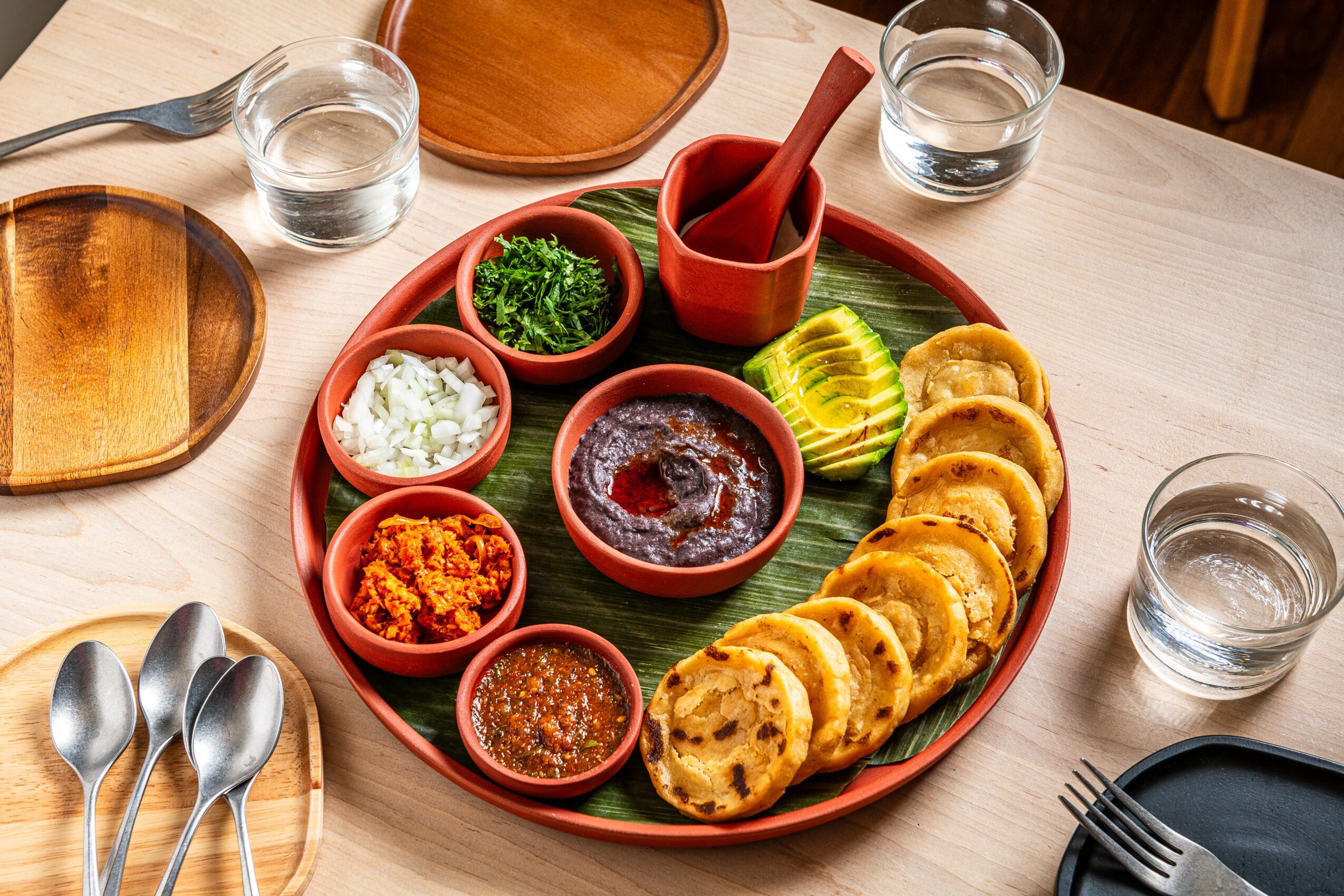
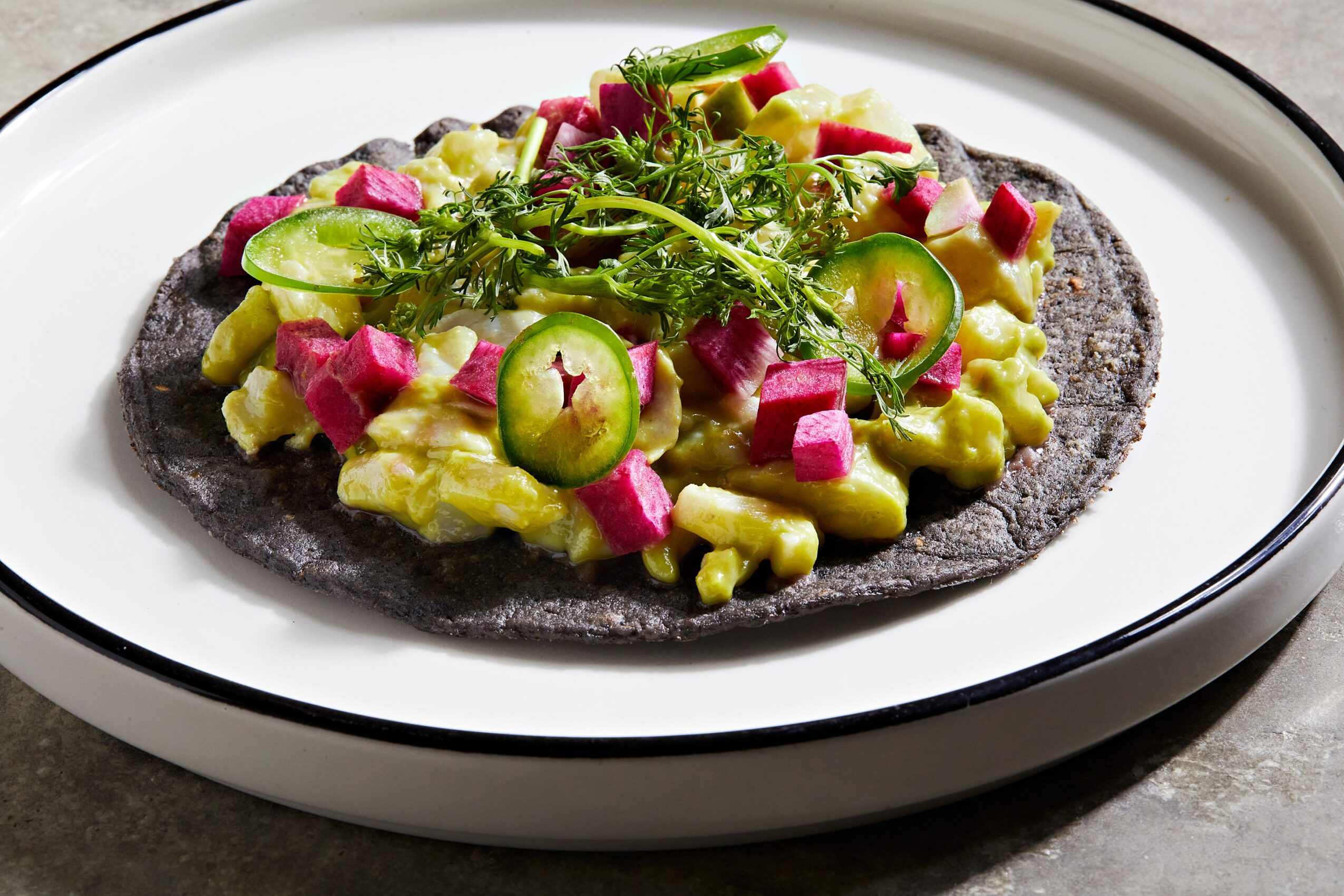
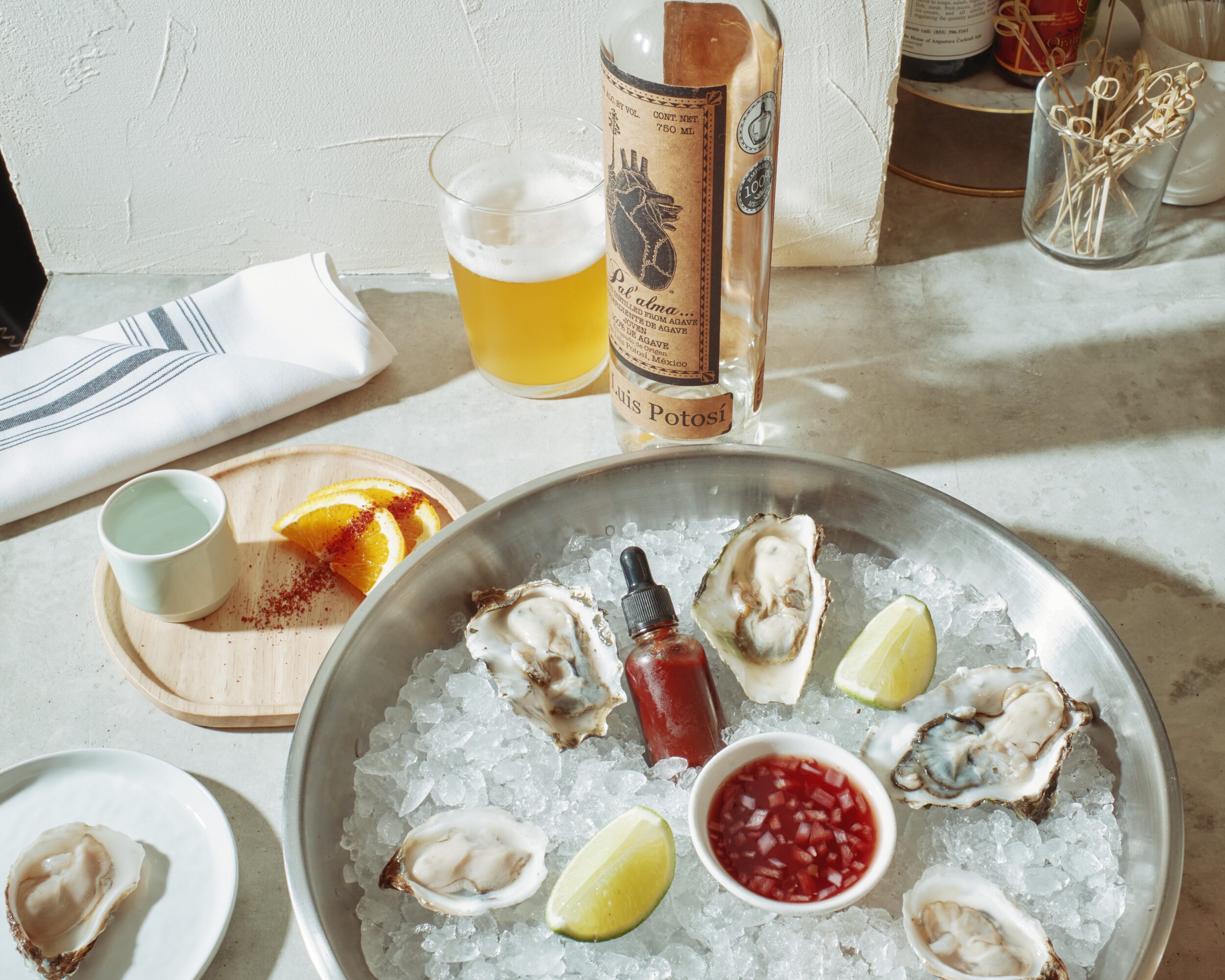
At Amparo Fondita, I focus on food that is rooted in tradition but not confined by nostalgia. A lot of the cooking is inspired by coastal Mexico, the border, family memories, regional techniques, and the ingredients available to us here in the Mid-Atlantic. We nixtamalize corn, make tortillas by hand, work closely with local farms and producers, and approach the food with the same level of care and intention you would expect in a fine dining restaurant, while still keeping the experience warm, accessible, and familiar.
I am not particularly interested in reproducing something exactly because that is how it has always been done, nor am I interested in changing something simply for the sake of making it feel modern. I want to understand the history and purpose of a dish first, and then ask how it can speak honestly to where I am, who I am, and the community I am cooking for today.
I am also very interested in hospitality as a whole. Food is obviously central to what we do, but a great restaurant is about much more than what is on the plate. It is how people are welcomed, how a team is developed, how farmers and vendors are treated, how thoughtfully a business participates in its community, and ultimately how someone feels when they leave.
What I am most proud of is that we have been able to build a small independent restaurant with a very clear point of view and have that work resonate with people. The recognition has been incredibly meaningful, but I am even more proud when I see someone on our team grow into a stronger cook, manager, or leader, or when a guest tells me that something we served reminded them of home.
I also feel a responsibility to use the visibility that comes with this work for something larger. Restaurants in this country simply would not exist in the way they do without immigrants, and neither would much of our food system. Supporting immigrant communities, local agriculture, small businesses, and better working environments in hospitality has become an increasingly important part of what I do.
What sort of changes are you expecting over the next 5-10 years?
I think the next five to ten years will force the restaurant industry to become more disciplined, more transparent, and more human.
The economics are getting tougher, so restaurants will need a clearer identity, stronger systems, and a better understanding of value. I also think the lines between fine dining, casual dining, and street food will continue to blur as guests focus less on formality and more on quality, authenticity, and experience.
Labor will be one of the biggest shifts. The old model of expecting people to sacrifice everything for the industry is not sustainable. The restaurants that thrive will be the ones that invest in leadership, professional development, and healthier workplaces.
Technology and AI will continue to shape operations, but I actually think that will make genuine hospitality even more valuable. The more automated the world becomes, the more important it will be to create spaces where people feel seen, cared for, and connected.
I’m also excited to see more chefs from immigrant and historically underrepresented communities telling their own stories on their own terms. To me, the future is less about making food more complicated and more about stronger identity, better workplaces, and deeper connection.
Contact Info:
- Website: https://www.amparofondita.com
- Instagram: @amparofondita
- Facebook: /amparofondita