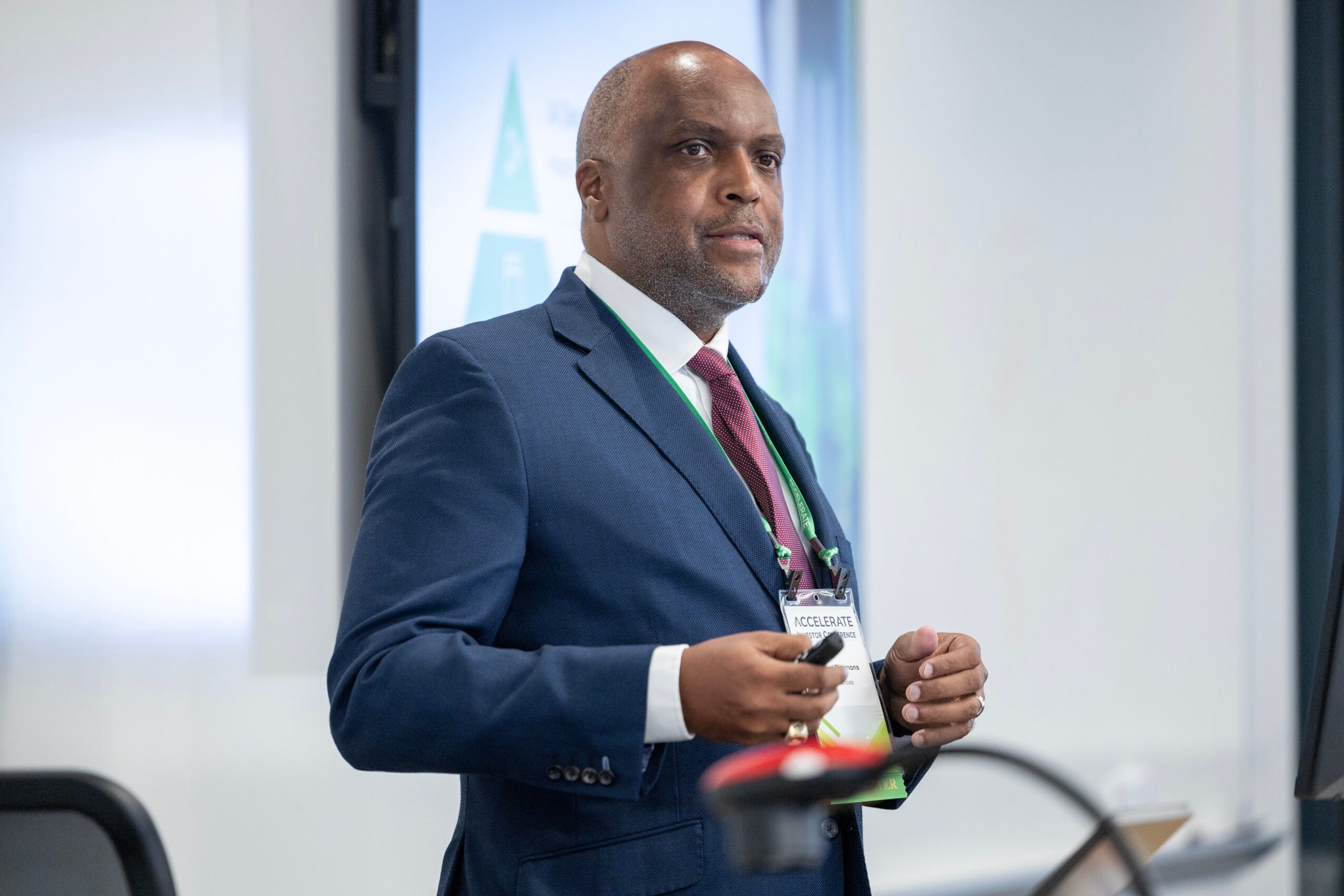





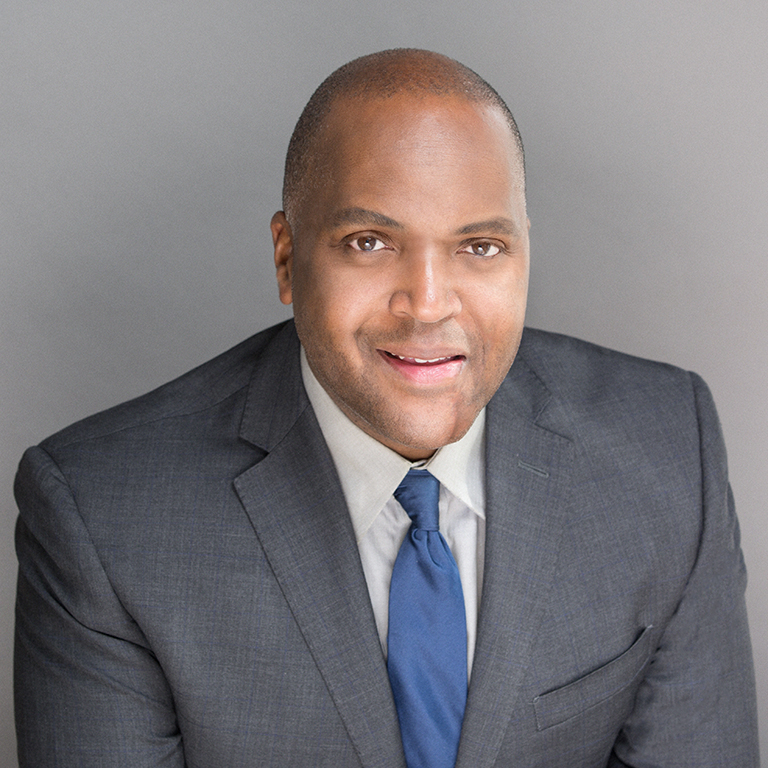
Today we’d like to introduce you to Michael Timmons.
Hi Michael, thanks for sharing your story with us. To start, maybe you can tell our readers some of your backstory.
I grew up in Temple, Texas, and from a very young age I was fascinated by space, computers, playing football, and the idea of someday building my own company. I was one of those kids who enjoyed figuring out how things worked and solving problems, which eventually led me to study aerospace engineering at the University of Texas at Austin. Interestingly, my senior design project involved designing a space-based solar power generation system, something that would take on an entirely different significance much later in my life.
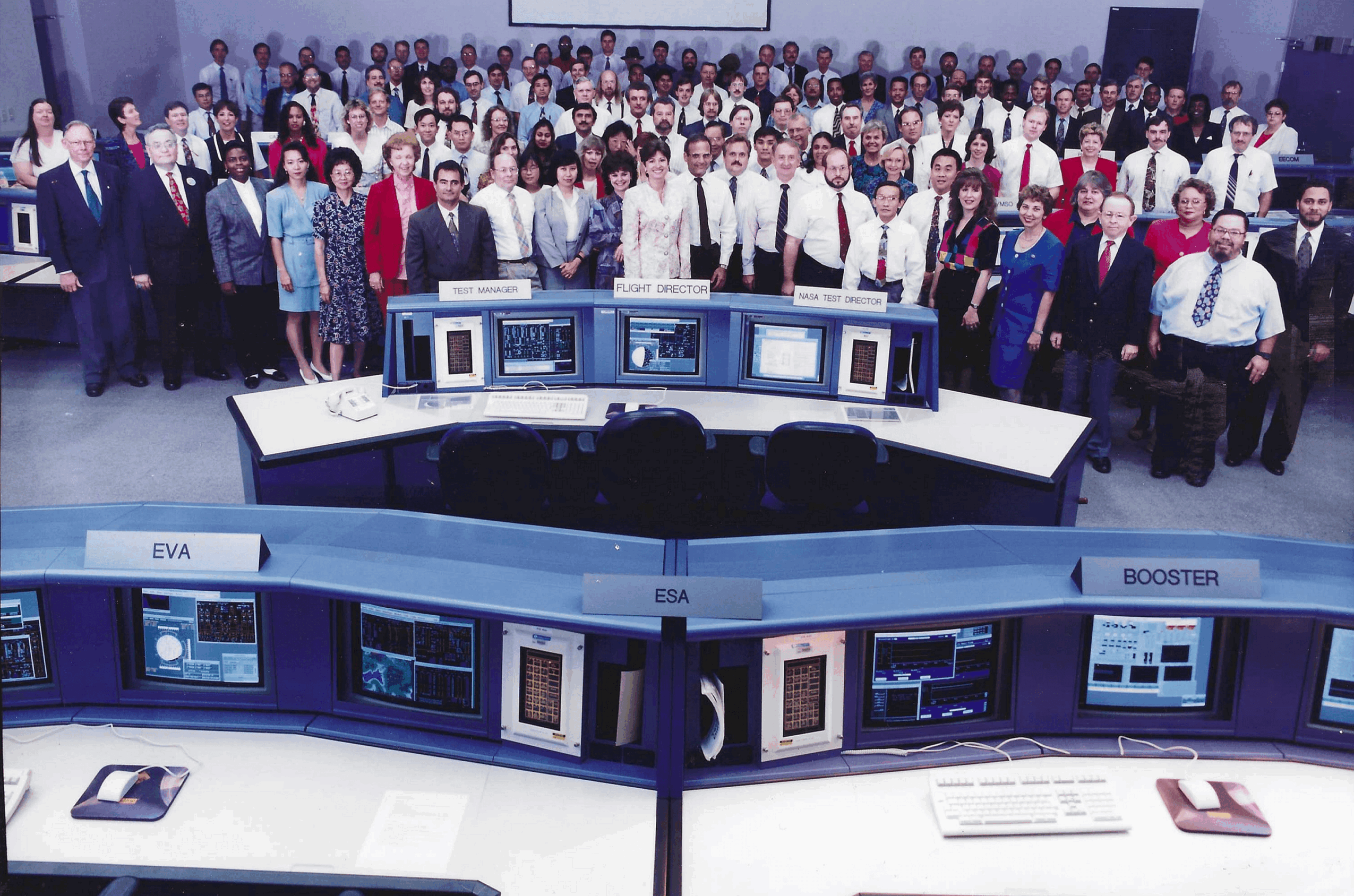
After college, I had the opportunity to work in NASA’s human spaceflight program at Johnson Space Center. It was an incredible environment for a young engineer because you were part of a team tackling extraordinarily complex problems where the details mattered. That experience shaped the way I still approach problems today.
My background and some of the relationships I developed at NASA eventually led to me starting my first company, an information technology consulting firm that I grew into a multimillion-dollar business. I spent 17 years building the company, and we had the opportunity to work with organizations that included the FBI, U.S. Air Force, MetLife, United Airlines and Enron.
After 17 years of building the company, I decided I wanted to go back to graduate school. That decision led me to transition out of my company and into technology leadership and executive leadership roles in several organizations while earning my MBA from The George Washington University and, later, Executive Leadership certificates from the Haas School of Business at the University of California-Berkeley. Throughout my career, I developed a reputation for being brought into projects that were in trouble and helping turn them around. I learned to quickly understand a complex situation, identify what wasn’t working, find a path forward that others may not have considered, and then bring people together to execute it.
That’s ultimately what led me to GoodFences, although I certainly wasn’t looking to start an HOA technology company.
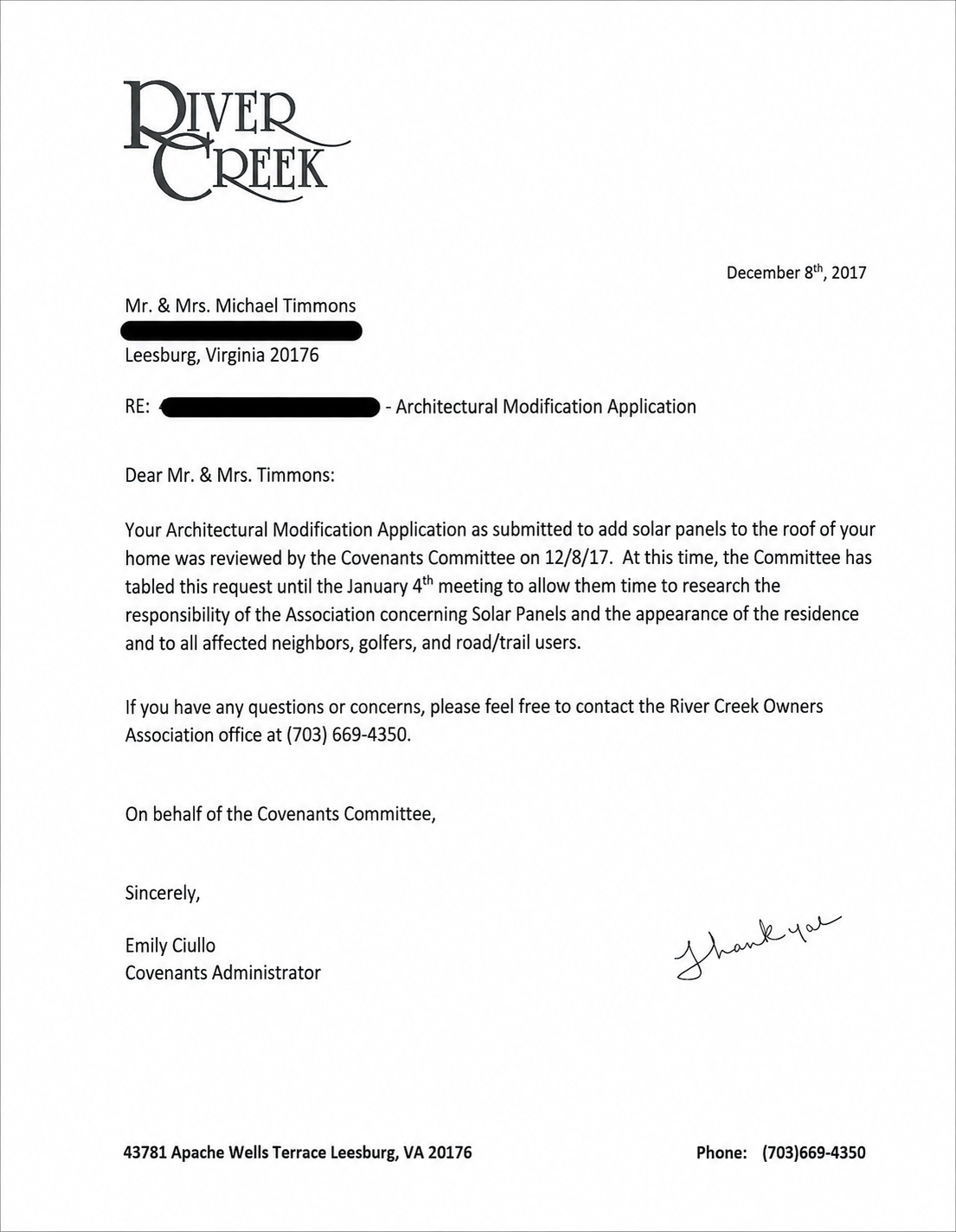
My wife and I wanted to install solar panels on our home in Leesburg. What I thought would be a relatively straightforward request turned into an eight-month approval process. Our application was tabled despite the fact that Virginia law was pretty clear about a homeowner’s right to install solar panels. Months went by without a resolution, and eventually I became so frustrated with the process that I got involved myself. I joined the architectural review committee, helped develop our community’s solar standards, was later elected to the HOA board, and eventually served as board president.
Being on both sides of that experience changed my perspective. As a homeowner, I had experienced how frustrating it was to submit a request and have very little visibility into what was happening. As a board member, I saw the other side: volunteers, in addition to their day jobs, were being asked to make both routine and complex decisions without easy access to all the historical information. I realized the problem wasn’t that people didn’t care or weren’t working hard. We were simply asking people to carry too much of the administrative and decision-making load themselves.
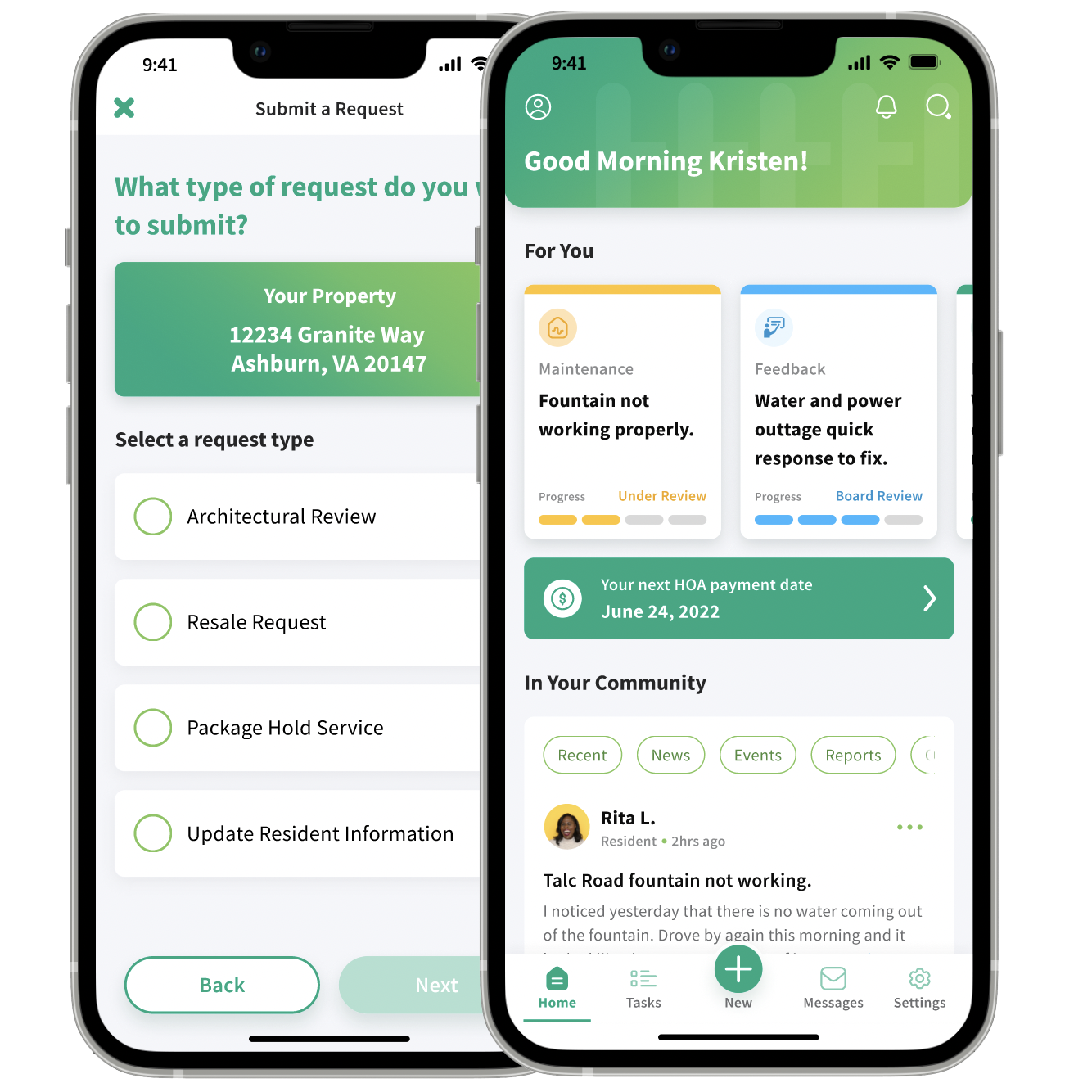
That realization became GoodFences. We are building AI that helps carry that load by automating HOA operations, including a patent-pending technology that can analyze homeowner requests against a community’s governing documents, standards, and prior decisions, along with local and state laws, and automatically approve requests when it can, while leaving the decisions that require human judgment to people.
Today, I’m building GoodFences with a team of people who bring experience in technology, product development, finance, and community association management. We’re working toward a simple goal: use AI to reduce the administrative burden and cost of running homeowners associations while giving homeowners and community leaders greater visibility into what’s happening. We believe visibility builds trust, and when community leaders have the right information and tools at their fingertips, they can lead their communities with greater efficiency and confidence.
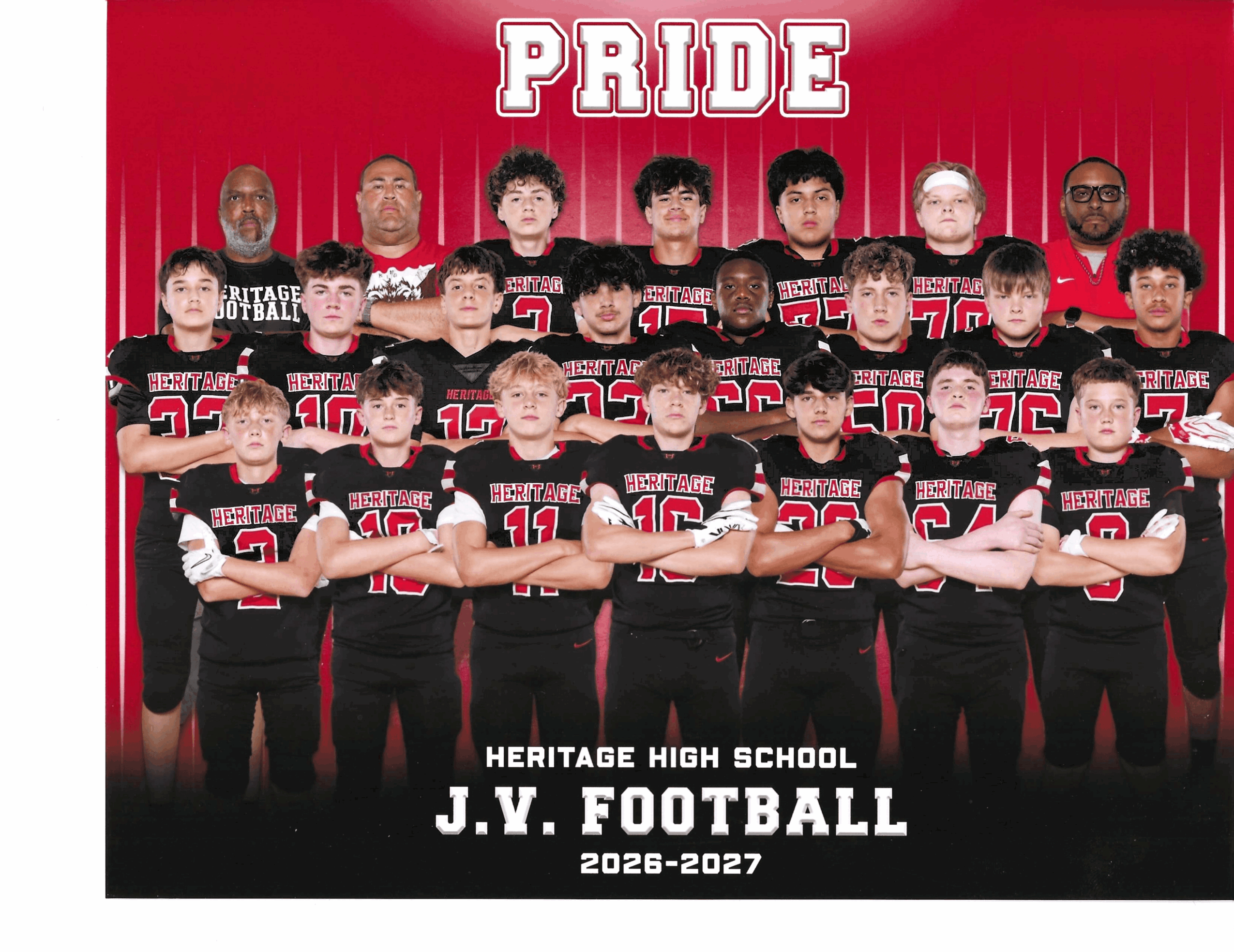
In many ways, the different chapters of my life have come together in what I’m doing today. Playing football taught me the value of teamwork, a lesson I now try to pass along to the kids I coach in football. Engineering taught me how to solve complex problems. Entrepreneurship gave me a platform to turn those solutions into something valuable for others. Serving on an HOA board gave me firsthand experience with a problem affecting millions of homeowners. And after all these years, I still find myself doing what I enjoyed as a kid: finding difficult problems and figuring out better ways to solve them.
Can you talk to us a bit about the challenges and lessons you’ve learned along the way. Looking back would you say it’s been easy or smooth in retrospect?
No, it definitely hasn’t been a smooth road. I think anyone who has spent enough time building companies eventually learns that the straight line you imagined at the beginning rarely exists.
One of the biggest adjustments for me with GoodFences has been learning how to sell a product. My first company was a consulting business, and in many ways our customers were buying me and the people I could bring to the table who were like me. Selling consulting services often felt a lot like interviewing for a job. You had to understand the customer’s problem, demonstrate that you had the experience and expertise to solve it, and convince them that you were someone they should hire to deliver. GoodFences is very different. I’m no longer selling myself or the capabilities of a team. I’m asking someone to adopt a product and, in many cases, change the way their community has operated for decades. I’ve had to learn an entirely different approach to sales, marketing, positioning, and understanding how customers make purchasing decisions.
I’ve also had to learn an entirely different approach to financing a company. I bootstrapped my first business, but with GoodFences we’ve raised capital from investors and continue to fundraise as we grow. That has been a learning experience of its own. I’ve had to learn how investors evaluate startups, how to build a pitch deck, how to tell our story in a few minutes, and how to communicate the size of the opportunity and our vision for the company. Raising money also means hearing “no” a lot and learning from those conversations without allowing them to distract you from building the business.
We’ve also had to make the difficult choices that almost every startup faces: what to build first, where to focus limited resources, and when to change direction. Listening to the people who actually run communities and taking feedback from deals we lost has caused us to re-prioritize our feature development strategy more than once.
I don’t view those struggles as separate from the entrepreneurial journey. They are the journey. My engineering background taught me to treat those moments as problems to understand rather than reasons to quit. GoodFences today is a much stronger company than the one we originally envisioned because of what we’ve learned along the way. We’re still early, and I fully expect there will be more difficult moments ahead. But I’ve learned that progress rarely comes from avoiding difficult problems. It comes from continuing to work the problem until you find a better path forward.
Alright, so let’s switch gears a bit and talk business. What should we know?
GoodFences is an AI technology company focused on making homeowners and condo associations easier and less expensive to operate while creating greater visibility for the people who live in them.
There are millions of homes in homeowners associations around the world, and the leaders of these communities make millions of decisions each year impacting the quality of life and property values of their homeowners. For most families, their home represents far more than a shelter. It reflects their style, tastes, and holds countless family memories, while simultaneously being what is often their single largest investment. Yet much of the work required to run these communities is still highly manual. Every request, from paint colors to shrub heights, is manually reviewed and a decision issued, creating unnecessary delays and increasing the cost of running the community. And with HOA dues rising on average 26% annually, how the community runs matters.
We built GoodFences to help carry that administrative load, reducing both time and costs. What really sets us apart is how we’re using artificial intelligence to automate the decision process. Our patent-pending technology analyzes a homeowner’s request against the community’s standards, approving the requests it can handle in seconds and leaving those that truly require human judgment for people to decide.
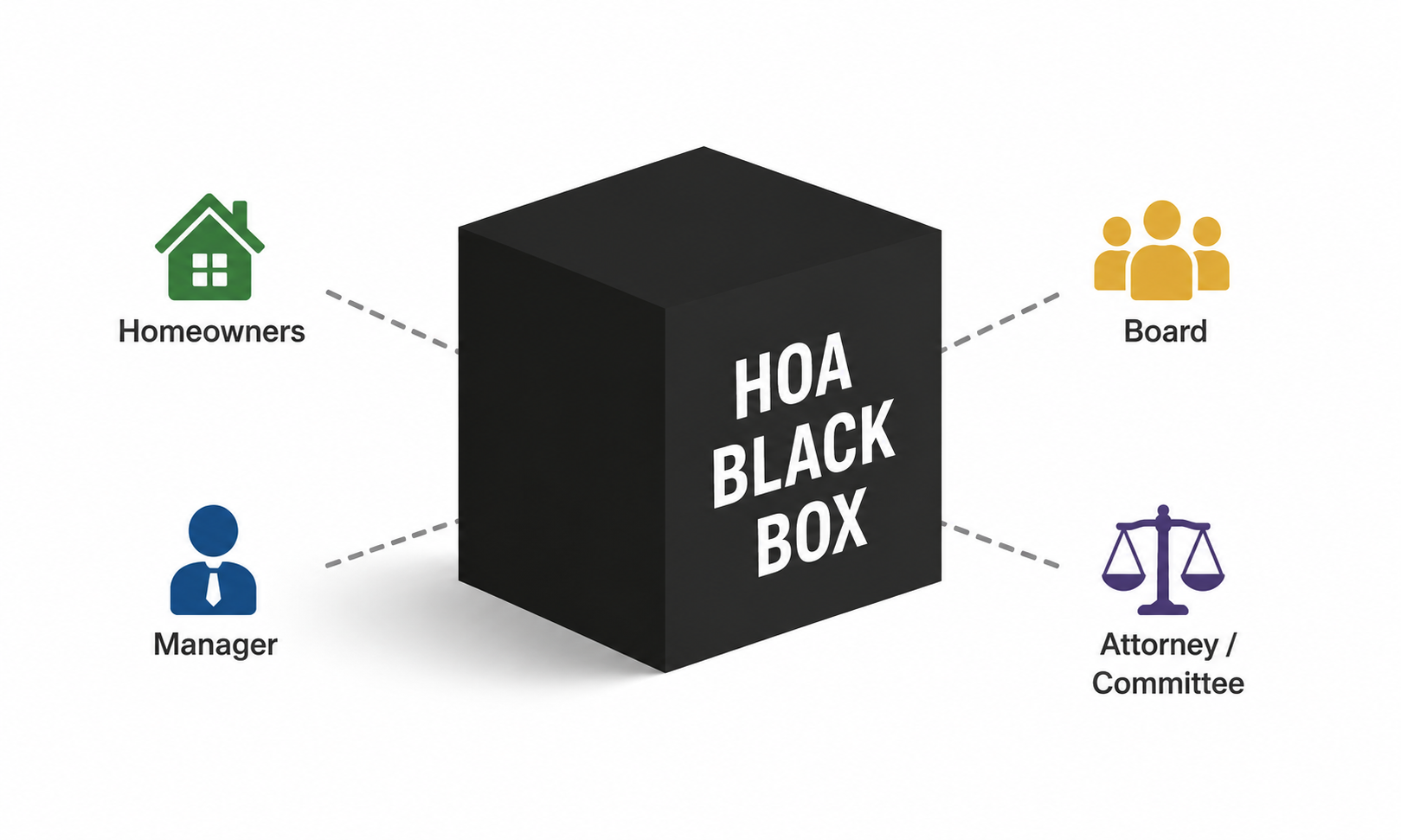
But GoodFences is much more than just a robotic approval system. We’ve built a platform where communities can manage everything from owner issues and requests to notifications and community financials in one place. For community leaders, it means spending less time and money on administrative work and more time actually serving their communities. For homeowners, it means being able to actually see what’s happening instead of guessing about their request as it moves through what we call the “HOA Black Box.”
Many of the frustrations owners have with their HOAs aren’t necessarily due to something being done wrong. Usually, they simply don’t have easy and timely access to the information they need. Visibility builds trust. When people can’t see what’s happening, it’s easy for frustration, speculation, and suspicion to fill the gap. GoodFences gives homeowners real-time visibility into what’s happening in their community, opening the HOA Black Box.
What I’m most proud of is that we’re not using AI simply because AI is exciting technology. We’re applying it to real problems that consume people’s time and drive up the cost of running a community. Our philosophy is simple: let technology handle the work it can, so people can spend more time on the things that actually need people.
We’d be interested to hear your thoughts on luck and what role, if any, you feel it’s played for you?
I think “luck” is an interesting way to describe it. When I look back at my life, there are certainly moments that could appear to be luck, but I tend to think of them more as the intersection of choices, preparation, and opportunity.
One of the best examples goes back to college. For my aerospace engineering senior design project, I was originally on a team designing a lunar lander. I made the choice to switch to another team that was designing a space-based solar power generation system. I didn’t switch because I was more interested in solar. I switched because the second group felt more like a true team, and I wanted to be a member of a team. I couldn’t possibly have known that decades later, the knowledge I gained about solar energy would contribute to my interest in putting solar panels on my own home. That decision ultimately started me down a path that led from a frustrating eight-month approval process, to joining my architectural review committee, to serving on my HOA board, to becoming board president, and eventually to starting GoodFences.
My first company came about through a similar chain of events. Working at American Airlines gave me the opportunity to be trained in a very specific technology. On its own, that might not have meant much. But when combined with my aerospace engineering background, it gave me a fairly unusual skill set. Former colleagues from NASA had been searching for someone with that particular combination of experience for more than two years. Because I had maintained those relationships, when the opportunity appeared, I was prepared for it. That allowed me to launch my first company on my own terms and became the beginning of a 17-year entrepreneurial journey.
Had I made different choices at any of those points, my life might look very different today. Had I stayed on the lunar lander project, perhaps I never would have developed the same interest in solar. Had I not worked at American Airlines, I wouldn’t have developed the specialized technology skills that created the opportunity for my first company. Had I not worked at NASA and maintained those relationships, the opportunity might never have found me.
I once won one million frequent flyer miles in a national contest, and my mother once won a car at a casino. So there is certainly an element of luck in life. But I’ve come to believe that most of the time, what appears to be luck in hindsight is often the result of choices you made years earlier, the relationships you invested in, and whether you were prepared to act when an opportunity finally presented itself.
Pricing:
- Pricing varies based on the size and needs of your community
- Let us work with you to find options that work for your community
- To learn more, schedule a conversation with us: https://www.gfhoa.com/schedule-demo
Contact Info:
- Website: https://www.goodfences.ai
- Instagram: https://www.instagram.com/goodfenceshoa/
- Facebook: https://www.facebook.com/profile.php?id=61567763740706
- LinkedIn: https://www.linkedin.com/company/gfhoa
- Twitter: https://twitter.com/goodfenceshoa
- Youtube: https://www.youtube.com/@goodfenceshoa
- Other: https://www.gfhoa.com