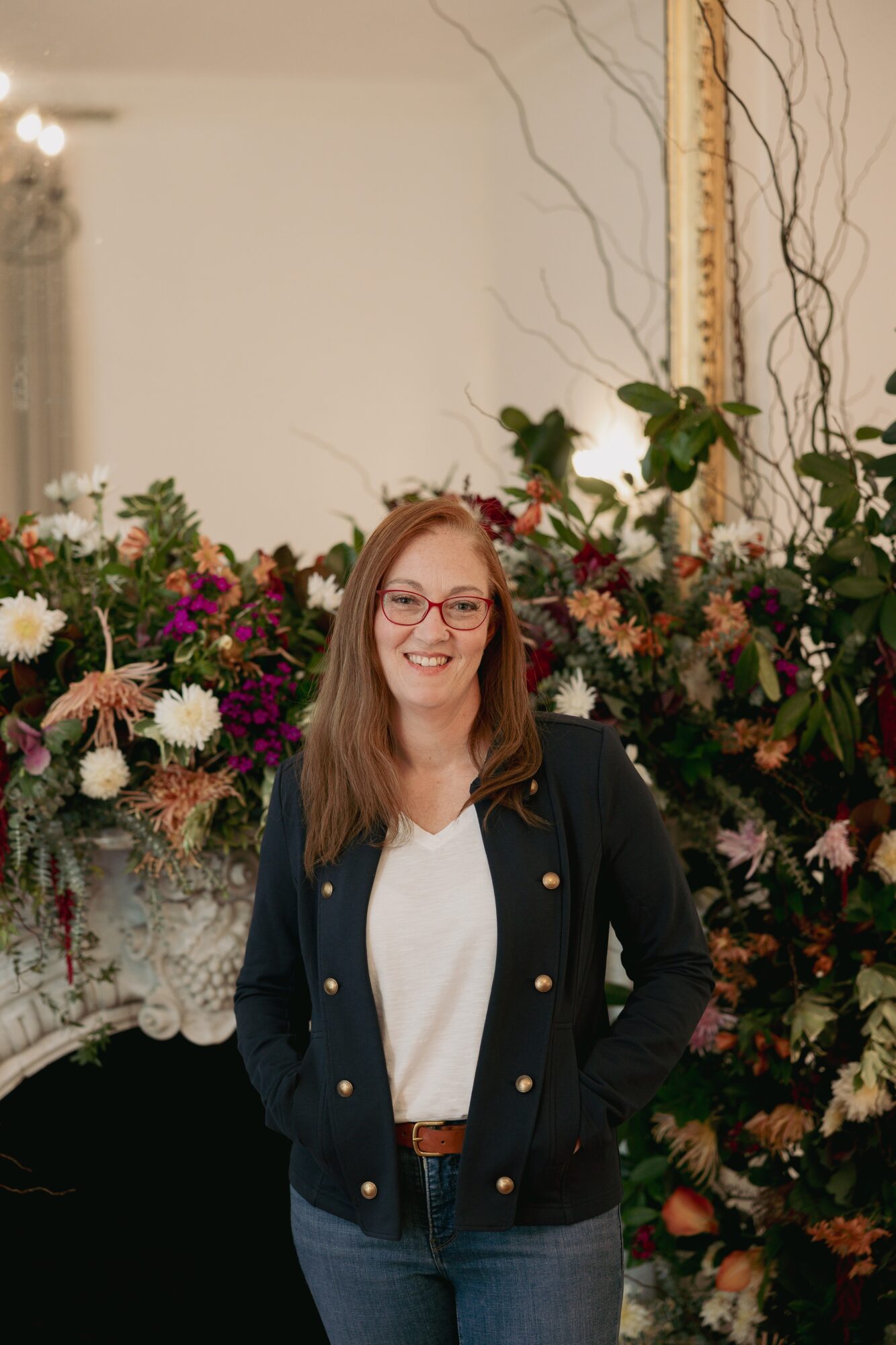




Today we’d like to introduce you to Anna Beall.
Hi Anna, so excited to have you on the platform. So before we get into questions about your work-life, maybe you can bring our readers up to speed on your story and how you got to where you are today?
I definitely didn’t set out with a plan to become a flower farmer or wedding florist. My husband and I spent the first decade of our marriage moving around with the Air Force and raising our three kids. When we finally settled in Northern Virginia, we bought an acre of land, and I started growing food. At first, I think I was simply excited to finally have a place where I could put down roots, literally and figuratively.
Farming also connected me back to my dad. He was an organic farmer in Baltimore City in the 1980s, long before most people were talking about local food or regenerative agriculture. Growing taught me to pay attention to soil, seasons, weather, and all the tiny interconnected things happening in a piece of land. Somewhere along the way, flowers began taking over more and more of the garden. I’ve always needed a creative outlet, and flowers became this really natural intersection between making something beautiful and growing something from the ground up.
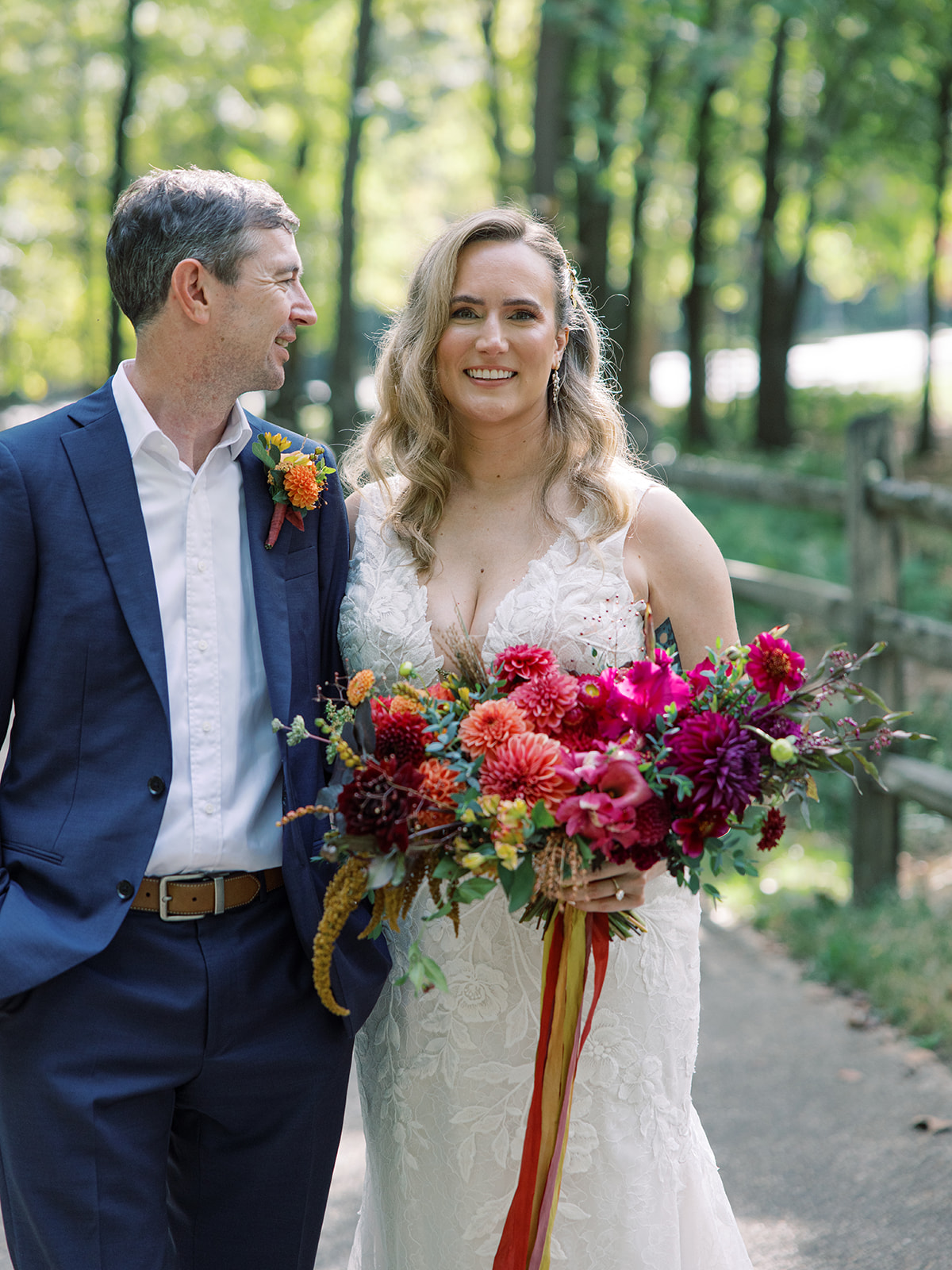
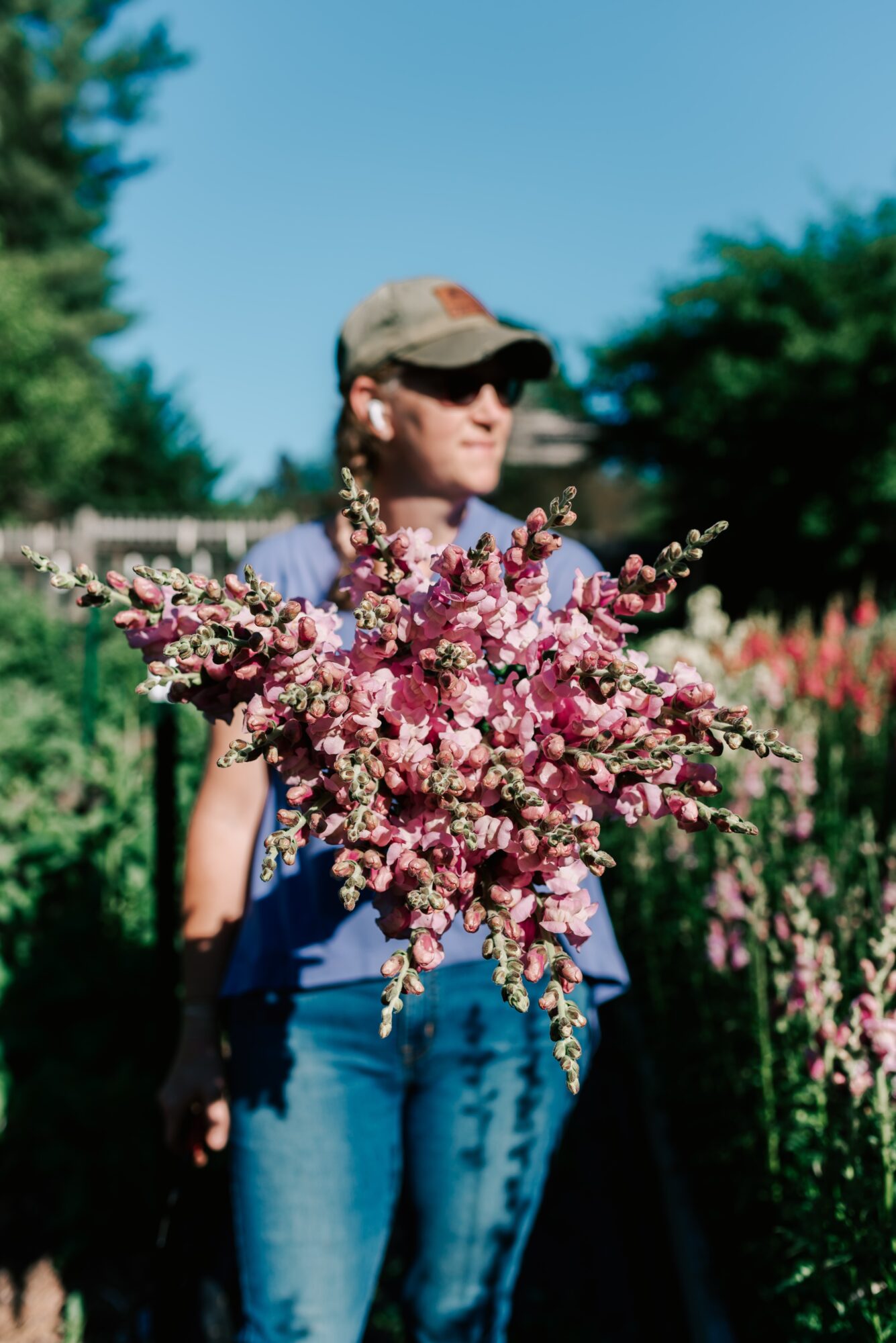
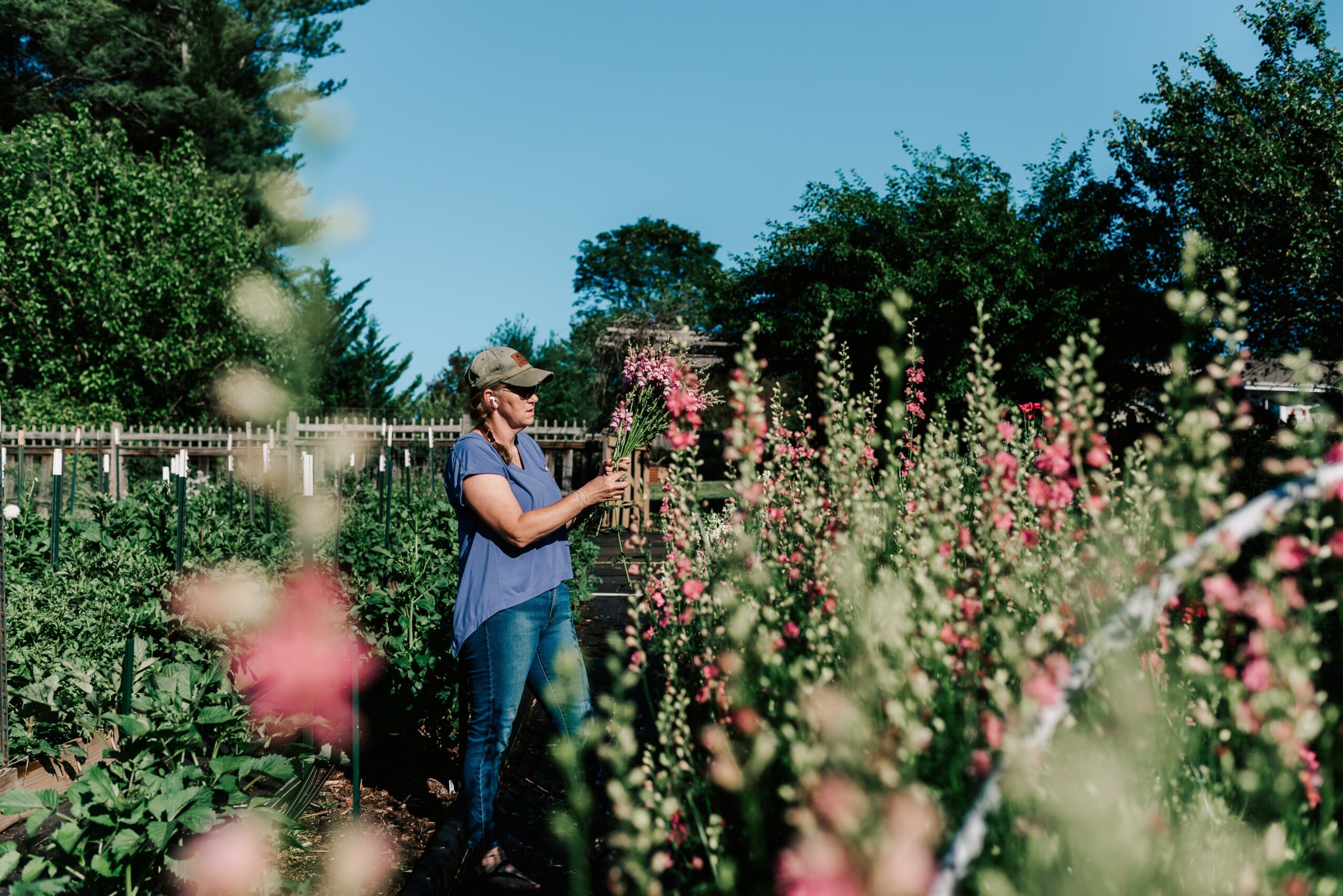
The Fertile Burb grew pretty organically from there. What started on our one-acre suburban property has become both a flower farm and a floral design studio specializing primarily in weddings. I grow as much of what I design with as I can and work with other regional growers when I need more. Everything is seasonal, locally grown, and grown without chemical sprays, and the farm itself is managed using regenerative, no-till practices.
Over time, I’ve become just as interested in the larger story behind the flowers as I am in the finished arrangements. Most flowers used in the United States are grown thousands of miles away, and weddings can create an incredible amount of waste. I wanted to see what wedding flowers could look like when they were rooted in the place and season where the celebration was actually happening. That has really become the heart of what I do now: growing flowers here, designing with what the season gives me, and creating work that feels beautiful and abundant without being disconnected from the land it came from.
Alright, so let’s dig a little deeper into the story – has it been an easy path overall and if not, what were the challenges you’ve had to overcome?
Not exactly. One of the biggest challenges has been that people are incredibly disconnected from agriculture when it comes to flowers. We understand that tomatoes have a season, but somehow we’ve forgotten that flowers do too. For a long time, many couples approached wedding flowers wanting to choose very specific varieties from a photo, regardless of what was actually growing here at that time of year.
A huge part of building this business has been education. I’ve had to help people understand that flowers are an agricultural product, affected by weather, soil, temperature, timing, and all the same variables as any other crop. Working seasonally means giving up a little bit of control, but in exchange you get flowers that actually belong to that moment and place.
What’s been really exciting is seeing that begin to change. This generation of engaged couples seems much more curious about where things come from and much more willing to make choices based on sustainability and seasonality. More and more, people come to me specifically because they want locally grown flowers and are willing to trust what the farm gives us. That shift has made the years of explaining why this matters feel very worth it.
Appreciate you sharing that. What else should we know about what you do?
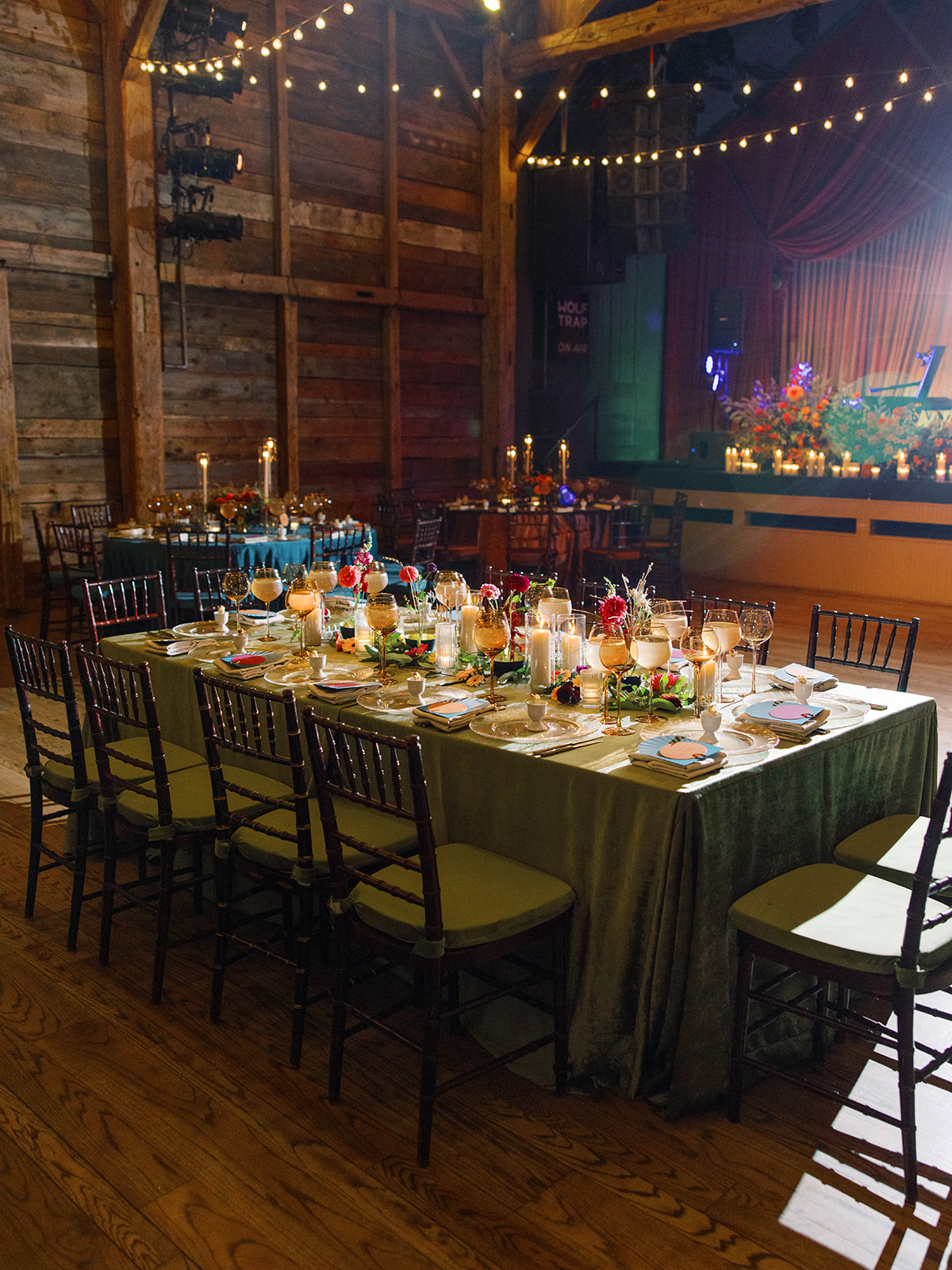
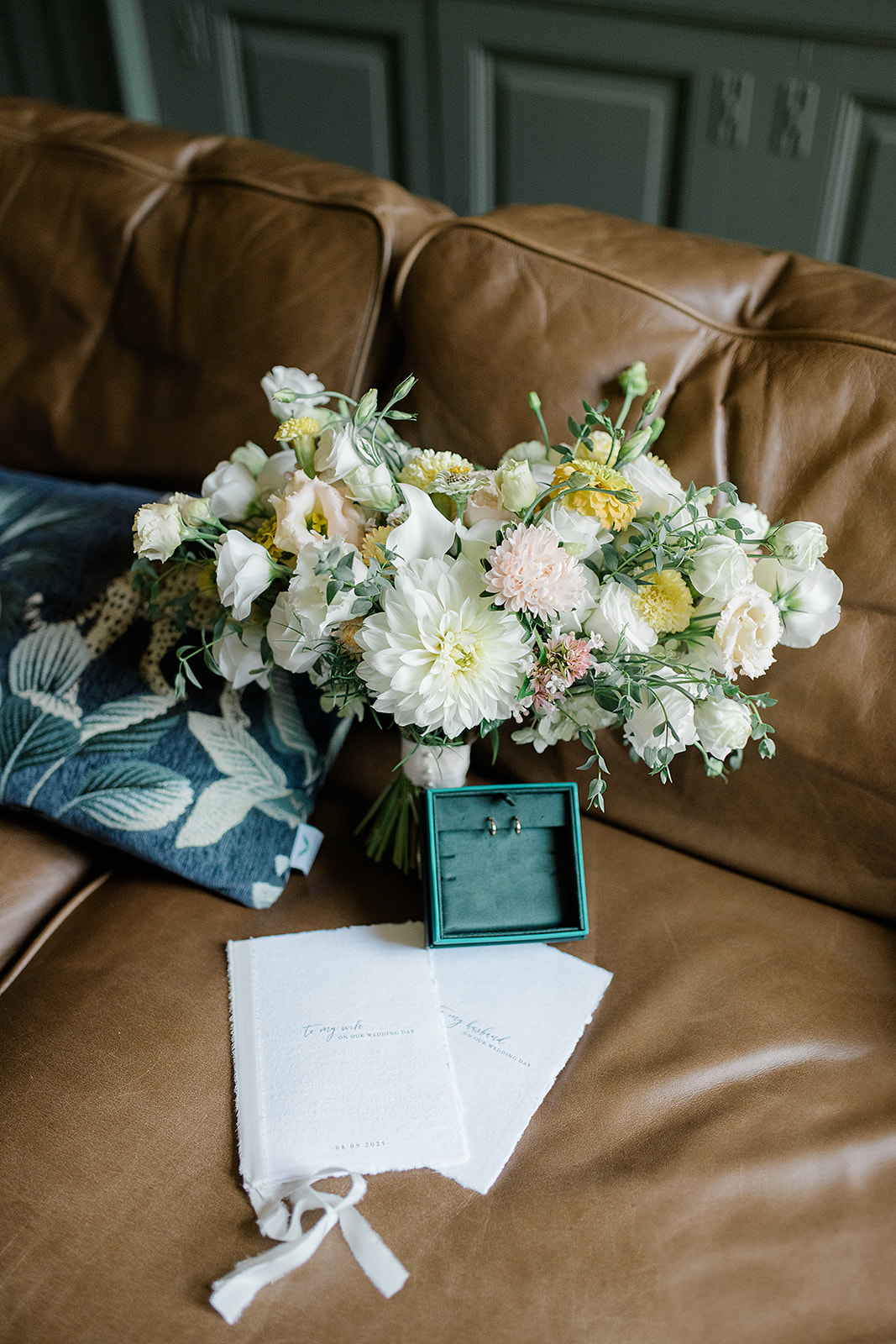
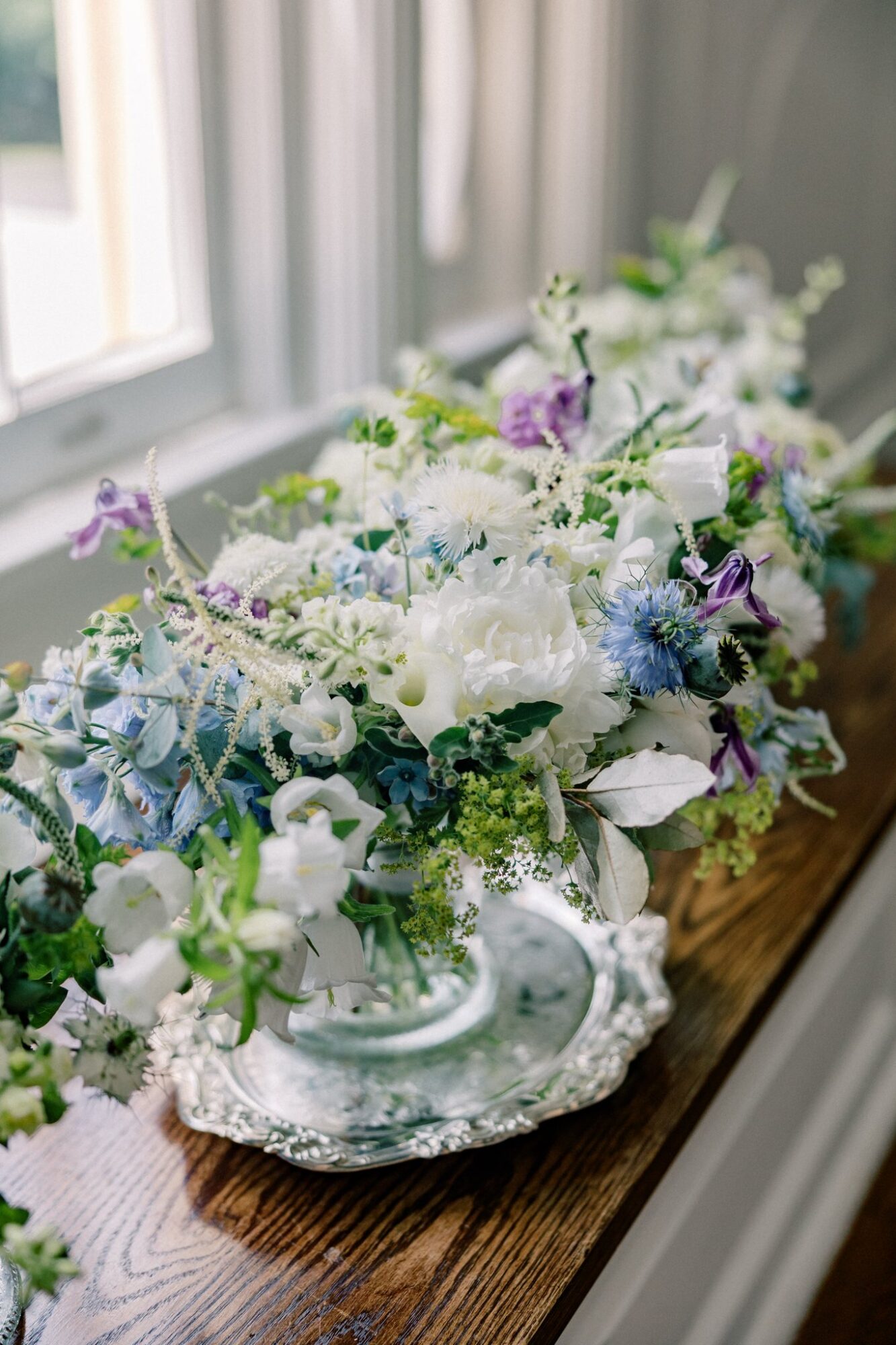
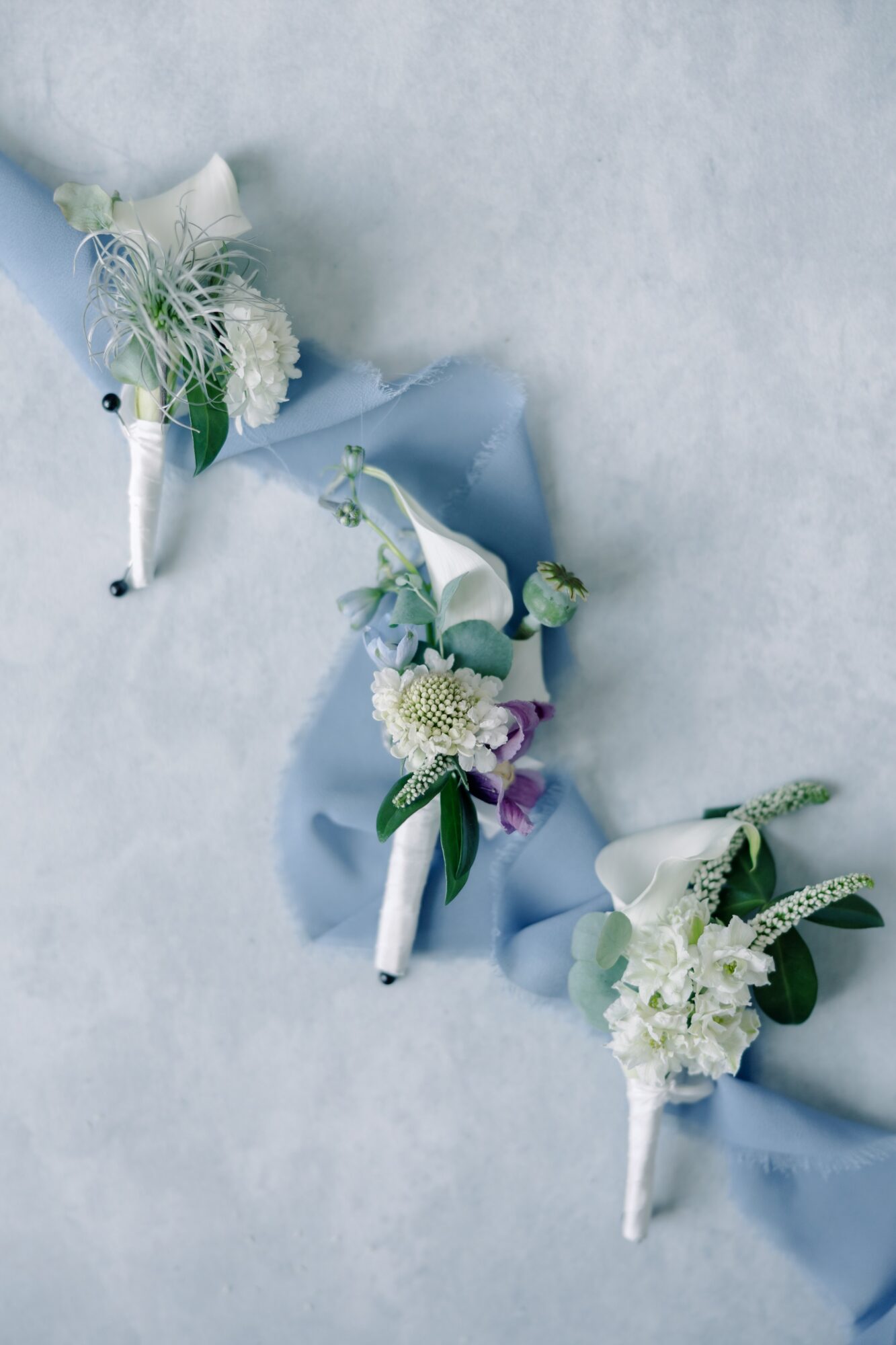
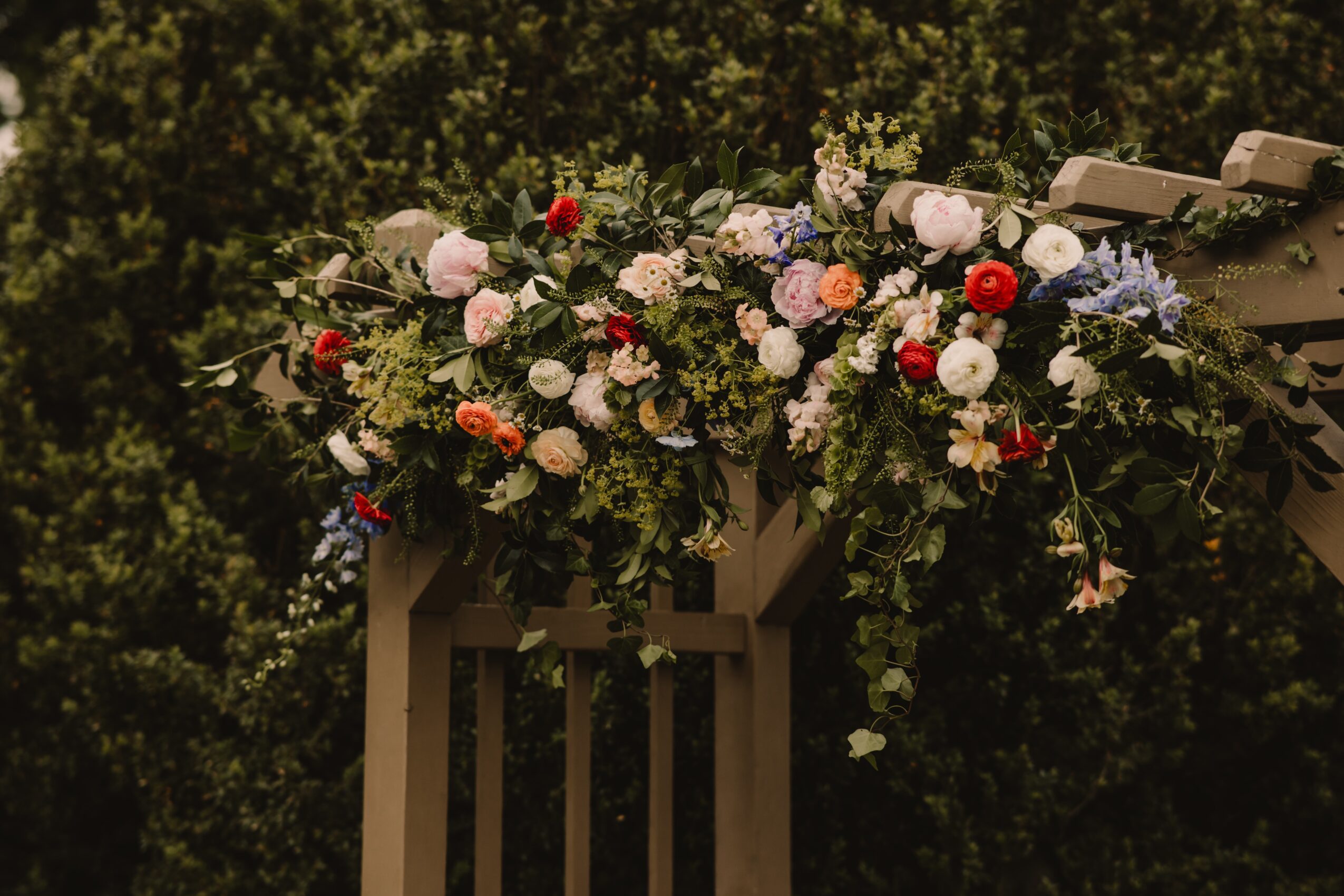
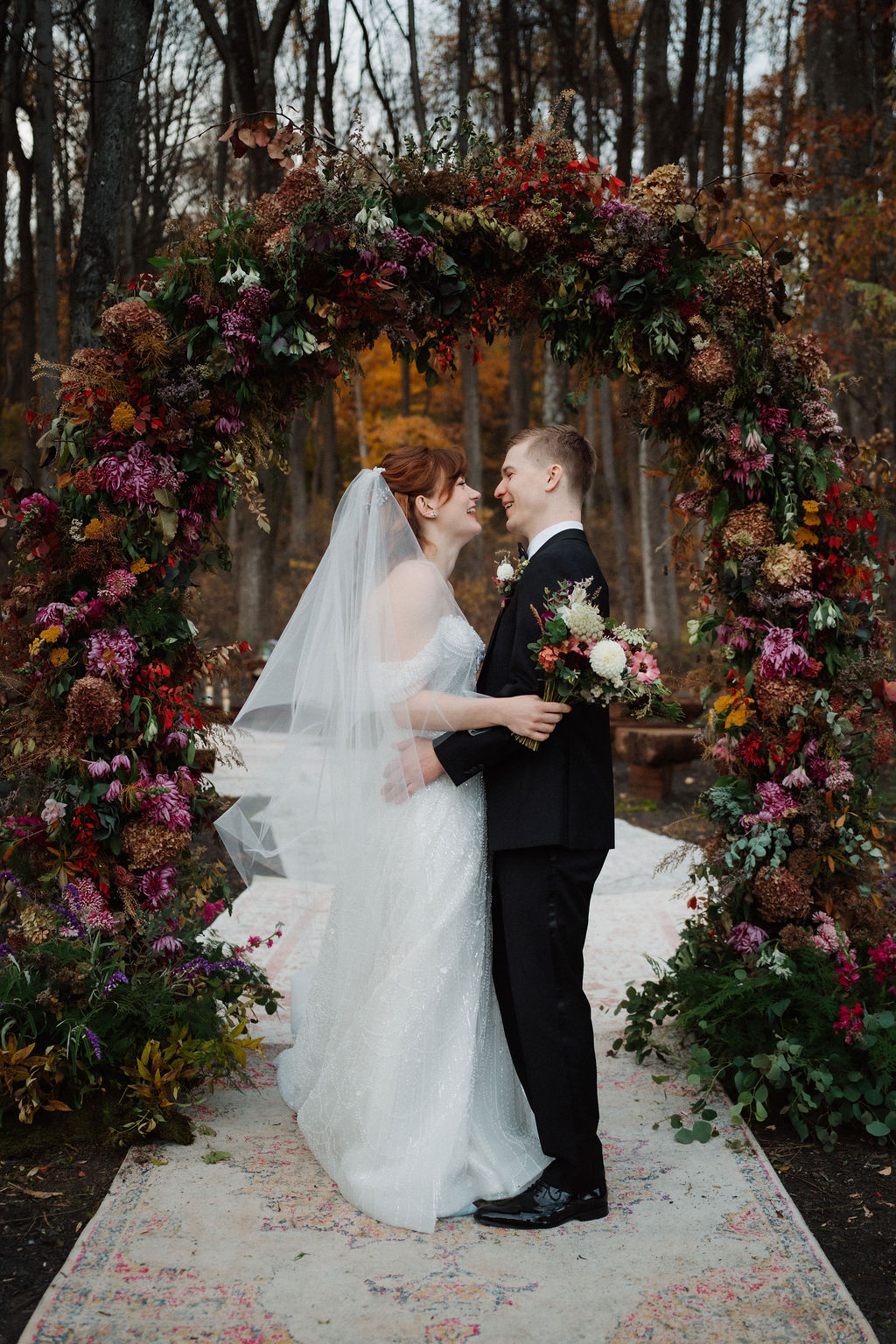
The Fertile Burb is both a flower farm and a floral design studio. I specialize primarily in weddings, and almost everything I design starts with what is actually growing here in Northern Virginia or with other regional growers. That means I’m not beginning with a catalog of flowers and ordering whatever fits a photograph. I’m beginning with season, color, texture, movement, and the story of the couple, and then building from what the land can give us.
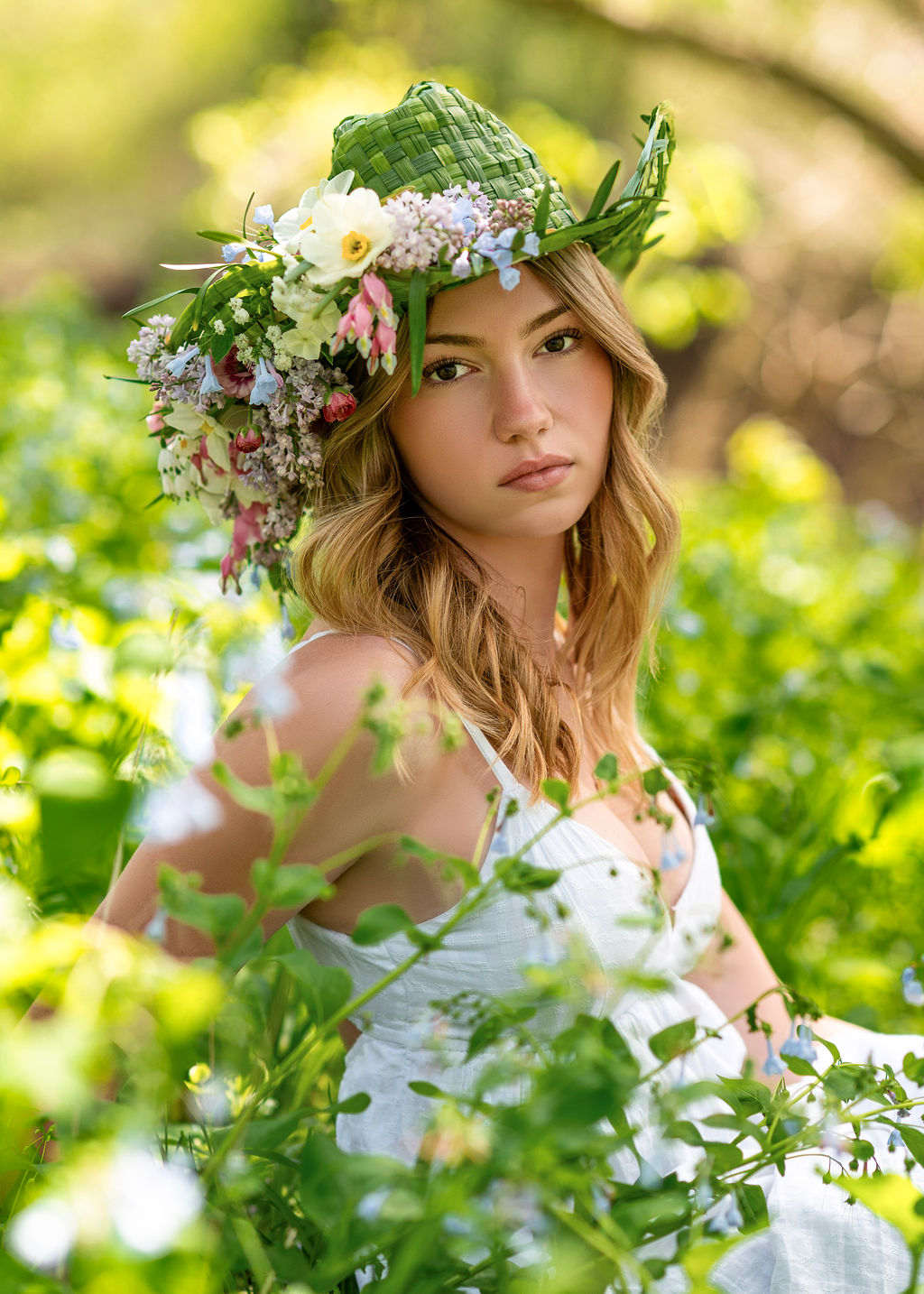
Creatively, I think that limitation is actually one of the things that makes the work stronger. I love flowers that feel refined but still a little wild, with movement and texture and a sense that they were grown rather than manufactured. I also design without floral foam and try to think about sustainability through the entire process, from how the soil is managed on the farm to what mechanics and materials are used in an installation.
What I’m probably most proud of is that the farm and the design work have become inseparable. I’m not just designing with local flowers because it’s a sustainability talking point. I’m growing them, planning for weddings months in advance, watching the weather, planting for color, and then taking those same flowers into the studio and turning them into something deeply personal for a couple.
I think what sets the work apart is that combination of agriculture and design. The flowers aren’t simply decorating a wedding. They are part of the season, the place, and the story of that particular day.
What are your plans for the future?
What I’m most excited about is continuing to push locally grown flowers further into the luxury wedding market. We’ve done a really good job of attracting couples in that mid-luxury space who value design and also care about where their flowers come from, but I’d love to take that even further.
There’s still sometimes an assumption that choosing locally grown means accepting limitations in scale, sophistication, or creativity, and I really want to challenge that. I want to work on the kinds of weddings that involve large-scale installations, really thoughtful design collaboration, and the opportunity to transform a space completely, while still staying rooted in seasonal, regionally grown flowers.
To me, those two things aren’t at odds. Sustainability and luxury can absolutely exist together. In fact, I think knowing that the flowers were intentionally grown for a particular season and celebration can make the experience feel even more special. I’d love for The Fertile Burb to be part of proving what’s possible when locally grown flowers are trusted at that scale.
Pricing:
- Full-service wedding floral design begins at $8,000, with most couples investing approximately $10,000–$20,000 depending on scale, installations, and design needs.
- À La Carte wedding flowers are available for smaller orders, including something as simple as a single bouquet, as well as personal flowers, centerpieces, and DIY flower buckets.
- Delivery is available for À La Carte orders of $1,000 or more. Smaller orders are available for pickup.
Contact Info:
- Website: https://www.thefertileburb.com/
- Instagram: https://www.instagram.com/the_fertile_burb/
- Facebook: https://www.facebook.com/thefertileburb/