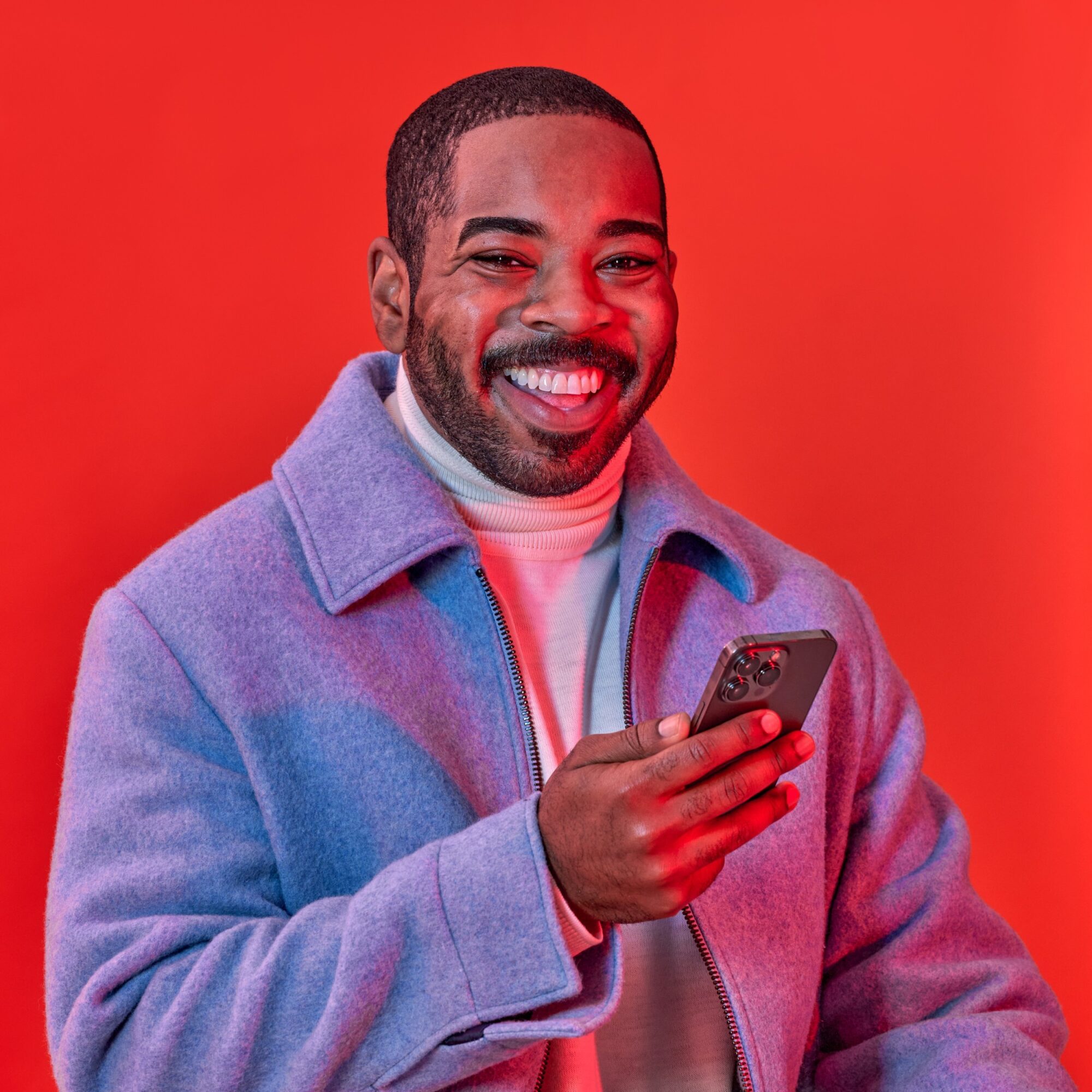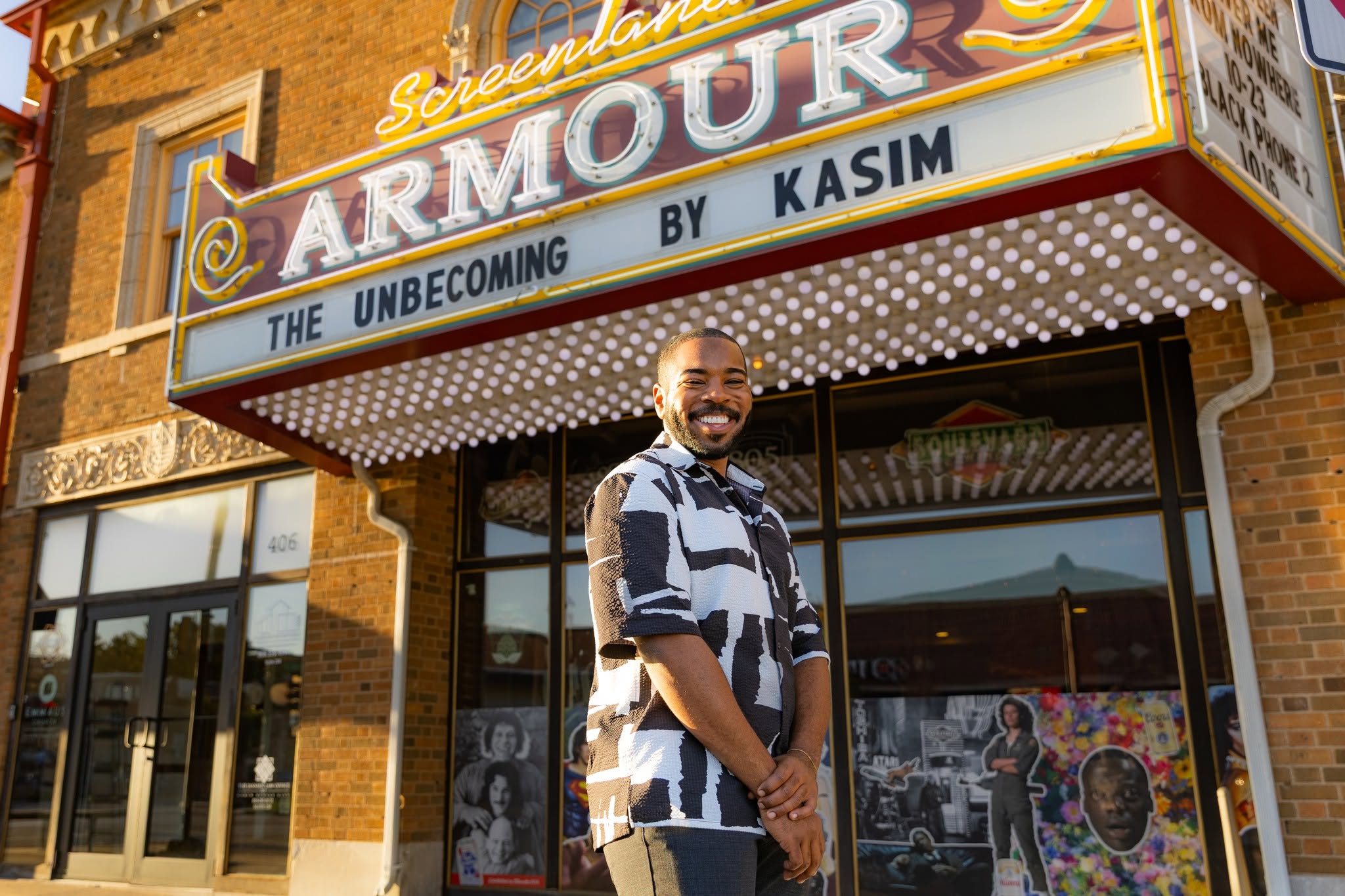



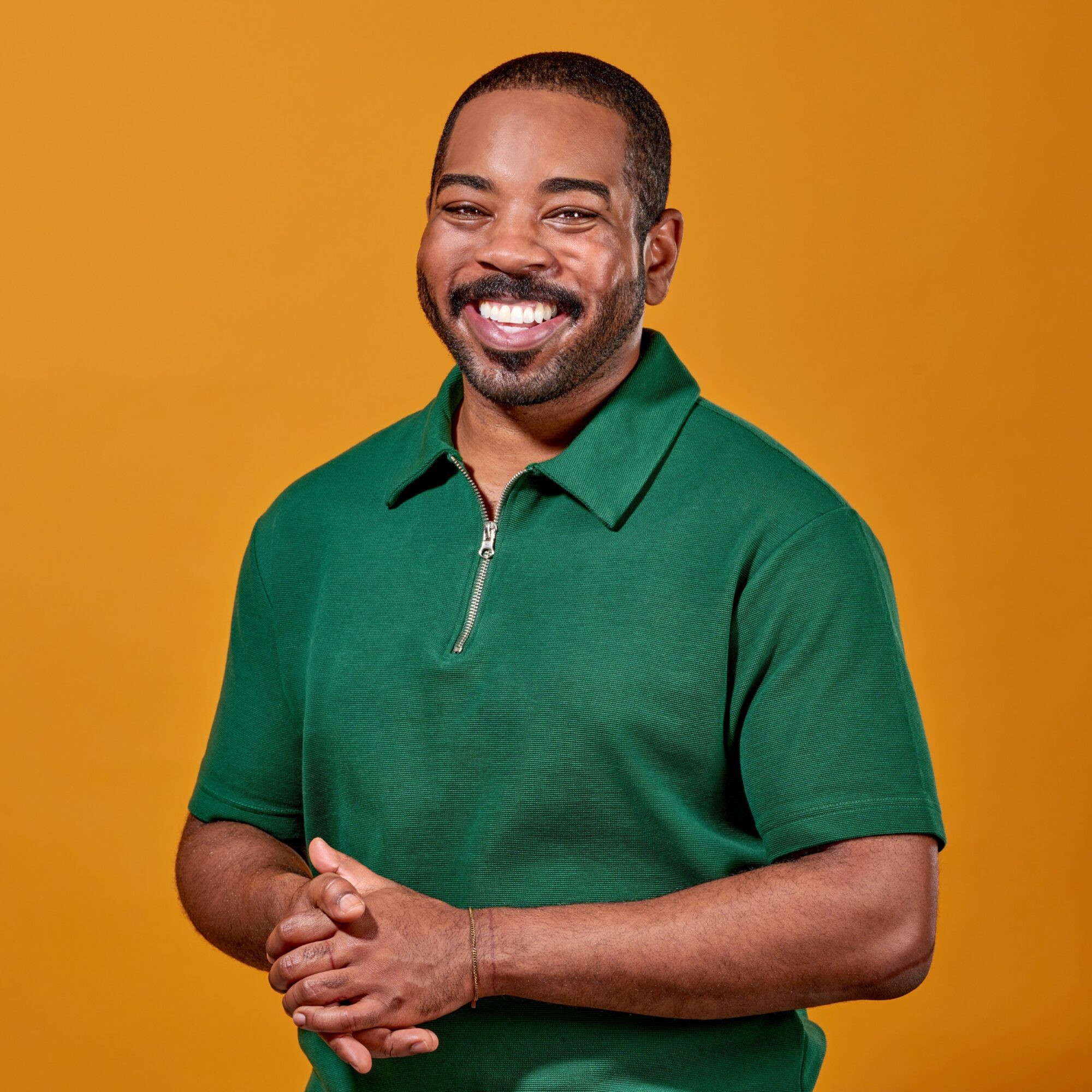
Today we’d like to introduce you to Kasim Hardaway.
Hi Kasim, thanks for sharing your story with us. To start, maybe you can tell our readers some of your backstory.
For nearly a decade, I built my career at the intersection of food, marketing, and digital media. I started in social media and eventually built an audience of more than 350,000 people around food and storytelling. That opened doors I never could have anticipated. I became a spokesperson for ALDI, served as a content lead for Impossible Foods, and worked with CPG brands and grocers ranging from Whole Foods Market to Crock-Pot. I appeared in media, traveled, created campaigns, and turned something I genuinely loved into a career. And for a long time, I was really good at it. But the internet changed, and so did my relationship with it. Being a creator meant constantly feeding an algorithm that was never satisfied. There was always another post to make, another trend to catch, another metric to watch, another version of myself to package and perform. My livelihood depended, in part, on remaining visible and relevant, so slowing down never really felt like an option. Eventually, the relentless pressure caught up with me. In 2025, I experienced a mental health breakdown that forced me to stop in a way I hadn’t allowed myself to before. Suddenly, I was confronting questions I had spent years being too busy to ask. Who was I without the work? How much of my identity had become attached to achievement? What did I actually want when I wasn’t measuring my life through productivity, recognition, or what came next? I spent much of that year in therapy and in a process I eventually began calling “unbecoming”: questioning the identities, expectations, and ideas about success I had accumulated and trying to understand what remained underneath them. Art became a way for me to explore those questions. I made my first experimental film, The UNBecoming, which examined that period through six chapters of letting go. I also began a small experiment in human connection called Take What You Need (TWYN), an interactive public art project built around letters written to experiences we often carry but rarely say aloud. People encounter the installation, browse letters about grief, perfectionism, loneliness, self-worth, change, and other parts of being human, and take whichever one speaks to them. I didn’t create TWYN with a business plan or any expectation of what it might become. But people responded. What began as a deeply personal experiment has now reached more than 120,000 people through public spaces, universities, conferences, festivals, and community gatherings, including a five-week installation at Kansas City’s Union Station during the FIFA Fan Festival. The UNBecoming went on to receive Best Experimental Film at the Tokyo Film Awards and was selected for the Culver City Film Festival. Today, I’m a multidisciplinary artist and filmmaker working across public art, film, writing, and immersive experiences. Much of my work explores the human condition and mental health, particularly, the things happening inside of us that aren’t always visible from the outside. I’m still relatively new to calling myself an artist, and I think that’s part of what makes this chapter exciting. I spent years knowing exactly what I did and how to explain it. Now, I’m allowing myself to follow the questions that interest me and letting the work determine what form it needs to take. In a strange way, everything I’m doing now grew out of a period when I thought my life was falling apart.
I’m sure it wasn’t obstacle-free, but would you say the journey has been fairly smooth so far?
I don’t think any meaningful creative life is a smooth road. One of my earliest challenges was learning how to navigate the digital creator space as a Black creator at a time when the food and lifestyle world I was working in was predominantly white. There were rooms where I was the only person who looked like me, opportunities I watched move differently for my peers, and moments when I had to consider how much of myself was acceptable, marketable, or palatable in order to succeed. I learned how to navigate that world, but one of the harder challenges came later: learning how to stop navigating by everyone else’s compass. The internet trains you to look outward. What’s trending? What’s performing? What does the algorithm want? What will a brand buy? What will people engage with? After years of working that way, becoming an artist has required me to rebuild a sense of inner trust. There isn’t always data telling me an idea is good. Sometimes there isn’t even evidence that anyone wants what I’m making. I have to believe that an idea is worthy of pursuing simply because something in me says it is. That has probably been one of the most difficult and rewarding parts of this transition. I’m learning that my job isn’t to predict what will be popular. It’s to pay attention to what keeps tugging at me, follow my curiosity, and make the work with enough conviction to give it a chance to exist. There is also an enormous amount of uncertainty in choosing a creative life. I don’t always know where the money will come from, whether a project will find an audience, or whether the thing I can see so clearly in my head will ever exist in the world the way I imagine it. I used to think confidence meant reaching a point where that uncertainty no longer scared me. I don’t anymore. Fear hasn’t gone away; I’ve just stopped giving it decision-making power. I can be afraid and send the email. Afraid and make the film. Afraid and submit the application. Afraid and pursue an idea that makes absolutely no sense on paper.
Thanks – so what else should our readers know about your work and what you’re currently focused on?
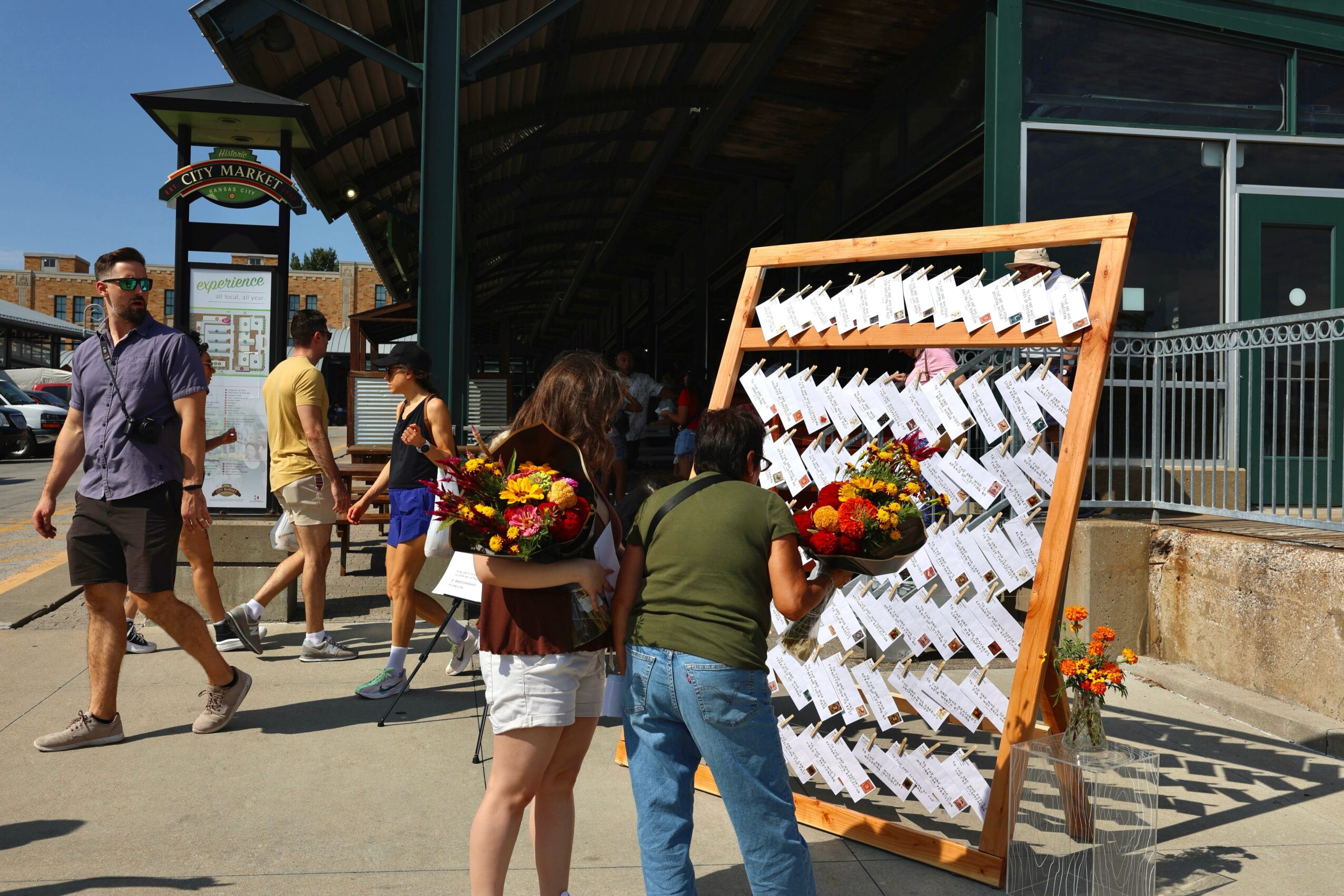
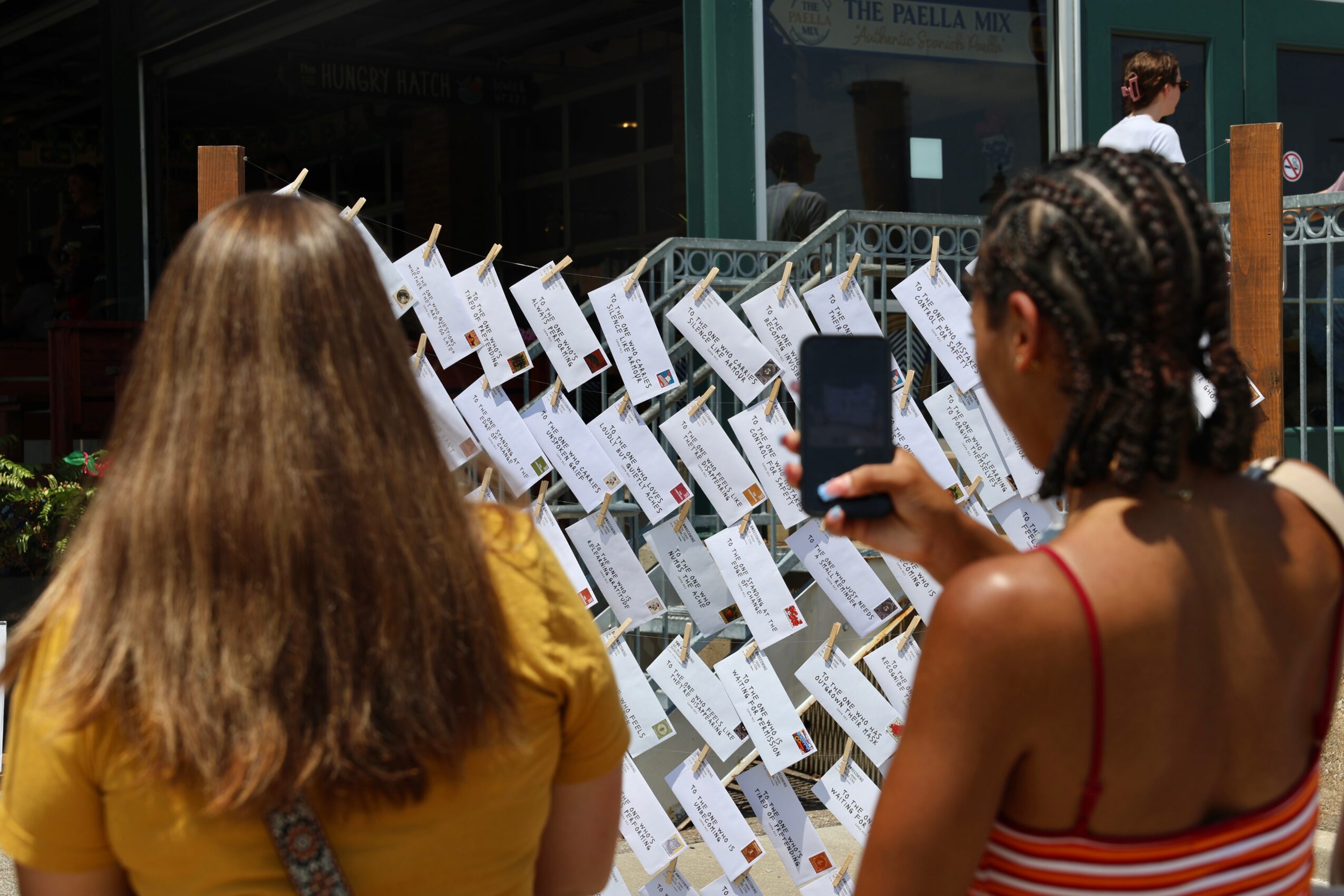
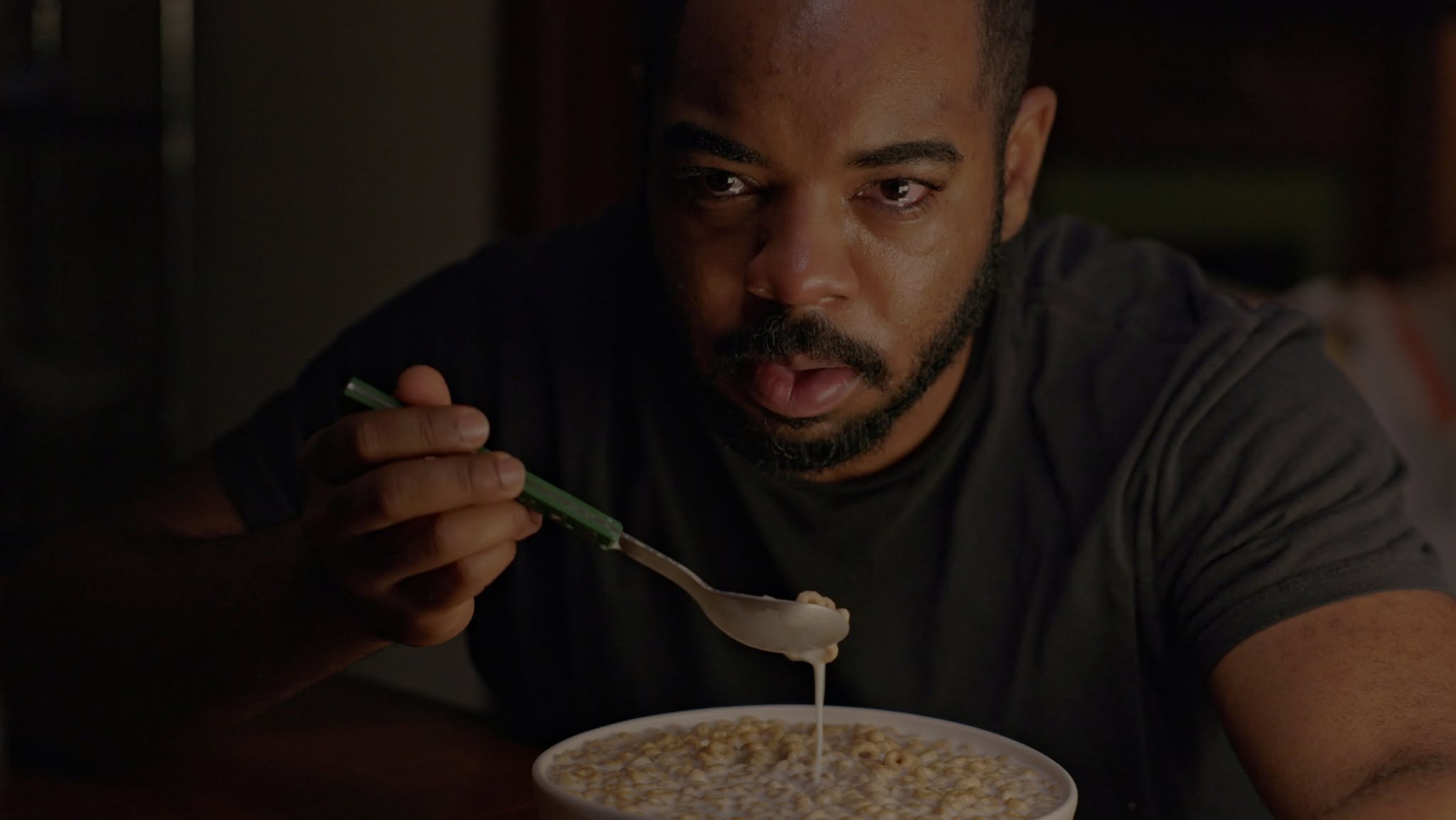
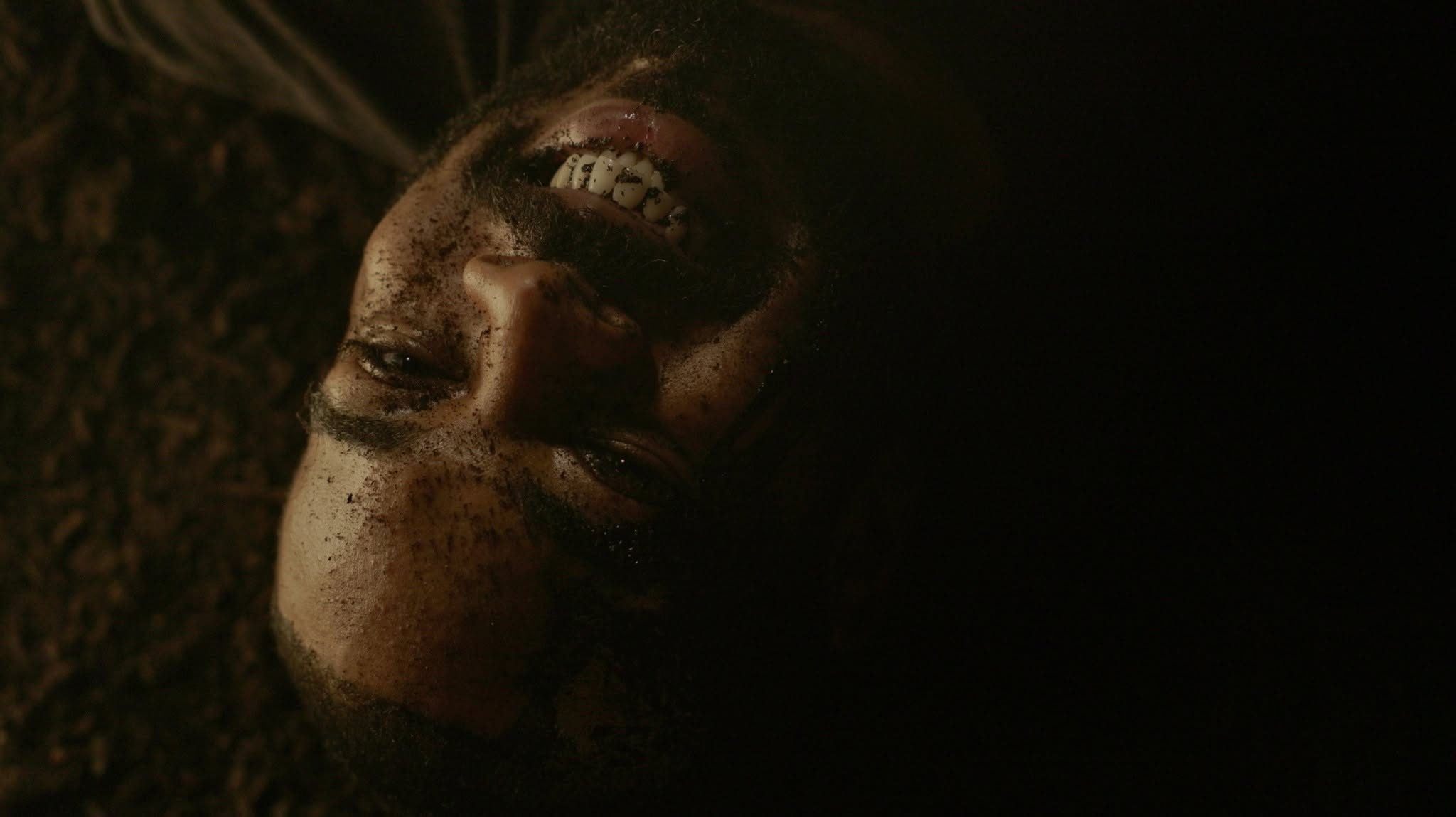
My work explores the human condition, particularly the complicated relationship we have with our own minds. I’m most fascinated by what happens beneath the surface of a person: the things we carry, the identities we construct, the ways our minds protect us and betray us, and the stories we come to believe about who we are and who we’re supposed to be. I work across public art, film, writing, and immersive experiences, and I usually let the question I’m exploring determine the form the work takes. Take What You Need (TWYN) is probably the work I’m best known for right now. It’s an interactive public art experience made up of ~40 different letters, each addressed to something we might be carrying but rarely say aloud: To the one who holds everyone else together. To the one who measures their worth by doing. To the one who is haunted by perfection. To the one who longs to be chosen. When you encounter TWYN, there’s very little instruction. You’re invited to slow down, browse the letters, and pay attention to which one is calling to you. Then you take what you need. What happens after that is the part I could never have designed. I’ve watched people stand in front of the installation for twenty minutes trying to choose. I’ve watched strangers cry, laugh, hug one another, and hand a letter to someone they love. Sometimes people tell me why they chose what they chose; sometimes they fold the letter up, put it in their pocket, and walk away. That freedom is important to me. I create the conditions for an encounter, but I don’t decide what it means for the person having it. TWYN has now reached more than 120,000 people, but the number isn’t what I’m most proud of. I’m proud that something born from one of the hardest periods of my own life has created space for other people to recognize something in themselves, and sometimes in one another. That same period gave birth to The UNBecoming, my six-part experimental film about what happens when the identity and life you’ve constructed begin to fall apart. The film moves through stages of control, death, shedding, emptiness, and return, using image, sound, and movement to explore the uncomfortable space between who we have been and whoever we might become next. It later received Best Experimental Film at the Tokyo Film Awards and was selected for the Culver City Film Festival. I’m exploring similar territory through narrative screenplay work. My series Picture Perfect follows a highly successful interior designer whose carefully controlled life begins unraveling after an unexpected divorce. Her anxiety gradually becomes something she can see and experience in the physical world. On the surface, it’s a psychological drama. Underneath, I’m asking questions about perfectionism, control, identity, perception, and what happens when the mind we’ve relied on to make sense of reality can no longer be completely trusted. The work looks different from project to project, but the thread is the same: I make work about the strange experience of being human. I’m not particularly interested in giving people answers. I’m much more interested in the questions we live inside: Why are we so hard on ourselves? How much of who we are did we actually choose? What do we do with grief, fear, loneliness, or uncertainty when they refuse to be neatly resolved? How much is happening inside the person standing next to us that we will never know? Whether someone is taking a letter from a public installation, watching a character wrestle with her own mind on screen, or eventually stepping inside one of my immersive environments, I want the work to create an encounter with something that is usually easier to ignore.
Risk taking is a topic that people have widely differing views on – we’d love to hear your thoughts.
For the VAST majority of my life, I was incredibly risk-averse. I liked plans, backup plans, backup-backup plans and some reasonable assurance that if I took step A, it would eventually lead me to step B. I could take a risk, but I preferred a calculated one. Something I had researched enough, prepared for enough, and controlled enough that it barely felt like a risk anymore. I think a lot of that came from believing certainty could protect me. If I made the right decisions, worked hard enough but more importantly, anticipated every possible outcome, maybe I could keep my life moving in the direction I had planned for it. Life has since taught me otherwise. One of the biggest risks I’ve ever taken was leaving behind the career I had spent nearly a decade building in digital marketing and content creation. I didn’t leave because another opportunity was waiting for me. There was no new job, no guaranteed income, no five-year plan, and certainly no evidence that I could build a career as an artist or filmmaker. There was just this persistent, intuitive pull toward film. At the time, following that pull felt irresponsible. I was walking away from something I knew how to do, something I had been successful at, toward an industry where I had ZERO experience. I didn’t know whether I would be good at it. I didn’t know whether anyone would care about the stories I wanted to tell. I just knew that staying where I was because it felt safer had started to feel like a greater risk than leaving. That decision fundamentally changed the way I think about risk. I used to ask, “How do I know this is going to work?” Now I’m much more likely to ask, “Is this worth finding out?” Now, that doesn’t mean I’ve become fearless. Again, I just don’t let fear make my decisions. I still think about money. I still worry about failure. I still have moments when I wonder whether an idea is too ambitious or whether I’m completely out of my depth. The difference is that I no longer interpret fear as evidence that I shouldn’t move. Some of the most meaningful things in my life right now exist because I moved before I had certainty. I followed film, and that eventually led me to The UNBecoming. That period of exploration helped give rise to Take What You Need. One uncertain decision opened doors I couldn’t have possibly accounted for in any plan I would have made beforehand. I still believe in being thoughtful. But I’ve stopped requiring a guarantee before giving myself permission to begin.
Contact Info:
- Website: https://kasimhardaway.com
- Instagram: https://www.instagram.com/kasimjhardaway/
- Facebook: https://www.facebook.com/kasimjhardaway
- LinkedIn: https://www.linkedin.com/in/kasimjhardaway/
- Youtube: https://www.youtube.com/@kasimjhardaway