




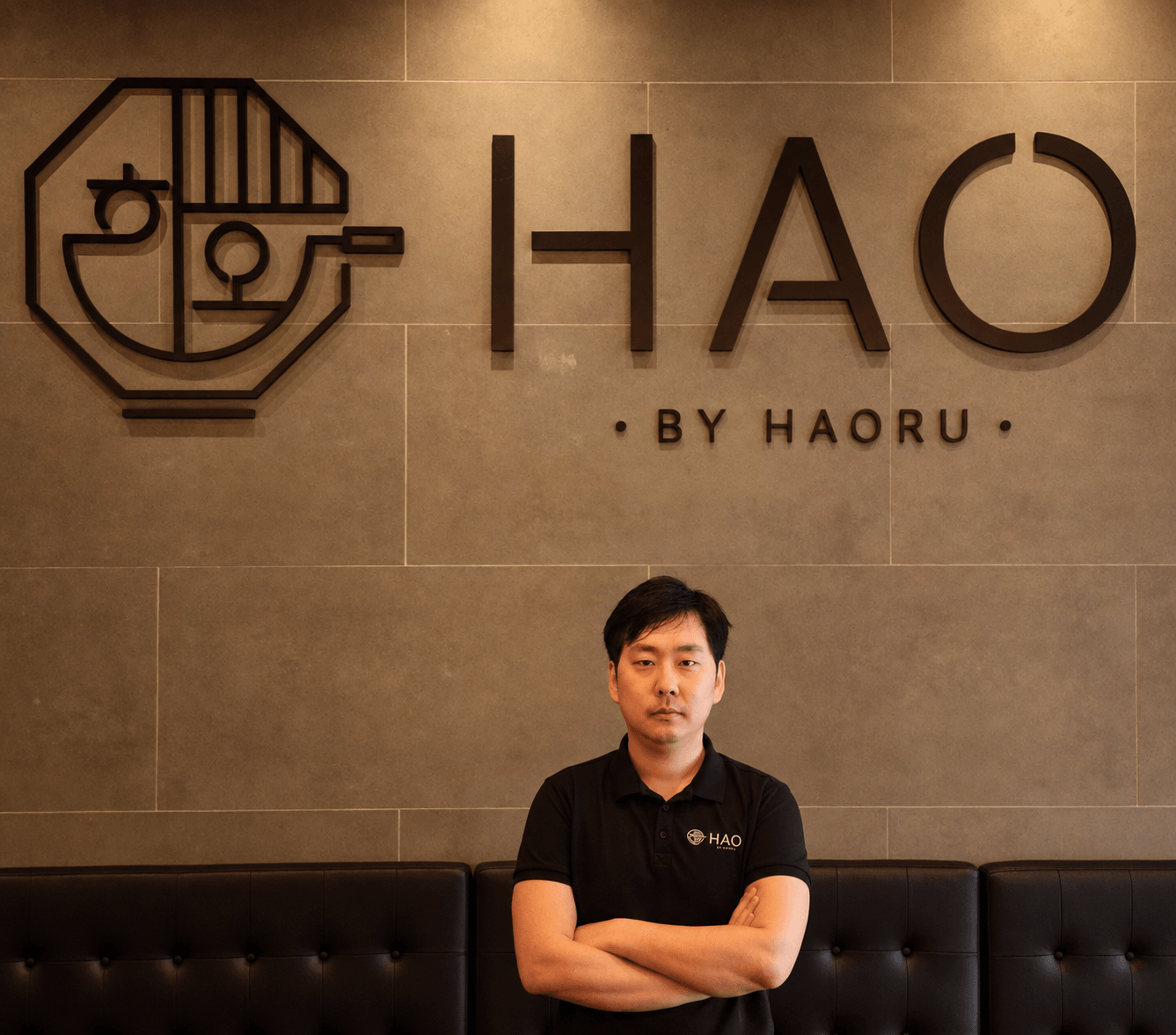
Today we’d like to introduce you to Dan Heo.
Hi Dan, so excited to have you on the platform. So before we get into questions about your work-life, maybe you can bring our readers up to speed on your story and how you got to where you are today?
My name is Dan Heo. I was born and raised in South Korea, served in the Republic of Korea Marine Corps, and moved to the United States in 2013.
Coming to America meant starting over.
I did not arrive with a business waiting for me or a clear roadmap of what my life would look like. I worked in restaurants, learned how businesses operated from the ground level, and later moved into automotive sales.
Sales became a major turning point for me. It taught me how to listen to people, understand what they actually want, handle pressure, compete, and most importantly, take responsibility for my own results.
I eventually became one of the top-performing automotive salespeople nationally. I was doing well, but I always had the feeling that eventually I wanted to build something that belonged to me and my family.
That brought me back to the restaurant business.
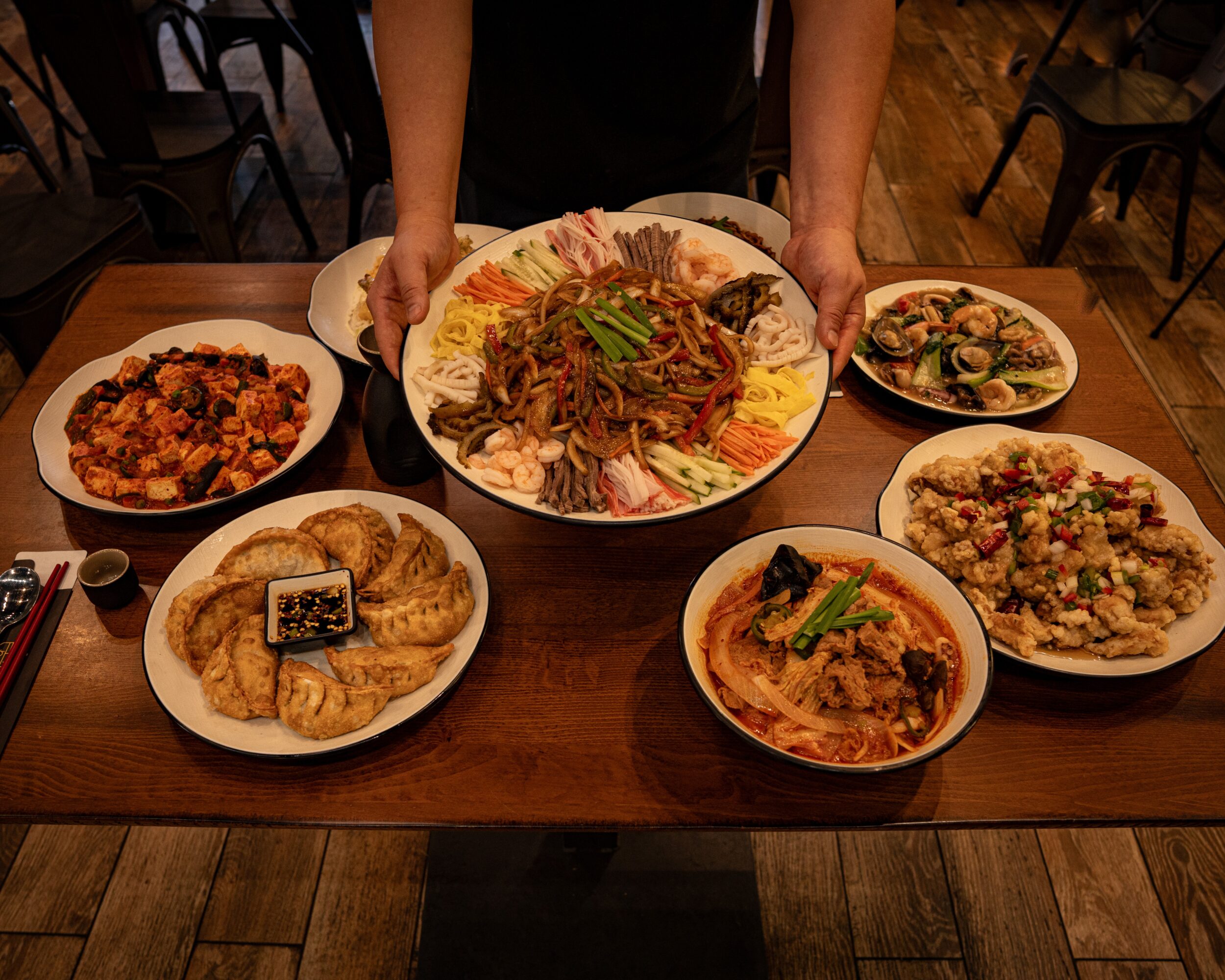
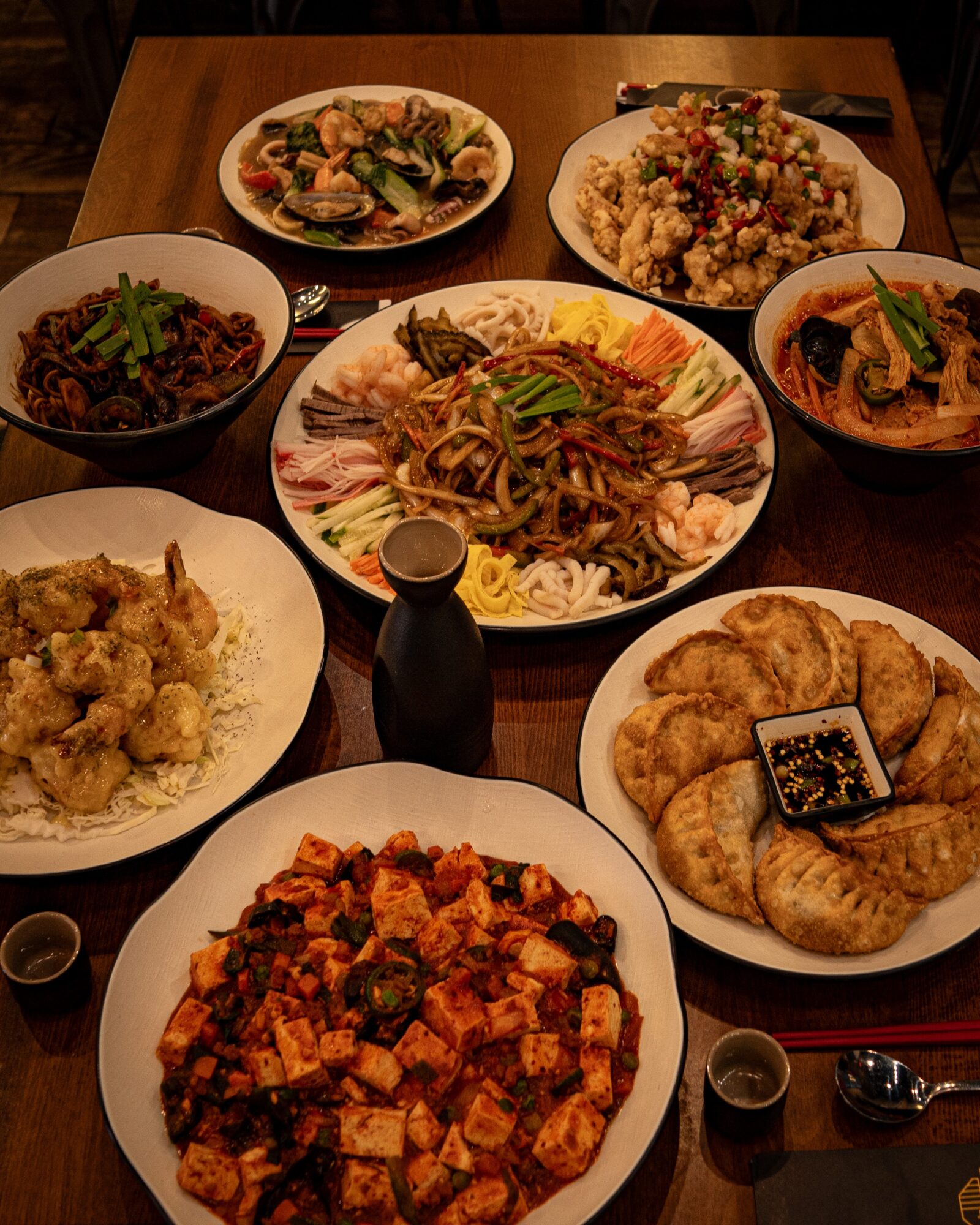
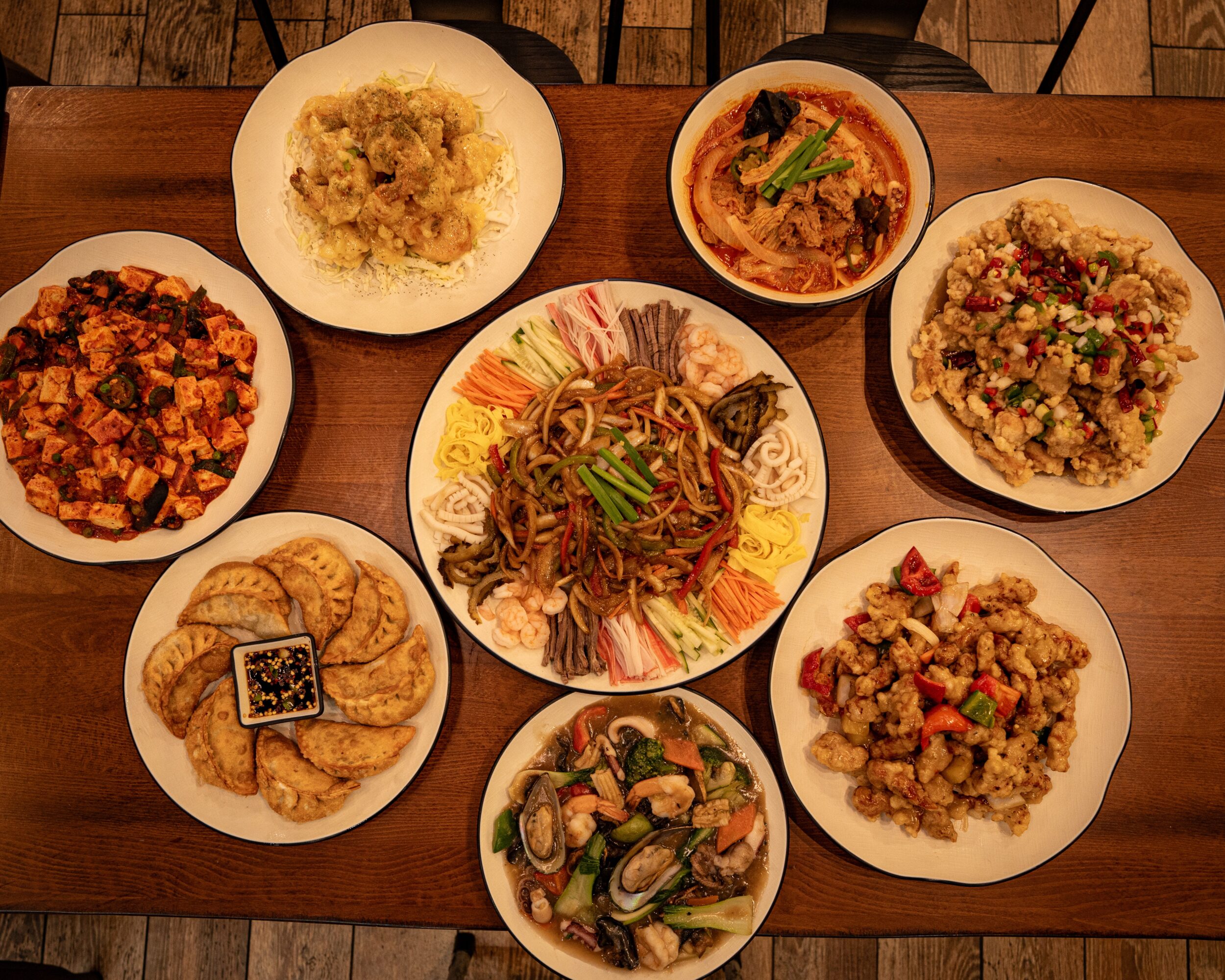
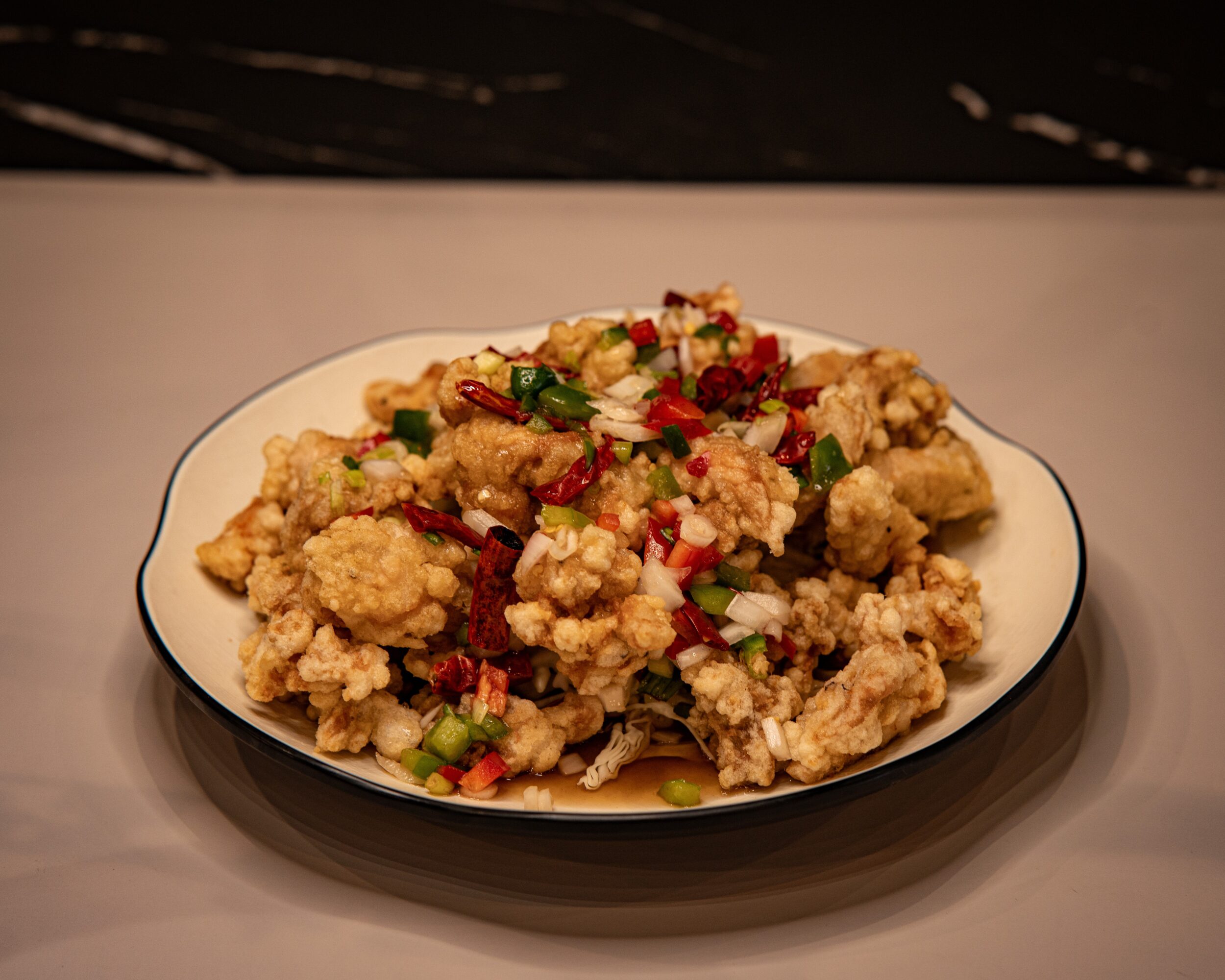
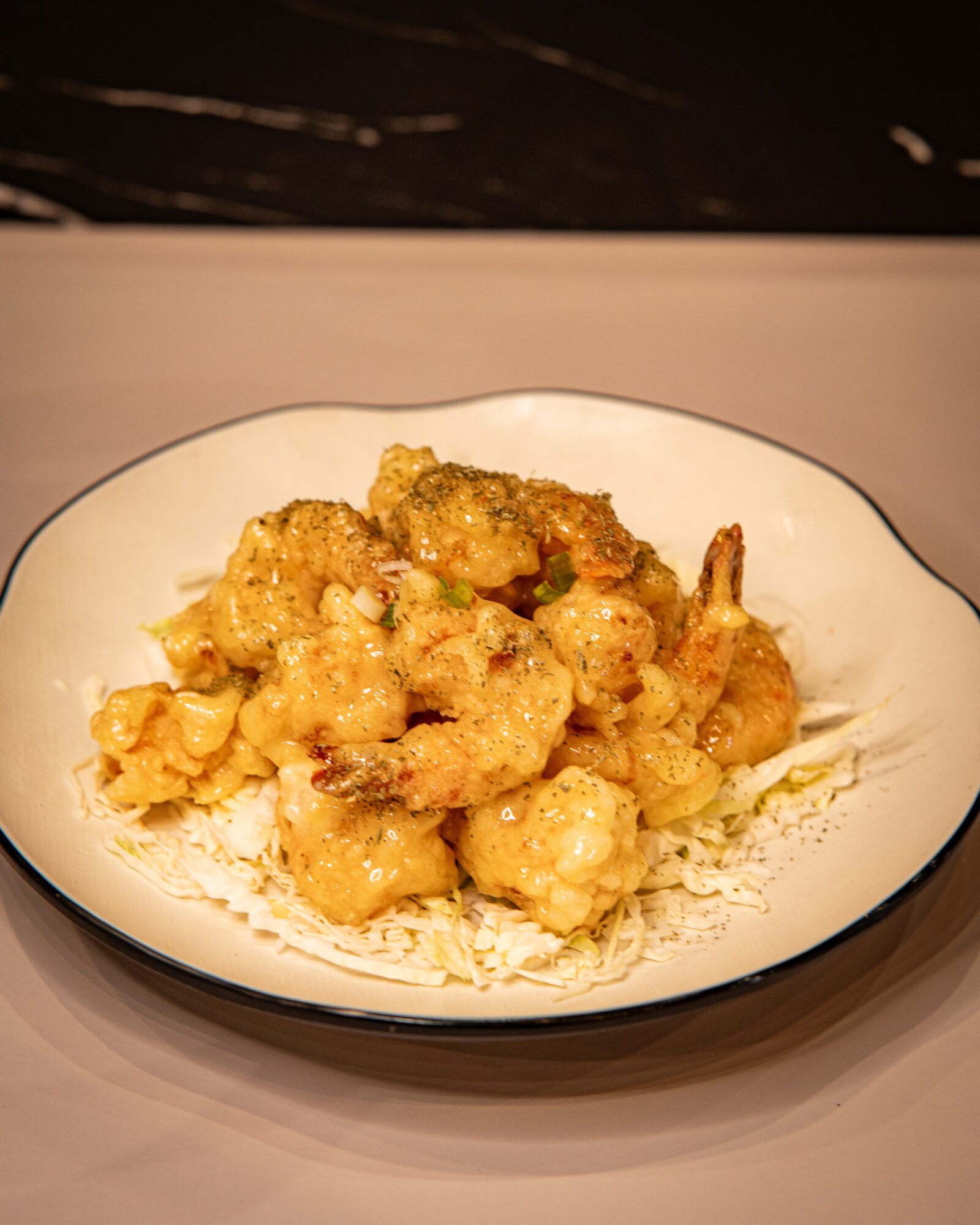
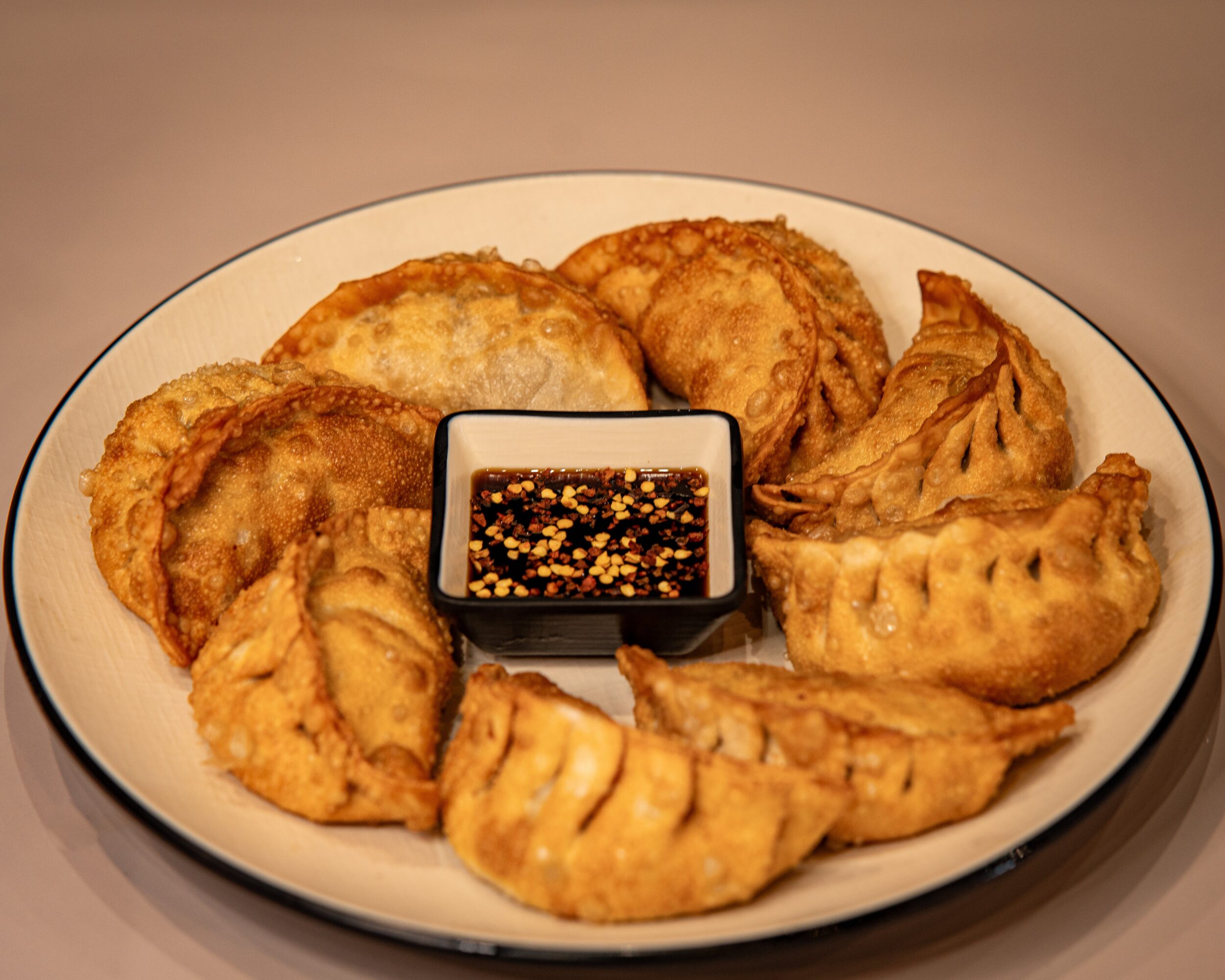
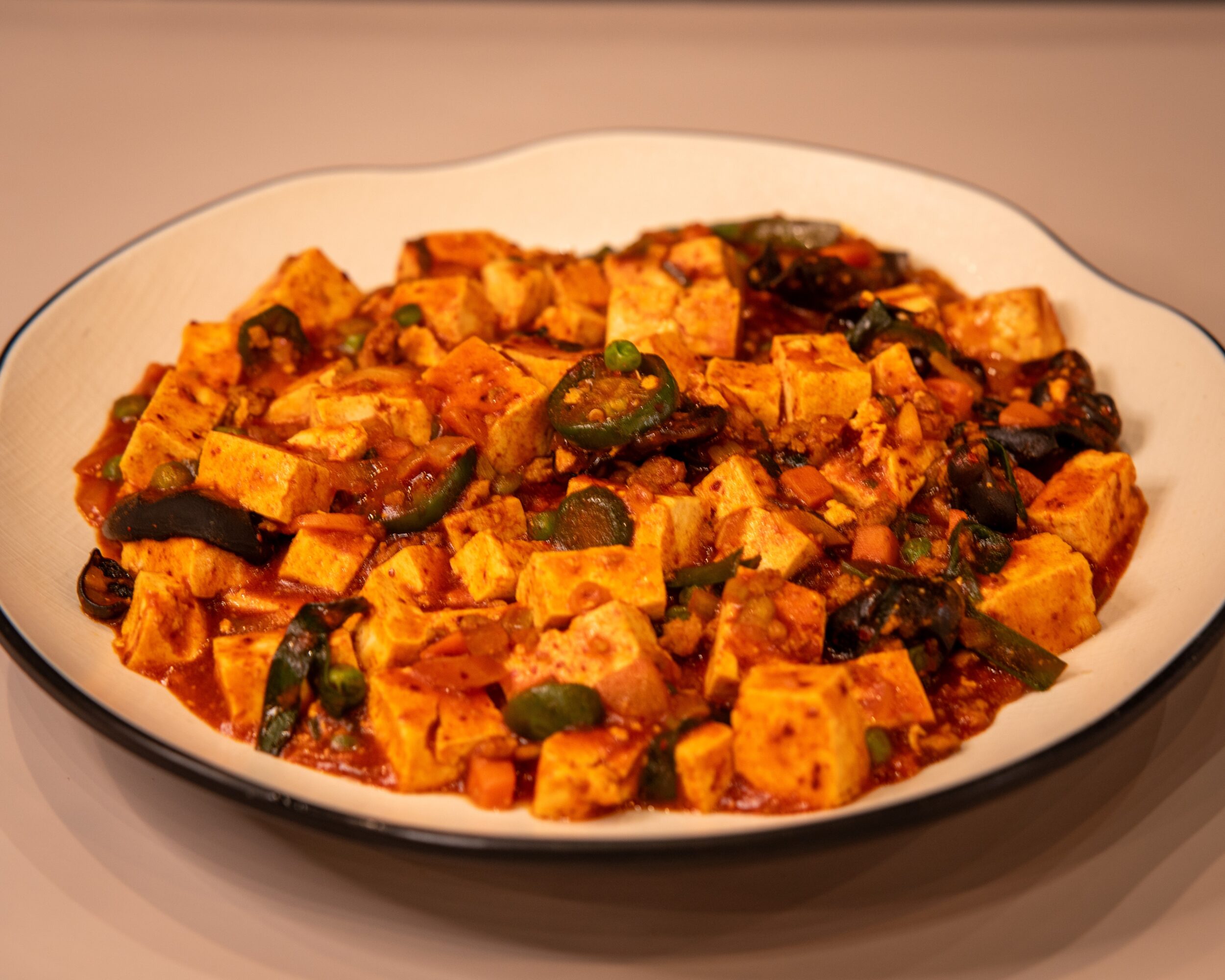
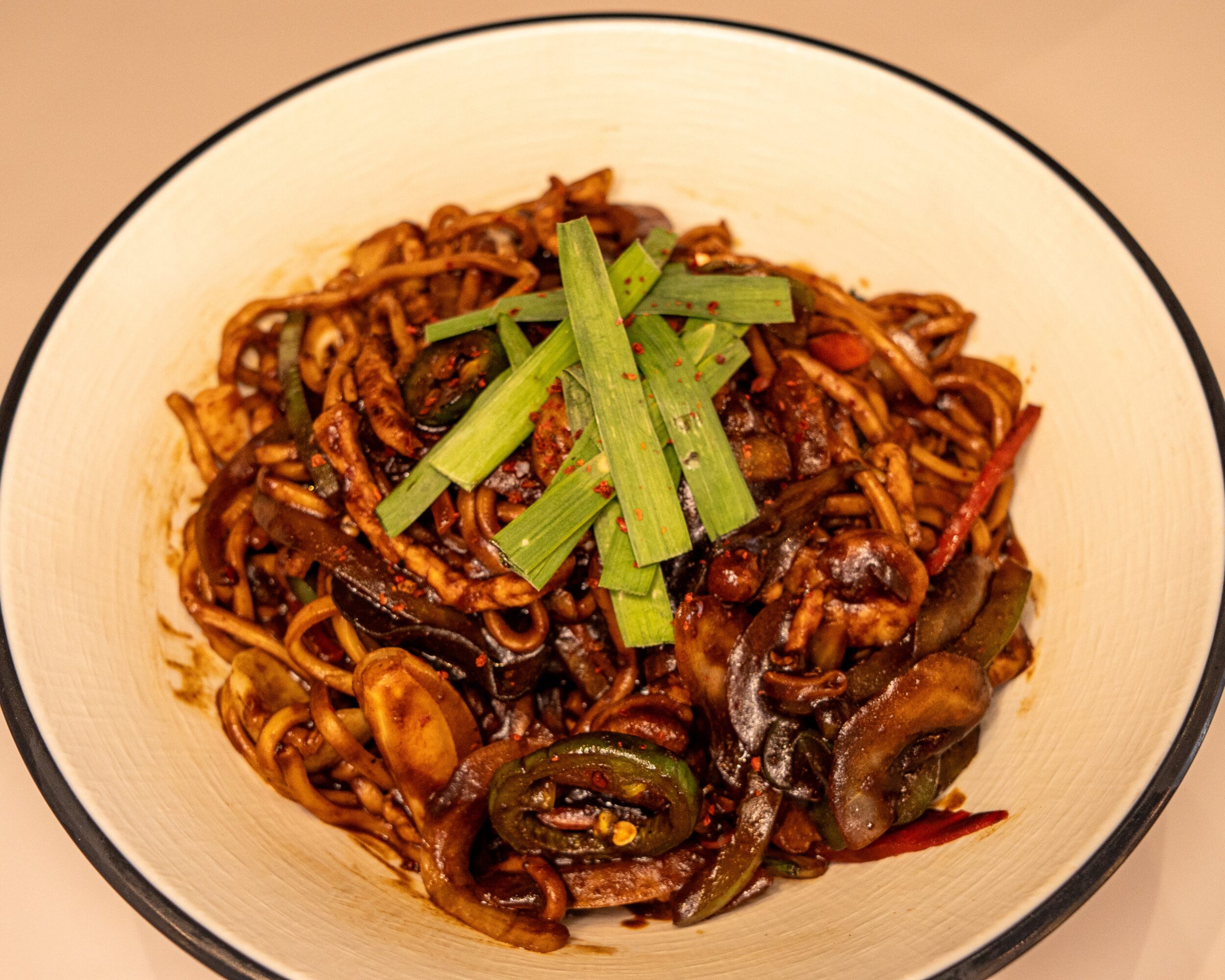
Food is very personal for our family. My father-in-law is Korean-Chinese and is our head chef. Jajangmyeon, jjamppong, tangsuyuk, and other Korean-Chinese dishes are foods that many Koreans grew up eating. They are comfort food, but there is also a lot of history behind them.
We felt that Korean-Chinese cuisine still had room to grow in Northern Virginia, so we opened Haoru in Centreville.
As Haoru grew, we began thinking about the next step.
We wanted to keep the same roots and flavors, but create a concept that would also be easy and exciting for people who had never experienced Korean-Chinese food before.
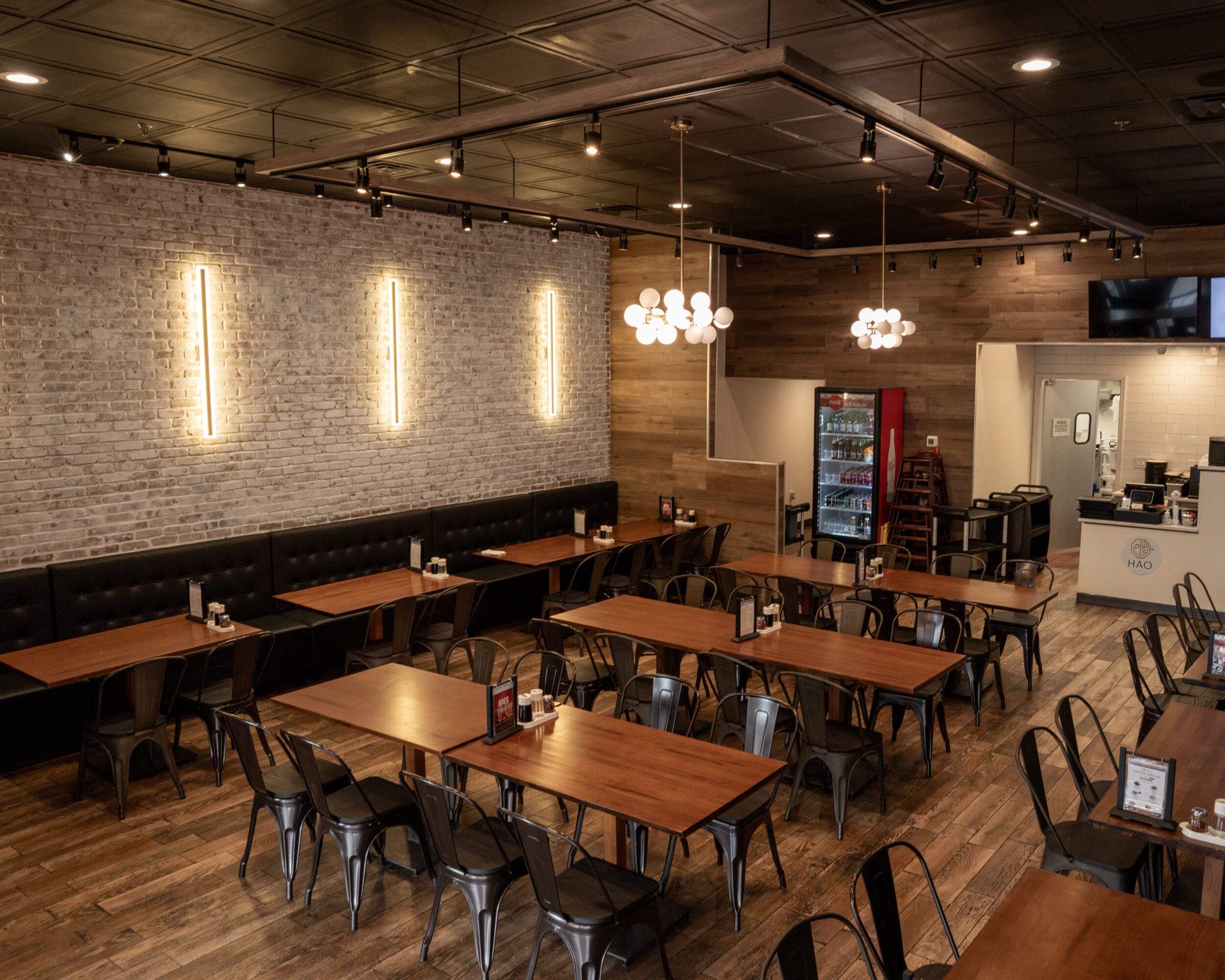
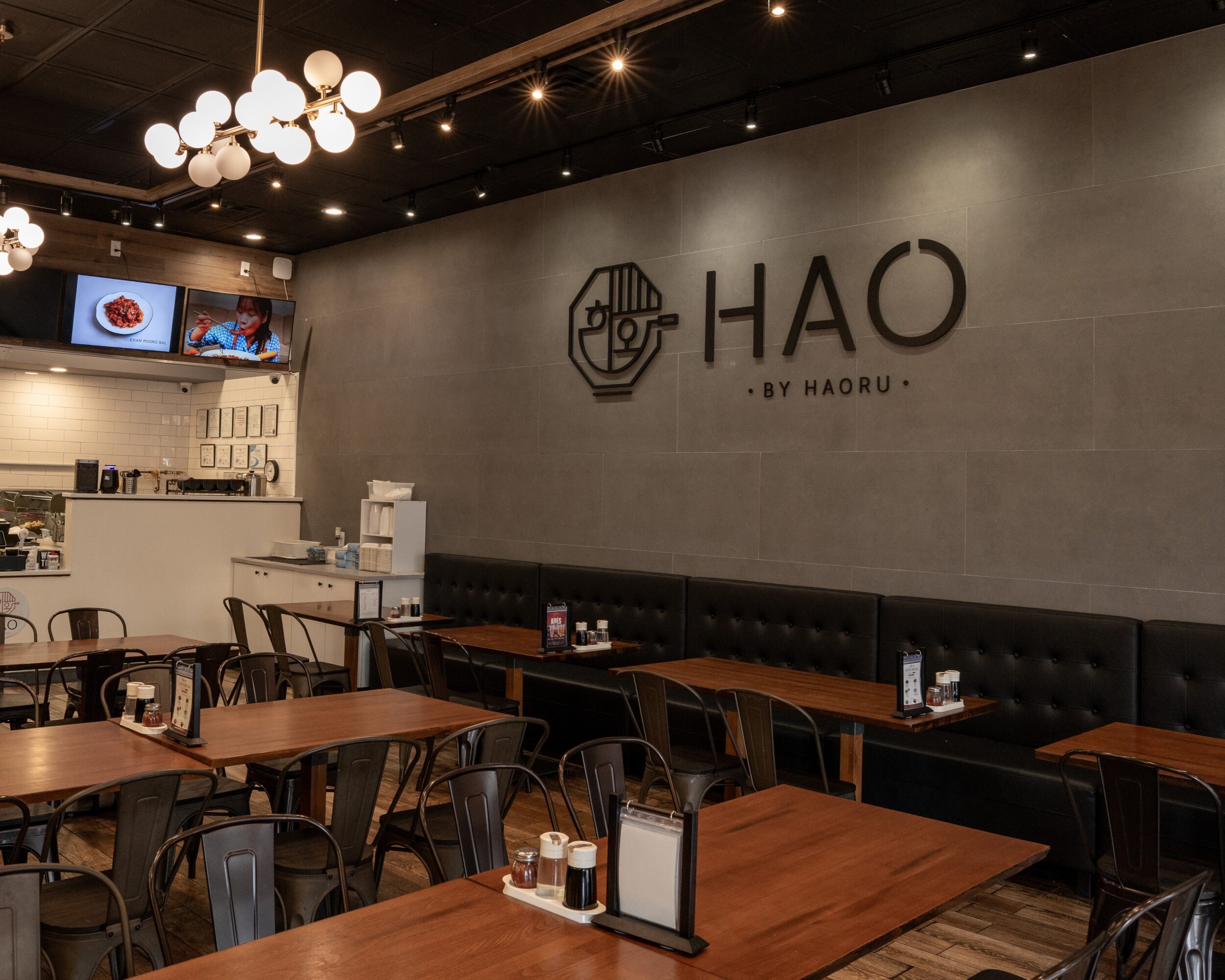
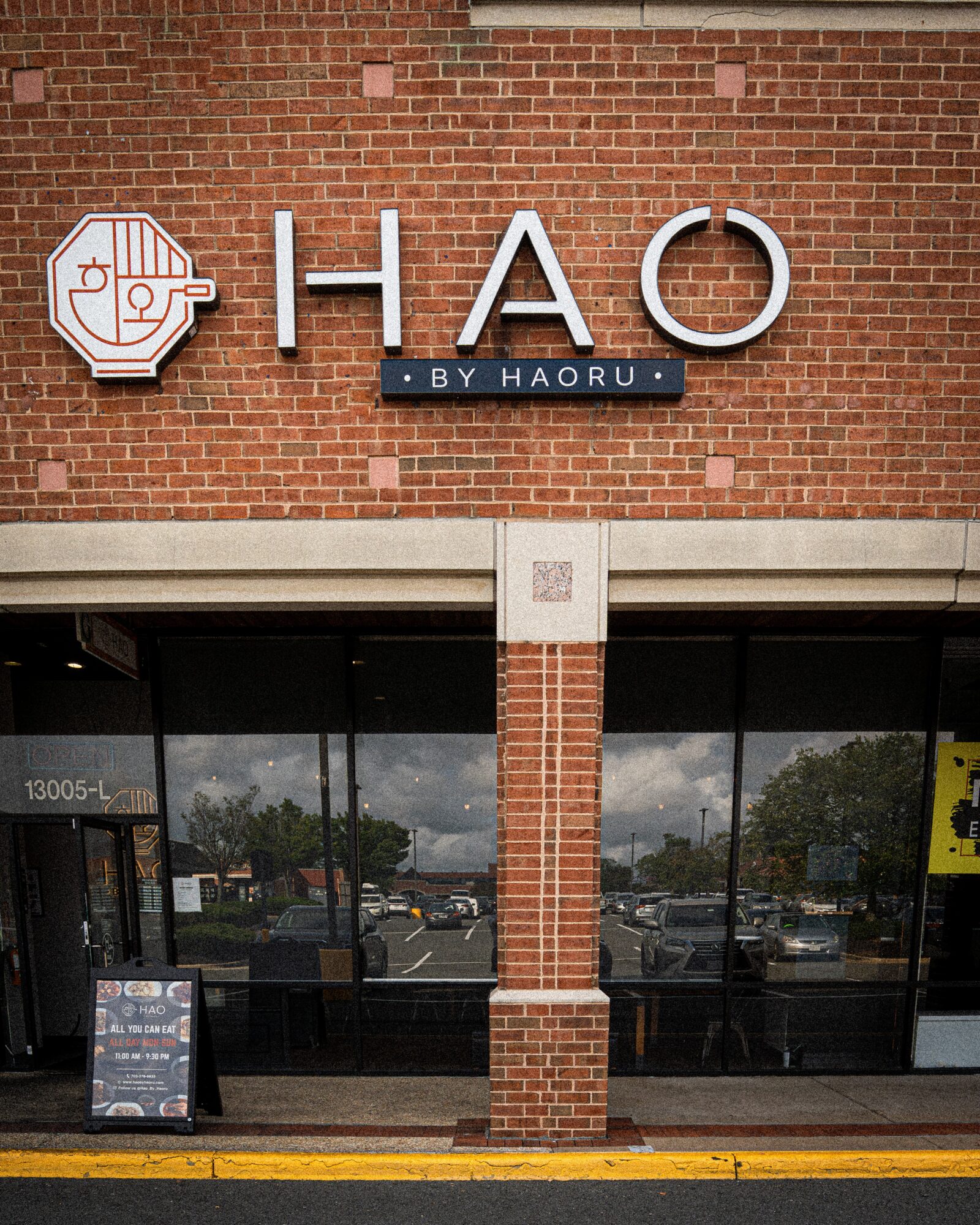
That idea became Hao by Haoru in Fairfax.
I don’t really look at where we are today and think, “We made it.” I think we are still building. Every day there is something to improve, and that is probably what keeps me interested in this business.
Would you say it’s been a smooth road, and if not what are some of the biggest challenges you’ve faced along the way?
Not at all.
I think from the outside, people sometimes see a restaurant that is busy or doing well and assume the hard part is over. In reality, the problems just change as the business grows.
In the beginning, you worry about getting customers through the door. Later, you worry about staffing, food costs, consistency, training, equipment, management, and making sure the experience stays the same even when you are not there.
Operating more than one restaurant has been one of the biggest lessons for me.
With one location, I could personally see almost everything. If something was wrong, I could step in and fix it.
That approach does not work when you grow.
I had to learn how to trust managers, teach people why we do things a certain way, create better systems, and allow other people to solve problems instead of immediately doing everything myself.
That has probably been harder for me than opening the restaurants themselves.
My natural instinct is, “There is a problem. Let’s fix it now.” That personality helped me in the Marine Corps, in sales, and in the early stages of business, but as an owner, I have learned that leadership is also about patience and developing other people.
There have been plenty of mistakes along the way. I try not to hide from them. If something goes wrong, I want to understand why it happened and what needs to change so we don’t keep making the same mistake.
As you know, we’re big fans of Hao by Haoru, located in Fairfax, Virginia. Our first location is Haoru in Centreville, Virginia.. For our readers who might not be as familiar what can you tell them about the brand?
Hao by Haoru specializes in Korean-Chinese cuisine.
One thing I often explain to people is that Korean-Chinese food is not the same thing as the Chinese-American food many people in the U.S. grew up eating.
It developed its own identity in Korea over generations.
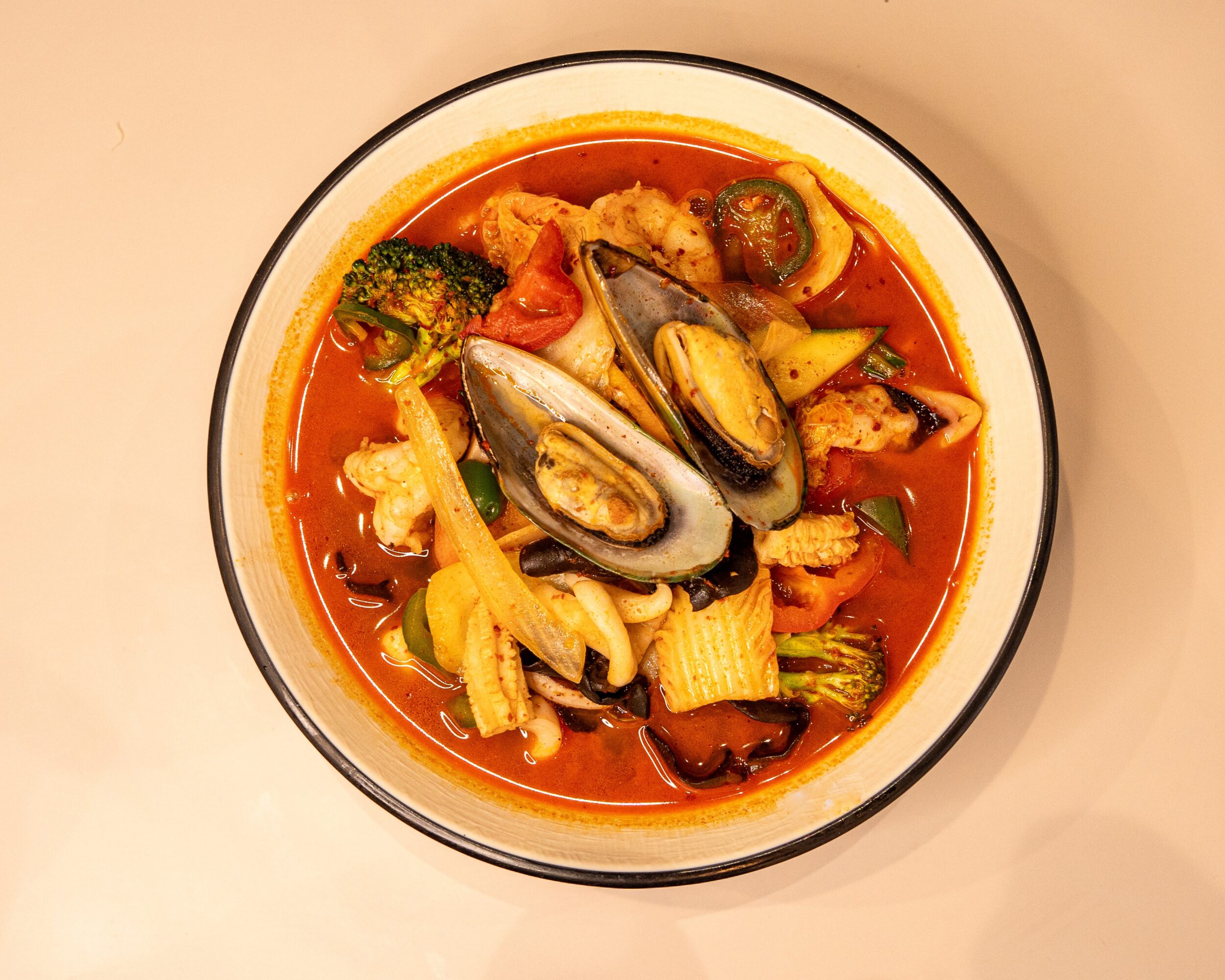
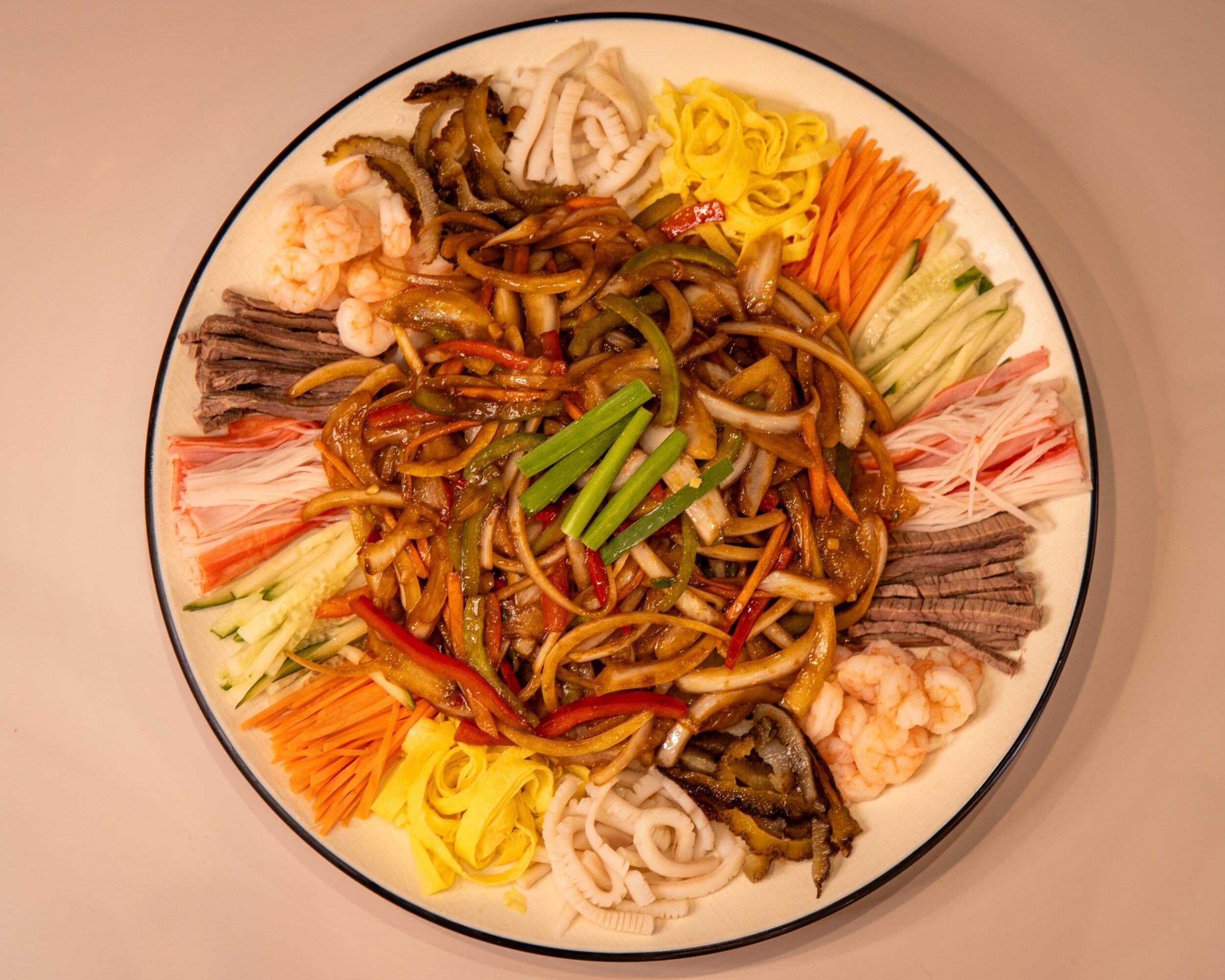
Jajangmyeon is probably the best-known example, a noodle dish with a savory black bean sauce. Jjamppong is a spicy seafood noodle soup, and tangsuyuk is Korean-style sweet and sour pork.
For many Korean families, these are not fancy foods. They are foods connected to childhood, family meals, moving days, birthdays, and everyday memories.
That is part of what makes this concept meaningful to us.
My father-in-law is Korean-Chinese and is our head chef, so the connection to the cuisine is personal. We are not serving this food because we saw a trend and thought it would make a good restaurant concept. It is part of our family.
At the same time, we don’t want Korean-Chinese food to feel like something you need to already understand in order to enjoy.
That was a major idea behind Hao by Haoru.
One example of what sets us apart is our All-You-Can-Eat experience. Korean-Chinese food is very good for sharing, and there are a lot of dishes people may not know by name. With the All-You-Can-Eat option, someone trying the cuisine for the first time can explore instead of worrying about ordering the “right” dish.
I think that balance is what we care about most, respecting where the food comes from while making it welcoming to new customers.
If someone who grew up eating jajangmyeon tells us it reminds them of home, that means a lot.
And if someone who has never heard of jajangmyeon tries it at our restaurant and comes back for it again, that means just as much.
What quality or characteristic do you feel is most important to your success?
Consistency.
I have never really believed that success comes from being highly motivated all the time. Motivation is temporary.
For me, it is more about whether you continue doing what needs to be done when you are tired, when business is slow, when something goes wrong, or when nobody is watching.
I would also say accountability.
One thing I have learned is that as an owner, you can find a reason to blame almost anyone. An employee made a mistake. A vendor was late. Equipment broke. The economy changed.
Sometimes all of those things are true.
But eventually I have to ask myself, “What could we have done better?”
Maybe the employee needed better training. Maybe the system was unclear. Maybe I should have noticed something earlier.
I can’t control everything, but I can control how we respond.
That mindset has followed me through the Marine Corps, automotive sales, and now the restaurant business.
I still have a lot to learn, and I actually think that is healthy. The moment you think you have everything figured out is probably when you stop improving.
Contact Info:
- Website: (https://www.haobyhaoru.com) & (https://www.haorurestaurant.com)
- Instagram: (@hao_by_haoru) & (@haorurestaurant)
- Facebook: (https://www.facebook.com/HaoByHaoru) & (https://www.facebook.com/haorurestaurant)
- Yelp: (https://www.yelp.com/biz/hao-by-haoru-fairfax?osq=Hao+By+Haoru) & (https://www.yelp.com/biz/hao-ru-centreville?osq=HAO+RU)