




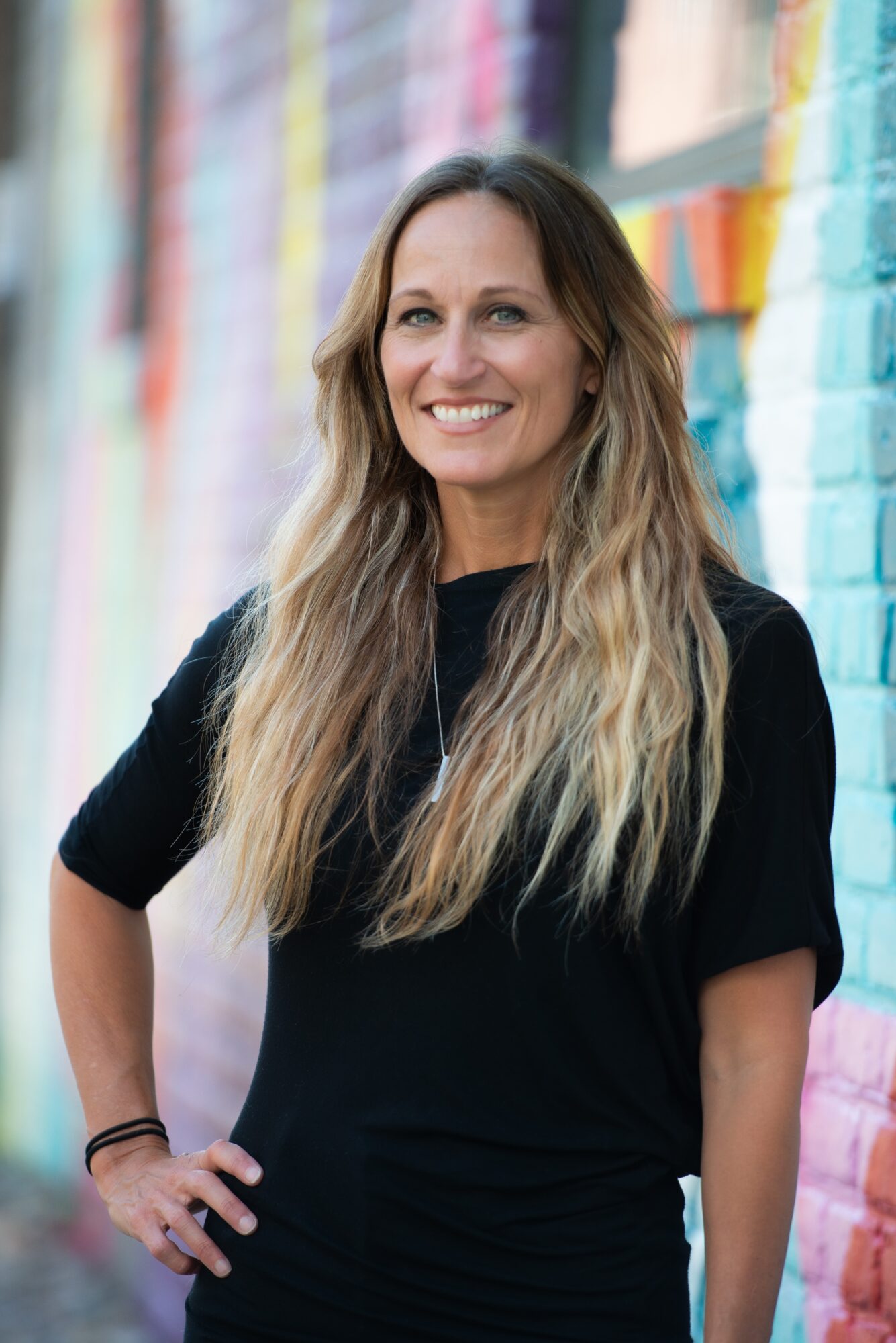
Today we’d like to introduce you to Mandy Helmlinger.
Hi Mandy, so excited to have you on the platform. So before we get into questions about your work-life, maybe you can bring our readers up to speed on your story and how you got to where you are today?
My name is Mandy Helmlinger, and I am the founder of Richmond Urban Dance, or RUD.
If you had told me when I was growing up that I would one day be 51 years old, a grandmother, and running a hip hop and street dance organization in Richmond, I probably would have laughed.
I was born in 1975—right around the time hip hop was beginning to emerge as a culture. I grew up in the suburbs in the outskirts of Richmond. As a young adult, I was what you might stereotypically picture as a “white soccer mom.” But hip hop was always a huge part of my life. I grew up watching MTV, and dancing with my friends on the blacktop, making up routines and trying to imitate all the moves we saw in music videos.
There were no hip hop dance classes. If you wanted to dance you took traditional style classes. I eventually went on to study dance at Virginia Commonwealth University and earned my degree in Dance and Choreography. It was a modern focused program and hip hop was not considered a true art form.
But hip hop never really left me.
Having always loved this art form, I never had a place to really study it. And I began to realize that Richmond didn’t really have a home for hip hop and street dance, not in the way I envisioned it.
I also noticed early in life that things weren’t “equal.” There were kids who were just as talented and passionate as I was, but they didn’t have the same access to training, resources, or opportunities. Even as a teenager, I felt like God was putting a vision in my heart to change that. After spending many years in urban ministry, I became more aware and my time serving in the city equipped me for the mission.
So in 2014 created RUD.
Richmond Urban Dance started incredibly simple. We didn’t have a beautiful studio or a big budget. We had a boombox, a few eight-counts of choreography, and a willingness to meet people wherever we could. We held street sessions in public spaces and started building a community around the idea that everybody is a dancer.
And people came.
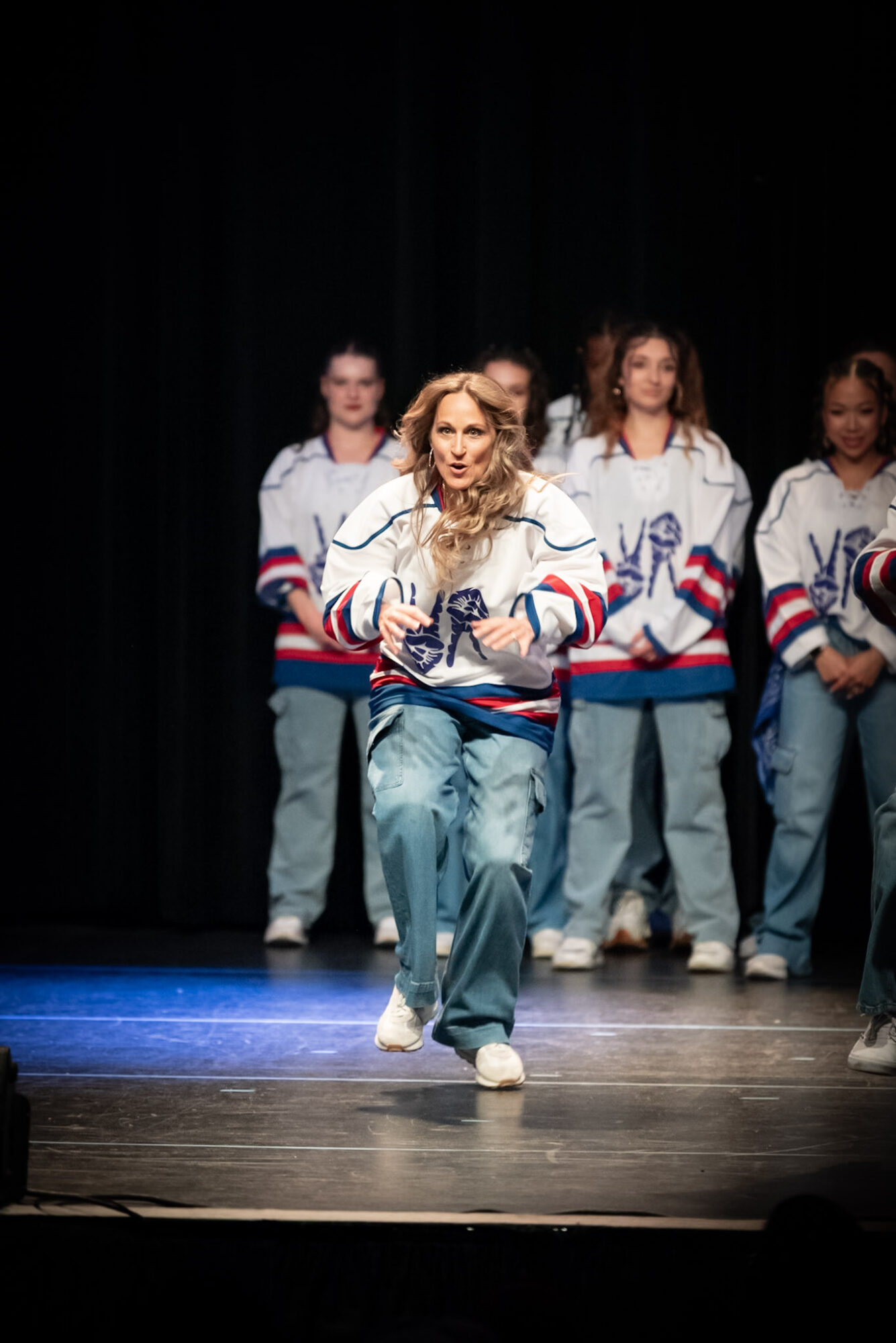
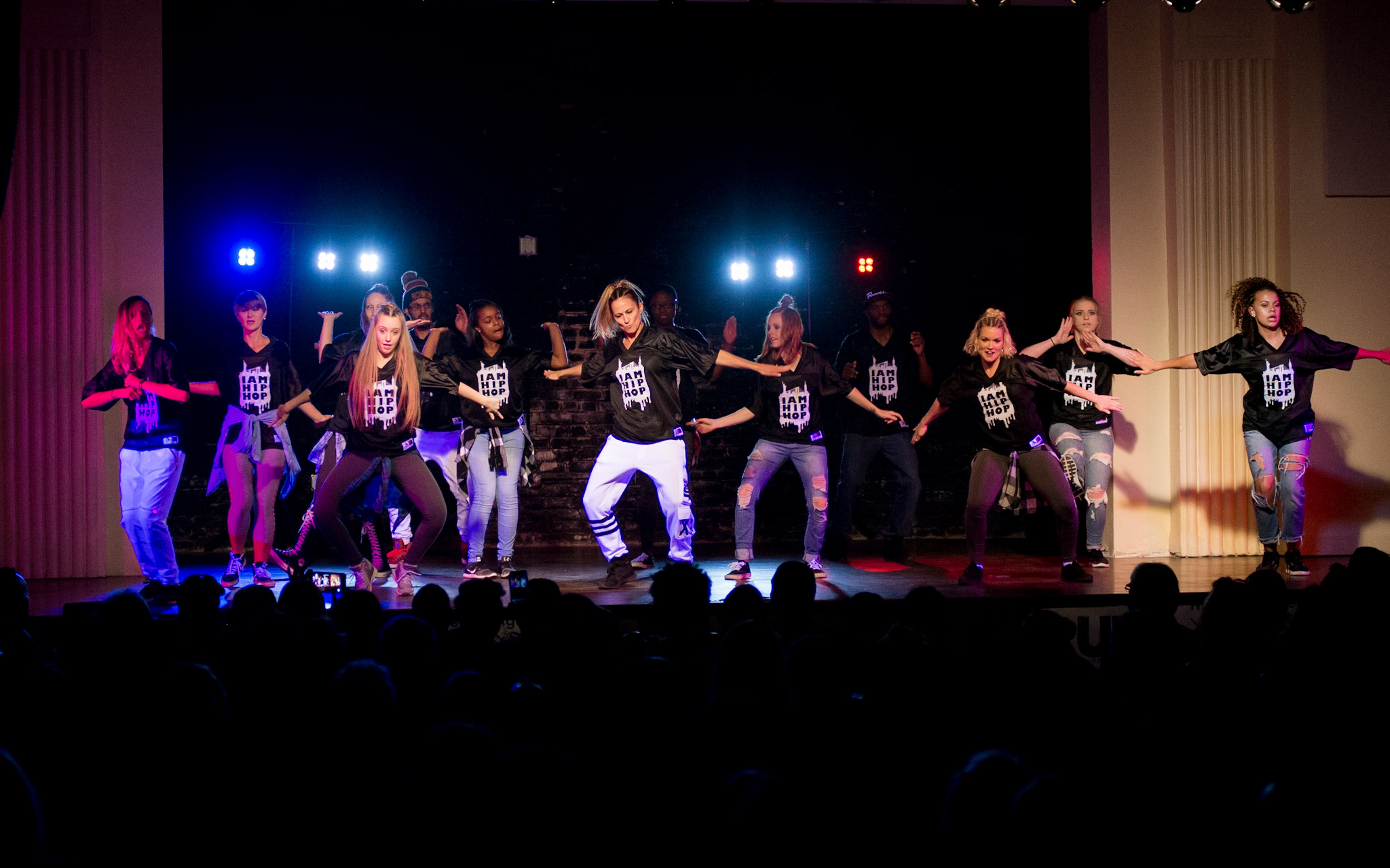
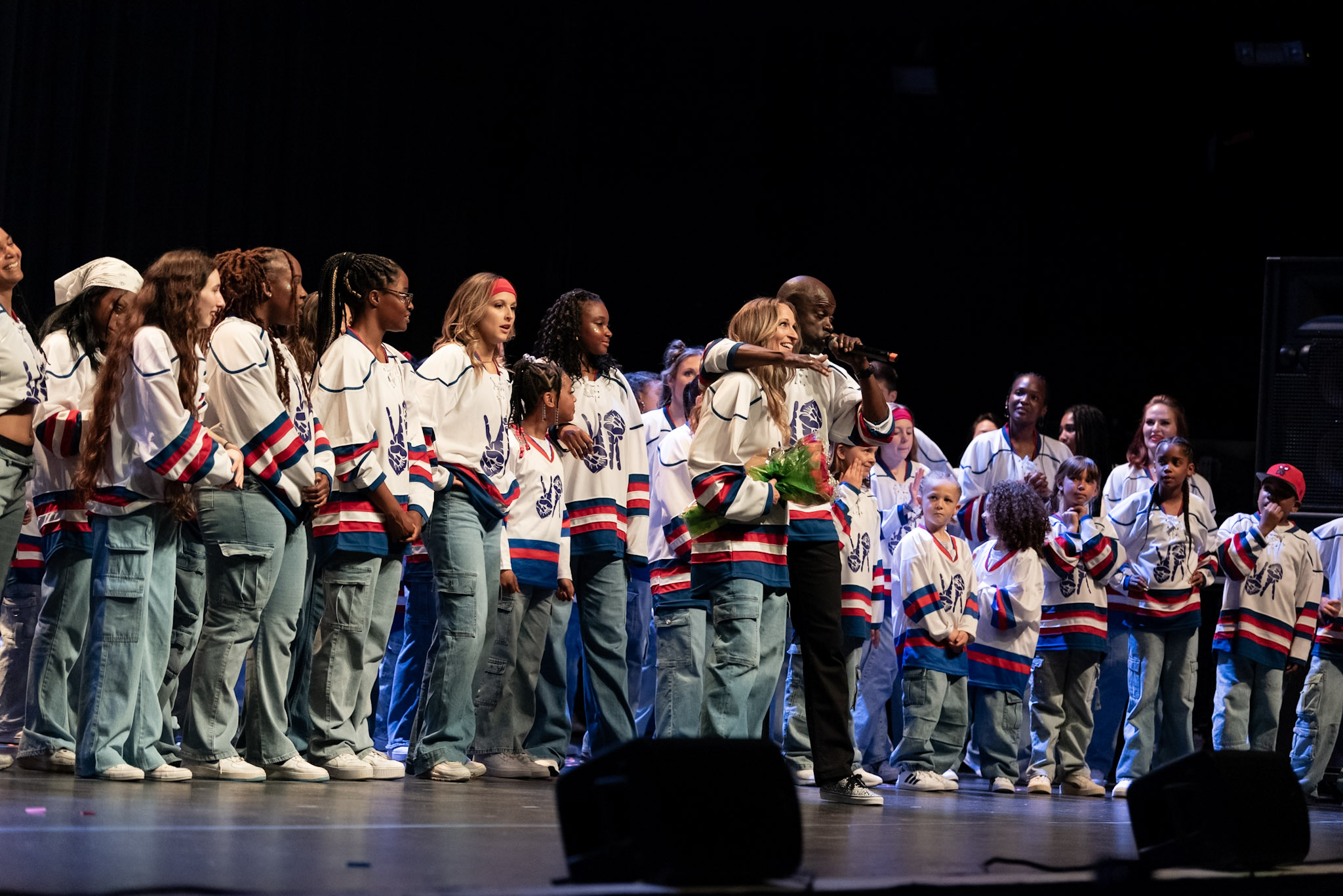
What started as a handful of dancers grew into something much bigger than I ever imagined. We partnered with local organizations and studios as our community grew. The Robinson Theatre and Dogtown Dance Theatre are two mission driven arts and community organizations that helped us develop and grow our mission. RUD became a place where serious dancers could train, where beginners could walk into their first hip hop class without feeling intimidated, where kids and adults could dance together, and where people from completely different backgrounds could find common ground through movement.
That part has always been incredibly important to me.
I’m also very aware of the irony of my story. I’m a white woman from the suburbs who fell in love with a culture and an art form that came from a very different experience than mine. I don’t pretend to be an expert or to speak for the culture that created it. What I can do is respect it, learn from it, create opportunities for people who are deeply rooted in it, and help provide a place where the art form can be experienced authentically.
Another revelation is that street dancers have created so much of what the world now celebrates in dance – the movement, the styles, the trends and the culture. Yet many of the people who created those things never had access to quality training, college dance programs or the professional networks that could help them turn their talent into a career.That has always burdened me.I feel a responsibility to advocate for those dancers and help create more access.
In the beginning, some people questioned whether hip hop could, or should, be treated like a legitimate art form. I never understood that argument. To me, art is expression. Hip hop is expression. It tells stories, reflects communities, and gives people a voice.
That’s what I wanted RUD to honor.
Over the years, RUD has evolved from those early street sessions into a community-centered dance organization offering classes, performance opportunities, scholarships, community programs and outreach. We’ve reached thousands of dancers and have worked to make dance accessible to people who might otherwise never have had the opportunity.
Still dancing at 51, Richmond Urban Dance is the place I wish I had when I was a young girl.
It’s a place where a seven-year-old can discover that he has something special. Where an adult who has always wanted to dance can finally walk into a class. Where a professional dancer can continue to grow. Where someone who can’t afford dance training can receive a scholarship. Where people with different abilities and different life experiences can move together.
I started RUD because I saw a gap. I saw a community hungry for something that wasn’t there yet, and I decided to build it.
What I didn’t realize at the time was that I wasn’t just creating a dance studio.
I was creating a community.
And after more than a decade, that’s the part I’m most proud of.
Alright, so let’s dig a little deeper into the story – has it been an easy path overall and if not, what were the challenges you’ve had to overcome?
There have definitely been challenges. One of the biggest has been limited resources. I had a big vision, but I didn’t necessarily have the money, people, or infrastructure to make it happen, so I’ve had to be creative and figure things out as I go.
Being misunderstood has also been a challenge. RUD doesn’t fit neatly into the traditional idea of a dance studio, and sometimes people don’t understand why we do things differently or why our mission is about more than just teaching dance.
The pandemic was obviously a huge challenge, too. But one of the more unexpected parts of the journey has been learning how to protect and steward a vision as it grows. When people see something meaningful taking shape, they naturally want to be part of it, and I’ve been grateful for many of those relationships along the way. At the same time, I’ve learned that leadership sometimes means creating healthy boundaries and being intentional about who and what influences the direction of the organization. For me, that has meant staying grounded in the original purpose and making sure RUD remains focused on what it was created to do. And ultimately, that vision was never meant to be about one person. It’s about the movement, the community, and the people we’re here to serve.
Can you talk to us about how you think about risk?
It wasn’t much of a risk in the traditional sense. I didn’t have much to lose. But starting RUD has definitely required a lot of faith. I’m deeply purpose-driven, and for me, not taking a chance on the dreams and vision God had placed in my heart would have been the greater risk.
Contact Info:
- Website: https://richmondurbandance.com
- Instagram: https://www.instagram.com/richmondurbandance/
- Facebook: https://www.facebook.com/RichmondUrbanDance
- Youtube: https://www.youtube.com/@RichmondUrbanDanceRVA