




Today we’d like to introduce you to Kendra.
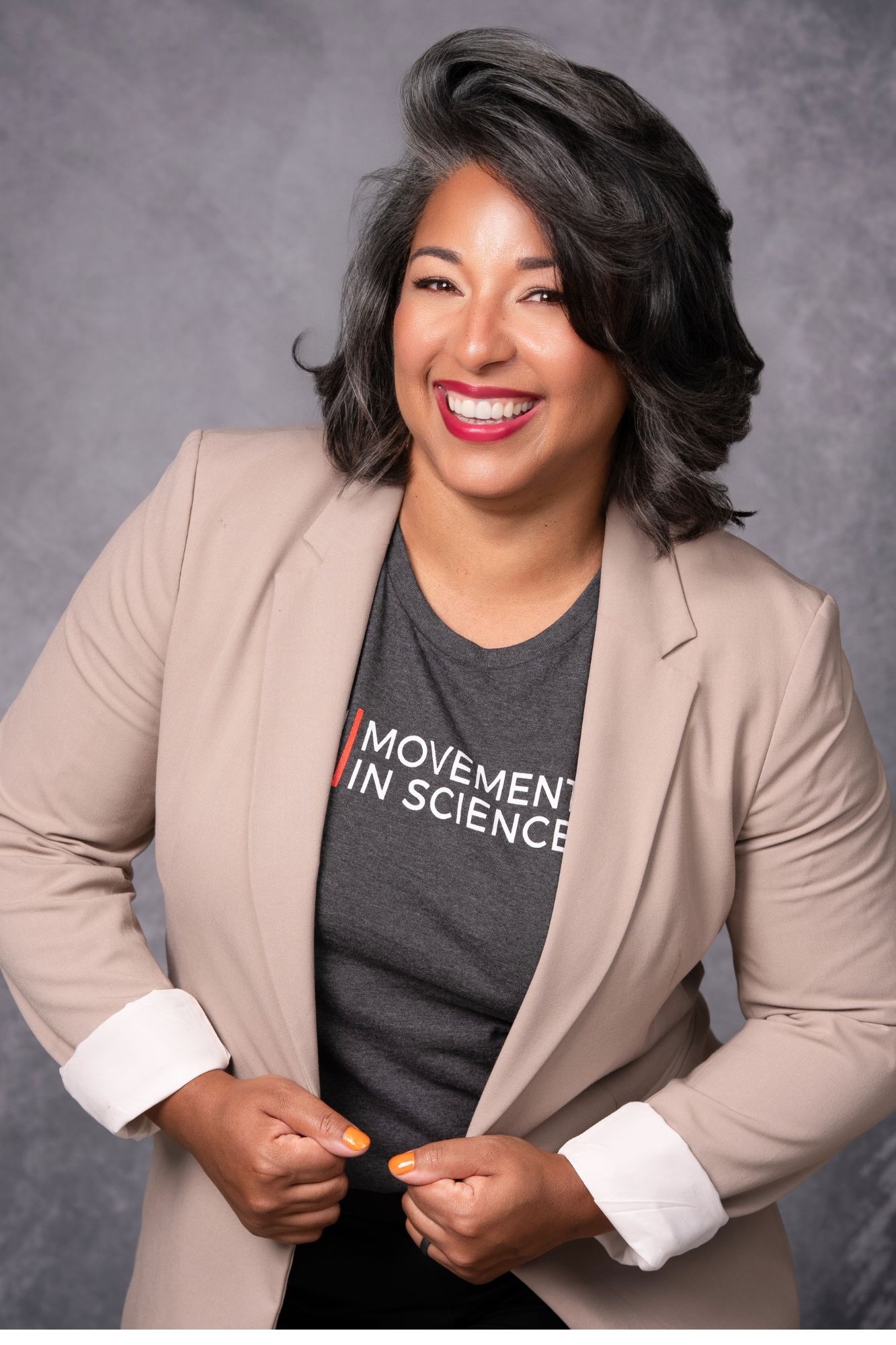
Hi Kendra, we’d love for you to start by introducing yourself.
My journey into this work began with movement. I started in fitness and spent years helping people become stronger, move better, and feel more confident in their bodies, including developing fitness programming within the military community. Over time, however, I began to notice that exercise alone was not always enough. People were doing everything they had been told to do, yet they were still living with pain, restricted movement, stress, or the feeling that something in their body was simply not working the way it should.
That curiosity led me deeper into massage therapy, therapeutic stretching, corrective exercise, fascia, and eventually manual osteopathy. The more I learned, the more I understood that the body cannot be approached as a collection of separate parts. Pain in one area may be connected to tension, compensation, or an old experience somewhere else. I became interested not only in where someone hurt, but in what their body was trying to communicate.
My experience as a military spouse also shaped the way I built my career. Moving throughout the United States and overseas meant repeatedly navigating new licensing requirements, continuing my education, and rebuilding my work in unfamiliar communities. There were times when credentials I had worked hard to earn were not recognized in a new location. Although that was frustrating, it taught me how to adapt. I began offering fascia education, movement assessments, workshops, and other ways of helping people understand their bodies beyond the treatment room. What initially felt like an interruption ultimately expanded my vision for what this work could become.
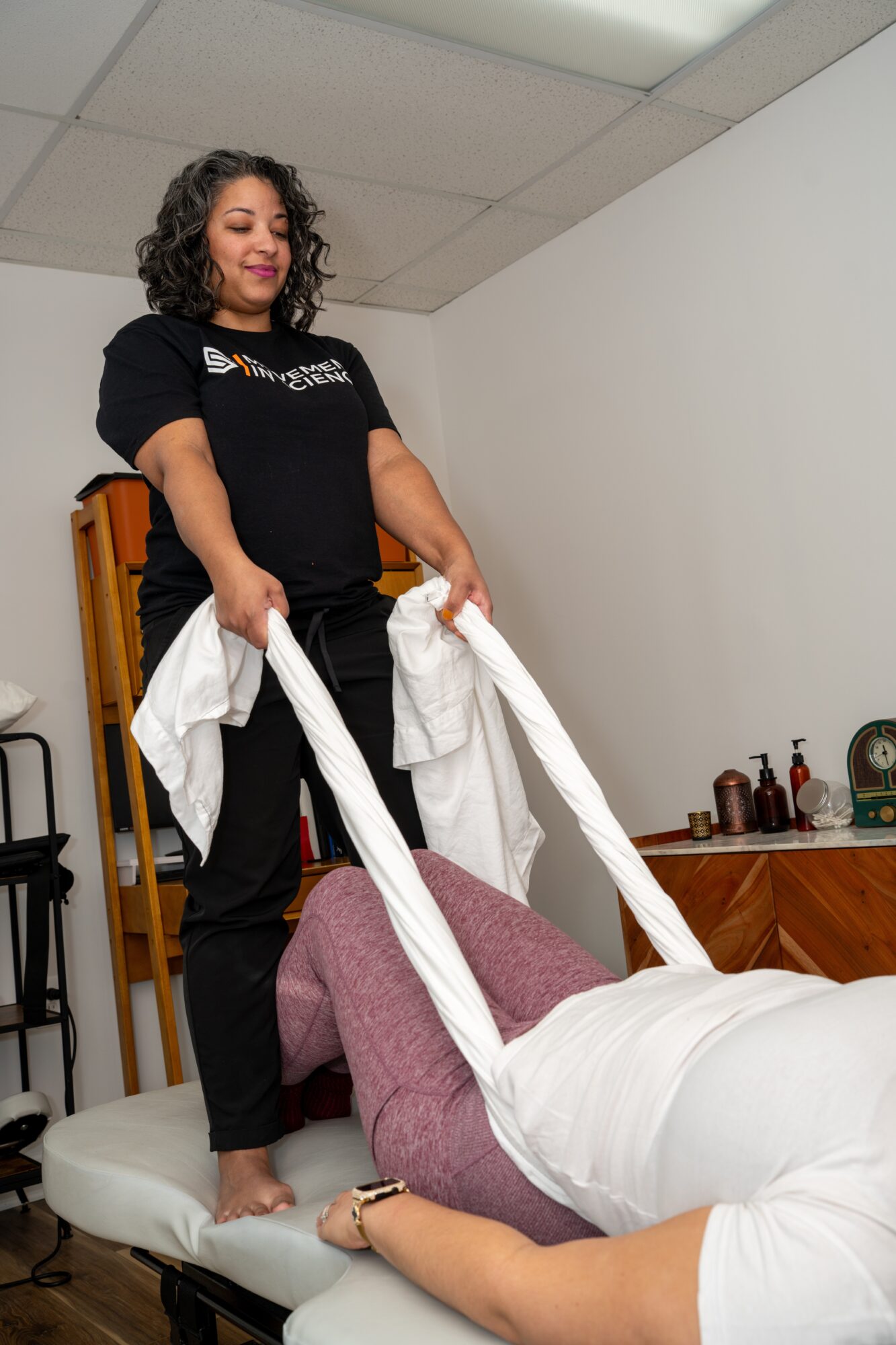
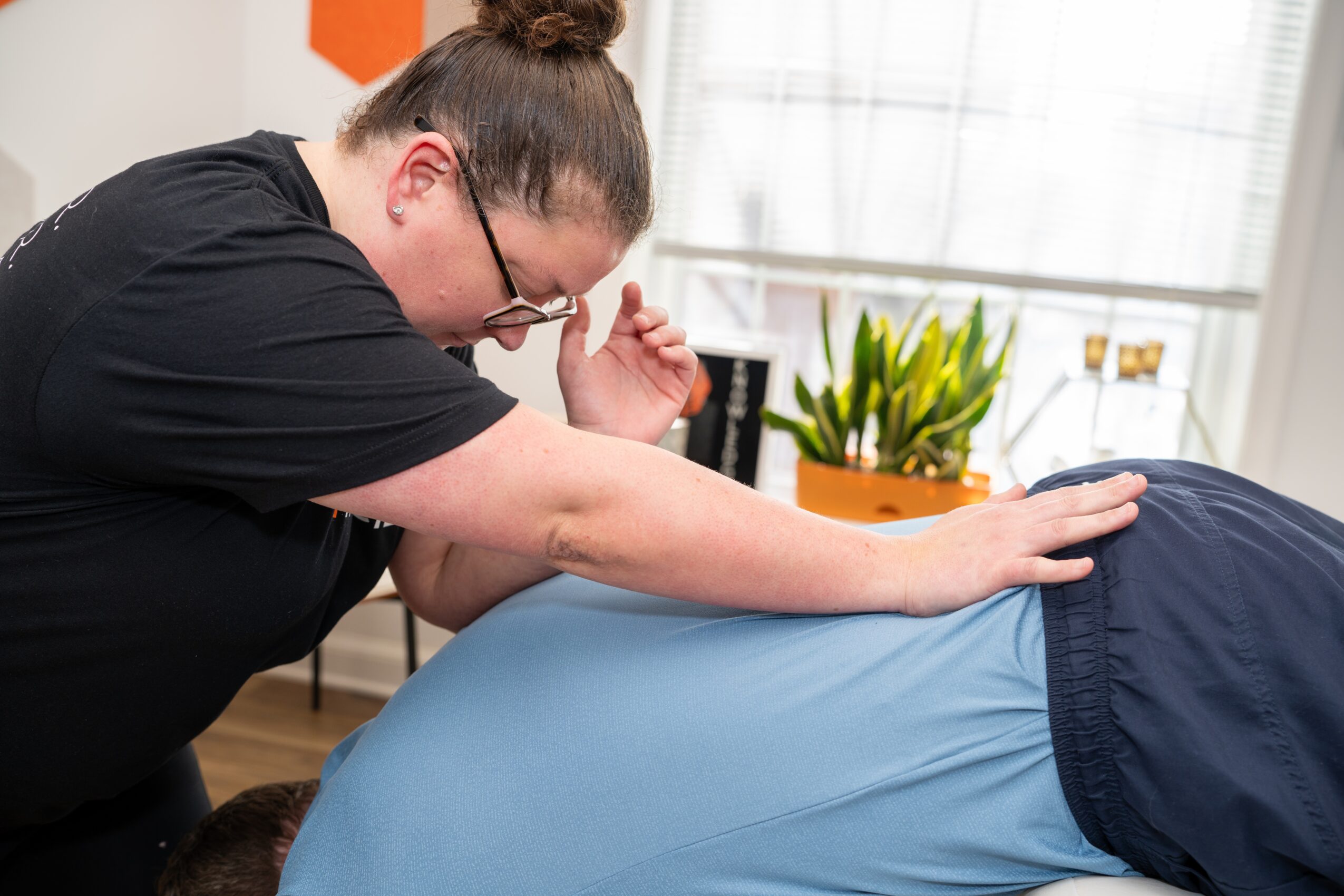
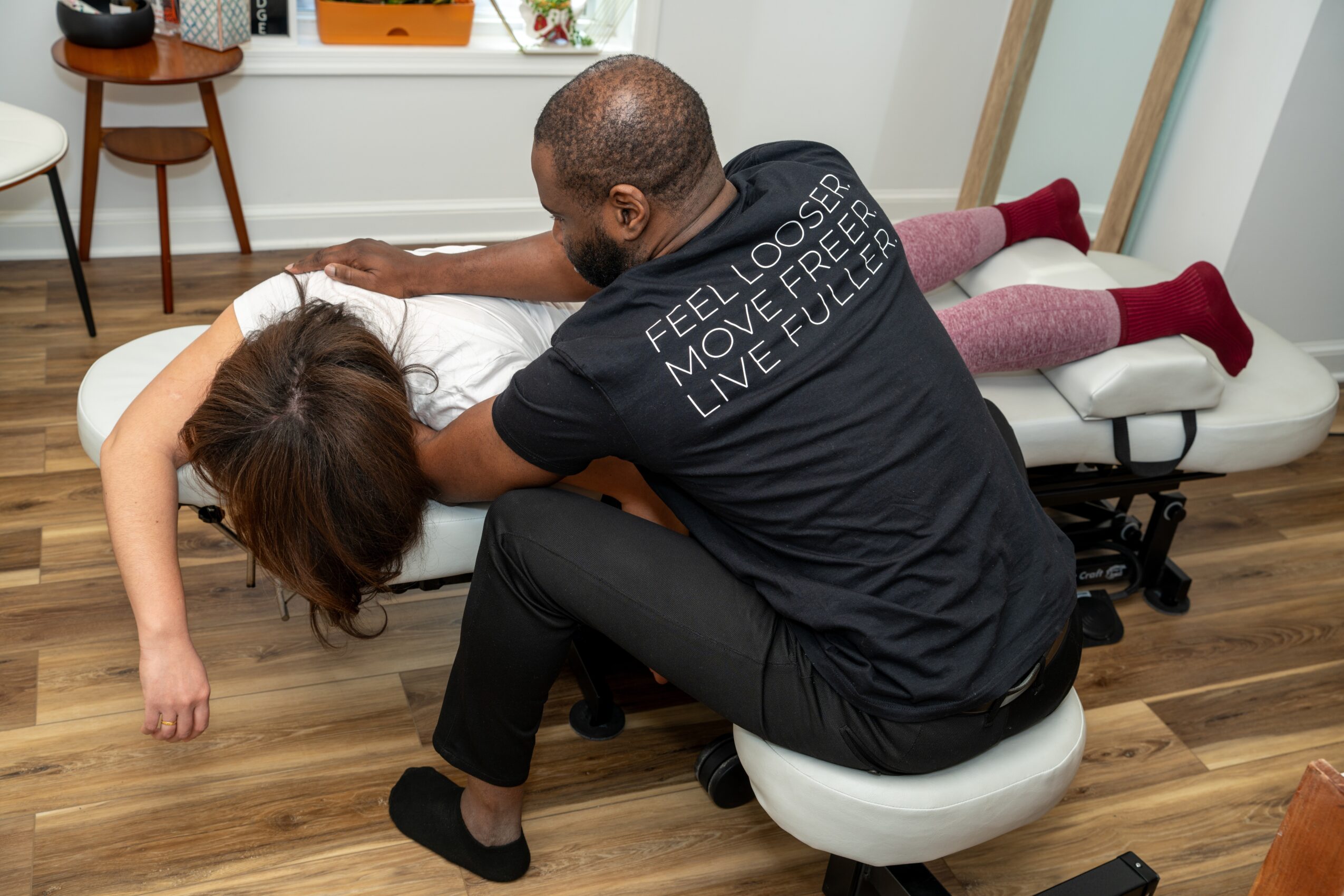
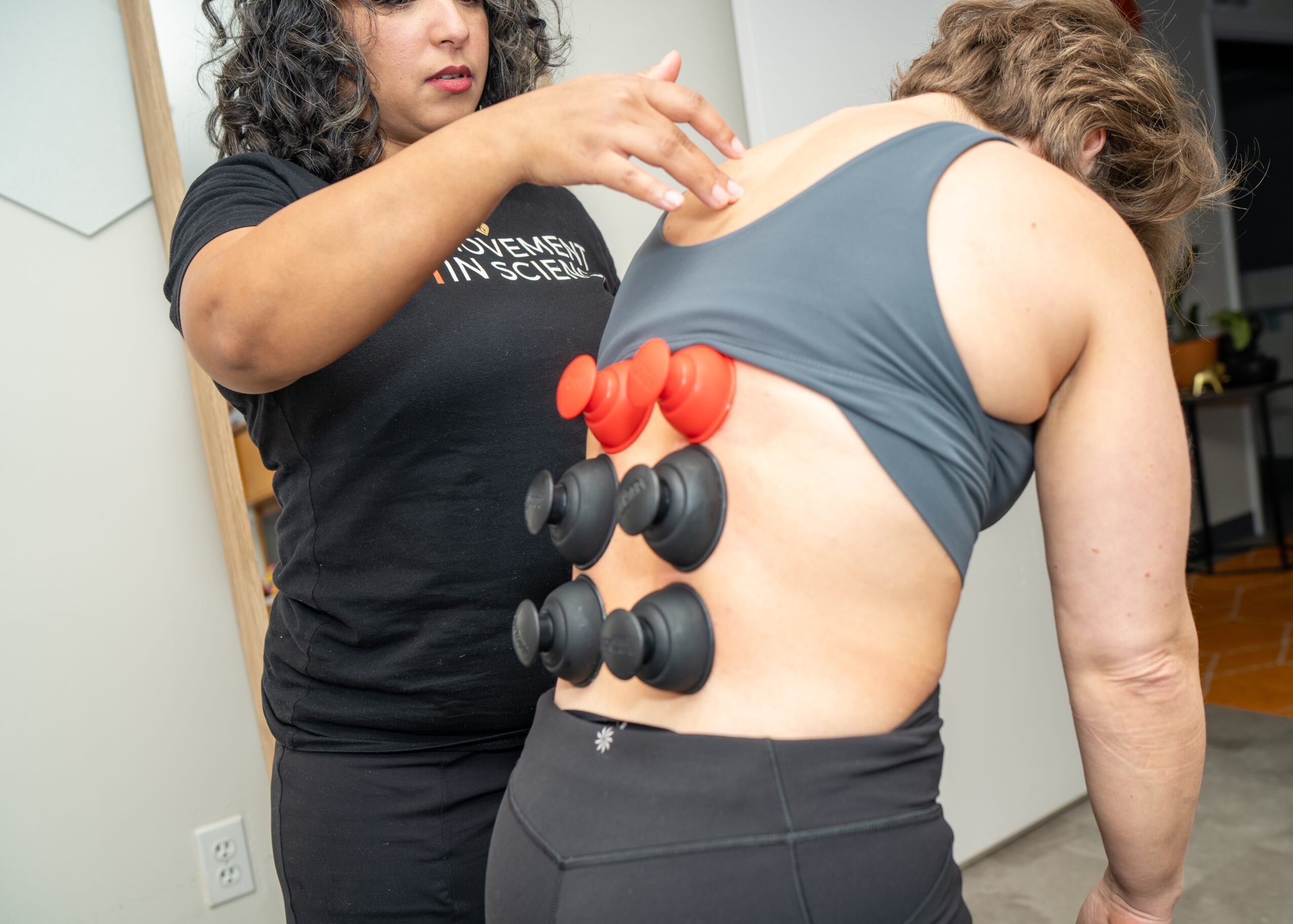
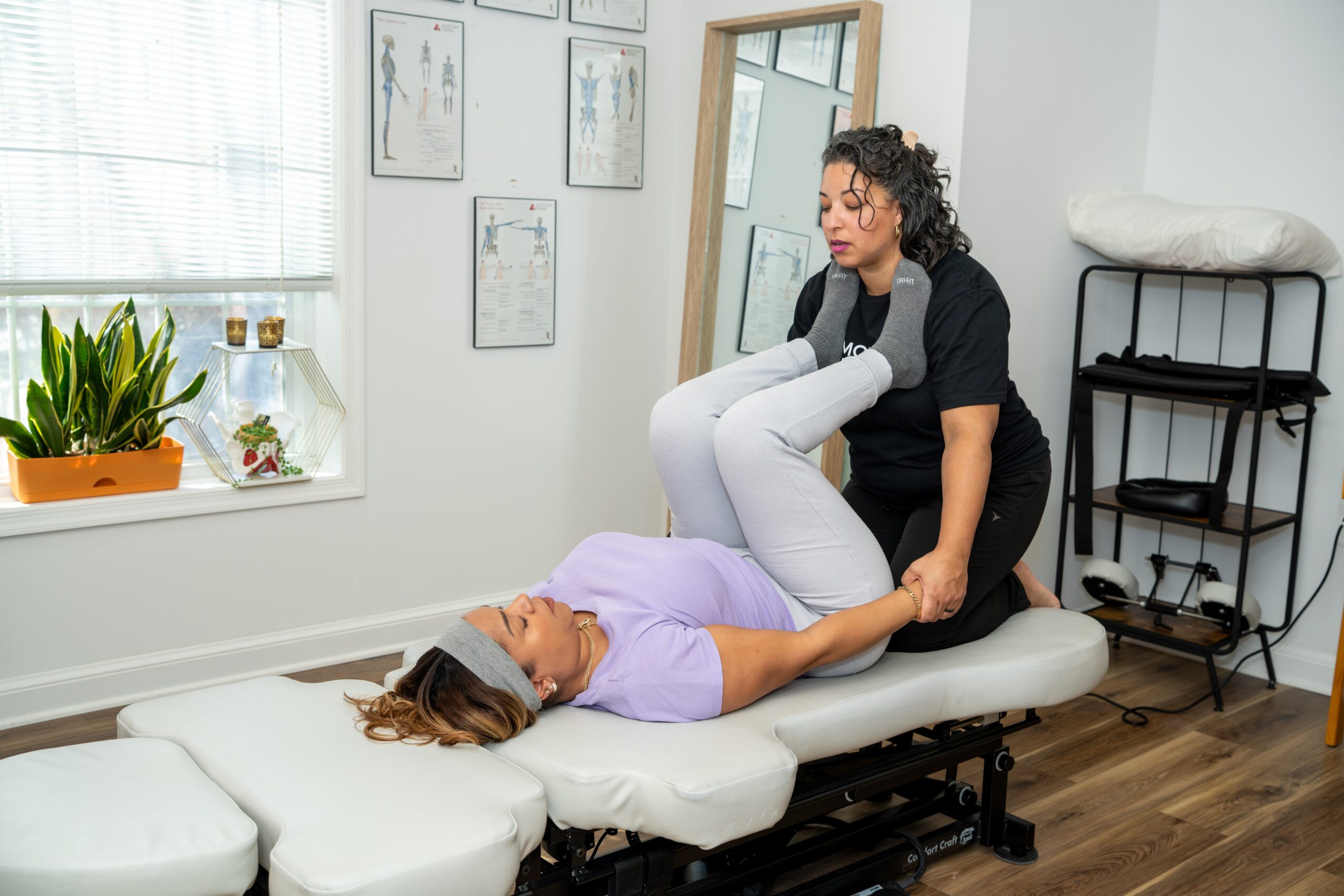
I founded Movement In Science in 2018 with the belief that people deserved a more complete and human-centered approach to wellness. What began as a hands-on healthcare and wellness practice has gradually evolved into a philosophy of care. Today, from our practice in Alexandria, Virginia, we combine fascia-focused manual therapy, assisted stretching, movement activation, nervous-system regulation, recovery services, and education. We do not begin with a routine or treat every person the same. We observe, listen, explore, and reassess because every body carries a different history.
I am now pursuing my PhD in Manual Osteopathy, and that education continues to deepen both my clinical work and the larger vision for Movement In Science. We are building a model that honors research while also recognizing the value of traditional wisdom, skilled touch, movement, hospitality, and human connection.
The journey has grown into something much larger than providing a service. Movement In Science is now part of a broader mission to reclaim wellness by restoring the conditions where healing becomes possible. I am proud of how far we have come, but I also feel that we are only beginning to understand what this work can become.
Can you talk to us a bit about the challenges and lessons you’ve learned along the way. Looking back would you say it’s been easy or smooth in retrospect?
Absolutely not. The road has been anything but smooth. Movement In Science has had to grow through changes in military duty stations, the challenges of rebuilding a business in new communities, serious health concerns involving aging parents, a fire where we lost all our belongings and memories, and seasons of death and grief. There were moments when the personal and professional challenges came so close together that simply continuing felt like an accomplishment.
As a military spouse, I learned early that stability could never be taken for granted. Each move meant adjusting to a new place, navigating different licensing requirements, rebuilding relationships, and finding new ways to serve. Just as the business would begin to gain momentum, life could require us to change direction again.
Some of the most difficult challenges, however, were not business challenges. Trying to lead a company while caring for family, worrying about aging parents, processing loss, and moving through grief required a different kind of strength. Entrepreneurship does not pause when life becomes difficult. Clients still need care, the team still needs leadership, and decisions still have to be made, even when you are carrying things people may never see.
Yet, Movement In Science has continued to grow. Not always quickly and not always in the way I originally imagined, but it has continued. Each disruption required us to become more adaptable, more intentional, and clearer about why this work matters. We learned how to rebuild without losing the heart of the business.
I believe every experience happens for a reason and that each challenge illuminates a side of me I did not know was there. Some experiences revealed my ability to adapt. Others uncovered a deeper capacity for compassion, leadership, patience, or courage. Even grief changed the way I understand healing and how I hold space for others.
The resilience of Movement In Science comes from the fact that it was never built around one location, one service, or one version of success. It was built around a belief: that people deserve care that sees them as whole human beings. That belief has remained steady even when everything around it was changing.
Movement In Science is still here, still evolving, and still growing. Every challenge has shaped the business and revealed something new about who I am, what I am capable of, and what this company is meant to become.
Alright, so let’s switch gears a bit and talk business. What should we know?
Movement In Science is deeply shaped by African culture, not simply in how the brand looks, but in how we understand healing, hospitality, community, and our relationship with the body.
I am Cape Verdean, and many of the ideas that guide Movement In Science are connected to things I experienced long before I had the professional language to explain them. In African and diasporic communities, care has often been relational. It happens through touch, movement, food, music, plants, storytelling, rest, ritual, and community. The person is not separated from their family, culture, history, or environment. Wellness is something we participate in together.
As a child, some of these practices seemed too simple to have value. As I grew older and entered the fields of fitness, manual therapy, and movement science, I began to recognize the intelligence within them. I could see connections between practices our families had carried for generations and principles that were now being examined through research. That realization helped shape Movement In Science into a place where traditional wisdom and evolving science are not positioned against one another. We believe they can inform each other.
Our brand philosophy is expressed through three African and diasporic principles: Zouani, Morabeza, and Sodade.
Zouani comes from Burkina Faso and became part of the Movement In Science philosophy after I met Tidiane Zerbo. Meeting Tidiane and learning from the way he approaches the body added another dimension to our work. Within our philosophy, Zouani represents the belief that the body speaks, and we listen. It reminds us that the practitioner’s role is not to enter the room assuming we already know the answer. We observe. We listen. We feel. We remain curious about what the body is communicating before deciding what it needs.
Morabeza comes from my Cape Verdean culture. It describes a spirit of warmth, welcome, generosity, and genuine hospitality. At Movement In Science, Morabeza means that healing begins with hospitality. Care starts before a guest ever gets on the treatment table. It begins with how they are greeted, whether they feel seen, whether they feel safe, and whether they know they are more than an appointment on a schedule. Hospitality is not an added luxury within our practice. It is part of the healing environment.
Sodade also reflects my Cape Verdean heritage. It carries a feeling of longing, memory, belonging, and connection across distance. Within Movement In Science, Sodade represents the belief that healing reconnects us—to our bodies, to our communities, to our histories, and sometimes to parts of ourselves we have lost or learned to ignore. It reminds us that wellness does not happen in isolation.
These principles are the heart of our brand. They shape how we provide fascia-focused manual therapy, assisted stretching, movement activation, nervous-system regulation, and recovery experiences. Those services are the tools we use, but they are not the whole of what we offer. What we truly provide is an opportunity for people to slow down, be listened to, understand their bodies differently, and participate in their own wellness.
What I am most proud of is that Movement In Science reflects a way of caring that feels both deeply personal and much larger than me. It honors my Cape Verdean roots, the knowledge Tidiane brought from Burkina Faso, the wisdom shared across the African diaspora, and the research and education that continue to shape our clinical work.
Our guiding statement is: We reclaim wellness by restoring the conditions where healing becomes possible. We do not believe people come to us because they are broken or because we possess the power to “fix” them. We believe healing is innate. Our responsibility is to listen, create the right environment, and support the body’s capacity to do what it already knows how to do.
That is what I want readers to understand about Movement In Science. We are not simply a place for massage or stretching. We are building a philosophy of care rooted in culture, science, skilled touch, hospitality, and human connection.
Where do you see things going in the next 5-10 years?
Over the next five to ten years, I believe the wellness industry will have to confront something it cannot solve with another product, device, or optimization plan: people are becoming increasingly isolated, and we are yearning for community.
Stress levels continue to rise, yet much of the wellness industry still places the responsibility for healing entirely on the individual. We tell people to improve their routines, track more data, and practice self-care alone. Those things may have value, but they cannot replace human connection.
I believe Africa holds many of the answers. Across many African cultures, wellness existed long before it became an industry. Healing was woven into daily life through community, dance, music, touch, nourishing food, storytelling, spirituality, and intergenerational care.
These traditions extend beyond the Western idea of wellness as something we purchase or pursue individually. Wellness is also relational. It is shaped by how we move, eat, celebrate, grieve, and care for one another.
I believe the next major shift will be from individualized wellness toward collective wellness. Reclaiming wellness does not have to be expensive. Many of the conditions that support healing already exist within our bodies, cultures, families, and communities.
Our responsibility is not to take traditional practices, rename them, and sell them back as the latest trend. It is to honor their origins and help people reconnect with the wisdom they already carry.
I see the future of wellness becoming less transactional and more relational, less isolated and more communal, and less focused on “fixing” people. The future is not only about creating better treatments. It is about restoring the conditions that allow people and communities to heal.
Contact Info:
- Website: https://www.movementinscience.com
- Instagram: @movementinscience.com
- Facebook: https://www.facebook.com/movementinscience
- LinkedIn: https://www.linkedin.com/in/kendrapenacollazo/