




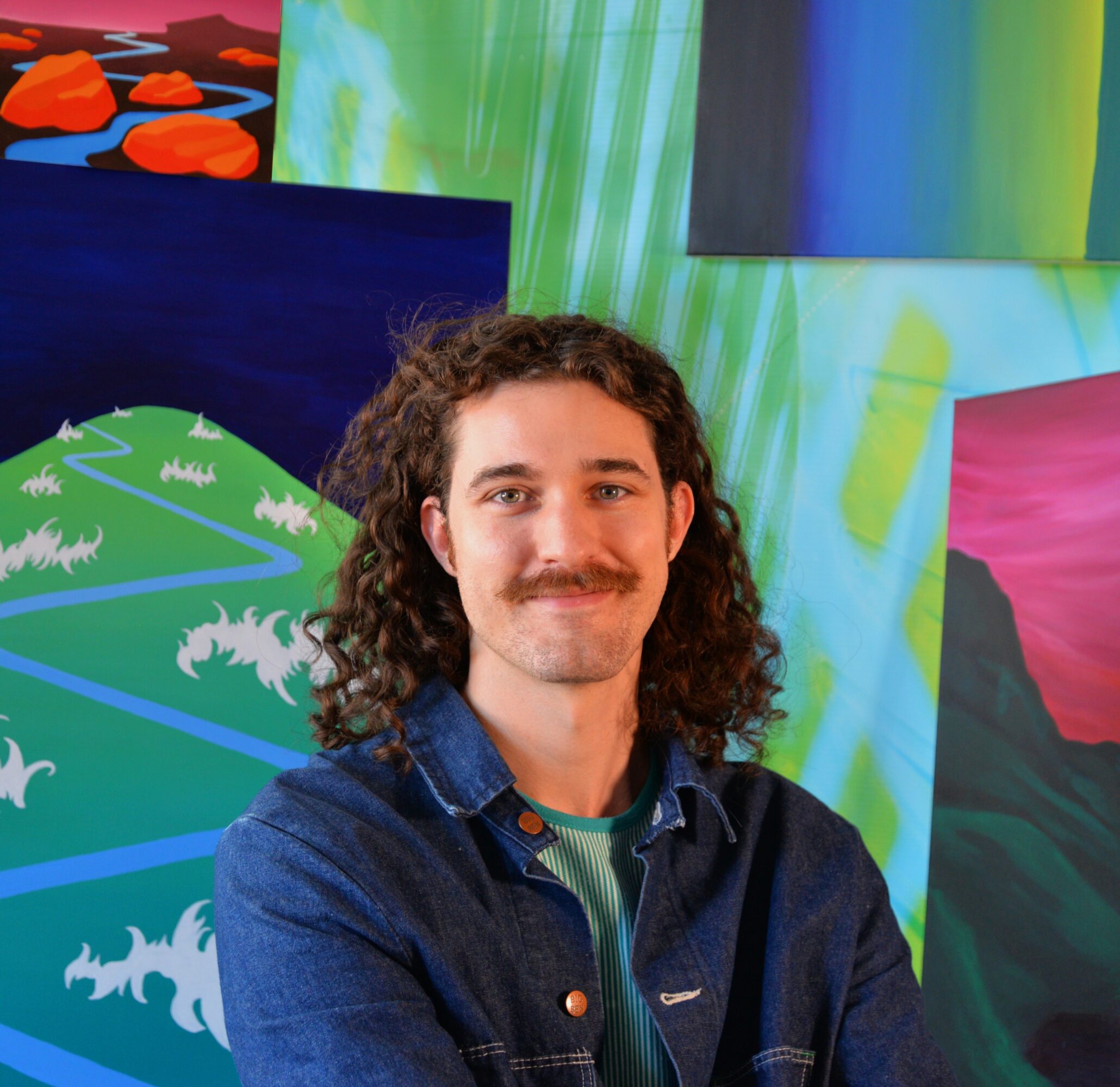
Today we’d like to introduce you to Theo Morrow.
Theo, we appreciate you taking the time to share your story with us today. Where does your story begin?
Drawing, painting, and a love of art have always been part of my life but really blossomed in my late teens. Back then, my school days were mostly spent in the art classroom, while at home I indulged in the golden age of tumblr. Contemporary art and design imagery from that site expanded my creative perspective and fed an interest in architecture, which I later studied at Ohio State University. The program at OSU was rooted in history and experimentation, offering a critical lens to engage with the built world and make it a more sustainable place. It also provided a vast set of design skills ranging from graphics software, 3D design, and physical fabrication. I graduated college with a set of diverse creative tools and felt called to explore new mediums.
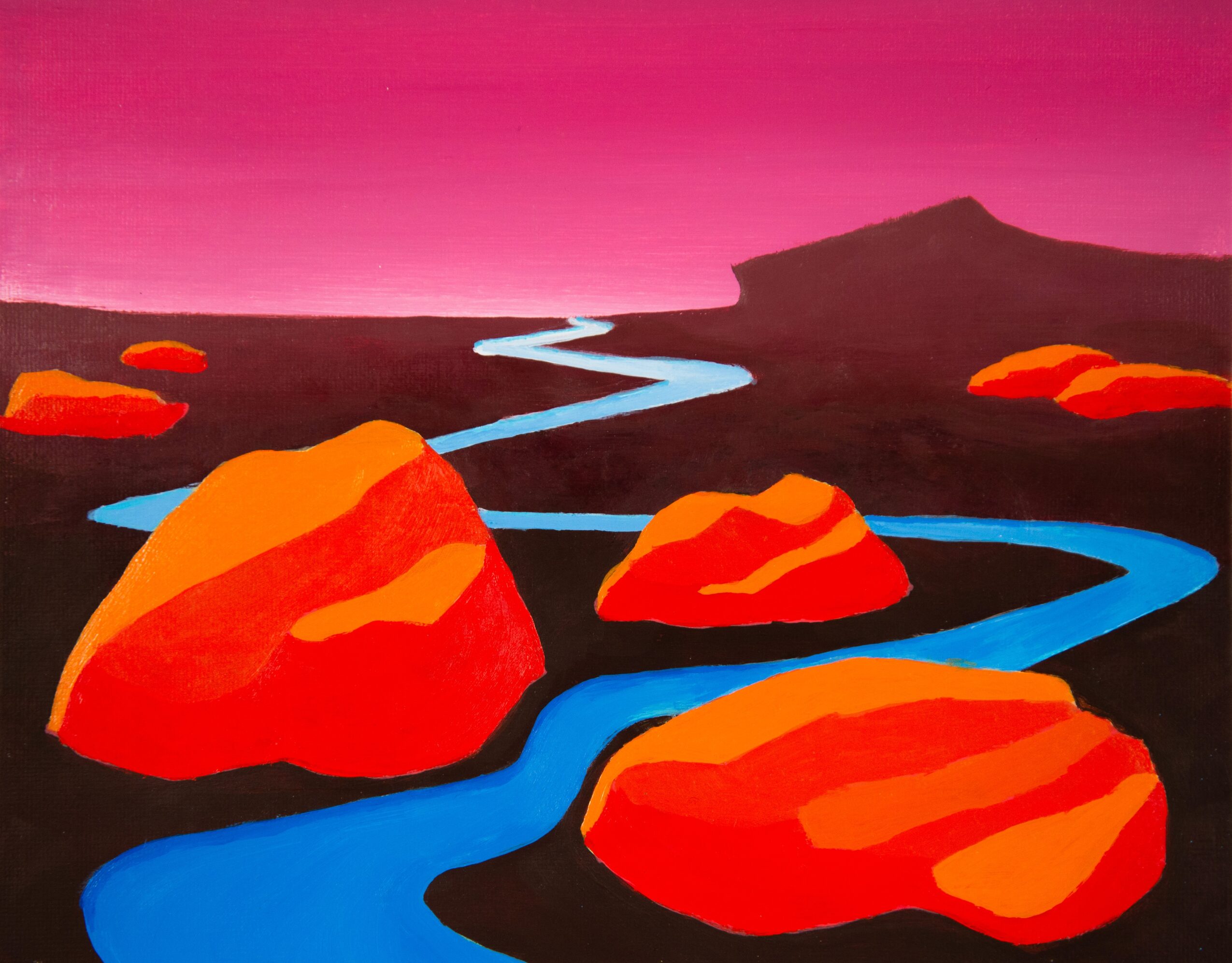
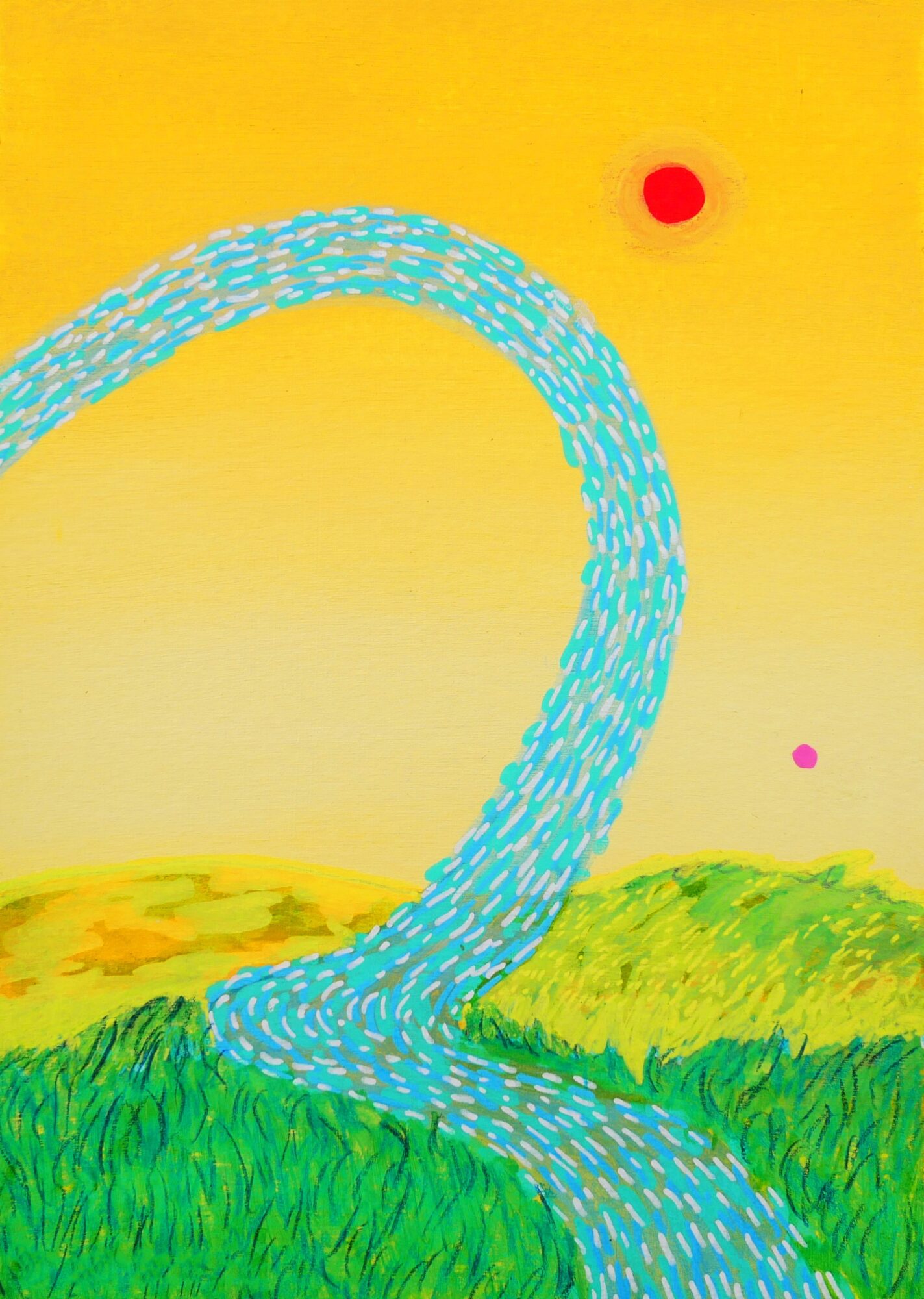
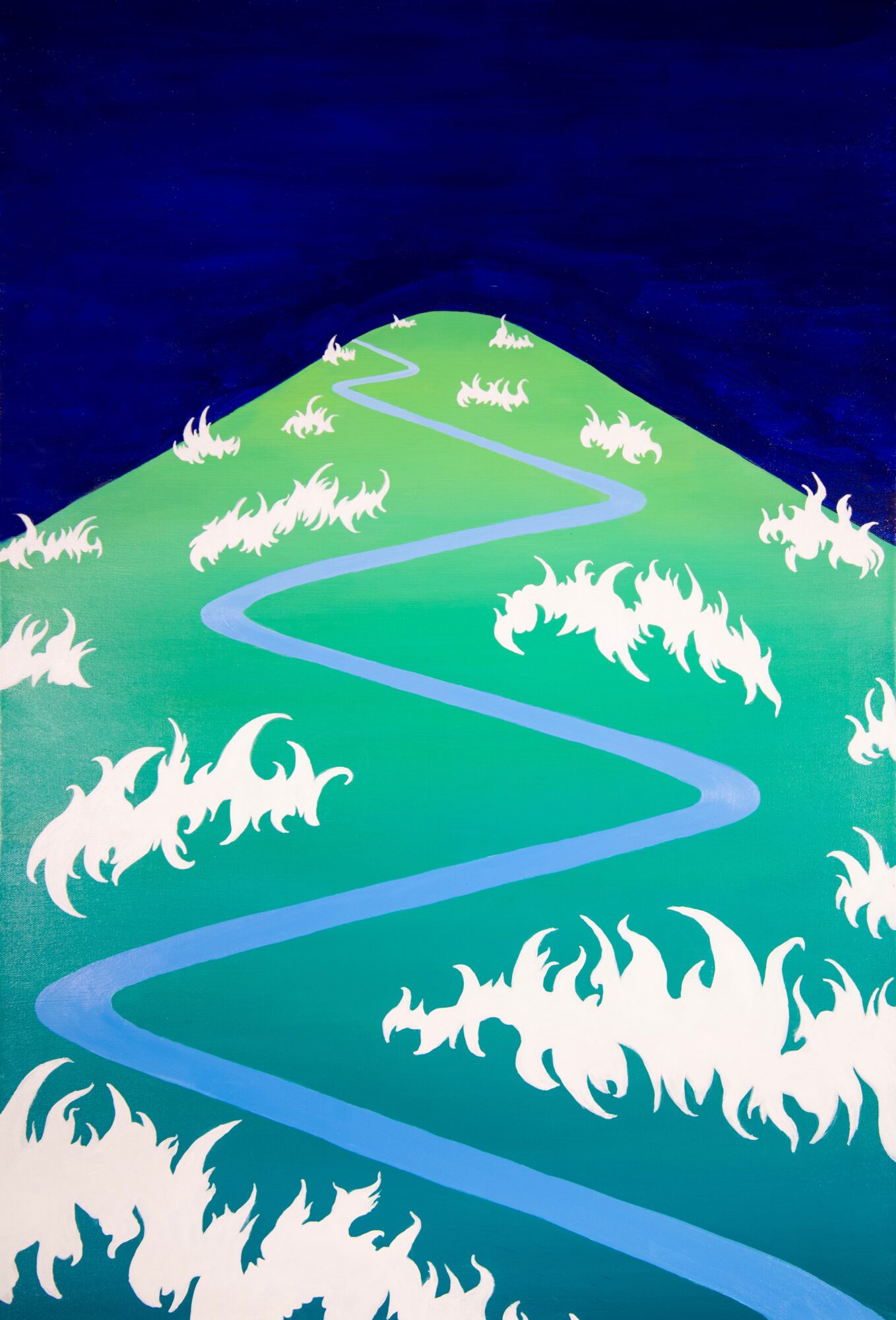
When I moved to Alexandria in 2019, I was taking any creative work I could get. At this time I informally started the “Morrowland Studio” Instagram as a place to share my freelance work and visual art. Soon, the pandemic rolled in and provided an abundance of quiet time that I filled with painting. This time was crucial to my creative journey, allowing me the space to refine techniques and interests that still shape my work today. Through pandemic-era walks and landscape painting, nature became the focus of my work and I felt a need to make the world a more sustainable place. As the world opened back up, I decided to move in to DC and seek work in sustainable architecture.
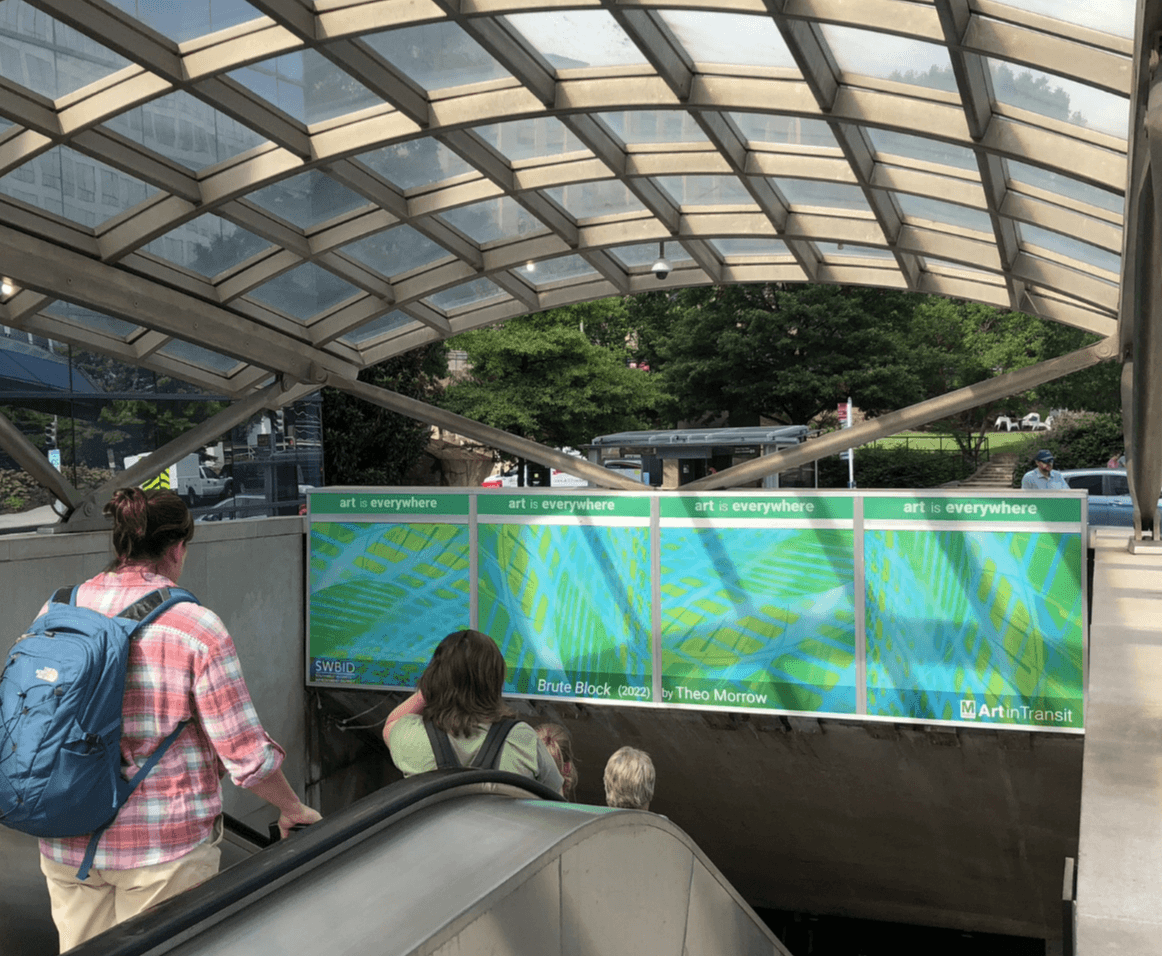
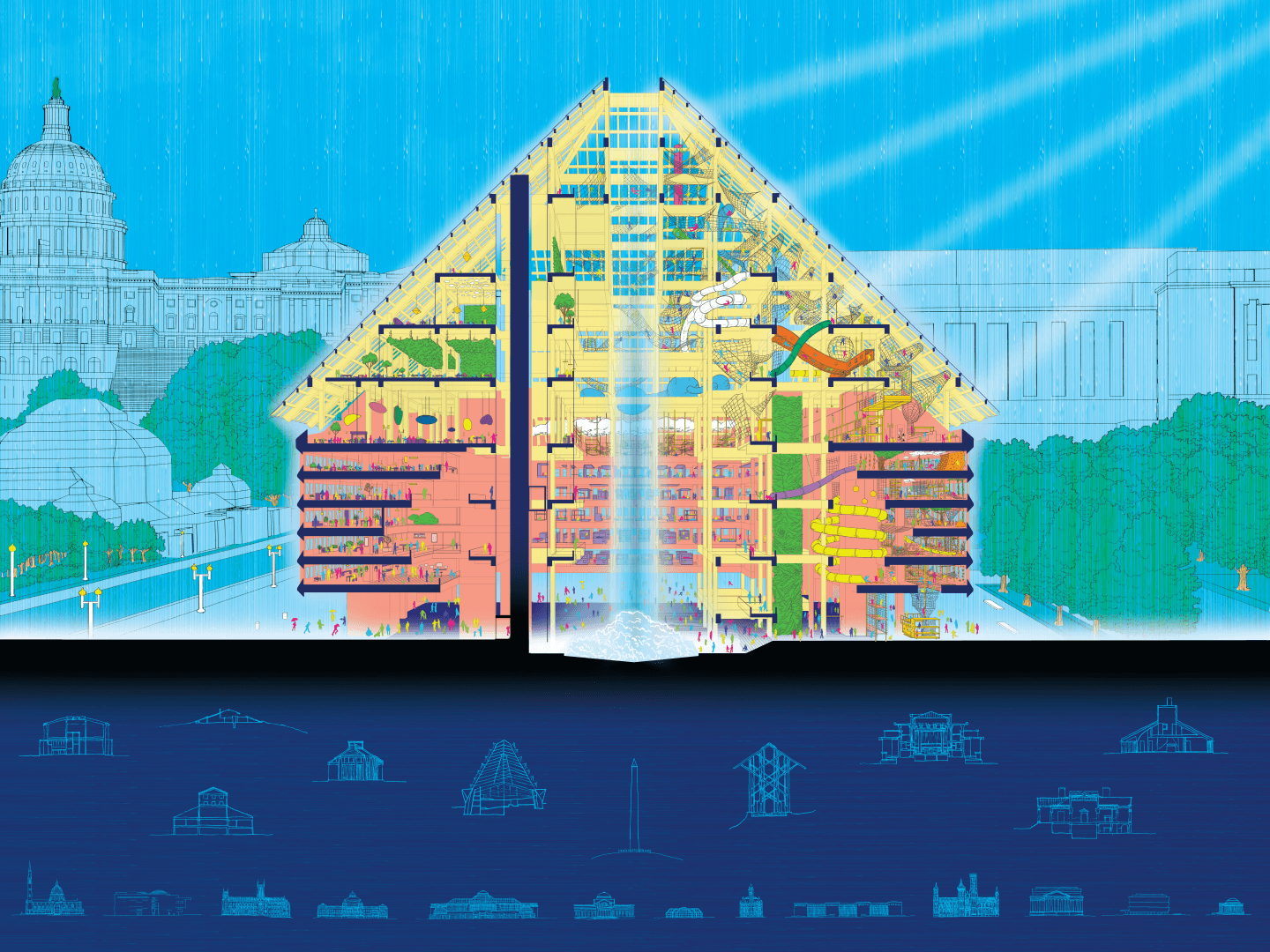
In familiarizing myself DC architecture, I was immediately struck by the natural-material driven work of Jack Becker and Andrew Linn’s firm BLDUS. After reaching out, they presented some opportunities to collaborate and connected me with sustainable building material producer “BamCore”. I didn’t know it at the time, but this connection would lead to a five year career with BamCore; eventually overseeing the coordination of design, fabrication, and assembly for prefabricated homes throughout the United States. As my spare time decreased in this role, I gradually advanced my artistic pursuits on the side. Painting collections advanced, collaborations with BLDUS continued (most notably, our work featured at the National Building Museum), digital designs for queer dance party “Flower Factory” blossomed, a series of four brutalist-inspired public artworks came into form.
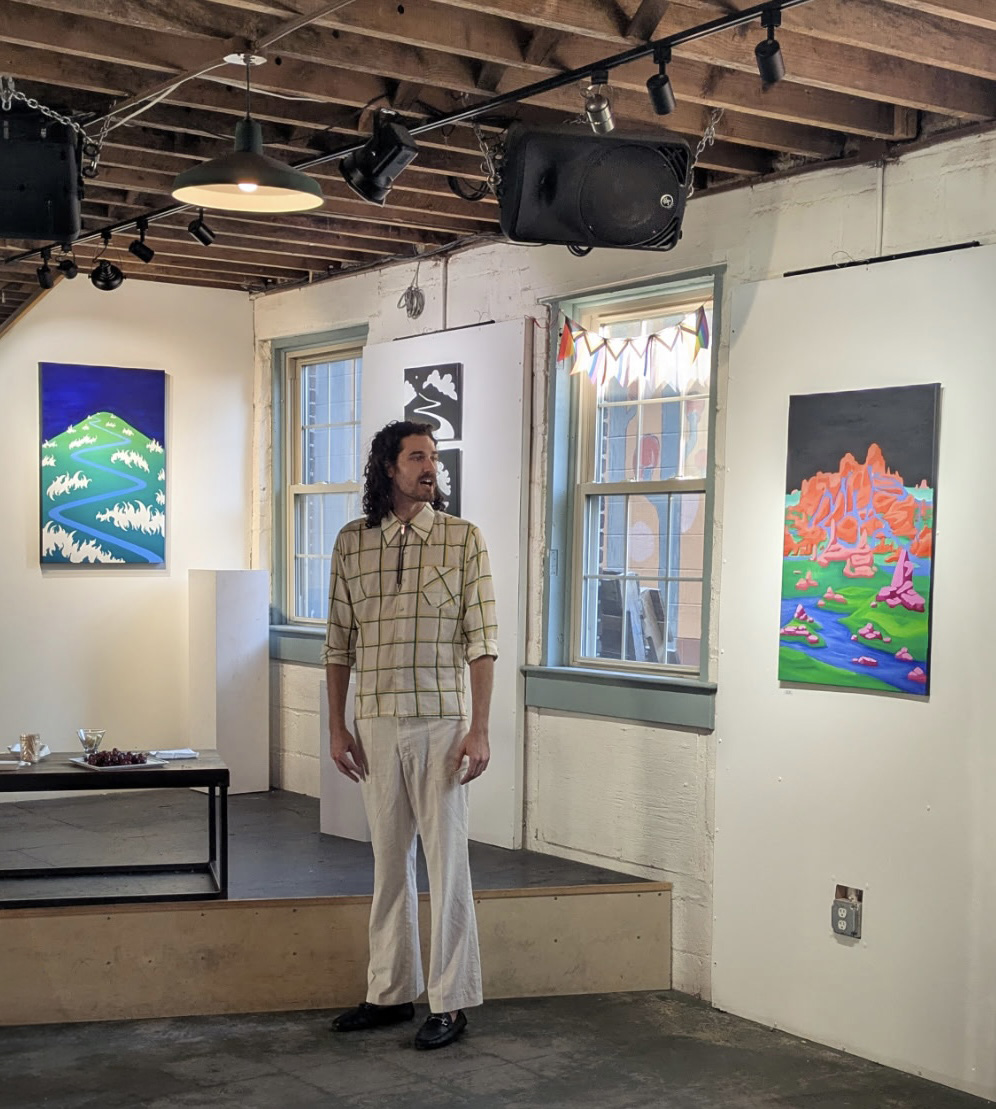
Last year, BamCore closed its operations, presenting me with an opportunity to think about what’s next. Pretty quickly, I found the answer to be travel and explored the US and Europe, looking at a staggering amount of art and feeling an immense drive to pursue my art and design work full time. Once home, I began seeking funding for installations, producing a solo show, and researching deeper into subjects like natural building, indigenous knowledge, and art history. My creative practice is as broad as ever, but I feel more clarity with each project and feel aligned and grateful to bring this work to life.
Alright, so let’s dig a little deeper into the story – has it been an easy path overall and if not, what were the challenges you’ve had to overcome?
The professional and artistic path I’m following doesn’t fit cleanly into one category, which can present challenges. Internally, I struggle to articulate and balance the dual pursuits of art making and design. I’m finding better ways to explain this path to others and the practice’s shared drive to create greater harmony between humanity in nature. For me, the perspective gained from multidisciplinary practice is worth the hassle of explaining it to others.
Thanks – so what else should our readers know about your work and what you’re currently focused on?
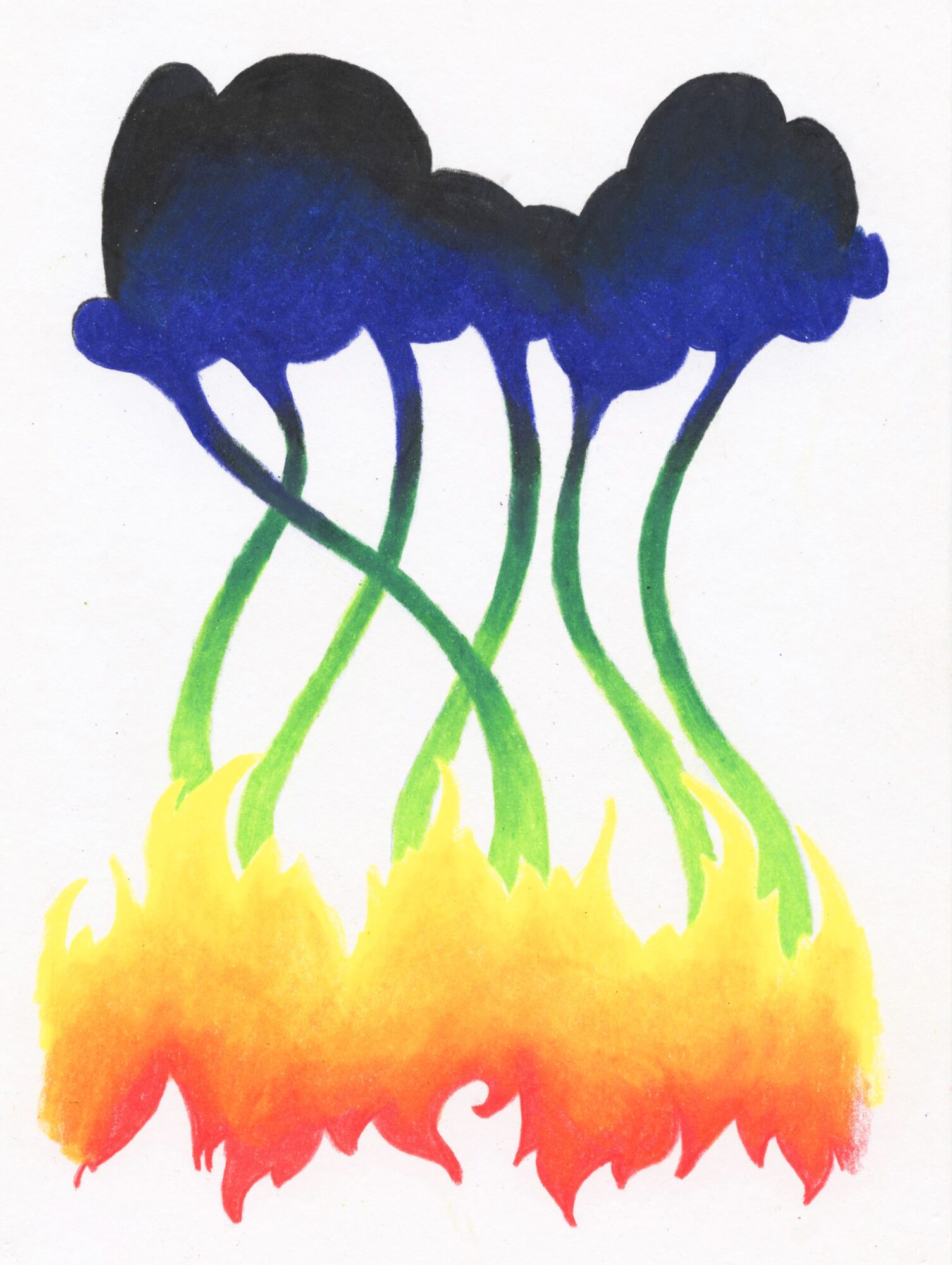
My work spans painting, digital art, and architectural design. Visual art is a means of reflecting the natural and psychic climate of today, while design is a means of creating greater harmony within it. These two practices feed one another and have led to the vivid color pallets and playful forms for which I’m most known.
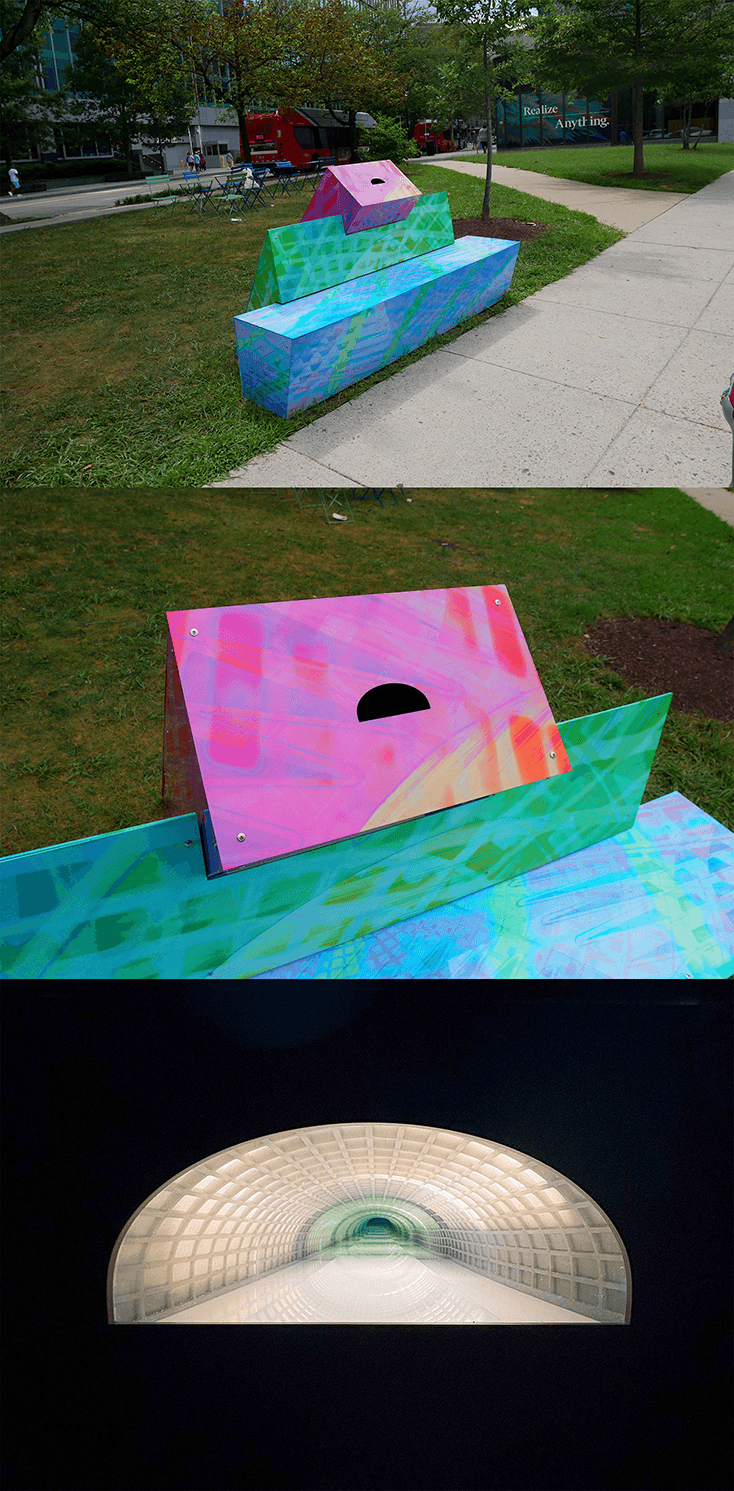
I’m most proud of a project I produced last year with DC’s Southwest Business Improvement District. The site, BoxCar Willie Park, needed more seating and imaginative art. As such, I decided to produce a bench that offers a hidden, immersive experience. Outside, the bench appears as a bold forms clad in DC metro-inspired artwork. Peering inside a small window on it’s face, however, one sees an infinity mirror illusion of the iconic Washington Metro tunnel. Apart from creating a hidden pocket of magic in DC, I’m proud of the materials which comprise it. Locally-sourced black locust wood, second-use hardware, an architectural model made of recycled glass; sustainable principles were considered at every step and resulted in a playful artwork made with integrity.
So, before we go, how can our readers or others connect or collaborate with you? How can they support you?
I’m always looking to partner with organizations and other creatives on projects that involve public art, installations, and sustainable architecture. Anyone interested in creating some magic in these mediums can contact me through my website.
People can follow my painting, artwork sales, and exhibitions on my Instagram page @theomorrow or see my design studio work at @morrowland.studio.
Contact Info:
- Website: https://theo-morrow.com
- Instagram: https://www.instagram.com/morrowland.studio & https://www.instagram.com/theomorrow/
- LinkedIn: https://www.linkedin.com/in/theo-morrow-39bba8126