





Today we’d like to introduce you to Indira Merritt.
Indira, we appreciate you taking the time to share your story with us today. Where does your story begin?
I was raised in New York by a single mother, alongside my two sisters. I’ve been curious for as long as I can remember about why people do what they do. I was always looking for the cause beneath the effect, even before I knew behavior analysis was something people studied. My first job was calling people to ask about upcoming elections when I was 14. Even then, I was listening for what mattered to them and why they might make one choice over another.
At 18, I became a parent educator and family support worker with Healthy Families America. I worked with families from pregnancy or the first months of a child’s life, supporting parent-child relationships and watching how children developed. That work taught me how early connection begins and how much can be changed when a family receives support before things reach a crisis.
In my early twenties, I managed a section of a residential treatment program for young people. Some had been placed there because of something they had done; others were there for care or education. I wanted to know them as people, regardless of what had brought them through the door. One practice I struggled with was taking away home visits when a young person had a difficult week. Unless there was a safety concern, I didn’t believe losing time with the people who cared about them should be the consequence. Connection was part of what they needed.
In 2014, I moved from New York to Virginia with my family. I later worked in homes with families as an In Home Clinician then Social Worker in child protective services, and then in public education. Today, I’m a district behavioral specialist. I help students get the support they need to access learning, and I work with educators as they build their own capacity to respond to students. I consider both parts of that work an honor.
Across all those roles, I kept coming back to the same question: What happened before the behavior we can see? That question also shaped my writing. I developed Emotional Time Travel to give language to the ways earlier experiences can show up in a present moment, and Capacity Architecture to explore what people need in order to respond differently. I’m an author now, but I’m still doing what I was doing as a child: looking beneath the surface and trying to understand the person there.
Can you talk to us a bit about the challenges and lessons you’ve learned along the way. Looking back would you say it’s been easy or smooth in retrospect?
No, it hasn’t been a smooth road. Some of the hardest parts of my life arrived when my children were very young.
During my pregnancy with my son, I developed peripartum cardiomyopathy. I was in heart failure, with an ejection fraction below 30 percent. I had a 19-month-old at home and had just given birth when the newborn screening came back: my baby had sickle cell disease. I was still trying to understand what was happening to my own heart, but I couldn’t stop thinking about his future. Would he be in pain? Would I know what to do when he was? My health went on the back burner while I learned how to care for him.
Over the years, that care has meant medical appointments, trying medications, and crises that turned into weeklong hospital stays. It has also meant IEP meetings and teaching him to speak up for what he needs. When your child has a chronic illness, advocacy becomes part of how you parent. You can’t put it away between appointments.
In 2014, I decided my family needed a different life. I wanted more room for my children and hoped milder winters would be easier for my son. So my children, their father, and I left New York for Virginia with our car, a TV, and a bag of clothes for each of us. We didn’t know anyone here. I was taking a chance on a place I could barely picture, because I could picture what it would mean to stay.
A year later, my children’s father was in an accident that left him with a traumatic brain injury and three fractures in his back. The life we had been trying to build changed again. For years, I carried much of the daily responsibility for our children and our family. I had made that move hoping to give us more room, and suddenly I was trying to find room within myself for responsibilities I never could have planned for.
That is where many of my questions about capacity come from. I know what it’s like to need more than encouragement. You need support, structure, and enough space to make a choice when life keeps asking something of you. I’m still learning what that looks like in my own life. That’s part of why this work matters so much to me.
Thanks – so what else should our readers know about your work and what you’re currently focused on?
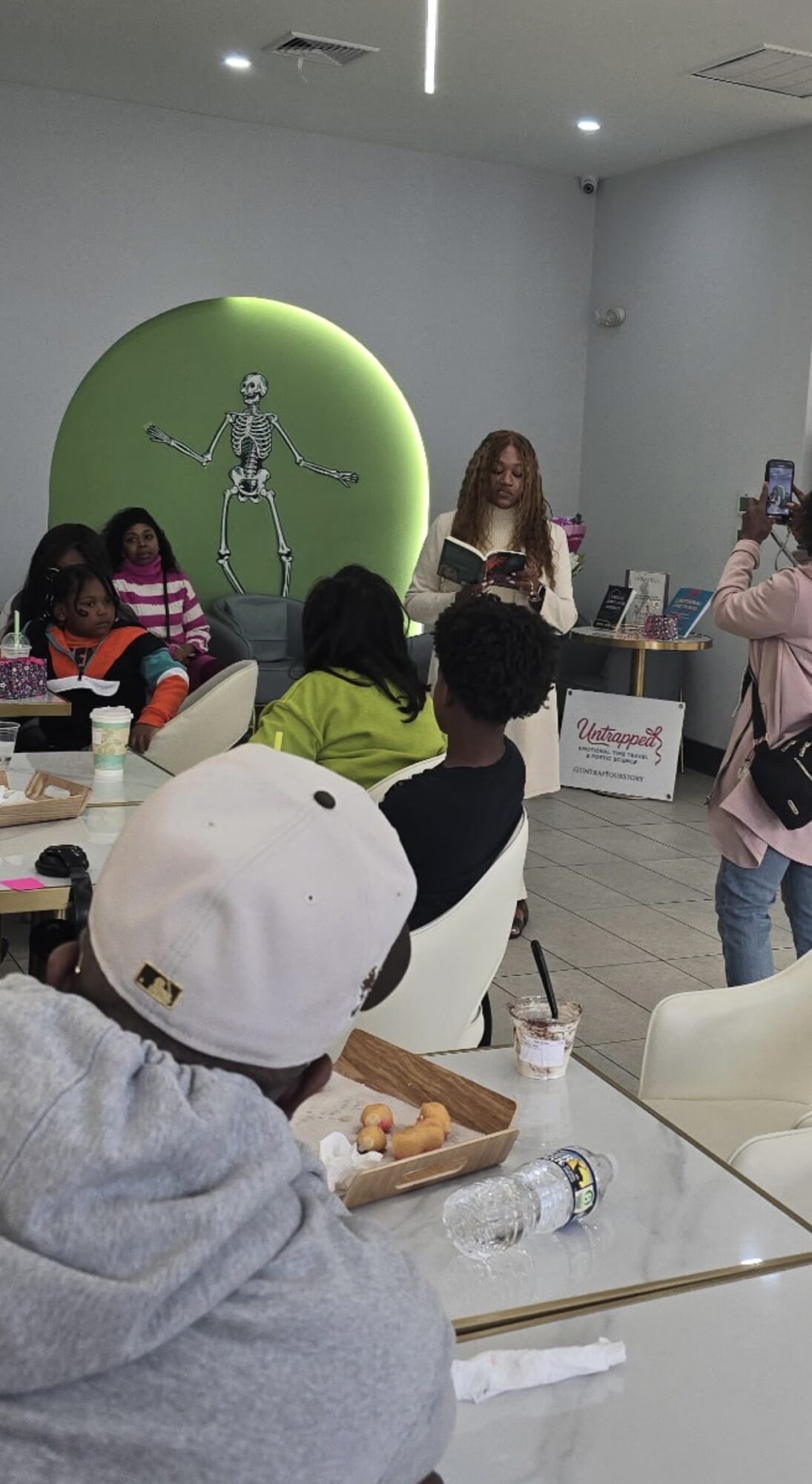
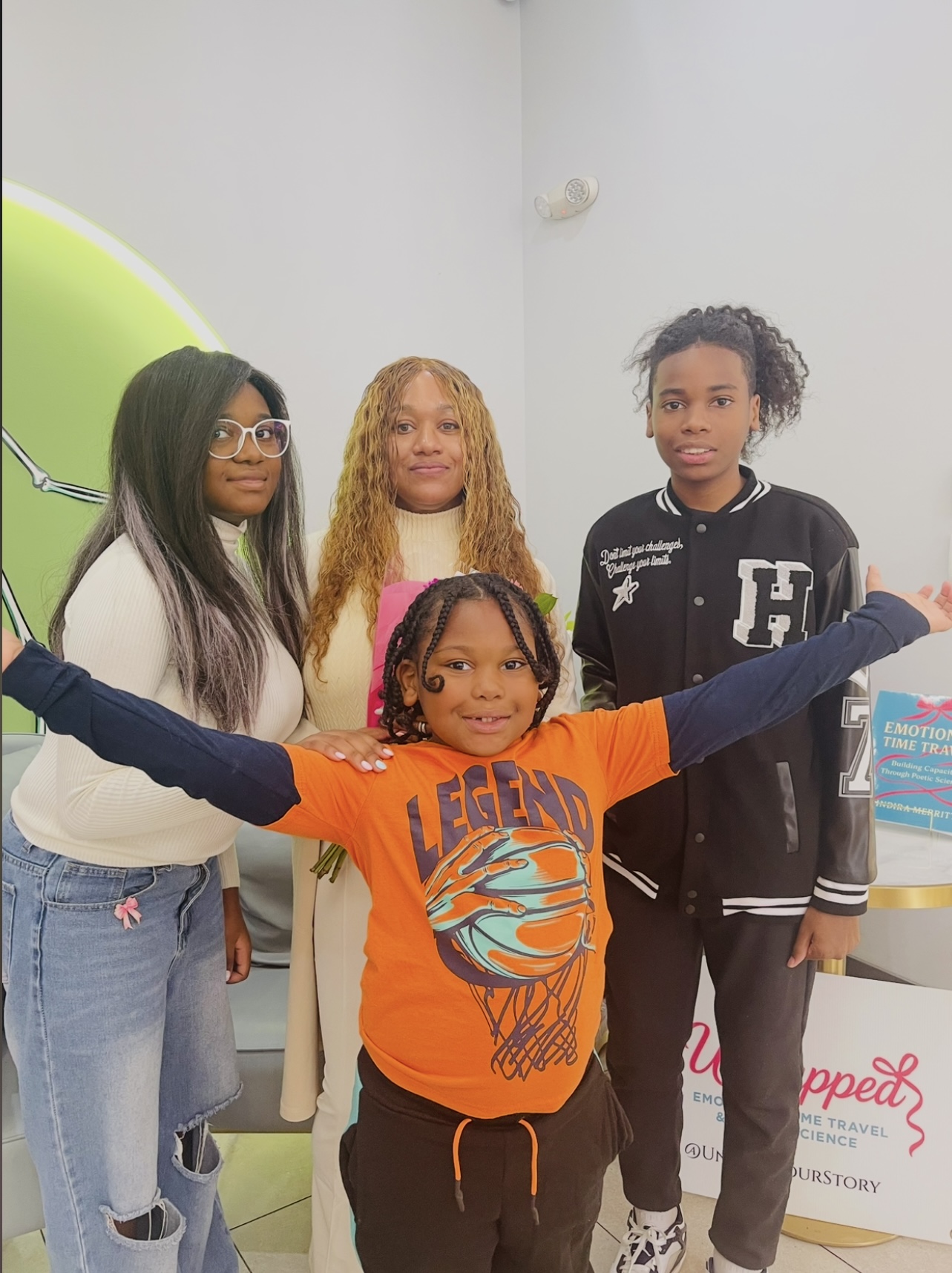
I’m Indira Merritt, a Capacity Architect, author, and the creator of Emotional Time Travel and Capacity Architecture. I help people recognize the past patterns influencing their choices and examine what they need to respond differently. My book It’s About Time introduces that work, and my Capacity Audit gives people a way to look more closely at where they’re stretched and what they can build. I also work as a district behavioral specialist, supporting students and educators, which continues to inform how I think about behavior.
What sets my work apart is its focus on interruption. People have become very good at finding language for what happened to them. They can name a pattern, explain where it came from, and still repeat it. I don’t think understanding alone changes behavior. At some point, you have to practice responding differently.
I also question the idea that the goal is always a “soft life.” Rest can be necessary, but discomfort isn’t automatically a sign that something is wrong. Sometimes it shows you where capacity needs to be built. I’m most proud of giving people language for experiences they’ve struggled to explain, then helping them consider what they can do with that awareness. You are more than what happened to you, and your past doesn’t have to make every decision that comes next.
What does success mean to you?
Success means going beyond awareness. I can recognize a pattern and know I have choices, but the real work is making one, especially when every option feels uncomfortable.
Sometimes success is staying with that discomfort a little longer than I could have in the past. It’s having the conversation, taking the risk, or trying again instead of returning to what feels familiar. That takes practice, and it doesn’t always look impressive while I’m doing it.
I don’t think success has to be difficult to count, and I don’t think I have to reach the final goal before I can call something progress. If I’ve moved through something complicated and made a choice that takes me closer to the life I’m building, that’s success to me.
Contact Info:
- Website: https://EmotionalTimeTravel.com
- Instagram: https://Instagram.com/untrapyourstory
- Facebook: https://Facebook.com/untrapyourstory
- LinkedIn: Indira Merritt
- Youtube: https://YouTube.com/untrapyourstory
- Other: TikTok: @untrapyourstory