




Today we’d like to introduce you to Kimberly Byard.
Hi Kimberly, so excited to have you on the platform. So before we get into questions about your work-life, maybe you can bring our readers up to speed on your story and how you got to where you are today?
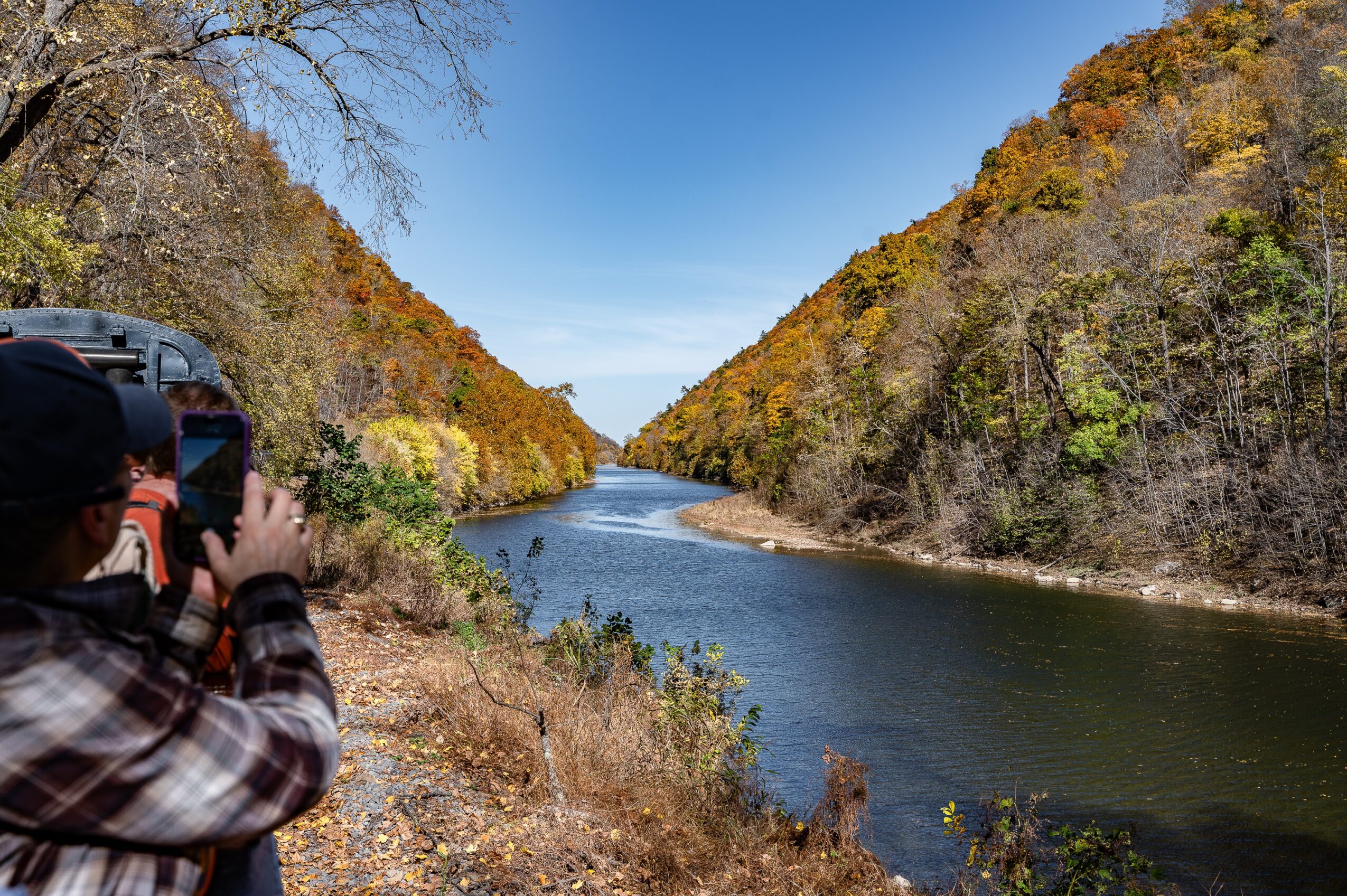
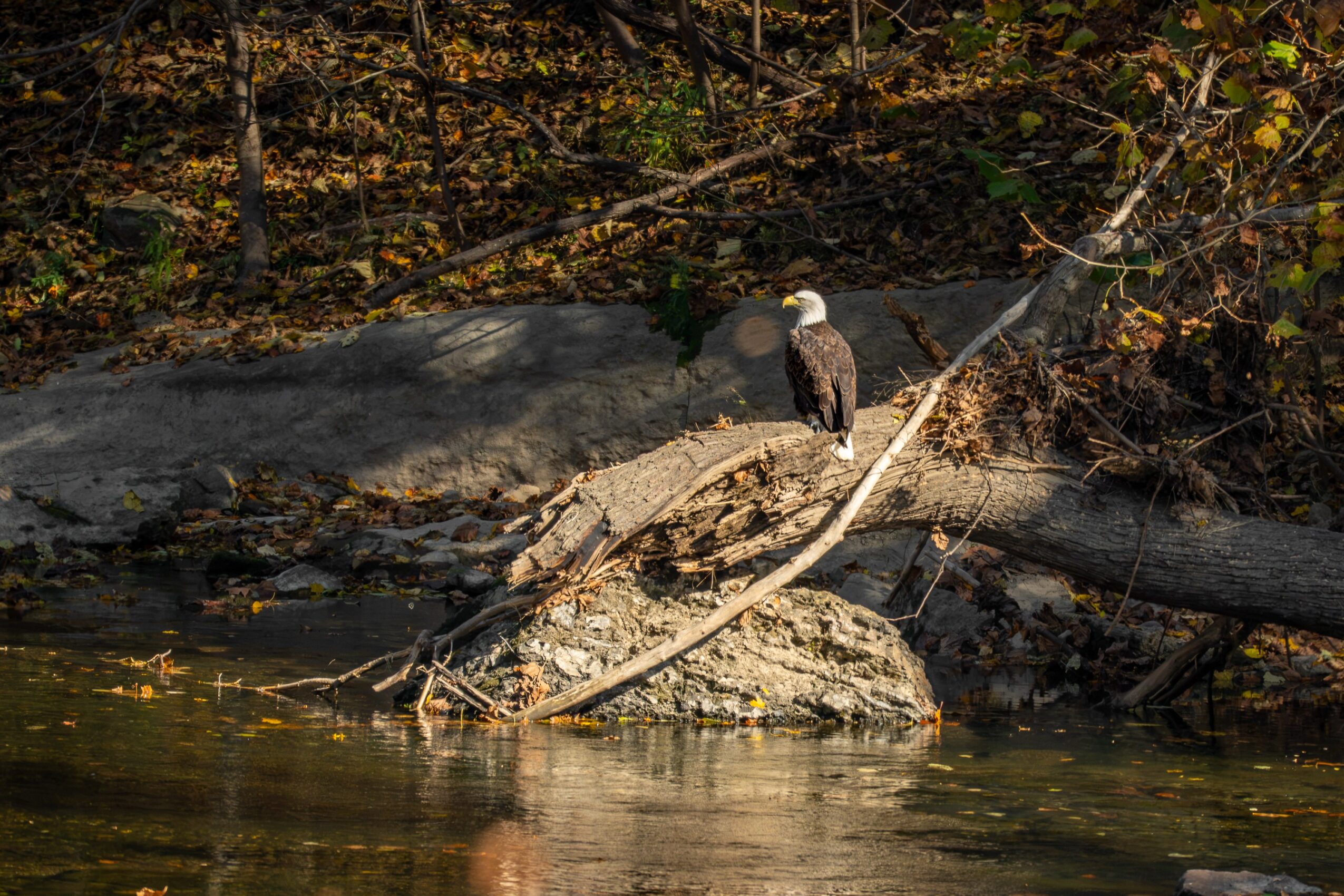
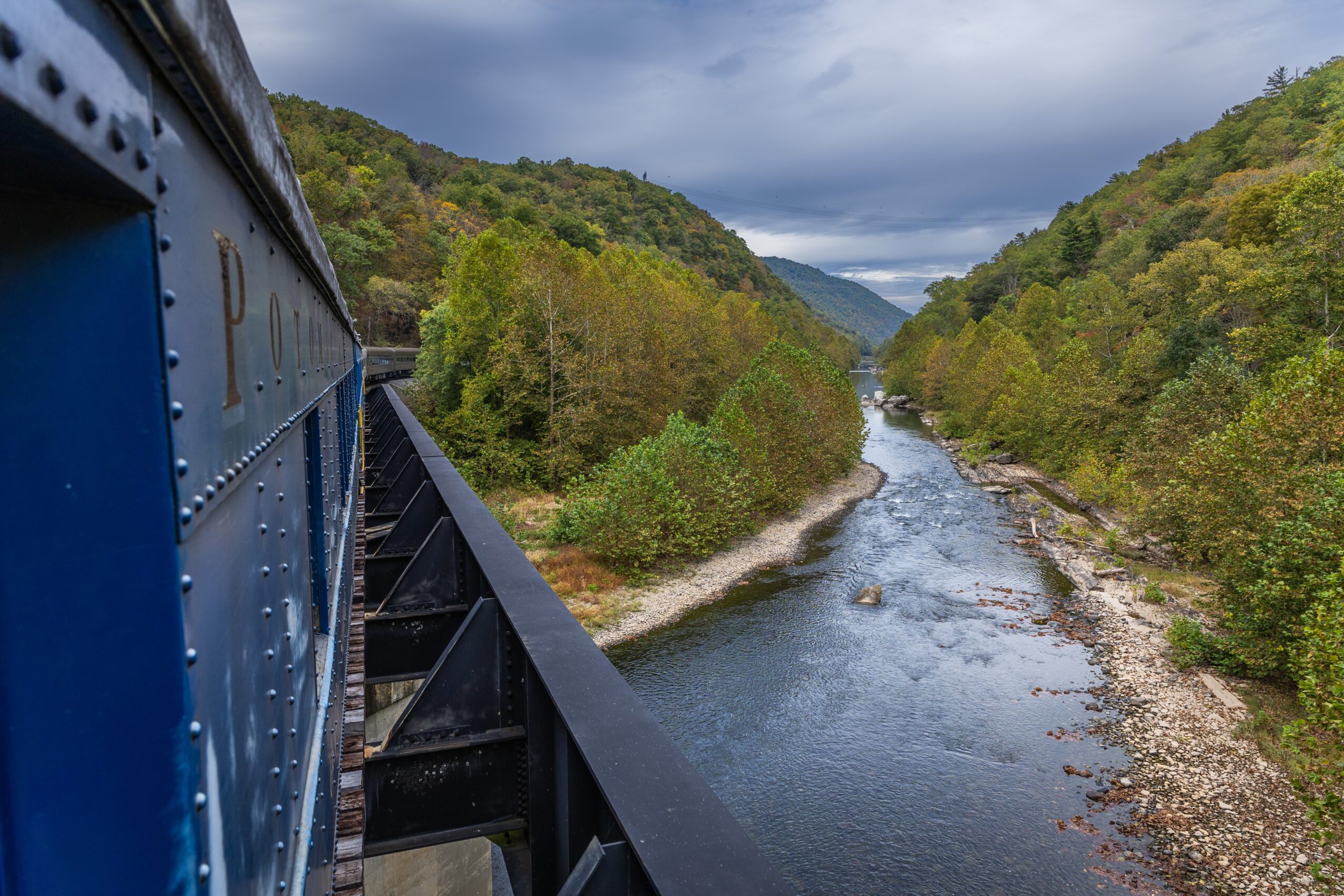
The story of Potomac Eagle Scenic Railroad began in 1991, when our maiden voyage carried passengers through the Trough, a rugged river canyon along the South Branch Potomac River, nestled deep within the Appalachian Forest. Bald eagles were already making their home here, and the timing was remarkable. In 1981, the first bald eagle nest documented in West Virginia following the species’ dramatic decline was discovered right here in the Trough. As conservation efforts helped bald eagles recover, this area became an important part of that story. When our train began running a decade later, the eagles were already here, and they have been part of what makes the Potomac Eagle journey special ever since.
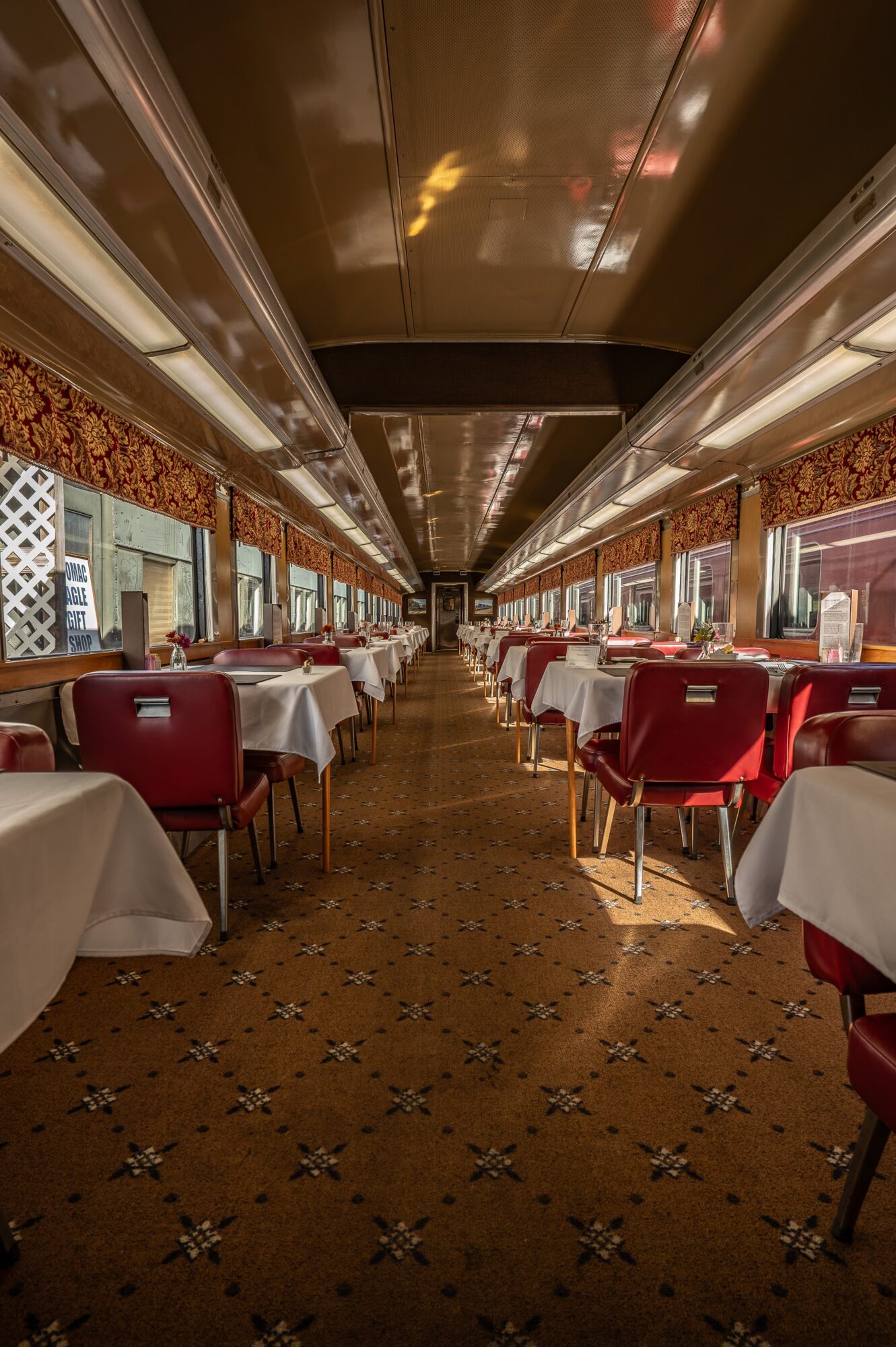
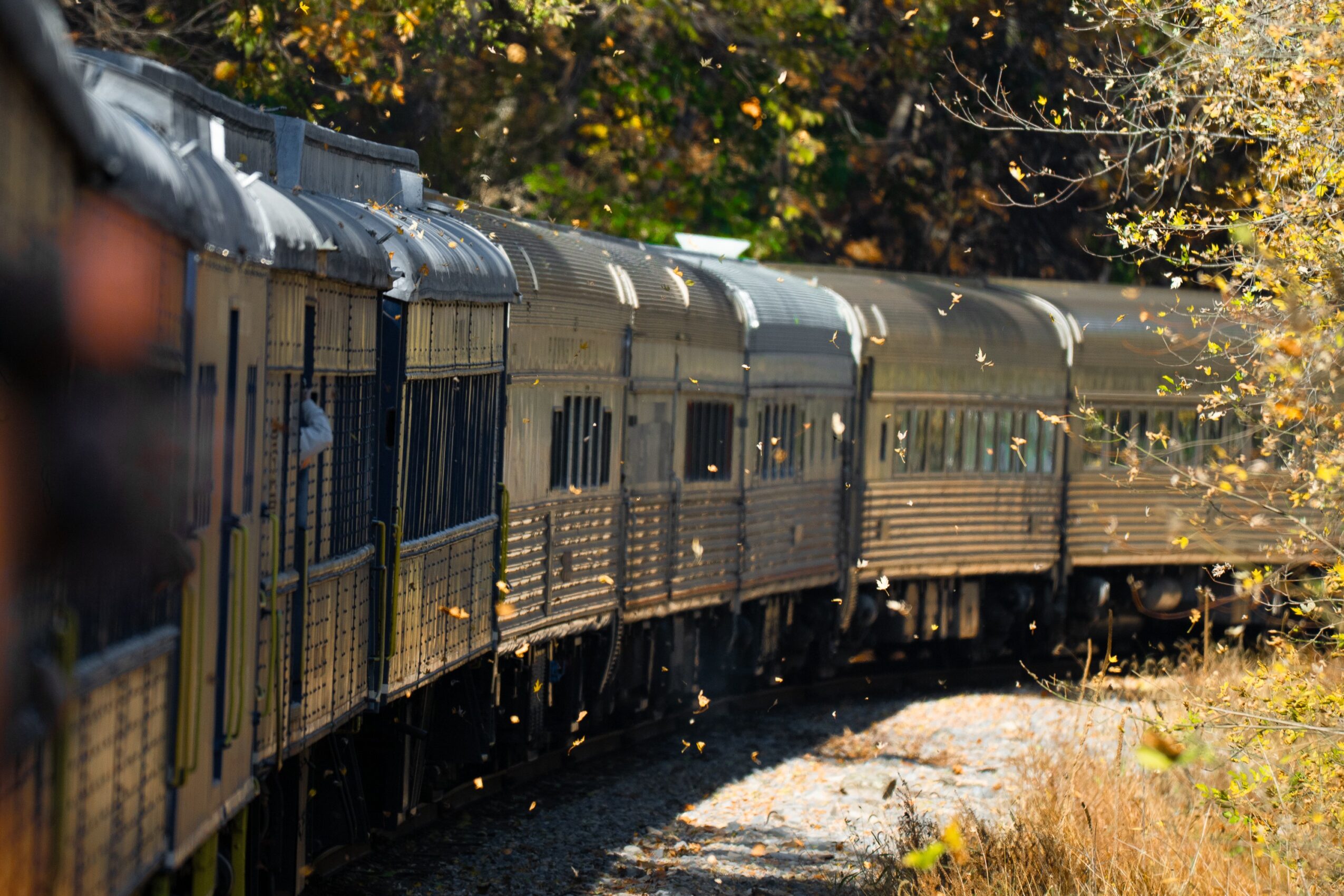
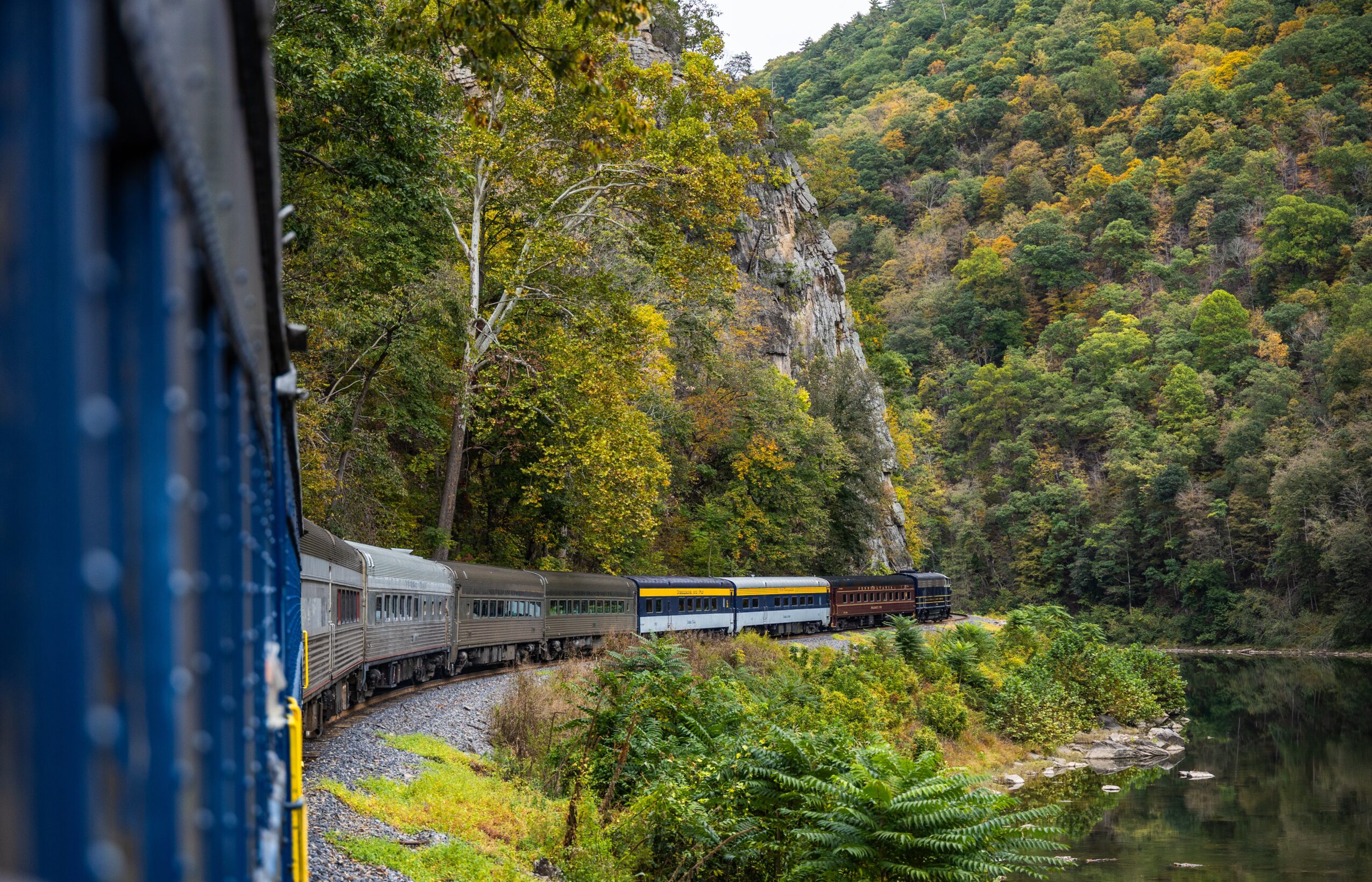
Today, Potomac Eagle is a heritage railroad that brings together railroad history, wildlife, dining, and the natural beauty of the Potomac Highlands. We operate vintage passenger cars pulled by historic diesel locomotives. Traveling by train offers a different perspective on the countryside, with the sights and sounds of the railroad adding to the journey.
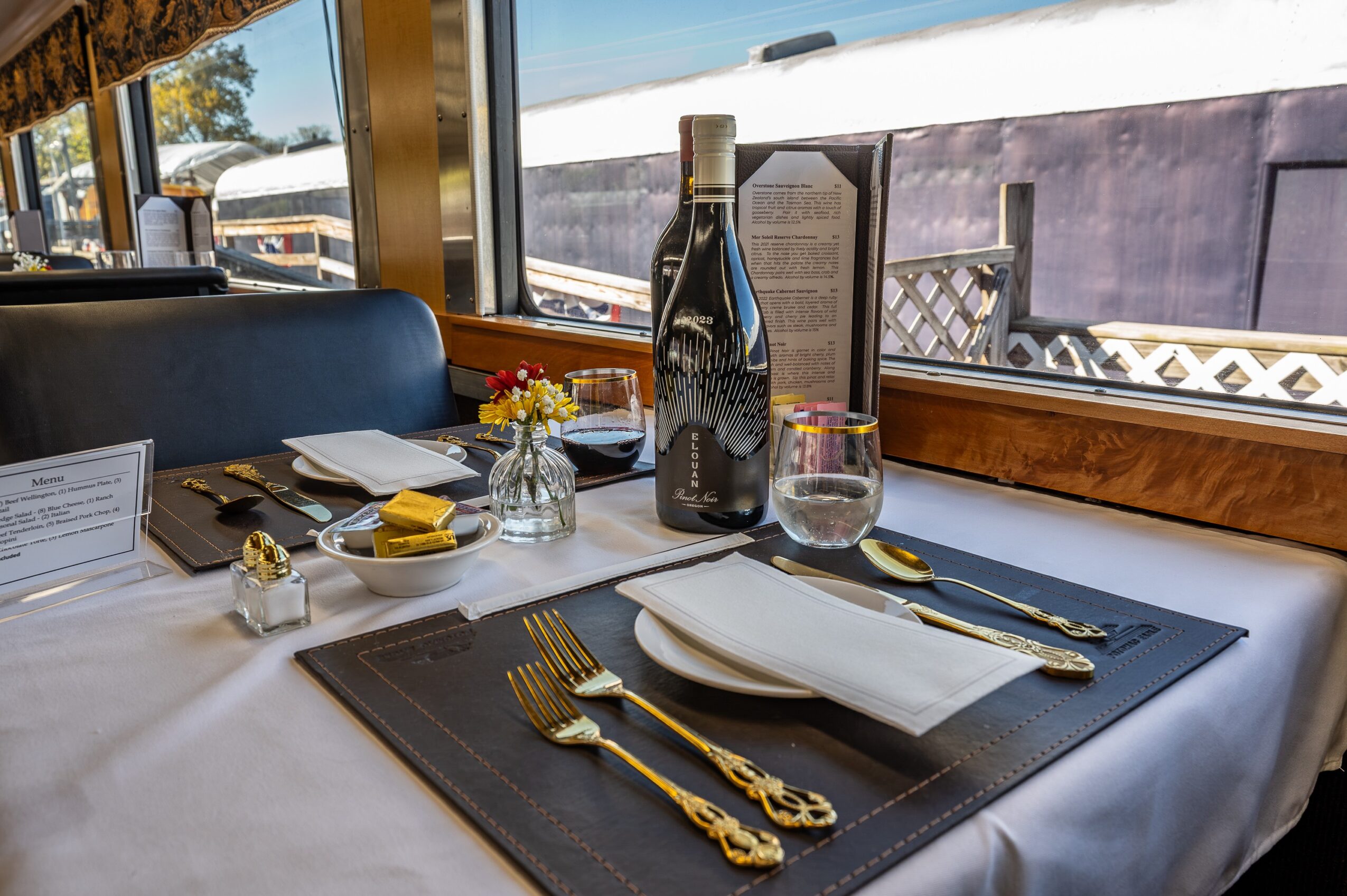
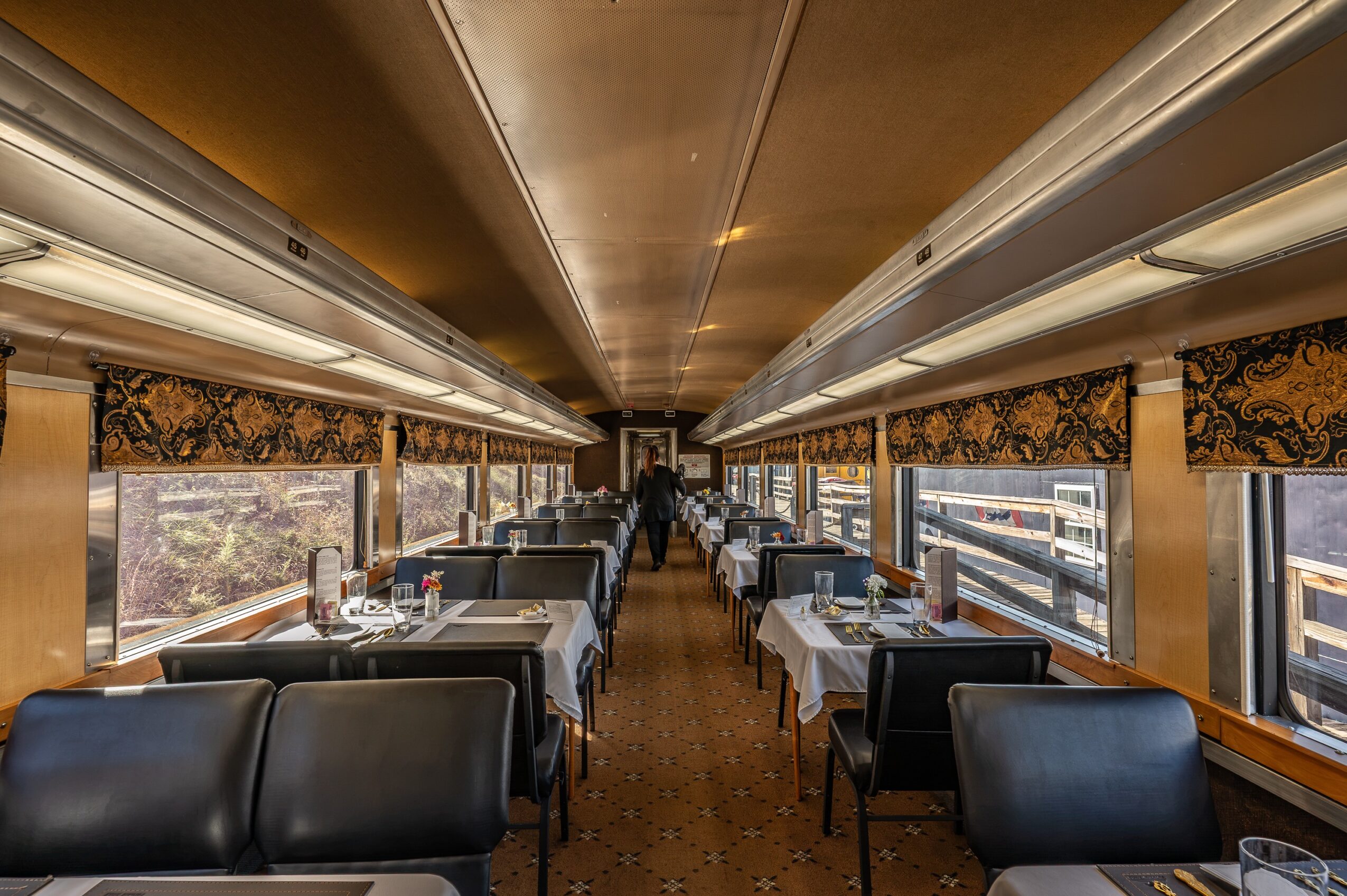
One of the things that makes us unique is that we’re also a mobile restaurant. Our onboard chefs prepare meals across five classes of service, ranging from Coach to our Club and dining experiences. Guests can choose everything from a more casual outing to an elegant, multi-course meal in a vintage dining car, with alcoholic beverages available in select classes. The combination of regional scenery and onboard dining gives guests another reason to make the journey.
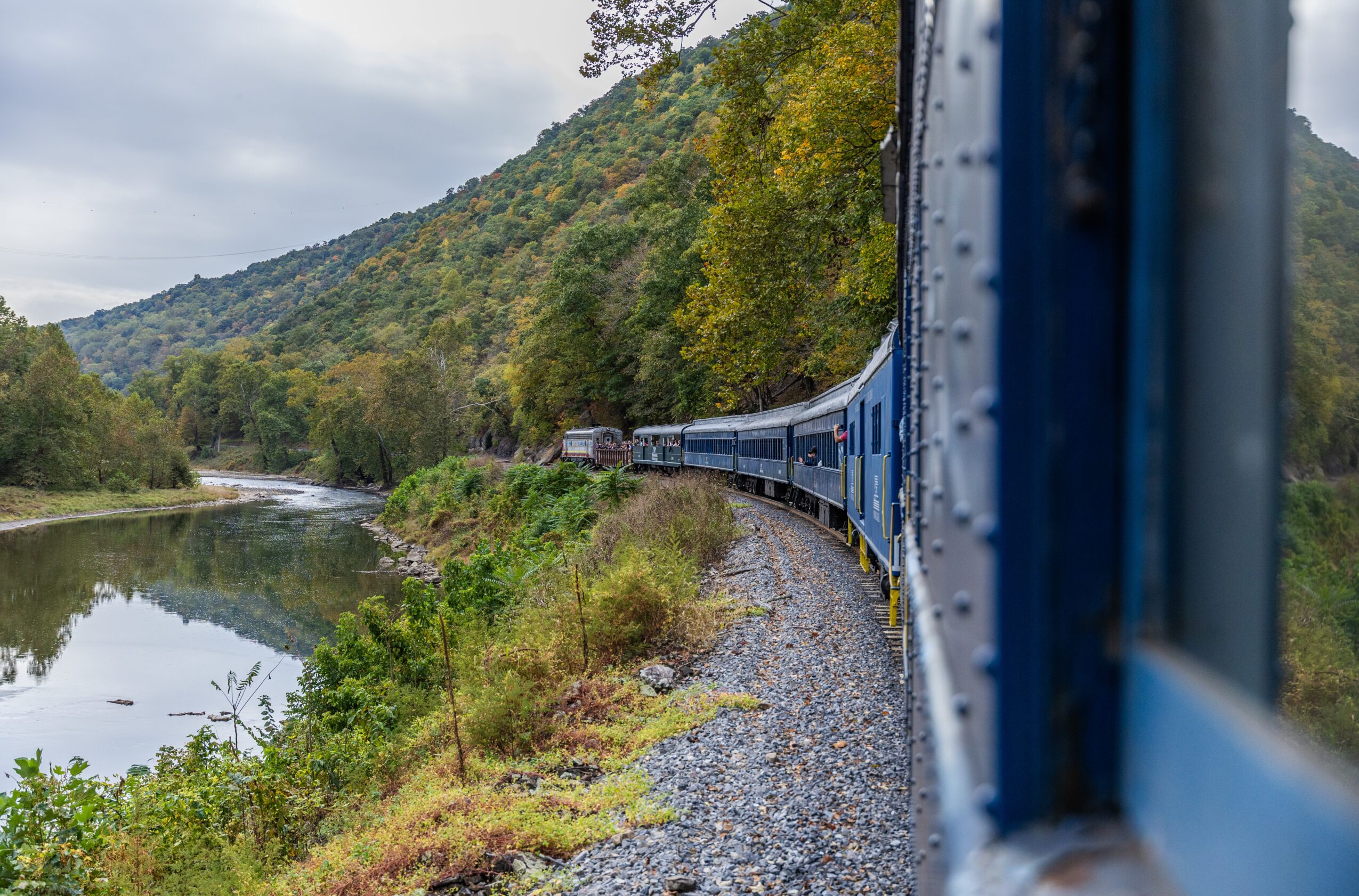
Our open-air observatory cars offer another way to take in the surroundings, allowing passengers to step outside and enjoy the fresh air, river, forested canyon walls, and wildlife. We also work to make the heritage railroad experience accessible to people with a range of abilities.
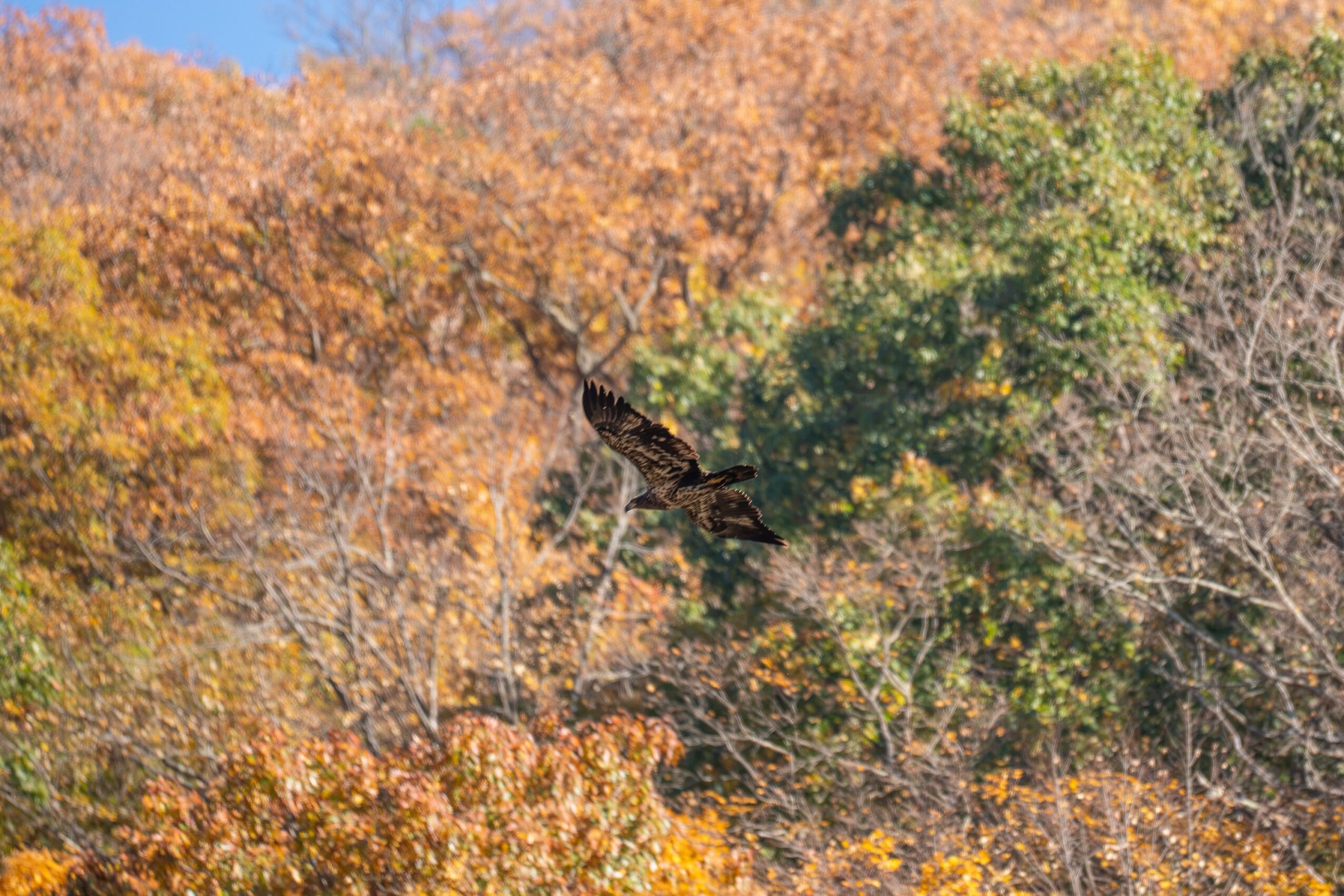
Potomac Eagle offers a distinctive birding opportunity as well. Bald eagles are our biggest draw, but passengers may also spot a variety of other birds and wildlife. With eagle nesting sites along our rail corridor, each season brings different stages of the bald eagles’ life cycle, from nesting and raising young to watching juveniles mature. Year-round excursions offer changing views of the region’s wildlife and scenery.
The history of the region is just as fascinating. George Washington traveled through this area on a surveying expedition in 1748 and is credited with naming the Trough. Today, passengers can discover this hidden gem of Almost Heaven, as the train follows the river through the canyon. Live historical narration brings the region’s stories to life throughout the journey.
Ultimately, Potomac Eagle brings together several experiences in one trip: railroad heritage, onboard dining, birding, wildlife, and the history and natural beauty of Appalachia. Guests may come aboard hoping to see a bald eagle, enjoy a train ride, explore local history, take photographs, or share a memorable meal. Often, they discover much more than they expected. That blend of experiences is what makes Potomac Eagle special, season after season.
Would you say it’s been a smooth road, and if not what are some of the biggest challenges you’ve faced along the way?
Running a heritage railroad comes with many challenges. The ongoing costs of diesel, food, equipment, and operations are significant, while restoring and maintaining vintage rail cars and locomotives is a tremendous undertaking that requires specialized knowledge, skilled labor, time, and resources.
Finding and retaining skilled employees, including engineers, conductors, mechanics, and other specialized workers, can be particularly difficult because of our rural location. That same rural setting creates challenges beyond staffing. Marketing the railroad and reaching new audiences requires extra effort because we are not located in a large population center, and lodging and other visitor accommodations are limited in the surrounding area. We have a wonderful experience to offer, but getting people to discover us, plan a trip, and find a place to stay can be a challenge in a rural destination.
At the same time, those challenges are part of what makes the Potomac Eagle special. We are located in a remote part of West Virginia that has remained largely untouched, and that sense of getting away from it all is an important part of the experience we offer.
Alright, so let’s switch gears a bit and talk business. What should we know about your work?
My professional background is in aquatic biology, with experience in fieldwork and management across both government and private industry. As an aquatic scientist, I learned to understand the health and character of an ecosystem by looking at the organisms living within it—sometimes the smallest creatures could tell you the biggest story about the quality of the water and habitat. I later moved into education, including homeschooling my own children, before returning to the workforce as a local tourism director.
As a West Virginia native, I also grew up with an appreciation for trains and the important role railroads have played in our state’s history. Railroad heritage is deeply woven into the story of West Virginia, and through my work in tourism I became passionate about helping people discover the incredible heritage train experiences available throughout the state. That work eventually introduced me to the Potomac Eagle Scenic Railroad and opened the door to my current role.
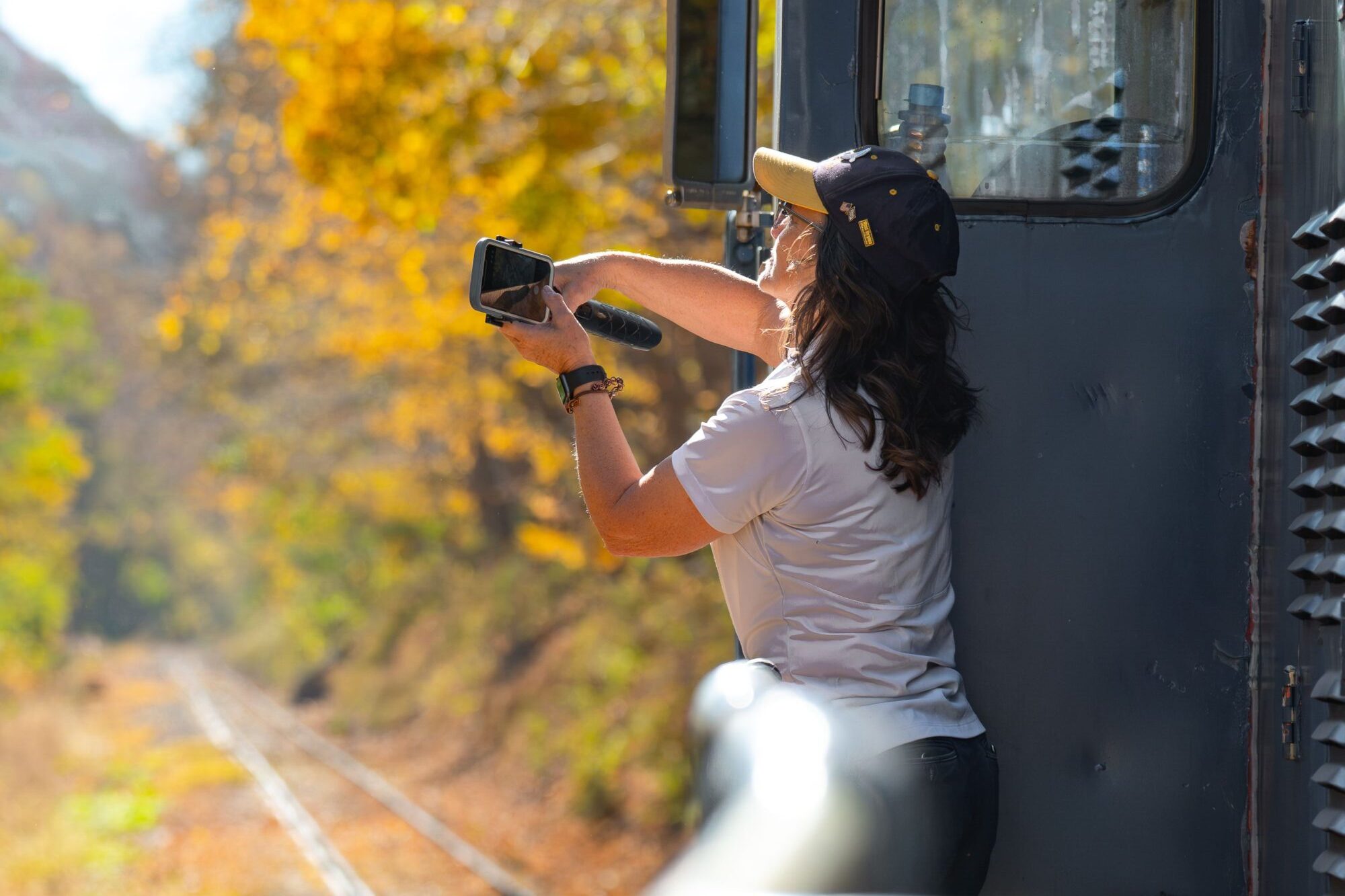
My love of birds and birding began during graduate school, when I took my first formal birding trip to a West Virginia swamp. Birding has remained a favorite recreational activity ever since, and over time I have become increasingly interested in learning more about birds and sharing that enthusiasm with others. I have always loved photography and telling stories through both images and words, so finding a place where those interests could come together felt like a natural fit.
The Potomac Eagle brings together so many things I care about: water ecology, birds, photography, railroad heritage, nature, and storytelling. The train travels through a hidden gem of an Appalachian canyon along the South Branch Potomac River, where bald eagles and other wildlife are part of the experience. I saw an opportunity to help define the railroad not simply as a train ride, but as an outdoor recreational experience and a unique way to experience nature and birding from the rails.
In some ways, my work has simply changed what I scan for. As an aquatic scientist, I looked beneath the surface and used the creatures living in the water to help understand the health of an aquatic system. Today, I find myself looking up and scanning the skies, treetops, riverbanks, and mountainsides. Birds can tell us a great deal about the habitats they depend on, and the presence, abundance, and diversity of birds can provide meaningful clues about the health and character of a landscape.
I was brought into the role of social media manager at the Potomac Eagle, and it was a natural fit. I have always loved expressing ideas through images and words, and suddenly I had a place where I could combine photography, storytelling, science, and my love of birds every day. I now help tell the railroad’s story through photographs, video, and written content, while also managing educational field trips, connecting students with real-world experiences, and serving as a nature guide while riding the train.
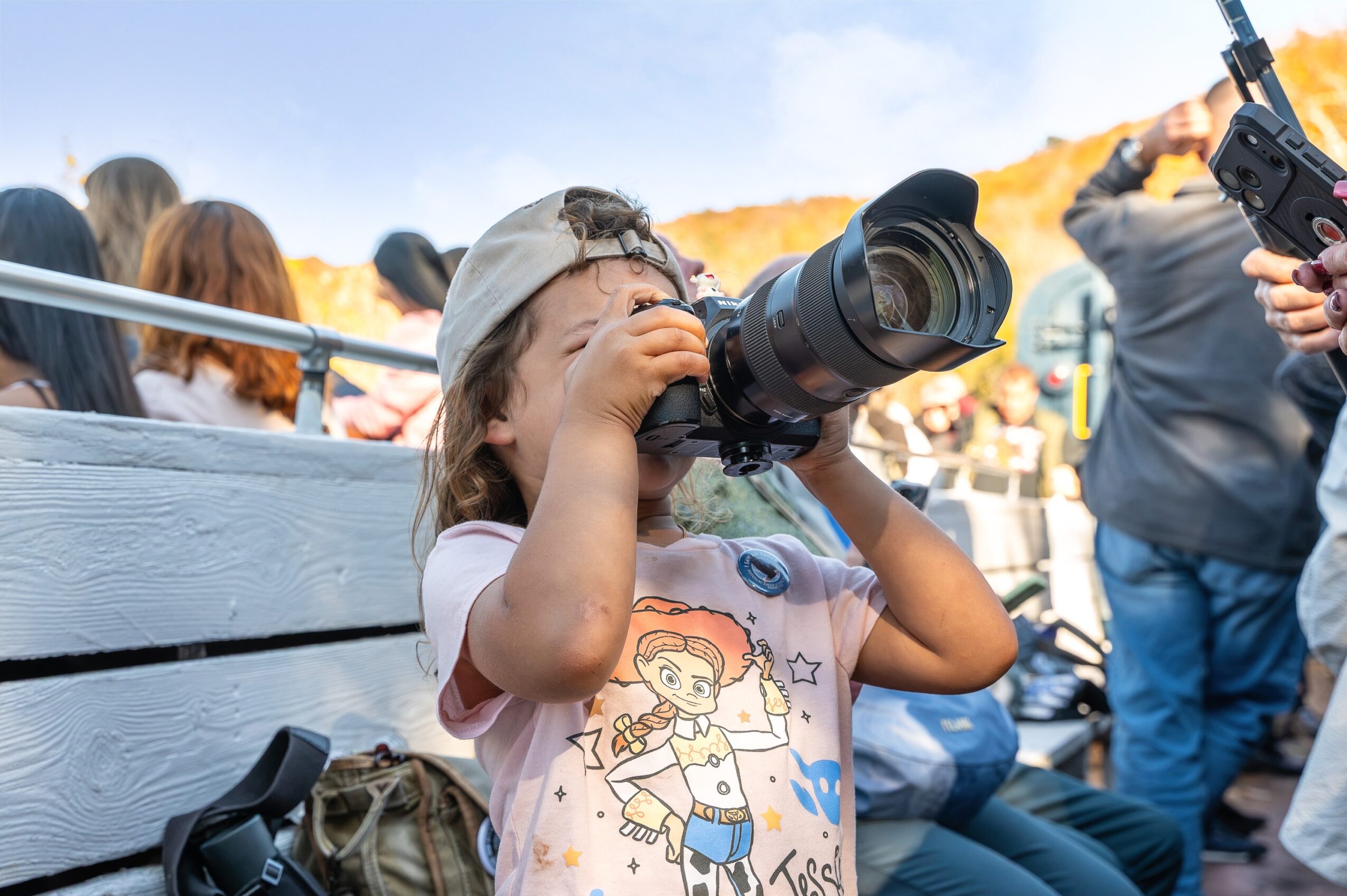
I have also continued to champion the experience of riding West Virginia’s heritage trains, including the Potomac Eagle, and I have had the opportunity to see the fruits of that work. Now, five years into my tourism career, one of the things I enjoy most is seeing young families arrive with binoculars in hand—not just ready for a train ride, but excited to explore, watch for wildlife, and experience the landscape around them. There is something especially rewarding about seeing a new generation discover that trains and birding can be cool.
That is something I want to continue building. I want to help connect the Potomac Eagle with the birding community, encourage more people to discover birding, and share the birds and habitats along the route with people who may be seeing them for the first time. I also love learning from other birders and finding new ways to support and grow that community.
For me, the connection is remarkably natural. My scientific background taught me to look closely at ecosystems. My love of birds taught me to look up. My West Virginia roots gave me an appreciation for trains and the railroad heritage that helped shape our state. My passion for photography and storytelling gives me a way to share what I find. And the Potomac Eagle has given me a place where all of those interests can come together.
What started as a career in science, followed by education and tourism, has ultimately brought me to a role where I can help people experience West Virginia through its landscapes, wildlife, history, and railroads—and hopefully inspire a few more people to grab a pair of binoculars and climb aboard.
How do you think about luck?
I’ve never really thought of my career in terms of luck. Looking back, there have certainly been unexpected turns and opportunities I couldn’t have planned for, but I think a lot of it comes down to being willing to learn, grow, and follow new paths as they open up. My career has taken me through science, management, education, and now tourism, and each experience has built on the ones before it. In many ways, the skills and knowledge I gained along the way prepared me for opportunities I never would have anticipated. I think being open to change and continuing to learn has played a much bigger role in my life than luck.
Pricing:
- Our ticket price is based on the excursion and the class of service you choose.
- potomaceagle.com
Contact Info:
- Website: https://Potomaceagle.com
- Instagram: @potomaceagle
- Facebook: @potomaceagle
- Twitter: @potomaceagle
- Youtube: @potomaceagle