




Today we’d like to introduce you to Craig.
Hi Craig, can you start by introducing yourself? We’d love to learn more about how you got to where you are today?
II began my culinary journey over 35 years ago as a cook and worked my way up through chef positions. That’s where my love for hospitality truly took root. Early on, I competed in culinary competitions, winning first place at both the local and state levels, which took me to the national competition in Oklahoma.
During that event, I realized I had brought the wrong knife and had to improvise. In the process, I sliced my thumb. I hid the injury from the judges—taping it up and using a plastic bag as a makeshift glove—so I could continue. A judge eventually noticed and insisted I show my hand. I ended up in an ambulance for stitches but returned to finish the competition, placing fifth in the nation. Several judges later told me I should have won, but the injury had clearly affected my knife skills.
At the awards ceremony, recruiters from Cornell, Johnson & Wales, and the Culinary Institute of America offered me scholarships. I accepted the CIA offer, only to learn I was still a junior in high school and ineligible. Johnson & Wales then stepped in with the same package through their Access program, allowing me to skip my senior year. I entered culinary school at 16 and graduated with my associate’s degree at 18.
For nearly three decades, I poured everything into restaurants and food service, embracing the long hours, tight margins, and the grind of creating experiences people remember. After challenging early jobs and rewarding years in resort kitchens—where I worked with exceptional chefs and premium ingredients—I set my sights on becoming an executive chef capable of excelling in fine dining, casual service, banquets, and everything in between. That commitment to quality and versatility still guides me today.
In the early 2000s, my wife and I took the leap into entrepreneurship, opening a cafe and catering business with little more than a $500 credit card limit. We bootstrapped everything: I bought used equipment, built dining tables from fence posts and plywood, and we made do with plastic furniture while hand-washing tablecloths every night. All of this while raising a family—she worked full-time as a graphic designer and still contributed every available hour. Those early days at Mossy Creek taught me resilience and the importance of staying true to quality.
As the business grew, however, I saw the challenges of relying on the hardcore “bar fly” crowd. I wanted to create something different—a place centered on great food, consistent beers, cider from our own farm, and meaningful experiences for families, tourists, and the community. So we sold Mossy Creek and fully committed to our new vision at Hermitage Hill Farm in Waynesboro.
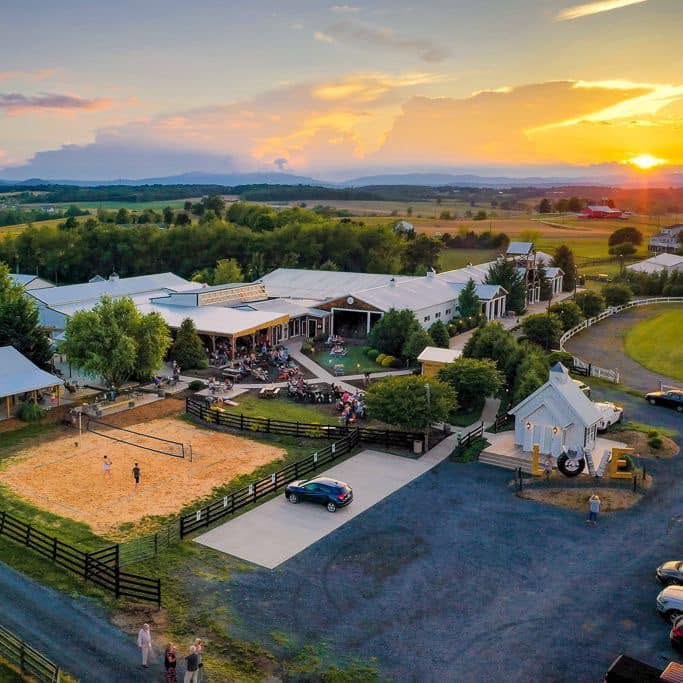
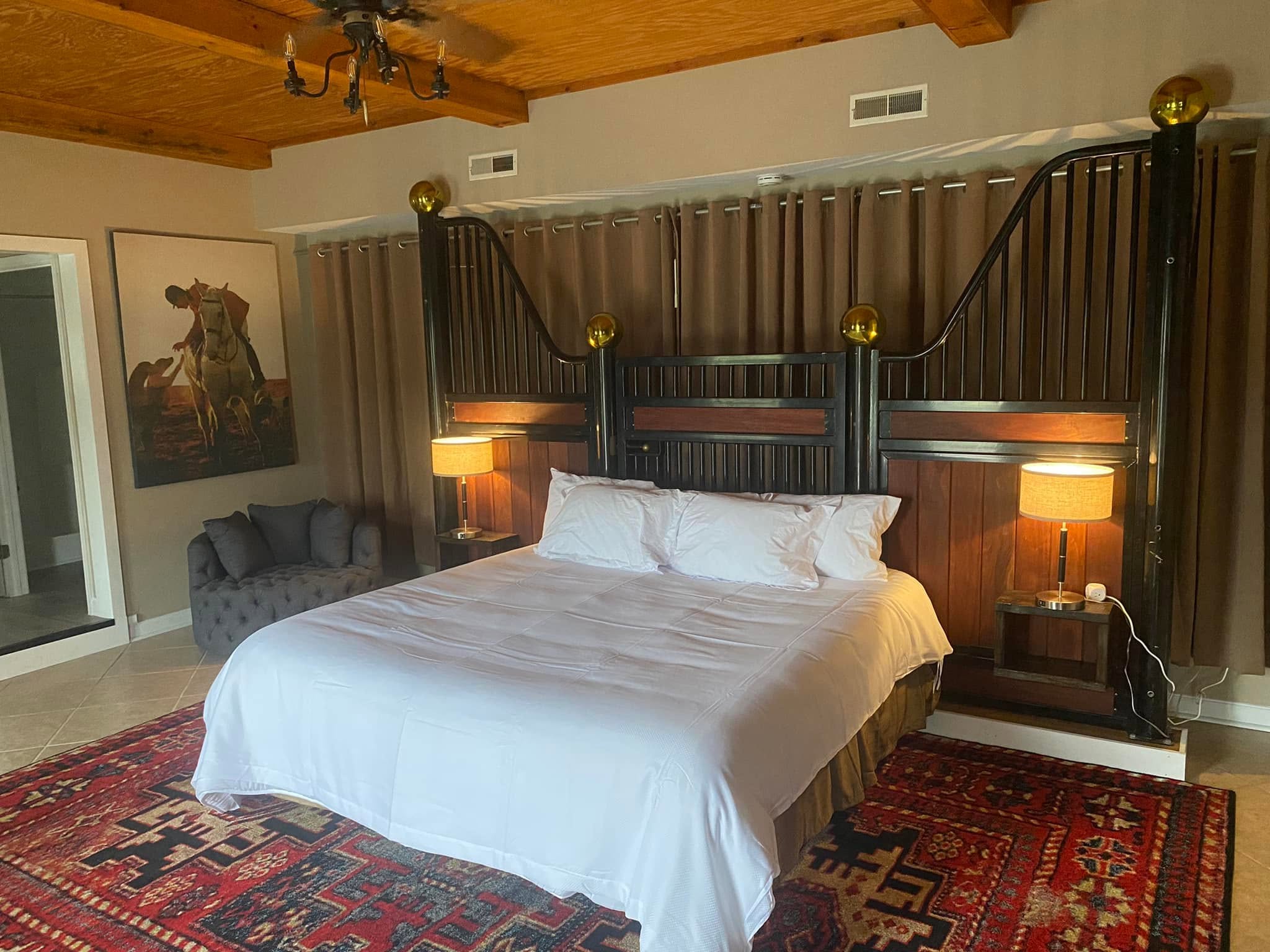
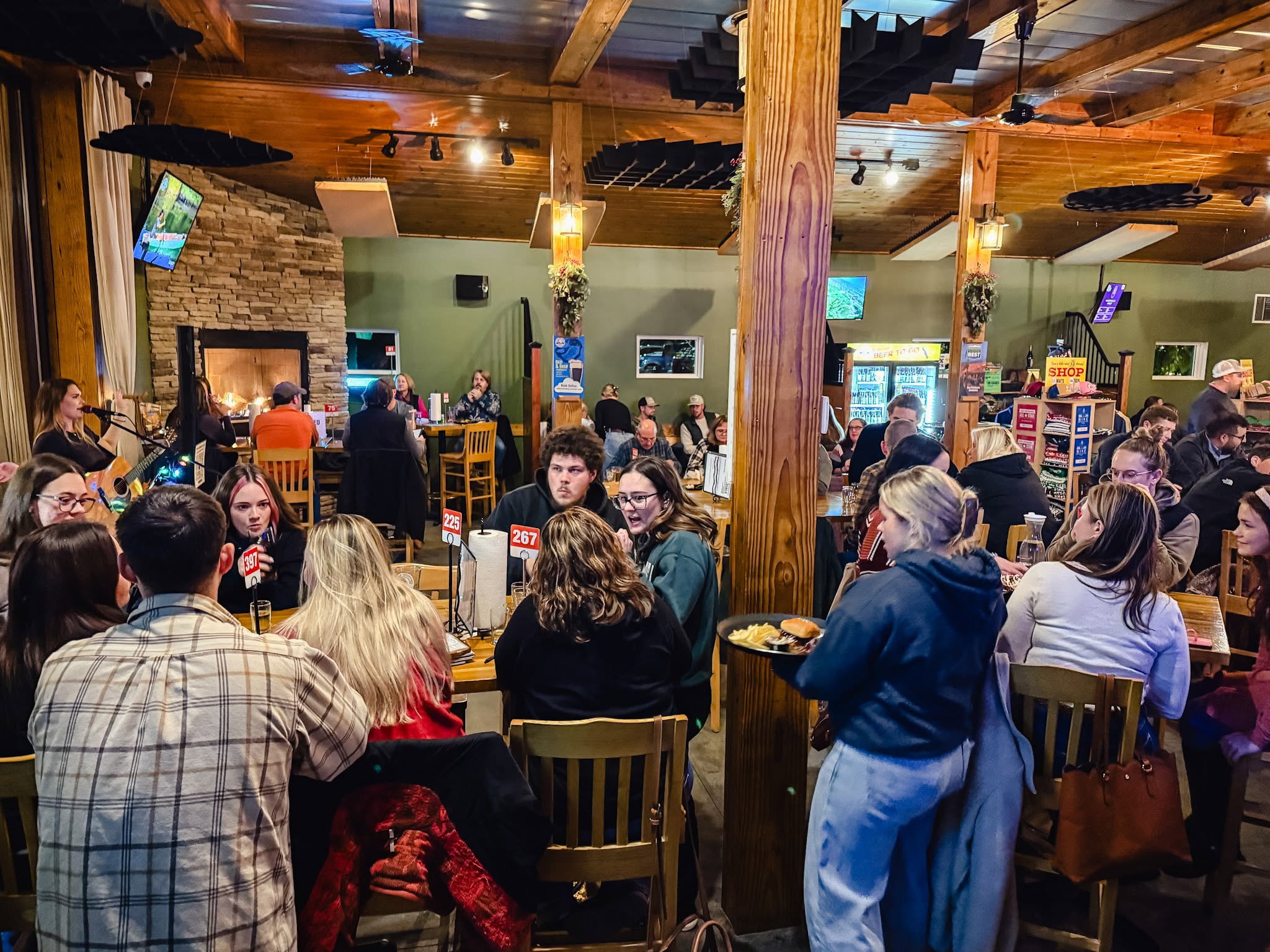
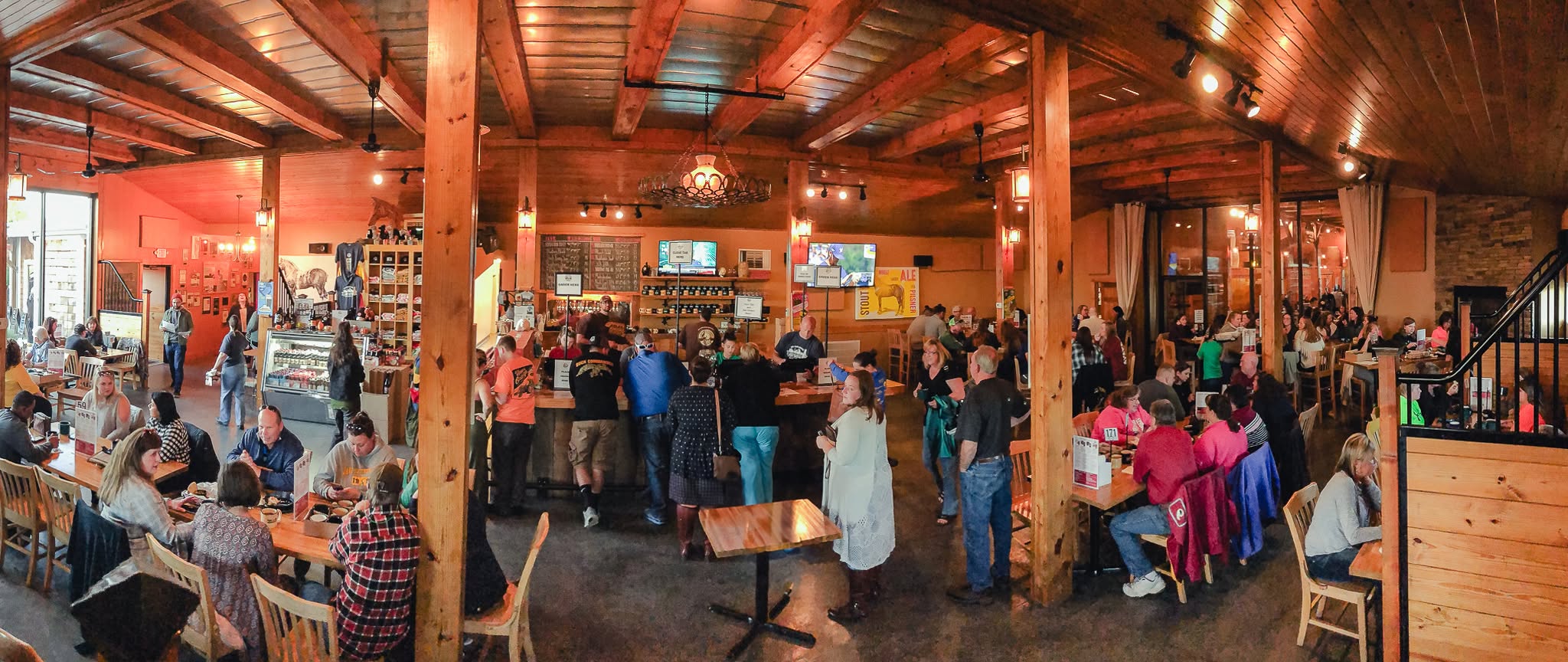
Today, Stable Craft Brewing is a Virginia Green-certified farm brewery and cidery on the Shenandoah Beerwerks Trail. We’ve expanded into agritourism with on-site lodging suites, event spaces, farm trails, and a deliberate focus on quality over volume. We host weddings, reunions, live music, and farm-to-table dinners while staying active in local tourism grants and Virginia Craft Brewers Guild advocacy, and supporting the working-class professionals who power this industry.
It has been a journey of sacrifice, adaptation, pivots, and persistence. I’m proud that we’ve built a place where people create lasting memories in the beauty of the Shenandoah Valley.
Would you say it’s been a smooth road, and if not what are some of the biggest challenges you’ve faced along the way?
No, it hasn’t been a smooth road at all—opening a farm-based business that welcomes families, business professionals, and tourists came with more challenges than you could possibly list on one legal pad with three columns.
The regulatory hurdles alone were enormous. We were trying to create something that really only works in a rural setting, with very few precedents to follow. That meant deep dives with local and state government to help frame our vision, because we didn’t fit neatly into any single box of existing regulations. Agritourism isn’t just picking vegetables or fruit—it’s an immersive experience that opens up the day-to-day operations and shows people exactly how their food and drink get to the table. That level of transparency is what guests crave, but building an operation that meets all federal, state, and local requirements took countless steps, endless paperwork, and a tremendous amount of time and perseverance. We also had to constantly address myths and pushback from naysayers along the way.
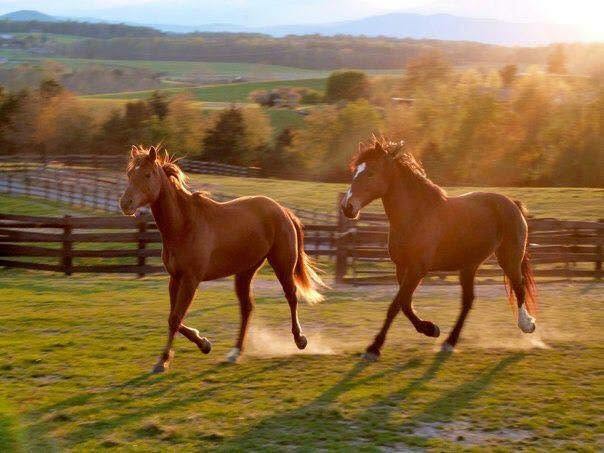
The biggest practical hurdles were health and safety, and integrating those standards thoughtfully into the facility design. I was determined to honor the roots of the original horse stable, which are still unmistakable throughout the property. From the outside, the buildings look like classic modern farm structures, but once you step inside, it transforms into a stunning visual experience. I think we’re probably the only place in the world where horses are housed in the same building right next our tasting rooms.
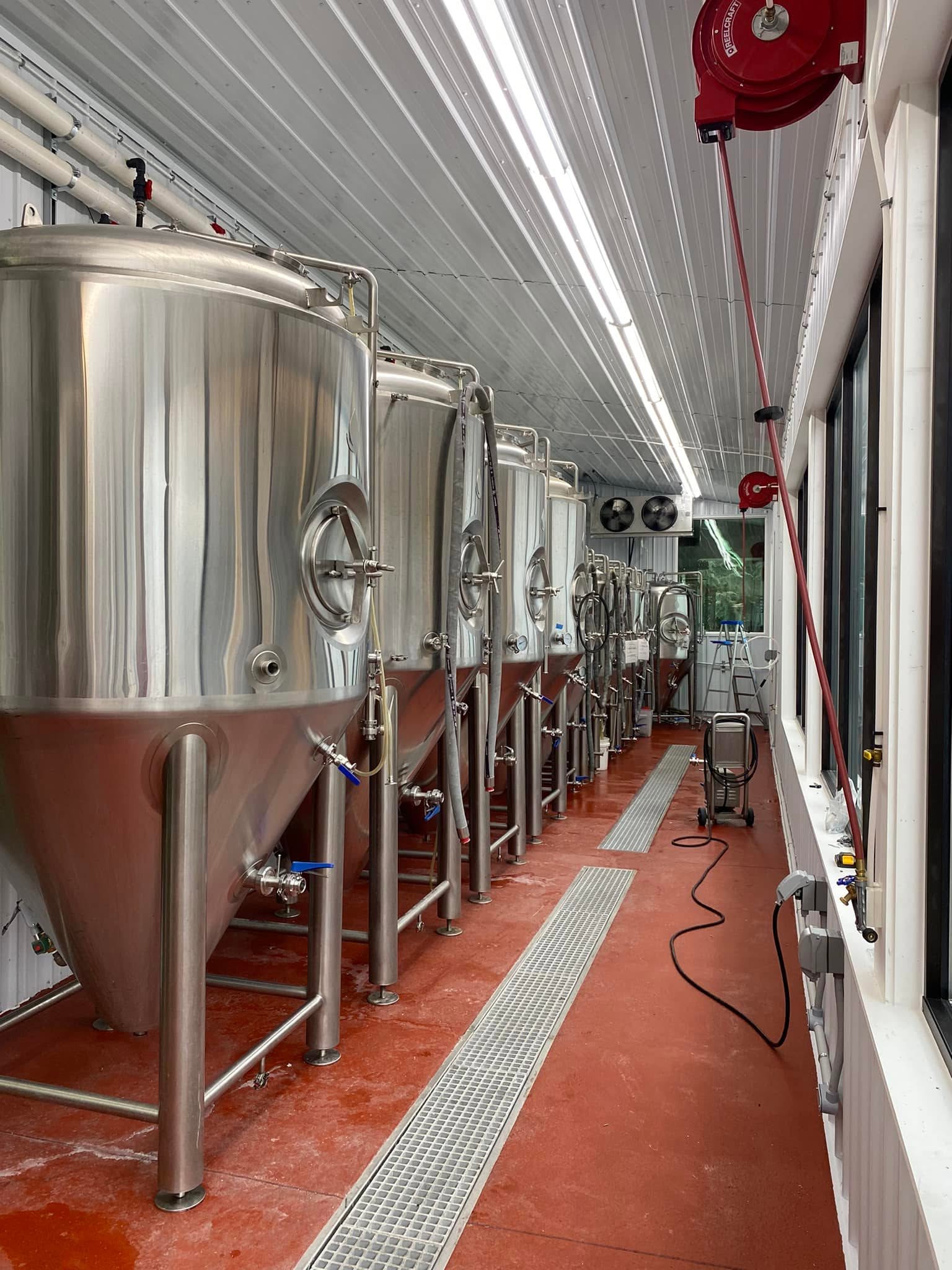
At the end of the day, we’re essentially operating our own little micro-town. That means managing full infrastructure for water, electric, generators, and communications systems. We grow our own hops, peaches, and herbs, continue to pasture horses, and follow sustainable practices that reduce water and energy use. One of our favorite unique projects is in the greenhouse, where we capture CO₂ from returned kegs and steam from the boil kettle, while sending spent grain to a local farmer for cattle feed. We’ve also streamlined the brewing process to cut down on wastewater, with a portion of that water now used to irrigate our hop yards. Another interesting fact is that I physically planted every shrub and tree across the entire property, all chosen to be horse safe and strategically placed to curate site lines.
It’s been incredibly challenging, but every hurdle has made the final result more meaningful.
As you know, we’re big fans of you and your work. For our readers who might not be as familiar what can you tell them about what you do?
I’d say my professional life and career are best captured through the lens of a chef and creative. I started as a chef over 35 years ago, and that foundation still shapes how I see life, business, and hospitality today. Cooking taught me that great experiences come from balancing flavor, presentation, and heart—making people feel cared for through every detail.
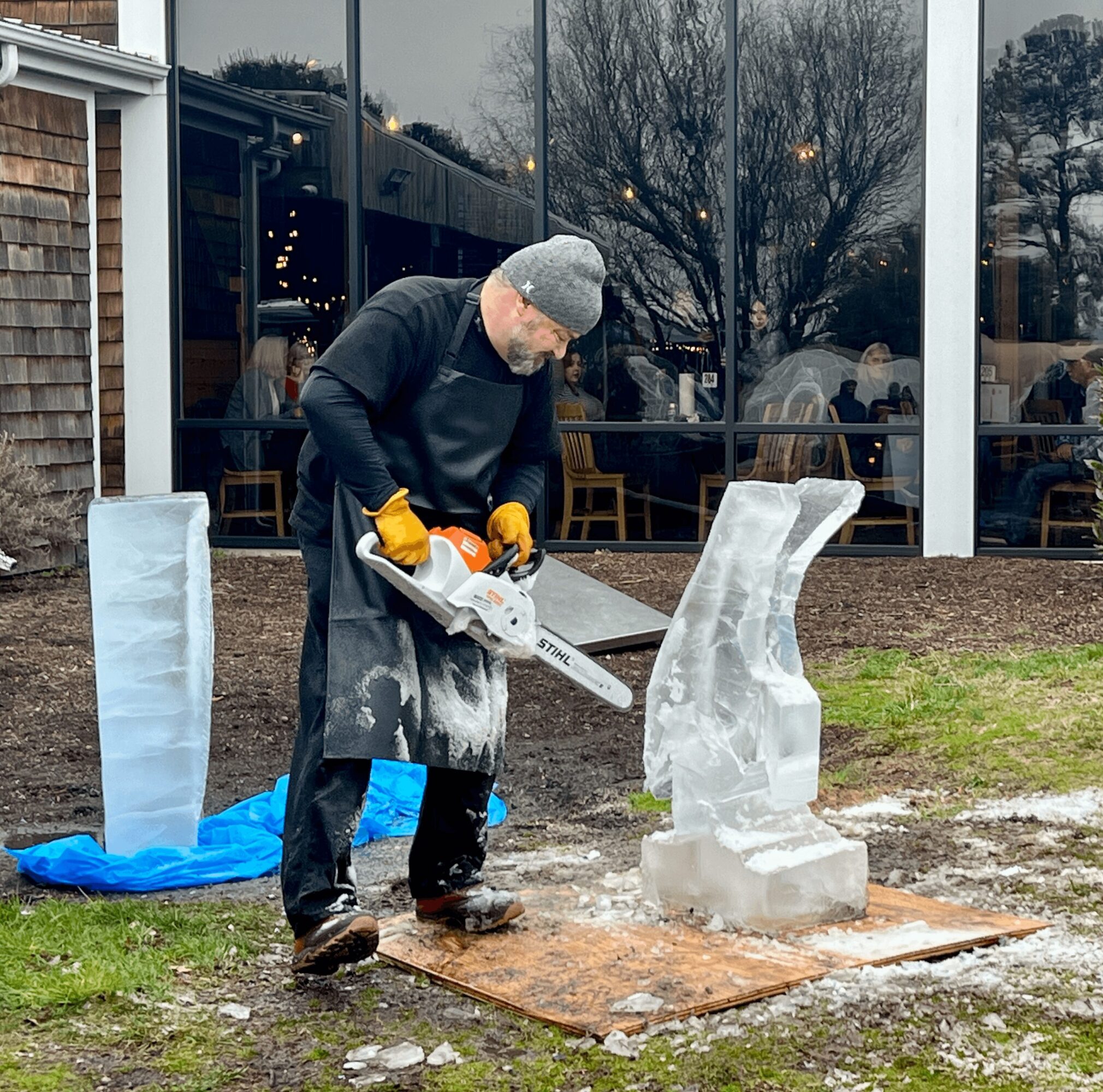
In my earlier career, I became known for elaborate ice carvings and sculptures. I created them for high-profile venues like Kiawah Island Resort and Wintergreen Resort, as well as for my own catering business. Ice work was a true artistic outlet—transforming a frozen block into something elegant that elevated events. As large ice houses became rarer and commercial ice block suppliers disappeared locally, it got much harder to source the material. Rather than let that skill fade, I invested in my own Clinebell freezer so I could keep producing and carving ice on the farm. That kind of creative persistence has carried through everything I do.
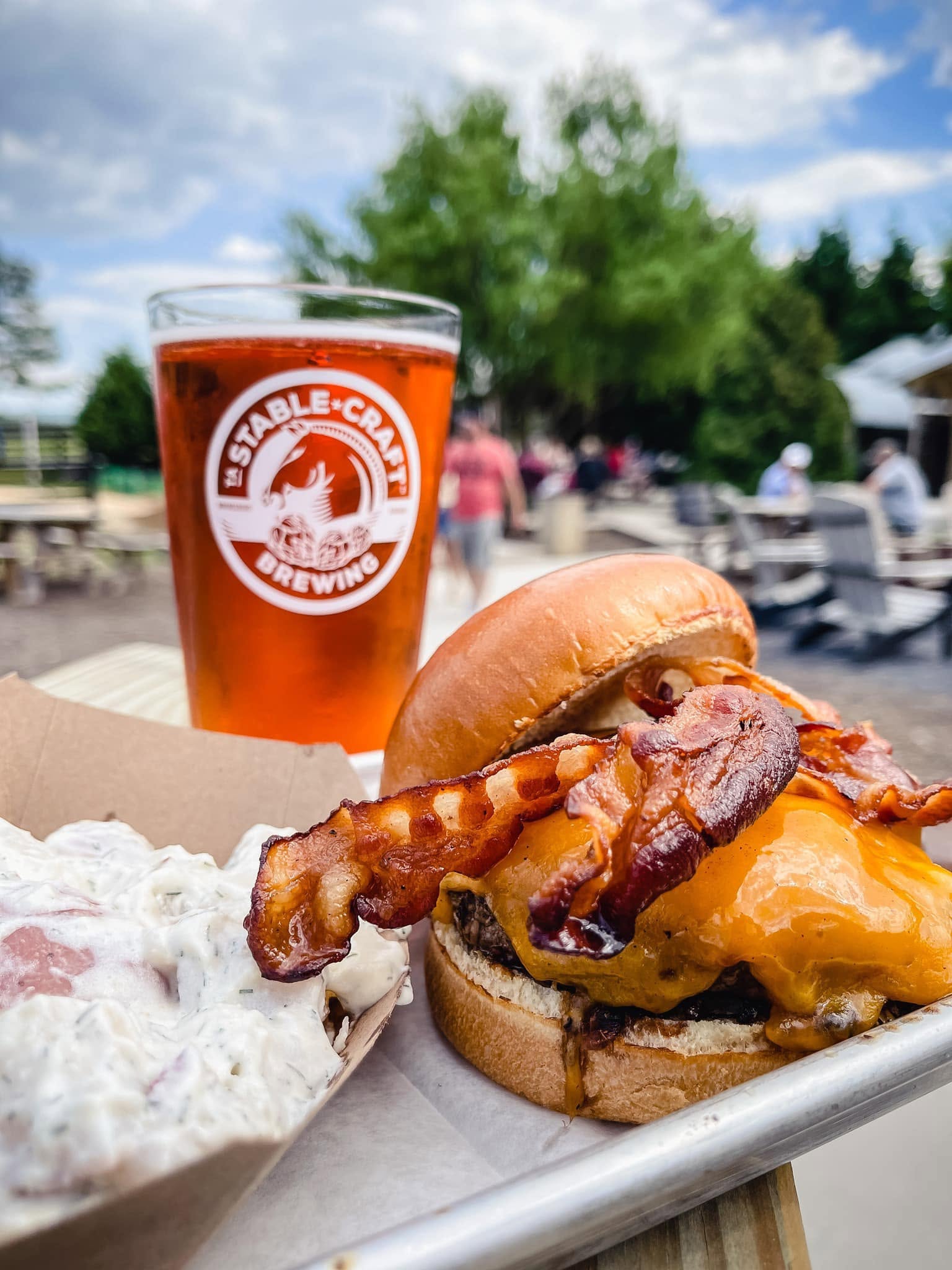
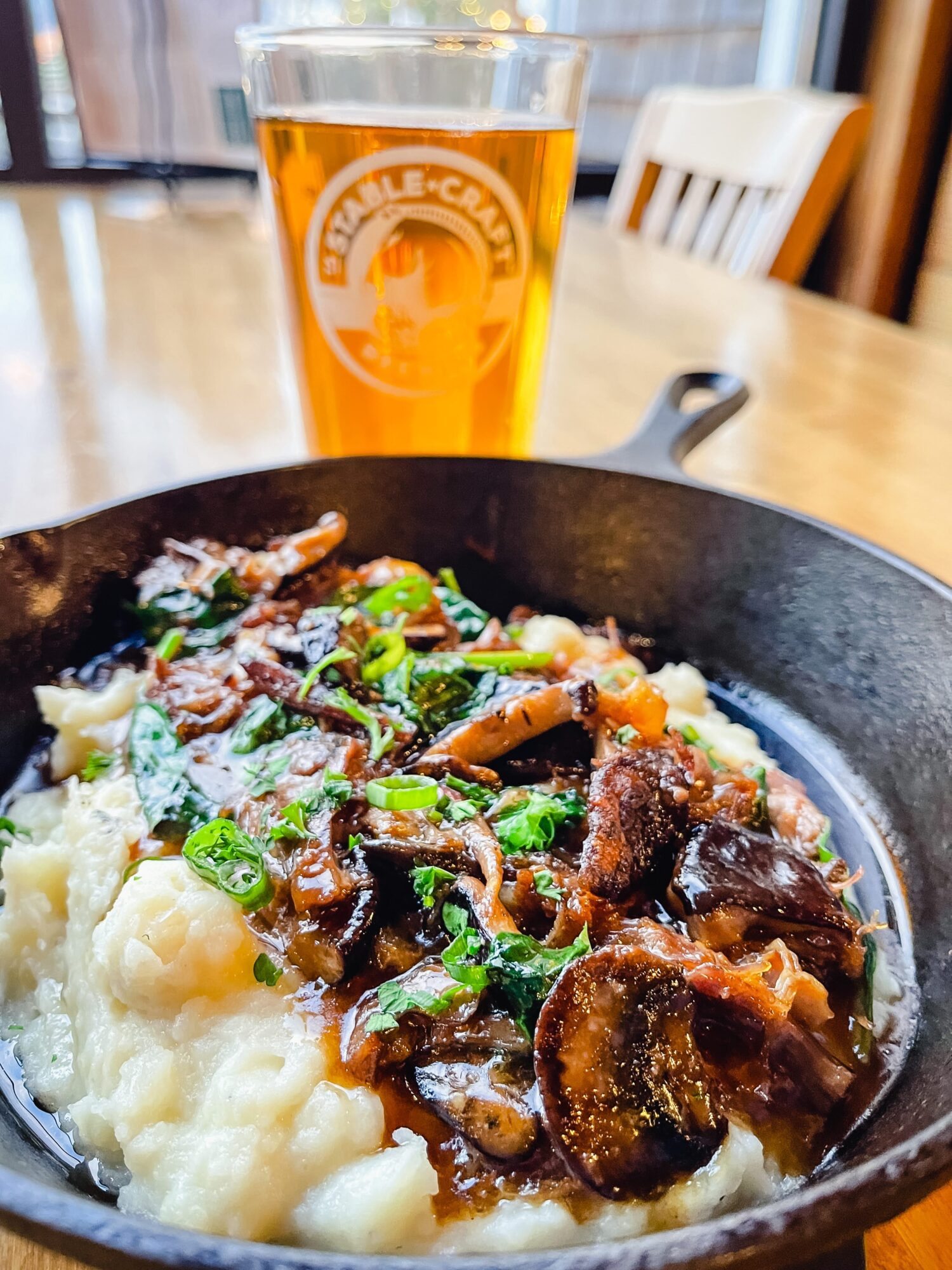
Today at Stable Craft Brewing, that chef’s mindset drives our culinary program. We built a beautiful, air-conditioned kitchen with modern equipment and made work-life balance a non-negotiable priority for our team—because happy, rested cooks create better food. Our menu blends classic comfort foods with bistro techniques: approachable dishes that deliver bold, familiar flavors in healthier, thoughtful ways. We source fresh, local ingredients whenever possible and love sharing the story behind them—how things are grown, brewed, or made right here on the farm.
For me, presentation still matters deeply. Flavors bring guests back, but aesthetics set the stage.
We’d love to hear about how you think about risk taking?
Some friends invite me along to casinos, I say I don’t gamble for fun, I’m already doing it, I’m a business owner.
I’ve never thought of myself as a reckless risk-taker, but I’ve definitely taken big, calculated risks throughout my career—especially when the alternative was staying in a situation that didn’t align with my values or vision.
My perspective on risk is shaped by 35+ years in hospitality. Risk isn’t about gambling; it’s about seeing a gap between “good enough” and “what’s possible,” then deciding if you’re willing to bet your time, savings, and reputation on the latter. I always weigh the downside against what I’m willing to lose—and more importantly, what I stand to gain for my family, team, and guests. The biggest risks usually come from staying the same too long.
One of the clearest examples was bootstrapping our first restaurant with essentially nothing. We started with a $500 credit card limit, used equipment, tables I built from fence posts and plywood, and plastic furniture. My wife and I were raising a young family while she worked full-time as a graphic designer and still helped every spare moment. That was a massive leap of faith—financially, physically, and emotionally.
Later, after successfully growing Mossy Creek, I took what felt like an even bigger risk: selling it and starting over with an entirely different model at Hermitage Hill Farm.
We had built a business that looked strong on paper, but the “bar fly” crowd and growing sense of entitlement were steering us away from the family-friendly, quality-focused agritourism experience I truly wanted to create. Walking away from a successful, ongoing business to rebuild from the ground up—with farm-based lodging, events, our own cider production, and immersive guest experiences—was daunting. It meant navigating new regulatory challenges, making significant infrastructure investments, and betting on a higher-end, experience-driven audience in a rural setting.
But it was the right move.
Every expansion—adding lodging suites, pursuing tourism grants, investing in sustainable systems like our CO₂ capture greenhouse and water recycling for the hop yards—has carried risk. The same goes for prioritizing work-life balance for our culinary team and building a kitchen that supports creativity instead of burnout.
At the end of the day, I view risk through the lens of resilience and purpose. The hospitality industry teaches you that comfort is temporary, but conviction carries you through the hard parts. The greatest risk would have been never trying to build something meaningful in the Shenandoah Valley that honors where our food and drink come from while creating lasting memories for guests.
Pricing:
- Craft beer & Cider $7-8
- Hotel suites $179-$350
- Appetizers, Entrees, sandwiches, desserts $14-38
- Conference, meetings, banquets $3000 plus
- Tours $18-30
Contact Info:
- Website: https://www.stablecraftbrewing.com
- Instagram: https://www.instagram.com/stable_craft/?hl=en
- Facebook: https://www.facebook.com/stablecraftbrewing/
- LinkedIn: https://www.linkedin.com/company/11000768/admin/dashboard/
- Twitter: https://x.com/Stable_Craft