




Today we’d like to introduce you to Jameicia Thomas.
Hi Jameicia, so excited to have you on the platform. So before we get into questions about your work-life, maybe you can bring our readers up to speed on your story and how you got to where you are today?
My story is really a story of becoming.
I did not start out knowing exactly what I was called to do. In fact, much of my journey has been about discovering that what I thought were separate pieces of my life were actually preparing me for the work I am doing today.
Professionally, I began working in spaces where I was helping people create plans, develop strategies, navigate challenges, and become more intentional about their lives. Over time, I realized that I was naturally drawn to helping people see something greater in themselves. I could encourage someone, challenge the way they were thinking, help them recognize their strengths, and walk alongside them as they worked toward something different.
At the same time, God was doing that same work in me.
Around 2020 and 2021, my own life began going through a significant period of transition. I was pursuing my Master of Social Work, reevaluating relationships, changing professionally, and letting go of things that I had once thought would be a permanent part of my life. At the time, some of those changes felt like endings. Looking back, I recognize them as preparation.
I was learning who I was without the things I had attached my identity to.
That season brought me into a deeper relationship with God and forced me to confront some of the ways I had been thinking about myself, my purpose, and my future. I began to understand that transformation was not simply about accomplishing more. It was about becoming more aligned with who God created me to be.
That realization became the foundation for my work.
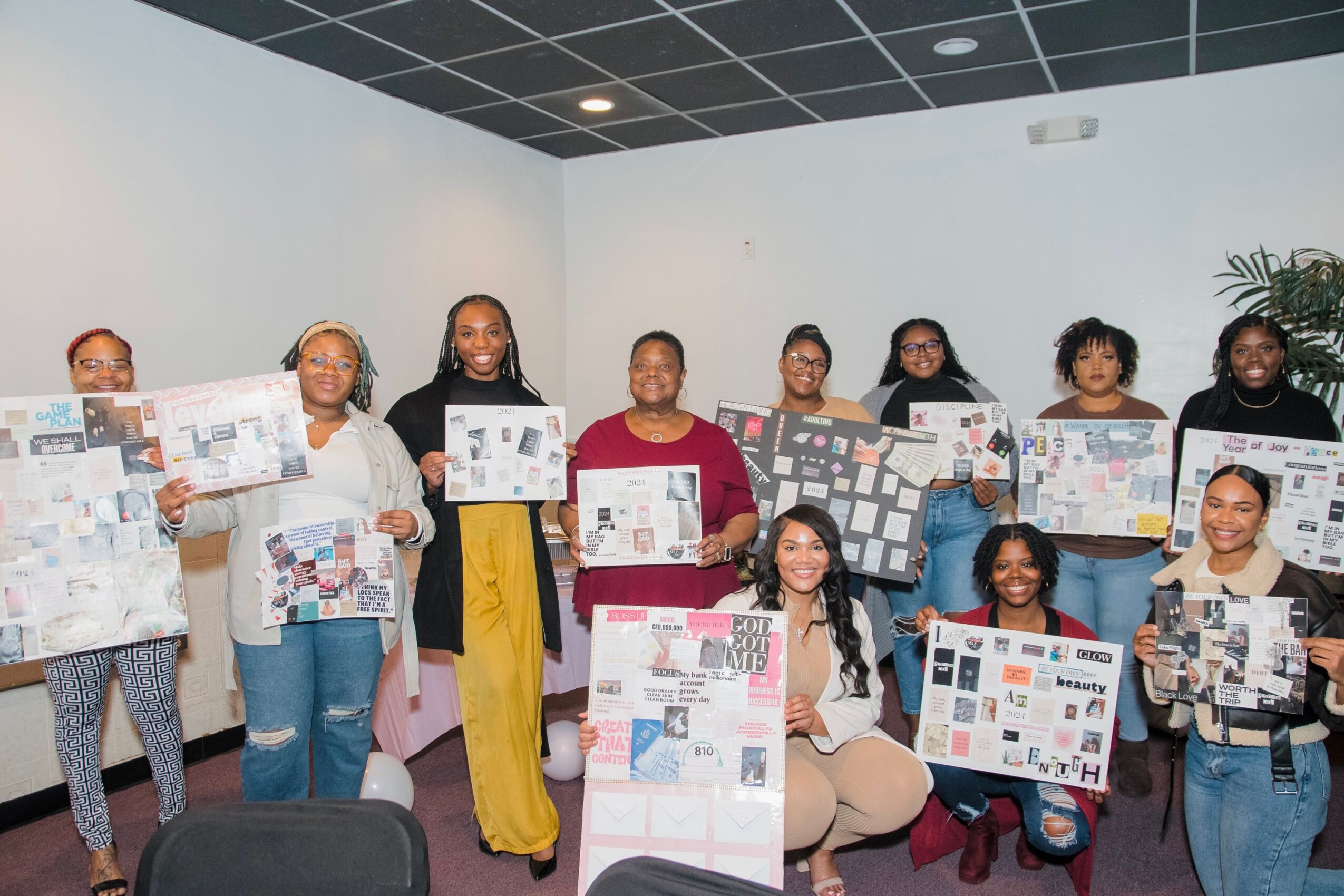
When I first began coaching women, my focus was helping them rediscover their identity, challenge limiting beliefs, strengthen their confidence, and pursue their goals through the lens of faith. I wanted women to understand that their past did not have to define their future and that they could learn to think differently about themselves and their lives.
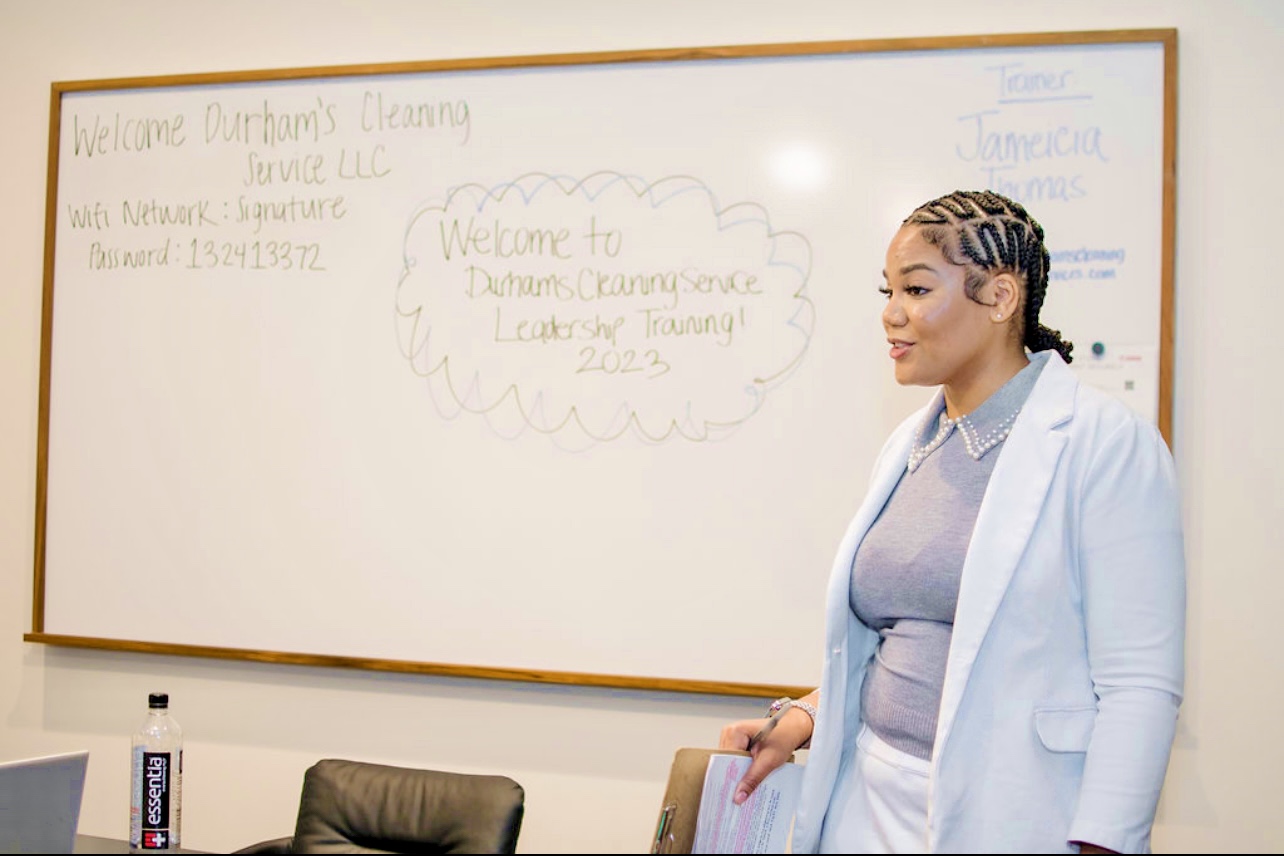
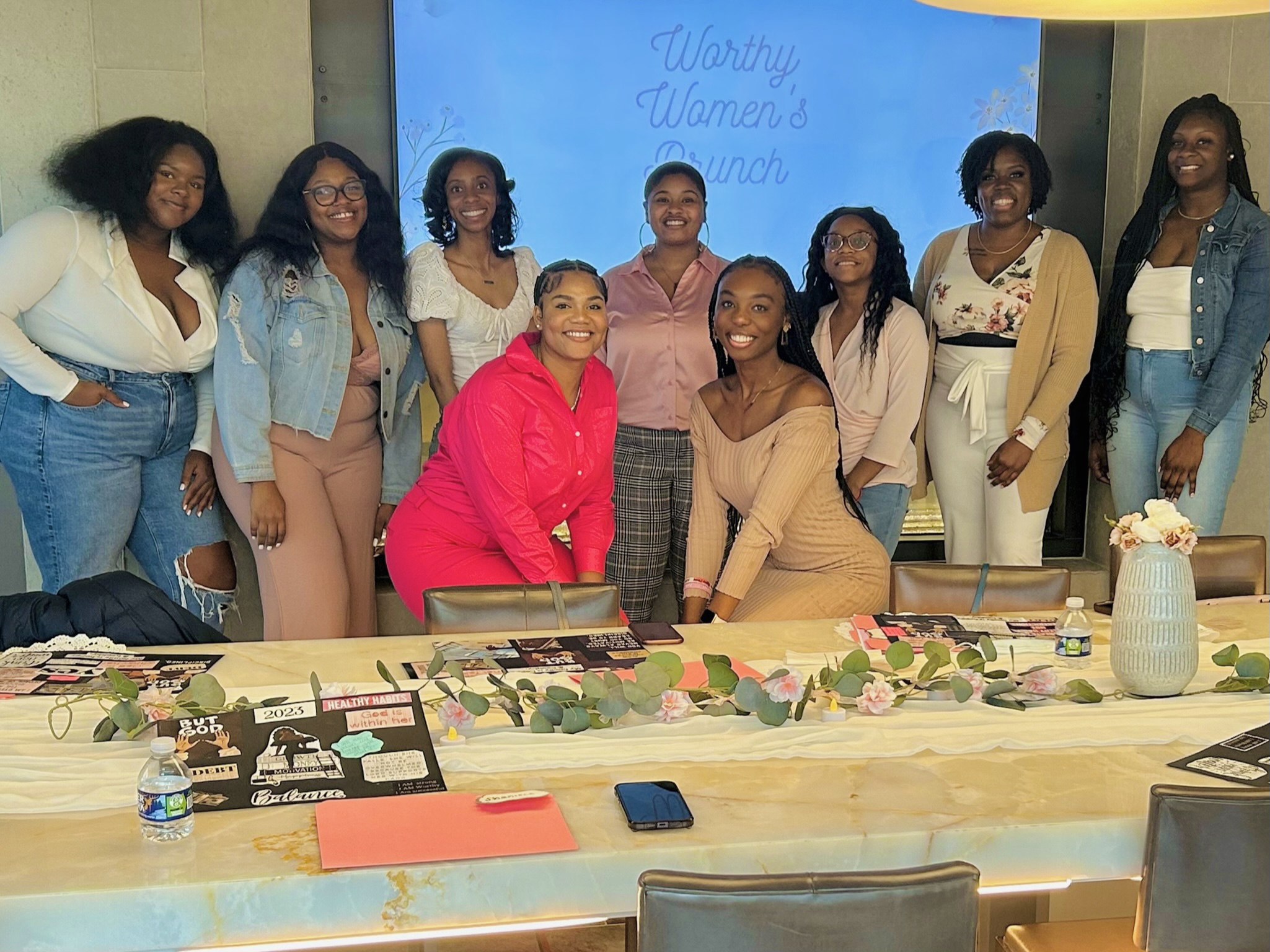
My 2023 story was largely about discovering that calling. Since then, that calling has expanded.
I completed my Master of Social Work, which gave me a much deeper understanding of people, mental health, relationships, trauma, systems, and the environments that shape our lives. My professional experience has continued to teach me that people are not simply problems to be fixed. They are whole people with stories, strengths, experiences, potential, and needs for connection.
That perspective has changed how I serve.
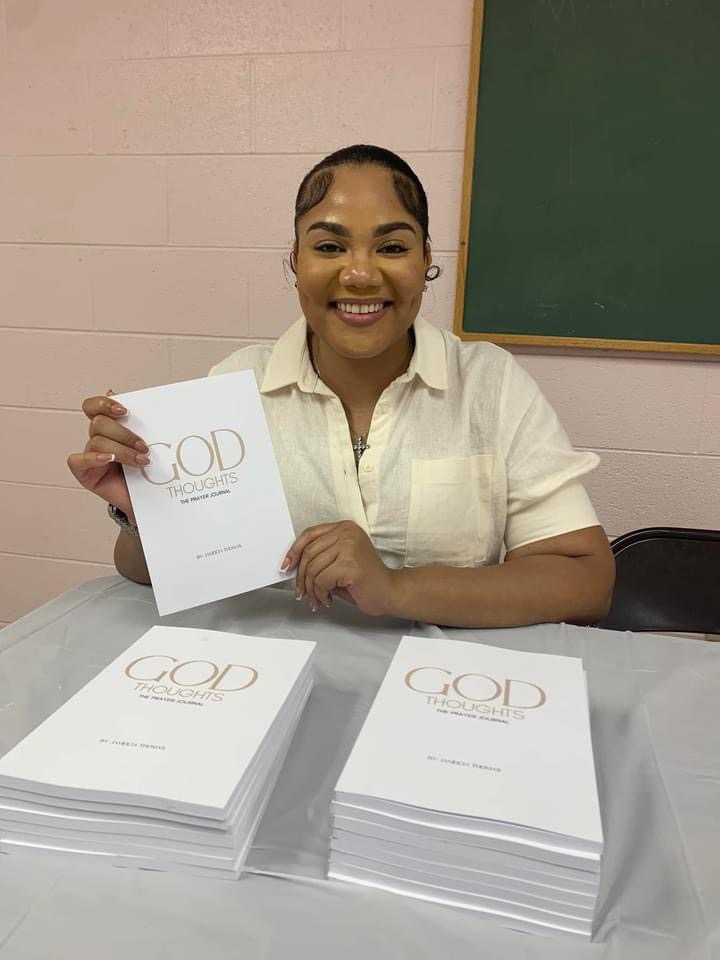
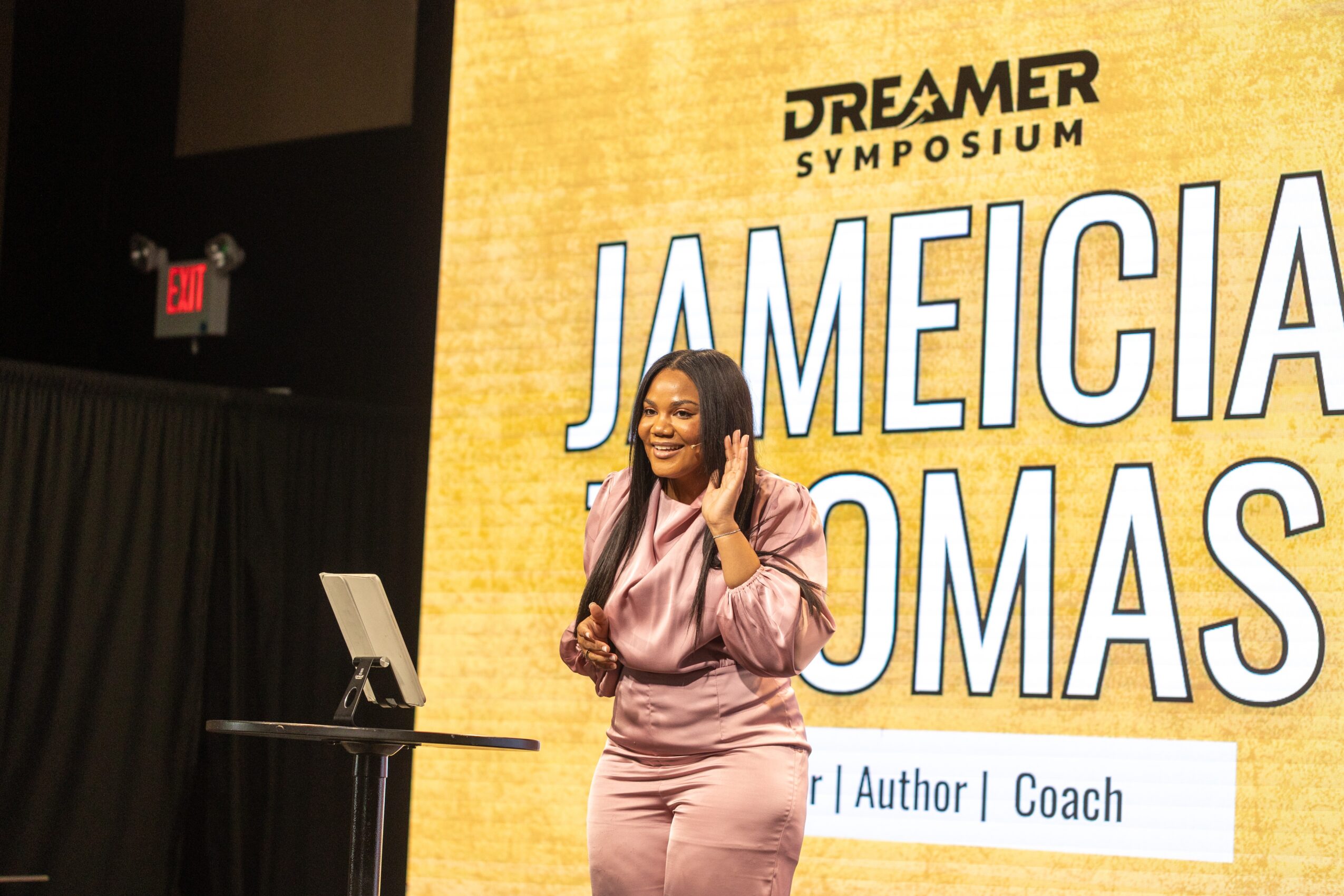
Since that earlier chapter of my life, I have also written three books, participated in speaking engagements, coached women, worked with youth, and continued developing programs that create spaces for people to grow. Each experience has allowed me to take the things I have learned personally and professionally and turn them into something that can be shared with someone else.
One of the greatest revelations for me has been understanding that my purpose is bigger than any single title.
I am a social worker. I am an author. I am a coach. I am a speaker. I am a mother. I am a woman of faith. I am a leader. But underneath all of those roles is one common thread: I am called to serve.
I have become increasingly aware that being a child of God is not just a part of my personal identity. It shapes how I understand my responsibility to other people. I believe that what God develops in us is not meant to stop with us. The lessons, experiences, wisdom, opportunities, and even the difficult seasons we survive can become something that helps another person move forward.
That belief is a major part of why I am building Refine Academy.
Refine Academy is an emerging nonprofit centered around supporting youth and families through emotional wellness, education, leadership development, identity formation, and practical support. The vision is rooted in something I have learned repeatedly through both my personal and professional experiences: people often have tremendous potential, but potential needs to be cultivated.
I want to help create environments where young people and families feel seen, supported, equipped, and challenged to recognize what is possible for their lives.
That work is especially meaningful to me because I know what it is like to be in the process of becoming. I know what it feels like to question your identity, to outgrow a version of yourself, to experience transitions, and to have to trust God while you are still trying to understand where you are going.
Now I get to help other people navigate that process.
I think that is ultimately what has changed the most since my earlier chapter. I used to be primarily focused on becoming the woman I believed God was calling me to be. I am still becoming, but now I am also thinking about what I am building for the people who will come behind me.
My work with women and youth, my writing, my speaking, my professional career, and Refine Academy may look like different things from the outside, but to me they are connected. They are all expressions of the same desire: to help people understand who they are, recognize their potential, develop the tools to navigate life, and live with greater purpose.
I am still guided by the values that have always been important to me: faith, relationships, growth, service, and intentionality. But I have a deeper understanding of them now.
I no longer see purpose simply as a destination I am trying to reach. I see it as something I get to steward every day.
And I think that is where I am today: still becoming, still building, still learning, and still serving.
I do not have every part of the future figured out, but I am much more confident about the One I am building with and the people I am building for.
Alright, so let’s dig a little deeper into the story – has it been an easy path overall and if not, what were the challenges you’ve had to overcome?
It has definitely not been a smooth road, but it has been a meaningful one.
One of the greatest gifts of my journey has been learning who I am and discovering just how resilient I truly am. There were many moments when I could have allowed my circumstances to convince me that I was not capable of reaching the vision I had for my life.
While pursuing my Master of Social Work, I was actually terminated from the program twice. Those moments were incredibly difficult because they happened while I was navigating real-life circumstances that were much bigger than school. I was experiencing domestic violence, grieving the death of my father, raising a child as a single mother, learning how to manage work and home life, and trying to hold everything together while still pursuing my education.
There were moments when I had to ask myself, “How am I going to get through this?”
But what I learned was that difficult seasons do not get to determine the ending of your story.
Being terminated from my program twice could have become the thing that defined me. Instead, it became part of the evidence that I was capable of getting back up. I continued to pursue my degree, and ultimately, I earned my MSW.
That experience taught me something deeper than perseverance. It taught me that I am loved, I am supported, and I can overcome difficult things. It taught me that resilience is not about never falling or never experiencing hardship. Sometimes resilience is simply deciding that you are going to keep moving forward, even when the road looks completely different from what you imagined.
My faith was a major part of that for me.
There were times when I did not have all of the answers, but I had a vision. I had something I believed God had placed in me, and I had to learn how to hold onto that vision even when my circumstances did not reflect it yet. My tenacity came from believing that what I was experiencing was not the end of my story.
Today, I look back at those experiences differently. I would never say that I am grateful for the pain itself, but I am grateful for what those seasons revealed in me. They showed me that I could endure. They showed me that I could rebuild. They showed me that setbacks could refine me without defining me.
And I think that is one of the reasons I care so deeply about serving other people now. I understand what it feels like to be in the middle of a difficult chapter and not know how everything is going to work out. I also know what it feels like to look back and realize that the chapter that almost broke you was also developing something in you that you would eventually need.
My journey has taught me that resilience is not just about getting through hard things. It is about allowing those experiences to shape you without allowing them to take away your hope, your identity, or your vision.
Can you tell our readers more about what you do and what you think sets you apart from others?
My work has evolved quite a bit over the years, but the common thread has always been people. I have spent the last seven years working in the mental health field, and today I serve as a crisis clinician at my local Community Services Board, working with both adults and children during some of the most vulnerable moments of their lives. I am also continuing my professional development as a social work supervisee and a certified substance abuse counselor supervisee.
Crisis work has given me a perspective on people that I deeply value. I get to meet individuals in moments when life may feel overwhelming, uncertain, or unsafe. I have the opportunity to sit with people in those moments, listen to what they are experiencing, assess what they need, help identify immediate safety concerns, connect them with resources and services, and guide them toward their next steps.
That responsibility is something I do not take lightly.
Mental health has been a significant part of my life, both professionally and personally, and after seven years in this field, I have learned that helping people is about much more than giving them a list of resources. Sometimes people need someone to slow down with them, hear what they are actually saying, answer the questions they have, help them understand their options, and make the next step feel possible.
One of the things I am most proud of in my professional work is my diligence with clients. I want people to leave an interaction with me feeling like their concerns were heard and that they have a clearer understanding of what comes next. I work to make sure questions are answered, appropriate resources and connections are provided, and next steps are clearly defined.
But I think what sets me apart is what I ultimately want for the people I serve.
I don’t want people to become dependent on me to navigate their lives. I want to help them regain their autonomy.
My goal is to help people develop the confidence, knowledge, resources, and tools they need to advocate for themselves and navigate their lives with greater independence. I believe there is a difference between helping someone and doing everything for them. Sometimes the most meaningful support we can provide is helping someone rediscover that they have a voice, that they have choices, and that they are capable of taking their next step.
I am also building Refine Academy, a nonprofit centered around supporting youth and families through emotional wellness, education, leadership development, identity formation, and practical support. To me, all of these things are connected. Whether I am sitting across from someone in crisis, speaking to a room full of women, writing a book, coaching someone through a transition, or developing a program for young people, I am ultimately interested in the same thing: helping people recognize their potential and giving them tools to cultivate it.
My faith is another important part of that work.
I am deeply passionate about bridging faith and practice because I believe there is a part of the human experience that cannot always be addressed through professional interventions alone. My faith shapes how I understand dignity, identity, hope, purpose, and service. It reminds me that the people I serve are more than their diagnoses, circumstances, mistakes, or current crisis.I believe there can be room for both: sound clinical practice and the spiritual framework that gives many people meaning, hope, and strength. That integration is important to me because I know what faith has meant in my own life.
What I am most proud of is that I have been able to turn my own experiences, education, professional training, and faith into something that can serve other people. I have experienced difficult seasons myself, and those experiences have given me a deeper appreciation for the courage it takes to ask for help, make a change, or simply keep going. I don’t believe my role is to have all the answers for someone.
I believe my role is to help people find their next step, recognize what they already carry, connect them with what they need, and remind them that they have the capacity to keep moving forward. That is what I hope people experience when they encounter my work: not someone trying to take over their journey, but someone willing to walk alongside them while helping them reclaim their own.
What sort of changes are you expecting over the next 5-10 years?
I think the mental health field is going to become much more focused on accessibility, crisis response, prevention, and whole-person care over the next 5 to 10 years.
In my current role as a crisis clinician, I see how significant the need for immediate mental health support is. People are often reaching out when they have reached a point where the tools and supports they currently have are no longer enough. Because of that, I expect crisis services to continue becoming a more prominent part of the mental health system, with greater emphasis on meeting people where they are and connecting them to the appropriate level of care before a crisis escalates.
I also see a growing bridge between traditional mental health services and practical life skills. We can provide someone with clinical support, but people also need tools for navigating relationships, communication, stress, parenting, employment, decision-making, emotional regulation, and everyday life. I think the field will continue moving toward approaches that recognize that mental health does not exist separately from the way people live.
Another area I expect to see continue growing is the integration of approaches that help people understand the relationship between their bodies, emotions, stress responses, and lived experiences. There is increasing interest in somatic approaches and nervous system regulation, and I believe we will continue learning how these concepts can complement established mental health practices.
Ultimately, I think people are looking for more than simply managing symptoms. They want to feel connected, regulated, understood, and equipped to heal and function in their everyday lives.
I also hope we see mental health support become more accessible and less stigmatized. The need is significant, and I believe we will continue seeing innovation in how services are delivered, including community-based support, crisis intervention, education, prevention, and other models that allow people to receive help earlier.
What excites me most is the possibility of bringing these pieces together. I don’t think the future of mental health is about choosing one approach over another. I think it is about understanding the whole person and creating multiple pathways for people to receive the support, skills, connection, and resources they need.
That is also where I see my own work continuing to develop. I want to be part of the bridge between clinical mental health, practical life skills, faith, community, and personal development. My hope is that people can receive professional support when they need it while also being equipped with tools that help them build healthier, more connected, and more independent lives.
Contact Info:
- LinkedIn: https://www.linkedin.com/in/jameicia-thomas-msw-lmhp-s-csac-s-26273b188/
- Youtube: https://youtube.com/@jameiciathomas?si=OKWt3sWmAEYlMIJu