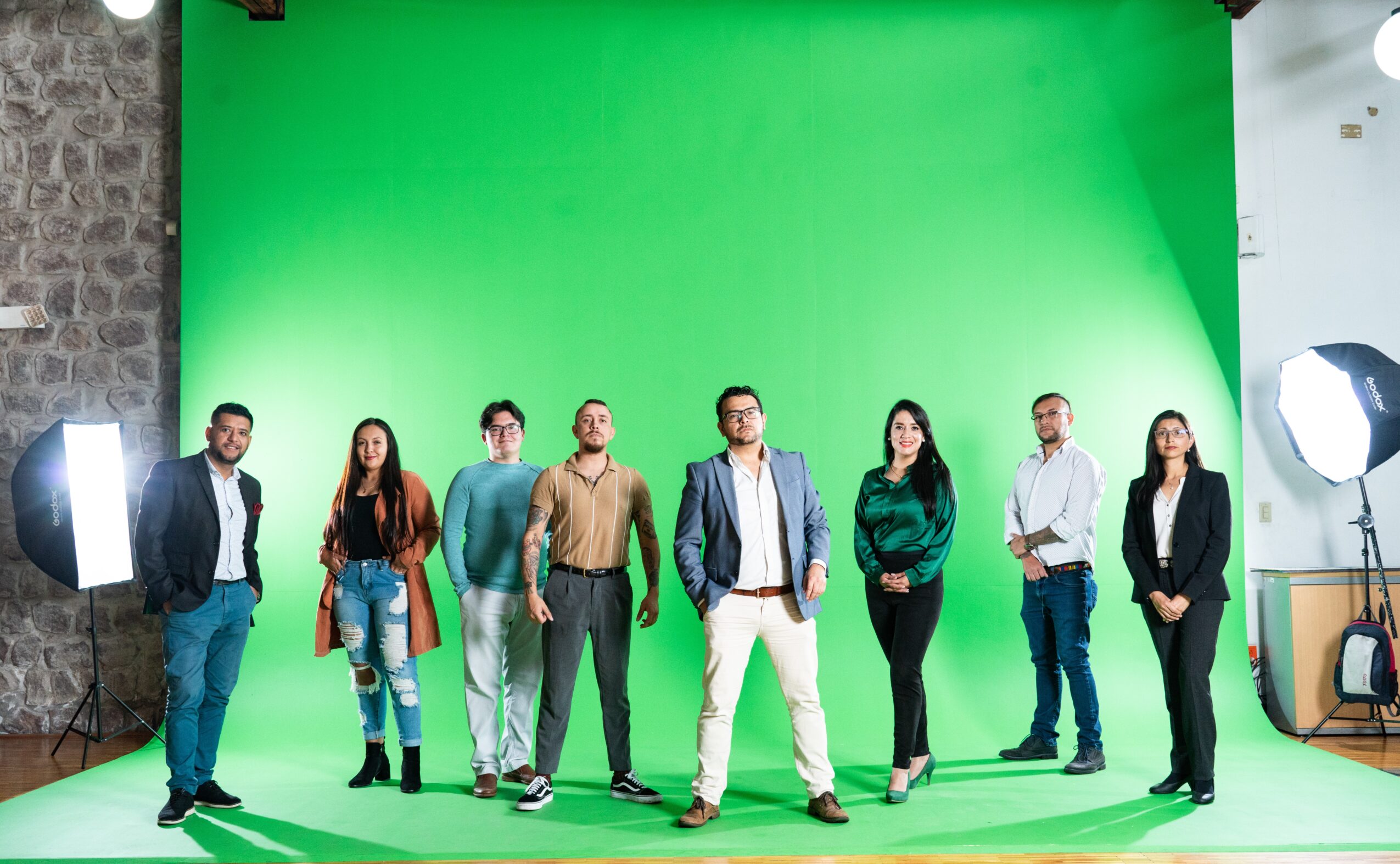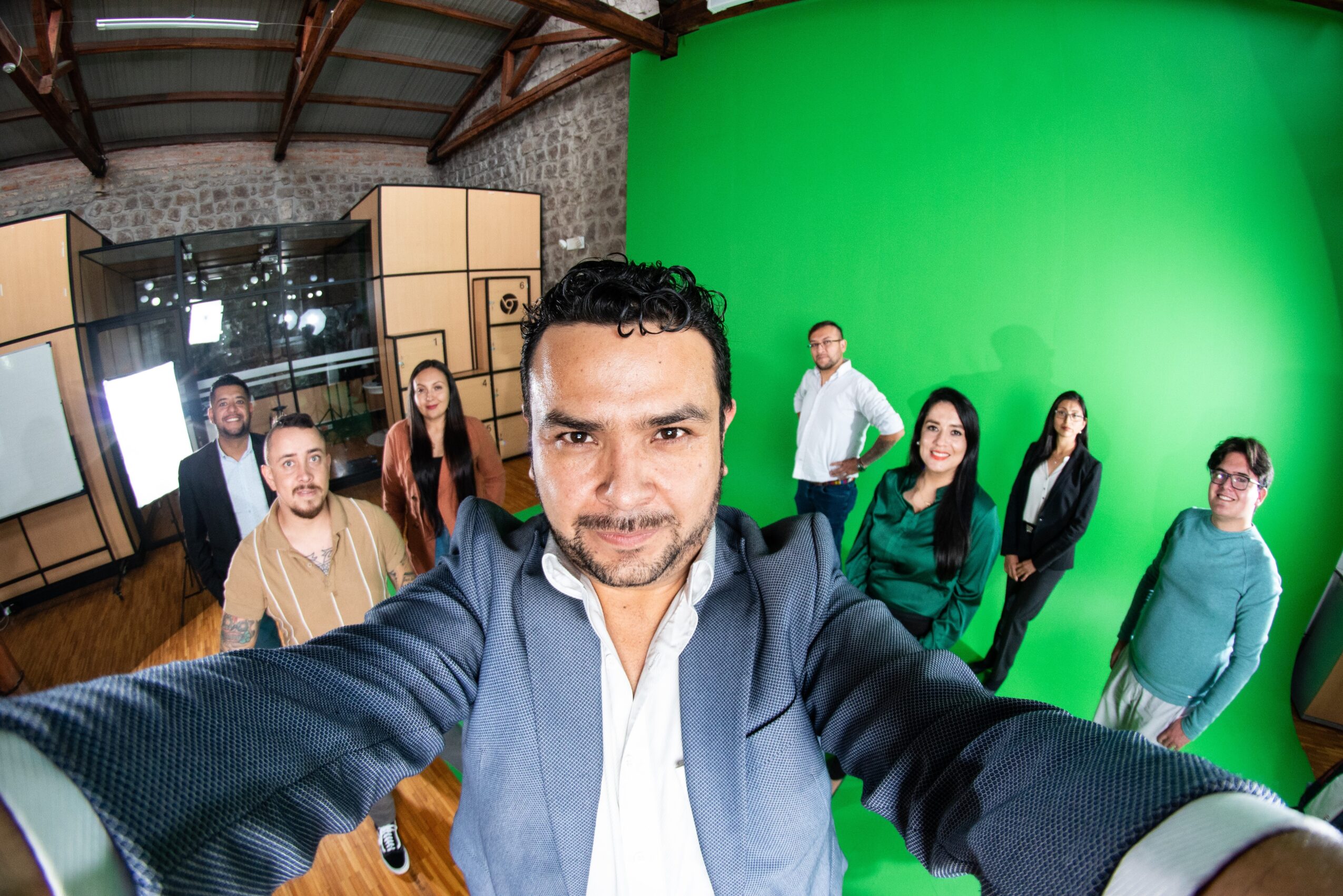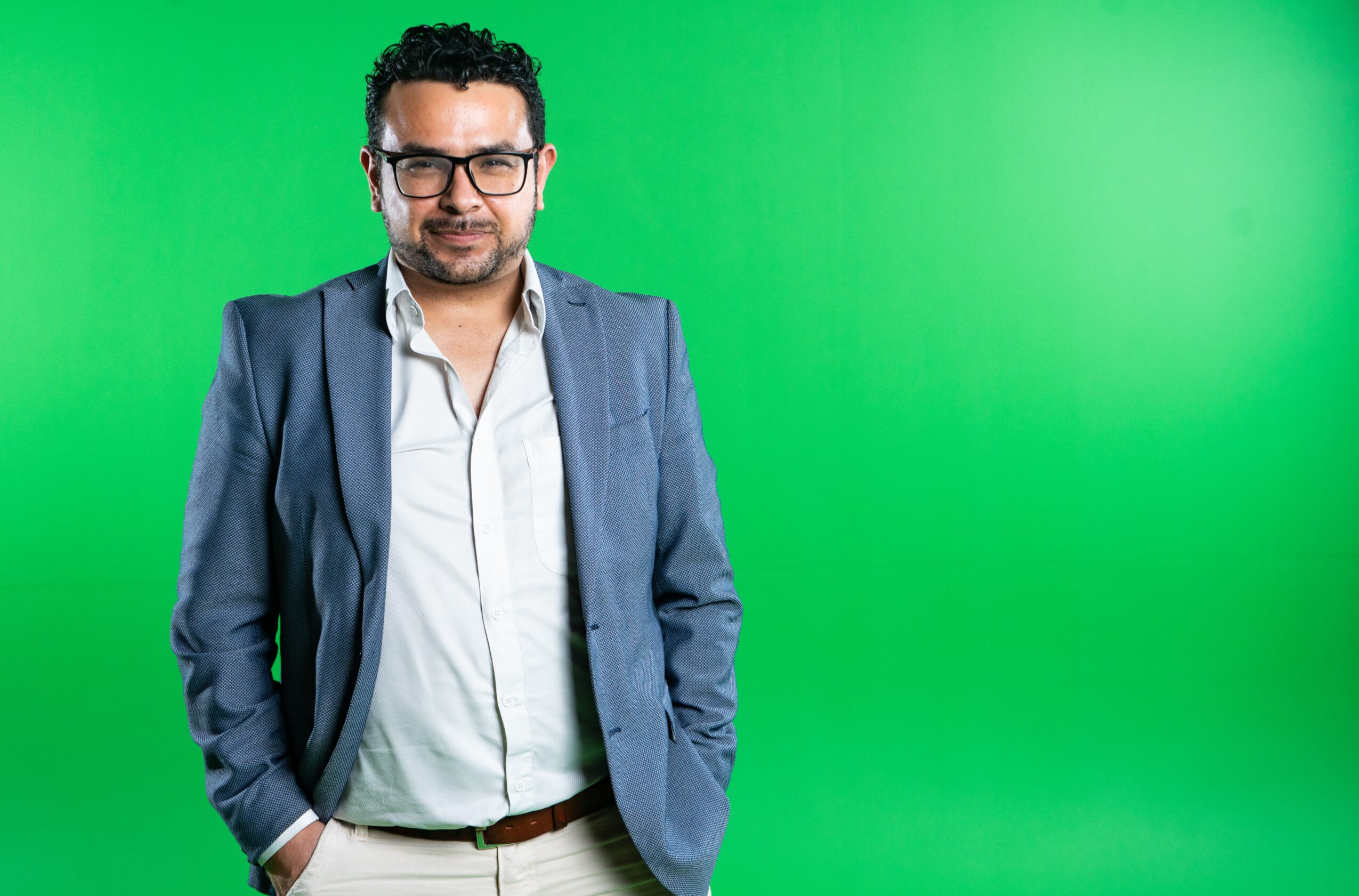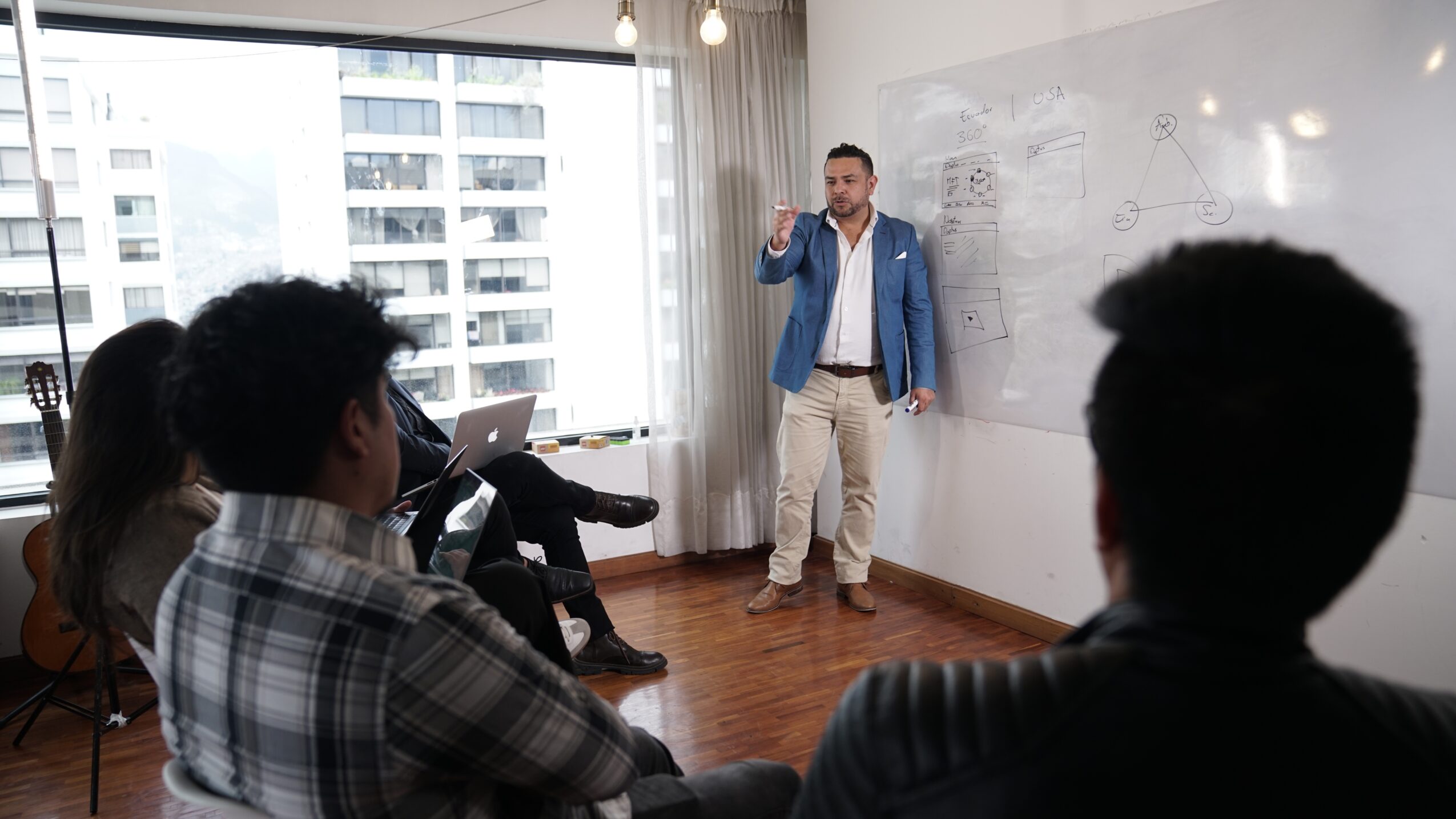






Today we’d like to introduce you to Andres.
Hi Andres, so excited to have you with us today. What can you tell us about your story?
Hi, im Andrés Navas, I started Doptus in 2005 from Quito, Ecuador, with a question that still drives everything we do: why do organizations invest in marketing campaigns before they actually understand their own communication landscape?
At the time, every agency in Latin America was competing on creative portfolios and campaign pitches. I took a different route. Before recommending anything, I would audit the organization’s communication first — their brand, their channels, their audiences, their internal workflows. Only after that diagnostic was complete would I design a strategy. Most clients had never experienced that. And the results were consistently better than what campaign-first agencies were delivering, because the recommendations were based on evidence, not assumptions.
That diagnostic-first approach became the foundation of our proprietary methodology — the D.O.P.T.U.S.™ framework: Diagnose, Optimize, Produce, Traffic, Upsell, Scale. Six phases, one system, refined across hundreds of client engagements over two decades.
Over the years, the clients grew. Fundación Telefónica Movistar hired us to lead digital positioning across five Latin American countries. GamaTV brought us in for a Social TV strategy during the 2014 FIFA World Cup that reached over 335 million Twitter accounts and won four international awards, including a ProMax/BDA Latin America Silver and a W3 Award in New York. Teleamazonas, Nestlé, Hamburguesas El Corral, government ministries, universities — the work kept expanding, but the principle never changed: diagnose first.
The move to Washington DC was not a branch office decision. I served as Communications Director for an IDB-affiliated association here in DC, coordinating programs alongside World Bank and IMF communities. That experience inside the multilateral ecosystem showed me that established organizations in the DC area — nonprofits, foundations, international institutions — faced the exact same communication infrastructure challenges we had been solving in Latin America for fifteen years. So I brought Doptus to the US with twenty years of evidence behind it.
Today, Doptus operates from McLean, Virginia, with production operations in Quito, Ecuador. We serve nonprofits, foundations, federal contractors, Latino-led organizations, and international institutions across the DC area and Latin America. I lead every diagnostic engagement personally.
Would you say it’s been a smooth road, and if not what are some of the biggest challenges you’ve faced along the way?
Honestly, no. And I think that’s true for anyone building something real.
The first big challenge was positioning. In Latin America, most organizations equated “marketing agency” with “creative production shop.” They wanted logos, social media posts, maybe a video. When I walked into meetings and said, “Before I design anything, I need to audit your entire communication ecosystem,” people were confused. Some were skeptical. A few walked away. But the ones who stayed and went through the diagnostic process saw results they hadn’t gotten from years of campaign-first agencies. That built our reputation — slowly, client by client, result by result.
The second challenge was moving to the United States. Building a consulting firm in a new market while being an immigrant founder is a different kind of test. You don’t have the local network. You don’t have the established referral chains. You’re competing against agencies that have been in DC for decades. What I did have was twenty years of methodology, real case studies, and an understanding of both the US and Latin American markets that most agencies here simply don’t have. That binational fluency became our competitive advantage.
The third challenge is one every founder knows: attention discipline. Steve Jobs said it best when he returned to Apple in 1997 — focus is about saying no to a hundred other good ideas. Every time Doptus lost momentum, I could trace it back to spreading attention too thin. The lesson is simple but hard to execute: fewer things, done exceptionally well.
And honestly, I’m still navigating challenges every day. The marketing industry is changing faster than ever with AI. But that’s also where our next chapter is — we’re now helping organizations understand how to be visible not just on Google, but inside AI systems like ChatGPT and Gemini. We call it AI Visibility, and it’s becoming one of the most important conversations in strategic communication.
Appreciate you sharing that. What should we know about DOPTUS ?
Doptus is a marketing and communication consulting firm based in Washington DC, with production operations in Latin America. We serve established organizations — nonprofits, foundations, international institutions, federal contractors, and mission-driven businesses — that have outgrown their current communication but don’t know exactly what to fix or where to start.
What sets us apart is structural, not cosmetic. Most marketing agencies start with a proposal — they hear a brief, they pitch services, and they start executing. Doptus starts with a Strategic Marketing Diagnostic: a structured two-to-three-week assessment of your brand, channels, messaging, audiences, competitive landscape, and internal workflows. The result is a diagnostic report and a prioritized action roadmap. You keep everything, regardless of what you decide to do next.
That’s the D.O.P.T.U.S.™ methodology in action. Six phases — Diagnose, Optimize, Produce, Traffic, Upsell, Scale — built over twenty years. The methodology ensures that every recommendation is based on evidence, not assumptions. That’s why we call ourselves a Business Intelligence-first firm, not a creative agency.
The second differentiator is our binational structure. We’re not a US agency with Latin American subcontractors, and we’re not a Latin American agency trying to sell in the US. We are a binational firm with real operations in both markets. Washington DC handles client relationships, strategy, and diagnostic engagements. Latin America handles content production, execution, and digital development. This gives our clients access to senior-level talent, cultural fluency in both ecosystems, and communication delivery in English and Spanish natively.
The third differentiator is AI Visibility. We’re now helping organizations understand how to appear and be cited inside AI-powered answer engines — ChatGPT, Google AI Overview, Gemini. Traditional SEO gets you ranked on a search results page. AI Visibility gets your organization cited as the answer. That’s a fundamental shift, and most agencies aren’t equipped for it yet.
The results speak for themselves. We led a 24-month SEO and AI Visibility engagement for a consulting firm in Ecuador that resulted in over 1,100% increase in web traffic, over 1,500% increase in organic impressions, and first-position citations in Google AI Overview, ChatGPT, and Gemini for their strategic keywords. In Latin America, we managed digital positioning and institutional communication for Fundación Telefónica Movistar across five countries over a multi-year engagement — reaching over 500,000 people through programs like Conecta Empleo and achieving engagement rates above the regional average. And here in Washington DC, we worked with the IDB Family Association — a community of 2,400 families connected to the Inter-American Development Bank — redesigning their communication infrastructure from the ground up.
But what I’m most proud of is this: we tell clients the truth. If they don’t need an agency, we say so. If their internal team can handle it, we build the playbook and step back. Honesty over comfort — that’s how we’ve operated for twenty years, and it’s why our clients trust us.
How do you define success?
For me, success is when a client understands their own organization better after working with us than they did before. That might sound simple, but it changes everything about how you run an agency.
Most marketing firms measure success by campaign metrics — impressions, clicks, followers. Those numbers matter, but they are outputs, not outcomes. The real question is: did the organization’s communication actually improve? Can they explain what they do more clearly? Are they reaching the right people? Do they have a system that keeps working after we step back?
That is why every engagement starts with a diagnostic. If I can show a client exactly where their communication is broken and give them a clear roadmap to fix it — even if they decide to fix it without us — that is a successful engagement. We have had clients go through our Strategic Marketing Diagnostic, receive the report, and handle the execution internally. I consider that a win, not a loss. They made a better decision because of the work we did. That is the definition of success I am comfortable with.
On a personal level, success is building something that outlasts any single project or client. I started Doptus in Ecuador over twenty years ago with an idea that organizations deserve to understand their communication before they invest in changing it. Today that same idea operates across two countries and two languages. If Doptus becomes the firm that organizations in the DC area and Latin America think of when they need honest, evidence-based communication strategy — not the biggest agency, but the most trusted one — that is the legacy I am working toward.
Contact Info:
- Website: https://www.doptus.com
- Instagram: https://www.instagram.com/doptususa/
- LinkedIn: https://www.linkedin.com/in/andresnavas/
- Other: https://clutch.co/profile/doptus