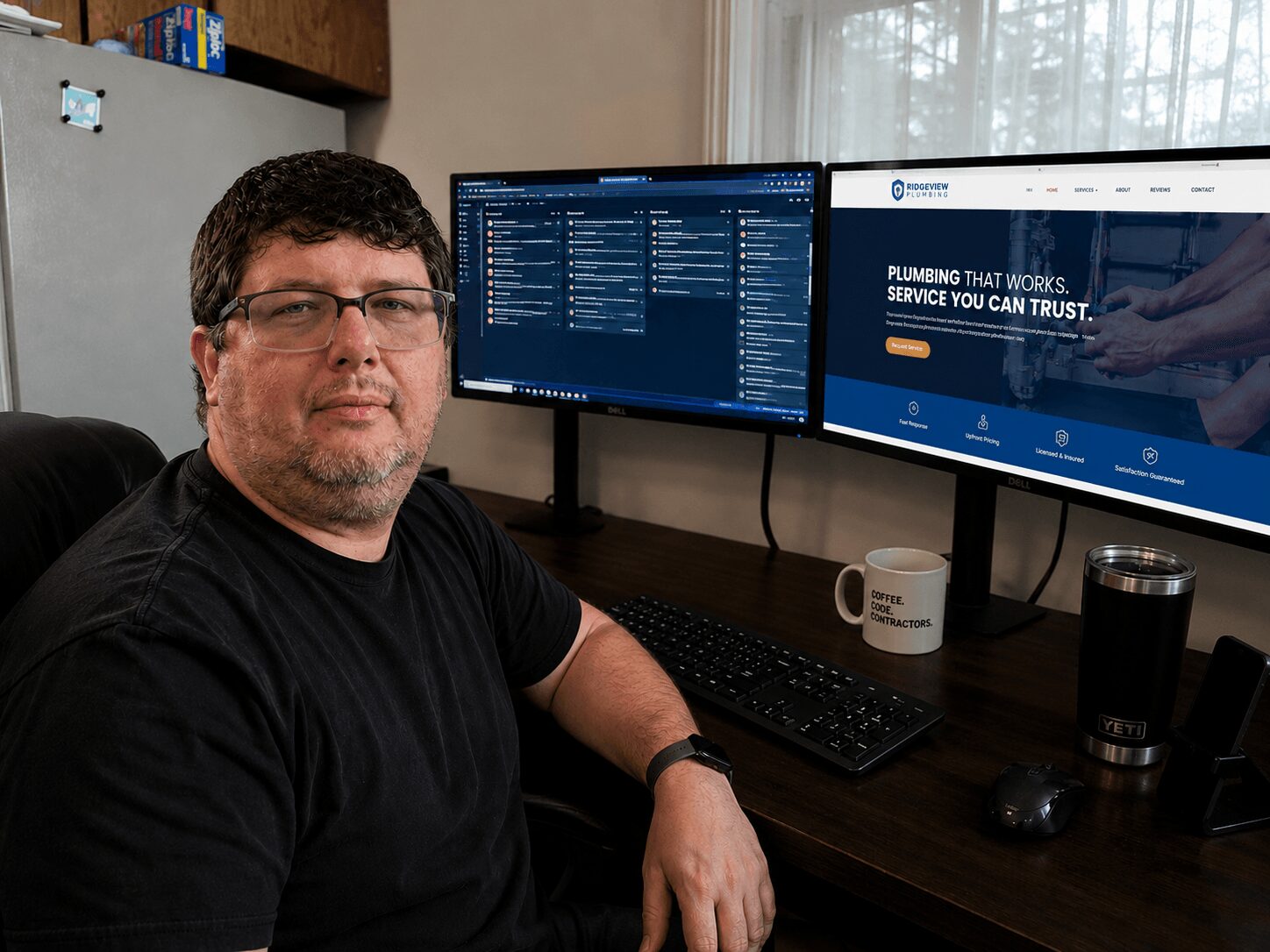






Today we’d like to introduce you to David Holland.
Alright, so thank you so much for sharing your story and insight with our readers. To kick things off, can you tell us a bit about how you got started?
I grew up in a blue-collar trade family. My father was a contractor, so from an early age I was exposed to the world of small business, skilled trades, and hands-on work. While other kids were on vacations, I was sometimes sitting in the corner of a hospital hallway while my dad painted or worked on projects. Most of the people around me worked in some kind of trade — plumbers, technicians, electricians, painters, mechanics — so that environment shaped how I viewed work and business from the very beginning.
As I got older, it was almost expected that I would end up in a technical or trade-oriented career, and that’s exactly what happened. I spent many years working hands-on technical jobs and eventually moved into the enterprise world, where I began working with larger systems, operations, and more advanced business environments.
At the same time, I had been on a years-long journey teaching myself software development and automation. Over time, all of those experiences started converging. I realized I understood the mindset and challenges of small contractors because I came from that world, but I also understood how larger organizations operate, scale, and use technology. Eventually I found myself in a unique position where I could bridge those two worlds together.
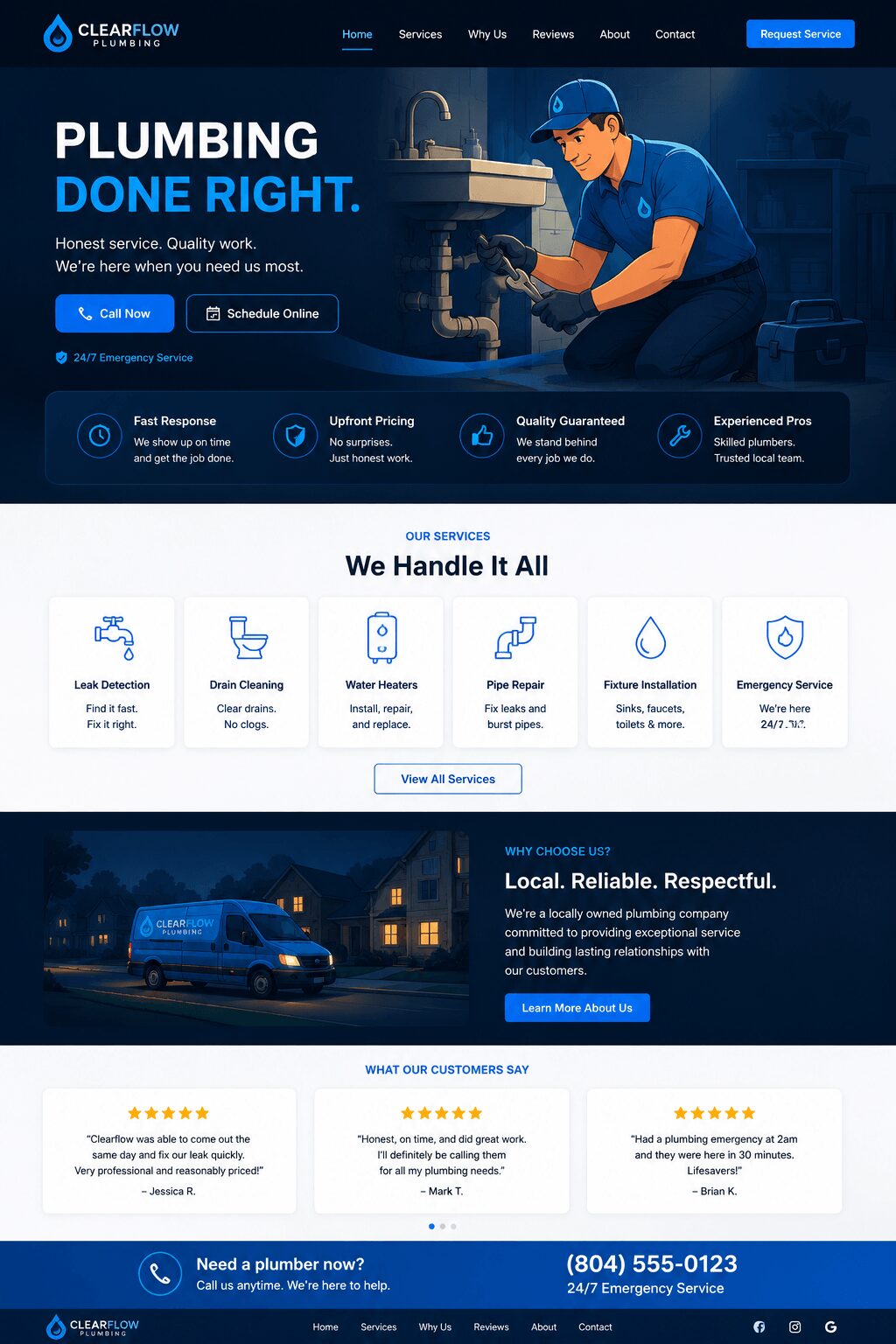
That realization led me into building websites, automation systems, and digital infrastructure specifically for contractors and service businesses. Instead of approaching it from a purely marketing perspective, I approach it from the perspective of someone who genuinely understands both the technical side and the day-to-day realities of the trades.
I eventually realized I had a problem: the systems I was building genuinely worked, but many small contractors simply couldn’t afford the upfront cost. A professionally built website, SEO strategy, automation, branding, and customer acquisition infrastructure can easily generate well over six figures in revenue for the right company, so charging $10,000–$15,000 for a full implementation really isn’t unreasonable. The challenge is that many smaller trade businesses don’t have that kind of capital readily available, even when they clearly understand the value.
At the same time, I wasn’t interested in chasing giant enterprise clients. That space is already crowded, and honestly, my background made me much more interested in helping smaller contractors — the kinds of businesses I grew up around.
That forced me to rethink the model entirely. I started asking myself: how do you put a high-end digital system into the hands of small contractors without requiring them to risk a huge upfront investment?
That’s where the business evolved into a customer acquisition model for the trades.
One thing I learned from growing up around contractors is that most of them are incredibly skilled at their actual craft, but they often struggle with the digital side of modern business — websites, SEO, branding, Google Business Profiles, online lead generation, and customer funnels. That’s not an insult; those are entirely separate skill sets. I struggled with those things once too.
What I offer is a way for contractors to offload that burden completely. Instead of charging massive upfront fees, I build and manage the digital infrastructure for them, and in return I receive a percentage of completed jobs. My goal is to create a system where the contractor can focus on what they do best while I handle the online storefront, lead generation, and customer acquisition side of the business.
In many ways, I see myself less as a traditional web designer and more as a technical partner helping trade businesses modernize and compete in an increasingly digital world.
Can you talk to us a bit about the challenges and lessons you’ve learned along the way. Looking back would you say it’s been easy or smooth in retrospect?
I wouldn’t say it has been a completely smooth road. One of the biggest challenges was simply the amount of time and uncertainty involved in learning the technical side of everything. While I do have a degree in electrical engineering, most of my software engineering and web development knowledge was self-taught. For years, I spent nights and weekends learning web technologies, cloud infrastructure, automation, and software development largely on my own, without any guarantee that there would ever be a payoff. At the time, I just knew there was value in understanding how modern digital systems worked, even if I wasn’t entirely sure where it would lead.
Another major challenge came when I finally started trying to turn those skills into a business. In the beginning, I approached it like a traditional web design company, charging upfront for high-end websites and digital systems. The problem was that the businesses I wanted to help most — smaller contractors and trade companies — often couldn’t comfortably absorb those kinds of upfront costs, even when they understood the value of the product. For a while, I struggled because I had the wrong business model for the market I was serving.
That period forced me to rethink everything. Instead of asking contractors to take on large upfront risk, I shifted toward a performance-based customer acquisition model where I handle the digital infrastructure and share in the success of completed jobs. In many ways, those early struggles were what pushed me toward the model I’m building today.
I also think one of the realities of entrepreneurship is that people often only see the polished end result. What they don’t see are the years spent learning, experimenting, failing, rebuilding, and slowly refining an idea until it finally starts making sense.
Great, so let’s talk business. Can you tell our readers more about what you do and what you think sets you apart from others?
What sets my business apart is that I don’t view contractors as disposable lead buyers or numbers on a spreadsheet. A lot of the modern lead-generation industry has turned into a race to the bottom, where contractors are forced to compete against each other for low-quality leads while paying large monthly fees regardless of whether the system is actually helping them succeed. I’ve talked to countless contractors over the years, and very few have positive experiences with those types of platforms because the relationship often feels transactional and one-sided.
I wanted to build something different.
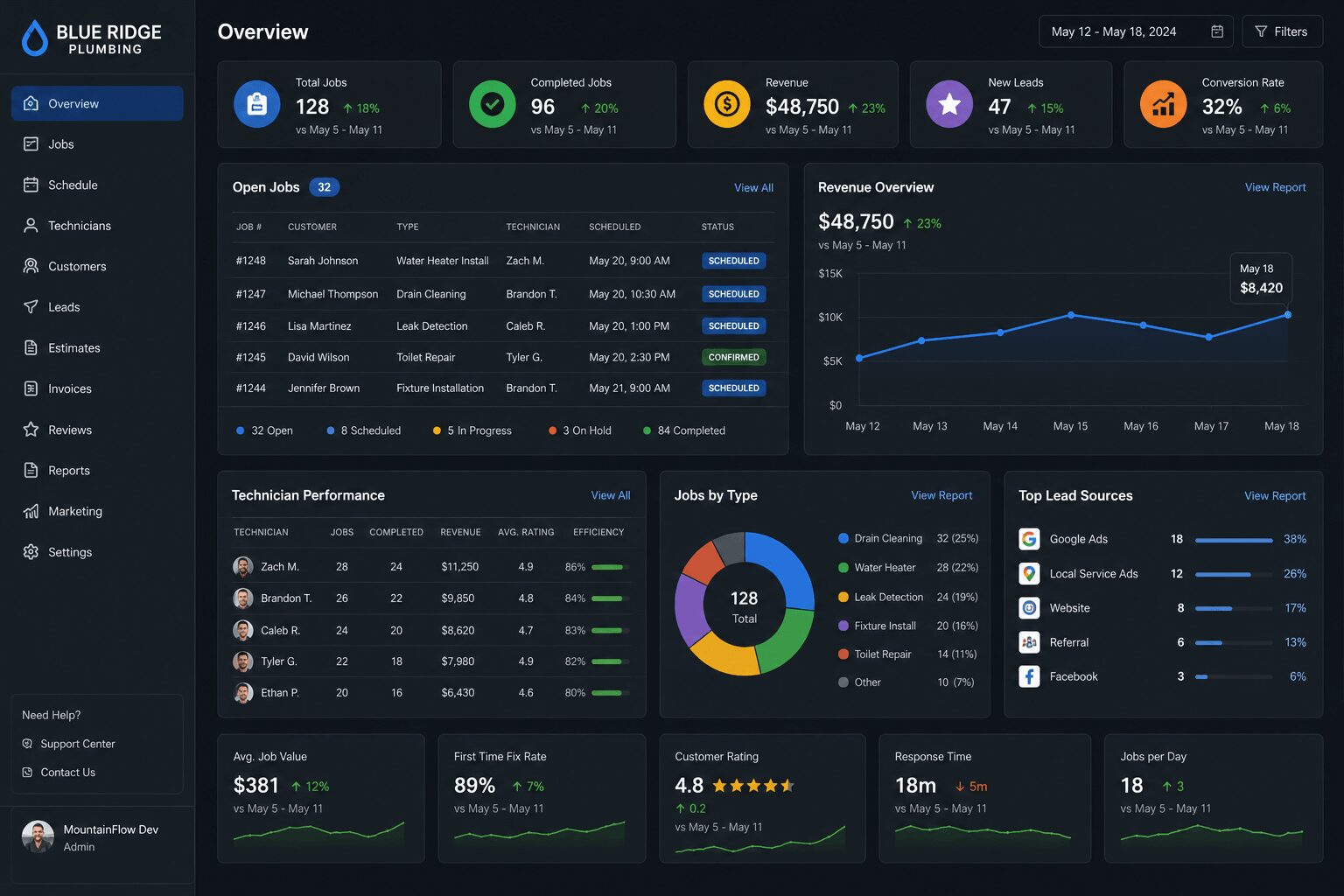
My goal is to create long-term partnerships where both sides genuinely benefit. Instead of selling generic leads to multiple competing companies, I focus on building dedicated digital infrastructure for individual contractors and helping them grow sustainably in their local markets. That includes websites, SEO, branding, automation, online visibility, customer acquisition systems, and eventually operational tooling as well.
What makes my approach unique is that I understand both the technical side and the contractor side. I grew up around tradespeople, worked in technical service roles myself, and later moved into enterprise environments and software engineering. Because of that, I understand the realities contractors deal with every day — unpredictable schedules, customer communication, pricing pressure, reputation management, and the constant challenge of finding consistent work.
One of the things I’m most proud of is the business model itself. Rather than forcing contractors into large upfront investments, I structured the model around shared success. I handle the digital side of the business, and in return I earn a percentage of completed work. That removes a huge amount of friction and risk for smaller contractors while also aligning my success directly with theirs.
At the end of the day, I don’t want contractors to feel trapped in a contract or pressured into paying for services that don’t help them. I want them to feel like they have a technical partner who is genuinely invested in helping them grow. If the contractor succeeds, I succeed. That alignment is the foundation of the entire business.
Alright so before we go can you talk to us a bit about how people can work with you, collaborate with you or support you?
People can learn more about my work by visiting [Trade Signal VA](https://tradesignalva.com?utm_source=chatgpt.com). Contractors and small business owners interested in improving their online presence, lead generation, or customer acquisition systems can reach out through the contact form on the website, email me directly at [dholland@tradesignalva.com](mailto:dholland@tradesignalva.com), or call me at (804) 223-0334.
I’m especially interested in working with contractors and service businesses that want a long-term technical partner rather than just another marketing subscription. My focus is on helping smaller trade businesses modernize, grow sustainably, and compete more effectively in an increasingly digital world.
Pricing:
- 10% of completed jobs through funnel.
Contact Info:
- Website: https://tradesignalva.com