




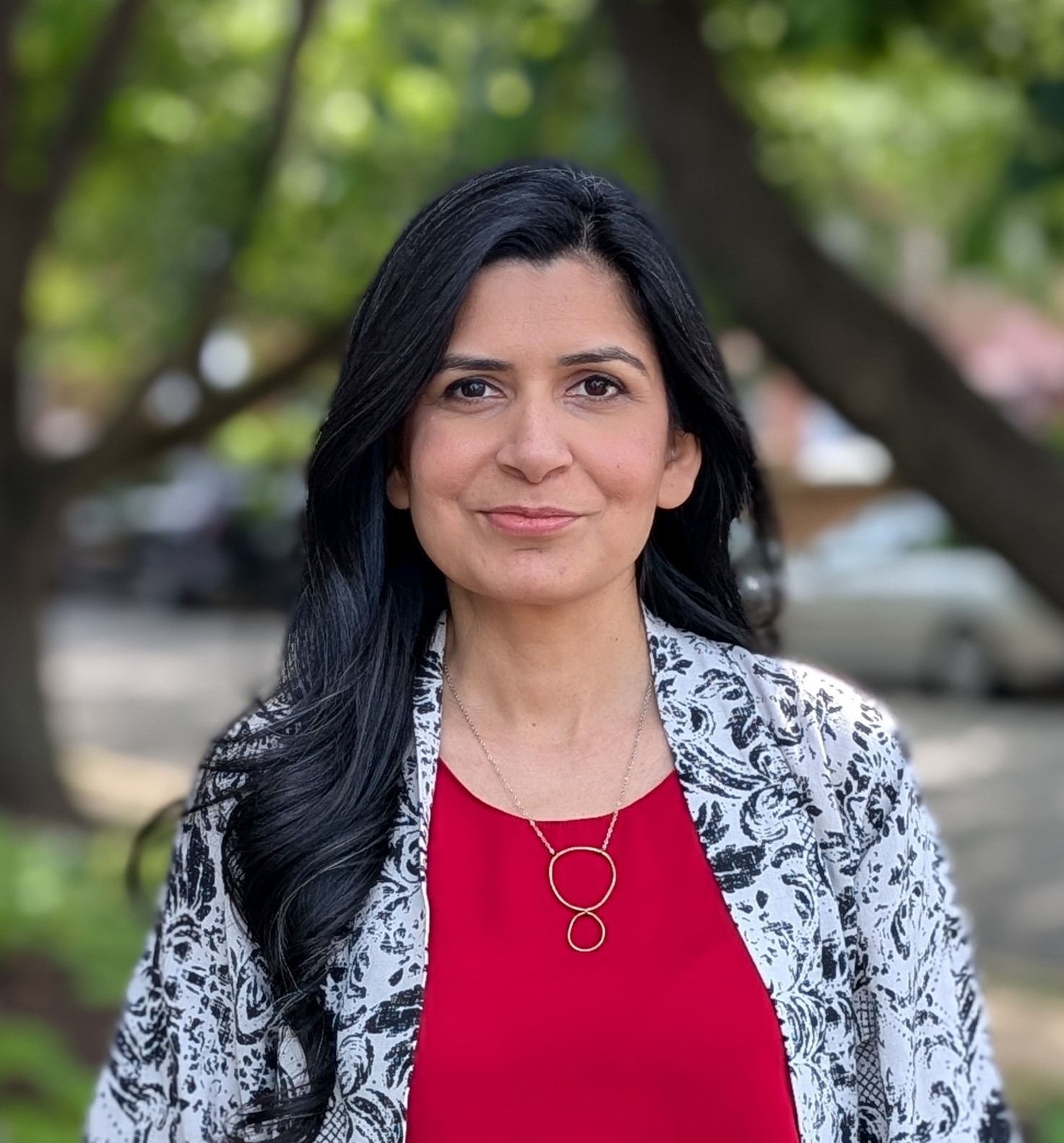
Today we’d like to introduce you to Huma Sikandar Fatakia, LPC.
Alright, so thank you so much for sharing your story and insight with our readers. To kick things off, can you tell us a bit about how you got started?
My path to where I am today—as a therapist and the founder and CEO of two mental health practices—actually began in the Fortune 500 world.
Early in my career, I worked in marketing and brand strategy for Heinz across the Middle East, Africa and Asia. While there, I was selected to represent Heinz at the 2012 One Young World Summit in Pittsburgh, a global gathering of young leaders focused on creating meaningful change in the world.
The summit became a turning point for me. Story after story, I heard from people who were making a profound impact on their communities, such as Nobel Peace Prize laureate Muhammad Yunus, and I was surrounded by young leaders from around the world who were finding ways to make a meaningful difference through their careers—not in spite of them. That distinction really stayed with me and planted the seed for finding a deeper sense of purpose and impact in my own career.
I had always cared deeply about contributing to the communities I was part of, but at the time, I felt like I was trying to fit that part of myself into the little bit of time left after my job. The demands of my work left little room to contribute in the ways I wanted to beyond donating financially. I began to realize that I wanted impact to be central to my career itself.
Two years later, I came to the United States intending to explore graduate business programs and found myself confronting a question I hadn’t expected: Did I actually want another business degree? I realized I didn’t want to spend the next chapter of my life simply becoming better at building brands or increasing profits for another multinational company. That can be incredibly fulfilling work for someone else, but I knew it wasn’t where I was going to find my own sense of purpose.
I began exploring counseling instead, with a particular desire to help people whose lives had been impacted by trauma. My interest in trauma was also personal. I had experienced firsthand both the ways difficult experiences can shape our lives and the profound difference that good therapy can make. I became fascinated by how trauma can alter the trajectory of someone’s life—their relationships, their sense of safety, even the way they understand themselves—and how the right therapeutic support can help people heal and move forward.
I ultimately attended Northwestern University for my master’s degree in counseling and fell in love with the work and the world of psychology even more deeply. For the first time professionally, I felt the kind of fulfillment I had been searching for.
From the beginning, I believed strongly in specialization. There is absolutely a place for generalist therapists, but I also believe mental health care benefits enormously from clinicians developing deep expertise. We expect specialization in medicine; I think people seeking therapy deserve the same opportunity to find someone who has invested deeply in understanding and treating what they are experiencing.
I pursued specialized training in trauma therapy and EMDR, and later in Emotionally Focused Couples Therapy, where I became particularly interested in how our individual experiences and wounds show up in our closest relationships.
As I began working in private practice, my clinical experience and my previous business experience started coming together.
My clinical work showed me what I believed excellent mental health care should look like. My business experience gave me the tools to build it.
I found myself constantly thinking about systems: How could practices operate better? How could we invest more deeply in clinicians? And how could doing both ultimately create better experiences and outcomes for the people we serve? I kept coming back to a question: How do we create an environment where talented therapists can afford to become genuinely excellent, specialized clinicians so we can provide quality care to our clients?
That question became part of the foundation for Sage & Fifth Therapy Place, which I started in 2021. I wanted to build a practice where investing in therapists was fundamental to the model—where clinicians were supported through training, supervision, mentorship and opportunities to develop meaningful areas of expertise so we could provide exceptional care to our clients. We were also building at a time when the social and emotional impacts of COVID had created an extraordinary need for mental health support in our communities.
We grew to five clinicians within our first year. Five years later, our team has grown to 15 clinicians serving clients across Washington, DC, Virginia and Maryland, with three locations across the DMV.
As we grew, another question became increasingly important to me: How do we make high-quality mental health care accessible to people who need or want to use their insurance?
That question helped shape Sage Therapy Collective, our insurance-based practice. I wanted people who rely on their insurance benefits to also have access to therapists who are supported in developing specialized clinical skills and providing excellent care.
Today, our two practices allow us to pursue the same larger mission in complementary ways. Sage & Fifth Therapy Place focuses on highly specialized care, with expertise across areas including trauma, couples therapy and Perinatal Mental Health. Through Sage Therapy Collective, we work to broaden access to high-quality therapy through insurance-based care.
More recently, that mission has become especially personal here in Virginia. After making Arlington my home, I found myself wanting to deepen our practices’ roots in the community I had become part of and care deeply about. This year, we expanded our physical presence into Arlington, bringing both Sage & Fifth Therapy Place and Sage Therapy Collective to Northern Virginia.
For me, that expansion is about much more than opening new offices. It brings me back to something I first began thinking about at One Young World all those years ago: How do we use our careers to make a meaningful contribution to the communities we are part of? Through Sage & Fifth, we are bringing highly specialized mental health care to Northern Virginia, while Sage Therapy Collective allows us to broaden access to high-quality care for people who rely on their insurance benefits.
There is something incredibly meaningful about getting to build that in the community I also call home.
Alright, so let’s dig a little deeper into the story – has it been an easy path overall and if not, what were the challenges you’ve had to overcome?
It definitely hasn’t been a completely smooth road. One of the biggest lessons I’ve learned is that building a values-driven organization is relatively easy when you’re small; maintaining those values as you grow requires much more intentionality and stronger systems.
When there were only a few of us, I could be closely involved in almost everything. As we’ve grown to a team of 15 clinicians across multiple locations and two practices, I’ve had to think much more intentionally about how you translate values into systems, hiring decisions, clinical standards, supervision, and culture.
One of my core grounding principles has always been sustainable growth. That can mean a lot of things to a lot of people, but for me, it means our growth should never come at the expense of the organization’s values, the quality of care we provide, or the work-life balance and well-being of the people working within it. That means sometimes growing more slowly, saying no to opportunities, or making decisions that may not maximize short-term growth but are healthier for the organization and our team over the long term.
I’ve also had to make the transition from being an excellent clinician to becoming an organizational leader. Those are very different jobs.
Therapists are trained to listen deeply, understand multiple perspectives and create space for people. Those skills have made me a better leader. But being a CEO also requires setting clear expectations, creating accountability, making difficult decisions and accepting that the right decision for the organization won’t always be the decision that makes everyone happy.
Learning to hold **empathy and accountability at the same time** has probably been one of the hardest balances I’ve had to learn as a leader—and one I’m still learning.
Another challenge is building the kind of workplace I believe mental health professionals deserve within the economic realities of our industry.
I am a big advocate for the value of mental health professionals. While we have made tremendous progress in talking about the importance of mental health, I don’t think our society or our health care system has fully caught up when it comes to valuing our mental health professionals. Therapists invest years in graduate education, supervised clinical work, licensure and advanced training, yet the economics of the profession don’t always reflect the skill involved in the work or the toll the work itself can take on therapists.
That creates a very real tension for me as an employer. I want our clinicians to be compensated well, and I want them to have sustainable caseloads so they can provide excellent care to their clients while also having lives outside of work and taking care of their own mental health. I want our practices to invest significantly in their training, supervision and professional development. In many ways, I’m trying to push what we can offer our clinicians beyond what the traditional economics of the mental health industry naturally incentivize.
As a clinician, I know what I believe mental health professionals are worth. As a CEO, I have had to figure out how to build an organization that can actually support that value.
It has required constantly balancing investment in our people with the financial health of the organization, because ultimately a values-driven organization also has to be a sustainable one if you want it to continue serving its clinicians, clients and community for years to come.
Alright, so let’s switch gears a bit and talk business. What should we know?
I am the founder and CEO of two complementary mental health practices, Sage & Fifth Therapy Place and Sage Therapy Collective. Together, we serve clients across Washington, DC, Virginia and Maryland, with three physical locations across the DMV, including our newest locations in Arlington.
Across our practices, we support people through many of the challenges that bring someone to therapy: anxiety, depression, trauma, relationship difficulties, burnout, identity concerns, major life transitions, fertility and pregnancy challenges, postpartum struggles, and those periods when someone may not be able to name exactly what is wrong—they simply know they don’t feel like themselves and want help understanding why and creating change.
At the heart of both practices is a belief that **excellent mental health care begins with investing in excellent therapists.** We want clients to feel that the person sitting across from them has the training, support and clinical depth to understand what they’re experiencing and help them create meaningful change.
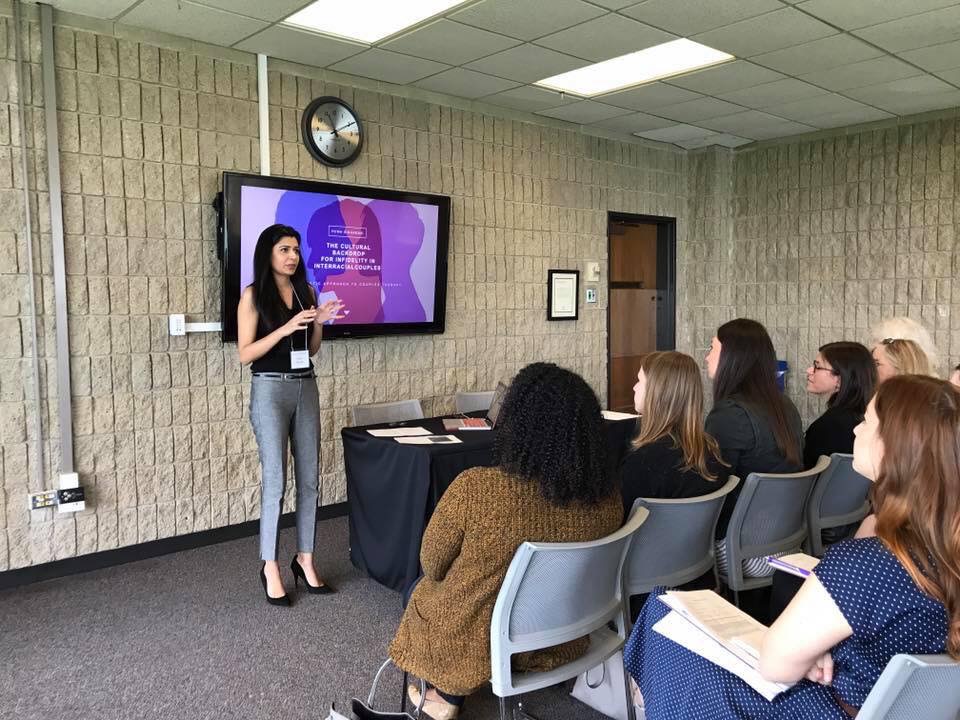
Specialization is an important part of that philosophy. Across our team, we’ve developed particular expertise in three areas: trauma and EMDR therapy, couples and relationship therapy, and perinatal and postpartum mental health.
That specialization is especially central to **Sage & Fifth Therapy Place**, our highly specialized practice. Sage & Fifth is designed for clients seeking deeper or more targeted therapeutic expertise—whether they know they need a specialist from the outset, are dealing with something more complex, or have been in therapy before, gained significant insight and still find themselves feeling stuck in patterns they haven’t been able to change.
We often meet clients who can explain *why* they feel or behave a certain way but haven’t yet been able to shift it. That’s where approaches such as EMDR and specialized trauma therapy and Emotionally Focused Couples Therapy can offer a different depth of work. Our goal isn’t simply insight; it’s helping people translate that insight into meaningful change in how they feel, relate and live.
Sage Therapy Collective allows us to extend the broader philosophy behind our work through an insurance-based model. Through the Collective, clients can use their in-network benefits to access therapy for a wide range of mental health and relationship concerns, while still benefiting from our emphasis on thoughtful therapist training and development, supervision and high-quality care.
I don’t believe that every person needs the same kind of therapy, the same level of specialization, or the same pathway into care. Part of what I’m proud of is that our two practices give people options depending on what they’re experiencing, what they’re looking for from therapy, and how they want to use their insurance benefits.
Just as important as what we treat is **how people experience our practices**. Both Sage & Fifth and Sage Therapy Collective are LGBTQIA+ affirming, BIPOC-inclusive, Health at Every Size (HAES) supportive, body-positive, and sex-positive. These aren’t simply labels we use to describe ourselves; they reflect our commitment to creating spaces where clients don’t have to wonder whether an important part of their identity, relationship, body, culture, or lived experience will be understood or accepted in the therapy room.
We also take a holistic view of mental health. People don’t experience anxiety, trauma, depression or relationship difficulties in isolation from their bodies, identities, relationships, families, cultures and broader life experiences, and we don’t believe therapy should treat them that way.
One of the things I am most proud of is creating practices where training, supervision, mentorship and professional development are built into how we develop our therapists. Advanced clinical specialization can require significant investments of time and resources, particularly early in a therapist’s career, and these investments are key to helping talented therapists become exceptional ones. We are incredibly proud of our team of therapists and their commitment to providing specialized, thoughtful care to our clients.
What I’m most proud of brand-wise isn’t simply that we’ve grown. It’s that we’ve been able to build two practices that give people different pathways to thoughtful, high-quality mental health care while remaining grounded in the same values.
And bringing that work to Arlington has particular meaning for me. Northern Virginia isn’t simply another market for us; it’s my home and a community I care deeply about. I want Sage & Fifth Therapy Place and Sage Therapy Collective to become trusted mental health resources here and organizations that are genuinely invested in the wellbeing of the community around us.
Ultimately, when someone hears our names, I want them to think of excellent therapists, specialized and thoughtful care, an inclusive and affirming environment, and a genuine investment in our people to ensure the former.
Can you talk to us a bit about the role of luck?
I think luck has played a role in my life, but perhaps not in the way we usually think about it.
There have absolutely been moments of good fortune. Being selected to attend One Young World in 2012 put me in a room I might otherwise never have entered and exposed me to ideas that changed the way I thought about my career. I’ve encountered teachers, mentors, colleagues and clinicians at different points in my life who have shaped the way I think about therapy, leadership and what it means to build an organization around your values.
But I’ve also learned that sometimes luck only becomes meaningful when you’re willing to do something with it.
Coming to the United States intending to pursue another path and then deciding not to go to business school was a risk. Changing careers was a risk. Starting a practice was a risk. Building a second practice around insurance-based care was another risk. And expanding into Virginia was another decision where there was no guarantee that everything would unfold exactly as I imagined.
There has been bad luck along the way too—timing that didn’t work, people or opportunities that weren’t the right fit, plans that had to change. Entrepreneurship has taught me that something can feel like terrible luck in the moment and ultimately redirect you toward a better decision, with courage and perseverance.
So I believe in luck, but I also believe strongly in being prepared enough to recognize an opportunity when it appears and brave enough to act on it.
Some of the most important moments in my life began with something I couldn’t have planned. As nerve wrecking as these opportunities were, I pushed myself to take the leap and step out of my comfort zone.
Pricing:
- Sage Therapy Collective is In-network with CareFirst BlueCross BlueShield and Anthem in Virginia & DC. Client costs vary depending on individual insurance benefits, including applicable copays, coinsurance and deductibles. es and current availability.
- We encourage prospective clients to visit our websites to learn more about our therapists, specialti
Contact Info:
- Website: https://www.sageandfifththerapy.com/
- Instagram: https://www.instagram.com/theholistictherapistindc/
- Facebook: https://www.facebook.com/MindfulnessTherapyDC/
- Linkedin: https://www.linkedin.com/in/huma-sikandar-fatakia-lpc-9798391b/
- Other: https://www.sagetherapycollective.com/