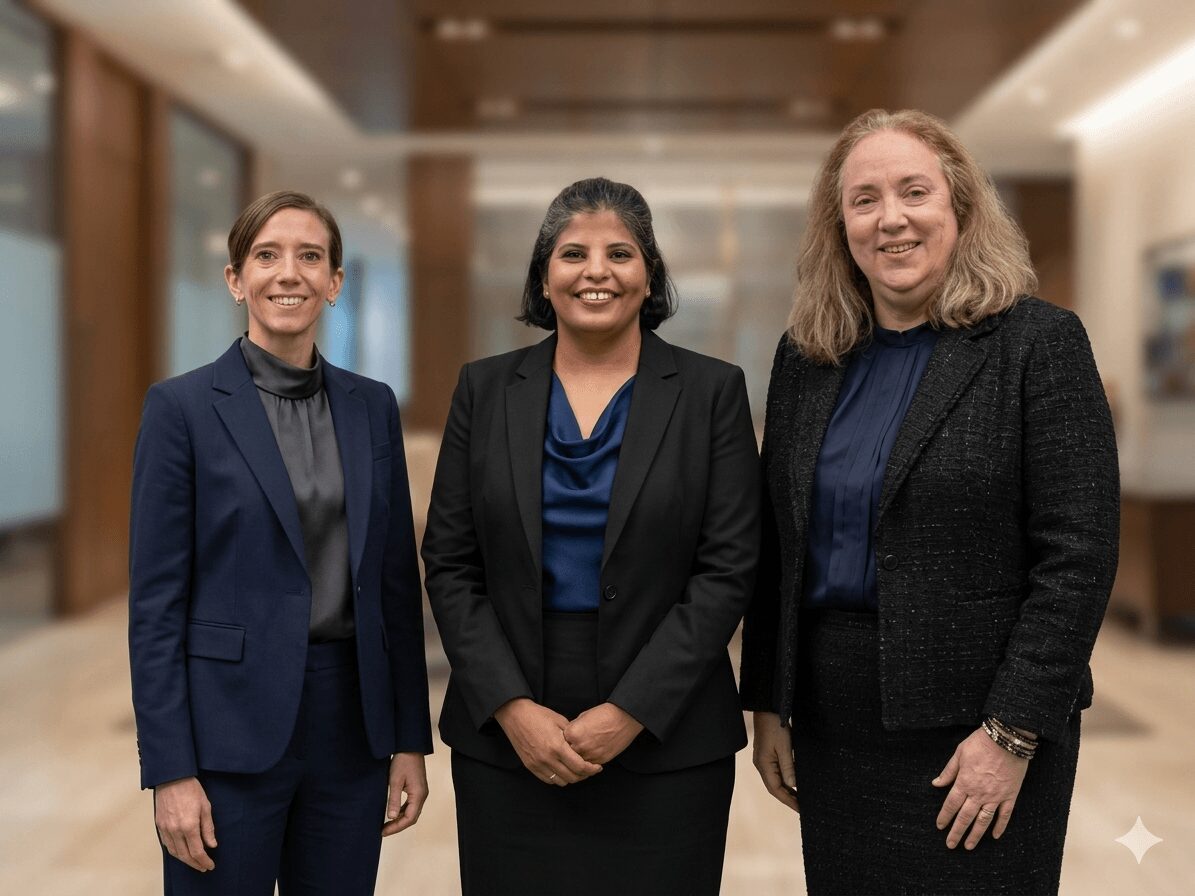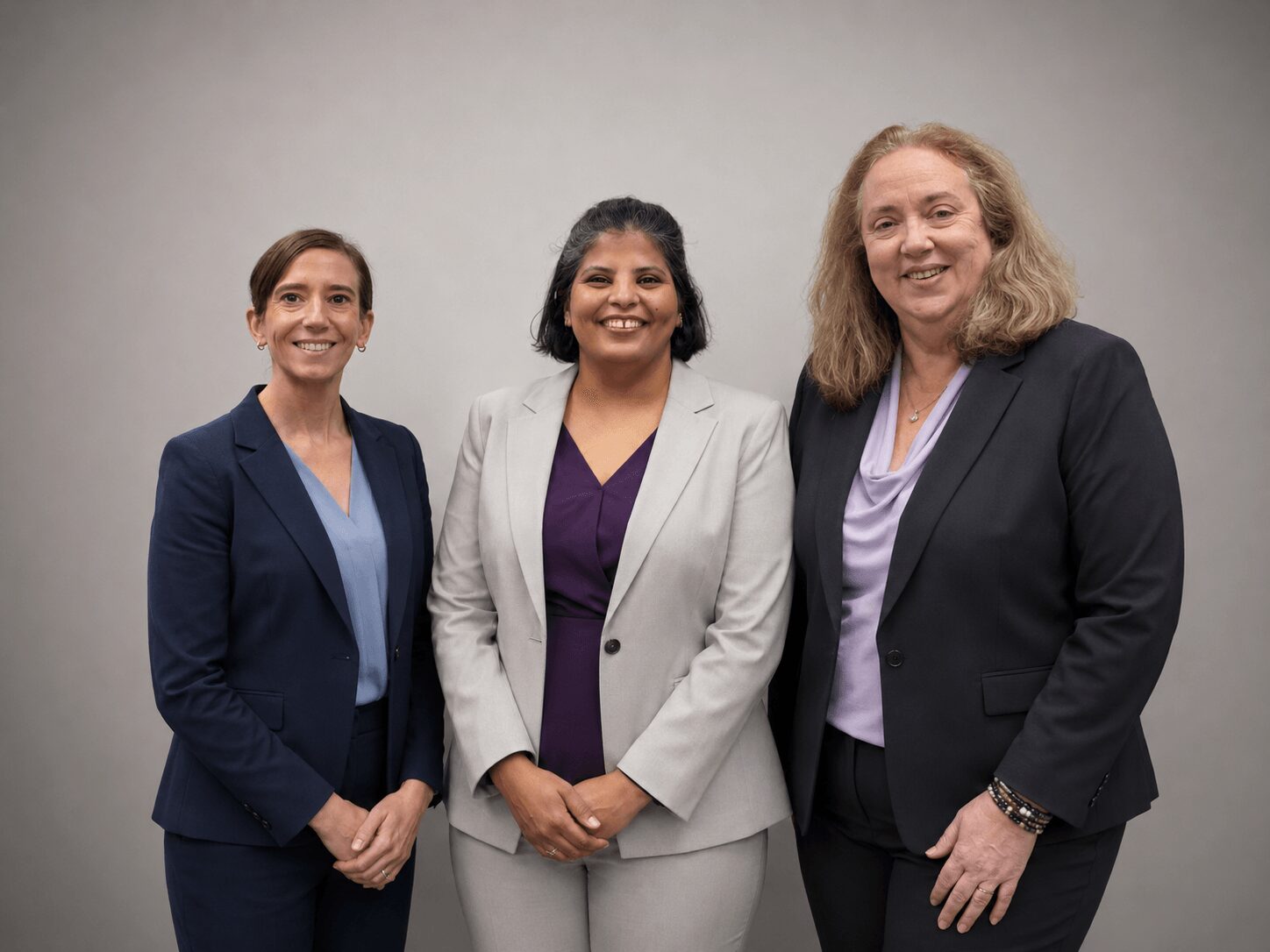




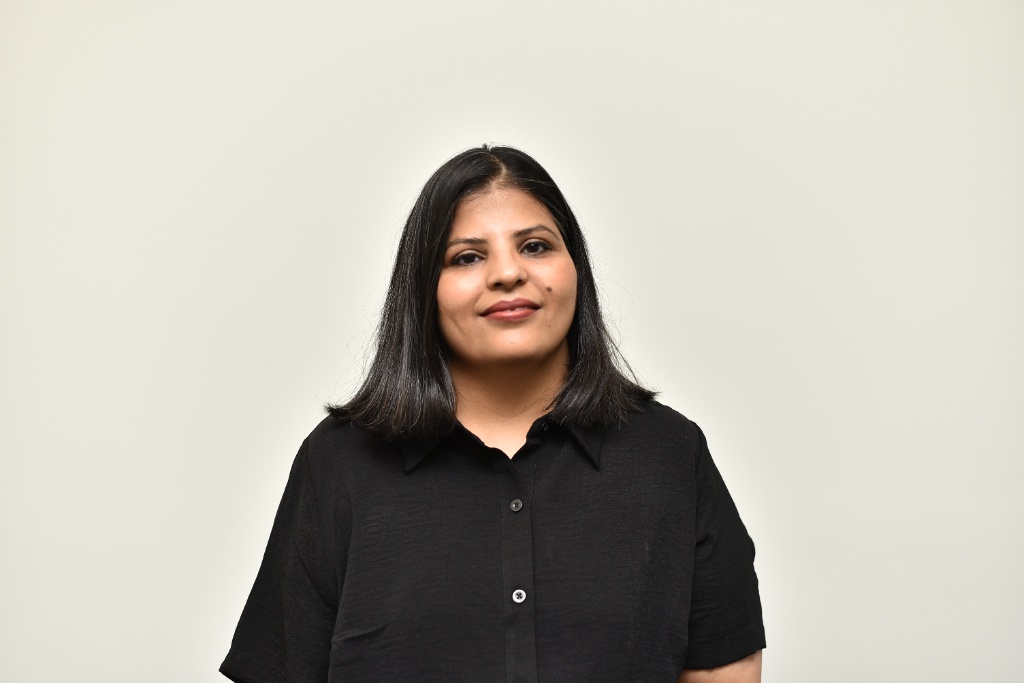
Today we’d like to introduce you to Pinky Khatri.
Hi Pinky, so excited to have you with us today. What can you tell us about your story?
I have been practicing as an audiologist since 2009 and have owned my practice since 2015. For me, audiology was truly love at first sight.
When I was applying to college, I came across a brochure about speech and hearing sciences. I was fascinated by the work it described, and because I had always loved physics, I became especially drawn to the science behind hearing and sound. What began with a simple brochure eventually became the career and purpose that has shaped so much of my life.
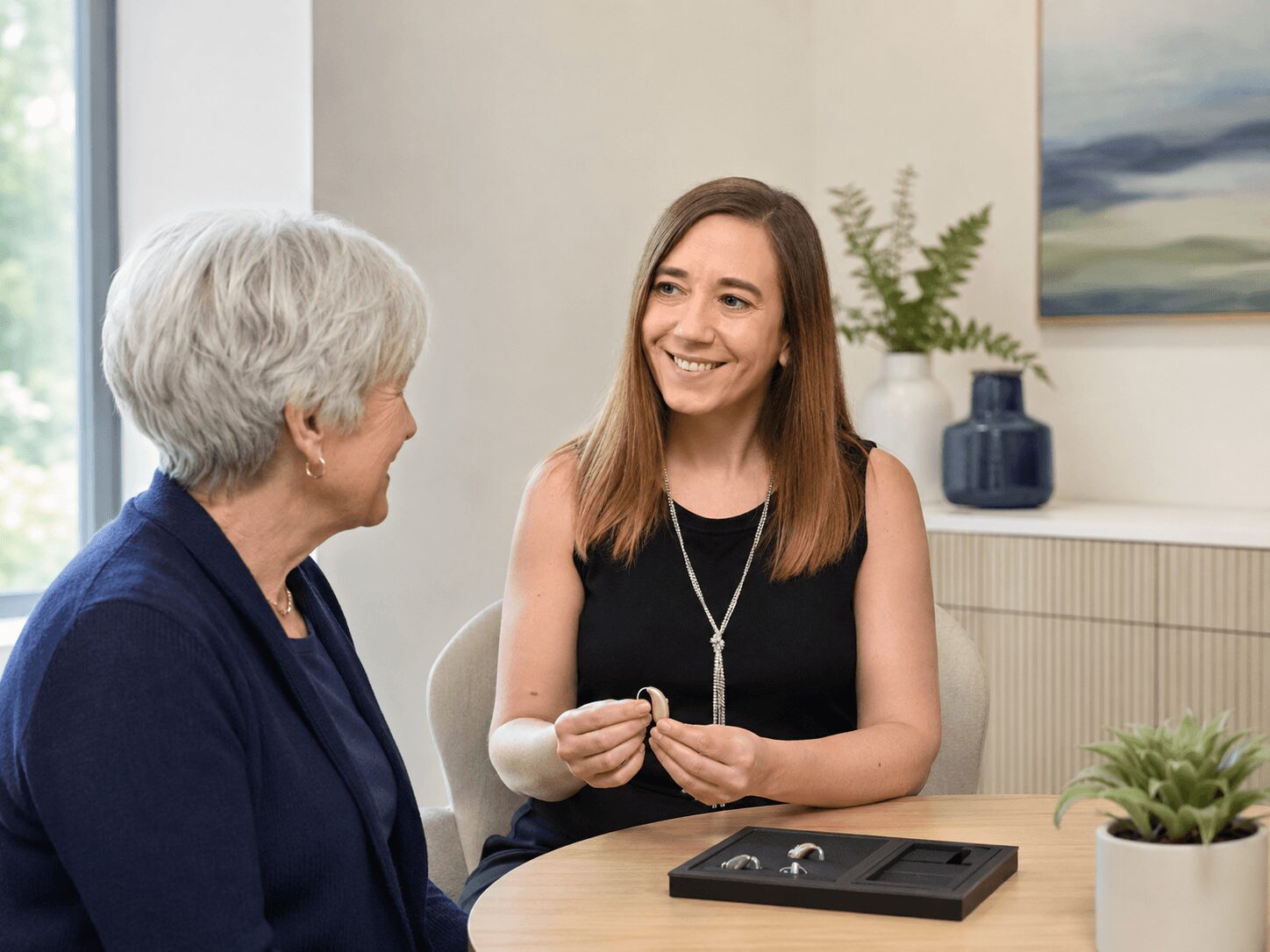
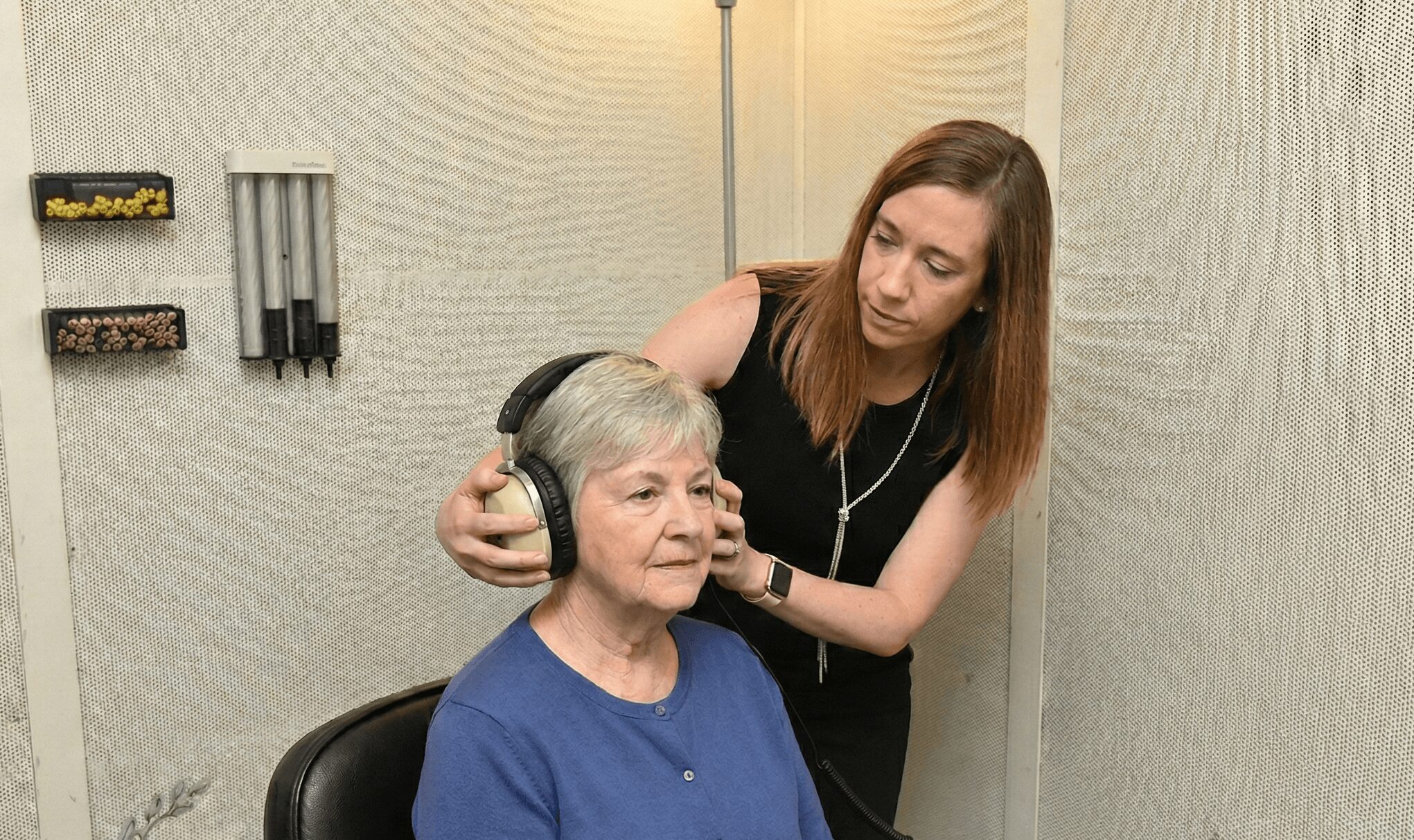
Like many audiology practices, we initially focused primarily on hearing aid evaluations, fittings, and follow-up care. Over the years, the practice evolved and expanded to include services such as auditory processing evaluations, cochlear implant evaluations, and cochlear implant mapping.
But the biggest evolution was not simply the addition of new services. It was a change in how I began to understand hearing care itself.
At the core of my work, I have always loved caring for older adults. Over time, I began noticing that many patients were still struggling with conversations, restaurants, family gatherings, and group situations—even when they were already wearing hearing aids. Some had purchased their devices from us, while others had received care elsewhere, but the struggle was often the same.
They could hear more sound, but that did not always mean they could understand more. And understanding the words did not necessarily mean they felt confident, connected, or fully present in the conversation.
That observation stayed with me.
I developed a deep desire to provide hearing care that was more meaningful and more complete. That desire has shaped the way our practice has evolved and continues to shape the work we are doing today.
I strongly believe that hearing aids are an essential first step in hearing care, but they are only the first step.
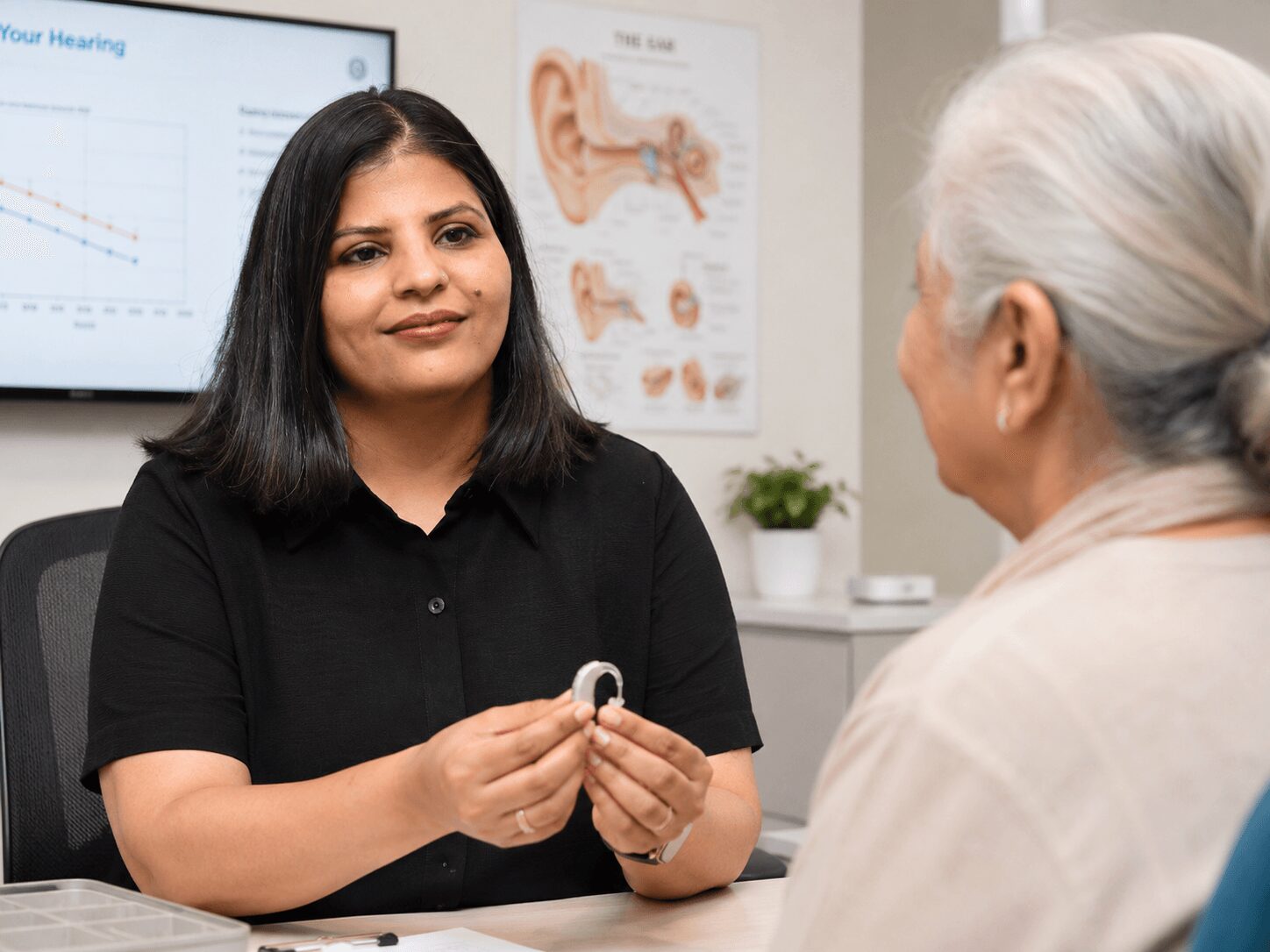
I think of successful hearing through several levels. Hearing technology helps address the physical level of hearing by improving access to sound. We then use auditory training to work on the intellectual level of hearing, helping patients strengthen their ability to process speech and follow conversations across different listening environments.
We also incorporate mindful listening exercises to help patients develop emotional listening skills. Communication is not only about correctly identifying words. It is also about understanding the emotion behind those words, being fully present with another person, and creating a deeper connection.
Ultimately, the goal is what I describe as transformational hearing.
To me, transformational hearing means helping a person move beyond simply hearing more. It means helping them participate more confidently, stay present in conversations, reconnect with the people they love, and experience the relationships and moments that give life meaning.
That philosophy has become the heart of our practice.
My journey in audiology began with a fascination with the science of hearing, but over time, it has become equally about the human experience of listening, connection, and belonging.
I’m sure it wasn’t obstacle-free, but would you say the journey has been fairly smooth so far?
Not always. Like most business owners, we have faced our share of challenges along the way.
One of the most difficult periods came during COVID. I had just returned from maternity leave after having twins, and the following week, we went into lockdown. Suddenly, we had to figure out how to continue caring for patients while also navigating an entirely new personal and professional reality. It was a period that required a great deal of flexibility, resilience, and problem-solving.
Another major challenge has been working with insurance companies. For nearly 10 years, our practice participated with insurance plans. Over time, however, reimbursement rates were reduced, while insurance companies increasingly began dictating what patients could and could not receive through their benefits.
That created a very difficult situation. Patients were often frustrated and disappointed, and as the provider, I found myself caught in the middle. Being responsible for delivering care while also having to explain limitations that were outside of our control became one of the hardest parts of running the practice.
Eventually, I had to make a difficult decision. We chose to move out of network so that we could focus on providing the level and quality of care we believed our patients deserved, rather than building our treatment model around what worked best for insurance companies.
That decision required us to completely rethink and pivot our business model. It was not easy, but it also forced us to become clearer about who we are, what we stand for, and the kind of care we want to provide.
One of the biggest lessons I have learned as a business owner is that sometimes growth requires being willing to make difficult decisions, stand behind the value of your work, and build a model that is aligned with the quality of service you believe in.
Alright, so let’s switch gears a bit and talk business. What should we know?
Family Hearing Services is an independent audiology practice in Leesburg, Virginia. We provide comprehensive hearing care for children and adults, with services ranging from diagnostic hearing evaluations and hearing aid care to auditory processing evaluations, tinnitus management, cochlear implant evaluations and support, earwax removal, and pediatric audiology.
What sets us apart is our belief that better hearing is about much more than simply fitting a hearing aid.
For many people, technology improves access to sound, but they may still struggle to follow conversations in restaurants, keep up in group settings, experience listening fatigue, or feel disconnected from the people around them. Our goal is to address the whole hearing journey—not just the device.
We take a comprehensive approach that combines evidence-based technology, personalized treatment planning, auditory training, counseling, and mindful listening exercises. We want our patients not only to hear more, but also to understand more, participate with greater confidence, and remain fully present in the conversations and relationships that matter to them.
As an independent practice, we are also able to make recommendations based on the individual patient’s hearing needs, lifestyle, communication goals, and long-term success rather than being tied to a single manufacturer or a one-size-fits-all solution.
One of the things I am most proud of is how our brand has evolved. We started as a more traditional audiology practice, but over the years, our philosophy has become much more intentional. Today, the heart of Family Hearing Services is helping people move from simply hearing sound to experiencing confidence, presence, and deeper connection.
We think of that journey through different levels of hearing. The first is physical hearing—having access to sound. The next is intellectual hearing—being able to process and understand what is being said. Then there is emotional hearing—recognizing the emotion and meaning behind the words. Ultimately, we want to help people experience transformational hearing: being fully present, participating confidently, and deeply connecting with the people they love.
That is what I want people to understand about our brand. We are not simply in the business of selling hearing aids. We are in the business of helping people reconnect with their lives, relationships, and sense of self through better hearing and communication.
How can people work with you, collaborate with you or support you?
There are several ways people can connect and collaborate with us.
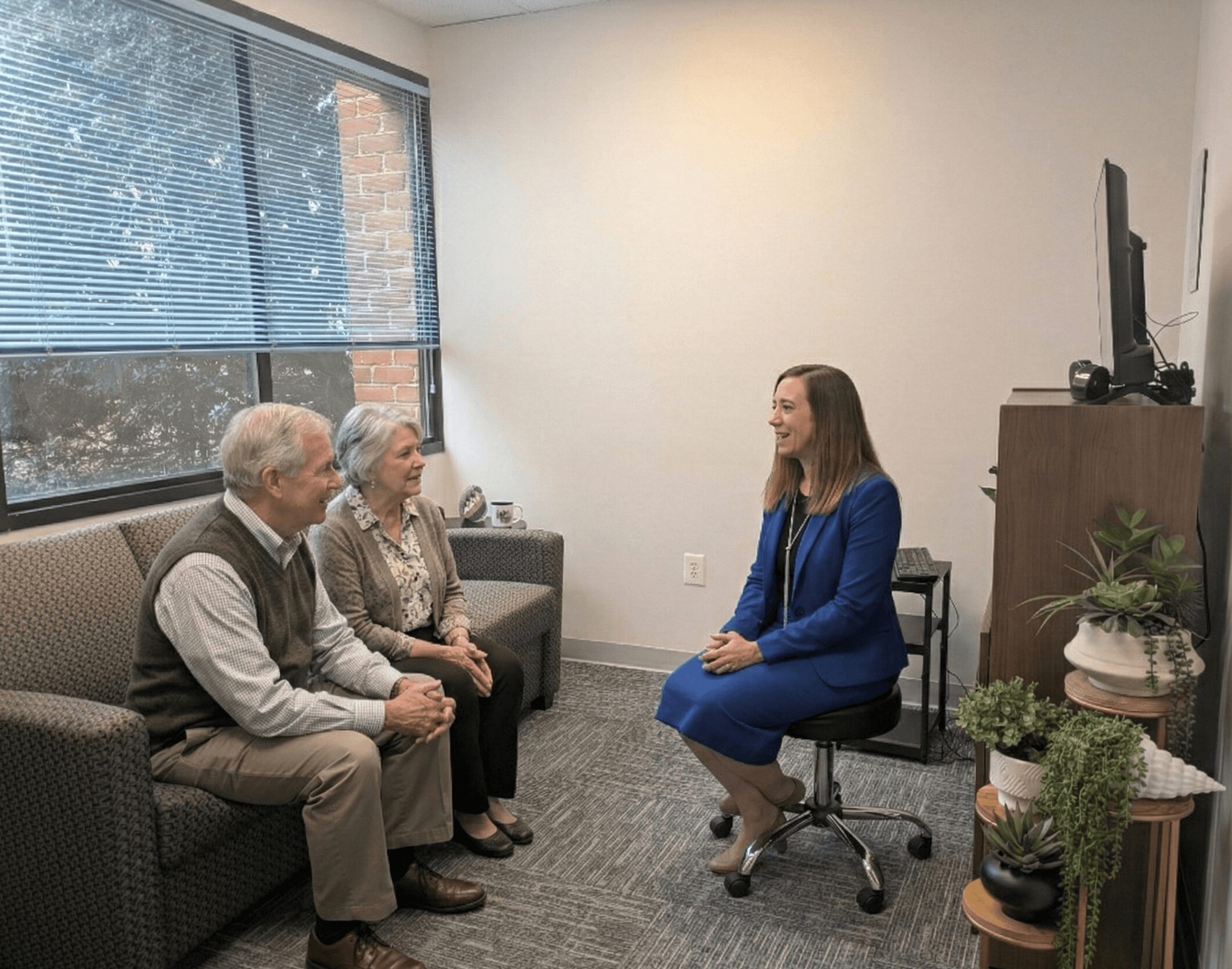
For individuals and families, the best way to work with us is simply to start a conversation. Whether someone is noticing changes in their hearing, struggling to understand conversations in noise, experiencing tinnitus, concerned about auditory processing, or looking for more comprehensive hearing care, we are happy to help them understand their options and determine the next best step.
We also welcome collaboration with physicians, therapists, educators, senior living communities, and other professionals who support people with hearing and communication challenges. We enjoy providing educational programs, community presentations, professional training, and collaborative care for individuals who may benefit from more specialized audiology services.
I am especially interested in connecting with professionals and organizations that share our belief that communication is closely tied to confidence, relationships, independence, and quality of life. There is tremendous opportunity for collaboration around healthy aging, brain health, communication wellness, auditory training, and helping people remain meaningfully engaged in their communities.
People can also support us simply by helping spread awareness that hearing care is about more than hearing aids. Many people live with communication difficulties for years because they assume nothing more can be done. Sharing information, encouraging someone to have their hearing evaluated, or referring someone who continues to struggle despite using hearing technology can make a meaningful difference.
At Family Hearing Services, we are always open to meaningful partnerships that help people hear more clearly, communicate more confidently, and stay connected to the people and experiences that matter most.
Contact Info:
- Website: https://familyhearingva.com/
- Facebook: https://www.facebook.com/familyhearingva/?locale=en_GB
- Youtube: https://www.youtube.com/c/Familyhearingva
- Other: https://www.youtube.com/@TheMindfulProfessional