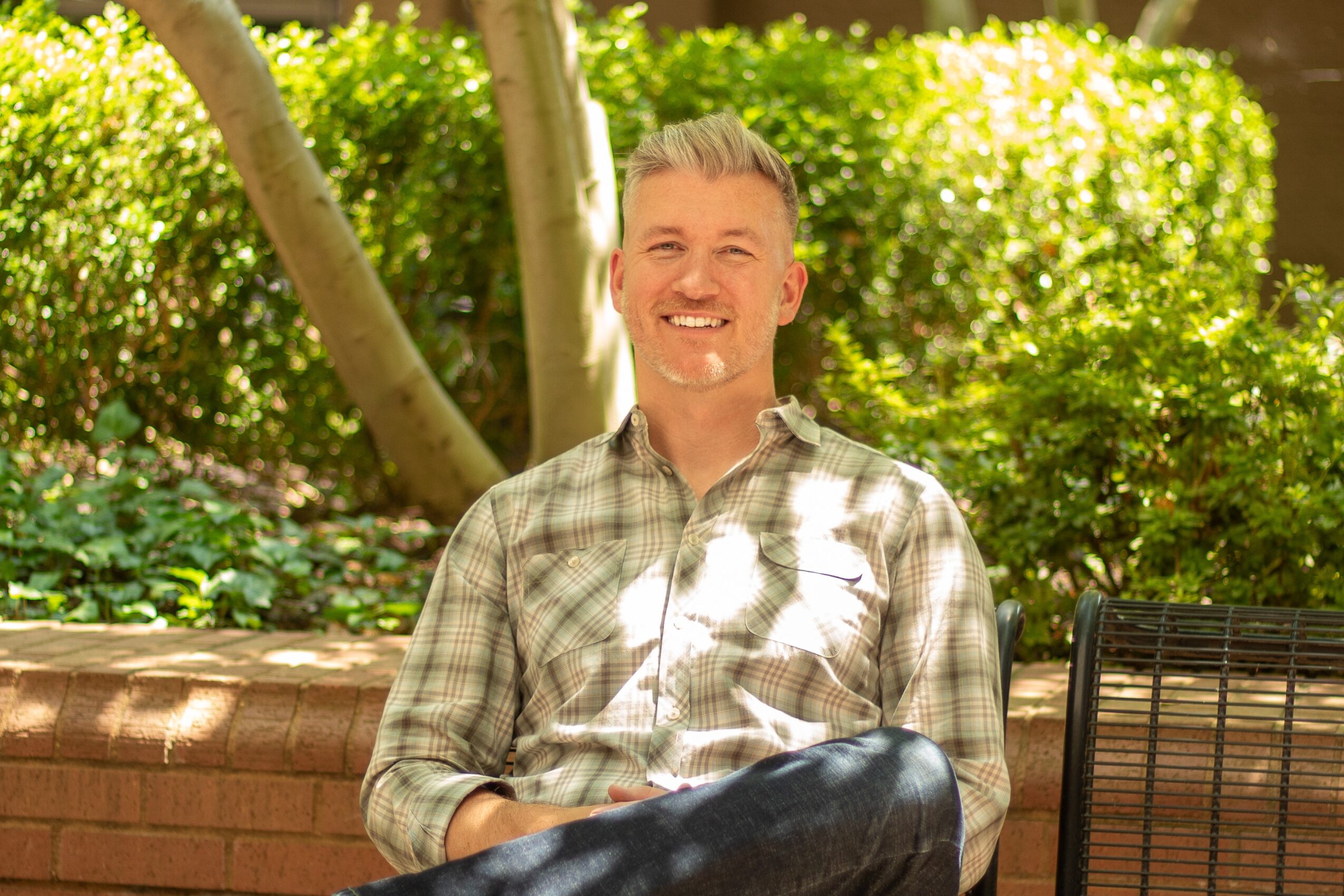





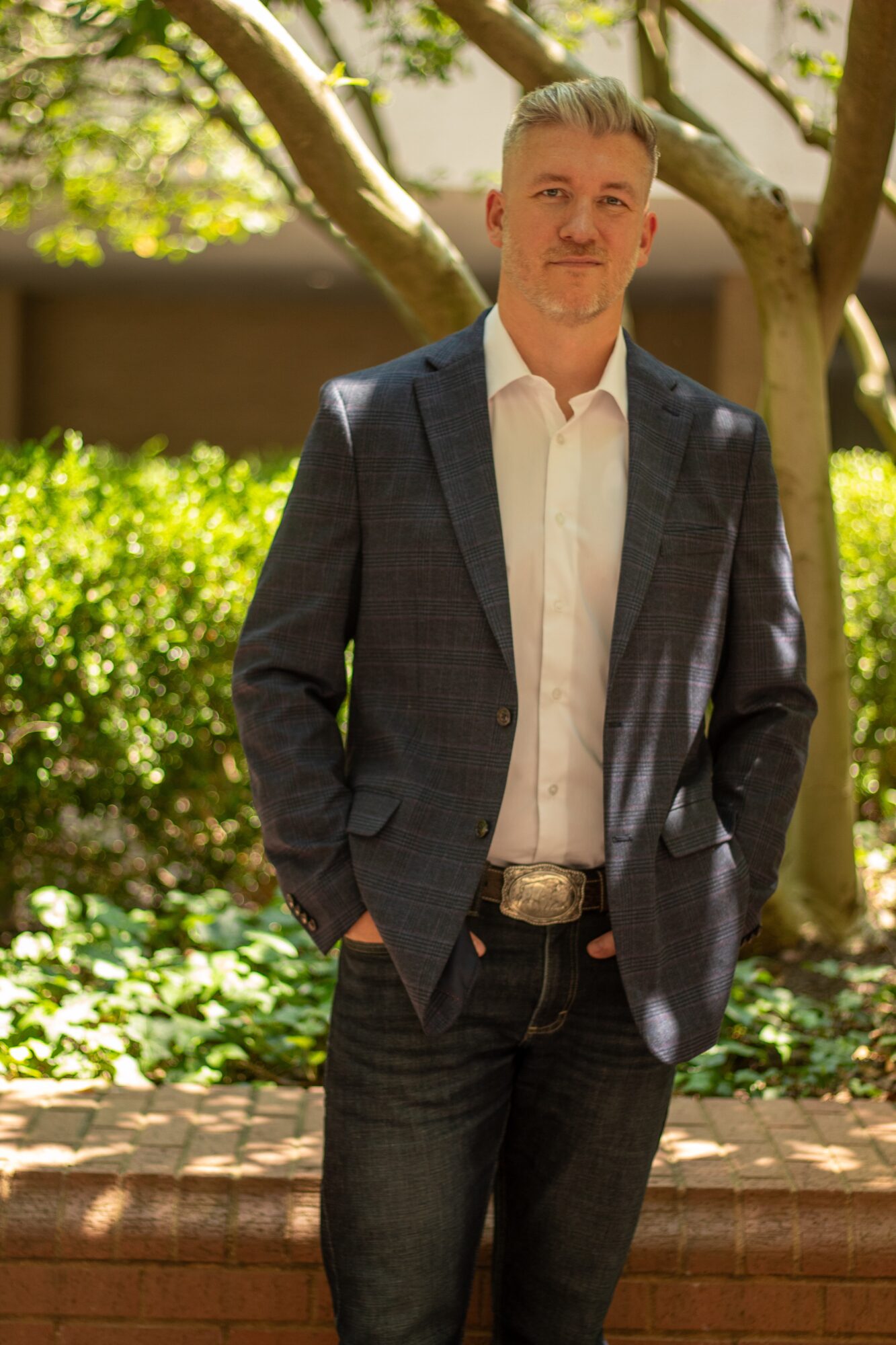
Today we’d like to introduce you to Sean Maloney.
Hi Sean, so excited to have you with us today. What can you tell us about your story?
Growing up, I always felt called to contribute something meaningful to my community. As a child, I imagined that meant becoming President of the United States. By high school, personal experiences had shown me other—and perhaps more immediate—ways to use my strengths to make a difference. Still, it was not until well into college that this desire crystallized into a career in social work.
My professional path has not been linear, and I have come to see that as one of its greatest strengths. At one point, I stepped away from clinical work and started a business that ultimately failed. Although that experience was difficult, it became one of the most formative chapters of my life. It taught me humility, resilience, and the importance of building something with both a clear purpose and a sustainable foundation. It also gave me a deeper appreciation for how people respond when life does not unfold according to plan.
When I returned to clinical work and eventually built this practice, I brought those lessons with me. They strengthened my determination to succeed, but they also made me a more grounded and empathetic clinician. I understand that growth is rarely a straight line and that some of our most meaningful development can emerge from disappointment, uncertainty, and starting over.
That perspective continues to shape what makes our practice different today. We recognize that people are more than a diagnosis or the circumstances that bring them to therapy. Our work begins with understanding the whole person—their experiences, relationships, identities, strengths, and hopes for their life. We aim to create a space where clients feel genuinely known and where thoughtful, clinically sound care can lead to meaningful and lasting change.
Alright, so let’s dig a little deeper into the story – has it been an easy path overall and if not, what were the challenges you’ve had to overcome?
It hasn’t been a smooth road, though I am not sure the smoothest road would have prepared me for the work I am doing today.
One of the most difficult chapters was starting—and ultimately losing—my first business after stepping away from clinical practice. Failure has a way of confronting you with yourself. I had to examine not only what had gone wrong, but also the assumptions I had made, the decisions I had avoided, and the ways ambition can outpace preparation. It was professionally humbling and personally painful.
That experience taught me that passion and good intentions are not enough to sustain a business. I needed to become more disciplined, more willing to seek guidance, and more comfortable making difficult decisions. I also had to learn how to separate a failed venture from the belief that I was a failure. That distinction took time, but it ultimately let me carry the lessons forward without letting the experience define me.
Building this practice has presented its own challenges. As a clinician and business owner, I have had to learn how to protect the quality and humanity of the work while also creating the structure necessary for a healthy organization. Growth brings responsibility: to our clients, to the clinicians who trust the practice with their careers, and to the broader professional community.
The road has been uneven, but it has made me more thoughtful about what we are building and why. I do not view setbacks as inherently meaningful; meaning comes from what we are willing to learn from them. My earlier failure gave me greater humility, clearer judgment, and a stronger commitment to building a practice that can serve people well for years to come.
Thanks – so what else should our readers know about Forge & Form Therapy?
Forge & Form Therapy works with individuals, relationships, and groups, serving clients ages 12 and older across a wide range of identities, experiences, and life stages. Although our clients come to us for many different reasons, they often share two qualities: they are high-achieving people who recognize the value of the therapeutic process, and they are ready to engage in meaningful change.
What distinguishes Forge & Form is the way we approach that process. Our work is bespoke, honest, and direct. Our clinicians are skilled in a wide range of therapeutic modalities, but that expertise does not translate into rigid adherence to a single model or predetermined course of treatment. Instead, it gives us the flexibility to create a therapeutic experience around the particular person in front of us. The work should be so individualized that it would not look exactly the same—or necessarily work—for anyone else.
Honesty is equally important to us. Our clinicians are trained to thoughtfully name what they observe and experience within the therapeutic relationship. Some approaches ask the therapist to wait for clients to arrive at those observations independently, and that can be valuable. Our approach is more active and transparent. We believe clients deserve clinicians who are willing to engage fully, offer meaningful feedback, and bring their clinical judgment into the room.
We are also direct. Meaningful change often requires staying with discomfort long enough to understand it rather than finding the quickest way around it. We will support our clients through that discomfort, but we will not help them avoid the very work they came to therapy to do. This makes Forge & Form especially well suited for people who want more than temporary relief or surface-level insight; they are prepared to examine entrenched patterns and translate insight into lasting change.
Brand-wise, I am most proud of the client experience we have built. Forge & Form is not designed to offer interchangeable therapy. It is a place where people are known deeply, challenged honestly, and supported through the difficult work of creating meaningful change. That depth—and the trust required to reach it—is what I hope clients and fellow providers come to associate with our name.
Who else deserves credit in your story?
No part of this has been accomplished alone. Long before Forge & Form existed, I met a social worker who was practicing as a therapist in an intensive mental health setting. She was the first person to show me what it meant to care for someone professionally—not simply to feel compassion, but to bring skill, presence, honesty, and responsibility to that care. She planted a seed that would eventually grow into Forge & Form.
Since then, countless people have shaped both the clinician and business owner I have become. Friends and colleagues refused to let me accept my first business’s failure as the end of my story. They helped me see it for what it was: the closing of one chapter, not the conclusion of the book. Mentors taught me how to build a sustainable business without losing the compassion that led me into social work. Peers helped me understand how to create a practice culture that functions as a rising tide—one in which clinicians, clients, and the organization can grow together.
The Forge & Form team deserves tremendous credit. Our clinicians show up with a shared commitment to work that is individualized, honest, and direct. A brand can articulate its values, but the people who practice them every day make them real.
Most importantly, I am grateful to the people who have trusted us. Everyone who has been willing to open up, be vulnerable, and let us into an important part of their life has taught me something. Our clients are the heart of this work, and the providers who entrust their clients to our care make our continued growth possible. We never take their trust for granted; it is both the foundation of Forge & Form and the responsibility that guides what we do.
Contact Info:
- Website: https://www.forgeandformtherapy.com
- Instagram: https://www.instagram.com/forgeandformtherapy
- LinkedIn: https://www.linkedin.com/company/forgeandformtherapy/