




Today we’d like to introduce you to Shoko Yasuda.
Hi Shoko, thanks for joining us today. We’d love for you to start by introducing yourself.
I started my business from a very personal place — as a mom, a maker, and someone who grew up in Japan with a deep awareness of not wasting things. The idea of mottainai — respecting resources and using things with care — has always been part of my life, but it really came back into focus after I had kids.
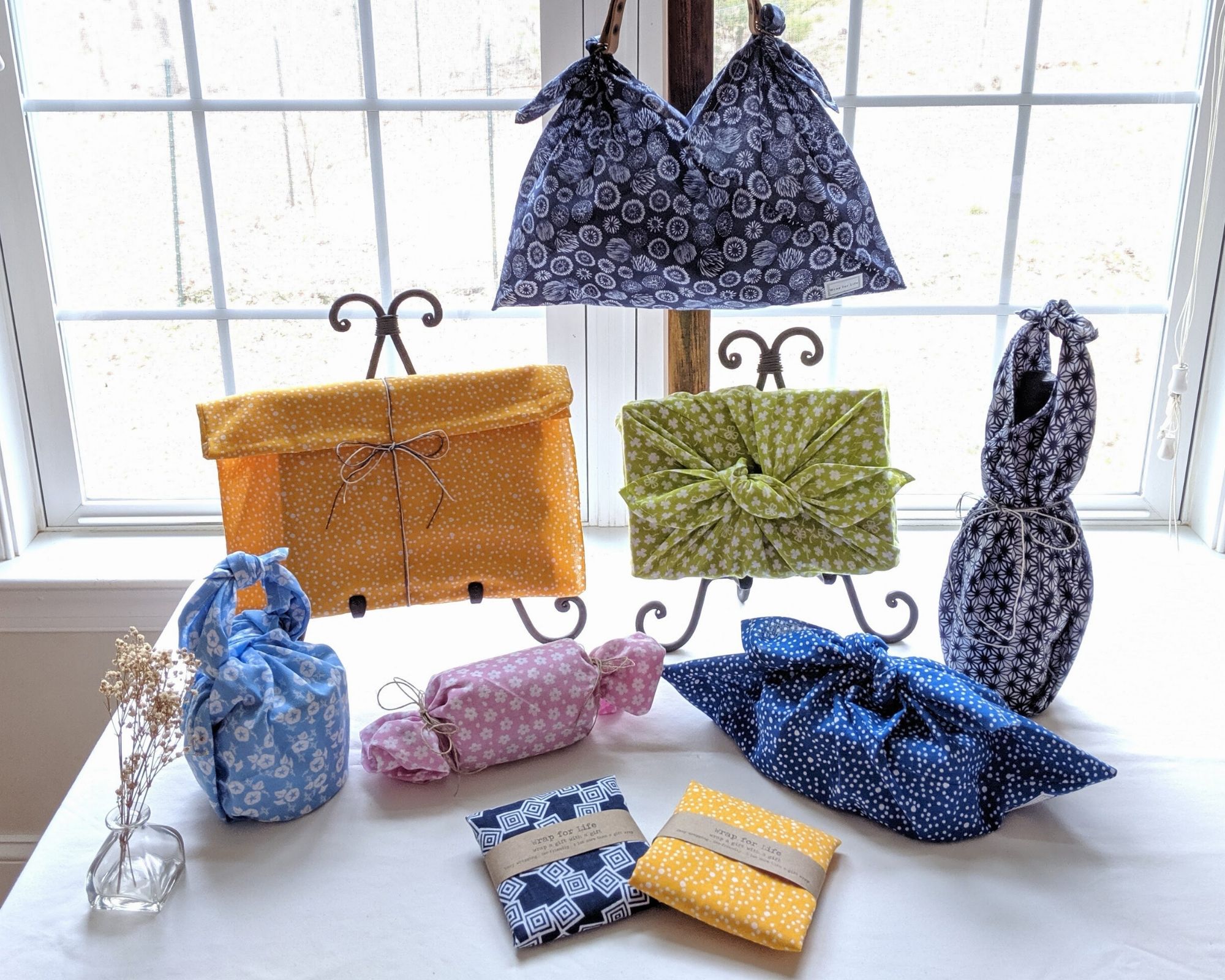
The first spark came when I saw a huge pile of discarded wrapping paper at my son’s birthday party. It made me question how gift-giving could be more eco-friendly. Traditional Japanese fabric wrapping, furoshiki, is a beautiful solution, but it does take some skill. I wanted to create a reusable fabric gift wrap that would be simple and approachable for anyone. That idea led me to adapt the traditional Japanese Azuma bag style into an easy, reusable gift wrap.
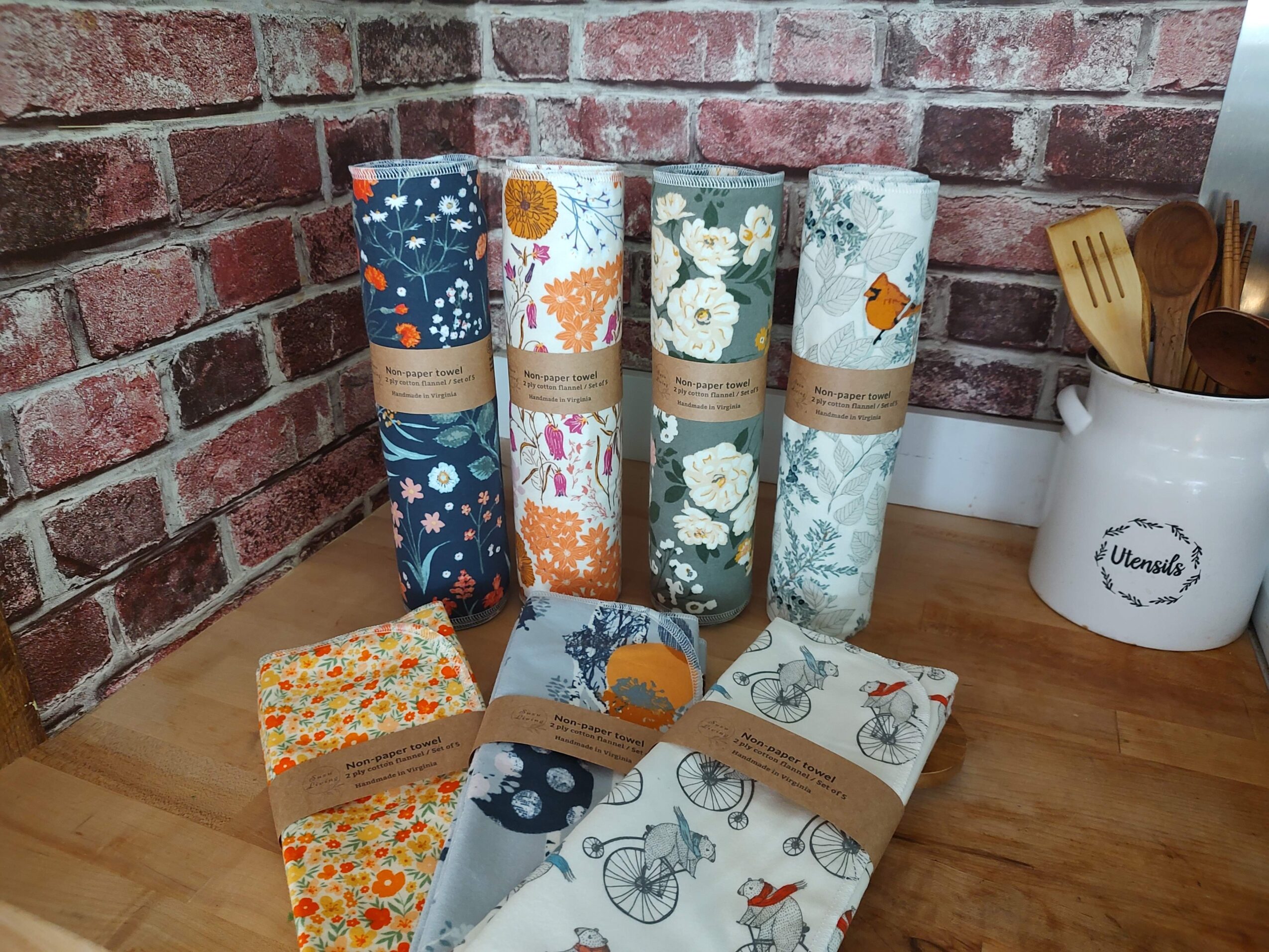
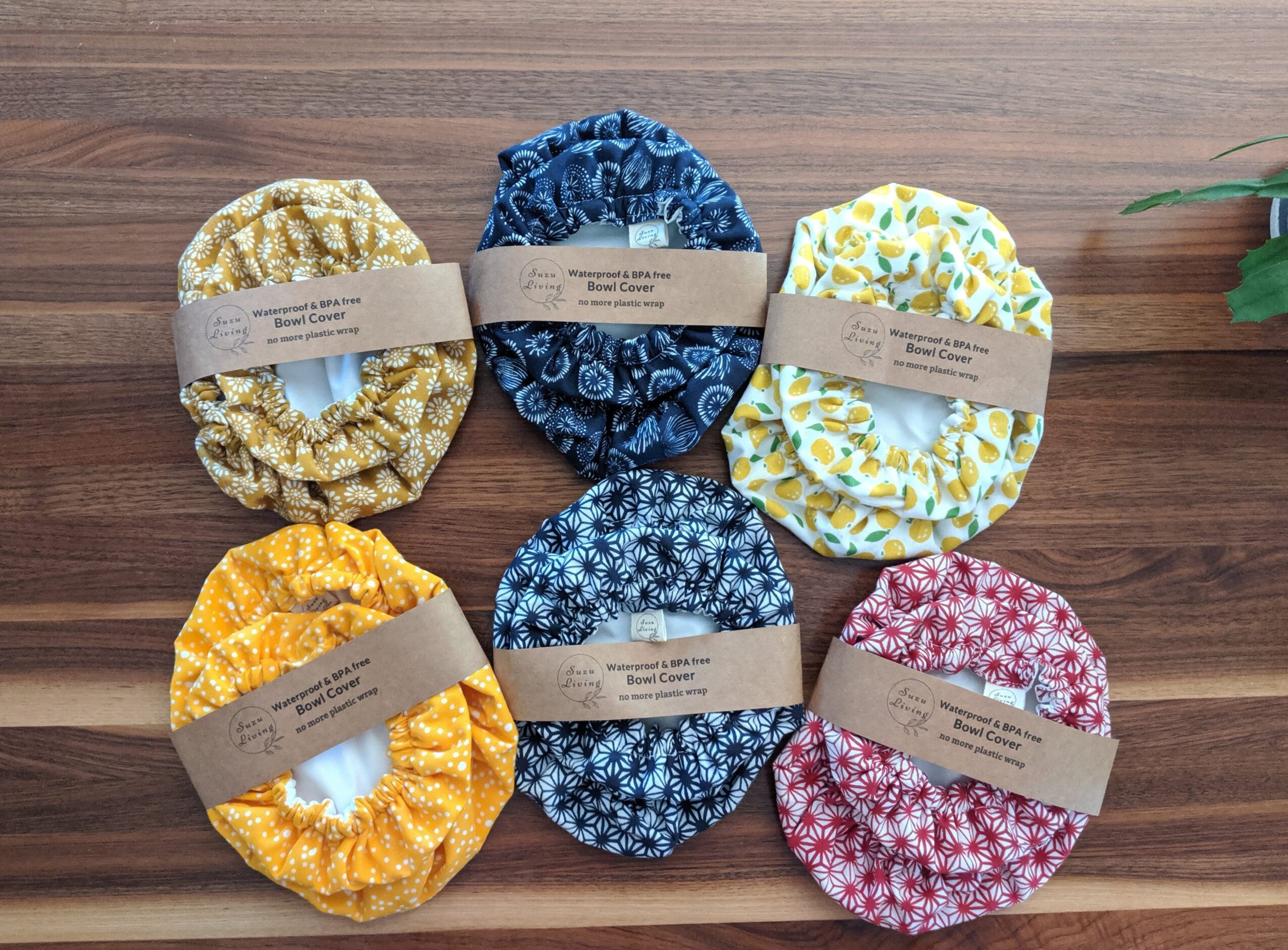
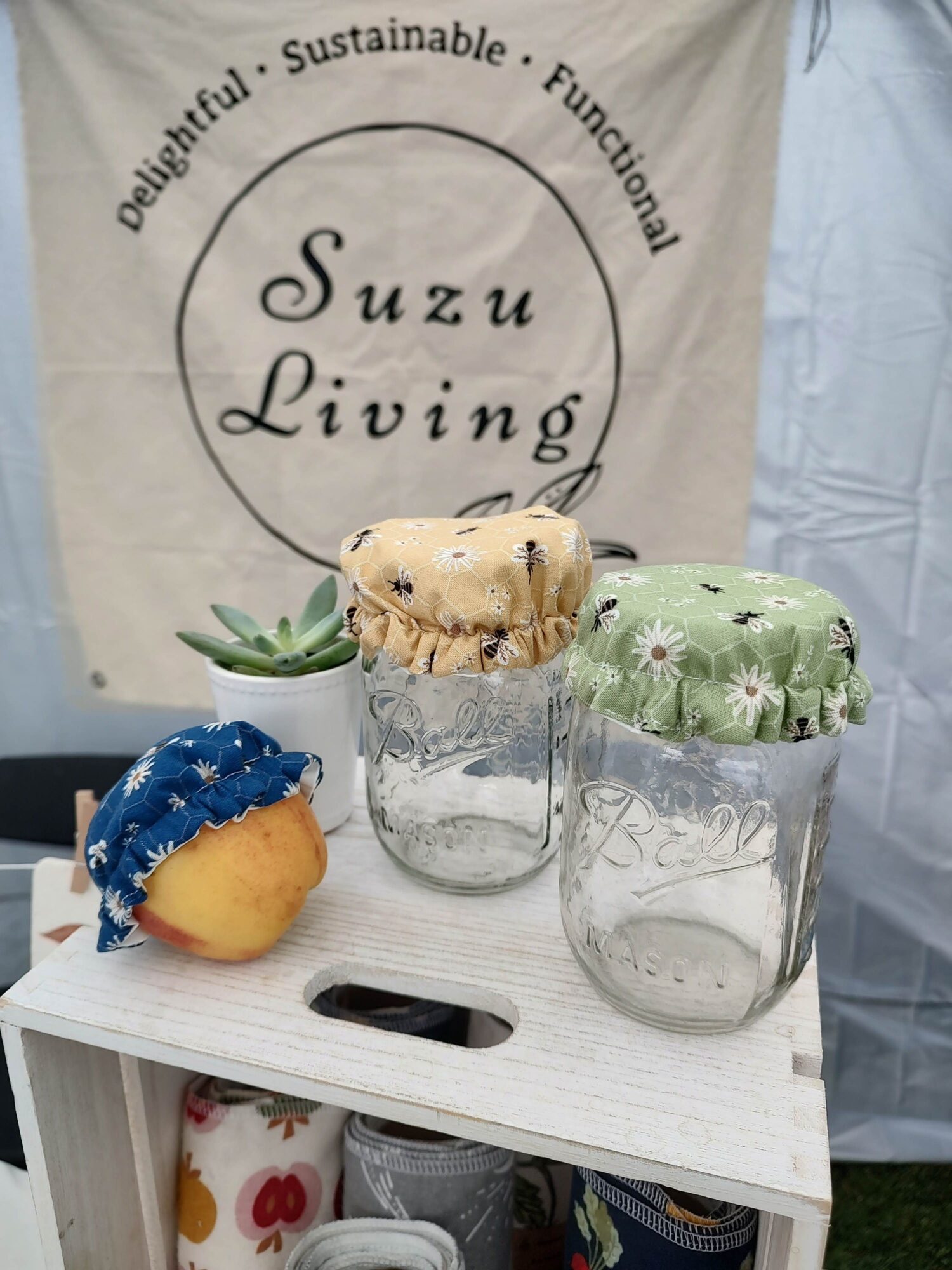
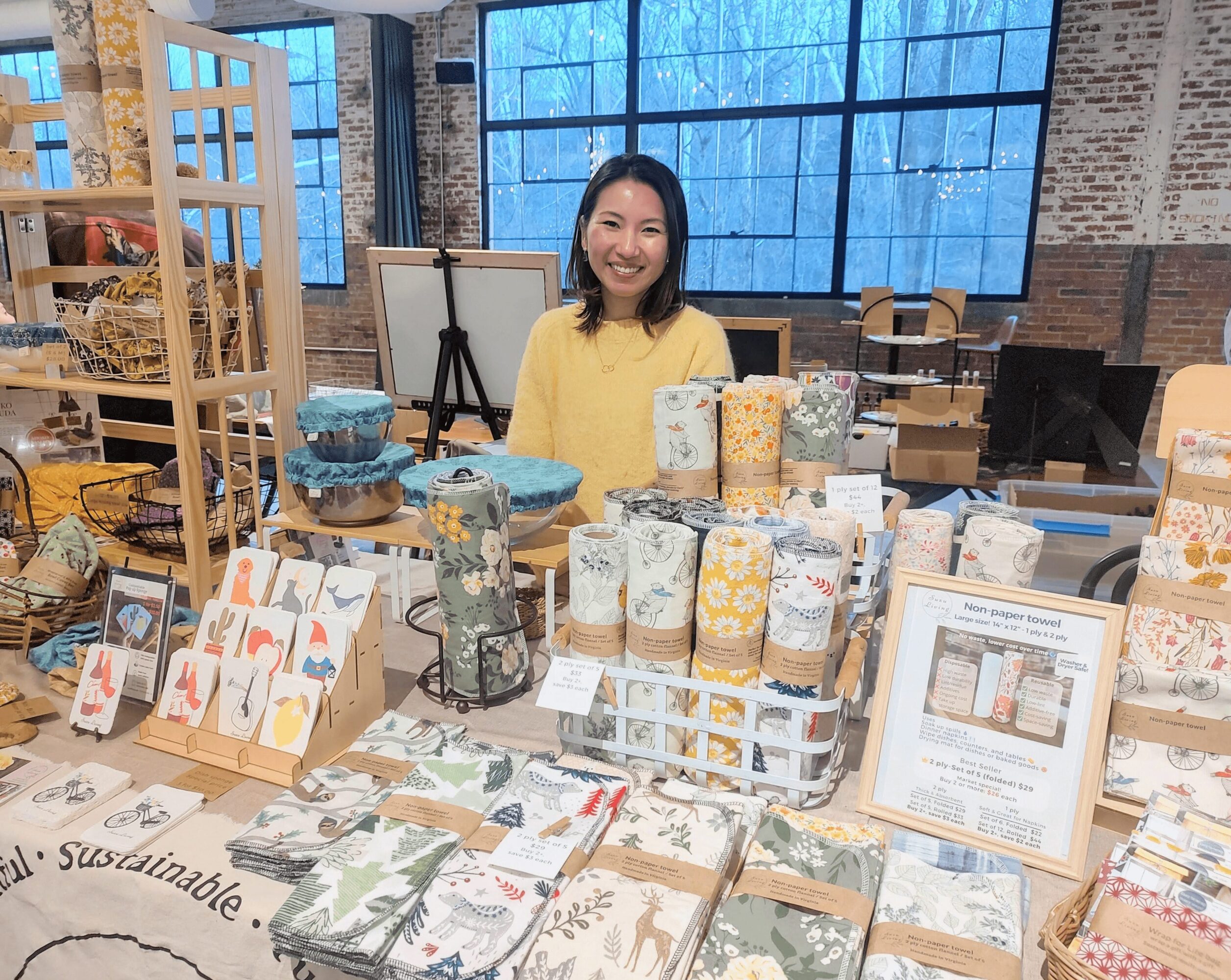
I started by making them for friends and family, and their encouragement led me to share my work at local shops, markets, and eventually online. Along the way, I expanded my line to include other reusable everyday items, such as cloth bowl covers and reusable paper towels. What began as small, home solutions gradually grew into a business rooted in sustainability, cultural heritage, and thoughtful design.
Today, my work continues to be hands-on and heart-led, with a focus on helping people live more sustainably in ways that feel approachable, meaningful, and beautiful.
Would you say it’s been a smooth road, and if not what are some of the biggest challenges you’ve faced along the way?
It hasn’t always been a smooth road. As a small handmade business owner and mom of two young sons, I’ve had to navigate limited time, production capacity, and the balance between running a business and being present with my family. More recently, sourcing materials has become one of the biggest challenges.
Because I use traditional textiles from Japan, recent tariffs and rising international shipping costs have made importing fabrics more expensive and complex. At the same time, traditional fabrics themselves are becoming harder to find, as there are fewer artisans in Japan continuing these craft traditions.
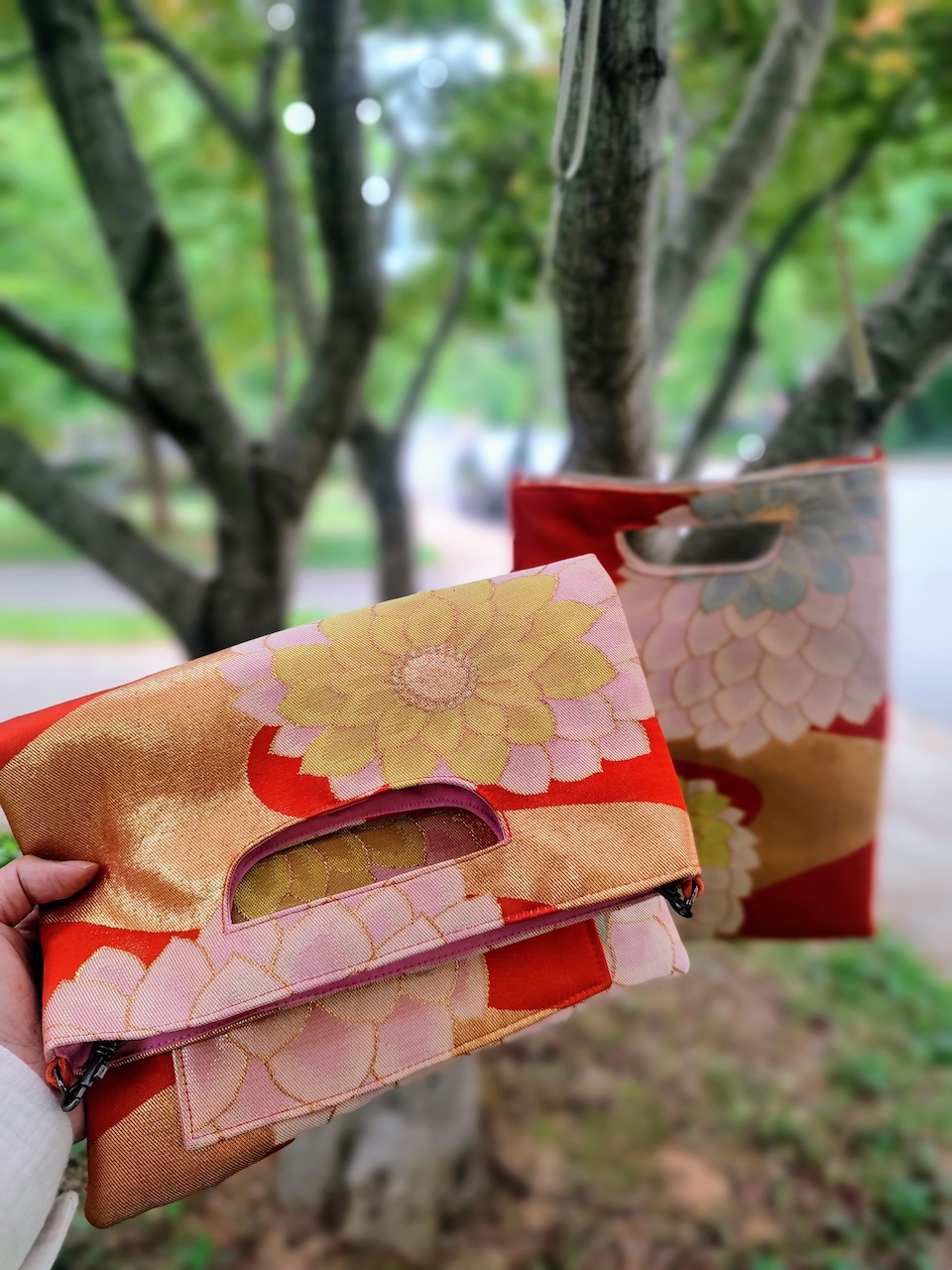
These challenges have pushed me to be more resourceful — using materials more efficiently, incorporating more upcycled textiles, and also exploring high-quality fabrics made in the U.S. In many ways, the difficulties have strengthened my commitment to sustainability and to honoring the stories behind the materials I use.
Thanks – so what else should our readers know about your work and what you’re currently focused on?
I create handmade, reusable kitchen and gift items that help people reduce everyday waste in a beautiful and practical way. My work is deeply inspired by the Japanese value of mottainai — respecting resources and using things with care — which I grew up with and now share through my designs.
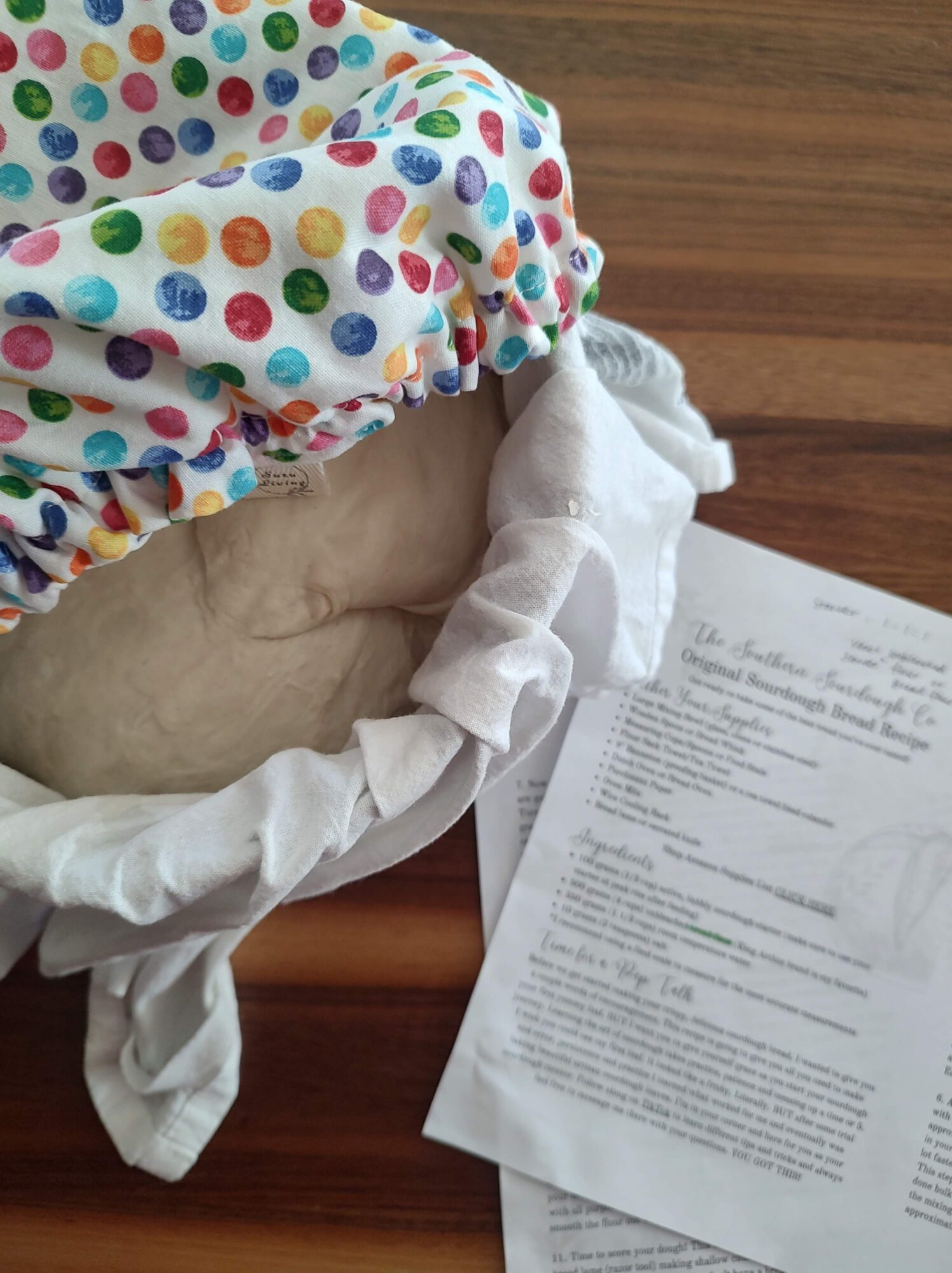
I first began with reusable fabric gift wraps inspired by traditional Japanese furoshiki and Azuma bag styles, redesigned to be simple and approachable for modern gift-giving. Unlike single-use wrapping paper, these wraps can be used again and again — not only for gifts, but also as multifunctional bags such as produce bags, lunch bags, bread bags, or travel organizers. From there, my line grew to include sustainable kitchen alternatives like cloth bowl covers and reusable paper towels — practical swaps that make eco-friendly living feel achievable.
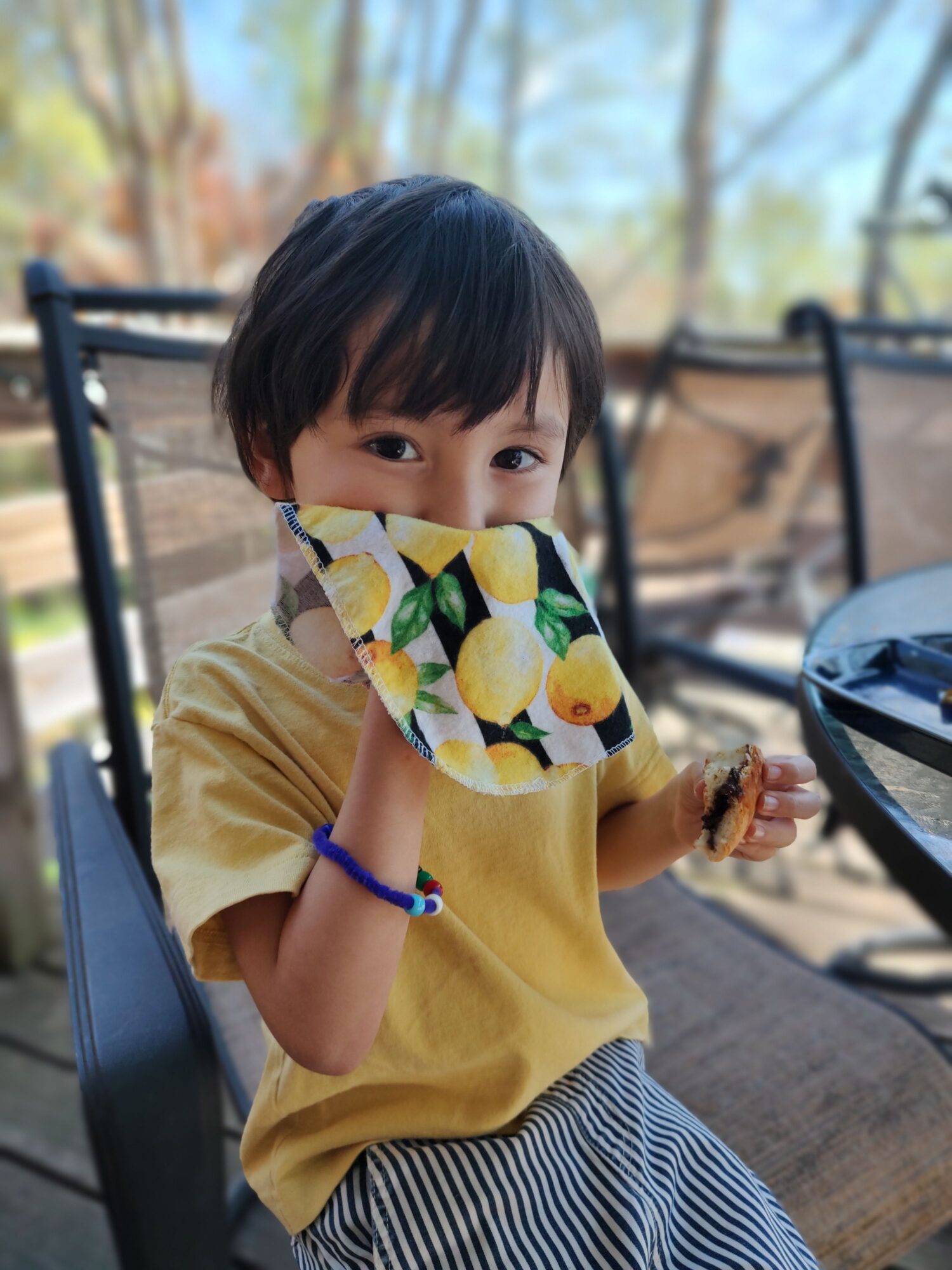
Customers often tell me in reviews that the materials I use feel higher quality than many other reusable options, and that the Japanese patterns are especially beautiful. I design my products to be not only reusable and functional, but also practical and easy to care for — most items are machine washable — and made with cheerful, thoughtfully chosen prints that bring joy into everyday spaces like the kitchen.
Another thing that sets my work apart is how carefully I choose materials. I primarily use durable, 100% cotton fabrics that are made to last, along with environmentally conscious choices like cotton thread instead of polyester and hemp twine instead of jute. I believe my Japanese attention to detail and respect for craftsmanship strongly influence how I design and produce each piece.
Do you any memories from childhood that you can share with us?
One of my favorite childhood memories is going to the local summer fireworks festival at the Yamato River, near the rural area of Osaka, Japan, where I grew up.
People would dress in yukata — light summer kimono — and I especially loved wearing mine with a soft pink, chiffon-like obi belt. Putting on a yukata always made the evening feel extra special and magical.
I was a big fan of the festival food and activity stalls. My favorites were fluffy cotton candy and kingyo-sukui (goldfish scooping). After watching the beautiful fireworks light up the night sky, my brother and I would walk home together.
Right in front of our house, my grandparents owned a small rice shop, and sometimes they made freshly toasted traditional rice crackers from their rice. I still remember the comforting smell and how they were warm and delicious — even though my tummy was already full from all the festival food.
Pricing:
- $10~$50
Contact Info:
- Website: https://www.suzuliving.com/
- Instagram: https://www.instagram.com/suzuliving/
- Facebook: https://www.facebook.com/SuzuLiving/