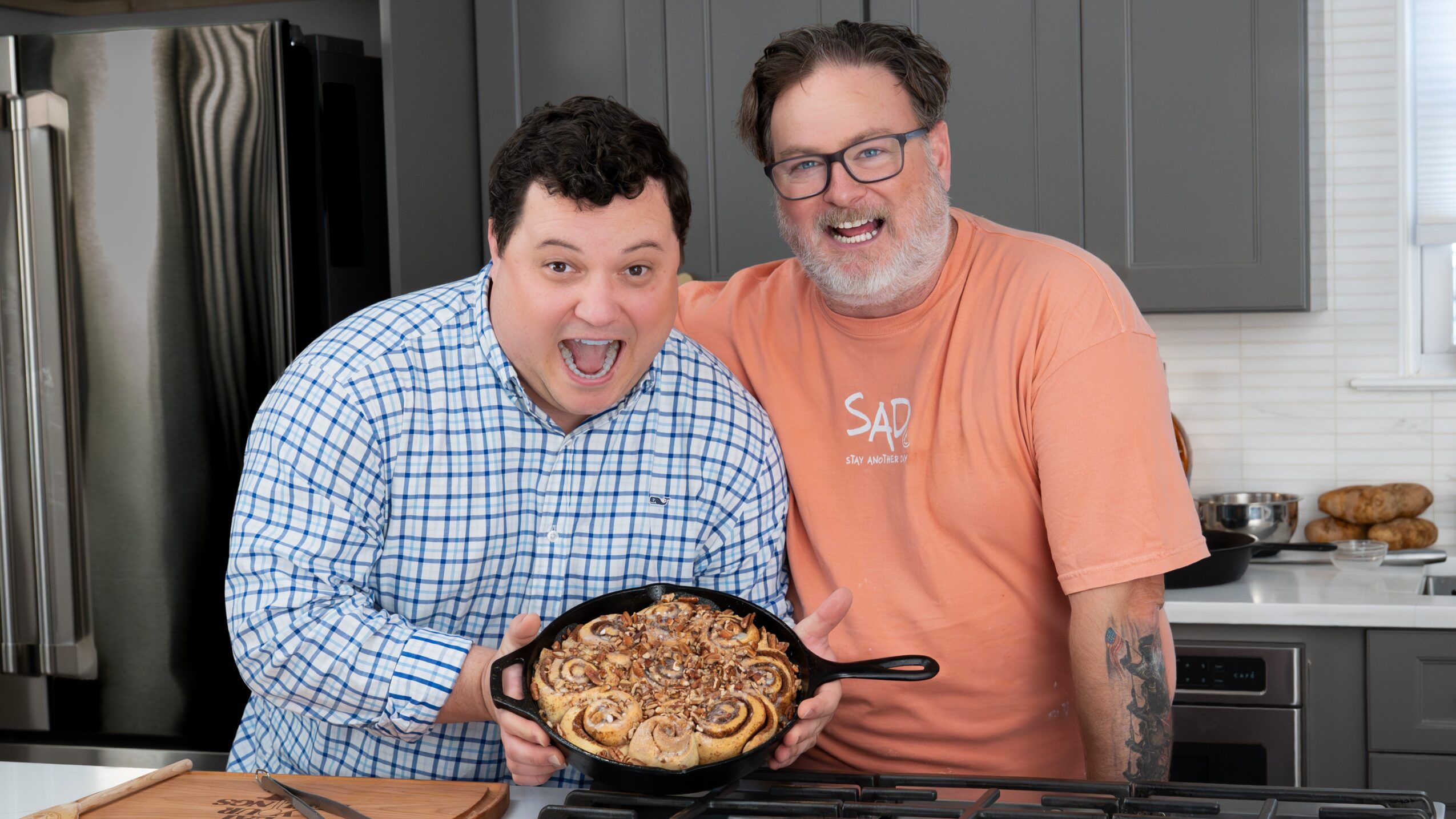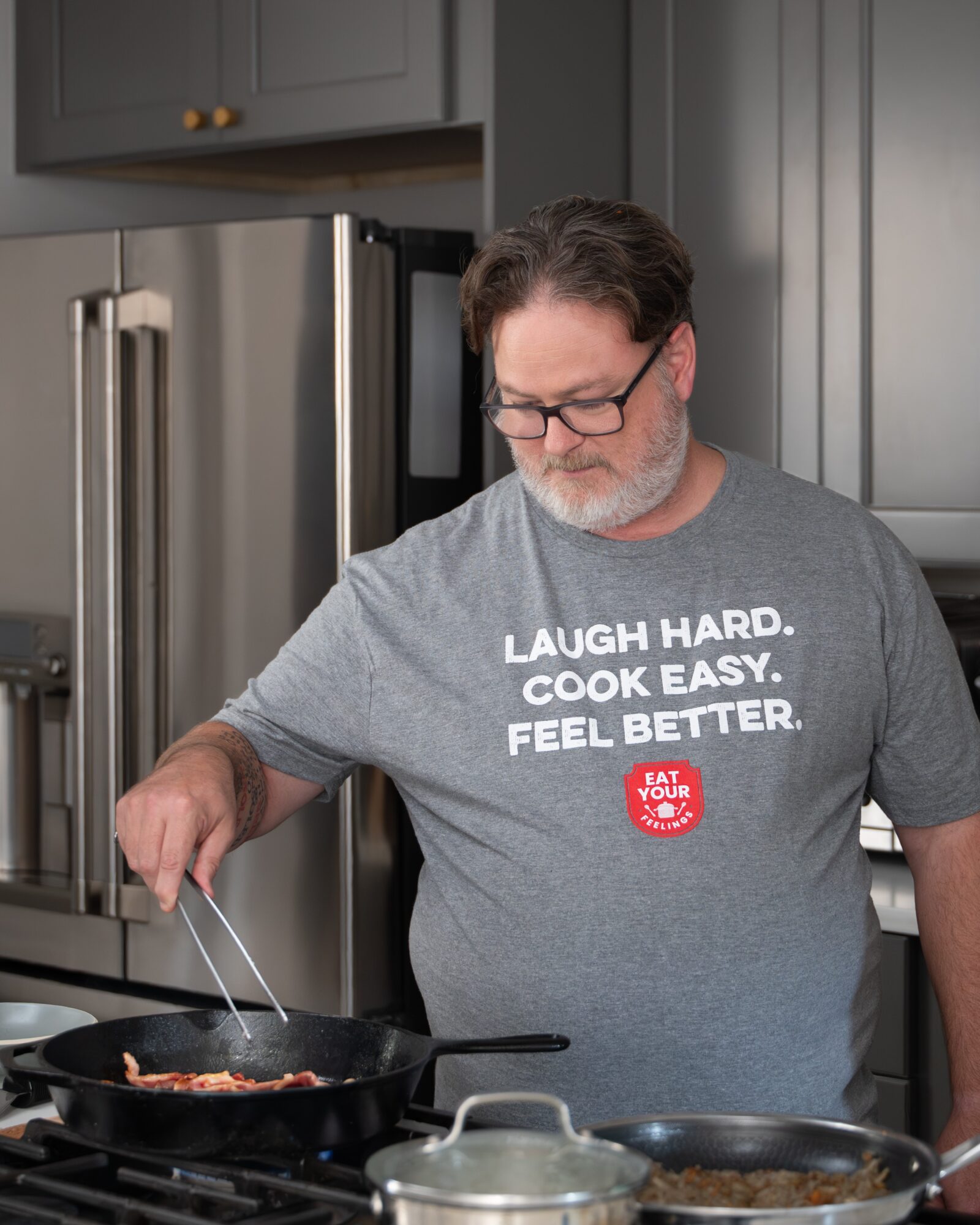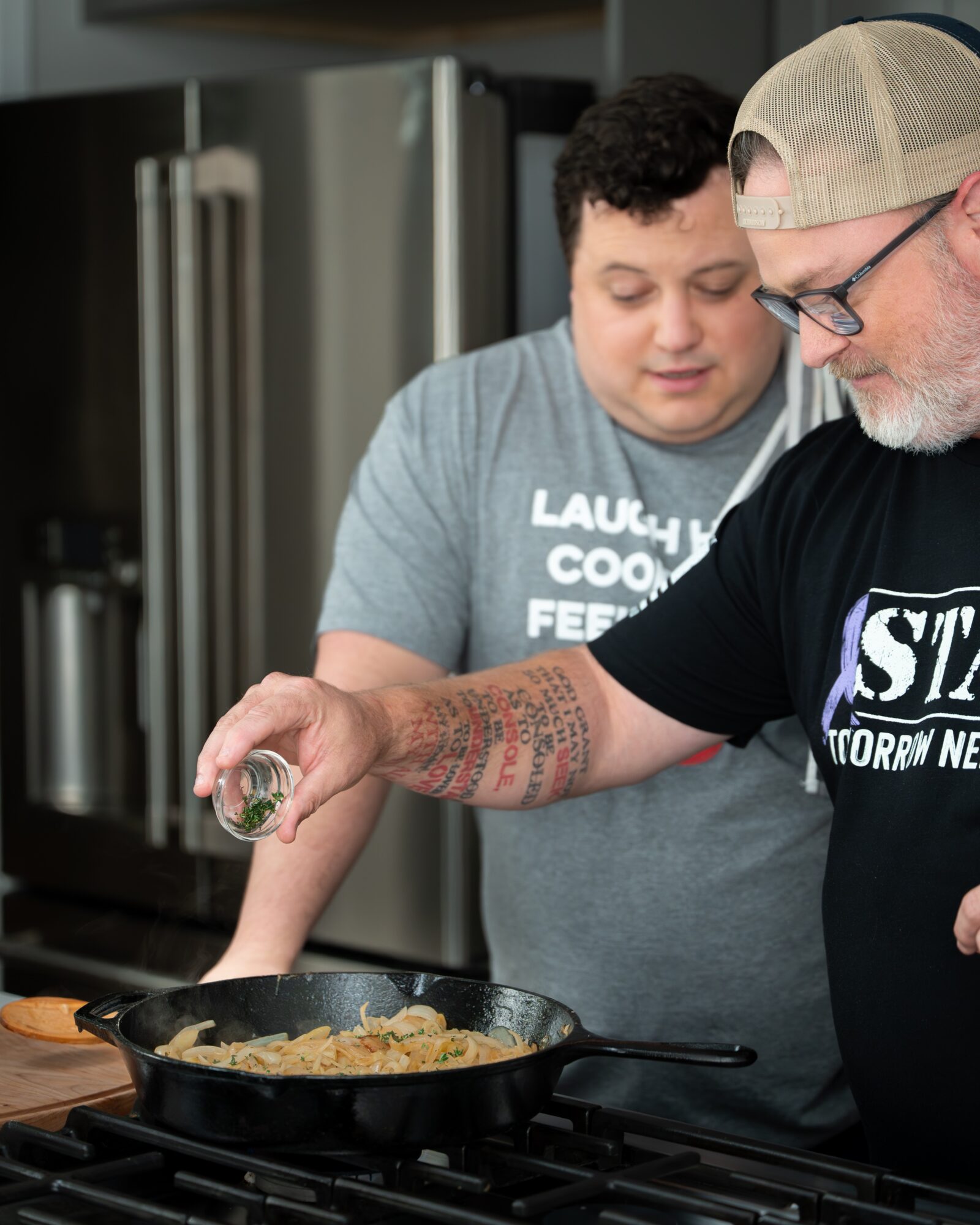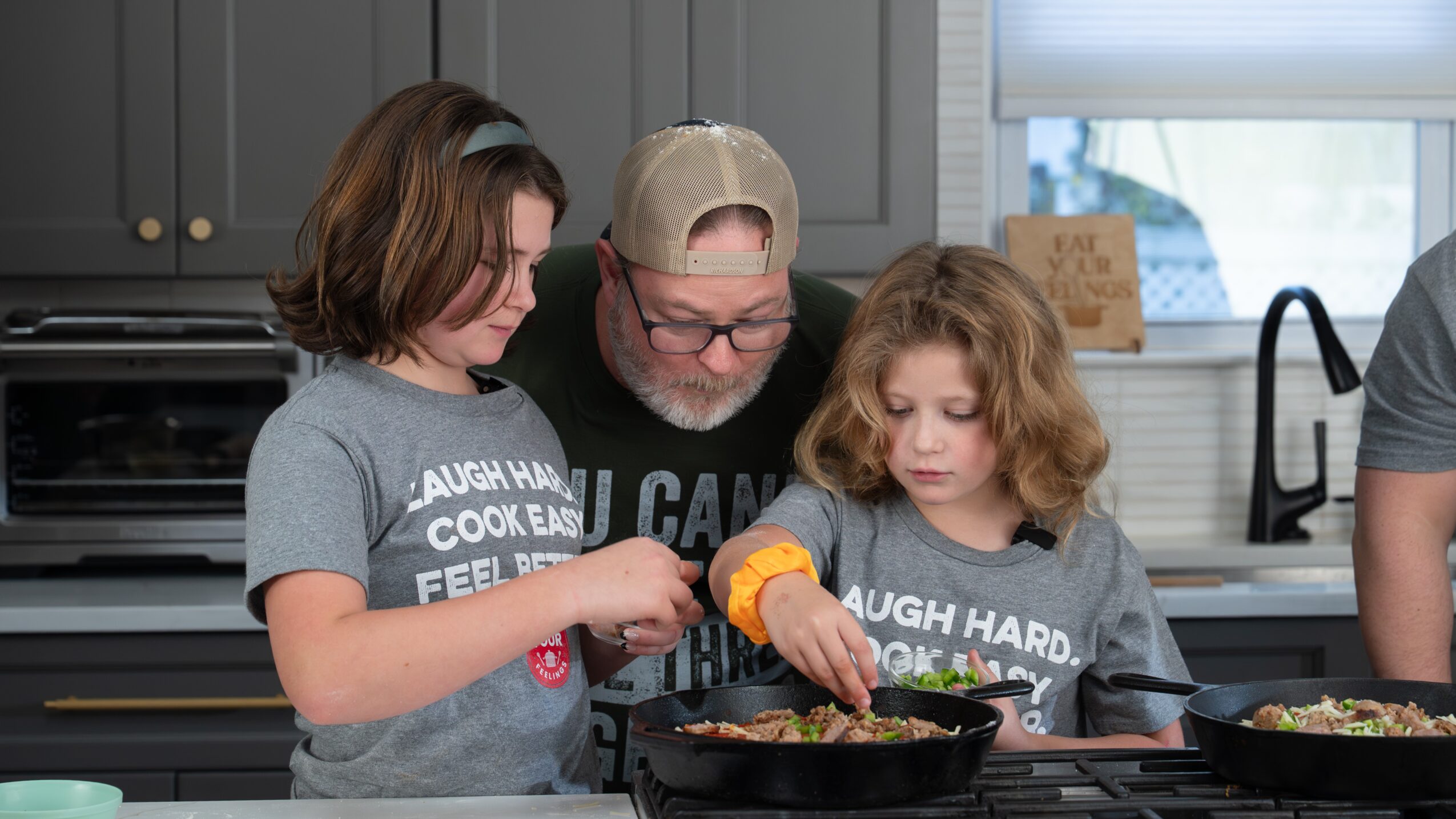





Today we’d like to introduce you to Cory Brown.
Hi Cory, please kick things off for us with an introduction to yourself and your story.
I’ve taken a few turns in life that I certainly didn’t see coming. Starting a cooking show about mental health is probably near the top of that list.
I grew up in Alabama, where food was always about more than just eating. My Nana had a big influence on my love of cooking and, just as importantly, my appreciation for what it means to cook for other people. There’s something special about preparing a meal for somebody, bringing people together, and making sure they feel welcome and cared for.
I didn’t know it at the time, but those experiences would eventually become a pretty important part of what I’m doing today.
I spent more than 16 years in the Army and Army National Guard, including a deployment to Iraq in 2007 and 2008. During that deployment, I was involved in an IED explosion that left me with a traumatic brain injury and PTSD.
I’m proud of my military service and grateful for the people I served alongside. But there were challenges that came with it, and some of those followed me home. Like a lot of veterans, I had to figure out how to deal with things I didn’t fully understand at the time.
Professionally, I built a career in public opinion research, polling, and business leadership. I spent about 14 years helping organizations understand people, make decisions, and solve problems. Eventually, I became an executive helping run a national research company. I’ve also taught graduate students at George Washington University since 2015.
I enjoyed that work, and I still do. Research has taught me a lot about how people think and what influences their decisions. But it’s also reinforced something I’ve believed for a long time: there’s a difference between knowing something about people and actually understanding them.
In 2025, after years of helping build and lead businesses for other people, I decided to start my own consulting practice.
Around the same time, my friend Sam Nathews and I started working on an idea that eventually became Eat Your Feelings.
Neither of us is a chef. We’re not therapists. And while we both think we’re funny, I suspect there’s a pretty good argument to be made against that one, too.
But we love cooking, we love giving each other a hard time, and we’ve both experienced enough of life’s ups and downs to know how important it is to have people you can talk to.
The idea was simple. Everybody has to eat, and everybody goes through stuff. So why not bring those things together?
We started a show where we invite people into the kitchen, cook something good, laugh, tell stories, and have honest conversations about life and mental health. Sometimes things get pretty serious. Other times, Sam says something so ridiculous that I’m not sure how we’re going to explain it to our families.
And somewhere in the middle of all that, people open up.
The mental health side of the show is especially personal for me. I’ve dealt with my own challenges following military service, and I’ve lost people I served with to suicide. I know how hard it can be to talk about what you’re going through, particularly when you feel like you’re supposed to have everything under control.
We’re not pretending that cooking dinner is going to solve somebody’s problems. But I believe there’s real value in sharing a meal, laughing together, and making space for an honest conversation.
In a lot of ways, that takes me back to what I learned from Nana. Cooking for somebody is one way of showing them that they matter. And sometimes sitting down together over a meal creates an opportunity for a conversation that might not have happened otherwise.
Today, I’m still consulting and teaching, while working with Sam and our team to build Eat Your Feelings. I’m also a husband and dad, and I try to keep all those things in some kind of balance. Some days I’m better at that than others.
It’s not exactly the path I expected to take. But I like where it’s led me, and I’m looking forward to seeing what comes next.
Alright, so let’s dig a little deeper into the story – has it been an easy path overall and if not, what were the challenges you’ve had to overcome?
Not even close. And I don’t think I’d trust anybody who told me their road had been completely smooth.
I’ve had some wonderful opportunities in my life, and I’m grateful for them. But I’ve also had some pretty difficult experiences.
My deployment to Iraq certainly changed me. I was involved in an IED explosion, suffered a traumatic brain injury, and have dealt with PTSD and the challenges that come with it. Some of those challenges were obvious. Others took years to really recognize and understand.
One of the hardest things has been losing people I served with to suicide. These were people who made it through some incredibly dangerous situations overseas, only to struggle with things after coming home. That’s something I’ve never been able to make sense of, and I don’t think I ever will.
I’ve also had my share of professional challenges. I’ve spent much of my career in leadership positions, and I’ve learned that making difficult decisions, managing people, and being responsible for the success of a business can take a toll. I’ve made mistakes. I’ve trusted the wrong people at times. I’ve had things not work out the way I expected.
And starting something of your own brings an entirely different set of challenges.
With Eat Your Feelings, we’re trying to build something that is entertaining, meaningful, and financially sustainable. Those things don’t always fit together as neatly as you’d like. We’ve been fortunate to meet some incredible people and have conversations that remind us why we started the show. But producing quality content takes time, money, and a tremendous amount of work. Getting people to discover what you’re doing is another challenge altogether.
I also think there’s a personal struggle that doesn’t get talked about enough, particularly among veterans and people who’ve spent years in leadership roles. You get accustomed to being the person who’s supposed to have the answers, solve the problems, and take care of everybody else.
It can be a lot harder to admit when you’re the one who needs some help.
I certainly haven’t always been good at that.
I don’t think every difficult experience happens for some grand reason. Sometimes bad things happen, and sometimes we make decisions we wish we’d made differently. That’s life.
But I do think we have some say in what we do afterward.
For me, part of that has been finding ways to use my experiences to connect with other people. That’s a big reason Eat Your Feelings matters so much to me. I know what it’s like to struggle, and I know how much difference it can make when somebody simply takes the time to sit with you, listen, and remind you that you’re not alone.
We can’t fix everything over a plate of food. But it’s not a bad place to start.
As you know, we’re big fans of you and your work. For our readers who might not be as familiar what can you tell them about what you do?
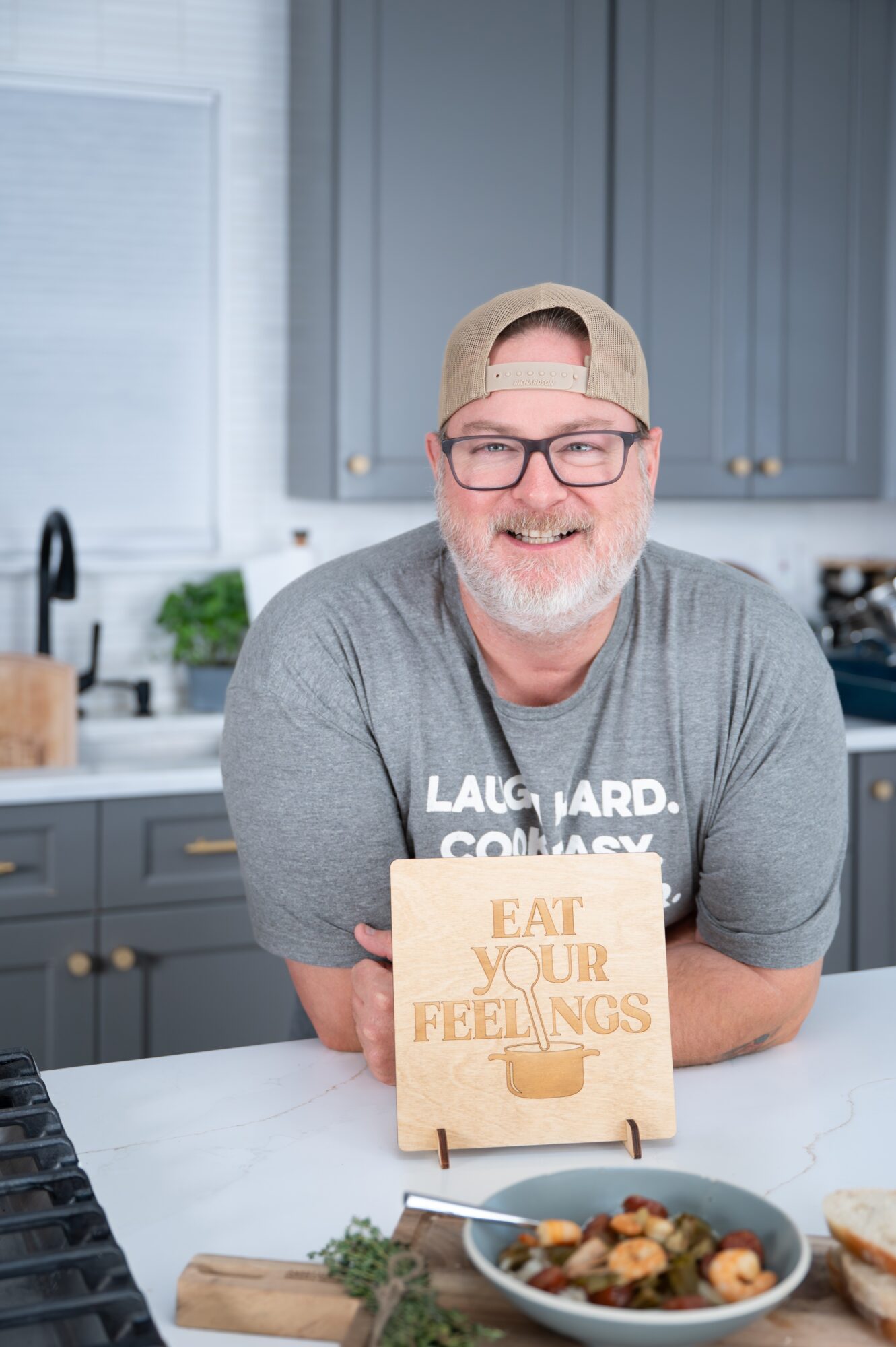
The creative work I’m most excited about these days is Eat Your Feelings, a cooking, comedy, and mental health show I created with my friend and co-host, Sam Nathews.
I never really thought of myself as an artist or creative person in the traditional sense. I’ve spent most of my professional life in research, strategy, and business leadership. But I’ve always enjoyed building things, coming up with ideas, and figuring out how to turn those ideas into something real.
Eat Your Feelings has given me an opportunity to do that in a completely different way.
When Sam and I started developing the show, we knew we didn’t want to make another cooking show. There are plenty of people who can teach you how to cook better than we can. And we certainly didn’t want to create a show where people sit around having serious conversations about mental health for half an hour.
Nothing wrong with either of those things. They just weren’t what we wanted to do.
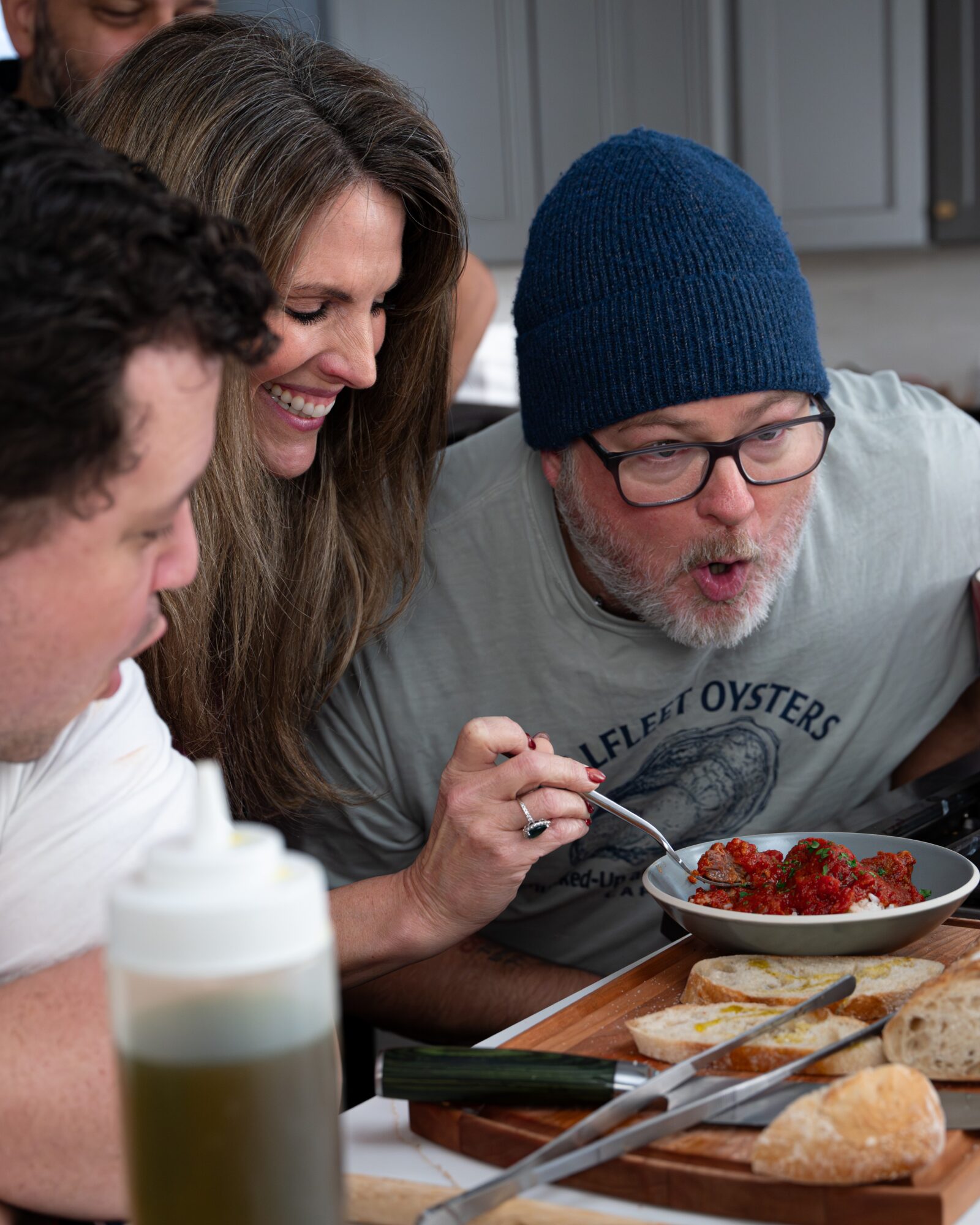
We wanted to create something that felt like hanging out in the kitchen with your friends. You cook something good, give each other a hard time, tell stories, and somewhere along the way, you might end up talking about something that actually matters.
One of the things I enjoy most is figuring out how to make all those elements work together. Cooking gives us something to do with our hands and a reason to be together. Comedy helps people relax. And when the conversation turns to something serious, it doesn’t feel like somebody suddenly decided it was time for a therapy session.
That’s an important distinction to me.
We don’t script the conversations or expect our guests to deliver some profound message. Sometimes we’re talking about a family recipe. Sometimes we’re laughing at something completely ridiculous. And sometimes somebody shares an experience with grief, depression, military service, or another difficult part of life.
I think those conversations can be more meaningful because they happen naturally.
Sam and I also bring pretty different personalities to the kitchen, which is a big part of the fun. We have a shared Southern upbringing and sense of humor, but we don’t always approach things the same way. There’s a lot of genuine friendship underneath the nonsense, and I think people can see that.
What sets the show apart, at least what we’re trying to do differently, is that we don’t treat mental health as something that has to be separated from the rest of life.
People can be struggling with something serious and still laugh their asses off at a stupid joke. They can be grieving somebody and still enjoy a good meal. Those things aren’t contradictory. That’s just being human.
And I think food is a particularly good way to bring those experiences together.
My Nana had a tremendous influence on my love of cooking and serving other people. That part of the show means a lot to me. Preparing a meal for somebody is an act of care, whether you’re making something elaborate or throwing together whatever happens to be in the refrigerator.
As for what I’m most proud of, it’s the fact that we’ve taken an idea that probably sounded a little strange when we first described it and turned it into a real show with some remarkable guests and conversations.
I’m proud of the friendship Sam and I bring to it. I’m proud of the work our production team puts into making it happen. And I’m proud that we’ve created something where humor and serious conversations can exist together without either one feeling forced.
We’re still learning. We’re still figuring out how to reach more people, improve the show, and build something that can last.
But I think we’re onto something.
If somebody watches an episode because they want to see what we’re cooking, gets a few good laughs, and walks away thinking a little differently about mental health or how they might show up for somebody in their life, that’s a pretty good outcome in my book.
What are your plans for the future?
The biggest thing I’m looking forward to is seeing how far we can take Eat Your Feelings.
We’ve already filmed some incredible conversations, and we have a lot more that we’re excited to share. But I don’t want us to get so focused on producing episodes and growing an audience that we lose sight of why we started doing this in the first place.
I want to make a show that people genuinely enjoy watching. Something that makes them laugh, gives them a few ideas for dinner, and occasionally gets them thinking about something they might not have expected to think about while watching two guys cook.
And I’d love to see Eat Your Feelings become something bigger than just a show.
One of the things Sam and I have talked about is finding more ways to bring people together in person. Cooking with people, sharing meals, having conversations, and creating experiences where people can connect with each other. I think there’s a lot of potential there, especially in the military and veteran communities, but certainly not limited to them.
I’d also like to work with more organizations and people who share our belief that mental health deserves more attention, and that talking about it doesn’t always have to be so intimidating.
Of course, there’s the practical side of all this, too. Producing a show takes a lot of work and money, and we have to figure out how to build something sustainable without losing what makes it special. That’s an ongoing challenge, but it’s one I’m excited to take on.
Beyond Eat Your Feelings, I plan to keep consulting, teaching, and finding opportunities to do work that interests me and makes good use of what I’ve learned over the years. I’ve spent a lot of my life building things and solving problems, and I don’t see that changing anytime soon.
I’m also trying to get better at making time for the people and things that matter most to me. I’ve got a family, kids who are growing up entirely too fast, and a life outside of work that deserves my attention, too. I’m not always great at finding that balance, but I’m working on it.
I don’t know exactly what the next few years will look like. If you’d told me a few years ago that I’d be making a cooking show with one of my best friends, I probably would’ve laughed.
Then again, that might’ve been enough to convince me to give it a try.
What I do know is that I want to keep building things, keep learning, spend more time around good people, and hopefully leave a few things better than I found them.
And if I can do some of that while standing around a kitchen, cooking something good, and laughing with my friends, even better.
Contact Info:
- Website: https://www.eatyourfeelingsshow.com/
- Instagram: https://www.instagram.com/eatyourfeelingsshow
- Facebook: https://www.facebook.com/EatYourFeelingsShow/
- LinkedIn: https://www.linkedin.com/in/pcorybrown
- Youtube: https://www.youtube.com/@EatYourFeelingsShow