


Today we’d like to introduce you to Andrew Linn.
Alright, so thank you so much for sharing your story and insight with our readers. To kick things off, can you tell us a bit about how you got started?
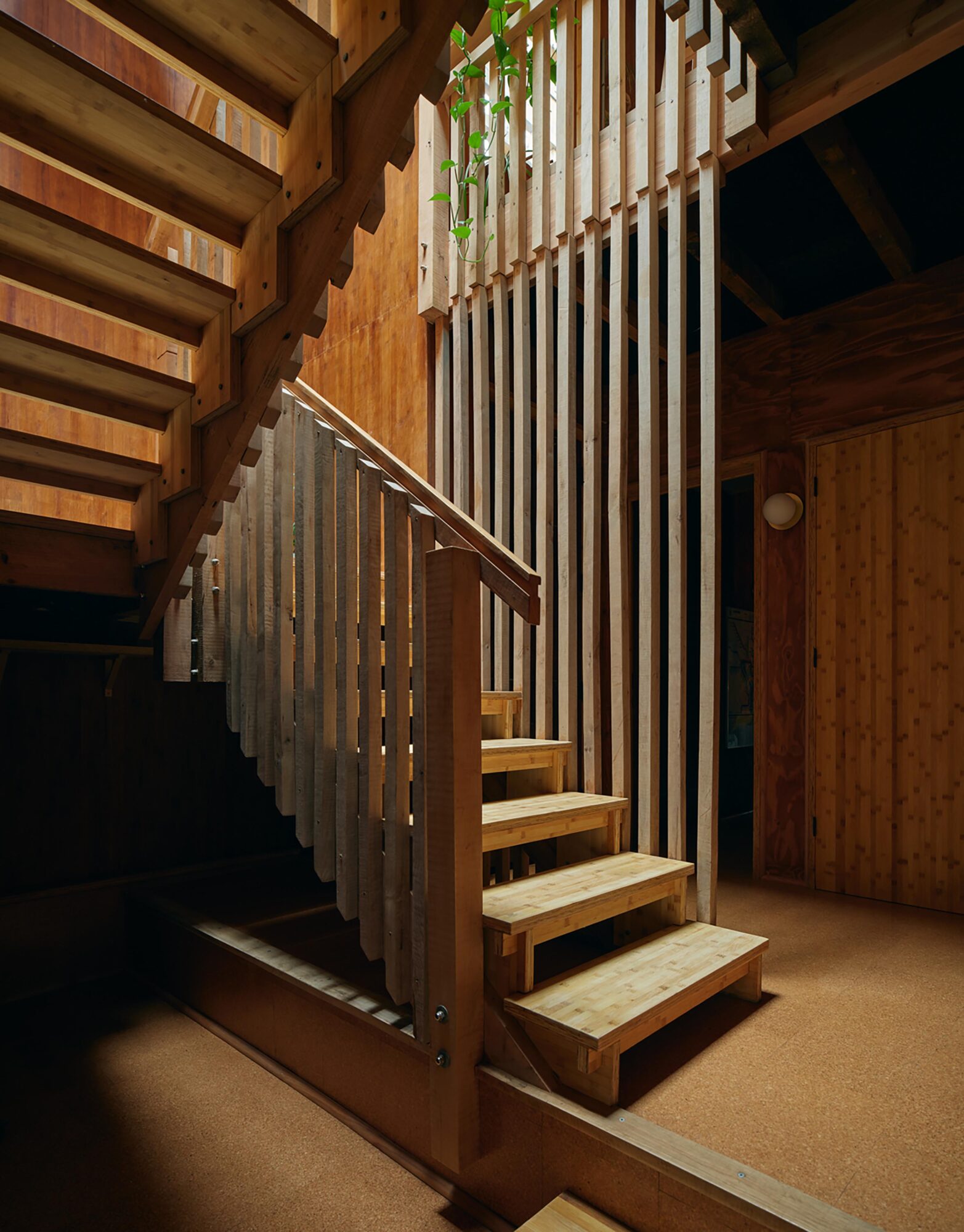
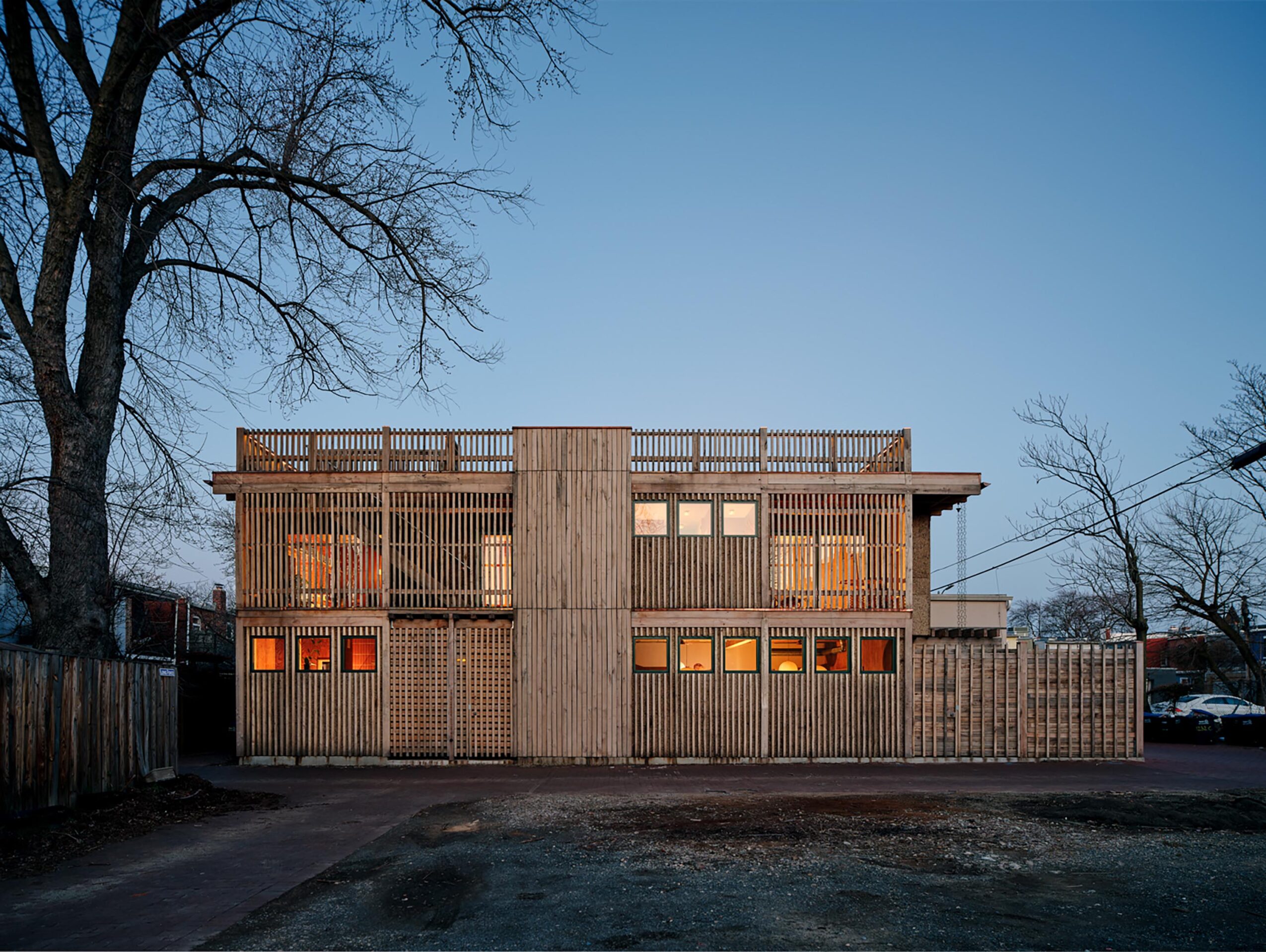
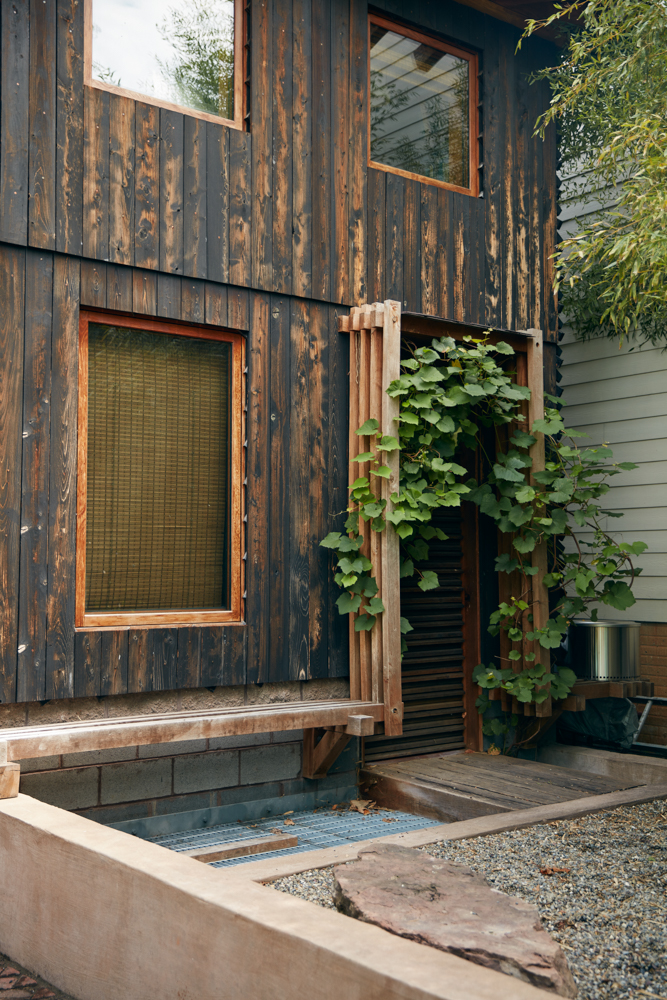
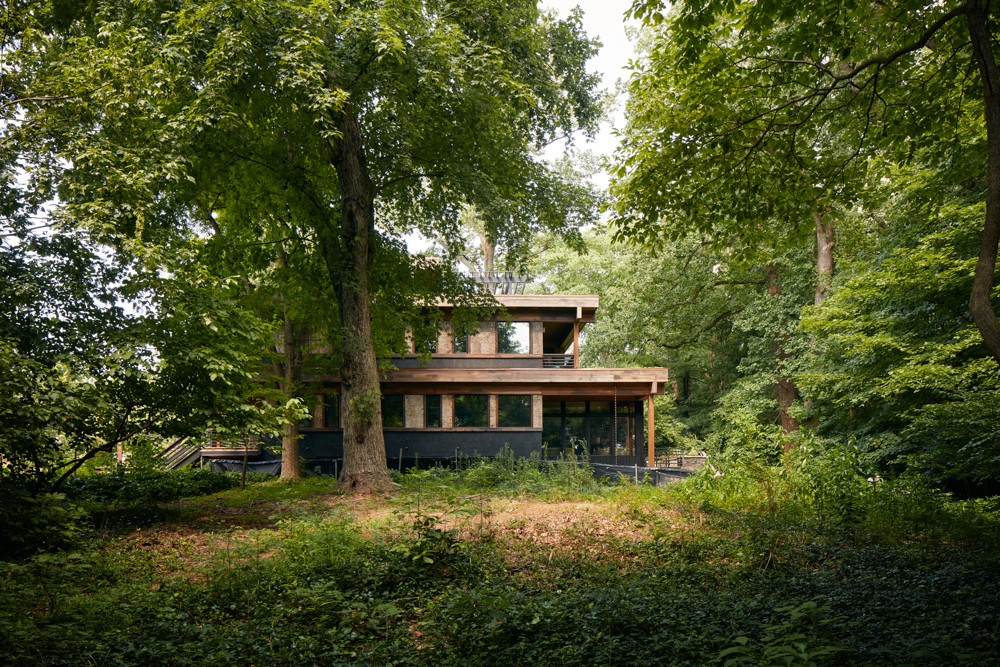
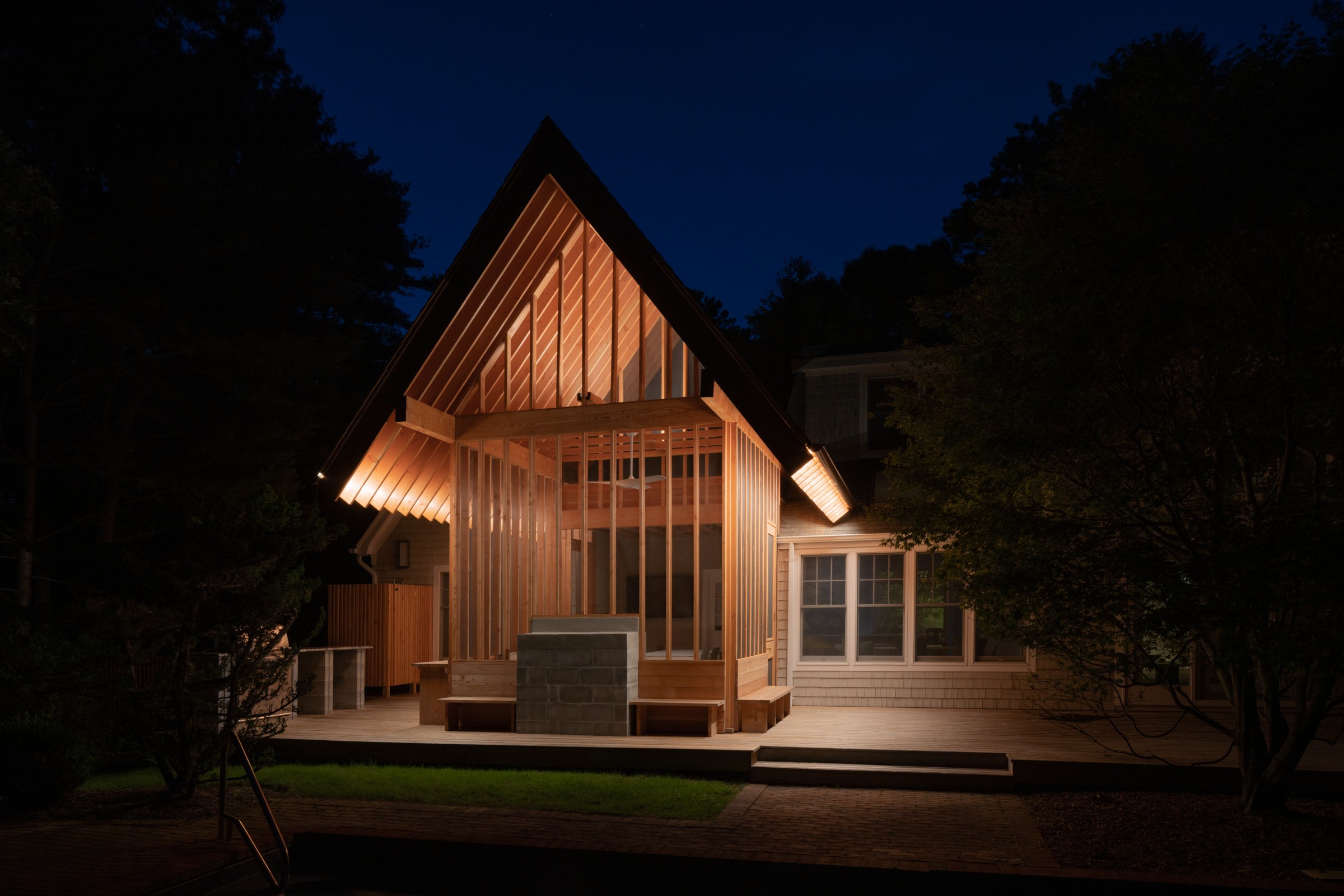
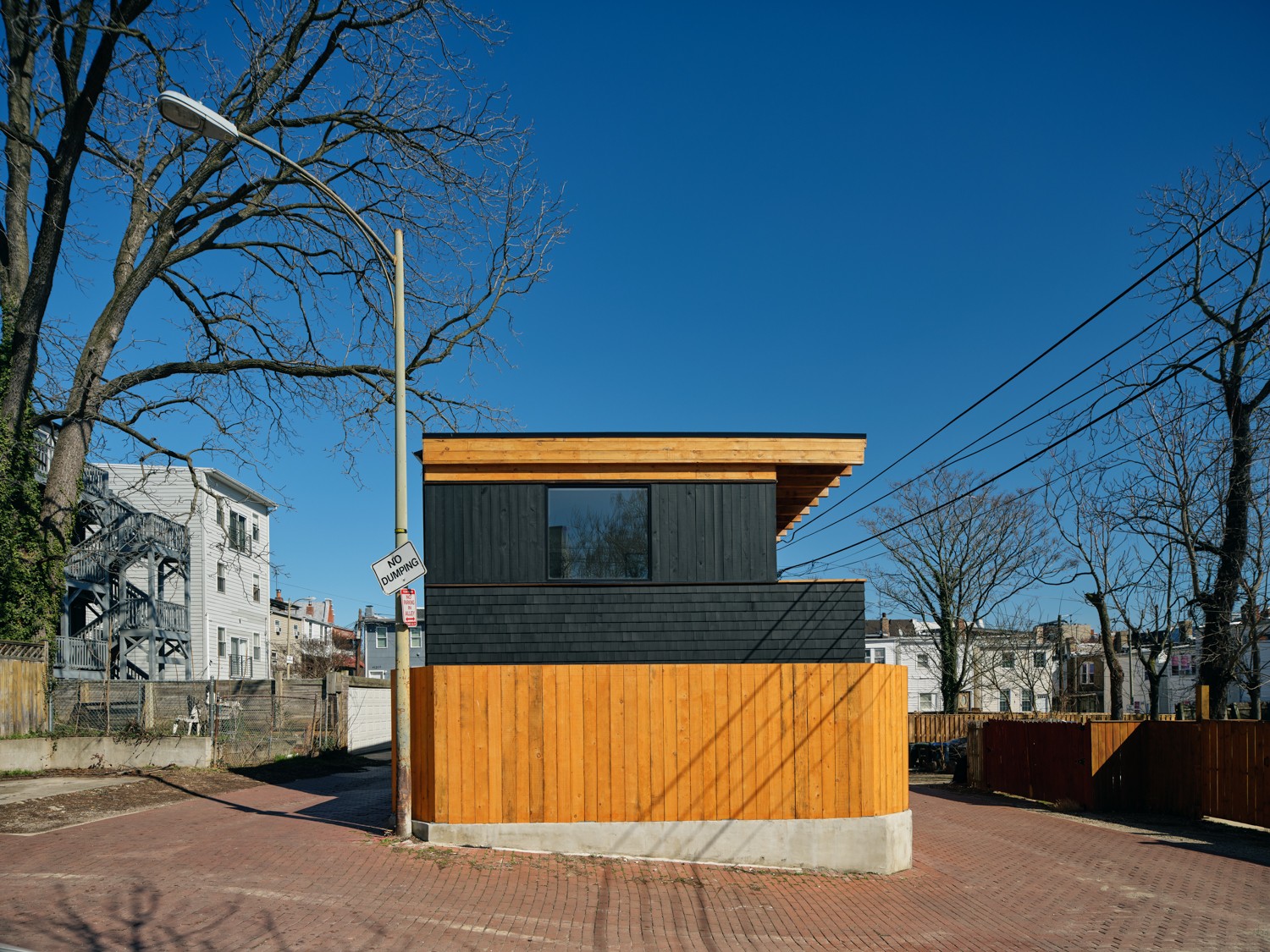
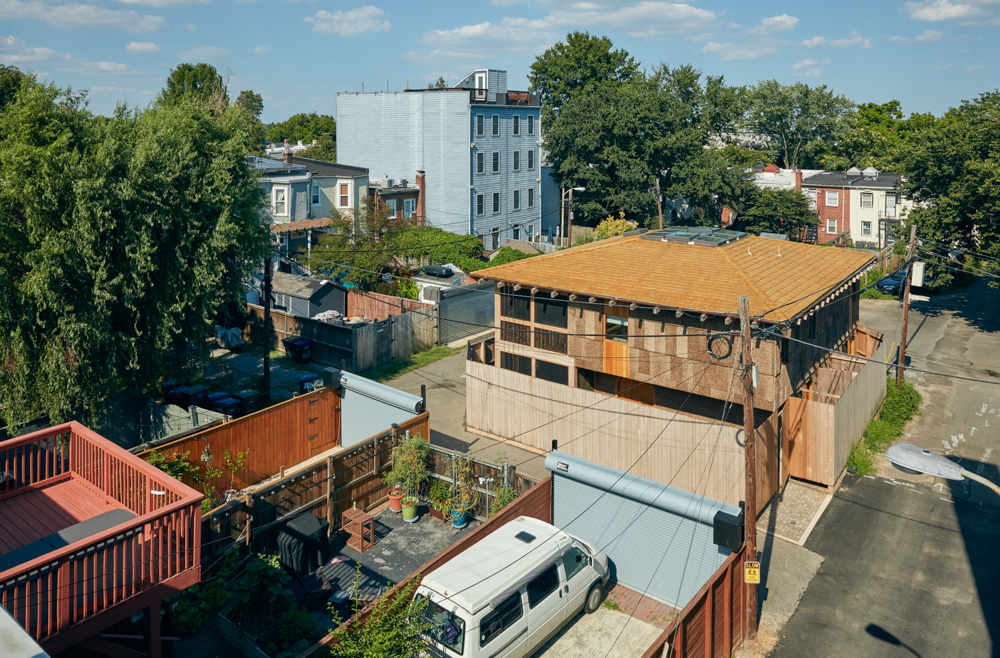
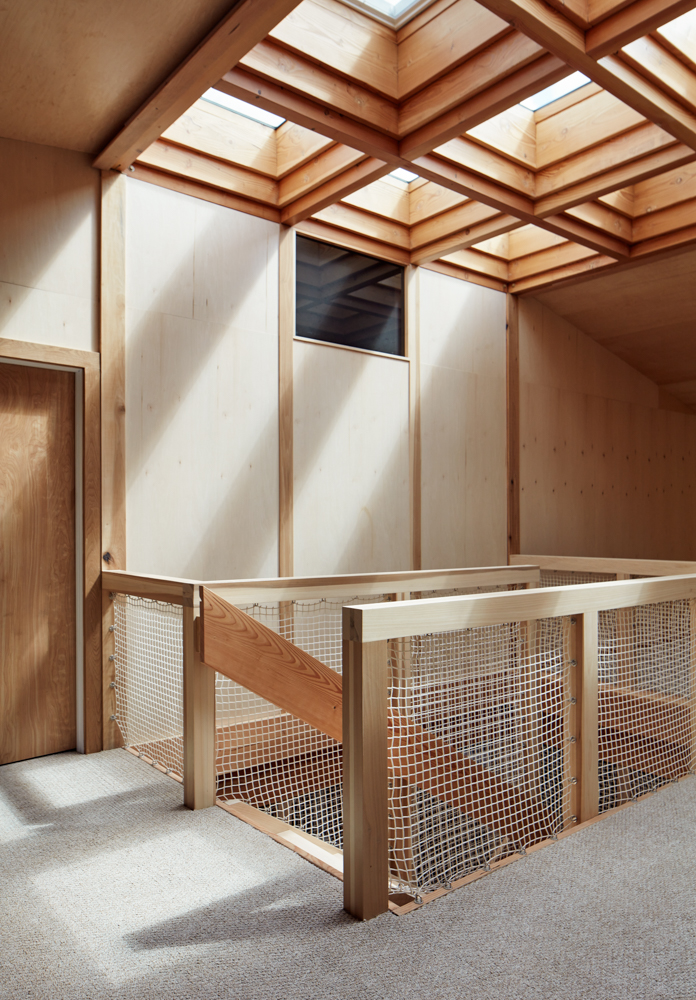
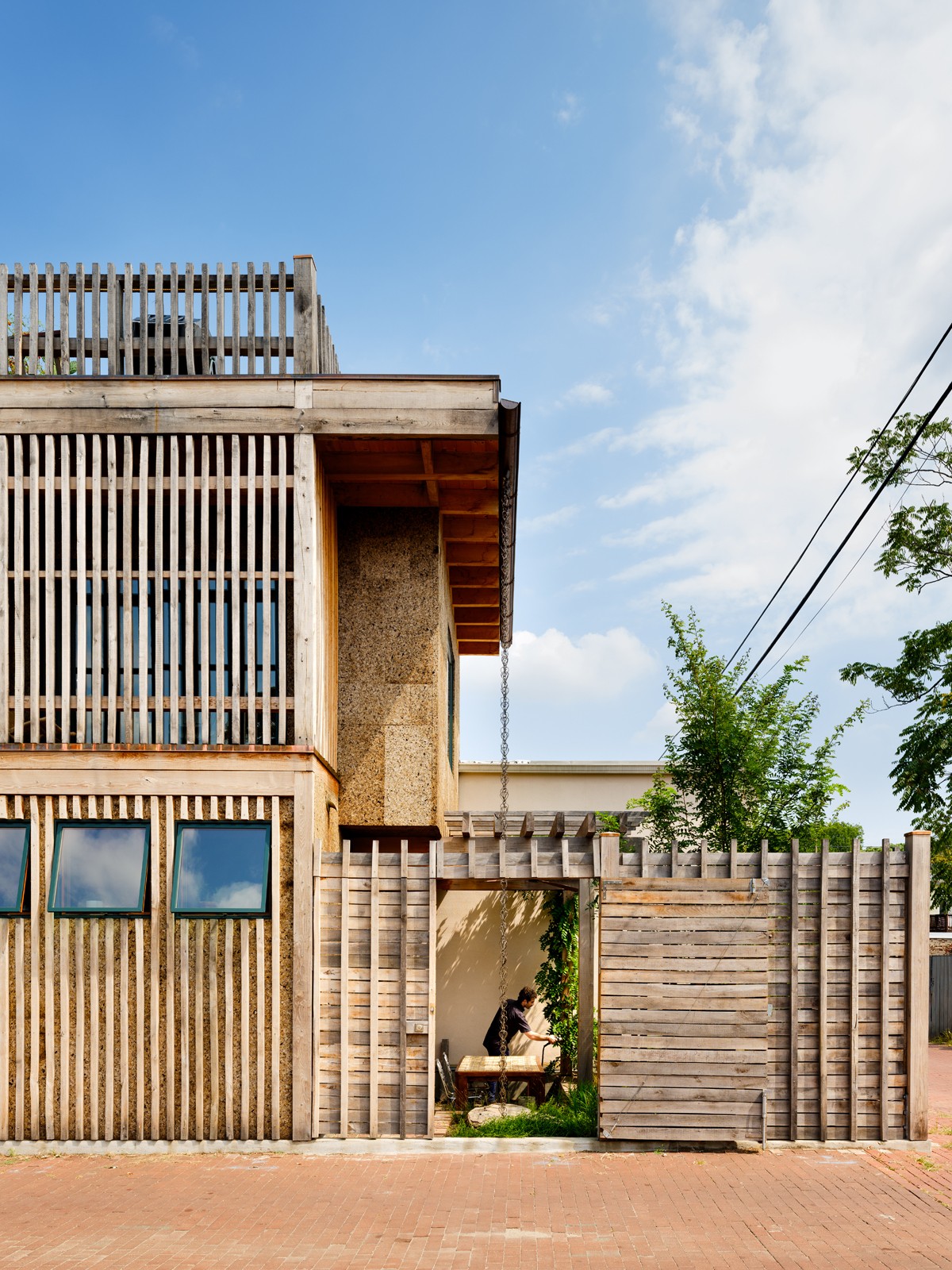
BLDUS is an architecture practice founded by Jack Becker and Andrew Linn in 2013 in the District of Columbia. BLDUS works with natural materials to create a healthy architecture fit for the MidAtlantic climate. Known for its high-performance healthy houses built in DC’s back alleys and vulnerable historic districts, BLDUS is proving the economic and cultural viability of farm-to-shelter™ building components in the Nation’s capital. The work and ethos of the practice has been published extensively and recognized by programs like Architectural Record’s Vanguard, the Architectural League of NY’s Emerging Voices, and Architectural Review’s Emerging Voices. Jack’s experience at a wide range of scales allows for authorship of a project from conception to detail, while Andrew has organized and led healthy material workshops, exhibits, publications, and talks, and travels extensively researching natural materials and serving on architecture juries. Andrew is currently a Visiting Professor of Practice at Virginia Tech.
DC is a place that most Americans pass through at one time or another, and while some call it home for short stints, a surprisingly small community lives in the nation’s capital and is responsible for its design, development, and construction. From our perspective in college and interning abroad, the opportunity to establish roots in a tight-knit local community with an outsized international presence was and still is exciting. Also, through our personal experiences in DC prior to founding BLDUS, we knew of DC as a city of landscape and gardens, so we bet that it would embrace an architecture that grows from the ground.
BLDUS started as a moonlit office while working other jobs; we began too early because we love architecture, but our impatience paid off eventually. We established our practice in Historic Anacostia, a vulnerable district with too little architectural support. Living there wasn’t a statement, it was a commitment — to the neighborhood, to its people, and to the slow work of improvement one project at a time. Renovated basements, quiet additions, a tiny LEED Platinum office grown from the earth. Each modest project improves a life, and ideally, the life next door. These “minor” projects can be as rewarding as any we’ve built.
Alright, so let’s dig a little deeper into the story – has it been an easy path overall and if not, what were the challenges you’ve had to overcome?
Finding public projects is hard work. No one feeds them to us. When an opportunity arrives, we try to understand everyone in the room: What clients and developers want versus what they need, what contractors expect, what planning and preservation boards will fight for, what neighbors will wonder at two in the morning, what the land prefers versus what it can handle. Sometimes the only way to truly understand a project — sometimes the only way to realize it at all — is to become its developer or its builder, taking on roles that stretch well beyond design.
We also rely on the honest currency of peer recognition. Awards that are chosen by blind juries of esteemed colleagues allow our buildings to speak for themselves — to make their own introductions, to open their own doors. In an industry where personal connections often precede commissions, peer review gives our buildings credibility in rooms we haven’t yet entered.
As you know, we’re big fans of BLDUS. For our readers who might not be as familiar what can you tell them about the brand?
We’ve spent the first decade of our practice’s existence learning about wood in all its species, forms, treatments, and stories. We think of BLDUS houses as wood salads: organic ingredients tastefully combined, balanced for flavor and texture. Living on a diet of salads has kept us lean, and we’re ready to bulk up on something heartier. The historic DC built environment is full of spectacular masonry buildings, and our pre-BLDUS experience with brick and stone at a civic scale has given us the technical know-how to work on this next course.
What was your favorite childhood memory?
Being in nature.
Pricing:
- All BLDUS houses built on a budget under $1.5m
- $200-300 psf
Contact Info:
- Website: https://www.bld.us
- Instagram: @bld.us
- Youtube: https://www.youtube.com/watch?v=0yiEV8a1oZw