





Today we’d like to introduce you to Kenda Sutton-EL.
Hi Kenda, it’s an honor to have you on the platform. Thanks for taking the time to share your story with us – to start maybe you can share some of your backstory with our readers?
My story really started long before Birth In Color became an organization. I grew up in the Northern Neck of Virginia, in a rural community where access to healthcare was very different from what people experience in larger cities. My entire family works in healthcare so it’s natural to want to pursue something in healthcare that will help the community. I became a doula, and those experiences allowed me to see maternal health from both sides: as a healthcare professional who understood the system and as a community-based birth worker sitting beside families trying to navigate that same system.
What stayed with me was how often Black women were expected to navigate pregnancy and childbirth without someone truly advocating alongside them. I saw women whose concerns were dismissed, families who did not understand their options, and communities where culturally responsive services simply were not available. I knew we could do better.
I founded Birth In Color in 2018. We started with doula support, but I never wanted Birth In Color to be an organization that only showed up when someone went into labor. Pregnancy does not happen in isolation. A mother may be dealing with housing, transportation, food insecurity, mental health, insurance, employment, or simply trying to understand a healthcare system that was not designed with her experience in mind.
So we listened to families and built from there.
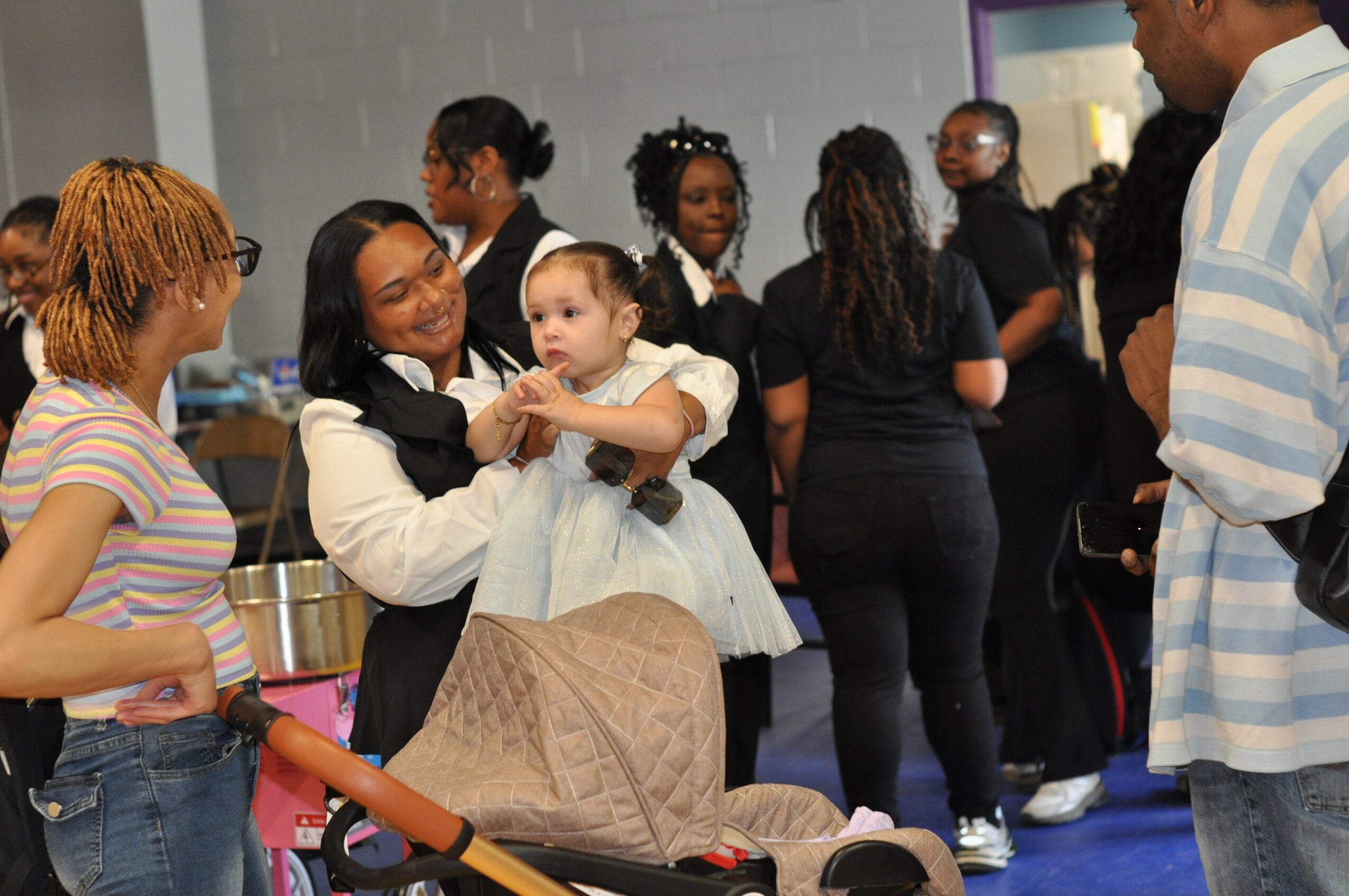
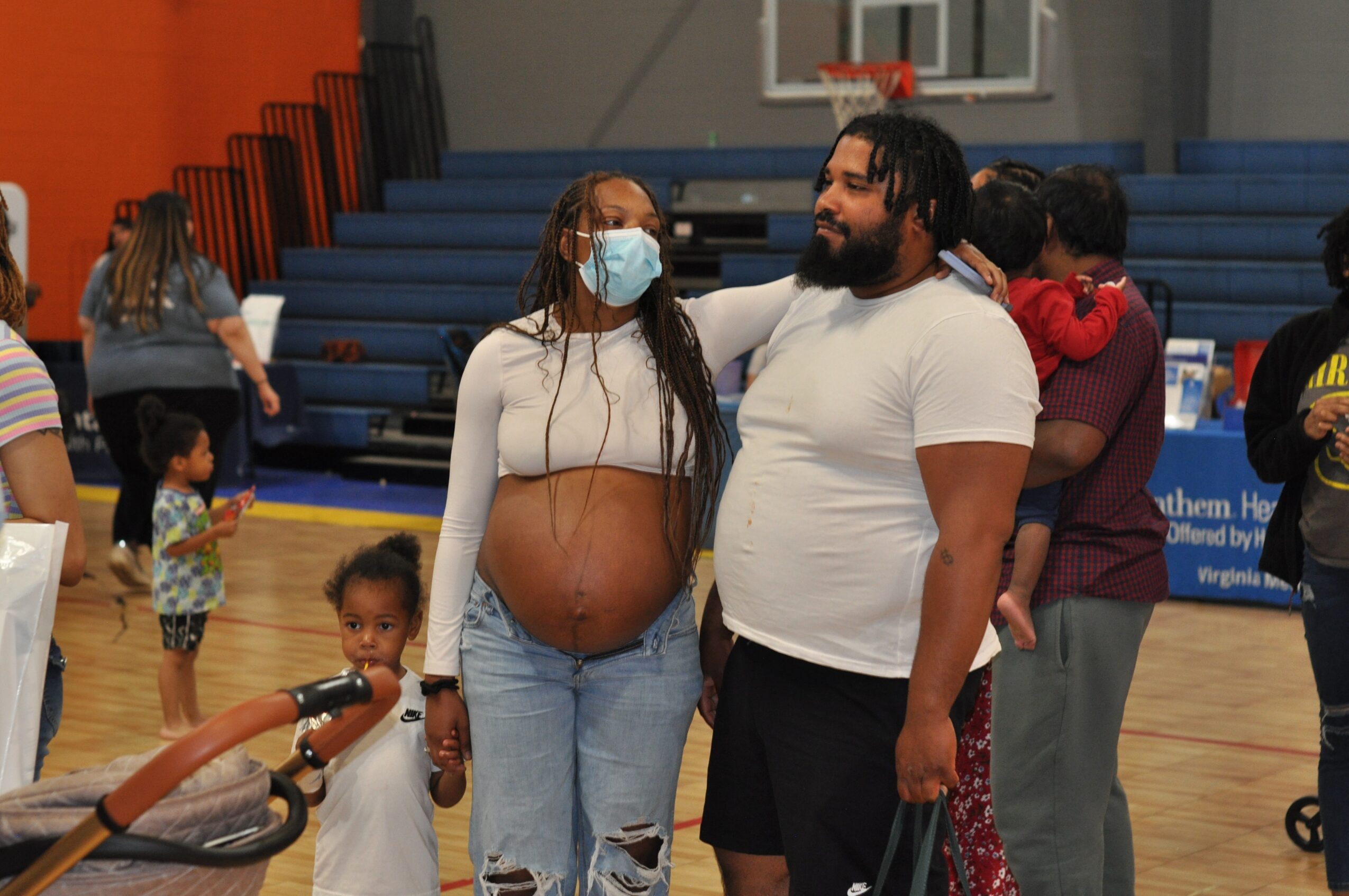
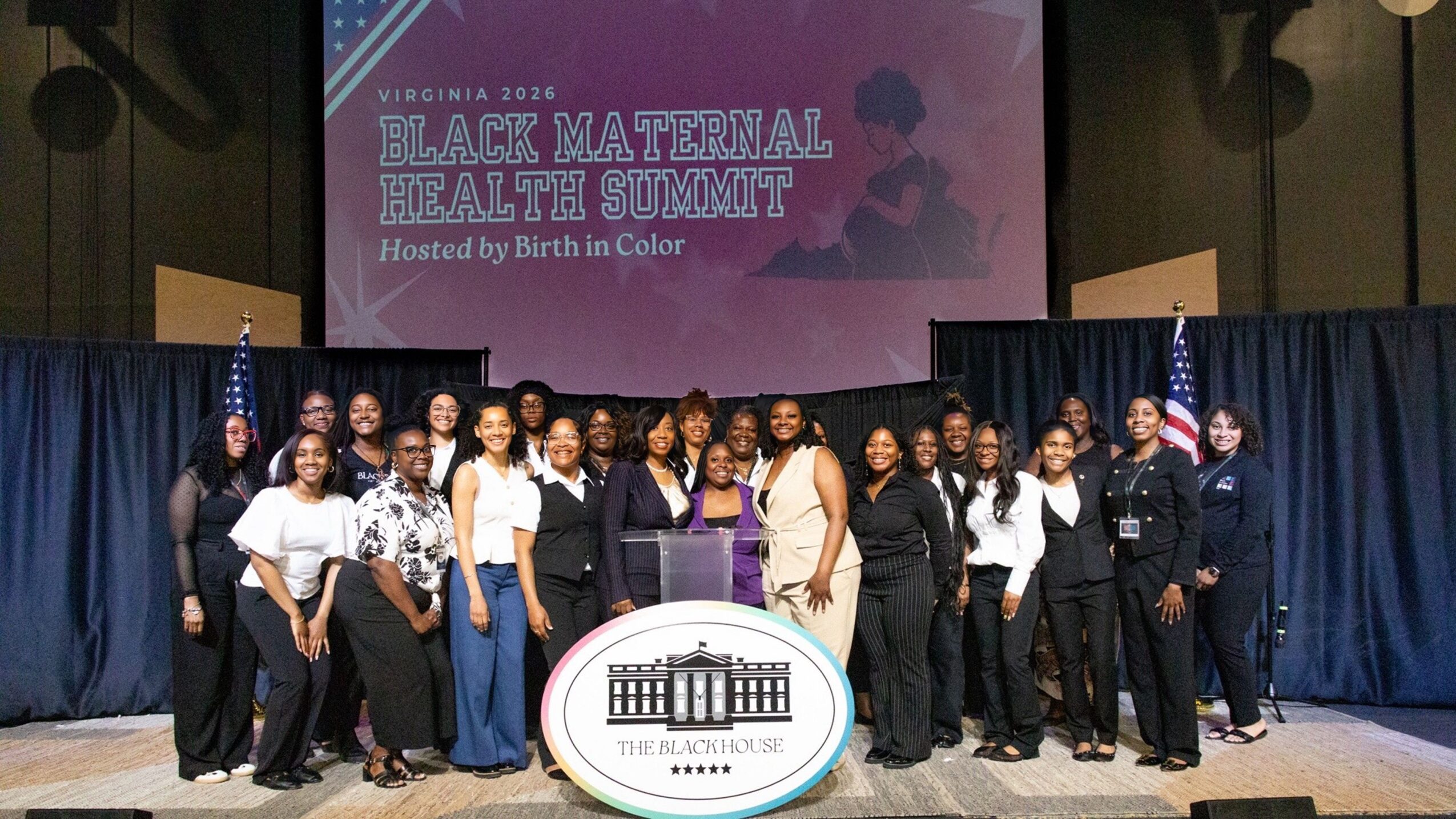
Today, Birth In Color has grown into a statewide Black-led maternal and reproductive health organization. We serve more than 1,500 families annually through doula care, childbirth education, lactation support, fatherhood programming, pregnancy and postpartum support, pregnancy loss services, reproductive health services, and community-based resources. We have also trained and mentored doulas across Virginia because I believe one of the best ways to change maternal health is to build the workforce from within the communities experiencing the disparities.
Some of the work I am most proud of has happened outside of our direct services. We realized early that we could help one mother navigate a broken system, but if we never worked to change that system, another mother would face the same barrier tomorrow. That pushed me deeper into advocacy and policy.
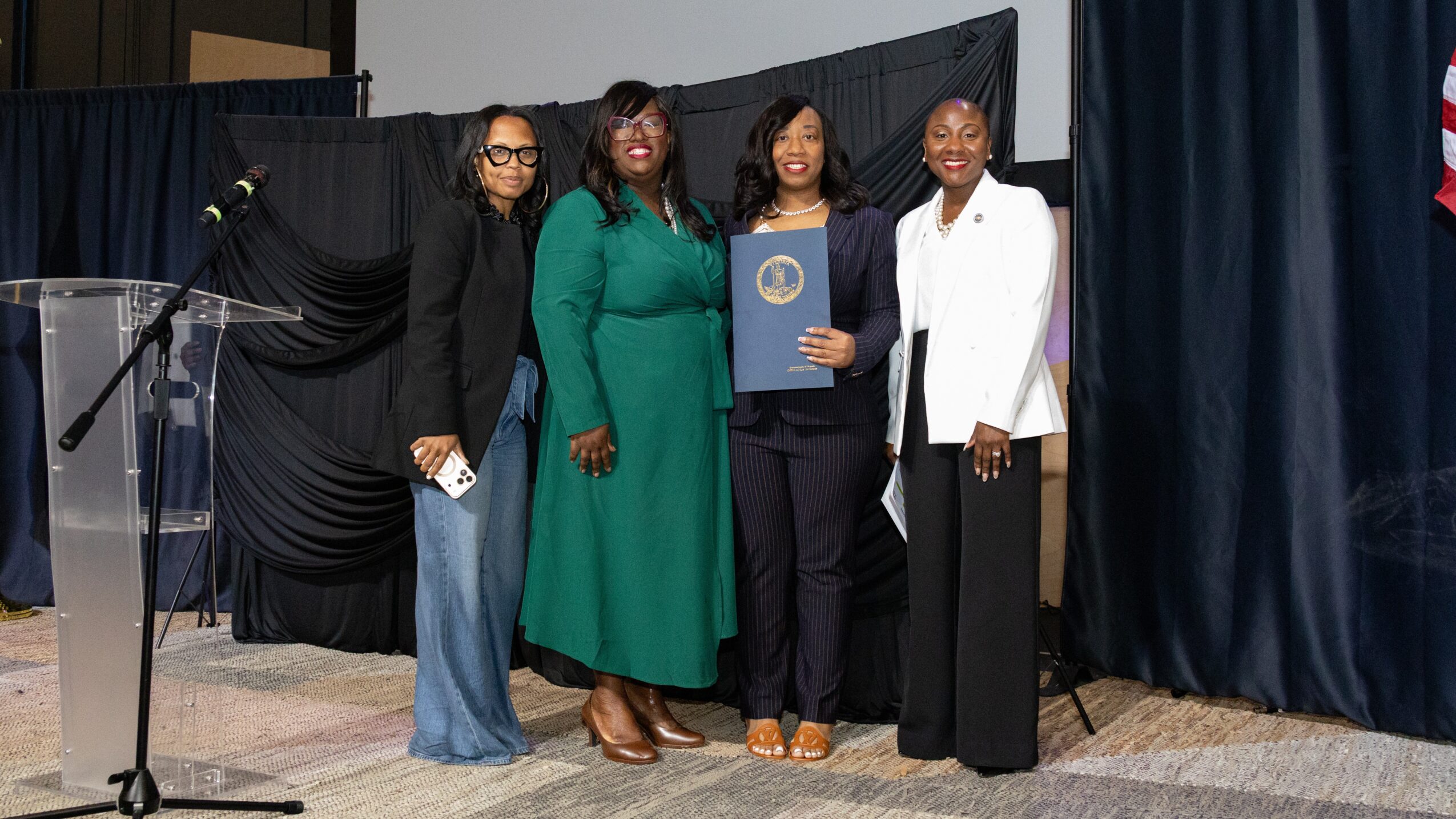
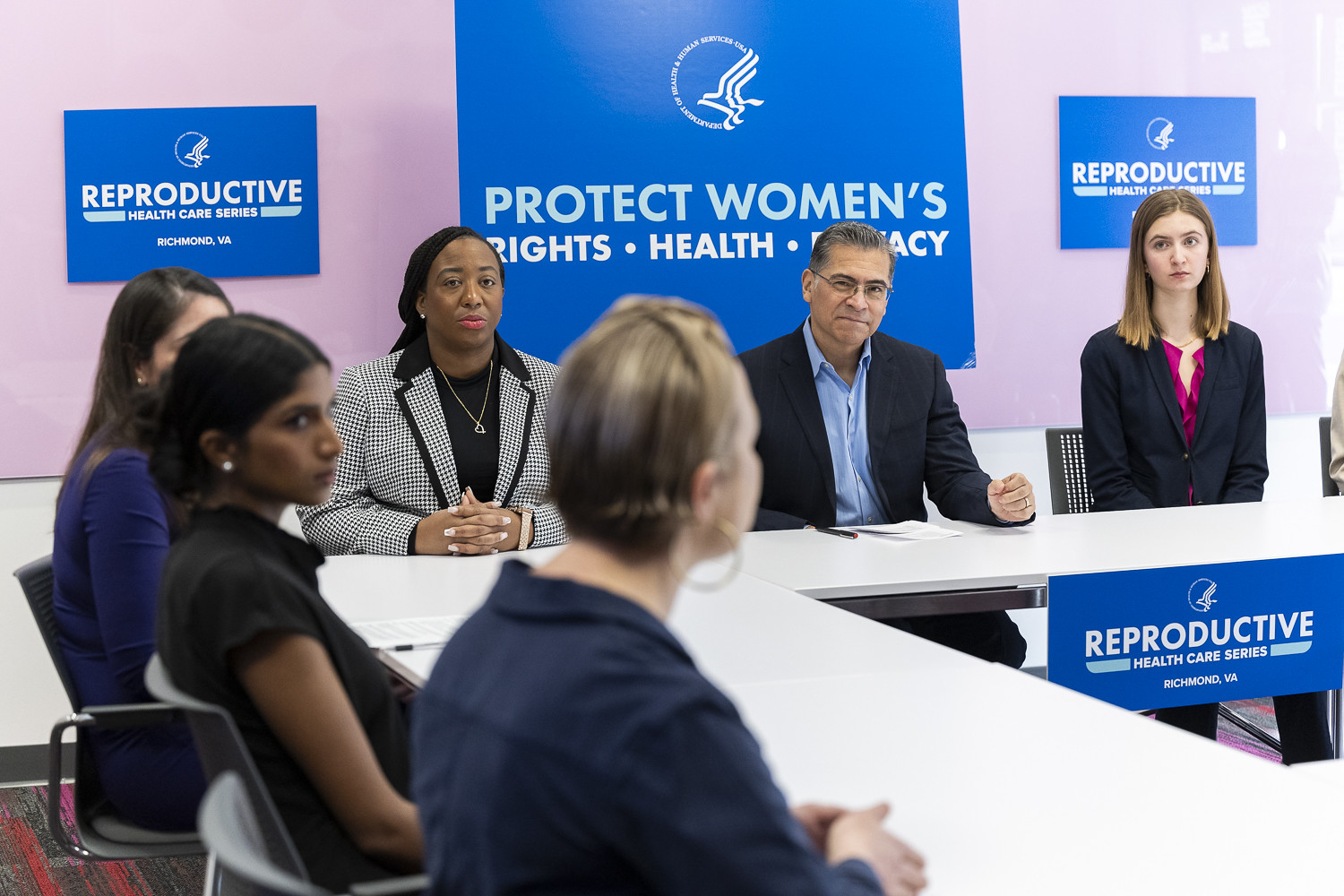
Birth In Color became heavily involved in the work to establish Medicaid reimbursement for doula services in Virginia. We helped lay the groundwork for Virginia’s Momnibus legislation and have worked on reproductive health and reproductive freedom policies. I have been fortunate to sit at tables with legislators, state agencies, healthcare systems, and community leaders and bring something to those conversations that cannot be learned from a report: what families are actually experiencing.
There have been plenty of growing pains along the way. Building a statewide organization with a small staff teaches you very quickly that passion is not enough. You need infrastructure. You need funding. You need good people. You have to learn when to say no, even when the need is real. And you have to be willing to challenge systems while still finding ways to work within those systems to get families what they need today.
What keeps me grounded is that this work is still very personal. I can sit in a policy meeting in the morning discussing Medicaid reimbursement and later hear from a mother who needs a doula, a father who needs support, or a family trying to find resources after a pregnancy loss. Those two worlds are connected for me.
I am proud of how far Birth In Color has come, but I don’t look at our growth as the finish line. The goal was never to build the biggest organization. The goal is to build something strong enough to change what pregnancy, birth, postpartum, and reproductive healthcare look like for families who have historically been overlooked.
That is still what gets me up every morning.
Can you talk to us a bit about the challenges and lessons you’ve learned along the way. Looking back would you say it’s been easy or smooth in retrospect?
No, it definitely has not been a smooth road. I think when people see Birth In Color today, they see the programs, the partnerships, the policy work, and the growth. They don’t always see what it took to build the organization to this point.
One of the biggest struggles has been building an organization around a problem that people did not always want to acknowledge. When we started Birth In Color, Black maternal health was not receiving the attention it receives today. We were having conversations about Black women not being listened to, racial bias in healthcare, maternal deaths, and the importance of community-based doulas before many of these issues became part of mainstream conversations. There were times when we had to fight just to convince people that the problem was real.
Funding has also been a constant challenge. Community-based organizations are often expected to do an incredible amount of work with very little infrastructure. We are expected to serve families, collect data, attend meetings, advocate, manage grants, build partnerships, and respond to crises, while sometimes receiving funding that only pays for a very specific piece of the work. The reality is that somebody still has to answer the phone. Somebody has to process payroll, supervise staff, manage Medicaid billing, complete reports, and keep the organization running. General operating support is not always the easiest funding to secure, but it is what allows organizations like ours to survive and grow.
Medicaid has been another learning experience. We fought for Virginia to cover doula services under Medicaid because we knew families should not have to pay out of pocket to receive this support. Getting the benefit established was a major victory, but implementation has shown us that coverage does not automatically equal access. Reimbursement rates are still inadequate when you consider everything that goes into doula care. A birth can last 20 or 30 hours. There are prenatal visits, postpartum visits, travel, documentation, phone calls, care coordination, and weeks of being on call. Community-based organizations often absorb those costs because we refuse to leave families without care.
Rural Virginia has probably taught me some of the hardest lessons. I grew up in the Northern Neck, so rural healthcare is personal to me. You can create a wonderful program, but it means very little if there is no doula within an hour of the client, transportation is unavailable, or the nearest provider is several counties away. We have had to think differently about workforce development and how we recruit, train, and retain doulas in communities where the infrastructure simply does not exist yet.
There have also been challenges that come with advocacy. Birth In Color has never been an organization that is afraid to speak up. That means there are times when we have challenged hospitals, state agencies, policymakers, and even organizations we consider partners. Sometimes that makes people uncomfortable. I have learned that you can value a relationship and still hold someone accountable. If being invited to the table requires me to stop talking about what families are experiencing, then being at that table does not mean very much.
And then there is the challenge of growth itself. We have built a statewide organization with a very small full-time staff. There have been periods when the demand grew faster than our infrastructure. I have had to learn that being committed to the mission does not mean saying yes to everything. Sometimes leadership means recognizing that your organization needs stronger systems, more staff, and time to build before taking on something else.
There have absolutely been moments when I questioned whether I wanted to keep fighting the same battles. But then I think about the families. I think about a mother who had a doula because Medicaid finally covered one. I think about legislation that exists because community organizations refused to stop pushing. I think about the doulas we have trained who are now working in their own communities.
Those moments remind me that the difficult road has also produced real change.
I wouldn’t describe our journey as smooth. I would describe it as necessary. Every challenge has forced us to become clearer about who we are, who we serve, and what we are unwilling to compromise. That has probably been one of the most important parts of building Birth In Color.
We’ve been impressed with Birth In Color, but for folks who might not be as familiar, what can you share with them about what you do and what sets you apart from others?
Birth In Color is a Black-led maternal and reproductive health organization based in Virginia, but I always tell people that we are much more than a doula organization. We built Birth In Color around the entire reproductive experience because the families we serve do not live their lives in separate programs.
We are known for culturally responsive doula care, but our work begins well before someone enters the delivery room and continues long after they leave. We provide childbirth education, lactation support, postpartum services, pregnancy loss support, fatherhood programming, maternal mental health resources, reproductive health education and services, community support, and connections to resources families may need throughout pregnancy and postpartum.
Workforce development is also a major part of who we are. We train doulas and then continue supporting them through mentorship, education, and hands-on experience. I never wanted us to simply hand someone a certificate and send them into the community. If we want excellent outcomes, we have to invest in excellent birth workers.
What really sets Birth In Color apart is that we work on both sides of the problem. We provide direct services to families, but we also work to change the policies and systems affecting those same families. If our doulas repeatedly encounter the same barrier, I want to know why that barrier exists and what we can do about it.
That approach has taken us from the delivery room to the Virginia General Assembly. Birth In Color helped advocate for Medicaid reimbursement for doulas in Virginia and contributed to the foundation of Virginia’s Momnibus maternal health legislation. We have also been deeply involved in reproductive freedom and reproductive justice advocacy. For me, policy is not theoretical. The families we serve tell us where the system is failing, and that information should make its way to the people writing the laws and making healthcare decisions.
I am especially proud that we have remained unapologetically community based as we have grown. We serve more than 1,500 families annually, yet I never want Birth In Color to become so large that we stop listening to the people we were created to serve. Some of our best programs exist because somebody in the community told us, “This is what we’re missing.”
That is how our fatherhood work grew. It is how we expanded lactation and childbirth education. It is why we address pregnancy loss and postpartum mental health. It is also why reproductive justice is such an important part of our identity. We recognize that maternal health does not begin with a positive pregnancy test. People need access to contraception, accurate reproductive health information, abortion care and support, fertility information, healthy pregnancies, safe births, and the ability to make decisions about their own bodies and families.
Brand-wise, I am probably most proud that people trust the Birth In Color name. I don’t take that lightly. In maternal health, trust has to be earned. Families allow our doulas into some of the most intimate moments of their lives. Community members call us when they don’t know where else to turn. Healthcare systems and policymakers come to us because they want to understand what is happening on the ground. That trust is worth more to me than any logo, campaign, or recognition.
I also want readers to understand that Birth In Color is not about telling Black and Brown families that something is wrong with them. Our communities are not the problem. We are addressing systems that have historically produced unequal access, unequal treatment, and unequal outcomes.
There is tremendous joy in this work, too. Black maternal health cannot only be a conversation about death and disparities. We get to witness babies being born, fathers finding their confidence, mothers realizing they have a voice in their care, doulas becoming leaders in their communities, and families receiving support they did not know was available to them.
Ultimately, what sets Birth In Color apart is that we don’t believe families should have to choose between excellent care and culturally responsive care. They deserve both.
That is the standard we are working to build across Virginia.
So maybe we end on discussing what matters most to you and why?
What matters most to me is making sure the work I do actually changes something for the people who come behind me.
I don’t want to spend my life sitting in meetings talking about disparities while Black women continue to experience the same outcomes. I don’t want another report telling us what we already know. At some point, the information has to turn into action.
That is a big part of why I built Birth In Color. I wanted to create something that families could actually feel. A mother may never know who wrote a piece of legislation or sat in a policy meeting, but she knows when a doula walks into her hospital room and makes her feel supported. She knows when someone listens to her. She knows when she can attend a childbirth class without worrying about whether she can afford it. She knows when someone calls after the baby is born and asks, “How are you doing?” instead of only asking about the baby.
Access matters deeply to me, especially for people living in communities that are too often forgotten. I grew up in rural Virginia, so I understand that where you live can determine what is available to you. I don’t believe a woman in Southwest Virginia or the Northern Neck should receive a different standard of maternal healthcare simply because of her ZIP code.
Reproductive freedom matters to me for the same reason. People should have the ability, information, resources, and support to make decisions about their own bodies and their own families. That includes whether to become pregnant, whether to continue a pregnancy, how they give birth, and what support they receive afterward.
I also care deeply about building something that lasts beyond me. I want to see more Black doulas earning sustainable incomes. I want young women to see themselves leading organizations, influencing policy, conducting research, and sitting at tables where decisions are made. And when those tables don’t have room for us, I want them to understand that we are capable of building our own.
At this stage of my life, impact matters more to me than recognition. I am proud of the awards, partnerships, and opportunities that have come with this work, but those things are not what keep me going.
What keeps me going is knowing that something exists today that did not exist before because we were willing to fight for it.
A family has access to a doula through Medicaid.
A mother knows she has the right to ask another question.
A father understands that he belongs in the maternal health conversation.
A doula realizes this work can become a career.
A legislator understands maternal health differently because somebody from the community was in the room.
That is what matters to me.
I want to leave systems better than I found them and make sure the next generation doesn’t have to fight every battle all over again.
Contact Info:
- Website: https://www.birthincolor.org
- Instagram: www.instagram.com/birthincolor or www.instagram.com/iamkendadenia
- Facebook: www.facebook.com/birthincolor or www.facebook.com/kendadenia