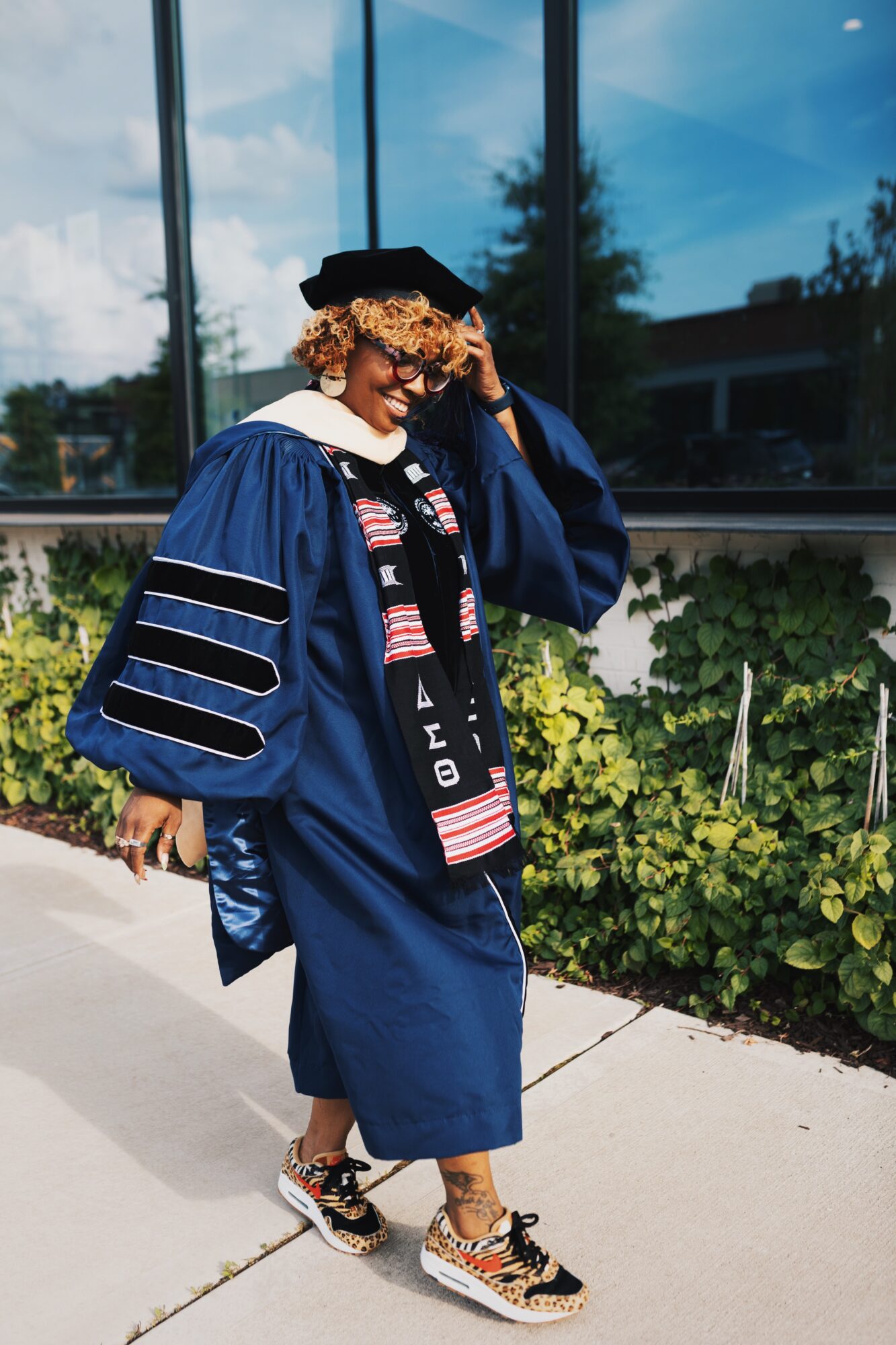





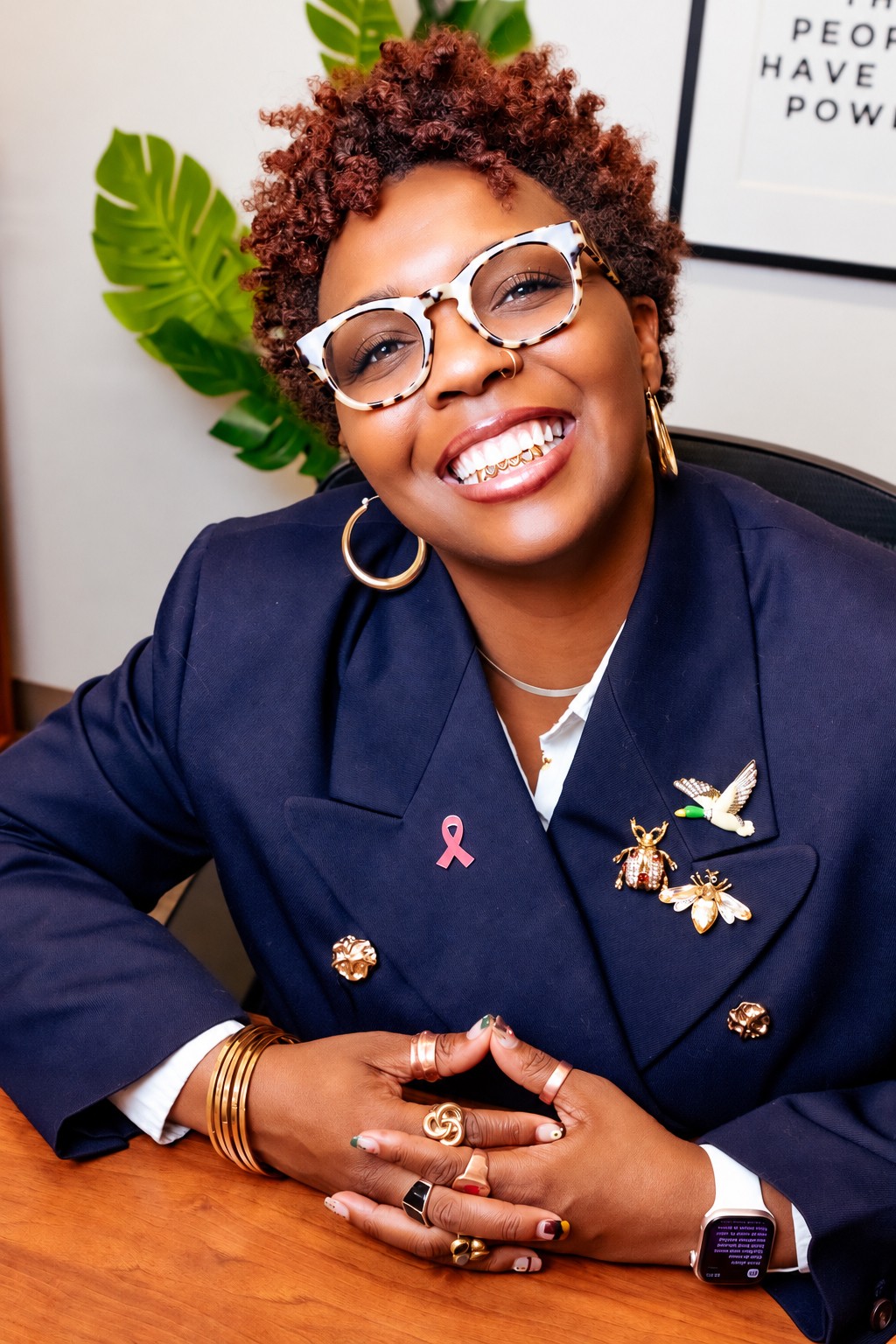
Today we’d like to introduce you to Alicia Tetteh.
Hi Alicia, it’s an honor to have you on the platform. Thanks for taking the time to share your story with us – to start maybe you can share some of your backstory with our readers?
My journey has been rooted in a desire to help people heal, recognize their worth, and create lives that extend beyond simply surviving. I often say that my work exists at the intersection of healing, education, and empowerment, but getting here has been anything but a straight line.
I began my professional journey in social work with a passion for understanding how our experiences, environments, and relationships shape who we become. Over time, I became increasingly interested in the ways trauma influences not only our mental health but also our relationships, financial decisions, and beliefs about what we deserve. That curiosity ultimately shaped my work as a clinician, educator, researcher, and entrepreneur.
In 2016, I founded Building Endurance PLLC, a mental health practice grounded in the belief that healing is not simply about learning how to endure difficult experiences but also about creating the conditions to thrive. What began as a vision for providing compassionate, accessible mental health services has evolved into a platform for therapy, professional development, clinical supervision, financial wellness, and community education.
As my clinical work grew, so did my desire to influence the systems responsible for educating and preparing future social workers. I earned my Doctorate in Social Work from Simmons University and continued building a career in higher education. Today, I serve as an Assistant Professor and Bachelor of Social Work Program Chair at Norfolk State University, where I have the privilege of teaching, mentoring, and helping students understand the transformative possibilities of social work.
My research has also become an extension of my clinical experiences. I am particularly passionate about exploring the intersections of trauma and financial well-being, including how approaches such as Eye Movement Desensitization and Reprocessing (EMDR) therapy can help individuals address the emotional experiences that influence their relationships with money. I am equally committed to African-centered approaches to mental health, recognizing the importance of culture, identity, history, and community in the healing process.
Beyond my professional titles, I am also a mother of three, and motherhood has profoundly shaped how I understand purpose, leadership, and legacy. Balancing motherhood, entrepreneurship, and academia has challenged me to reconsider what resilience really means. I’ve learned that strength isn’t always about how much we can carry. Sometimes, it’s about recognizing when we deserve support, rest, and the freedom to redefine success.
When I reflect on where I am today, I see someone who is still evolving. My work has expanded from helping individuals heal in the therapy room to creating opportunities for healing through research, education, international experiences, and community partnerships. Whether I’m working with a client, mentoring a student, conducting research, or speaking to an audience, the underlying mission remains the same: helping people move beyond survival and recognize the possibilities available to them.
I am proud of what I’ve built, but I am even more excited about what is still possible. For me, this journey has never been solely about professional accomplishments. It has been about creating a legacy of healing, access, and opportunity while showing my children, my students, and the communities I serve that we have the power to write new narratives for ourselves.
Would you say it’s been a smooth road, and if not what are some of the biggest challenges you’ve faced along the way?
It has definitely not been a smooth road, and I think that is part of what makes the journey meaningful. There have been seasons of growth, uncertainty, sacrifice, and moments when I questioned whether I was doing too much or whether I was doing enough. One of the biggest lessons I’ve learned is that you can be passionate about your purpose and still experience exhaustion, disappointment, and doubt along the way.
As a Black woman navigating entrepreneurship, academia, and motherhood, I’ve often found myself in spaces where there are significant expectations to lead, produce, nurture, and remain resilient, sometimes all at once. Being a single mother of three while building a business, pursuing a doctorate, conducting research, and advancing in higher education has required me to make difficult decisions about my time, energy, and priorities. There have been moments when I was showing up for everyone else while trying to figure out how to show up for myself.
Entrepreneurship has presented its own challenges. Building Endurance was created from a place of passion, but passion alone doesn’t sustain a business. I’ve had to learn how to navigate the financial realities of entrepreneurship, develop sustainable systems, establish boundaries, and recognize that being a good clinician doesn’t automatically prepare you to be a successful business owner. Some of my greatest lessons have come from things that didn’t work out as planned. I’ve had to become comfortable with pivoting, asking for help, and redefining what success looks like in different seasons.
Academia has also come with its own learning curves. Navigating higher education as a Black woman means understanding how to advocate for yourself, establish your voice, and create space for scholarship that may challenge traditional ways of thinking. My interests in African-centered social work, trauma, and financial well-being have reinforced the importance of remaining committed to work that is meaningful, even when it doesn’t always fit neatly into conventional academic spaces.
Perhaps one of my greatest struggles has been unlearning the idea that resilience means being able to withstand everything. For a long time, I associated strength with the ability to keep going, regardless of what was happening around me. But I’ve come to understand that constantly enduring is not the same as thriving. There is a difference between being capable of carrying a heavy load and being obligated to carry it.
That realization has influenced both my personal life and my professional work. I am much more intentional about boundaries, rest, community, and giving myself permission to evolve. I also recognize that growth is rarely linear. There are seasons when things come together beautifully and others when you’re simply doing your best with what you have.
I don’t believe the struggles diminish the accomplishments. If anything, they have given me a deeper sense of compassion for the people I serve and the students I teach. They’ve reminded me that we can be accomplished and still be figuring things out, confident and still experience uncertainty, and resilient while still needing support.
Today, I am learning to measure success not only by what I accomplish but also by the quality of the life I am creating. I want my children to see a mother who pursues her dreams, but I also want them to see a woman who values her peace, honors her humanity, and understands that she doesn’t have to sacrifice herself to make a difference.
Ultimately, my journey has taught me that **resilience should not be the expectation that we endure everything. It should include having the freedom, resources, and support to experience something better.**
Appreciate you sharing that. What should we know about Building Endurance PLLC?
Building Endurance PLLC is a mental health and wellness practice I founded in 2016 with a simple but powerful belief: healing should be about more than learning how to survive difficult experiences. It should be about creating opportunities for people to thrive.
Based in Hampton Roads, Virginia, Building Endurance provides trauma-informed mental health services, with a focus on helping individuals understand how their past experiences influence their present relationships, behaviors, emotional well-being, and sense of self. Our work is grounded in compassion, cultural responsiveness, and the understanding that healing is not a one-size-fits-all process.
One of the areas that distinguishes Building Endurance is our emphasis on the intersection of trauma and financial well-being. We often think about mental health and money as two separate conversations, but they are deeply connected. Our financial behaviors are influenced by our childhood experiences, relationships, beliefs about worthiness, and even our nervous system responses. Through financial therapy, education, and trauma-informed approaches, I help individuals explore not just what they do with money, but why they do it. My work challenges the idea that financial struggles are always the result of poor decision-making or a lack of financial knowledge. Sometimes, the issue is not simply knowing what to do differently, but understanding what makes change feel difficult or unsafe.
I also specialize in Eye Movement Desensitization and Reprocessing (EMDR) therapy, an evidence-based approach to addressing trauma. My interest in integrating EMDR with financial social work has expanded into research examining how trauma treatment can support financial well-being. This is an area I am particularly passionate about because it creates opportunities to rethink how we approach financial wellness, especially in communities where conversations about money, mental health, and historical experiences are often interconnected.
Beyond individual therapy, Building Endurance has grown to include clinical supervision, professional training, workshops, and community education. I enjoy creating spaces where people can have conversations that are often avoided, whether those conversations are about trauma, financial shame, boundaries, intergenerational patterns, or the emotional weight of always being the strong one. We also work to support the development of future clinicians and encourage approaches to mental health care that recognize the importance of culture, identity, and lived experiences.
What sets Building Endurance apart is our commitment to connecting clinical practice, research, education, and community engagement. I don’t believe the work of healing should be confined to a therapy office. Some of the most meaningful conversations happen in classrooms, community centers, professional conferences, and everyday spaces where people are given permission to be vulnerable and curious about their experiences. Through partnerships, speaking engagements, and educational programming, I strive to make mental health information accessible, practical, and relevant to people’s lives.
One of the things I am most proud of is that Building Endurance has continued to evolve without losing its original purpose. As we celebrate ten years, I recognize that the practice has grown alongside me. What began as a vision to provide mental health services has become a broader commitment to changing how we understand and approach healing. The business has allowed me to bring together my identities as a therapist, educator, researcher, and advocate while creating opportunities to serve individuals and communities in different ways.
I am also proud that Building Endurance represents a different narrative about resilience. The name itself speaks to the strength people develop through life’s experiences, but over the years, my understanding of endurance has evolved. I no longer see endurance as simply the ability to withstand hardship. I see it as the capacity to heal, grow, establish boundaries, access support, and build a life that feels meaningful.
As we look toward the future, I am excited about expanding our trauma-informed financial wellness programming, developing continuing education opportunities for mental health professionals, offering more intensive therapeutic services, and strengthening community partnerships. My goal is to continue bridging the gap between mental health care and the everyday challenges people face while creating opportunities for both personal and systemic change.
If there is one thing I want readers to know about Building Endurance, it is that **you do not have to wait until everything falls apart to begin healing, and you do not have to spend your entire life proving how much you can endure.**
At Building Endurance, we believe you deserve more than survival. You deserve the opportunity to thrive.
Where do you see things going in the next 5-10 years?
I believe the mental health industry is entering a period of significant transformation. Over the next five to ten years, I anticipate that we will continue moving away from traditional, one-size-fits-all approaches to mental health care and toward more holistic, culturally responsive, and accessible models of healing. My hope is that we begin to recognize that mental health does not exist in isolation. It is deeply connected to our relationships, financial circumstances, physical health, cultural identities, and the environments in which we live.
One of the biggest shifts I anticipate is a greater emphasis on **trauma-informed care beyond the therapy room**. We are beginning to recognize that trauma influences far more than our emotional responses. It can shape how we parent, lead, learn, work, build relationships, and make financial decisions. I believe trauma-informed approaches will become increasingly important in education, workplaces, healthcare systems, and financial services. However, I also believe we must move beyond simply using the language of trauma-informed care and begin creating systems that genuinely reflect those principles.
I am particularly excited about the future of **financial therapy and financial social work**. For years, conversations about financial wellness have largely centered on budgeting, saving, and financial literacy. While those skills are important, they don’t always address the emotional and psychological experiences that influence financial behavior. As we better understand the relationship between trauma, financial stress, and mental health, I believe there will be greater demand for professionals who can bridge these areas. My own research exploring the integration of EMDR therapy and financial social work is part of my commitment to advancing this conversation. I envision a future where discussing someone’s financial well-being becomes a natural part of understanding their overall mental health.
Another important shift will be the continued demand for **culturally responsive and culturally grounded mental health care**. Communities have long developed their own approaches to healing, yet many traditional mental health models have not fully acknowledged those practices. I believe the next decade presents an opportunity to elevate African-centered frameworks, intergenerational healing, community-based interventions, and approaches that recognize the impact of historical and systemic experiences. Cultural responsiveness should not be an optional addition to mental health care; it should be foundational to how we understand and serve people.
Technology will undoubtedly influence the future of the industry as well. Telehealth has already changed how people access services, and artificial intelligence will likely continue transforming documentation, education, and certain aspects of mental health support. I see tremendous potential for technology to reduce administrative burdens and expand access, particularly for underserved communities. At the same time, I believe we must remain intentional about protecting privacy, addressing bias, and preserving the human connection that is central to effective therapeutic relationships. Technology should enhance our ability to care for people, not replace the relationships that make healing possible.
I also anticipate a growing emphasis on prevention, community education, and alternative models of service delivery. Rather than waiting until individuals experience a mental health crisis, I hope we see more investment in early intervention, group-based services, wellness education, and partnerships between mental health professionals and community organizations. Access must also remain part of this conversation. Innovation means very little if the people who could benefit most cannot afford or access the services being developed.
As an educator, I believe these changes will also require us to rethink how we prepare future mental health professionals. We need clinicians who are not only skilled in assessment and intervention but who also understand entrepreneurship, financial well-being, cultural humility, advocacy, technology, and the broader systems influencing their clients’ lives.
For Building Endurance, these anticipated changes align with the direction I want the practice to grow. I envision expanding our work in trauma-informed financial wellness, professional training, therapeutic intensives, research-informed programming, and community partnerships. I want Building Endurance to be part of shaping what mental health care can become rather than simply responding to changes within the industry.
Ultimately, I believe the future of mental health care must move beyond asking, “How do we help people cope with the circumstances they are experiencing?” and begin asking, **”How do we create individuals, families, communities, and systems where people have a genuine opportunity to thrive?”**
That is the future I want to contribute to, and it is the vision that continues to guide my work.
Contact Info:
- Website: https://www.buildingendurancepllc.com
- LinkedIn: https://www.linkedin.com/in/alicia-tetteh-msw-lcsw/