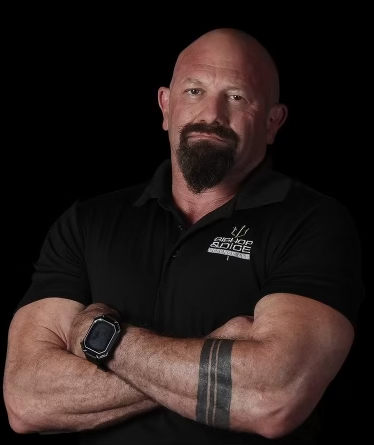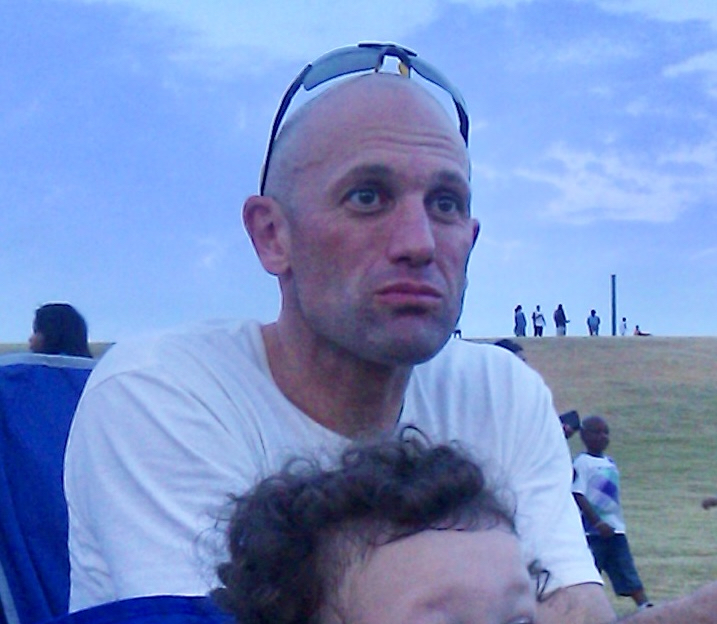





Today we’d like to introduce you to Dr. Tony Dice.
Hi Dr. Tony, we’re thrilled to have a chance to learn your story today. So, before we get into specifics, maybe you can briefly walk us through how you got to where you are today?
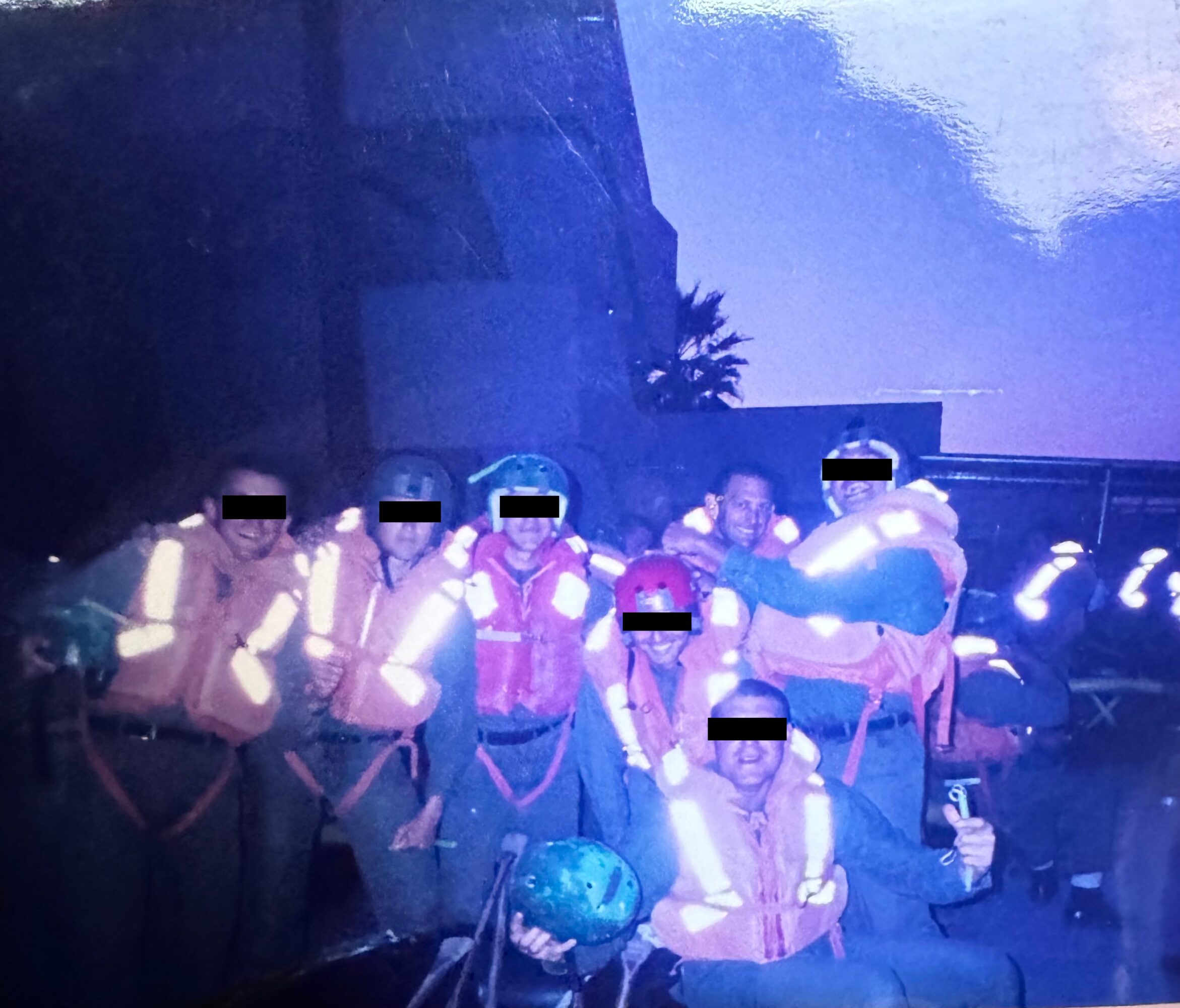
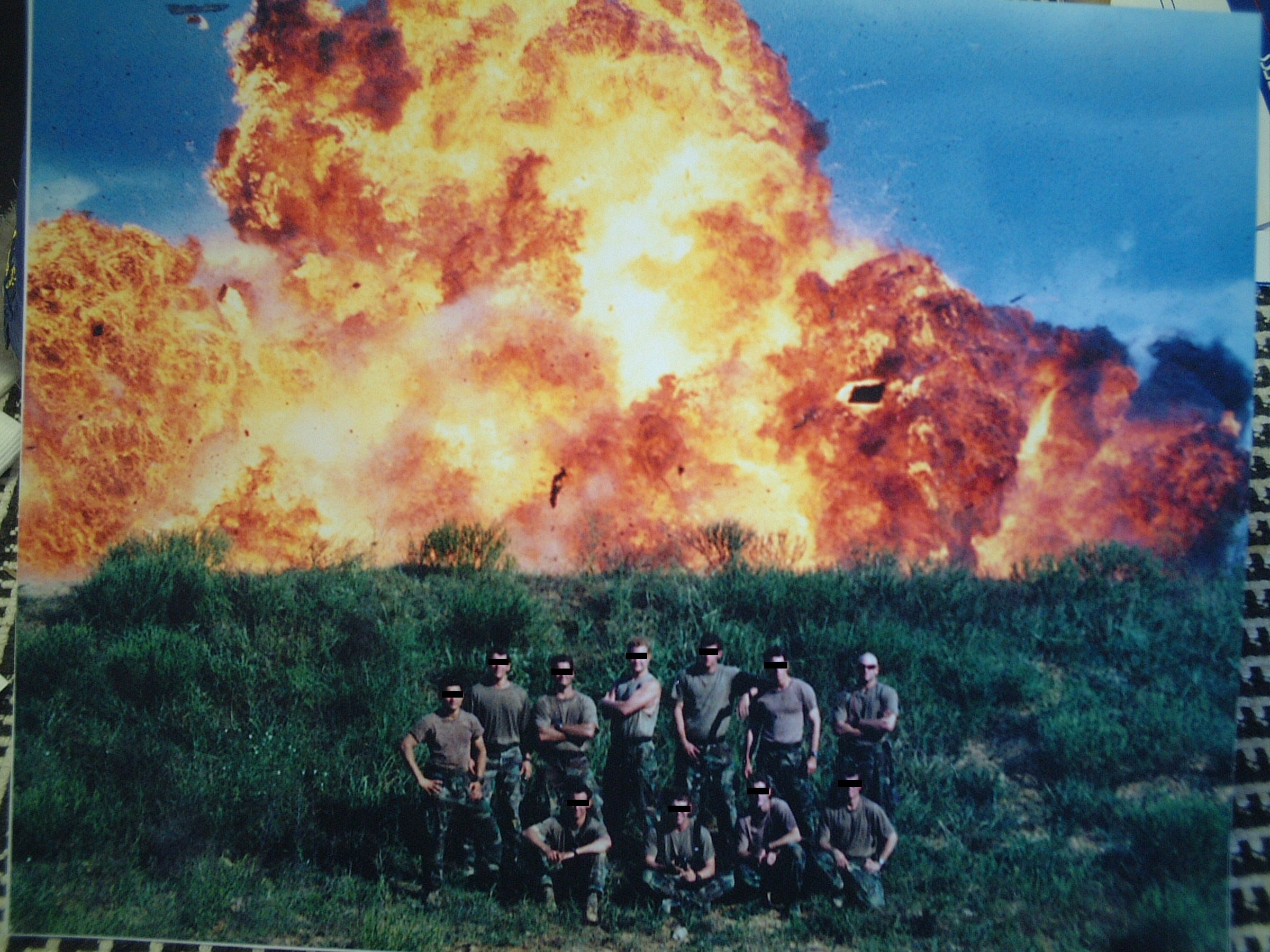
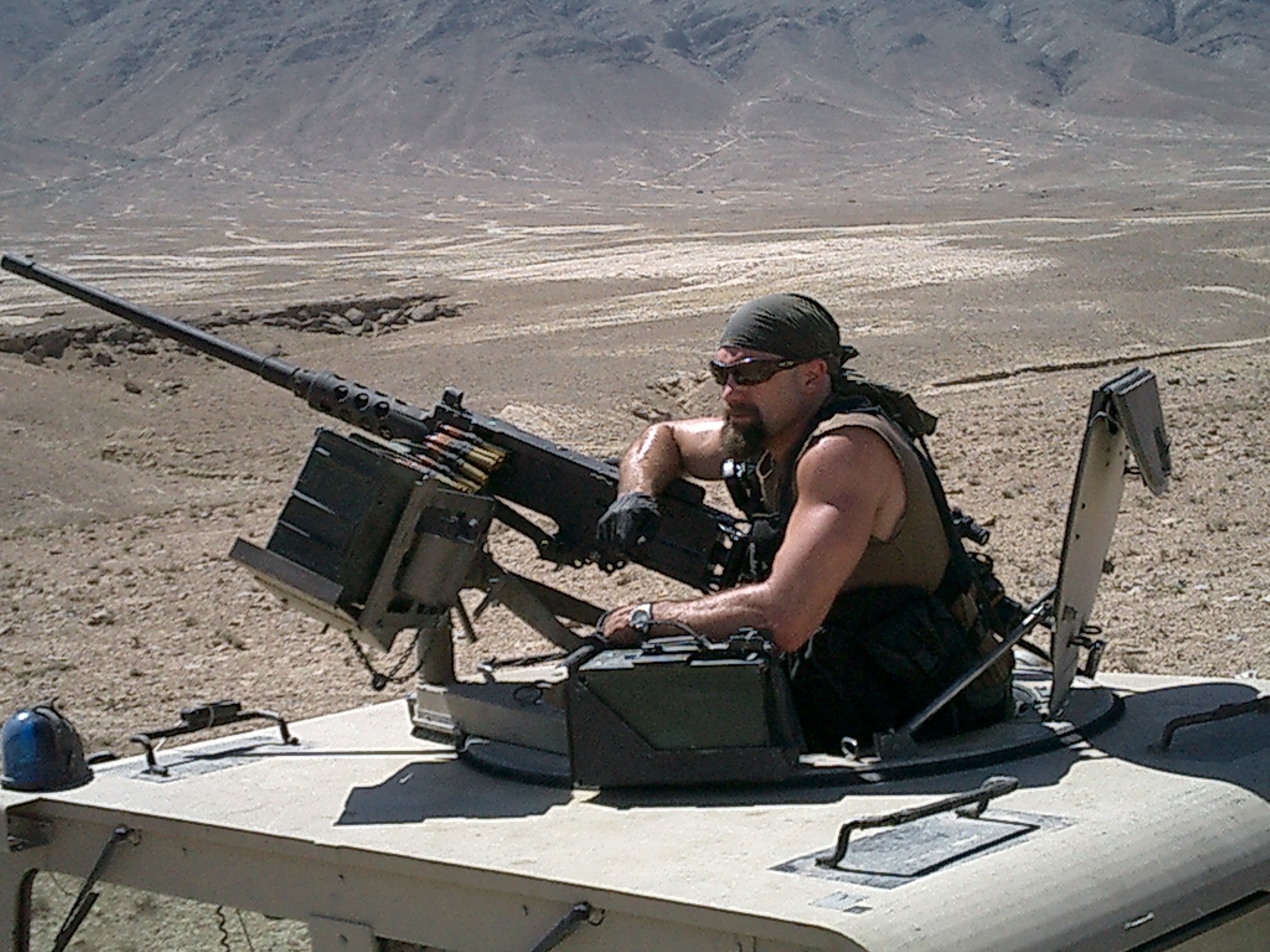
For a long time, I thought my problem was alcohol, then I thought it was drugs, trauma, war, women, money, or whatever else I was chasing at the time, but eventually I figured out that none of those things was really the problem. The truth was, I needed intensity to feel alive. I grew up in a big, loving, creative, and pretty chaotic family (eight kids), and I learned early how to lie, steal, manipulate situations, take risks, and keep secrets. I was always looking for the next thing that would give me a rush or make everything else go quiet for a while. As I got older, I found that feeling in sex, alcohol, danger, achievement, and adrenaline. When my dad died from cancer, I didn’t know how to deal with it. I was basically told that men don’t cry, so I buried it and kept myself moving. Eventually, I decided I was going to become a Navy SEAL. I thought that if I could earn that title and become one of the toughest men in the world, maybe I would finally feel like I was enough. I failed during my first attempt at training, got injured, and ended up in a really dark place sucking on the barrel of a pistol. I was ashamed, isolated, and starting to misuse pain medication, but I managed to rebuild myself, go back through training, survive BUD/S and Hell Week, and earn my Trident. It was one of the greatest accomplishments of my life, but it didn’t fix me. If anything, the SEALs gave me a place where a lot of my unhealthy traits looked like strengths. Being intense, taking risks, shutting down my emotions, and refusing to quit made me good at the job, but those same traits were slowly tearing me apart. After leaving the Teams, I kept chasing money, drugs, sex, danger, and war. I worked as a private contractor in Afghanistan and Iraq because chaos was familiar to me and, honestly, it was one of the few places where I still felt normal. Eventually, meth took over my life. I lied, cheated, disappeared for days, and hurt just about everyone who cared about me. Even becoming a father wasn’t enough to stop me at first. By 2010, I barely recognized myself. My turning point came in a drug house when a neglected kid pointed an Airsoft gun at my face. I looked into his eyes and suddenly saw what my son Ronin’s future could look like if I kept going. I realized I had become the very thing that had hurt me growing up, and I was setting my son up to follow the same path. I found a rehabilitation center in the Yellow Pages and called the Farley Center in Williamsburg. On July 29, 2010, weighing about 130 pounds (normally 220lbs), I finally walked through the doors. Recovery wasn’t some big inspirational movie moment. I was angry, sick, and didn’t want to be there. At first, I just did what people told me to do. I went to meetings, got a sponsor, went to therapy, worked the Twelve Steps, and started being honest. I didn’t trust myself, so I borrowed structure from people who knew how to stay sober. Little by little, I learned how to sit with uncomfortable feelings instead of trying to drink, use, fight, work, or run my way out of them. Getting sober didn’t magically fix everything. My marriage ended, and I had to face the damage I had done, but for once, I didn’t run away. I went back to school because I wanted to understand what had happened to me and figure out how to use my experiences to help other people. I earned an associate’s degree, a bachelor’s degree, a master’s degree, and eventually a doctorate in the counseling field. Five years after walking into the Farley Center as a patient, I returned as a counselor. I later developed the Holistic Change Model to help connect the Twelve Steps with established therapeutic approaches and make recovery easier for clinicians and their clients to understand. I also helped create Bishop & Dice Defense, an organization that brings together the tactical and mental health worlds. We work with veterans, first responders, law enforcement officers, and others who are often great at helping everyone except themselves. We may start by talking about gear, training, or the job because that’s where trust begins, but the bigger goal is to make sure people know they don’t have to carry trauma, addiction, or shame alone. Today, I’m a husband, a father of five, a professor at ODU, a substance abuse clinician, and an addict in long-term recovery. That old engine is still inside me, and I can still feel the urge to push harder, move faster, or look for the next big thing, but it doesn’t control me anymore. Recovery didn’t erase my past or give me a perfect life. It gave me a direction and taught me how to be present. I used to think I had to be the toughest, smartest, or most impressive person in the room to be worthy of love. Now I know that real strength is telling the truth, asking for help, making things right when I can, and continuing to show up. For years, I thought there was something inside me that made me the enemy, but I wasn’t the enemy. I was a guy who had been trained by chaos and eventually learned that I had a choice. If somebody hears my story and sees even a little of themselves in it, I want them to know they have a choice too. You don’t have to understand everything or fix your entire life today. You just have to take one honest step, make the call, tell somebody the truth, and let another person help you carry what you were never supposed to carry alone.
We all face challenges, but looking back would you describe it as a relatively smooth road?
1. I grew up in a chaotic family affected by addiction, conflict, harsh discipline, and instability.
2. I developed an early need for danger, control, sensation, and emotional intensity.
3. I carried painful secrets and deep shame without feeling able to tell anyone.
4. I lost my father to cancer before I could reach him to say goodbye.
5. I suppressed my grief because I had been taught that men should not cry.
6. I used sex, alcohol, achievement, and risk-taking to escape uncomfortable emotions.
7. I failed during my first attempt at Navy SEAL training and lost the identity I had built around succeeding.
8. I endured injury, isolation, hopelessness, and suicidal thoughts while in X-Division.
9. I began misusing prescription pain medication while trying to recover and return to training.
10. I rebuilt myself, repeated BUD/S, survived Hell Week, and ultimately earned my SEAL Trident.
11. I discovered that even becoming a Navy SEAL could not resolve the pain and compulsive drive inside me.
12. I lost my SEAL career and struggled to adjust to life without the Trident as my central identity.
13. I worked in Afghanistan and Iraq, repeatedly exposing myself to violence, danger, and psychological trauma.
14. I descended into severe addiction involving methamphetamine, alcohol, cocaine, prescription medication, sex, and other compulsive behaviors.
15. I watched my finances, marriage, health, home, and personal stability collapse.
16. I became emotionally unavailable to my son and realized I was repeating the destructive patterns of my own childhood.
17. As a meth addict, I reached bottom in a drug house and confronted what my son’s future could become if I did not change.
18. I entered treatment severely underweight (130lbs vs. 220lbs), endured detox, accepted help, and overcame my resistance to the Twelve Steps.
19. I faced divorce, shame, damaged relationships, and the consequences of my actions while learning how to remain sober.
20. I rebuilt my life through education, fatherhood, clinical service, the Holistic Change Model, and Bishop & Dice Defense, while continuing to manage my drive for intensity one day at a time.
Great, so let’s talk business. Can you tell our readers more about what you do and what you think sets you apart from others?
Through Bishop & Dice Defense, I bring the tactical and mental health worlds together to support veterans, first responders, law enforcement officers, and others who are often more comfortable helping people than asking for help themselves. Our approach begins by meeting people where they are, using the shared language of service, training, and brotherhood to build trust. From there, we provide recovery support, trauma-informed education, peer connection, and practical resources. Our mission is simple: to make sure the people who protect our communities know they do not have to carry trauma, addiction, or shame alone.
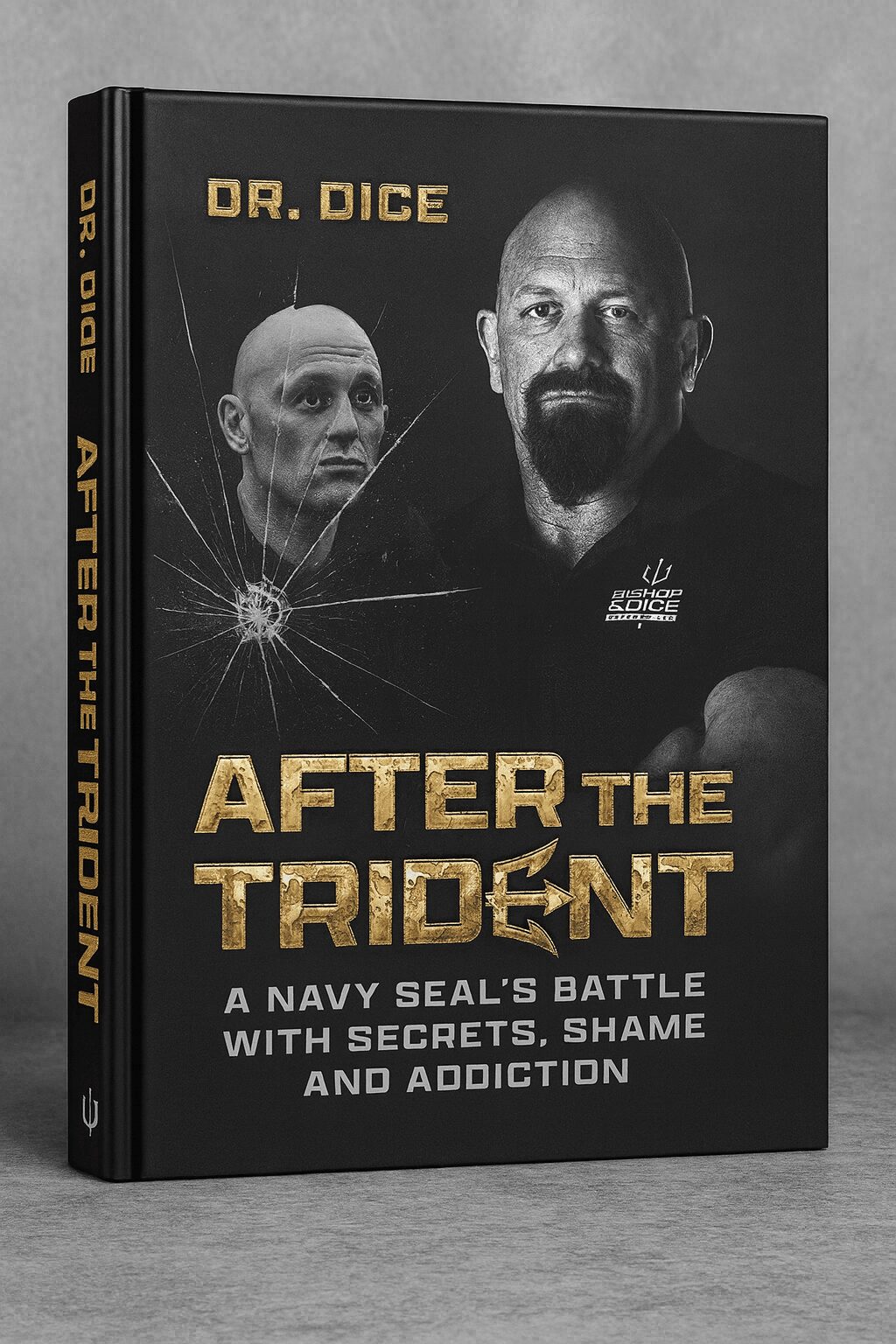
As a professional speaker, clinician, educator, and author of After the Trident: A Navy SEAL’s Battle With Secrets, Shame, and Addiction, I share the unfiltered story of how the same drive that helped me become a Navy SEAL also contributed to addiction, personal collapse, and the loss of nearly everything that mattered to me. I have presented at regional, national, and international conferences and events, speaking to clinicians, veterans, first responders, students, organizational leaders, and recovery communities. Drawing from my lived experience, doctoral education, long-term recovery, and the Holistic Change Model, I speak about resilience, leadership, trauma, addiction, emotional compulsivity, and lasting personal change. My goal is to replace shame with understanding and remind people that asking for help is an act of courage…..not weakness.
We’d love to hear about any fond memories you have from when you were growing up?
As a teenager, I entered the choker-setting competition during the Klamath River Days Festival This was located in the small town of Klamath River high in the mountains of northern California. Even though I was competing against grown men…..many of them professional loggers who performed the task every day. The event required us to sprint across a field, clear a series of logs, grab a heavy steel cable, race back, wrap it around another log, lock it down, and sprint to the finish. I studied the other competitors and noticed they were wasting time by sliding the cable underneath the log before reaching over to grab it. I developed and practiced a faster technique, whipping the choker over the top in a single motion. When it was my turn, I executed the move, outran the competition, and took first place. That victory showed me I could out-think and outperform men with far more experience, but what stayed with me most was seeing the pride on my father’s face…..one of the last times I would ever see that look before he died.
Contact Info:
- Website: https://www.drdicebooks.com
- Instagram: https://www.instagram.com/dr.tonydice/
- Facebook: https://www.facebook.com/robert.dice.5/
- LinkedIn: https://www.linkedin.com/in/drdice/
- Youtube: https://www.youtube.com/@bishopdicedefense
- Other: https://linktr.ee/dr.dice