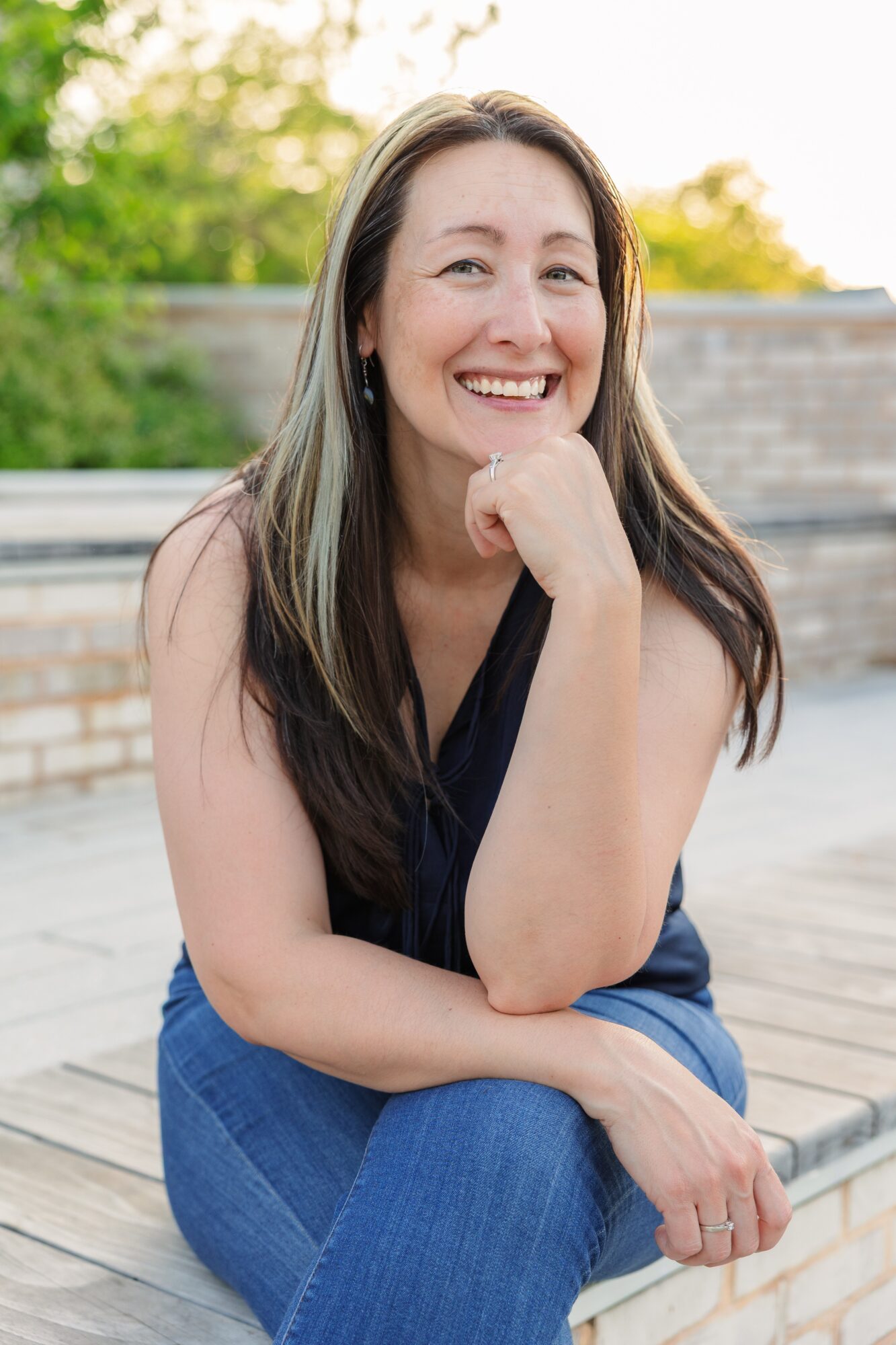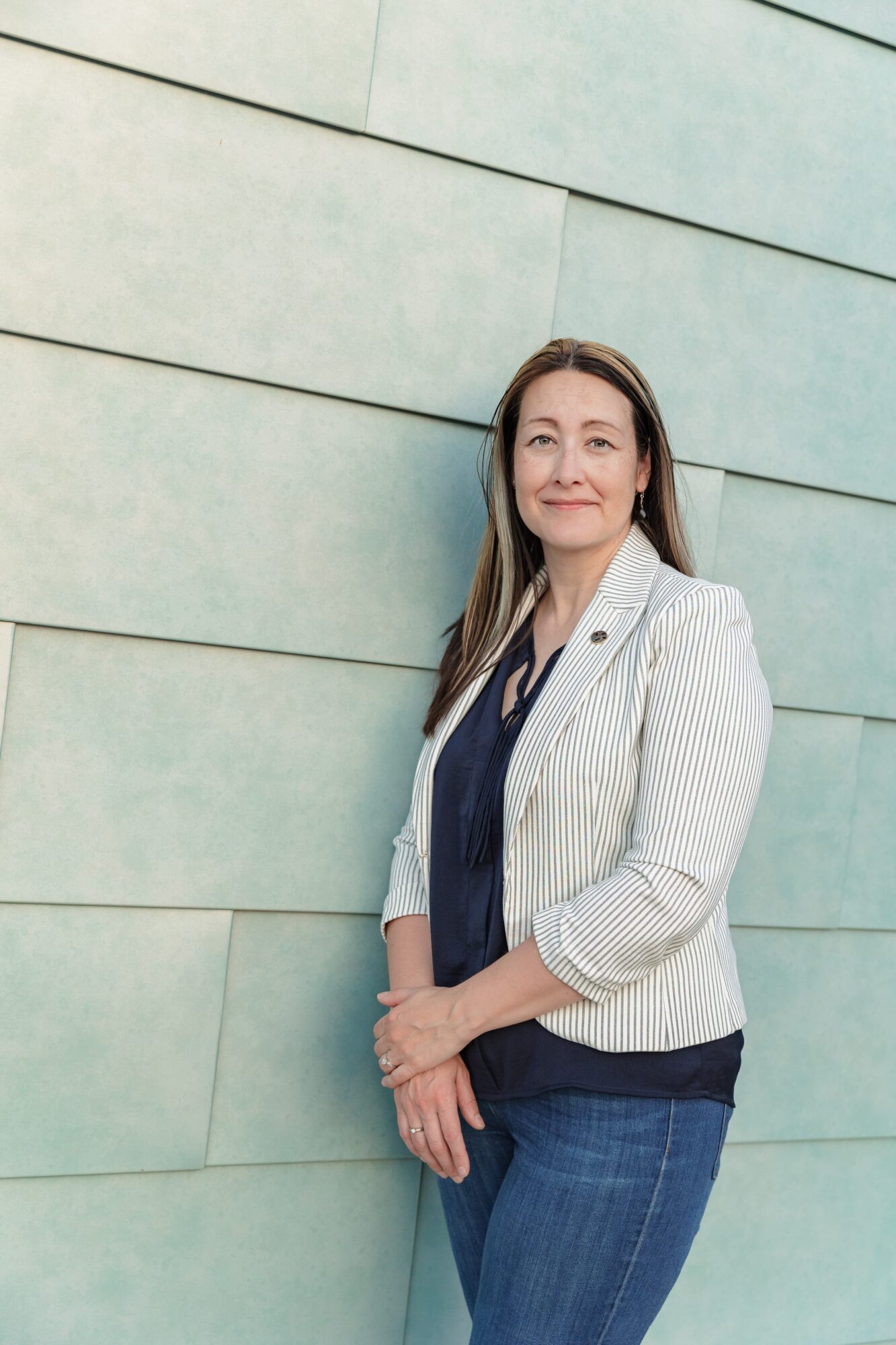





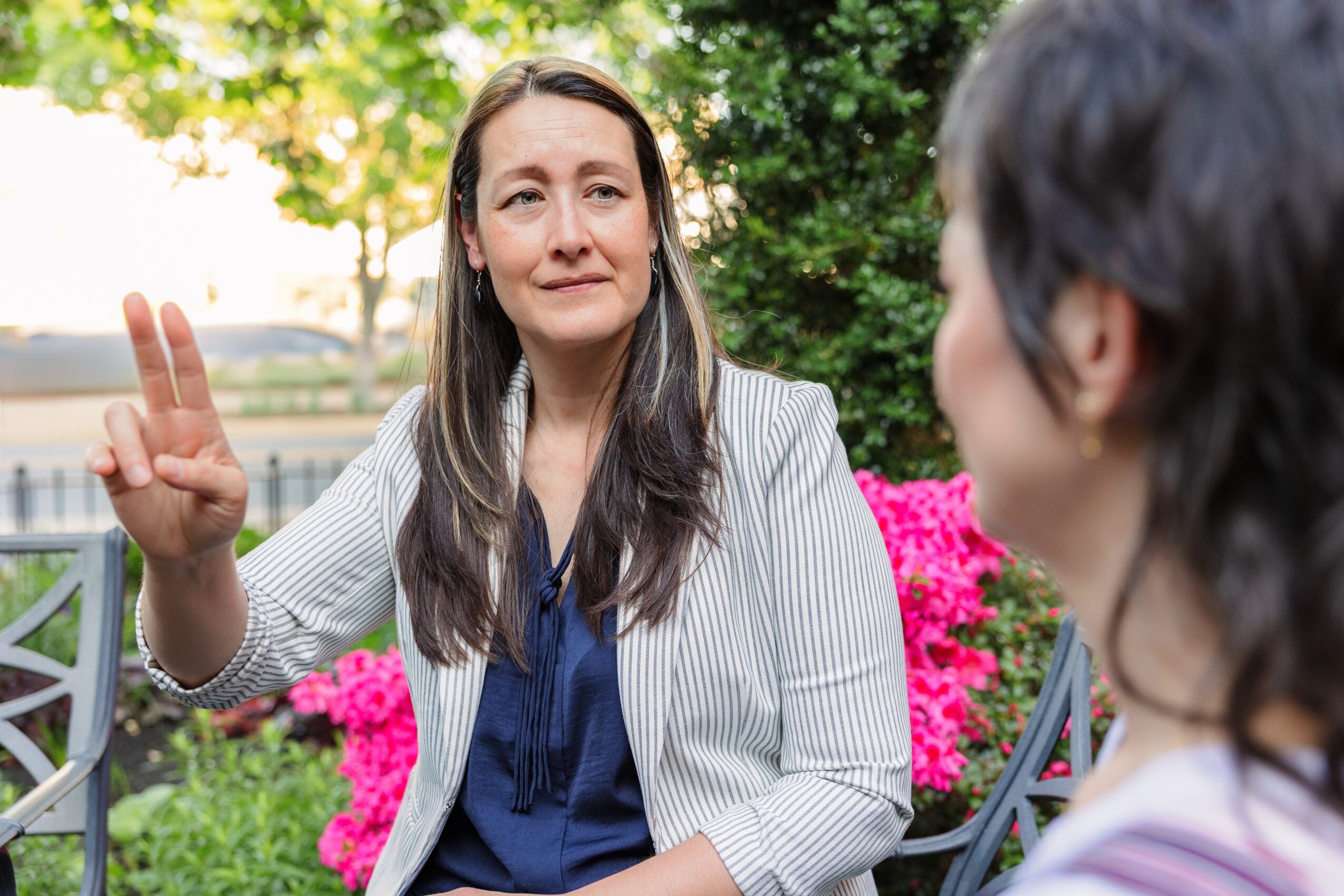
Today we’d like to introduce you to Jaime Parker.
Hi Jaime, so excited to have you on the platform. So before we get into questions about your work-life, maybe you can bring our readers up to speed on your story and how you got to where you are today?
When people ask how I became a therapist, I tell them the short answer is that I’ve always known. The longer answer begins in uniform.
I served on active duty as a commissioned officer in the U.S. Army for over ten-years and deployed to Afghanistan from 2004 to 2005. Military service shaped my leadership style, my sense of responsibility, and my understanding of resilience. It also gave me firsthand insight into what happens when high-capacity, mission-driven individuals carry invisible wounds.
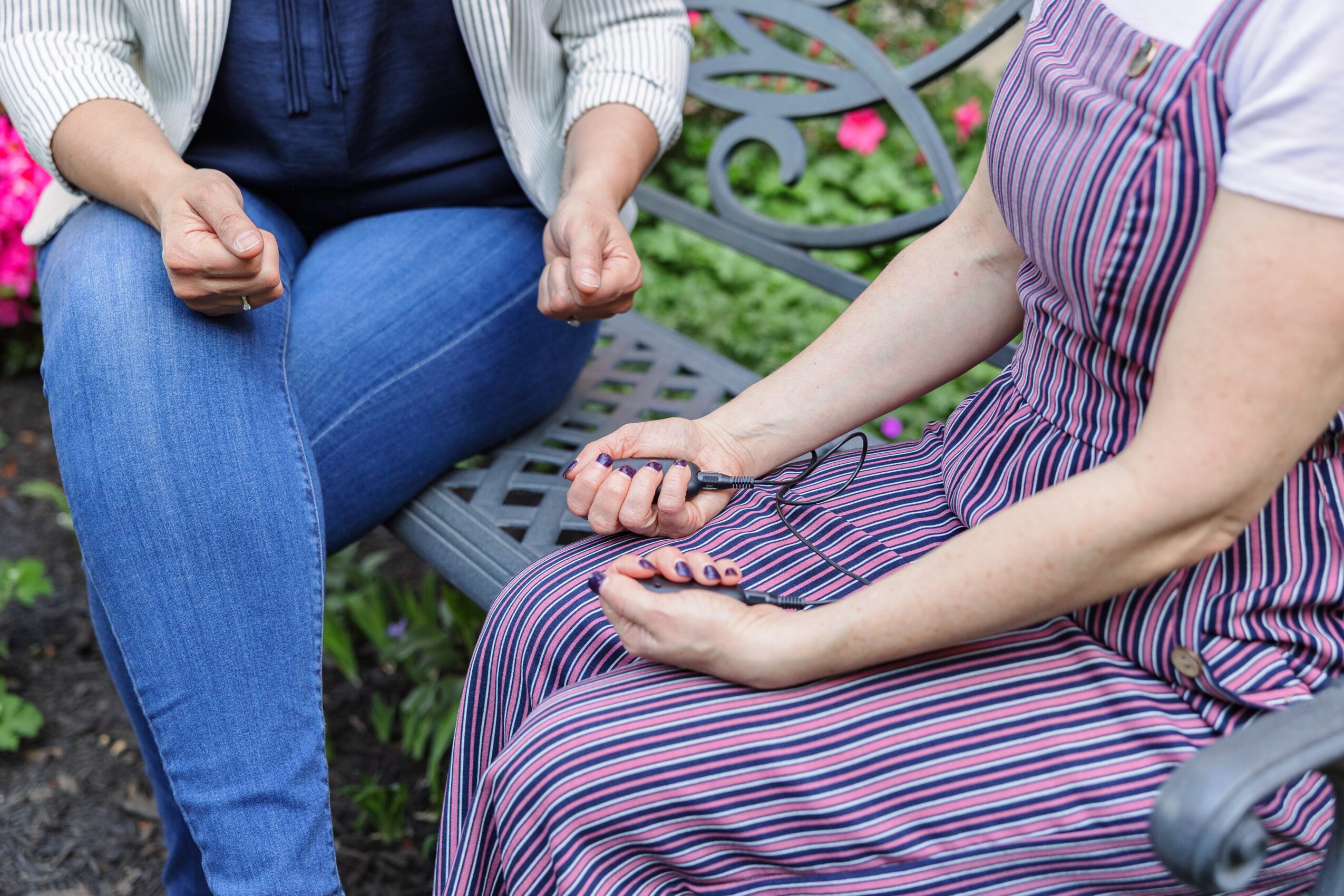
Like many Veterans, I returned home changed. After redeployment, I was introduced to Eye Movement Desensitization and Reprocessing (EMDR). Experiencing EMDR personally was transformative. It wasn’t simply about symptom reduction — it was about understanding how trauma lives in the nervous system and how the brain can reprocess what once felt overwhelming. That experience reshaped my trajectory. I didn’t just want to practice therapy; I wanted to provide the kind of treatment that truly changes lives.
In 2012, I transitioned from active duty and pursued graduate training at the Catholic University of America, earning my Master of Social Work in 2014. During my clinical internships, I worked at Fort Meade Behavioral Health supporting service members and families throughout the deployment cycle, and later with the Maryland Department of Veterans Affairs, helping Veterans navigate healthcare systems, earned benefits, and complex life transitions. These weren’t abstract populations to me — they were my peers, my community.
After completing my clinical residency in North Carolina in both private practice and community mental health settings, my family and I relocated to Northern Virginia. I worked as an outpatient therapist and became a principal member of a graduate training team, where I discovered how deeply I value teaching. Mentoring clinicians, strengthening diagnostic reasoning, and translating neurobiology into practical, ethical trauma treatment became just as meaningful to me as direct client care.
Then came COVID.
Like many working parents — and especially as both a Veteran and a mother — I was navigating uncertainty on multiple fronts. I closed my brick-and-mortar office and transitioned fully into virtual practice while managing the realities of family life in a world that suddenly felt very small and very unpredictable. That season demanded flexibility, creativity, and a return to first principles: What truly matters? How do we create stability in the midst of disruption?
It was during that time that I leaned fully into EMDR and advanced trauma training. It was also when the vision for my private practice became clearer. I wanted to build something mission-driven and family-rooted — a practice grounded in clinical excellence, trauma-informed neuroscience, and integrity.
That vision became NovaEMDR.
Creating NovaEMDR was not simply a business decision; it was a reflection of my identity — as a Veteran, a clinician, a teacher, a military spouse, and a mother. My family has been woven into the creative fabric of the practice from the beginning. From brainstorming ideas around the dinner table to offering feedback on design and messaging, they have helped shape the heart and personality of what NovaEMDR is today. In many ways, the practice reflects the same values we emphasize at home: service, curiosity, and growth.
Being a Veteran-turned-clinician allows me to bridge two cultures: the structured, mission-focused world of the military and the reflective, relational world of psychotherapy. Being a spouse and a mother deepens that work. It sharpens my understanding of attachment, regulation, responsibility, and the quiet strength it takes to hold space for others while tending to your own growth.
At this stage in my career, my role feels twofold: helping individuals reprocess trauma so they can move forward with clarity and regulation, and helping clinicians elevate the standard of trauma treatment through mentorship and consultation.
For me, this has always been about service. The uniform changed. The mission expanded. But the purpose remains the same.
Can you talk to us a bit about the challenges and lessons you’ve learned along the way. Looking back would you say it’s been easy or smooth in retrospect?
One of the greatest challenges along the way has been learning how to hold both strength and limitation at the same time.
On the outside, my life has often looked very full — military service, graduate school, clinical training, building a practice, raising a family. But behind the scenes, there were seasons when I was quietly navigating my own invisible wounds. Some were connected to my years of military service. Others were physical — including decades-long struggles with Endometriosis, Adenomyosis, and chronic pain that, at times, rendered me immobile.
There were moments when I was leading, parenting, studying, or serving clients while simultaneously managing pain that most people couldn’t see. That dual reality — high-functioning on the outside while hurting on the inside — is something many trauma survivors and high-achieving professionals understand intimately.
Balancing a demanding professional path with family life and unpredictable health challenges required humility. I had to confront my own expectations about productivity, resilience, and self-reliance. As someone shaped by military culture, pushing through was second nature. I was resilient. Learning when to pause, advocate for myself medically, and ask for help was much harder. I was living the paradox of being resilient and having to function, adapt and grow through it.
My family and friends witnessed the toll that chronic illness and service-related injuries took over the years. Their steady love and support was my grounding force. They reminded me that strength is not the absence of struggle — it’s the willingness to face it honestly and with them.
Those experiences changed me. They deepened my empathy and sharpened my voice. I became more intentional about self-care, more assertive in conversations with my healthcare providers, and more committed to encouraging others — especially women and Veterans — to speak up when something doesn’t feel right in their bodies.
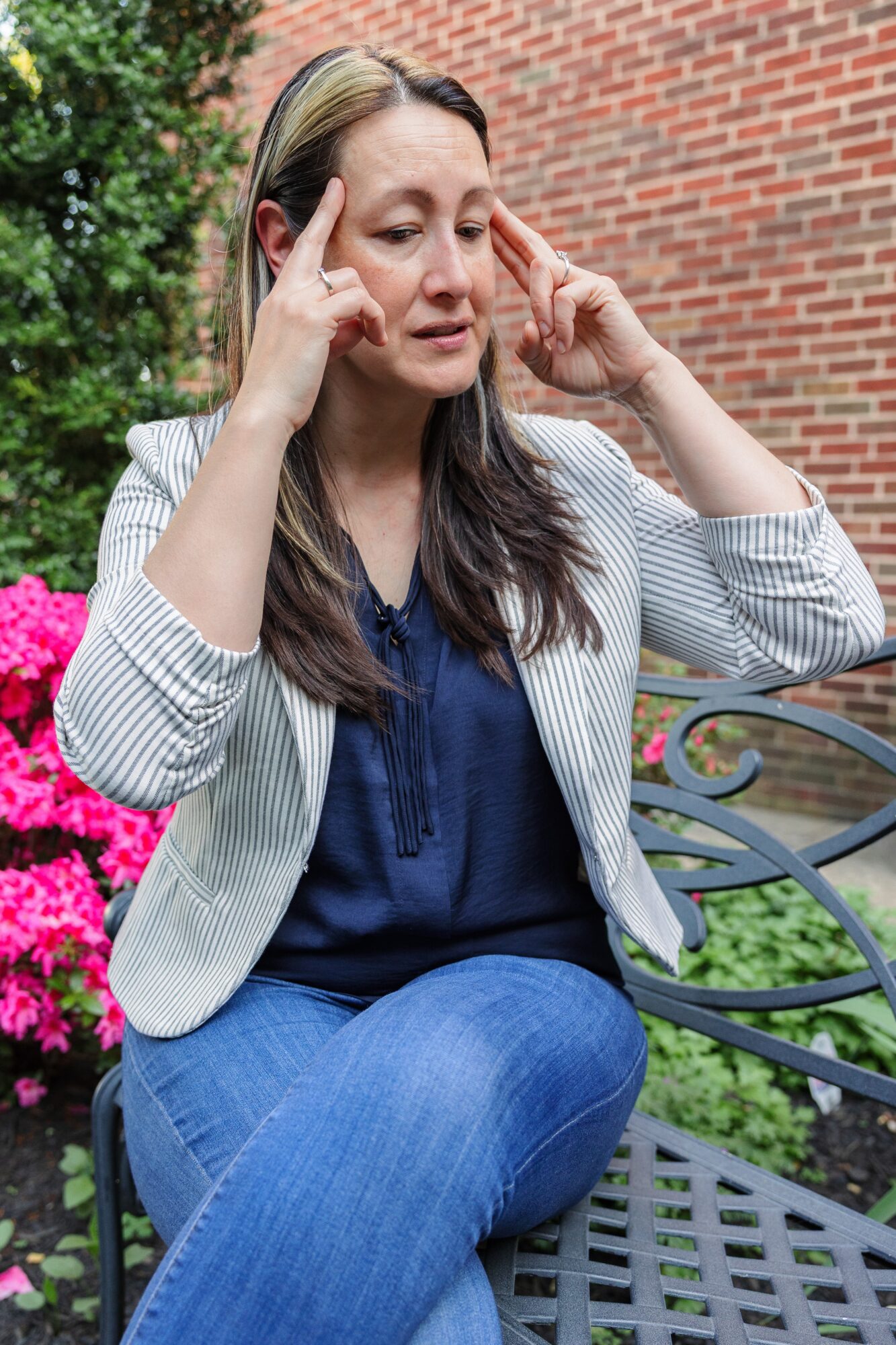
Living with chronic pain and invisible injuries has made me a more attuned clinician. I understand what it means when someone says, “I’m exhausted.” I understand the complex grief that can accompany physical limitation. And I understand the courage it takes to keep showing up.
My struggles didn’t derail my mission — they refined it. They taught me that sustainable service requires sustainable self-care. And that advocacy — for our health, our healing, and our boundaries — is not weakness. It’s responsibility.
As you know, we’re big fans of NovaEMDR. For our readers who might not be as familiar what can you tell them about the brand?
NovaEMDR began as a deeply personal passion—an idea that healing is not just about fixing what feels broken, but about discovering meaning and strength within the process. For years I’ve been fascinated by the Japanese art of Kintsugi, the centuries-old practice of repairing broken objects with gold to highlight the cracks rather than hide them. It teaches that imperfection is not something to be ashamed of; it is part of the object’s history and, in many ways, what makes it unique and more valuable.
That philosophy resonates with the work I do. People often arrive in therapy carrying experiences that feel like fractures—trauma, loss, emotional pain, or patterns that no longer serve them. My role is to walk alongside them as they explore those experiences and begin to rebuild. Healing, like Kintsugi, is rarely instantaneous. It requires patience and care. But over time, the pieces can come together in a way that feels stronger, more integrated, and even beautiful in its authenticity.
What sets my approach apart is this emphasis on collaboration and meaning-making. I don’t view therapy as simply resolving symptoms; I see it as a journey of understanding and growth. EMDR and other evidence-based modalities provide powerful tools, but the human element—listening, honoring someone’s story, and creating space for transformation—is what drives the work. My greatest pride is witnessing clients move from feeling stuck or defined by their past to recognizing their capacity for resilience and change.
Ultimately, I want my clients to know that healing does not require perfection as that does not exist. Just as Kintsugi celebrates the repaired object, our experiences—both joyful and difficult—shape who we are. The cracks are not failures; they are evidence of survival and the possibility of renewal. That is the spirit behind NovaEMDR and the work we do every day.
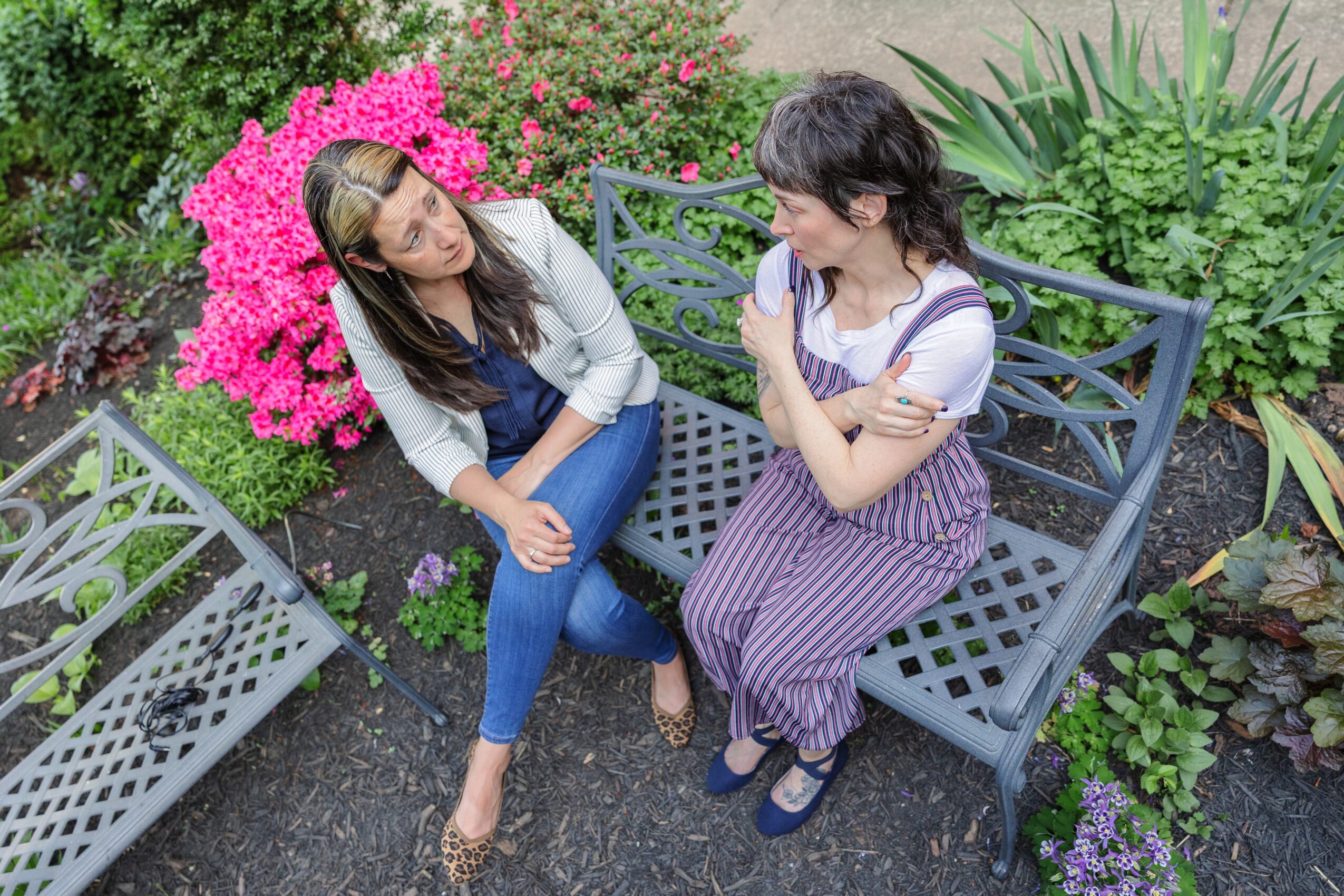
We are a fully virtual private practice built for adults who want therapy that fits real life—no commuting, no waiting rooms, just a private space to work through things at your own pace. We offer traditional talk therapy for people who want to explore their thoughts and experiences, as well as trauma-focused care that includes EMDR, an evidence-based approach that helps people process difficult memories so they feel less overwhelming. I also provide EMDR consultation for therapists seeking guidance and professional growth in line with the training standards of the EMDR International Association (EMDRIA™), helping clinicians build confidence and competence in their own trauma work.
I’m also fortunate to collaborate with Jennifer Rodrigues, a gifted yoga therapist, fellow military spouse, and friend. Together, we’re creating somatic and body-based resources that complement EMDR and talk therapy, giving clients and clinicians additional ways to engage with healing beyond words alone. These tools focus on the connection between mind and body—helping individuals learn skills for grounding, emotional regulation, and self-awareness so they can deepen their healing journey. Our aim is to meet people where they are and offer practical, compassionate resources that support lasting growth and resilience.
We work primarily with adults seeking flexible, virtual care, including individuals navigating trauma, life transitions, and stress that affects their daily well-being. Our clients often include Veterans and their families, first responders, educators, professionals in high-pressure roles, and individuals in fields that require confidentiality and demanding schedules, legal professionals, and other high-performance environments. Many of the people we serve value the ability to engage in therapy without rigid in-office requirements, which allows them to prioritize healing while balancing careers and family responsibilities. Our fully-virtual model offers accessibility and privacy, making it easier for clients to receive consistent care regardless of location within Virginia or professional demands. Ultimately, our goal is to provide supportive, evidence-based treatment that meets individuals where they are and helps them move toward greater resilience and emotional well-being.
Networking and finding a mentor can have such a positive impact on one’s life and career. Any advice?
Mentorship is a cornerstone of personal and professional growth, and I deeply value the guidance I have received from the Non-Commissioned Officers (NCO’s) and Officers I served with, the professionals who shaped my development during my transition into clinical social work, and the consortium of clinical peers I consult with daily. These relationships have reinforced that mentorship is both a responsibility and a skill—one that requires humility, active engagement, and a willingness to learn. Too often, mentorship is overlooked or reduced to passive advice, yet its true power lies in reciprocal growth and the transfer of wisdom across generations of professionals. When we fail to engage with our mentors, we not only shortchange our own development, but we also diminish our capacity to serve those who depend on us. Mentorship is therefore not just a gift we receive—it is an obligation we honor by continuing the cycle of learning, guidance, and professional stewardship.
Contact Info:
- Website: http://www.NovaEMDR.com
- Instagram: https://www.instagram.com/novaemdr/?hl=en
- Facebook: https://www.facebook.com/profile.php?id=61585739969510
- LinkedIn: https://www.linkedin.com/in/jaime-parker-51792b3b3