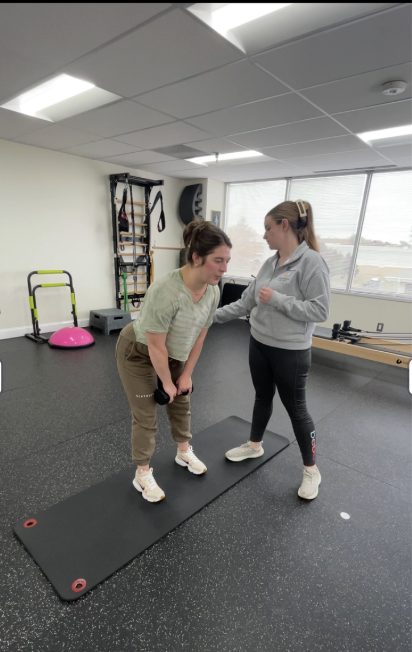





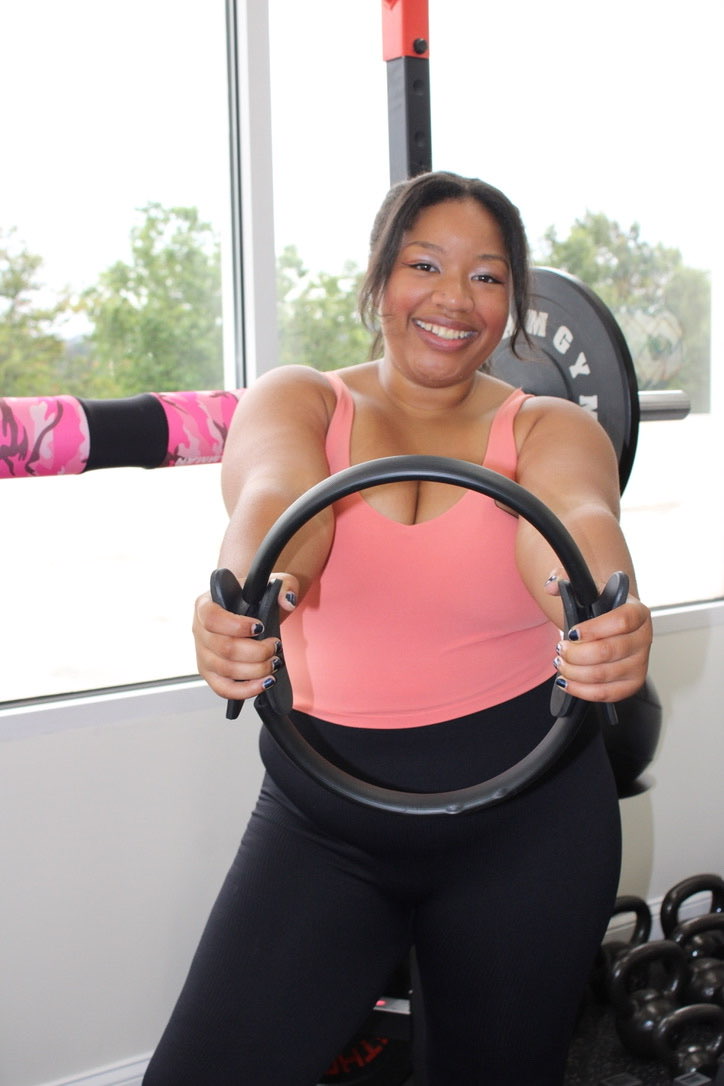
Today we’d like to introduce you to Amaya Liles.
Hi Amaya, thanks for joining us today. We’d love for you to start by introducing yourself.
I never originally planned to become a business owner—or even a physical therapist. For most of my childhood, I had my heart set on becoming an OB/GYN. My godbrother was born when I was in sixth grade, and from that moment forward, I thought birth was the most magical thing in the world.
As I entered my final semester of undergraduate school, however, I realized that I did not want medical school badly enough to pursue it. I began exploring other ways that I could work in healthcare and serve my community. I completed an internship in community medicine, where I taught nutrition through cooking classes for community members and medical students. I later shadowed an occupational therapist. I enjoyed both experiences, but neither felt like the right fit.
After speaking with several physical therapists, I decided to apply to PT school. At the time, only a small percentage of physical therapists were African American. Representation in healthcare was deeply important to me, and I wanted people in my community to see that there are knowledgeable, compassionate providers who look like us and understand some of our lived experiences.
Shortly after applying to PT school, I discovered pelvic physical therapy through TikTok. Suddenly, everything began to fall into place. I had finally found a path that allowed me to combine my interest in reproductive and sexual health with my desire to help people feel safe, heard, and empowered in their bodies.
That mission is also deeply personal to me. I am a survivor of childhood sexual abuse, and that trauma has manifested throughout my life as anxiety, depression, difficulty with intimacy, and pain with intercourse. After graduating from PT school, I also developed vulvodynia, a form of chronic pelvic pain. Pelvic physical therapy and Pilates truly saved my life by helping me understand my pain and regain a sense of control and ownership over my body. I have also lived with chronic upper-back pain for much of my life because of my body type, so I understand what it is like to navigate pain that other people may not see or fully understand.
Today, pain with intercourse is one of my favorite conditions to treat because I get to help people reclaim ownership of their bodies. In my experience, pain with sex is rarely just a musculoskeletal issue. It can be influenced by the nervous system, past experiences, emotional well-being, a person’s sense of safety, hormonal factors, and many other pieces of their life. People deserve providers who are willing to consider the whole picture.
I attended South College’s Knoxville campus through its accelerated hybrid Doctor of Physical Therapy program and graduated in December 2022. During PT school, I was heavily involved in diversity, equity, and inclusion initiatives. I also intentionally made my longest clinical rotation one in pelvic health and completed my Level 1 pelvic-health training before graduation so I could enter the field immediately.
After spending more than a year working in private practice, I realized that I did not want to work for someone else forever. I wanted the freedom to treat the whole person, practice in a genuinely trauma-informed way, and create the most inclusive environment possible. I never wanted my patients to feel like another dollar sign or another body being moved through a healthcare system.
I later spent time nannying while providing physical therapy to a toddler with a genetic disability. That experience helped me discover another passion: pediatric care. During that time, I applied for a residency with Dr. Kelly Alhooie, the previous owner of OrthoPelvic Physical Therapy. When I was accepted, I packed my belongings and moved to Virginia in January 2025.
The residency was initially expected to last one to two years. Just three months later, Kelly pulled me aside and told me that she believed I had learned what I needed to know, both clinically and from a business perspective. Then she offered to sell the practice to me. The opportunity came completely out of left field, and I was shocked—but I accepted and officially purchased OrthoPelvic Physical Therapy in March 2025.
I had completed a leadership fellowship during undergraduate school, but I never imagined that I would eventually use those skills to own and lead a healthcare practice. Becoming a business owner has required plenty of trial and error, especially when it comes to hiring, managing a team, and growing into the kind of leader I want to be. Every challenge has taught me something, and I continue trying to become a better clinician, owner, and leader each day.
What I am most proud of is the environment we have created. I do not want walking into OrthoPelvic to feel like walking into a traditional doctor’s office. Medical anxiety is real, and many of our patients have already visited multiple providers without receiving the answers, support, or care they deserved before they ever reach us.
We have had male patients call seven other practices and be turned away before contacting us—and hearing their relief when we finally say “yes” reinforces why our work matters. Just recently, I treated someone who had spent nine months living with pelvic pain and more than $5,000 seeking medical care. I was the first provider who could clearly explain what was happening, why it was likely occurring, and what we could do to help. I love being able to help people find hope again.
OrthoPelvic is now one of the few clinics in Northern Virginia treating pelvic-health patients of all ages and genders, and I am incredibly proud of that. No matter a person’s gender, race, sexual orientation, age, diagnosis, or history, I want them to feel welcomed and accepted when they enter our clinic. Everyone deserves to feel good in their body and to have a body they can rely on.
Our practice has moved, grown, expanded its services, and begun developing a Pilates program. We are also training my rescue dog, English Muffin, to become a therapy dog. She was rescued in Mississippi after experiencing severe mange, losing her fur, and evading rescuers for more than a month. She was eventually rescued and fostered before I adopted her through Wolf Trap Animal Rescue. My hope is that she can eventually provide comfort and grounding through her presence, light-pressure contact, and deep-pressure support for patients who want it. Many pelvic-health patients experience significant anxiety, and research suggests that short-term interactions with therapy dogs may help reduce self-reported stress and anxiety for some people.
Over the next three to five years, I hope to continue creating the work environment I once wanted for myself and providing other clinicians with the support and freedom to deliver thoughtful, whole-person care. I would love to expand our Pilates program, welcome another therapist to the team, and potentially expand our current space or open an additional location.
I may not have originally planned to become a physical therapist or a business owner, but I have found the work I was meant to do. Every time a patient finally feels heard, understands their body, returns to something they love, or begins living without fear of their symptoms, I am reminded of why I said yes to this unexpected path.
Alright, so let’s dig a little deeper into the story – has it been an easy path overall and if not, what were the challenges you’ve had to overcome?
It has not been a smooth road at all. Some of my greatest challenges began before I ever became a business owner.
The first time I took my physical therapy board examination, I failed by only four questions and had to wait three months before I could retake it. The exam lasts several hours, and at the time, my pelvic pain was at its worst. It felt as though my skin were being burned off, and I could not tolerate clothing or even underwear touching it. Trying to sit through such an important examination while experiencing that level of pain was incredibly difficult. Although failing was devastating, I continued studying, learned how to better manage my symptoms, retook the examination, and passed.
I also had painful experiences during my clinical education and early career. My first clinical instructor and one of my first employers frequently communicated with me in ways that felt demeaning, verbally abusive, and unprofessional. My first clinical rotation took such a significant mental and emotional toll on me that my school considered removing me from the site to prevent further harm.
After graduation, I spent more than a year being told that I was not a good physical therapist. I eventually left that position and seriously considered leaving the profession altogether. When I attempted to begin establishing myself independently in that same community, I encountered additional difficulties because my former employer was speaking negatively about me to other business owners and community members. It was painful to feel that someone was attempting to damage my reputation while I was still trying to find my confidence as a young clinician.
Ultimately, those experiences helped clarify what kind of leader and employer I never wanted to become. They are part of why creating a healthy, supportive work environment at OrthoPelvic is so important to me. I want the providers who work with me to feel respected, encouraged, and safe asking questions as they develop professionally.
Moving to Virginia brought another set of challenges. It was the first time I had lived in a different state from my entire support system, and I fell into a deep depression. Only a few months after purchasing the practice, I also had to navigate my first serious breakup. I was learning how to live completely on my own, manage my mental health, grieve a relationship, treat patients, support a team, and run a new business simultaneously.
Business ownership has presented challenges I never could have anticipated. At one point, several staff members submitted their resignations while I was away on vacation. One transition became particularly contentious when I continued completing the necessary administrative steps and determined that the employee did not need to work the remainder of the notice period. Navigating staff turnover while maintaining patient care and protecting the stability of the business was overwhelming, but it taught me important lessons about communication, hiring, boundaries, documentation, and leadership.
I have also invested—and lost—thousands of dollars working with marketing agencies and marketing personnel who did not provide the services, transparency, or results I had been promised. As a young business owner without a formal background in marketing, it was difficult to know whom to trust. Those experiences forced me to become much more involved in the financial and marketing sides of the practice and to ask better questions before making decisions.
There have been moments when I questioned my abilities, my decisions, and whether I was capable of carrying everything that business ownership required. However, every obstacle has pushed me to become more knowledgeable, discerning, resilient, and confident. I have learned that leadership does not mean getting everything right the first time. It means being willing to take responsibility, learn from difficult experiences, make necessary changes, and continue showing up for the people who have placed their trust in you.
The road has been difficult, and I do not want to minimize that by pretending every challenge was simply a blessing in disguise. Some experiences were genuinely painful and unfair. However, they did not take away my commitment to this work. I am still here, still learning, and still building the type of practice where patients and providers can feel safe, supported, respected, and valued. That is something I am incredibly proud of.
We’ve been impressed with OrthoPelvic Physical Therapy, but for folks who might not be as familiar, what can you share with them about what you do and what sets you apart from others?
OrthoPelvic Physical Therapy is a Black, queer, woman-owned pelvic-floor and orthopedic physical therapy practice serving people of all ages and genders. We help people move beyond simply feeling comfortable in their bodies. We want them to feel confident that their bodies are competent, capable, and able to support the lives they want to live.
Pelvic health is incredibly intimate and personal. Our patients are never just diagnoses or cases to us. They are people with hopes, dreams, relationships, families, responsibilities, and aspirations—and we want to help them return to those parts of their lives.
We treat conditions including pelvic pain, pain with intercourse, vaginismus, endometriosis, urinary or bowel leakage, urinary urgency, constipation, prolapse, pregnancy and postpartum concerns, erectile dysfunction, male pelvic pain, pediatric pelvic-health conditions, and orthopedic concerns involving the hips, back, and tailbone. We are also becoming especially well known for treating male pelvic-health patients because relatively few clinics in our area provide this care. Some of our male patients call numerous practices before finally reaching us and hearing someone say, “Yes, we can help you.”
We have also developed strong relationships within the pelvic-pain and endometriosis communities. Many of our patients have spent months or years visiting different providers without receiving an explanation for their symptoms. One of the most meaningful parts of my work is watching someone’s expression change when we can finally explain what may be happening, why it is happening, and what we can do together to address it. We want people to know that help exists and that there can be a way out of the cycle.
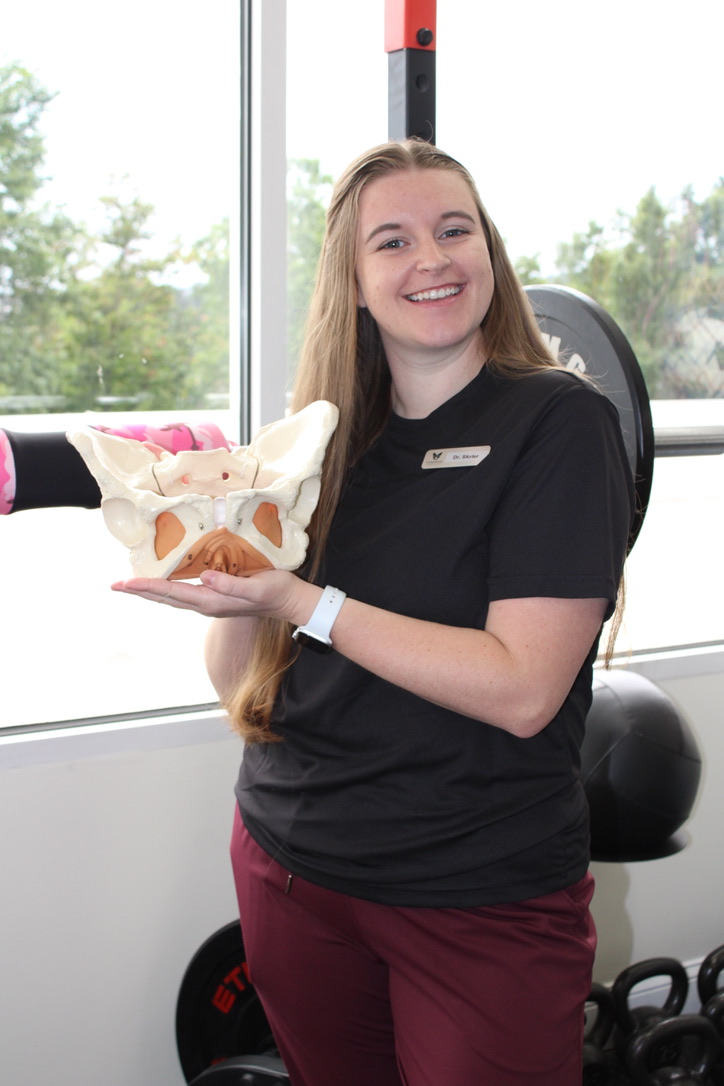
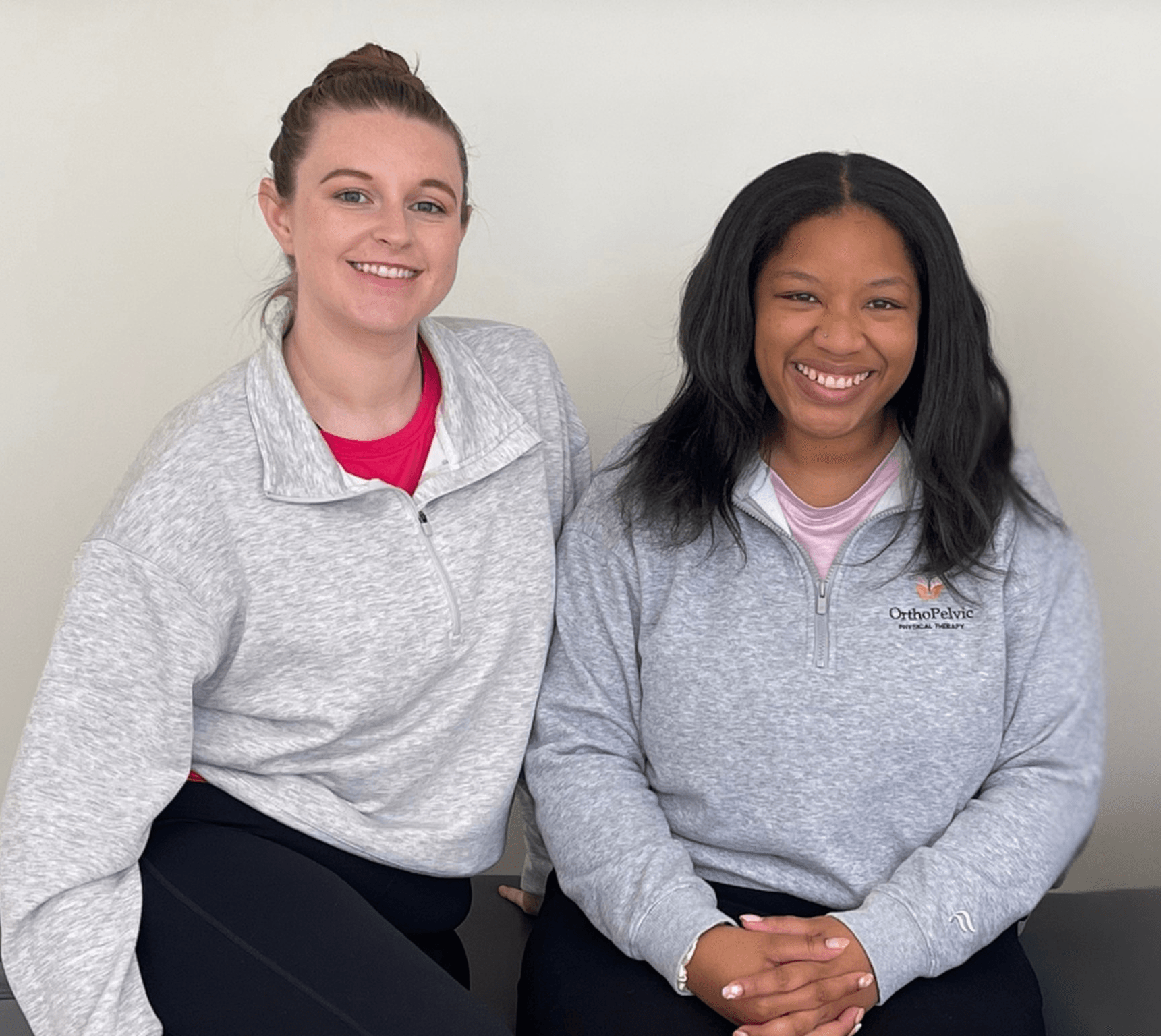
Appointments at OrthoPelvic often feel more like sitting down to talk with a knowledgeable friend than entering a traditional medical office. Our environment is welcoming, intentional, and warm. Every physical therapy session is private and one-on-one with one of our Doctors of Physical Therapy—never a technician, aide, or exercise specialist. Patients may work with either Dr. Skyler Adams or me because we bring different perspectives, personalities, and clinical strengths to their care. Occasionally, a patient may even have the opportunity to benefit from both of us together.
Trauma-informed care is central to everything we do. One of the first things I tell patients is that they are always in control during our sessions. We explain what we are recommending before doing it, discuss the potential advantages and disadvantages of different options, and remind patients that they can pause, stop, modify, or decline anything at any time. Internal pelvic-floor examinations and treatments are never required.
Consent is more than obtaining a “yes” at the beginning of an appointment. I continually watch for verbal and nonverbal signs of pain, discomfort, fear, or dissociation. There have been times when a patient verbally wanted to continue an examination, but I recognized that their body was communicating something different. In those moments, I have stopped, explained what I observed, checked in with them, and transitioned to another approach. I never want anyone to feel that they must grin and bear it through treatment. Beyond being emotionally harmful, forcing someone through an intervention would work against the safety and trust necessary to reach their goals.
My mother has always said that there is more than one way to skin a cat, and I bring that same creativity and willingness to think outside the box into the clinic every day. There is no single intervention that works for every person. Good care requires listening, adjusting, collaborating, and remaining willing to try a different path.
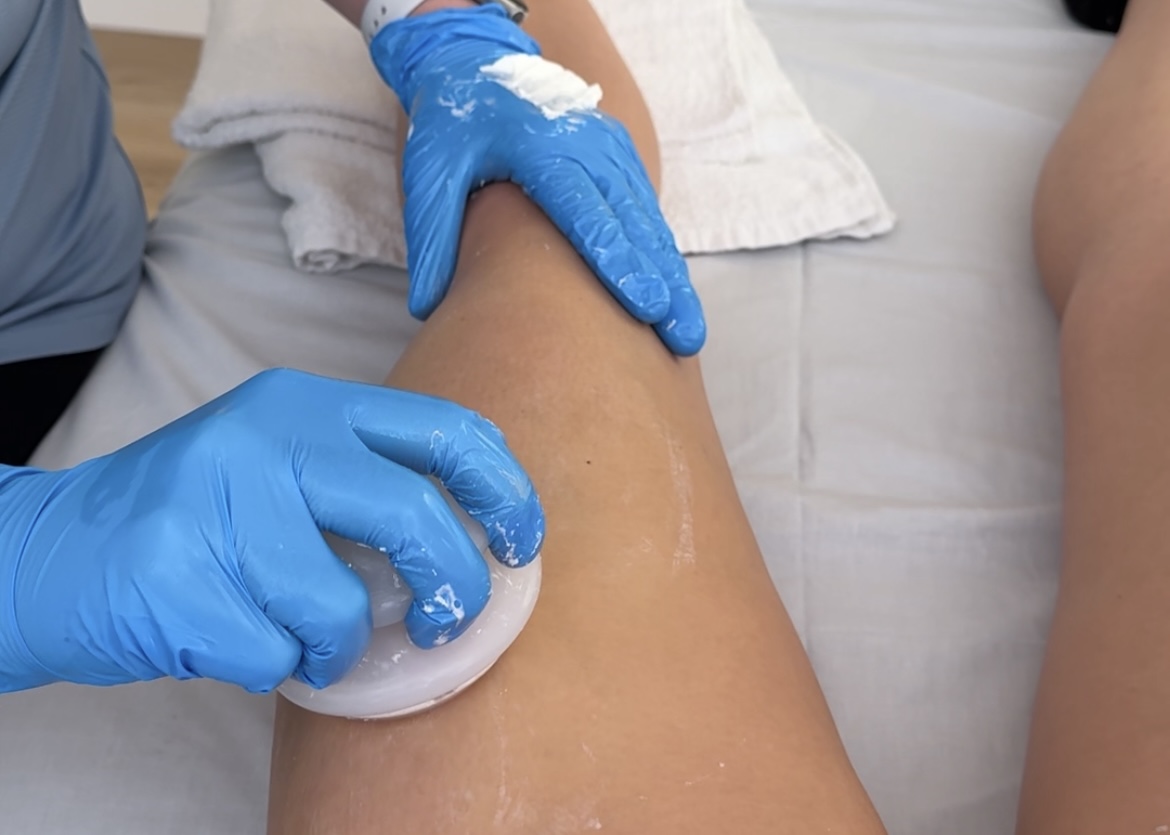
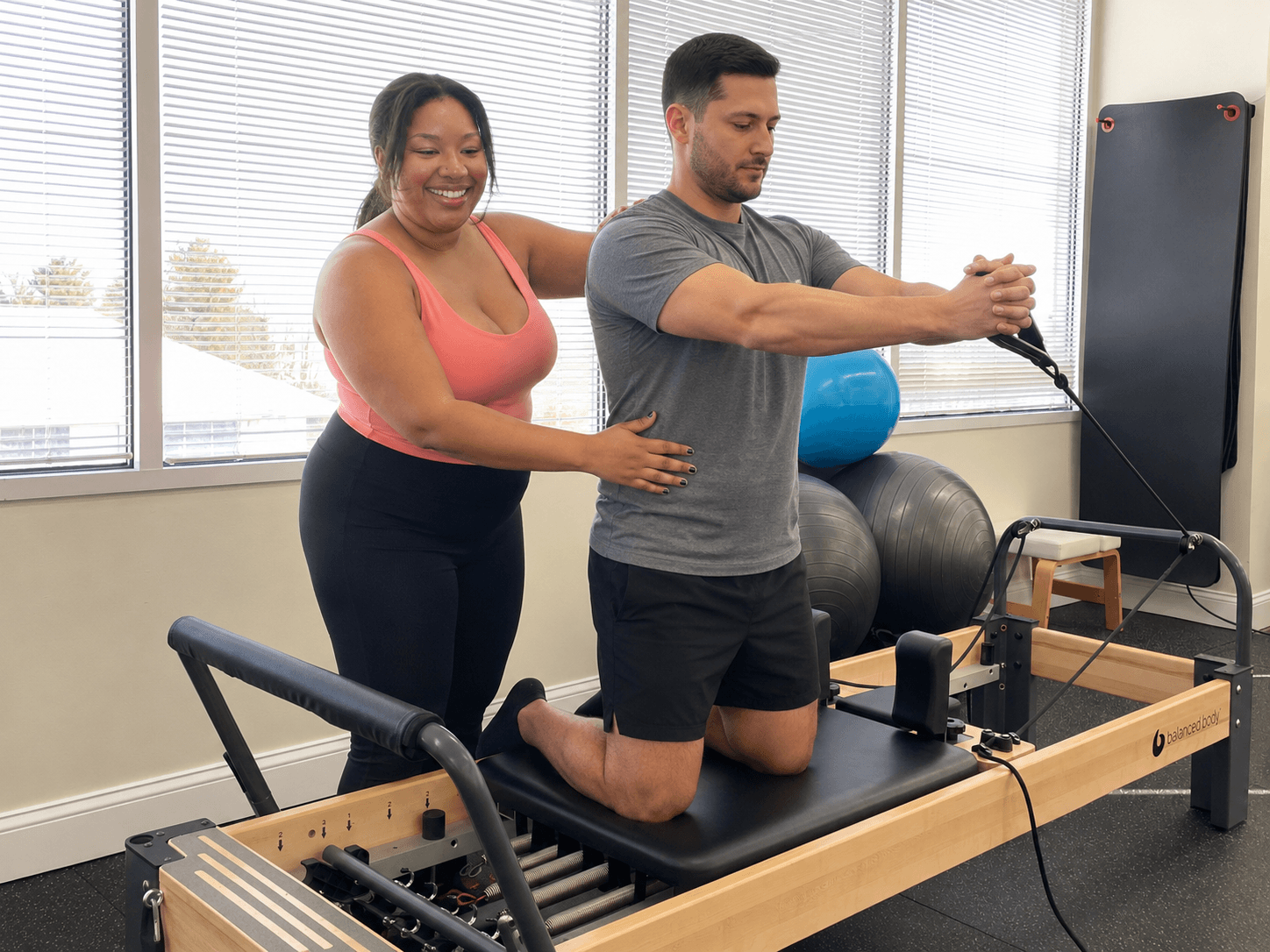
In addition to physical therapy, we offer private Pilates, personal training, craniosacral therapy, dry needling, and wellness events. Our craniosacral therapy services have become especially known for supporting people experiencing migraines, difficulty sleeping, stress, and challenges with emotional regulation. These services give people different ways to move, connect with their bodies, and improve their quality of life.
Some patients incorporate Pilates, dry needling, or craniosacral therapy into their physical therapy plan of care and choose to continue after discharge. Others are referred by outside practitioners who want to collaborate with us in supporting the whole person. As patients prepare for discharge, we discuss what will help them continue feeling their best and create an individualized plan. When appropriate, we also recommend other practitioners, services, or modalities that may help them thrive.
One patient experience that continues to stay with me involved a couple who had spent a decade navigating vaginismus, painful attempts at intimacy, shame, and the desire to conceive a child. Previous providers had minimized their concerns and treated the wife’s pain as something she simply needed to endure. They didn’t want that for themselves and that wasn’t what I wanted for them either. Our work proceeded slowly and included physical therapy, education, open conversations about previous experiences and limiting beliefs, and collaboration with a mental health professional who aligned with their needs and values. Ultimately, the couple was able to reach a goal they had once believed was impossible and welcome a child. I gave them tools and guidance, but they demonstrated the courage, vulnerability, and commitment required to create that change. Their experience also inspired me to pursue additional training related to fertility.
Although we are a small practice, we work hard to consider each person’s circumstances. Sometimes that means inviting a patient to bring their child to an appointment and having a staff member help soothe or entertain the child so the parent does not have to cancel because childcare fell through. At other times, it means spacing appointments farther apart and providing appropriate check-ins by phone or email when finances prevent someone from attending as frequently as they would prefer.
We also offer virtual care for people who live farther away, have demanding schedules, or are not well enough to travel to the clinic. I have completed home visits for overwhelmed mothers and for patients navigating major life transitions who needed help learning how to use the equipment available in their own homes. Accessibility does not look the same for everyone, so we try to listen first and find responsible, creative solutions whenever possible.
Being out of network does not mean being out of reach. In many ways, remaining out of network gives us greater flexibility to meet people where they are without allowing an insurance company to dictate the quality, duration, or direction of their care. Sometimes making care possible begins with a patient feeling safe enough to be transparent and vulnerable about their circumstances so we can explore available options together.
At the heart of OrthoPelvic is a simple belief: healthcare is a human right. Until universal healthcare becomes a reality in this country, I will continue working to provide the thoughtful, compassionate care every person deserves to as many people as I responsibly can.
No matter someone’s age, gender, race, sexual orientation, diagnosis, financial circumstances, or previous healthcare experiences, we want them to feel welcomed and accepted when they enter our clinic. Everyone deserves to feel good in their body, have a body they can rely on, and receive care from people who recognize their full humanity.
We also offer payment plans, packages, and carecredit
If you had to, what characteristic of yours would you give the most credit to?
Discipline: I have never been afraid to work hard. My mother has always been transparent with me from a young age that I was going to have to work harder than other people to receive the same amount of access due to my race and gender. Knowing that things are likely going to be hard made me more resilient and increased my grit.
Compassion: While sometimes wearing my heart on my sleve may lead to others taking advantage of my kindness more often than not it has been a super power for me. It allows me to be authentic when I speak with others and truly connect with others. I think it is a large part of why I have been so successful both in patient care and making lasting connections in the community. People are able to open up to me because they know I will be honest with them but that I am also willing to sit in the discomfort with them until we figure out a plan to move forward.
Humility: I know that I can not do it all alone and my willingness to collaborate,work as a team with others, and ask for help has not only helped me grow but also uplifted me when I have been at my lowest.
Pricing:
- Physical Therapy Evaluation: $250
- PT Follow ups: $250
- Clinical Pilates Private: $80
- Dry Needling Session: $90
- CranioSacral Therapy: $100
Contact Info:
- Website: https://orthopelvicpt.com/
- Instagram: https://www.instagram.com/orthopelvicpt/
- Facebook: https://www.facebook.com/p/Orthopelvic-Physical-Therapy-61575295765913/
- Youtube: https://www.youtube.com/@OrthoPelvicPT
- Other: https://www.google.com/search?q=orthopelvic+pt+google+reviews&oq=&gs_lcrp=EgZjaHJvbWUqCQgBECMYJxjqAjIJCAAQIxgnGOoCMgkIARAjGCcY6gIyCQgCECMYJxjqAjIJCAMQIxgnGOoCMgkIBBAjGCcY6gIyCQgFECMYJxjqAjIPCAYQABhCGLQCGOoCGNsFMg8IBxAAGEIYtAIY6gIY2wXSAQkxNTE2ajBqMTWoAgiwAgHxBQAYU81-UoDk8QUAGFPNflKA5A&sourceid=chrome&source=chrome.rb&ie=UTF-8#mpd=~4801881639016098672/customers/reviews