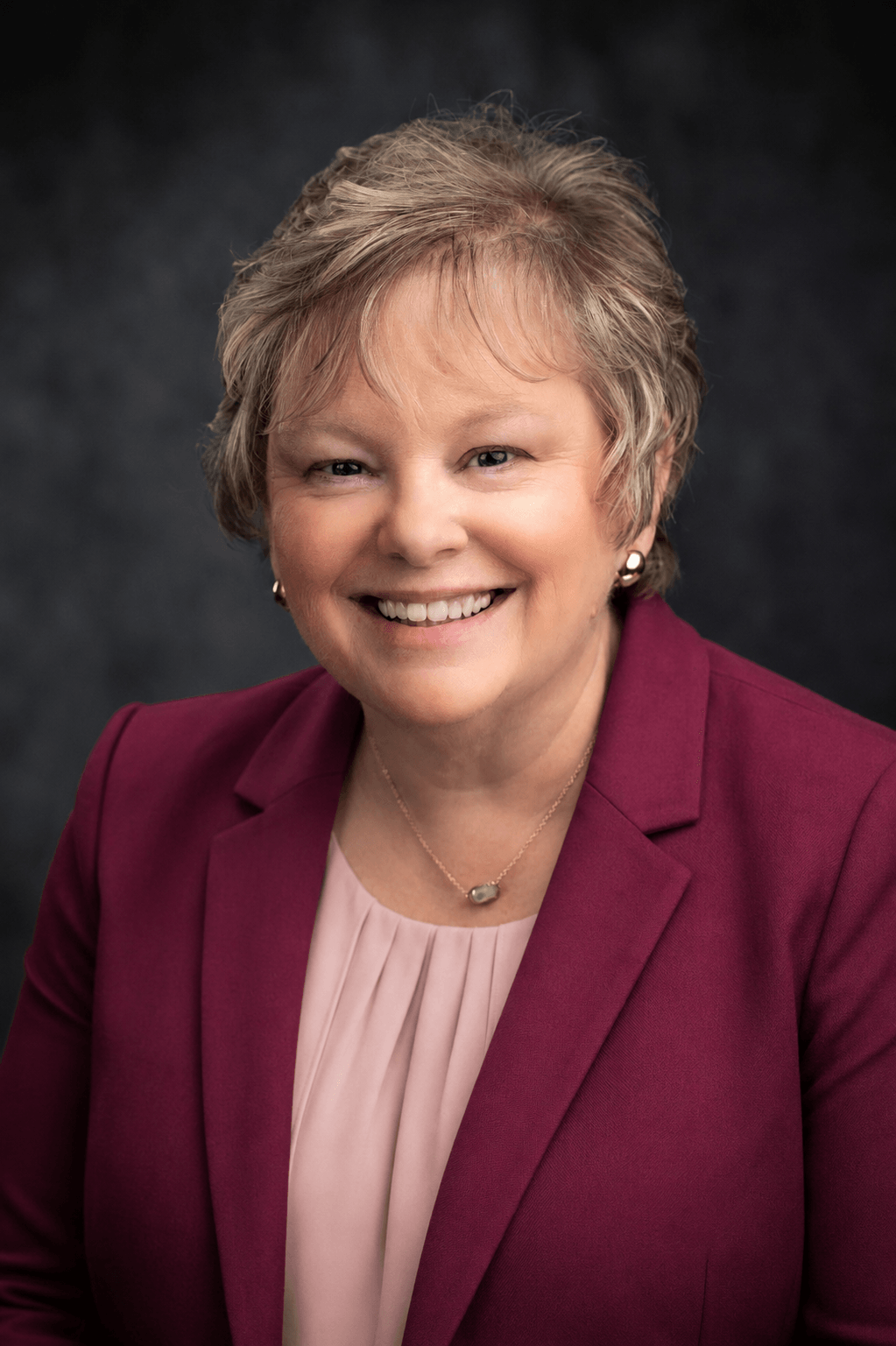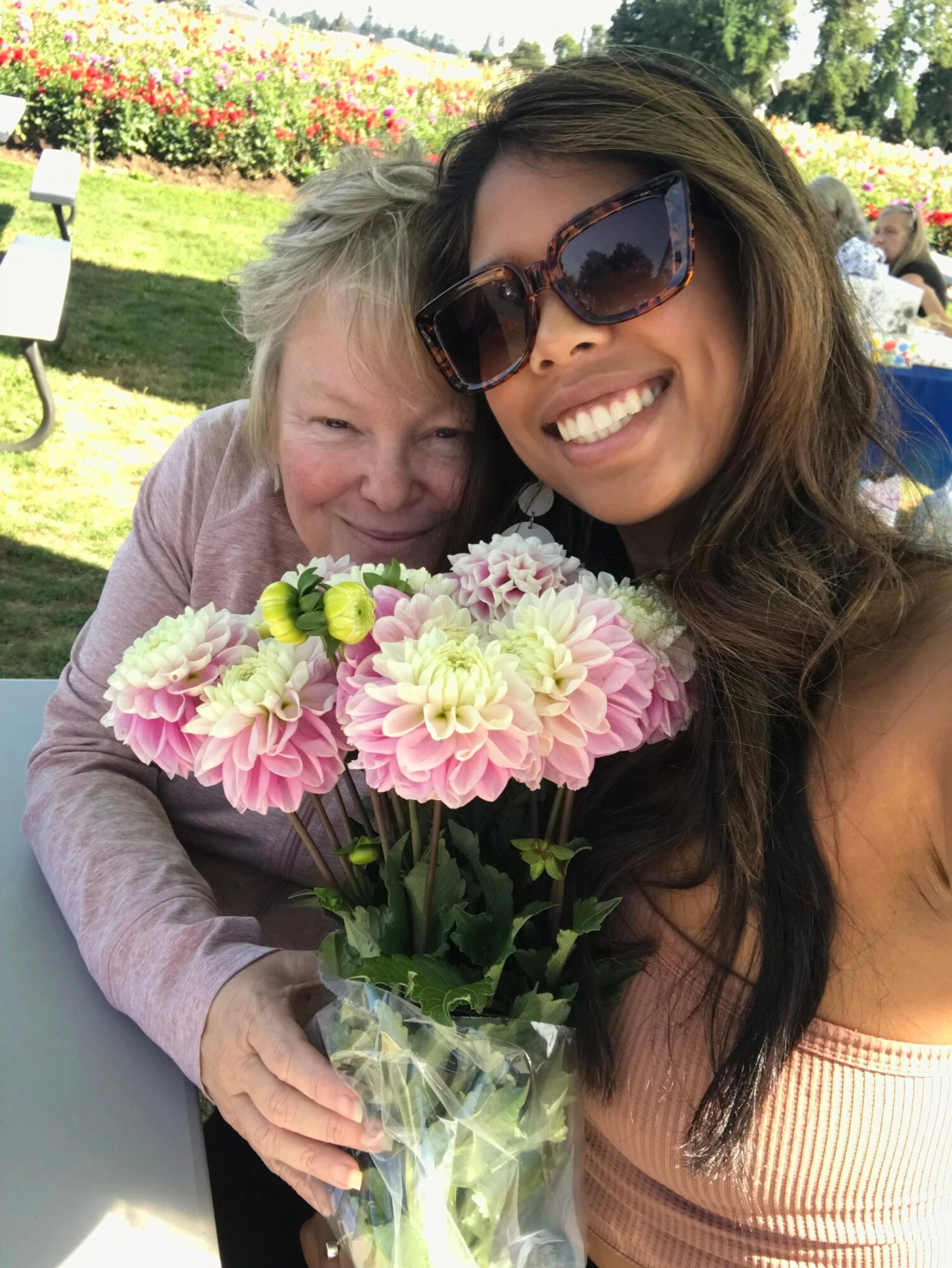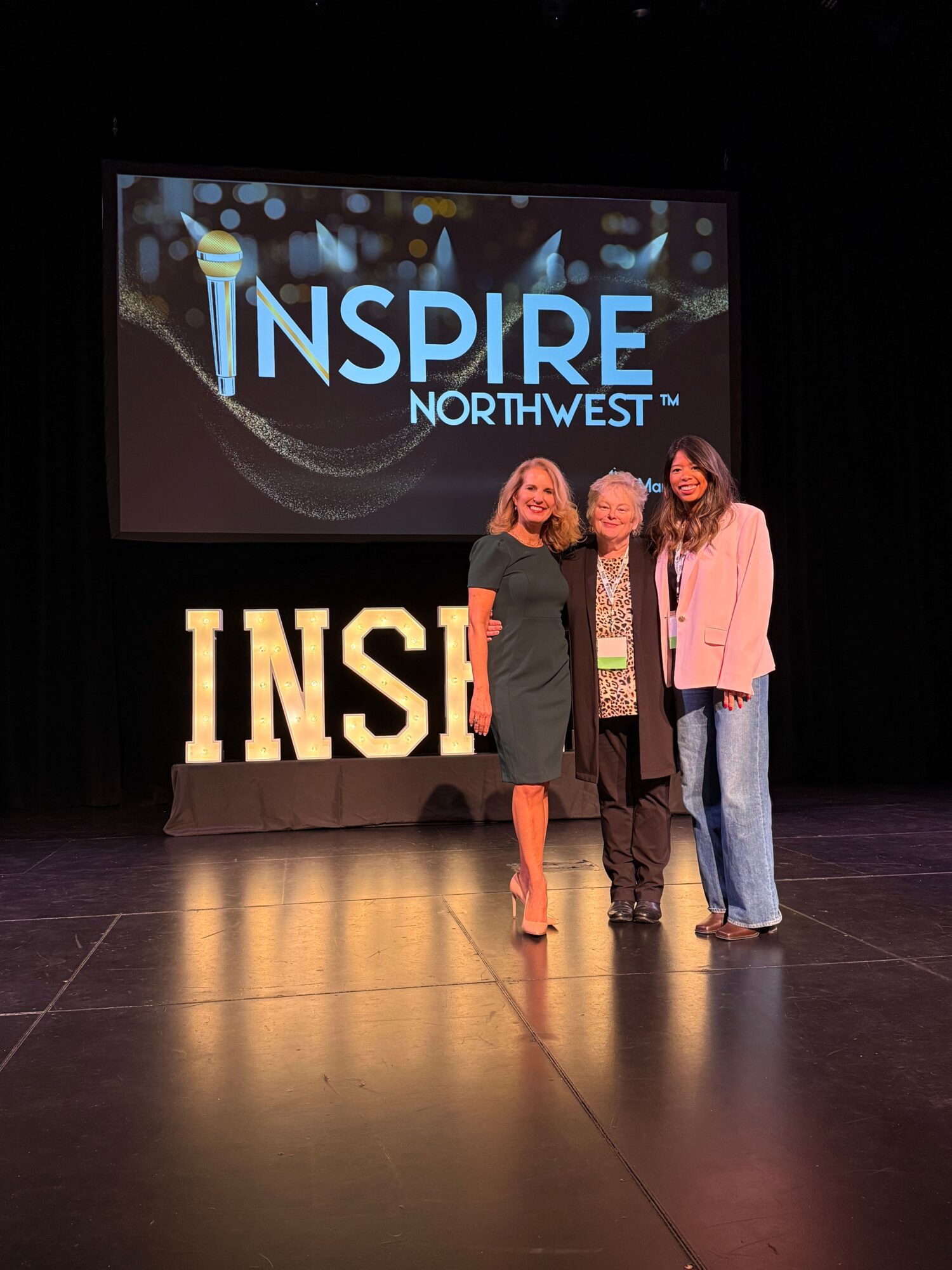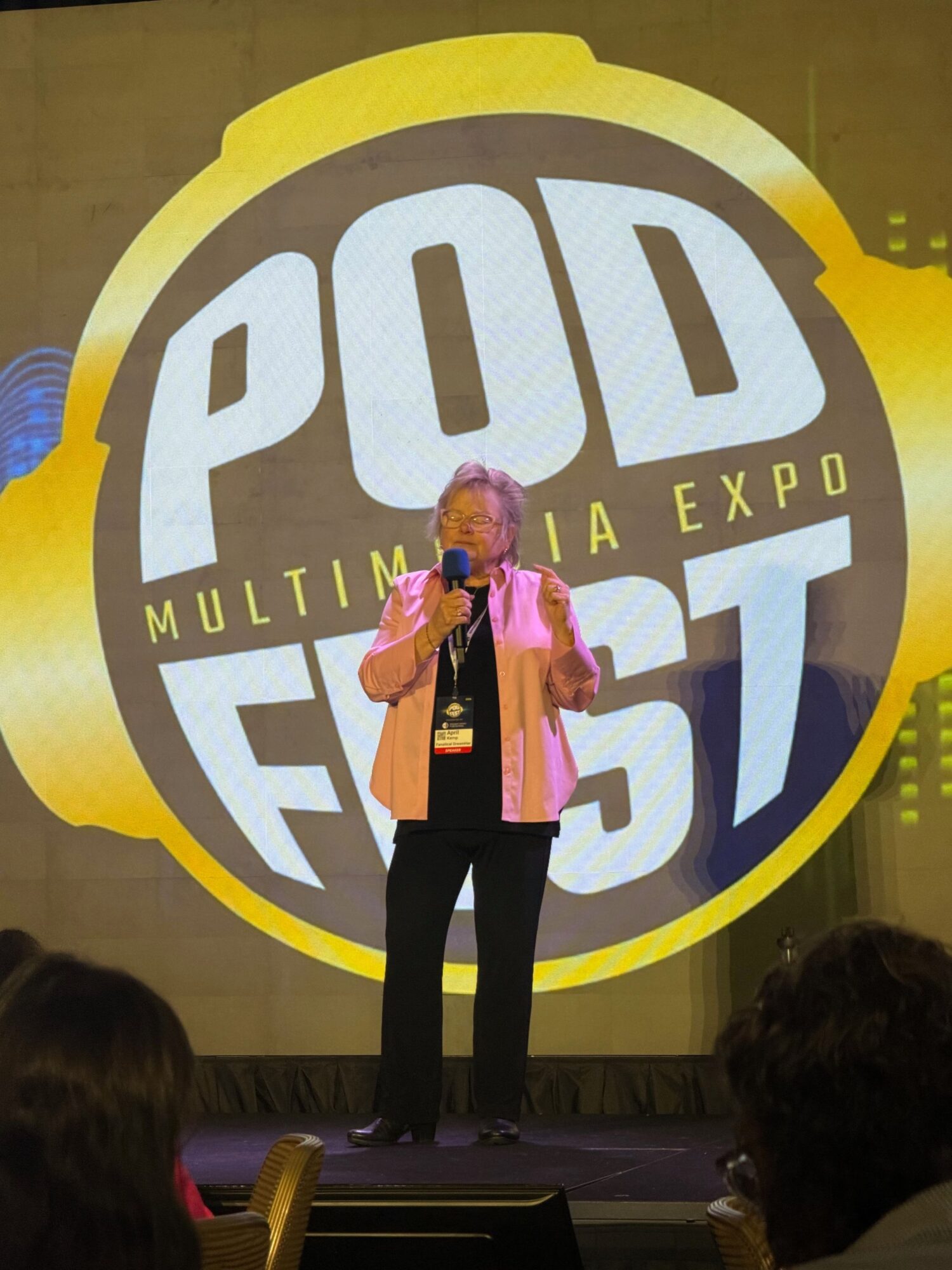



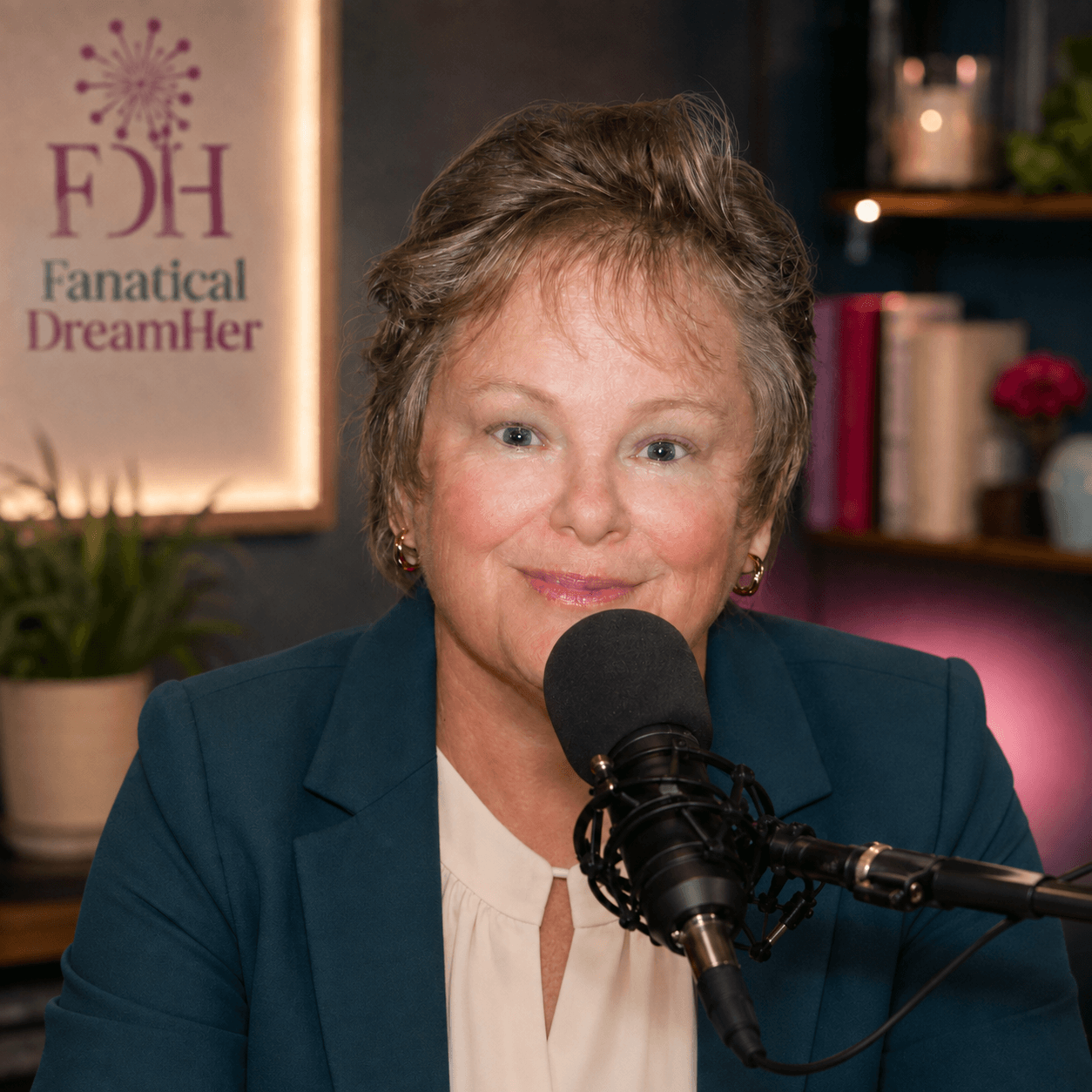
Today we’d like to introduce you to April Kemp.
Hi April, please kick things off for us with an introduction to yourself and your story.
I think I’ve always been a DreamHer.
Even as a child, I was drawn to motivation, personal growth, and the idea that we have more control over the direction of our lives than we sometimes realize. I was selling greeting cards at nine years old, and by the time I was twelve, I already knew that I wanted to do something with my life that would inspire and encourage other people. One of my childhood heroes was Zig Ziglar, and his message about attitude, perseverance, and believing in yourself had a tremendous influence on me.
My career didn’t take a straight line from that twelve-year-old dream to where I am today. I built a successful corporate career, held executive leadership positions, built teams, coached people, and helped others grow professionally and personally. I earned a degree in Psychology, a Master’s in Counseling, became a registered corporate coach, and had opportunities to work with organizations including MCI, AT&T, and Sprint. Along the way, I also became a motivational speaker, leadership facilitator, and contributing author.
But underneath all of those roles, the same thing kept showing up: I loved helping people see something in themselves that they might not have been able to see yet.
One moment during my corporate career really stayed with me. I was working for MCI when an executive was addressing a group of employees. He asked us, “If a genie could grant you three wishes, what would they be?”
Then he followed it with a much more important question:
“Why do you need a genie?”
That question stopped me in my tracks.
It made me think about the things I said I wanted for my life and how easy it is to treat our dreams like wishes—something we hope will somehow happen to us—rather than something we have the ability and responsibility to pursue.
That idea stayed with me for years.
I continued building my career and helping other people identify their goals, develop their confidence, and move forward. I also raised a DreamHer of my own and worked hard to teach my daughter that her dream mattered—that she should discover the dream that was truly hers rather than simply follow the path other people expected her to take.
Eventually, I realized I had to be willing to take my own advice.
I had achieved success in the corporate world, but that lifelong desire to motivate, encourage, coach, and inspire people had never gone away. So I made the decision to leave at the peak of my corporate career and pursue speaking, coaching, and helping women full time.
That journey ultimately became Fanatical DreamHer.
What began as a desire to encourage women to take their dreams seriously has grown into a podcast, coaching, speaking, workshops, workbooks, and a community built around honest conversations about what it really takes to pursue something meaningful. Through the podcast especially, women hear the stories behind the success—the fear, failures, pivots, uncertainty, resilience, and courage—and hopefully realize, “She struggled too. She was scared too. Maybe I can do this.”
Today, Fanatical DreamHer is about helping women stop treating their dreams like wishes.
We spend so much time waiting for the perfect moment, more confidence, someone else’s permission, or maybe even that proverbial genie. But dreams usually don’t happen that way. They begin when we decide to take ownership of them and take the next step.
In a lot of ways, I feel like I’m finally doing what that twelve-year-old version of me always knew I was supposed to do—helping people believe that their dreams are worth pursuing.
And I still come back to that question:
Why do you need a genie?
Can you talk to us a bit about the challenges and lessons you’ve learned along the way. Looking back would you say it’s been easy or smooth in retrospect?
I probably look at this a little differently than some people do, because I don’t tend to think in terms of setbacks. I’m very forward-thinking, and when something doesn’t go exactly as planned, I usually see it as an opportunity to learn, adjust, and keep moving.
That doesn’t mean everything has been easy.
Growing an audience takes time. Building a brand takes consistency. Reaching out to people, creating relationships, finding the right guests, and continuing to introduce Fanatical DreamHer to new women all takes effort. But for me, that’s also part of the fun. Some people might look at picking up the phone or reaching out to someone they’ve never met as uncomfortable. I look at it as an opportunity to meet a new friend.
Probably the biggest adjustment for me has been working from a home office. I’m a people person. I spent years in environments where I was surrounded by coworkers, teams, conversations, meetings, and constant interaction. Going from that to working independently at home was a much bigger change than I expected.
I genuinely enjoy what I’m building, but I also miss the everyday human connection that comes from being part of a workplace. In some ways, that has made the relationship side of Fanatical DreamHer even more important to me. Every guest conversation, every coaching session, every new connection, and every woman who reaches out becomes part of that sense of community.
So no, I wouldn’t necessarily say the road has been smooth—but I also wouldn’t describe it as a road filled with roadblocks. I see it more as a road filled with opportunities to figure out what comes next.
That mindset is really at the heart of Fanatical DreamHer. You don’t have to wait for everything to be easy before you pursue your dream. You just have to be willing to keep moving forward.
Great, so let’s talk business. Can you tell our readers more about what you do and what you think sets you apart from others?
Fanatical DreamHer is all about helping women stop putting their dreams on the someday list.
At the heart of the brand is a simple belief: your dream matters, and you don’t have to have everything figured out before you begin pursuing it.
Through the Fanatical DreamHer podcast, coaching, speaking, workshops, and practical resources, I help women gain clarity around what they really want, build confidence in themselves, and take meaningful action toward the life they want to create.
The podcast is a huge part of that mission. I have the opportunity to sit down with women from all kinds of backgrounds and talk about the real journey behind their dreams. We talk about success, of course, but we also talk about the fear, uncertainty, pivots, lessons, and courage that happened along the way. I think those honest conversations are incredibly important because sometimes hearing another woman say, “I didn’t have it all figured out either,” is exactly what someone needs to take her own next step.
What sets Fanatical DreamHer apart is that I don’t believe in simply telling women to “dream bigger” and leaving it there. Inspiration is wonderful, but inspiration without action only gets you so far. I want women to move from dreaming to doing.
I also believe deeply that the dream has to belong to the woman pursuing it. It can’t be the dream her parents wanted for her, the career someone else thinks she should have, or the version of success social media tells her she should want. Sometimes the first step is giving yourself permission to ask, “What do I actually want?”
One of the things I’m most proud of brand-wise is the community and the authenticity we’re building around Fanatical DreamHer. I never want this to become a brand that only celebrates the polished finish line. I want women to see the whole journey. I want them to hear stories from other DreamHers and recognize pieces of themselves in those stories.
And we try to make that encouragement practical. Whether someone is listening to an episode, working through one of our resources, attending a workshop, hearing me speak, or working with me directly, I want her to leave with something she can actually do next.
Most of all, I want readers to know that Fanatical DreamHer isn’t only for the woman who already knows exactly what her big dream is.
It’s for the woman with a dream she has been afraid to say out loud.
It’s for the woman who knows she wants something more but hasn’t figured out what that looks like yet.
It’s for the woman starting over.
It’s for the woman who has been taking care of everyone else and is finally asking herself what she wants.
And it’s for the woman who is ready to stop waiting for a genie and start taking ownership of what comes next.
That’s what being a Fanatical DreamHer means to me.
Do you have any advice for those looking to network or find a mentor?
My biggest advice is to stop thinking of networking as networking.
I think sometimes the word itself makes people feel like they have to walk into a room, hand out business cards, make a perfect impression, and somehow leave with a list of useful contacts. That has never been how I approach it.
I approach networking as meeting people.
I genuinely enjoy learning about someone’s story, what they care about, what they’re working toward, and how I might be able to help them. Some of the best relationships in my life and career started with a simple conversation and no agenda attached to it.
The same is true with mentorship. I don’t think you always need to begin by asking someone, “Will you be my mentor?” Sometimes mentorship develops naturally because you respect someone, you stay connected, you ask thoughtful questions, and you are willing to listen and learn from their experience.
I also believe you should look for mentors who will challenge you, not just agree with you. The right person can help you see something differently, ask you a question you haven’t considered, or encourage you to take a step you might not have taken on your own.
And don’t underestimate the value of reaching out. Pick up the phone. Send the email. Introduce yourself. Attend the event. Have the conversation.
Some people see calling someone they don’t know as intimidating. I tend to see it as an opportunity to meet a new friend.
That mindset has worked very well for me because it takes the pressure out of networking and puts the focus where I think it belongs—on genuine relationships.
My other advice is to give as much as you hope to receive. Don’t only think about who can help you. Ask yourself who you can encourage, connect, support, or introduce to someone else. Relationships become much more meaningful when they aren’t transactional.
You never really know where one conversation might lead, but if you lead with curiosity, generosity, and authenticity, you’re already doing networking right.
Contact Info:
- Website: https://www.fanaticaldreamher.com/
- Instagram: https://www.instagram.com/fanaticaldreamher/