



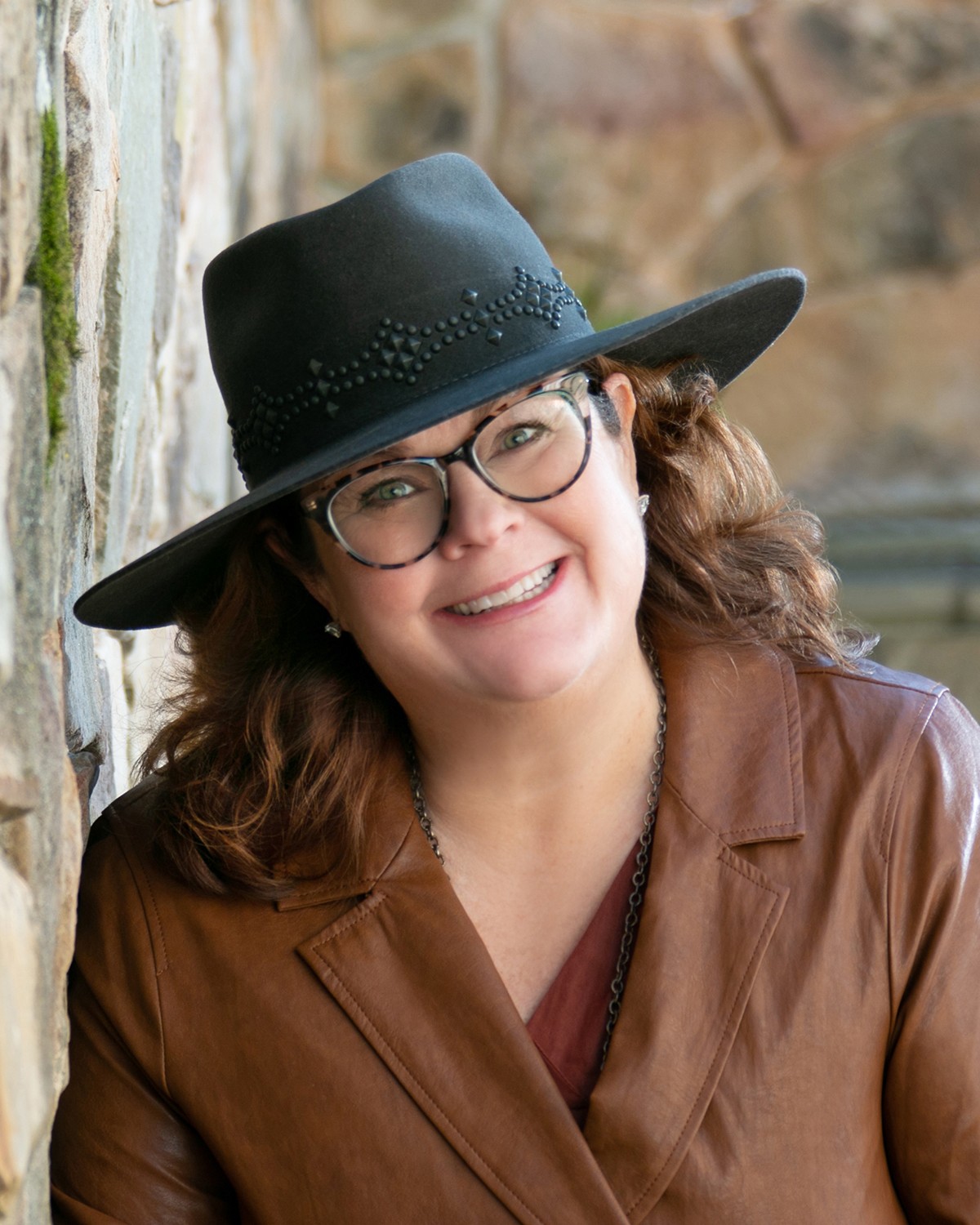
Today we’d like to introduce you to Mary Fisk-Taylor.
Alright, so thank you so much for sharing your story and insight with our readers. To kick things off, can you tell us a bit about how you got started?
I didn’t set out thinking I would build a 30+ year career in photography — I simply fell in love with the idea of preserving people’s stories.
Early on, I realized a portrait isn’t just a picture. It’s proof that a moment existed. A family. A season. A relationship. And once I understood that, I was hooked.
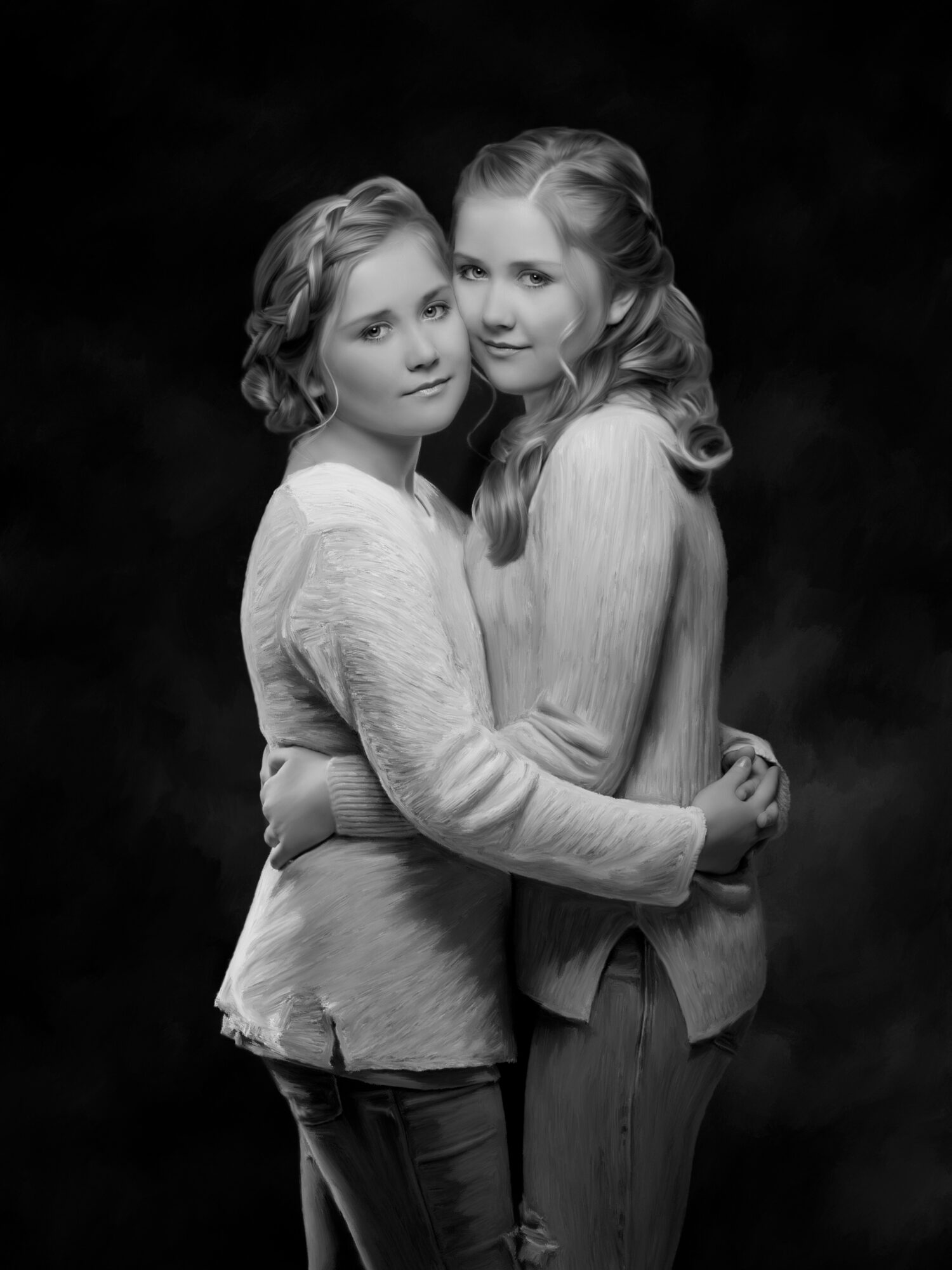
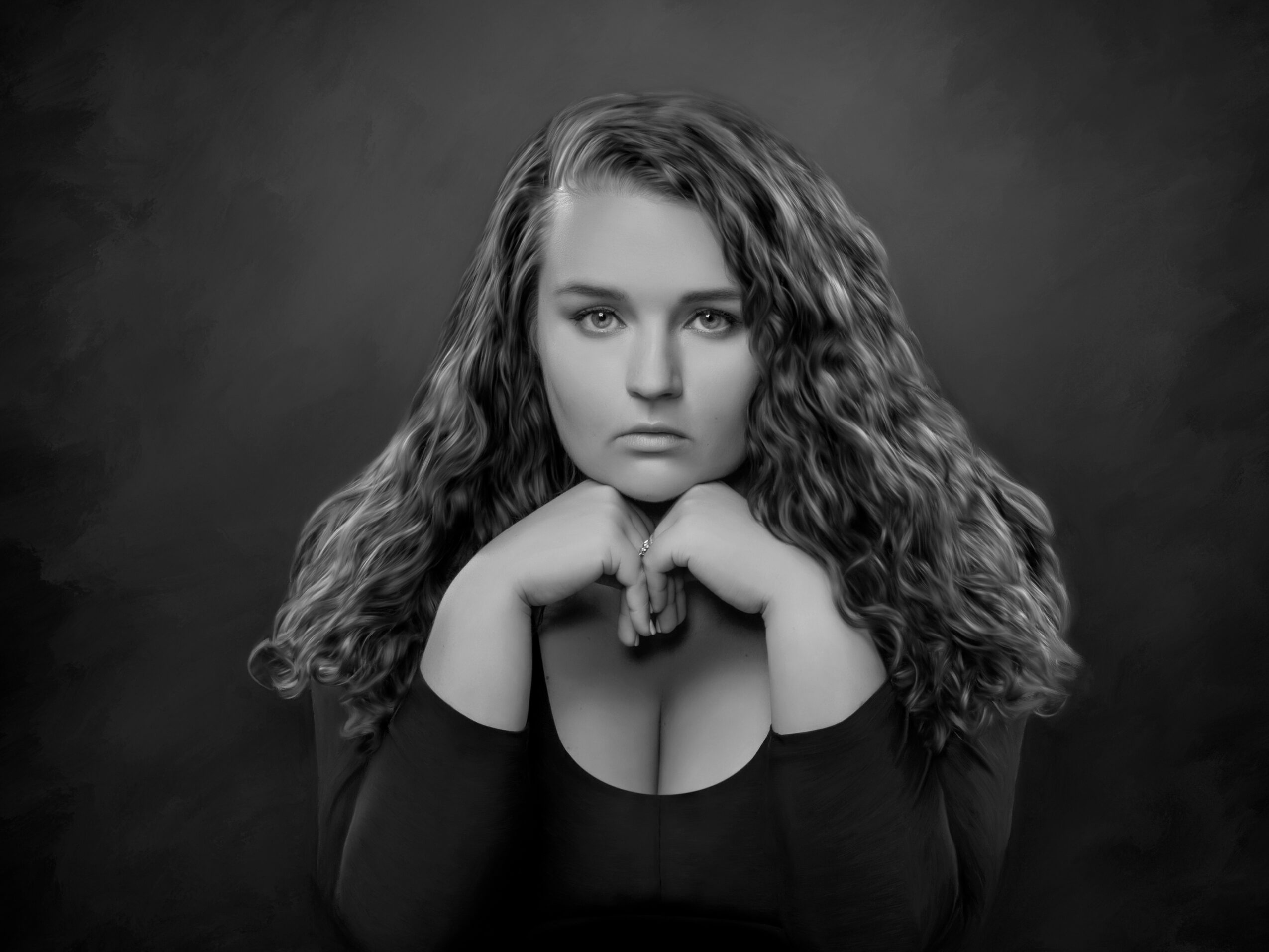
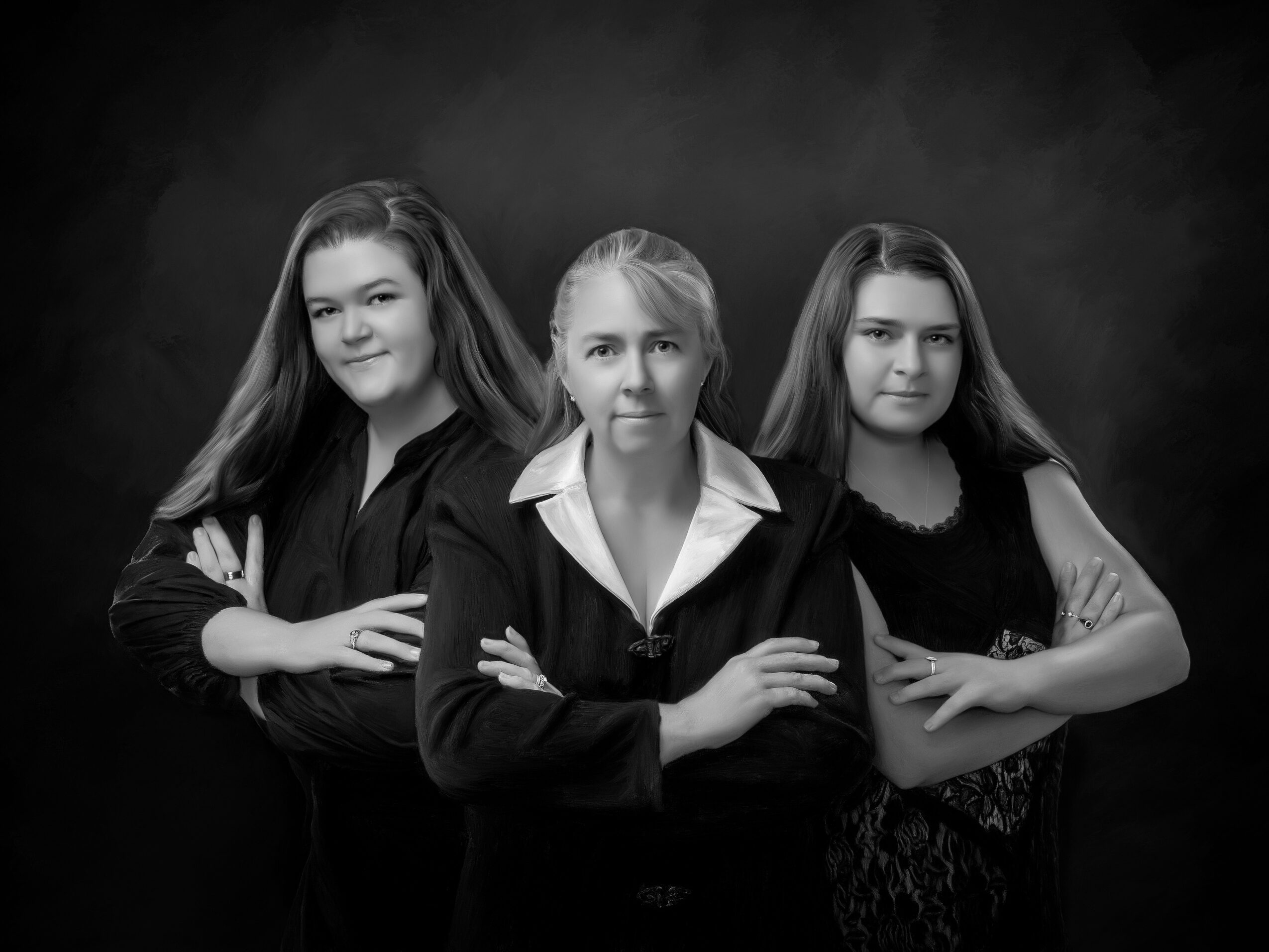
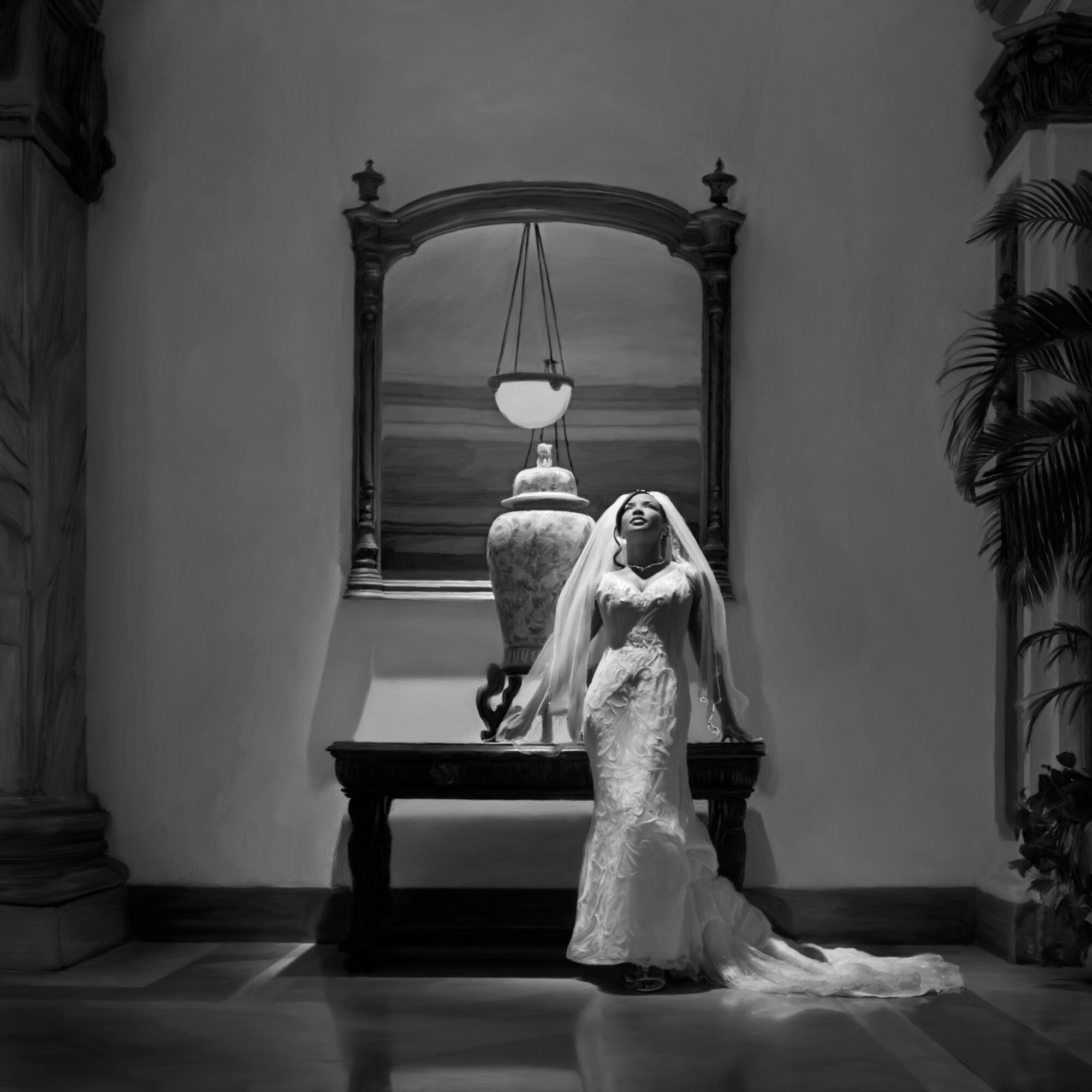
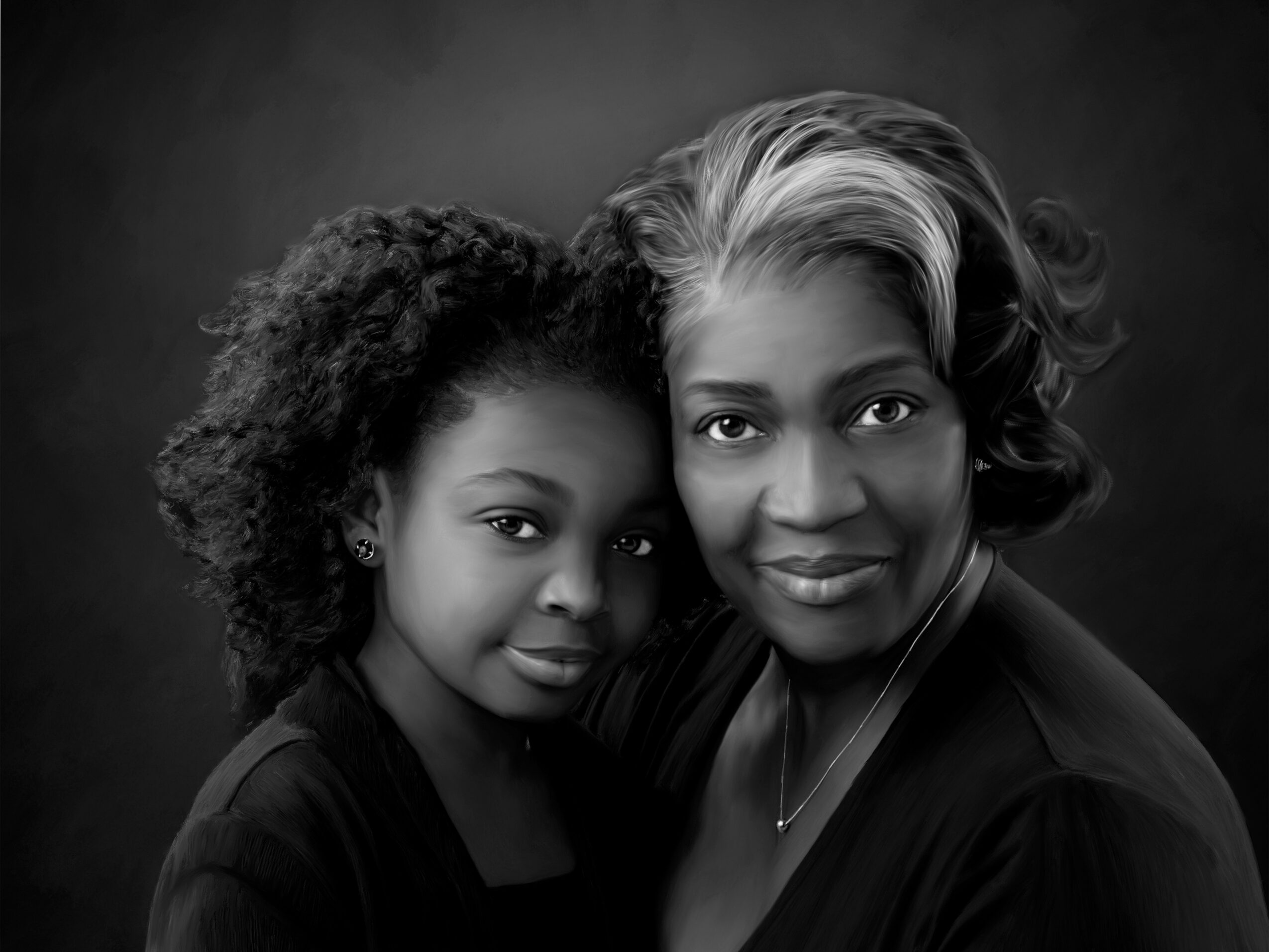
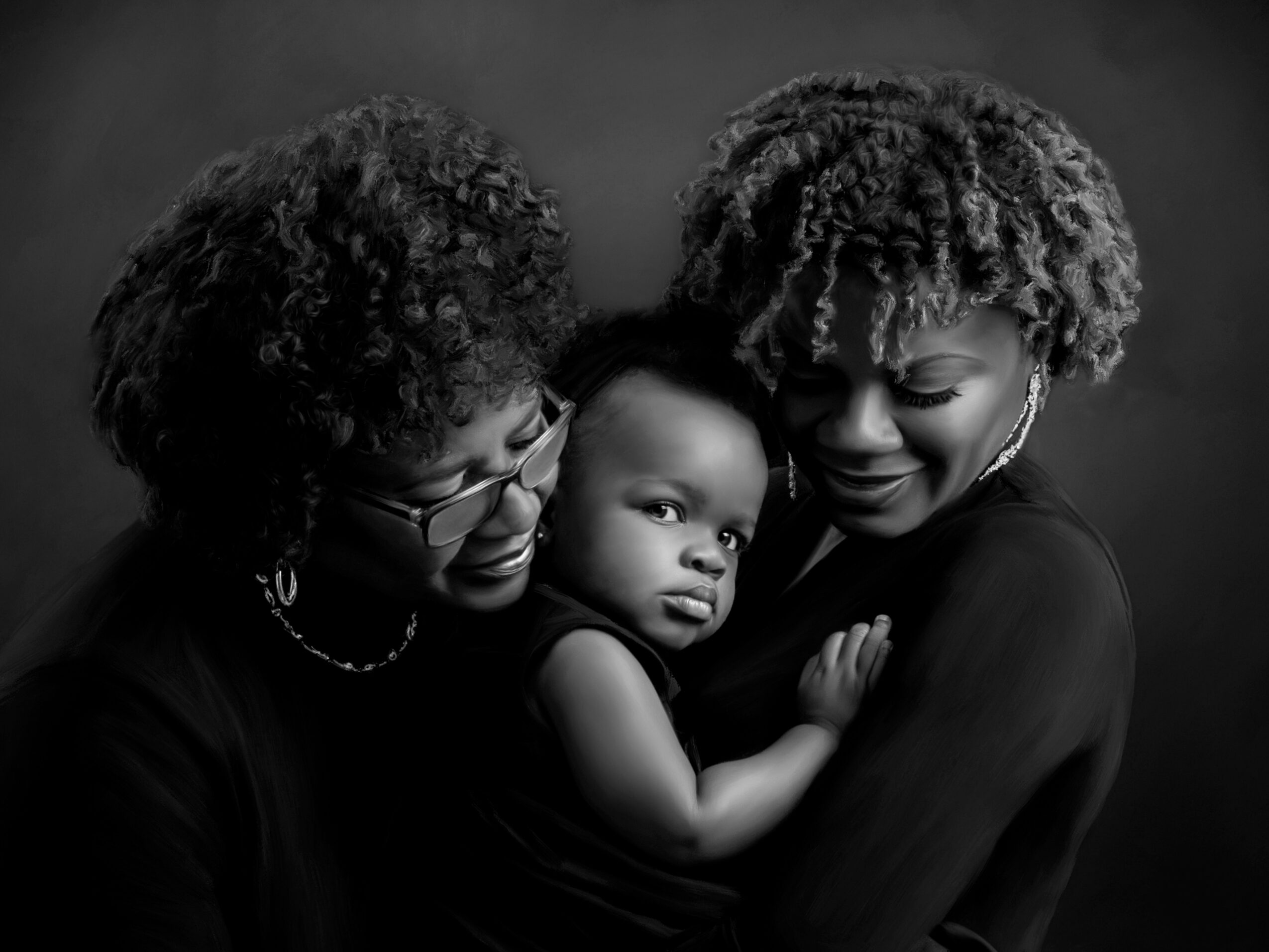
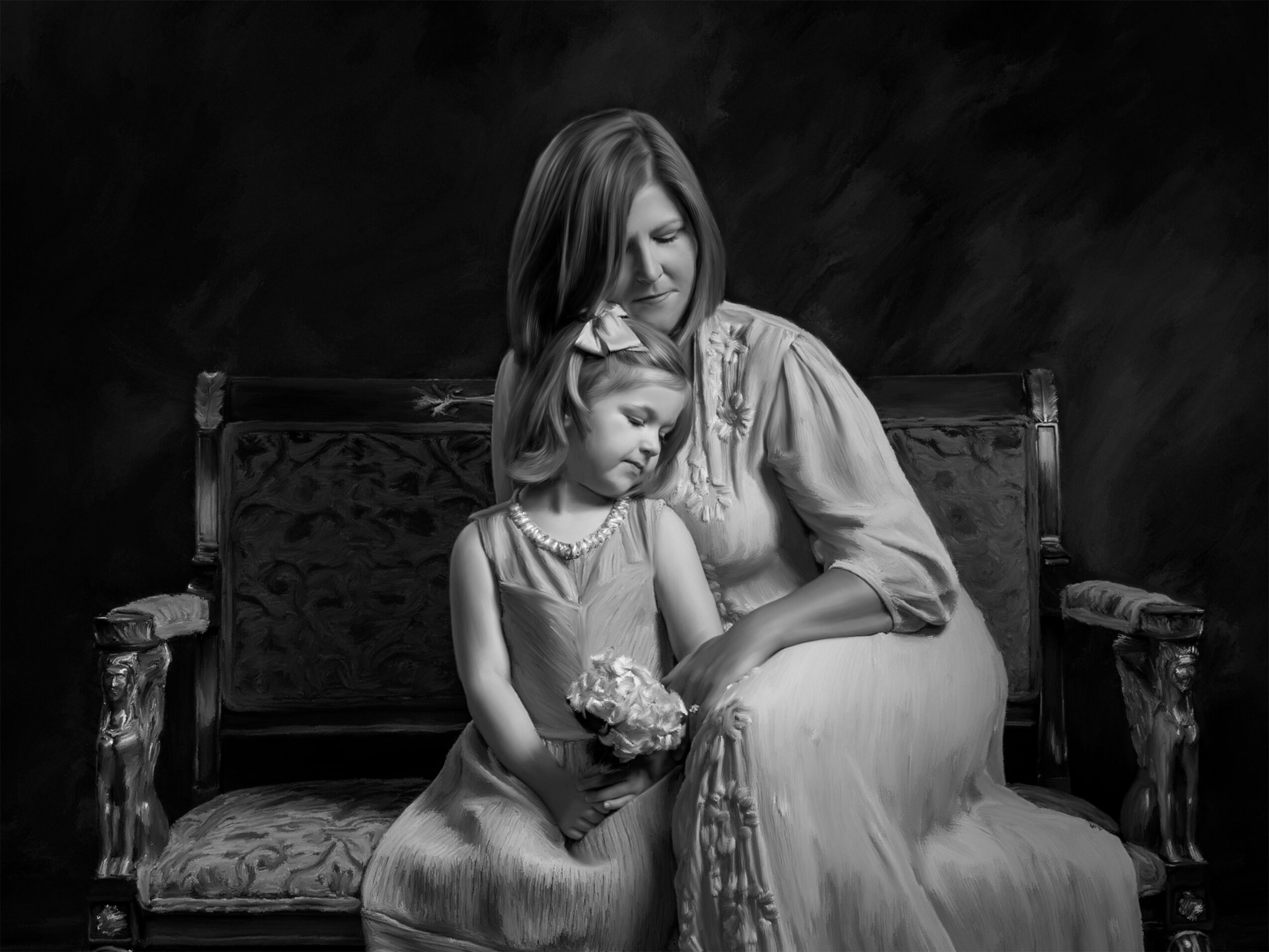
I co-founded Hayes & Fisk Photography here in Richmond nearly three decades ago, and what started as a small portrait studio slowly grew into something much bigger than I ever imagined. We built a business centered around heirloom artwork — pieces that live on walls and get passed down through generations — not just files on a hard drive. That philosophy of legacy has really shaped everything I do.
Along the way, I found myself equally passionate about teaching. I began mentoring other photographers, speaking at conferences, and eventually serving in leadership roles, including Past President of Professional Photographers of America. Education became just as meaningful to me as creating portraits. Helping other small business owners build sustainable, profitable lives felt like a ripple effect — when one photographer thrives, their entire family benefits too.
These days, my work has expanded beyond the studio in ways I never expected. I still photograph families every week and still teach nationally, but I’ve also stepped into media and conversation.
For years I’ve co-hosted Get Your Shoot Together with my dear friend Kira Derryberry. It’s very real, very unfiltered talk about owning a small business — the wins, the mistakes, the money conversations, and the messy middle no one talks about. This year we’re even launching our first merch line, which feels like such a fun, full-circle moment for the community we’ve built.
And this spring, I’m starting a new podcast called We Are H.O.T. with my lifelong best friend. It’s all about navigating midlife — empty nesting, menopause, reinvention, and figuring out who you are after decades of taking care of everyone else. It’s honest and funny and heartfelt, and it feels like the most personal thing I’ve created yet.
When I look back, the thread connecting everything is simple: storytelling and service.
Whether it’s a portrait on someone’s wall, a classroom of photographers, or a microphone in front of me, I’m still doing the same thing I started with — helping people feel seen, supported, and remembered.
And honestly, after all these years, I’m still just as excited to show up and create as I was on day one.
I’m sure it wasn’t obstacle-free, but would you say the journey has been fairly smooth so far?
It definitely hasn’t been a smooth road — and honestly, I think that’s true for anyone building something meaningful.
Early on, I struggled with imposter syndrome constantly. Even as my work improved and the studio grew, there was always that quiet voice wondering, “Do I really belong here?” Creative industries can do that to you — you’re putting your heart on the line every day.
When I first entered the photography world, it was also much more male-dominated than it is now. Women — especially women with strong opinions or leadership ambitions — weren’t always welcomed with open arms. I learned pretty quickly that having a voice sometimes meant being labeled “too much” or “too direct.” Over time, I realized shrinking myself to make other people comfortable wasn’t the answer. Finding the confidence to lead as myself — not a softer version of myself — was a big turning point.
Stepping into leadership roles later in my career brought its own challenges. Transparency has always mattered to me, but being visible and outspoken can sometimes make you a target. You learn that not everyone will agree with you, and that’s okay. Leadership requires thick skin and a clear sense of purpose.
And then there’s the reality of owning a small creative business. Luxury portraiture isn’t a commodity — it’s deeply personal and relationship-based — which means you can’t just “scale” it like a tech startup. Markets shift, trends change, and there have absolutely been seasons that felt scary or uncertain. You’re constantly adapting and reinventing.
What’s funny is that even now, after decades in this industry, that little voice still shows up sometimes. Starting new things — like launching our podcasts or developing a merch line — is exciting, but it’s also vulnerable. There’s always that thought in the back of my mind: Will anyone listen? Will anyone care? Putting yourself out there creatively never really stops feeling risky. You just get braver about doing it anyway.
But in a strange way, those challenges shaped me more than the easy seasons ever did. They’ve made me more resilient, more resourceful, and more compassionate — especially when mentoring other photographers who are walking a similar path.
Nothing about this journey has been effortless… but every struggle has helped me grow into the person I needed to become.
Can you tell our readers more about what you do and what you think sets you apart from others?
At heart, I’m a portrait artist and a storyteller.
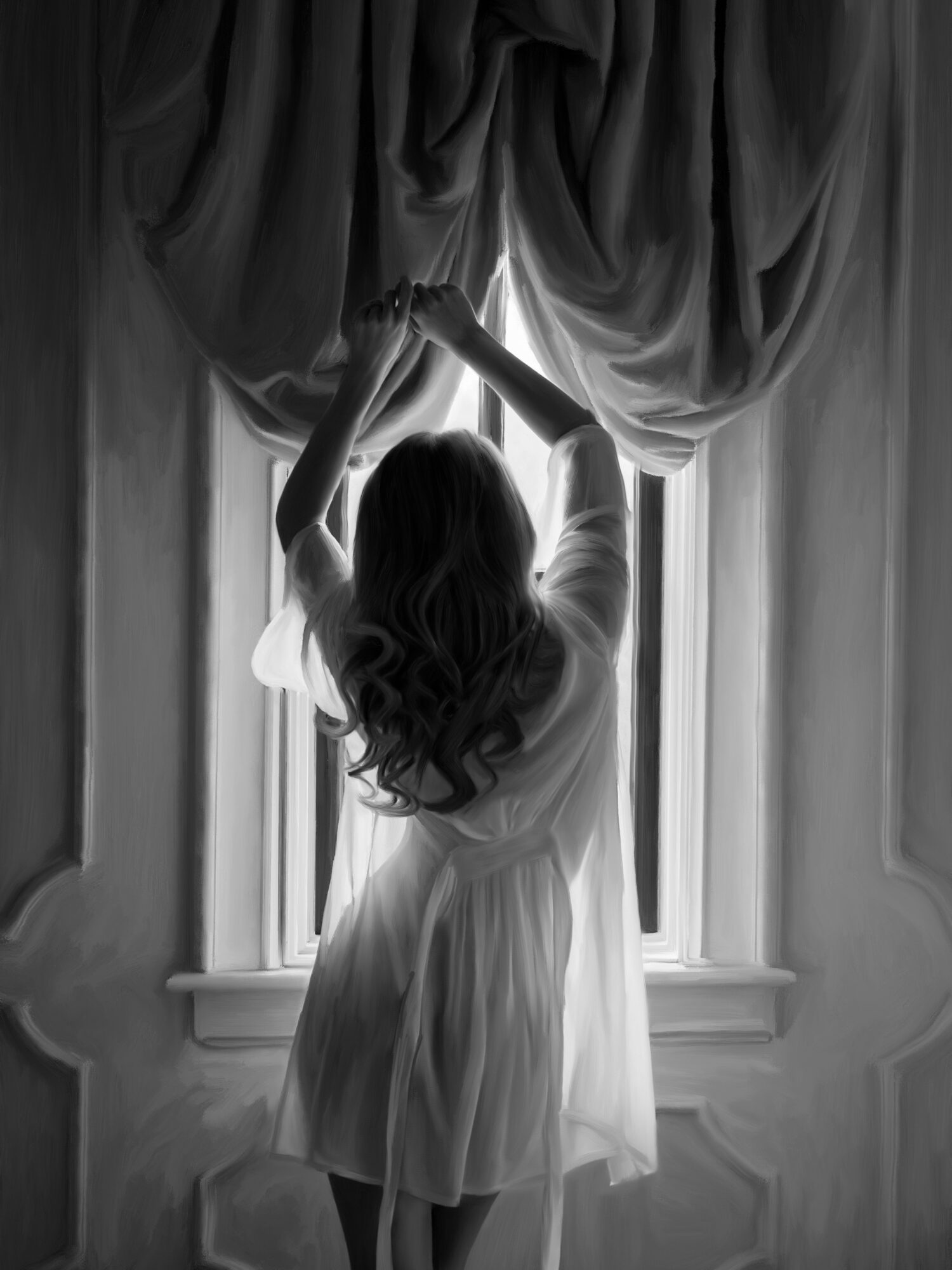
I co-own Hayes & Fisk Photography, a luxury portrait studio here in Richmond where we create heirloom artwork for families — portraits that are meant to live on walls and be passed down for generations, not just sit on a phone or hard drive. My specialty has always been relationship-driven portraiture: families, children, and legacy pieces that feel timeless, painterly, and deeply personal.
Over the years, I’ve also become known for education and leadership in the photography industry. I teach, mentor, and speak nationally, and I’ve been honored to serve in leadership roles — including Past President of Professional Photographers of America — helping other photographers build sustainable, meaningful businesses. Giving back to the industry through volunteerism and philanthropy has become just as important to me as the art itself.
I’ve been incredibly fortunate to receive awards and recognition along the way, and I’m proud of every one of them. But honestly, what I’m most proud of isn’t a trophy or a title — it’s longevity. Nearly three decades in, I still genuinely love walking into my studio every day.
That wasn’t always easy.
When your creativity is your job, it can sometimes start to feel routine or transactional. There were seasons where I worried I’d lost that spark. But what continually brings me back is my clients. Hearing their stories, being trusted with their memories, and creating something meaningful for their families keeps me inspired in a way I never expected. When a parent tears up seeing their child’s portrait or tells me, “This means everything to us,” that never gets old.
I think what sets me apart is that I’ve never treated photography as just a service. It’s art, yes — but it’s also stewardship. I’m helping families preserve their history. And at the same time, I’m helping other creatives build lives and businesses they love.
At this point, I look around and sometimes think, “How did I get here?” I’ve checked boxes I once only dreamed about — artist, educator, leader, mentor — and I still feel like the luckiest person in the room.
In terms of your work and the industry, what are some of the changes you are expecting to see over the next five to ten years?
I think my industry is standing at a really interesting crossroads right now.
There’s obviously a lot of conversation — and fear — around AI. And I understand why. Any time technology shifts this fast, it can feel threatening, especially in a creative field. But honestly, I’m not afraid of it.
I’m curious about it.
I teach AI tools, I experiment with them, and I think they’re incredibly useful for marketing, workflow, and efficiency.
They can free us up to spend more time doing the human parts of our jobs better. But when it comes to the actual heart of what I do — photographing families and telling real stories — AI can’t replace that.
Because what my clients want isn’t “perfect.”
They want authentic.
They want their child’s real laugh.
Their grandmother’s hands.
The way their family actually feels together.
You can’t fabricate history or connection. And you definitely can’t generate meaning.
I think over the next 5–10 years we’re going to see a bigger divide between things that are fast and synthetic… and things that are personal and real. And I believe the premium will always be on real.
That’s true in portraiture, and it’s true in the other spaces I’m working in too. On my podcast Get Your Shoot Together, photographers respond to honest conversations about business — not polished highlight reels. And with We Are H.O.T., we’re talking openly about midlife and reinvention — not pretending everything is perfect. People are craving authenticity everywhere.
So I don’t see the future as “technology versus creativity.”
I see it as technology supporting creativity — while human connection becomes even more valuable.
If anything, I think artists who lean into their voice, their story, and their humanity are going to stand out more than ever.
And that actually makes me really excited about what’s ahead.
Contact Info:
- Website: https://www.hayesandfisk.com
- Instagram: @hayesandfisk
- Facebook: https://www.facebook.com/mary.fisktaylor