




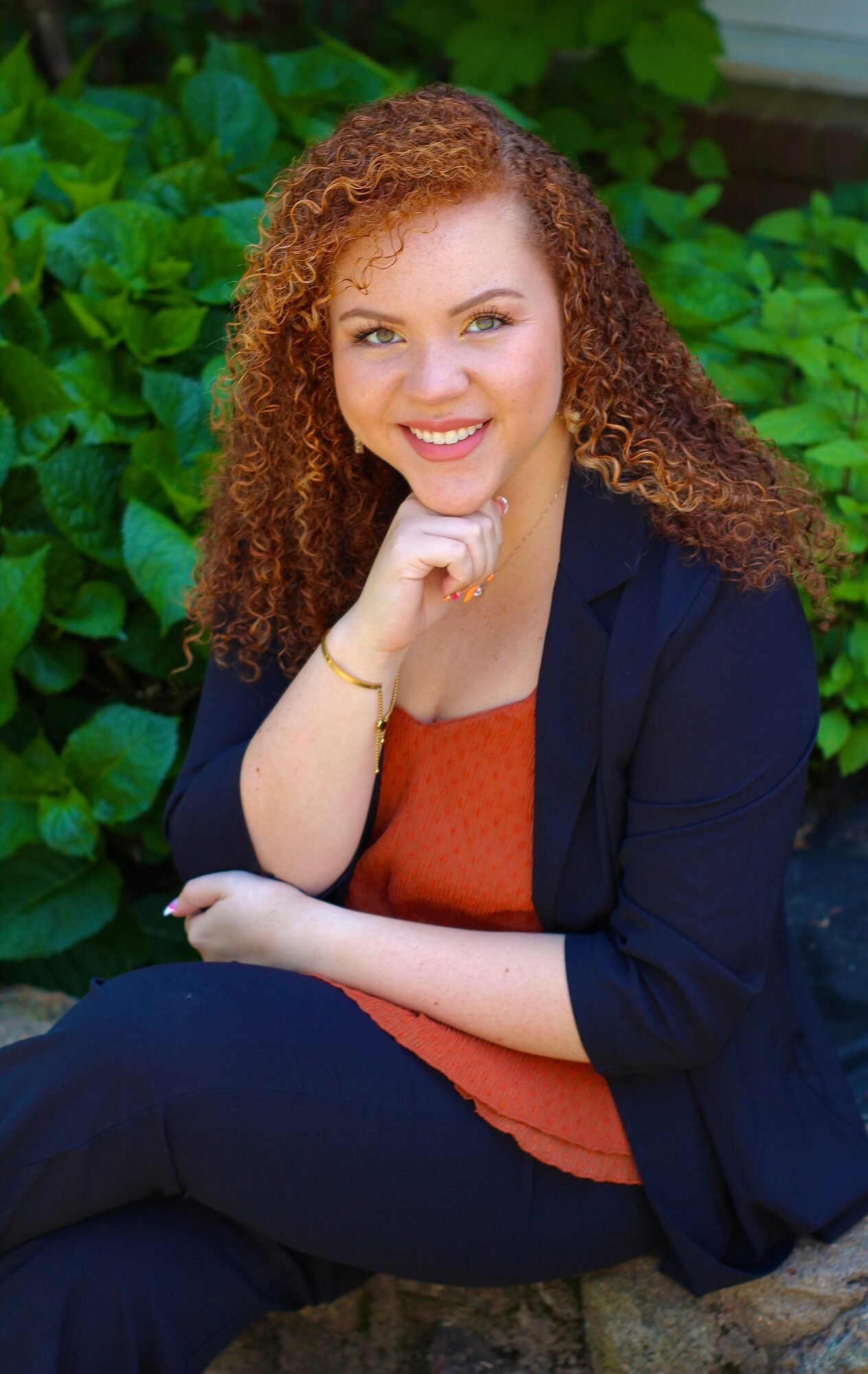
Today we’d like to introduce you to Nyomi Roth.
Hi Nyomi, thanks for sharing your story with us. To start, maybe you can tell our readers some of your backstory.
In many ways, my journey into mental health began long before I ever considered becoming a therapist. From a young age, I was naturally curious about people. I wanted to understand their stories, what shaped them, and what they carried beneath the surface. My mother would take me with her when she visited people receiving care in nursing homes and shelters, and those experiences gave me an early glimpse into the many different circumstances people can experience throughout their lives. Even then, I found myself drawn to listening, connecting, and understanding.
I grew up in Martinsville, Virginia, a small rural community where I witnessed firsthand how deeply our environments can shape our mental health and our lives. I saw the effects of poverty, unemployment, addiction, limited resources, trauma, and the absence of support systems. Those experiences taught me that mental health rarely exists in isolation. What happens within our families, communities, relationships, and larger systems can profoundly influence how we see ourselves and how we navigate the world.
When I left my hometown for college, my perspective expanded. Through education and new experiences, I began to recognize that many of the struggles I had witnessed growing up were not unique to my community. They were part of much larger conversations around mental health, trauma, access to care, generational patterns, and social systems. I realized that I wanted to be part of that conversation—not simply by understanding these issues, but by helping people experience something different.
That eventually led me to earn my Master’s Degree in Clinical Mental Health Counseling from Lynchburg College and pursue licensure as a Licensed Professional Counselor in Virginia. The years that followed included extensive clinical training, residency hours, examinations, and countless opportunities to learn from the people I had the privilege of working with. Becoming a therapist was not simply about completing the necessary steps toward a license; it was the beginning of a lifelong commitment to learning.
Over time, my understanding of therapy has continued to evolve. I have become increasingly interested in approaches that recognize the whole person rather than focusing solely on symptoms. My work incorporates modalities such as somatic approaches, mindfulness, Acceptance and Commitment Therapy, Cognitive Behavioral Therapy, trauma-informed practices, and other integrative tools. I am particularly passionate about helping people reconnect with themselves, emotionally, mentally, physically, and sometimes spiritually and develop a deeper understanding of what their experiences have taught their nervous system, relationships, and sense of self.
That evolution also led me to create Soul Centered Healing. I wanted to build something that reflected the way I believe healing can happen: through safety, curiosity, compassion, connection, and a willingness to look beneath the surface. For me, therapy is not about telling someone who they should become. It is about creating a space where they can better understand themselves, recognize the patterns that may no longer serve them, and discover that they have more choices than they may have realized.
I also believe deeply in the importance of working with people in a way that honors their individual identities, cultures, relationships, lived experiences, and communities. There is no universal blueprint for healing, and I don’t believe therapy should be one-size-fits-all.
Today, I feel incredibly proud of the work I do, but I don’t view my journey as finished. In many ways, I feel like I am still at the beginning. I continue to learn, grow, challenge my own perspectives, and explore new ways of supporting the people and communities I serve.
One of the ideas that continues to guide me is the image of ripples in water. We may not always know how far a single interaction, moment of validation, or act of compassion will travel. As one person, I know I cannot change everything. But I can make a meaningful difference in the lives of the people who cross my path.
If I can help one person feel seen, understand themselves a little more deeply, interrupt a generational pattern, develop a healthier relationship with themselves or others, or simply feel less alone in something they are carrying, that impact matters to me.
That is what continues to motivate me: the belief that healing is personal, but its impact can extend far beyond the individual. The work we do within ourselves can influence our relationships, our families, our communities, and ultimately the world around us. Those small ripples can become something much bigger.
We all face challenges, but looking back would you describe it as a relatively smooth road?
I think that is a complex question because, like most things in life, my journey has been a combination of challenges, adversity, growth, and unexpected blessings. It certainly has not always been a smooth road. I have experienced my own share of obstacles and difficult seasons, both personally and professionally, that have challenged me, stretched me, and required me to grow in ways I probably would not have chosen for myself.
At the same time, I recognize that I have been incredibly fortunate to meet wonderful people along the way who have helped me get to where I am today. Some people have supported me through tangible opportunities, while others have simply taken the time to believe in me, speak life into me, and pour into my future through encouragement and words of affirmation. I have also learned so much from people who were willing to share their experiences with me, the things that worked for them, the things that didn’t, the mistakes they made, and the lessons they learned along the way.
Those relationships have been incredibly formative for me. They reminded me that resilience does not always mean doing everything on your own. Sometimes resilience is cultivated through community, through allowing others to support you, learning from their experiences, and having people who remind you of your potential when you may temporarily lose sight of it yourself.
The challenges I have experienced have certainly shaped me, but so have the people who showed up along the way. I carry gratitude for both. The difficult experiences have taught me perseverance, while the supportive relationships have taught me the importance of connection, mentorship, encouragement, and allowing ourselves to receive as well as give.
In many ways, I think that has influenced the therapist and person I am today. I understand the value of having someone in your corner, and I try to offer that same sense of support and possibility to the people I work with. None of us gets where we are entirely alone, and I think there is something really powerful about acknowledging the people who helped us along the way.
Thanks for sharing that. So, maybe next you can tell us a bit more about your work?
My work as a therapist is rooted in the belief that people are complex, and that healing and self-understanding can be complex too. I am a Licensed Professional Counselor, and my work is largely centered around helping people better understand themselves, their patterns, their relationships, and the ways their experiences have shaped them. I draw from a variety of therapeutic approaches, including somatic and mindfulness-based practices, trauma-informed work, Cognitive Behavioral Therapy, Acceptance and Commitment Therapy, and other integrative approaches.
As a biracial therapist, my own identity has also shaped the way I understand the importance of holding space for people whose experiences may not fit neatly into one category. I am proud of my background and the different perspectives, histories, and experiences that have shaped who I am. I am particularly passionate about creating affirming and supportive spaces for people in the BIPOC community, where they can explore their identities and experiences without feeling like they have to simplify themselves for the comfort or understanding of others.
One concept that is especially important in my work is the ability to hold multiple truths at once. Sometimes we can love our family and recognize that aspects of our family history have hurt us. We can be proud of where we come from while also acknowledging complicated experiences within our culture or community. We can feel grateful and still feel angry. We can experience privilege in one area of our identity while experiencing marginalization in another. We can be many things at once.
I think therapy can provide an important space to explore those complexities rather than forcing ourselves into either/or thinking. Our identities are layered, and sometimes the work is learning that we do not have to choose one part of ourselves over another in order to make sense of who we are.
Another part of what sets me apart is my genuine curiosity about the many different ways people make meaning of their lives. I have always been someone who loves to learn, and I see learning as one of the ways we come to understand ourselves more deeply. That can happen through traditional education and psychology, but it can also happen through reading, writing, self-reflection, exploring ancestry, spirituality or faith, astrology, Human Design, tarot, symbolism, and creative expression.
These are practices that I personally explore as tools for reflection and understanding, and over time I realized I was not alone in finding meaning through a variety of creative and symbolic practices. I am especially interested in the ways metaphor, imagery, storytelling, and creative arts can help us access parts of ourselves that may be difficult to reach through conversation alone. When clients express interest in these approaches and they are appropriate within the therapeutic context, I welcome that curiosity.
I also believe creativity has value simply for the sake of creativity. We live in a world where so much of our attention is directed toward technology, productivity, and constant stimulation. There is something powerful about stepping away from a screen, using our imagination, working with our hands, writing, creating, moving our bodies, or simply giving ourselves permission to explore our inner world without needing to produce a particular outcome.
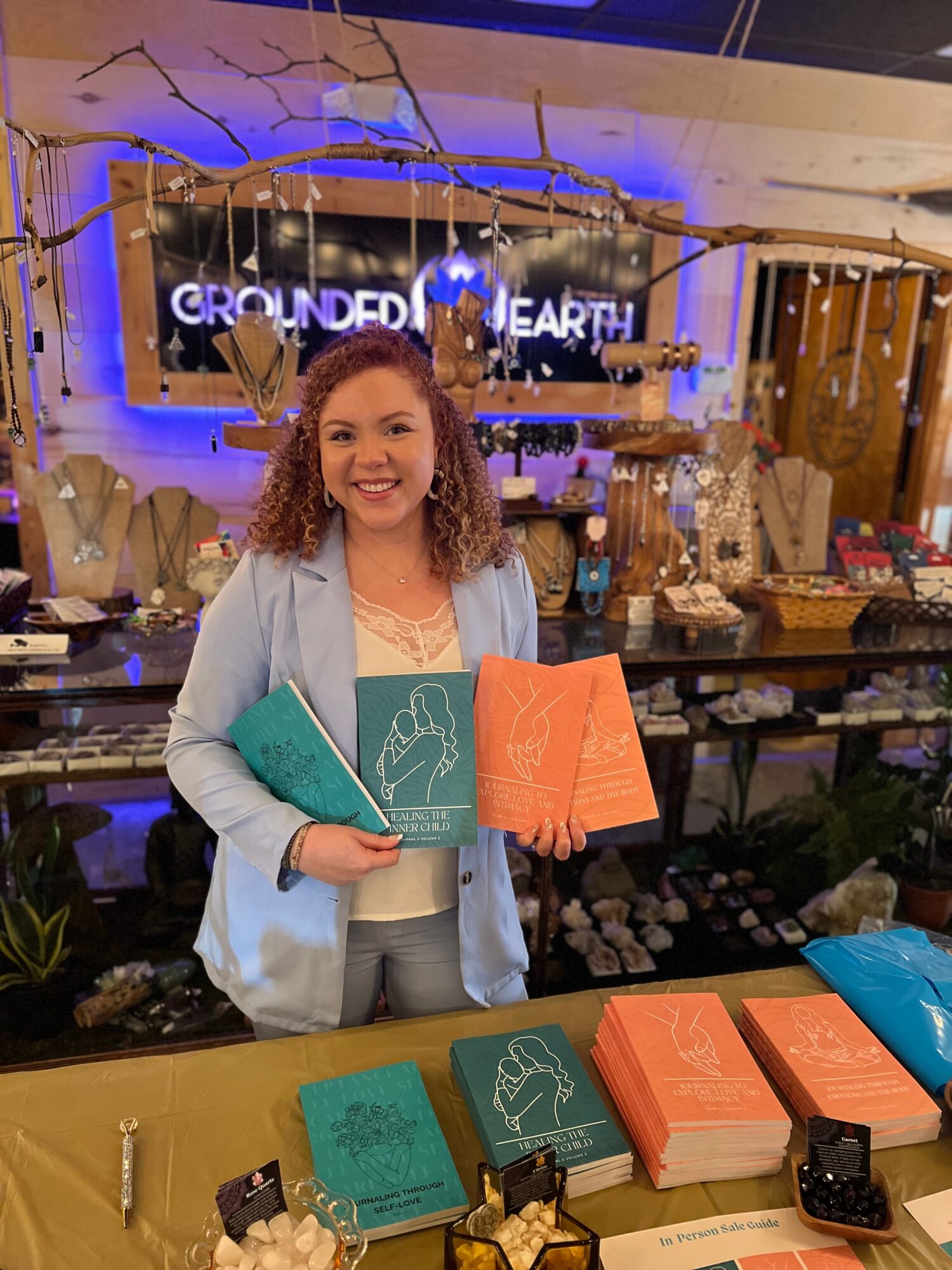
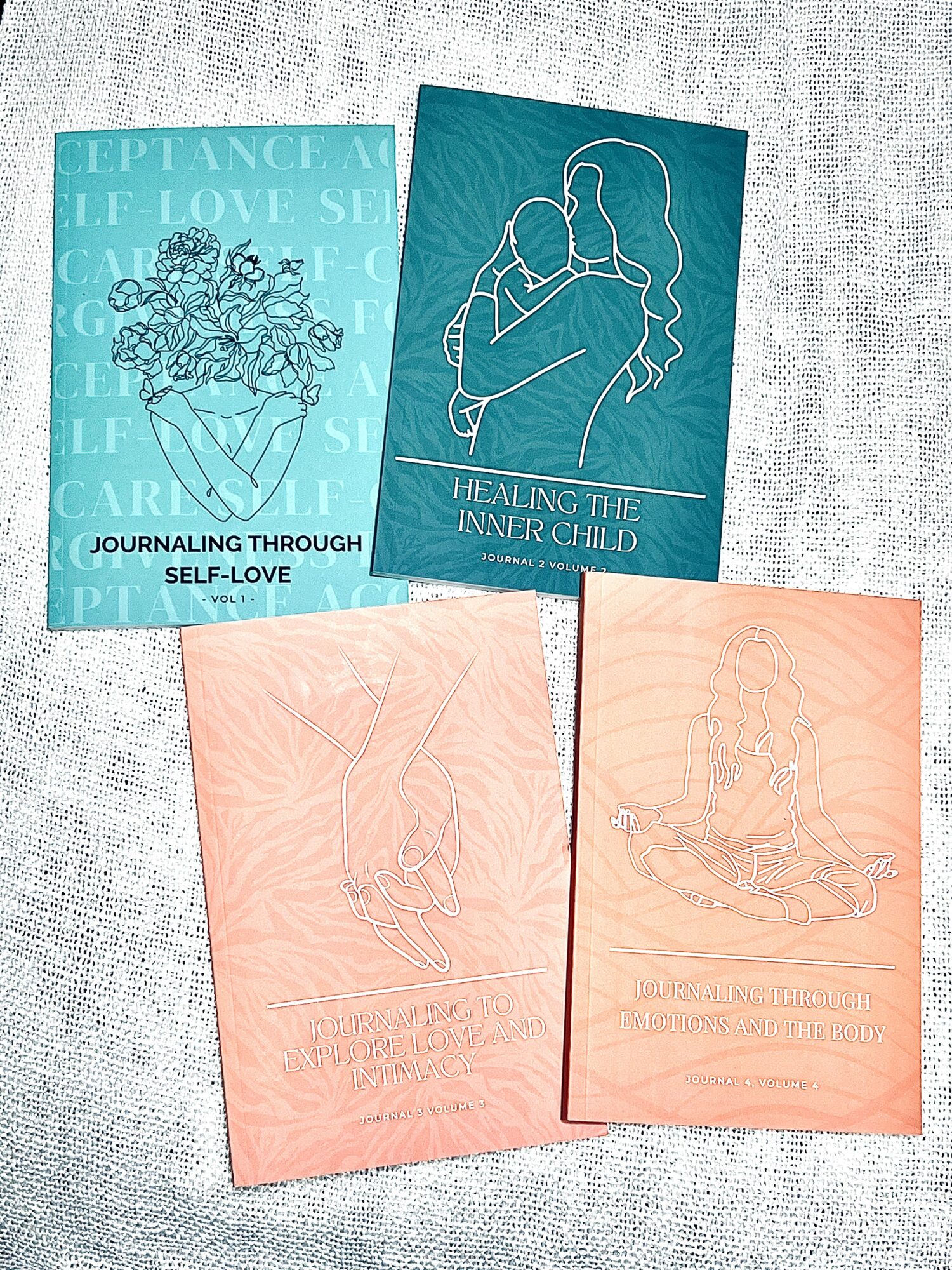
That philosophy has also started to shape another part of my work that I am especially excited about: writing and creating resources. I have always enjoyed writing, but I have begun turning that creative side of myself into tangible resources that people can use outside of the therapy room. I am developing a collection of physical and digital resources focused on areas such as somatic healing, self-reflection, mindfulness, movement, relationships, personal growth, and professional development for therapists and other helping professionals. These resources will soon be available through the Soul Centered Healing website.
What makes me particularly proud of this work is that it allows me to reach people in different ways. Therapy is incredibly meaningful to me, but I also recognize that not everyone is looking for therapy, has access to therapy, or is ready for therapy. Sometimes someone needs a workbook that gives them a starting point for reflection. Sometimes they need a creative exercise, a journal prompt, a grounding practice, or simply permission to become curious about themselves.
I think that is ultimately what ties all of my work together: curiosity, creativity, and the belief that there is more than one way to understand ourselves.
I don’t believe we ever stop learning who we are. We are constantly shaped by our experiences, relationships, histories, beliefs, bodies, communities, and the stories we tell ourselves. I want my work to create opportunities for people to explore those layers with compassion rather than judgment.
Whether I am sitting across from a client, writing a workbook, developing a creative resource, or learning something completely new myself, I am interested in the same fundamental question: What can help us understand ourselves more deeply and create a more intentional relationship with our lives?
That curiosity is something I hope never to lose, because I believe it is one of the most powerful tools we have for growth.
Do you have any advice for those just starting out?
There is plenty I have learned along the way, but if I had to keep my advice brief, I would say: find a mentor. Find someone who has walked a path similar to the one you want to cultivate for yourself and ask questions. Learn from their experiences, including what worked and what didn’t, while still giving yourself permission to create a path that is uniquely yours.
Sometimes paving a new road can be intimidating, especially when you are the first person in your family to pursue higher education, enter a particular profession, start a business, or simply do something that looks different from what the people around you have done. There can be a lot of uncertainty in being the first. Having someone who has navigated some of that territory before you can make an enormous difference.
I was fortunate to have mentors who supported me, but I also learned that having a mentor doesn’t mean you have to replicate their journey. You can take what resonates, learn from their wisdom, and then have the courage to build something that reflects who you are and where you want to go.
That is one of the reasons mentorship has become so important to me. I am passionate about supporting the next generation of therapists and helping professionals who want to make a meaningful difference in their communities. I work with students and newer clinicians not only around the personal and clinical aspects of becoming a therapist, but also around the practical realities of building a career, navigating private practice, and understanding the business side of the profession.
I know firsthand that even with mentorship, there are still parts of the journey you have to figure out for yourself. I had to navigate some of that territory too, and it made me realize how valuable it can be to have someone willing to say, “I’ve been there. Let’s figure this out together.”
Ultimately, I want to be that person for others. If I can help someone feel a little less alone as they build their career, avoid some of the mistakes I had to learn through experience, or feel more confident creating a path that is authentically theirs, that is meaningful work to me.
Pricing:
- Individual Therapy: $145 per 53–60 minute session for self-pay clients.
- Couples Therapy: $150 per 53–60 minute session for self-pay clients.
- Practice & Business Consulting: Services for therapists and helping professionals start at $200 per hour and are tailored to the individual’s needs, goals, and stage of professional development. Interested readers can reach out to explore consulting options.
- Insurance: I accept select insurance plans. Readers can visit the Soul Centered Healing website for current information about accepted insurance plans and coverage.
Contact Info:
- Website: https://thesoulcenteredhealing.com/
- Instagram: https://www.instagram.com/soulcenteredhealingllc
- LinkedIn: https://www.linkedin.com/in/nyomi-roth-lpc-18109313a
- Other: https://www.psychologytoday.com/profile/1015631