




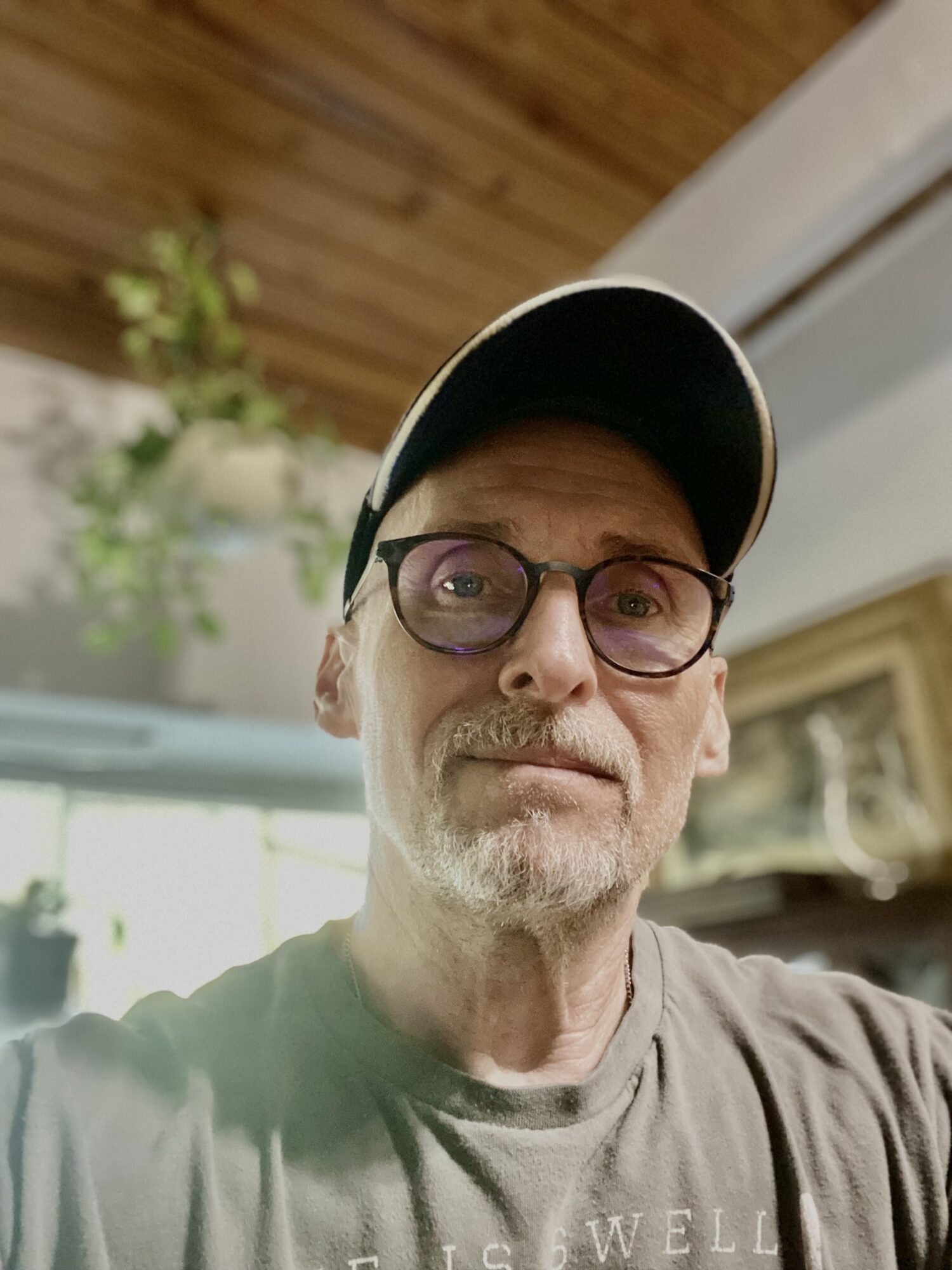
Today we’d like to introduce you to Robert Zuchel.
Hi Robert, it’s an honor to have you on the platform. Thanks for taking the time to share your story with us – to start maybe you can share some of your backstory with our readers?
I’ve always enjoyed finding simple solutions to everyday problems. If something isn’t working as well as it could, my mind naturally goes to, “There has to be a better way.” Throughout my career as a flight attendant, I met people from all walks of life, traveled extensively, and learned to look at situations from different perspectives. That curiosity stayed with me.
Creativity has always been an important part of who I am, and floral design was a big part of my life long before Lavender Frog. Even while I was flying, I’d go back and help former employers during the busy floral holidays. It taught me that good design doesn’t have to be complicated—it just has to work well.
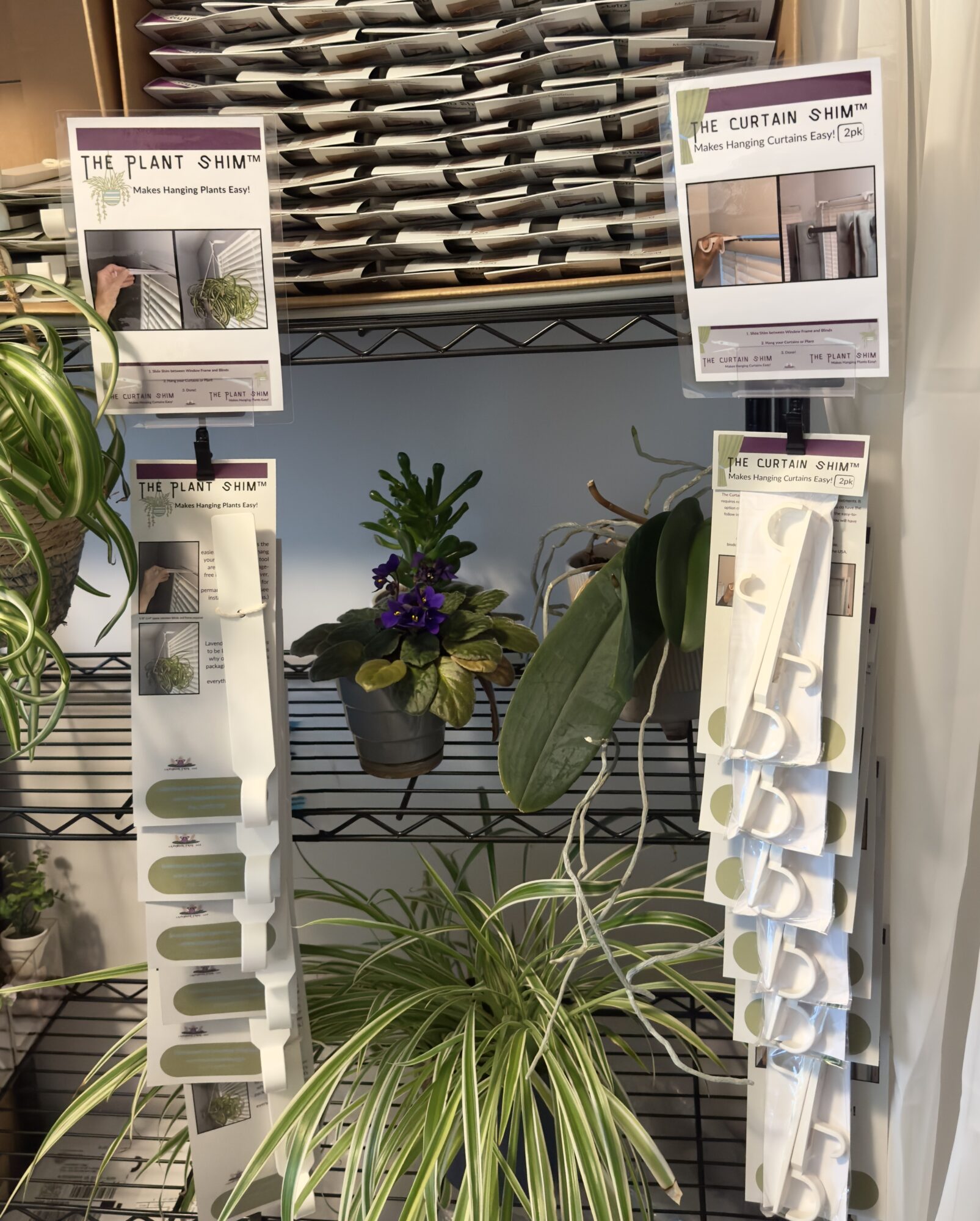
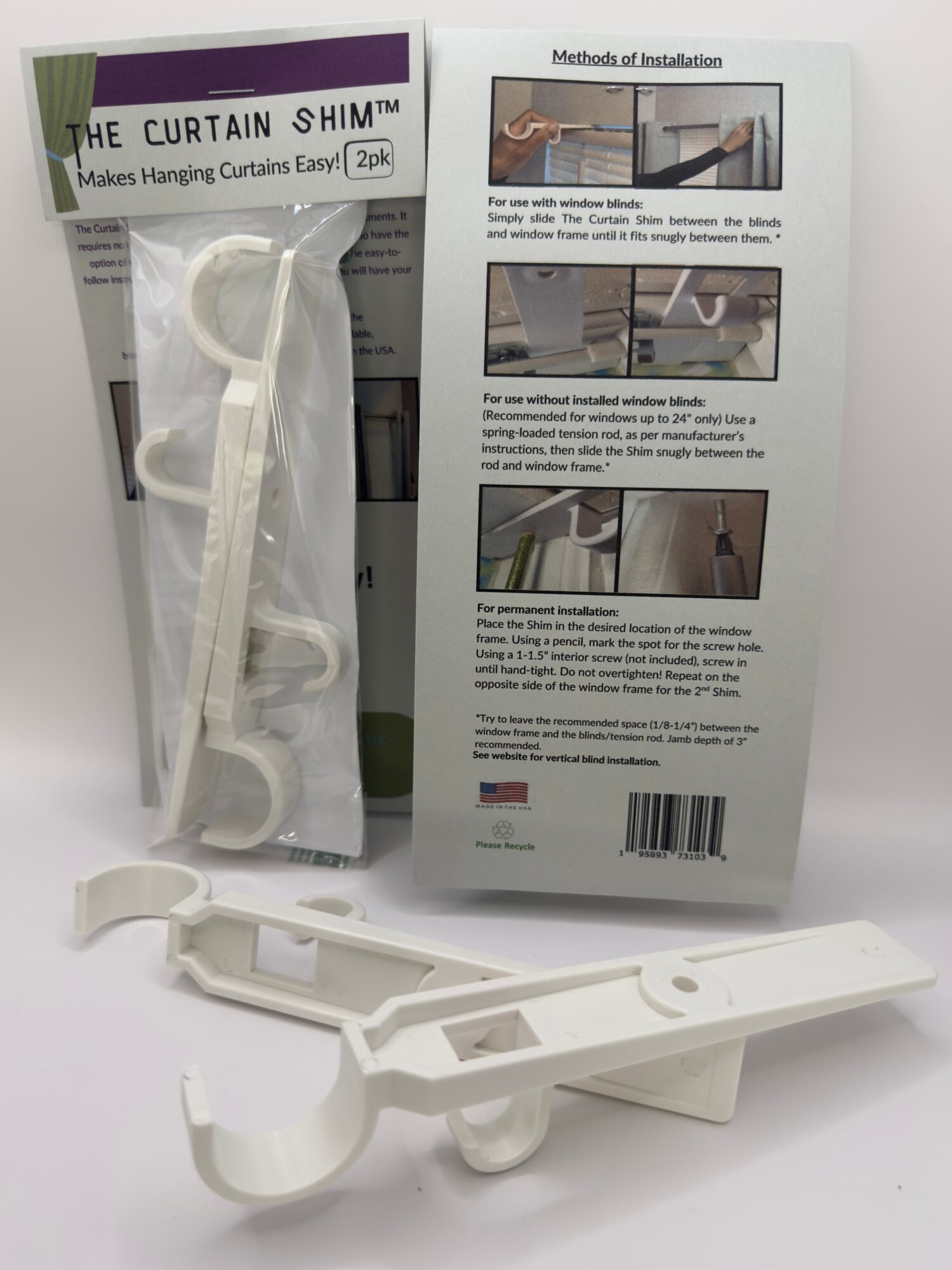
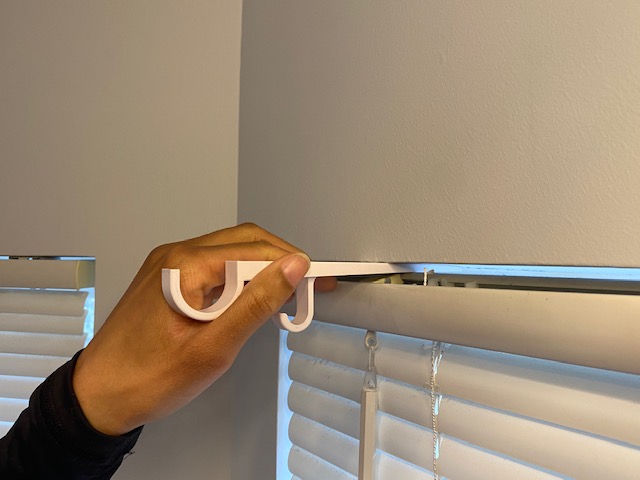
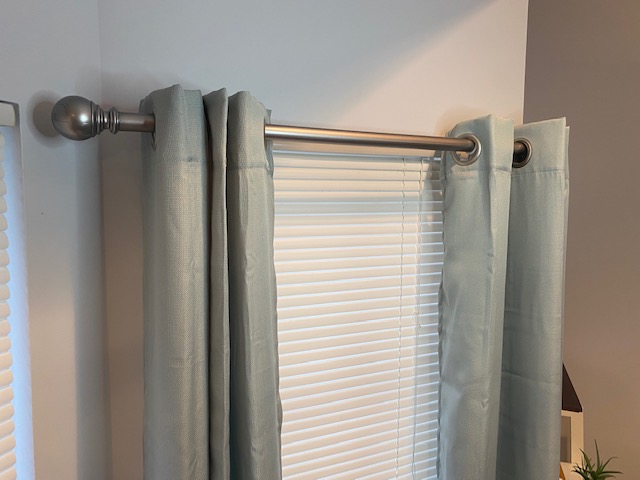
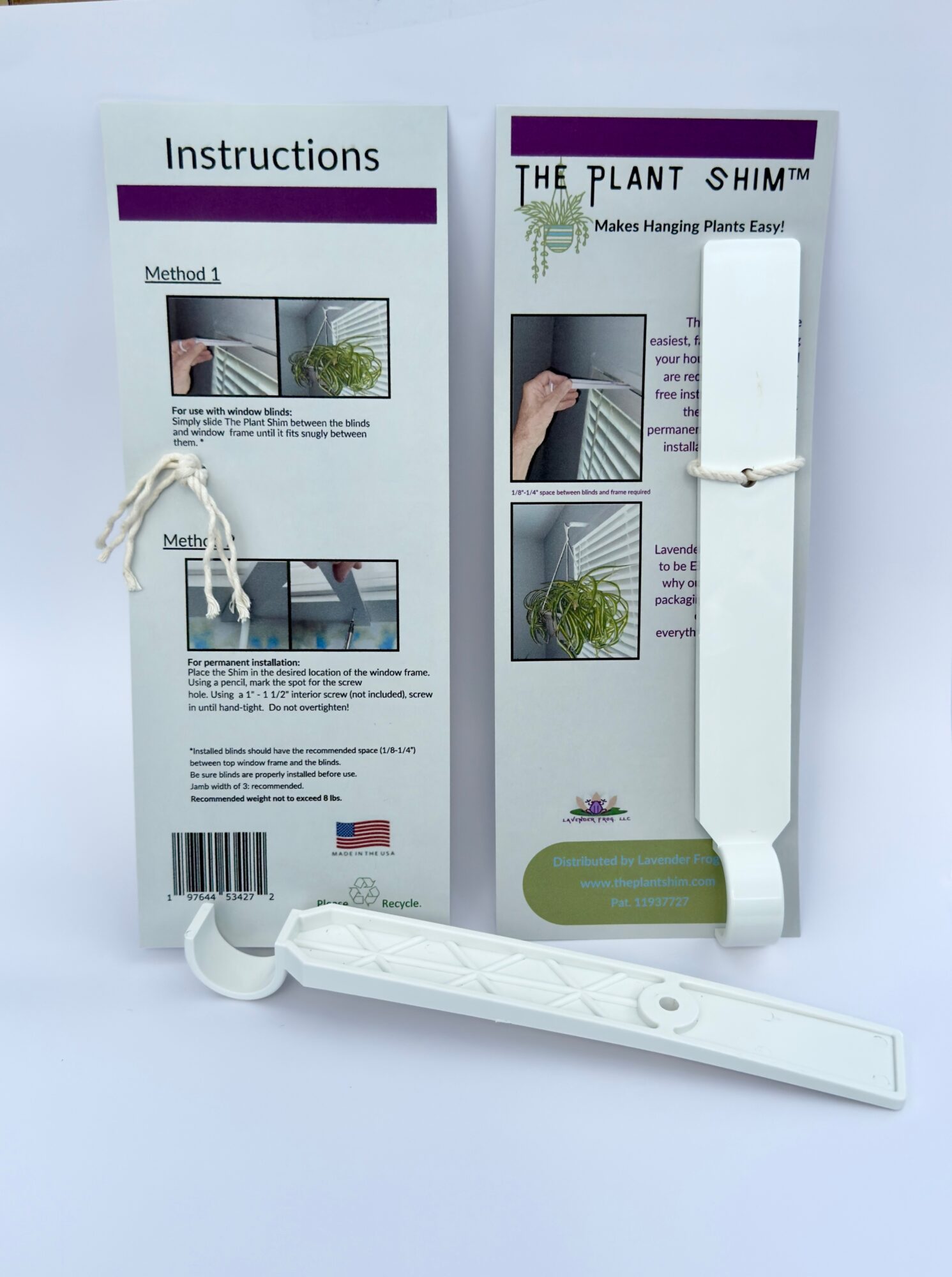
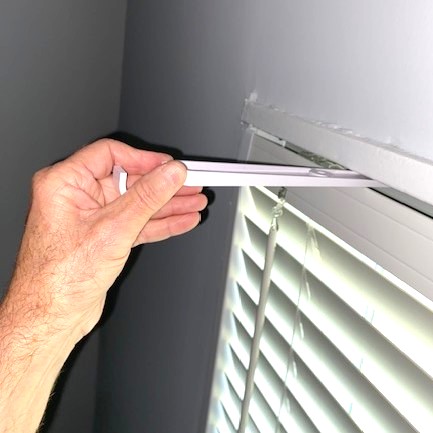
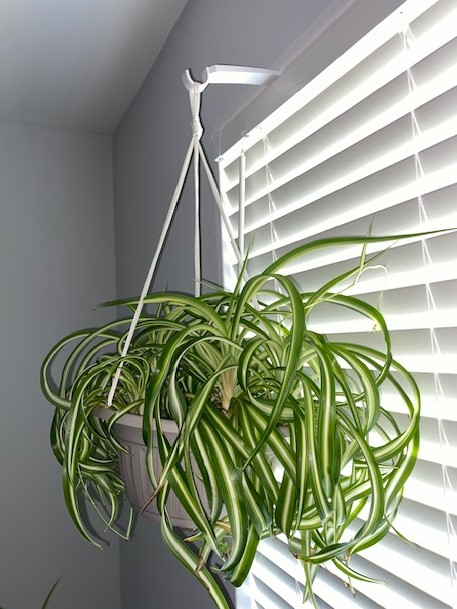
Most of my ideas come from ordinary frustrations. I saw an opportunity to make a common household task easier, and instead of saying, “Someone should invent that,” I decided to see if I could. That led to developing patented products like The Curtain Shim and The Plant Shim—simple, damage-free solutions that help people decorate and enjoy their homes without tools, drilling, or unnecessary hassle.
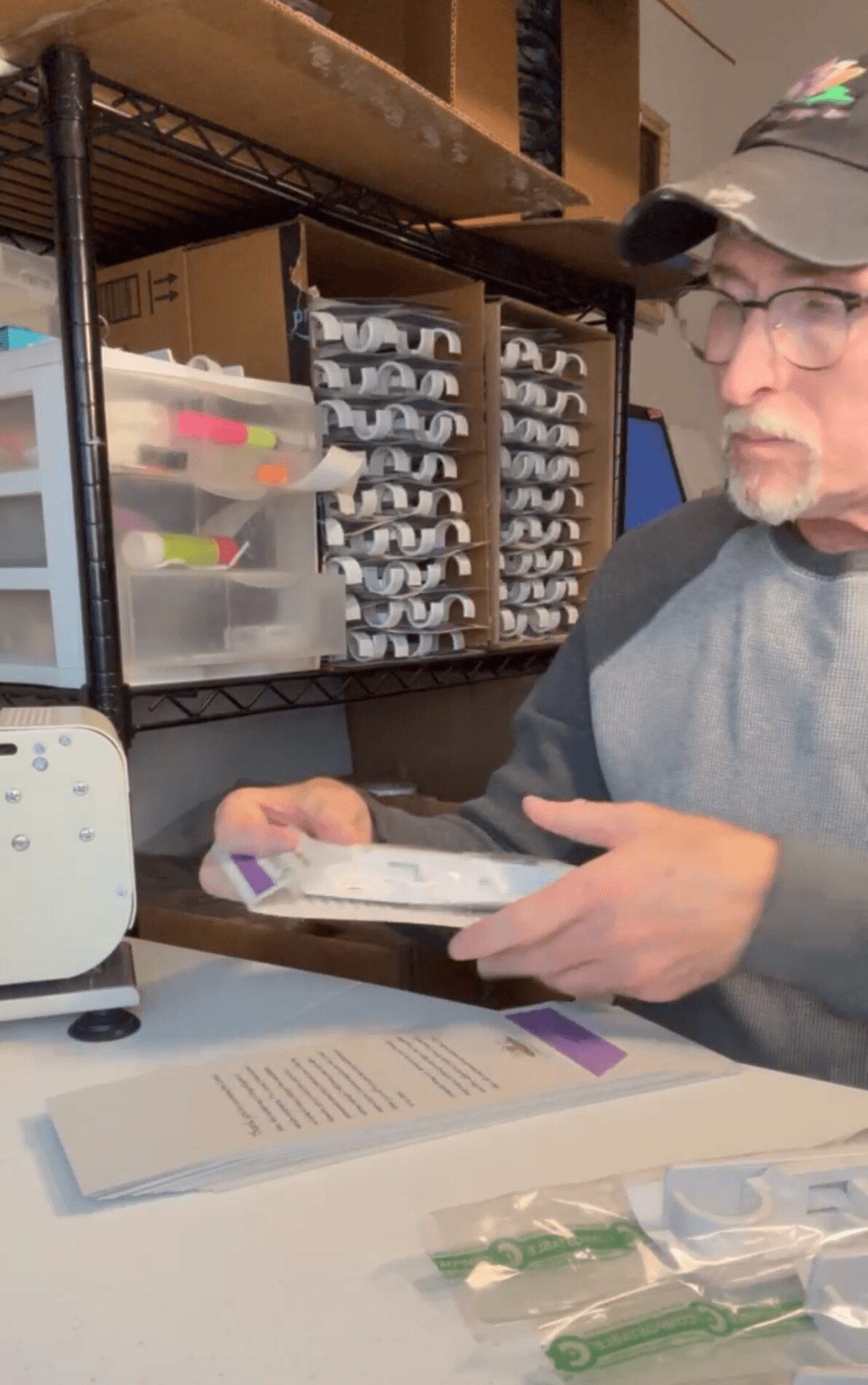
I founded Lavender Frog because I wanted to create products that genuinely make everyday life a little easier. Building a small business has been one of the most rewarding and challenging experiences of my life. I’ve worn every hat imaginable—from product designer and inventor to marketer, customer service representative, shipper, and bookkeeper.
The journey has taught me patience, persistence, and the importance of listening to customers. Their questions and experiences have helped me improve how I present my products and communicate their benefits more clearly.
I’m still building, still learning, and still excited about what’s ahead. My goal has always been simple: create practical, well-designed products that solve real problems and, hopefully, make someone’s day just a little bit easier.
We all face challenges, but looking back would you describe it as a relatively smooth road?
It hasn’t been easy, but then again, most things worth doing aren’t.
I found out pretty quickly that inventing a product and building a business around it are two completely different things. I thought creating the products would be the hard part, but that was really just the beginning. Then came manufacturing, packaging, websites, online selling platforms, marketing, customer service, shipping, bookkeeping… the list just keeps going.
When you’re a small business owner, you wear a lot of hats. One minute you’re the inventor, the next you’re packing orders, and before you know it, you’re trying to figure out why something on your website suddenly decided not to work.
Probably the biggest challenge has been getting people to discover the products. You can create something that solves a real problem, but if people don’t know it exists, they’ll never know it could make their lives easier.
Even with all the challenges, I wouldn’t trade the experience. Every obstacle has taught me something, and every customer interaction has helped me improve how I present my products and communicate their benefits more clearly. At the end of the day, I still believe in the products, and that makes all the hard work worth it.
Appreciate you sharing that. What else should we know about what you do?
I’ve always been drawn to creative work, but for me, creativity has never been about making something flashy. It’s about solving a problem in a simple, practical way.
Whether I was designing floral arrangements or developing products for Lavender Frog, I found myself asking the same question: “How can I make this better?” Sometimes it’s making something prettier. Other times, it’s simply making it work better. Either way, good design should feel natural and effortless.
I think creativity often comes from paying attention to the little things that other people have simply learned to live with. That’s how both The Curtain Shim and The Plant Shim came to life. They weren’t inventions looking for a problem—they were solutions to problems I experienced myself.
One of the most rewarding parts of being creative is hearing someone say, “Why didn’t anyone think of this sooner?” To me, that’s one of the best compliments I can receive because it means I’ve made someone’s life a little easier.
Risk taking is a topic that people have widely differing views on – we’d love to hear your thoughts.
I don’t really see myself as a risk-taker, even though some people might disagree. I tend to get excited about an idea, and I’ve learned over the years that enthusiasm can sometimes get ahead of planning. That’s one of the lessons entrepreneurship has taught me.
Starting Lavender Frog wasn’t one big leap—it was a series of decisions over time. Every time I believed in the products enough to invest a little more time, a little more money, or make another improvement, I was taking another risk. Looking back, those decisions eventually meant investing much of my savings and retirement into something I truly believed in.
Would I make every decision exactly the same way today? Probably not. Experience has a way of teaching you things that you can only learn by living them. But I don’t regret believing in myself or my products.
To me, taking a risk isn’t about chasing big dreams or making bold moves. It’s about believing in something enough to keep working at it, even when the outcome isn’t guaranteed. That’s a lesson I’m still learning.
Contact Info:
- Website: https://www.lavenderfrog.com