




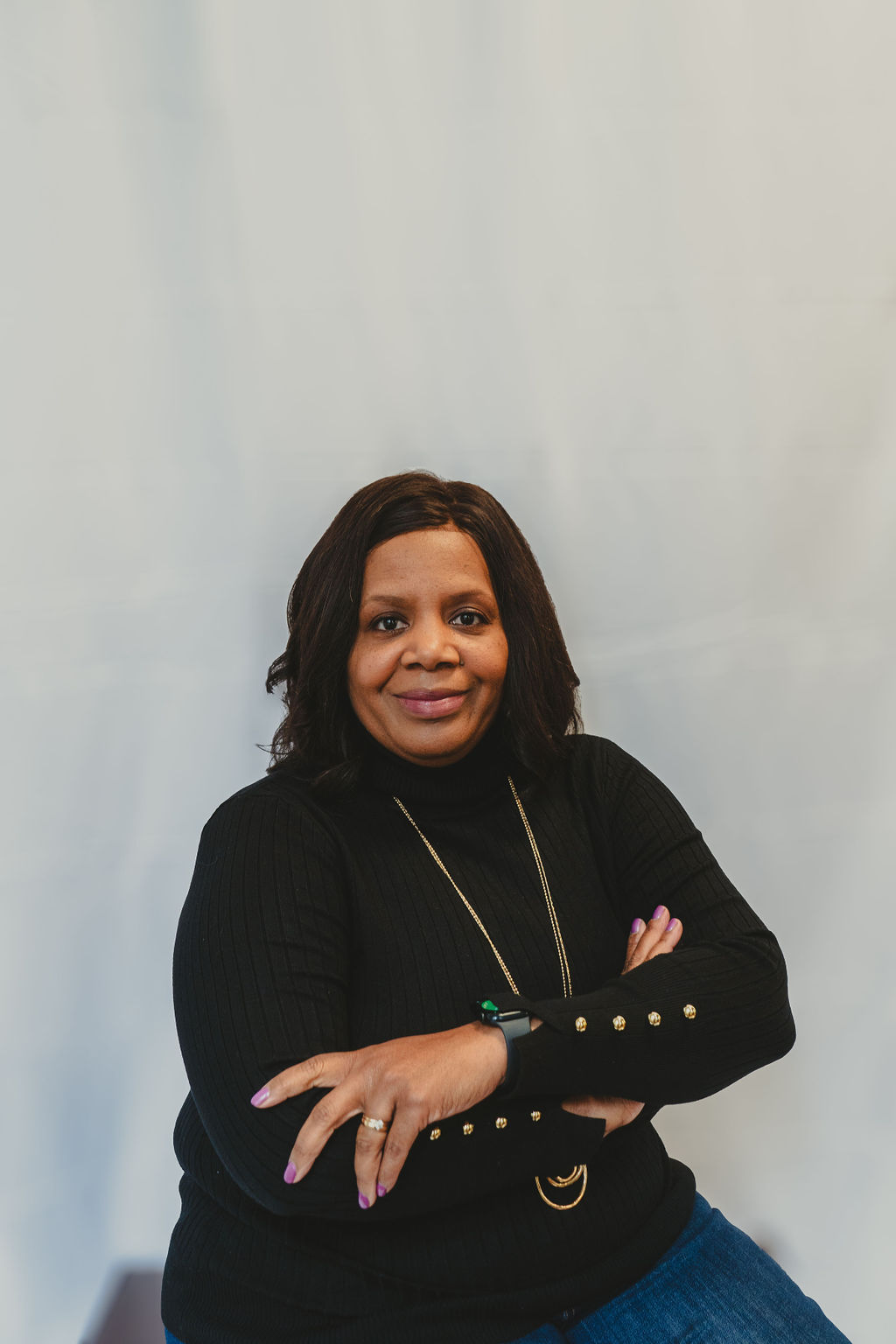
Today we’d like to introduce you to Tricia Allen.
Hi Tricia, so excited to have you on the platform. So before we get into questions about your work-life, maybe you can bring our readers up to speed on your story and how you got to where you are today?
I was born in Denver, Colorado, and went to college with the goal of becoming a university professor. But I became drawn to economic development—the opportunity to connect ideas, people, and resources to create meaningful change in communities.
Over time, my focus shifted toward inclusive economic development and place-based strategies. I wanted to understand who was benefiting from economic growth, who was being left out, and how communities could have a stronger voice in shaping their futures.
As CEO of Adams County Economic Development, I worked across business growth, workforce development, and community investment. I then became Vice President of Community Impact at Mile High United Way, leading the community priority of Creating Economic Opportunity for All. There, I created workforce development and small business capacity-building programs that connected people’s strengths and ambitions with practical support and opportunity.
After United Way, I helped build the Economic Development Association for Black Communities as its founding Chief Program Officer. That startup experience gave me another opportunity to turn a vision for inclusive economic opportunity into programs and partnerships.
I later moved to Virginia to become Executive Director of Together We Bake. This role brings together the threads of my career: employment, entrepreneurship, economic mobility, and community leadership.
It also connects deeply with my own lived experience of trauma, food insecurity, and homelessness. Those experiences shape how I listen and lead. They remind me that people bring knowledge, resourcefulness, and aspirations that may not be visible on an application or résumé. At Together We Bake, I bring both professional expertise and a personal understanding of why dignity, agency, and access to opportunity matter.
Alright, so let’s dig a little deeper into the story – has it been an easy path overall and if not, what were the challenges you’ve had to overcome?
No, it has not been a smooth road. One of my earliest struggles was deciding to leave academia. I had imagined a future as a university professor, and letting go of that path meant reconsidering what I wanted my contribution to be. Economic development offered a different way to put my education and ideas into practice, but making that decision was difficult.
Later, as Adams County Economic Development’s first Black woman leader, I navigated microaggressions alongside the responsibilities of leading the organization. That added another layer to the work: advancing organizational goals while navigating assumptions about who belongs in leadership.
Community work also brings the challenge of systems change. You can see people’s strengths and potential, yet recognize that policies, institutional practices, and access to resources can limit their opportunities. Changing those conditions takes time, trust, and a willingness to examine how power is held and how decisions are made. Progress can be slow, even when the need is urgent.
Those experiences have shaped my leadership. I have learned to listen closely, build relationships, and stay clear about the purpose of the work. I have also learned that persistence matters, but so does knowing when an approach needs to change. The road has challenged me, and it has deepened my commitment to creating opportunities with communities and ensuring their knowledge helps guide the work.
Thanks for sharing that. So, maybe next you can tell us a bit more about your business?
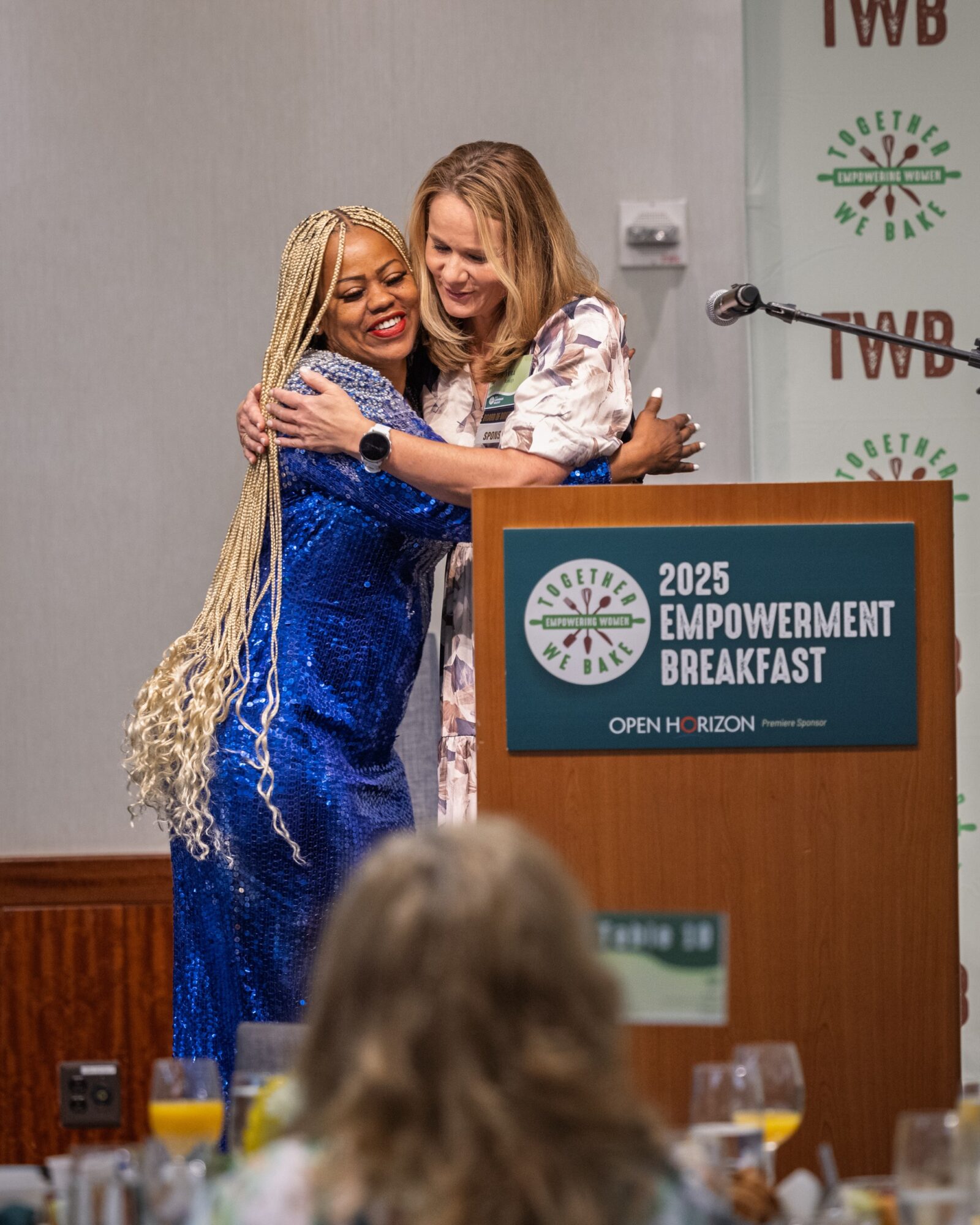
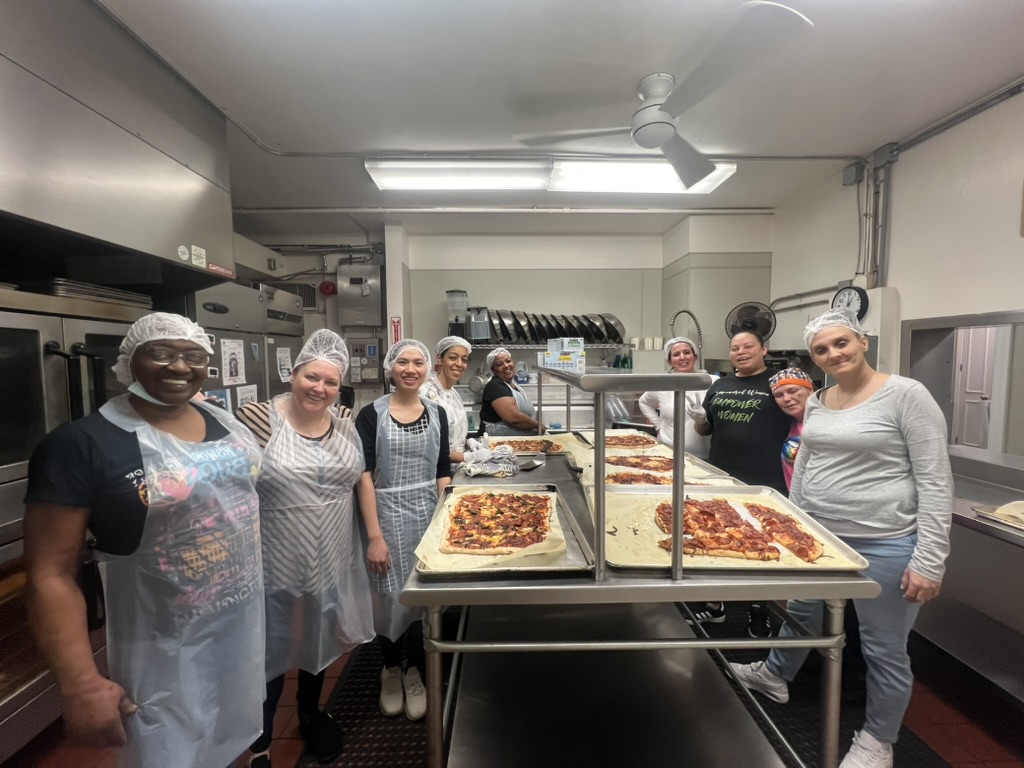
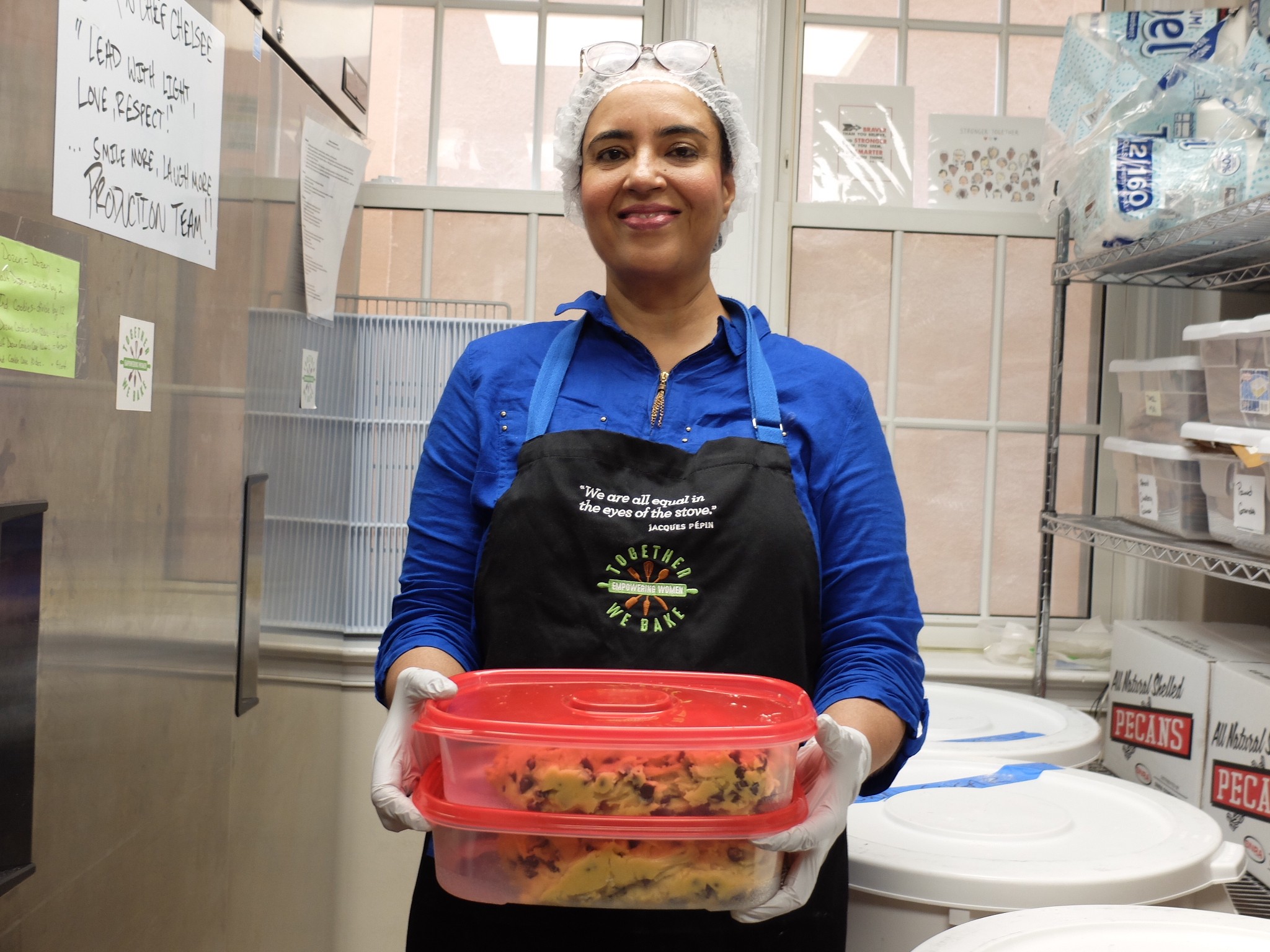
Together We Bake is an employment social enterprise in Alexandria, Virginia, that combines workforce training, personal development, and hands-on experience producing and selling cookies and granola. We work with women navigating barriers to employment, including justice involvement, housing instability, recovery, and extended gaps in employment.
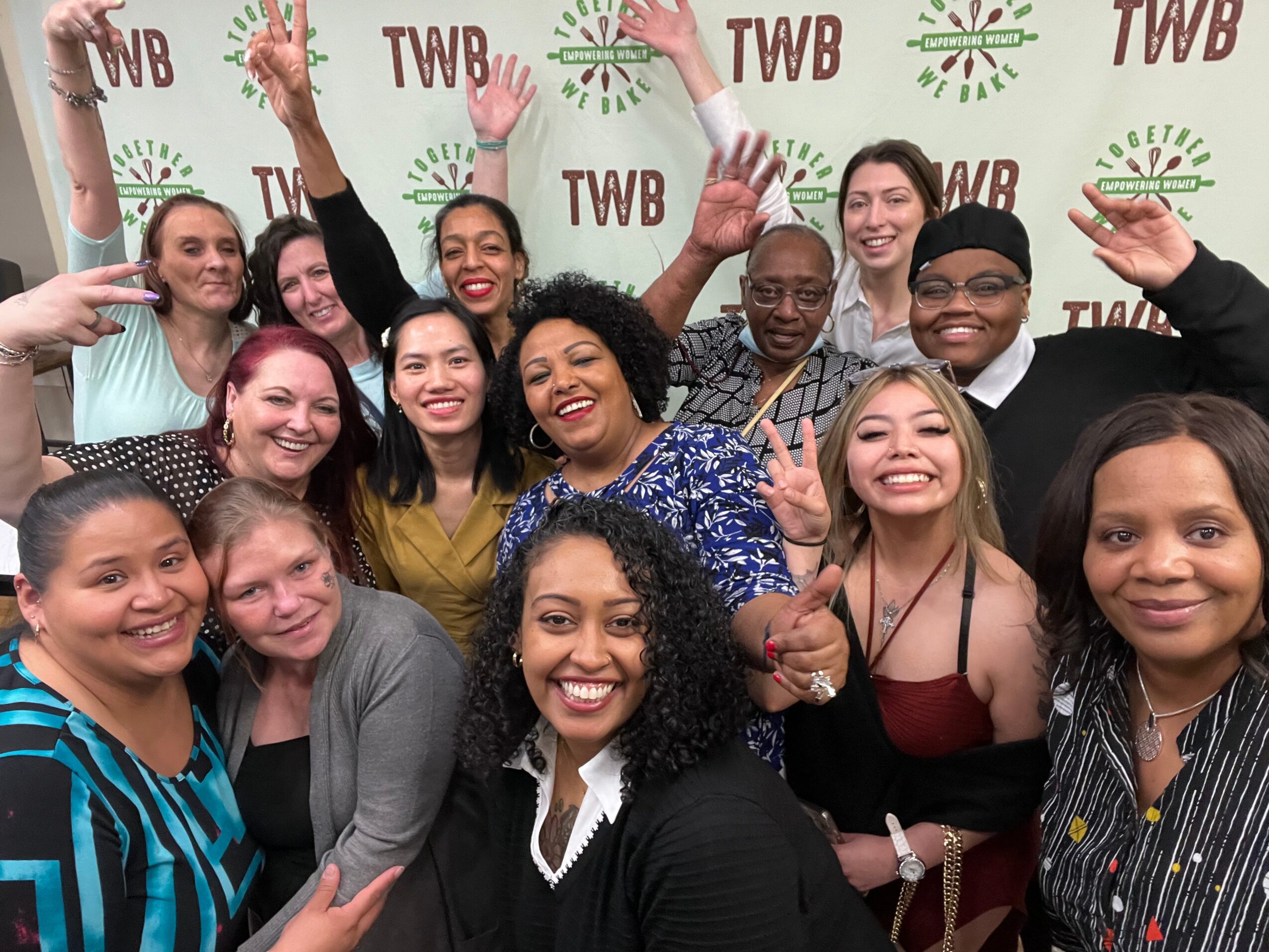
Our work starts with recognizing the strengths women already bring. Through our program, participants—whom we call Team Members—develop transferable skills in production, order fulfillment, inventory, customer service, communication, and teamwork. We also connect women with job counselors, employment opportunities, and continued support after graduation.
What sets TWB apart is the connection between learning and doing. Team Members contribute to a real business with customers, deadlines, and quality expectations. They can practice new skills, see the value of their contributions, and build confidence through experience. Our growing entrepreneurship and paid work-based learning opportunities create additional pathways toward economic mobility.
I am especially proud that program graduates are part of our staff and leadership. Their expertise helps shape the organization and keeps us connected to the experiences of the women we serve. We are also creating pathways for graduates to participate in board governance because their knowledge belongs in the decisions about TWB’s future.
Brand-wise, I want Together We Bake to stand for quality, dignity, and possibility. We want customers to choose our chocolate chip cookies and granola because they enjoy the products and value the purpose behind them. Every purchase supports the enterprise that makes hands-on learning possible.
Most of all, I want readers to know that our ambition extends beyond helping someone secure a first job. We are working toward lasting economic mobility: opportunities to earn more, advance, build a business, and exercise greater choice over one’s future. Whether someone purchases our products, hires a graduate, volunteers, or invests in our programs, they become part of that work.
What were you like growing up?
I was introspective growing up. There was a lot happening in my life that I was trying to understand. We experienced poverty and homelessness, and my mother was a survivor of domestic violence. I was navigating those circumstances while trying to do well in school and imagine what my future could look like.
School mattered to me. Even when life was uncertain, I wanted to learn and succeed. But carrying those experiences while being a student was difficult. There was much more happening than someone might have understood by simply looking at me in a classroom.
Looking back, that introspective part of me has stayed. I think deeply about people’s experiences and the circumstances shaping their lives. My upbringing is part of why I believe so strongly in seeing people fully, including their strengths, interests, and aspirations, alongside the challenges they are navigating. That understanding continues to shape who I am and how I lead.
Contact Info:
- Website: https://www.togetherwebake.org