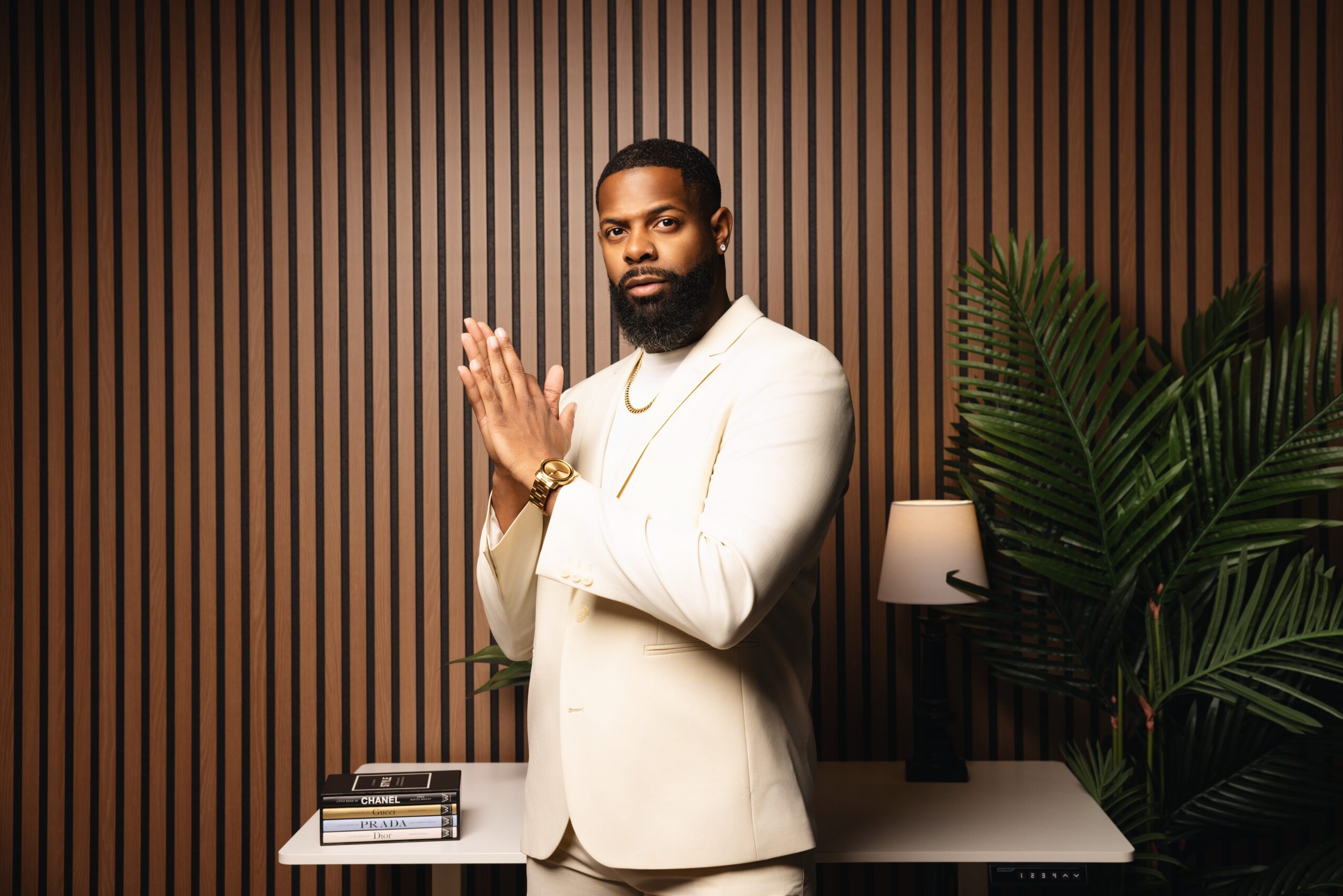





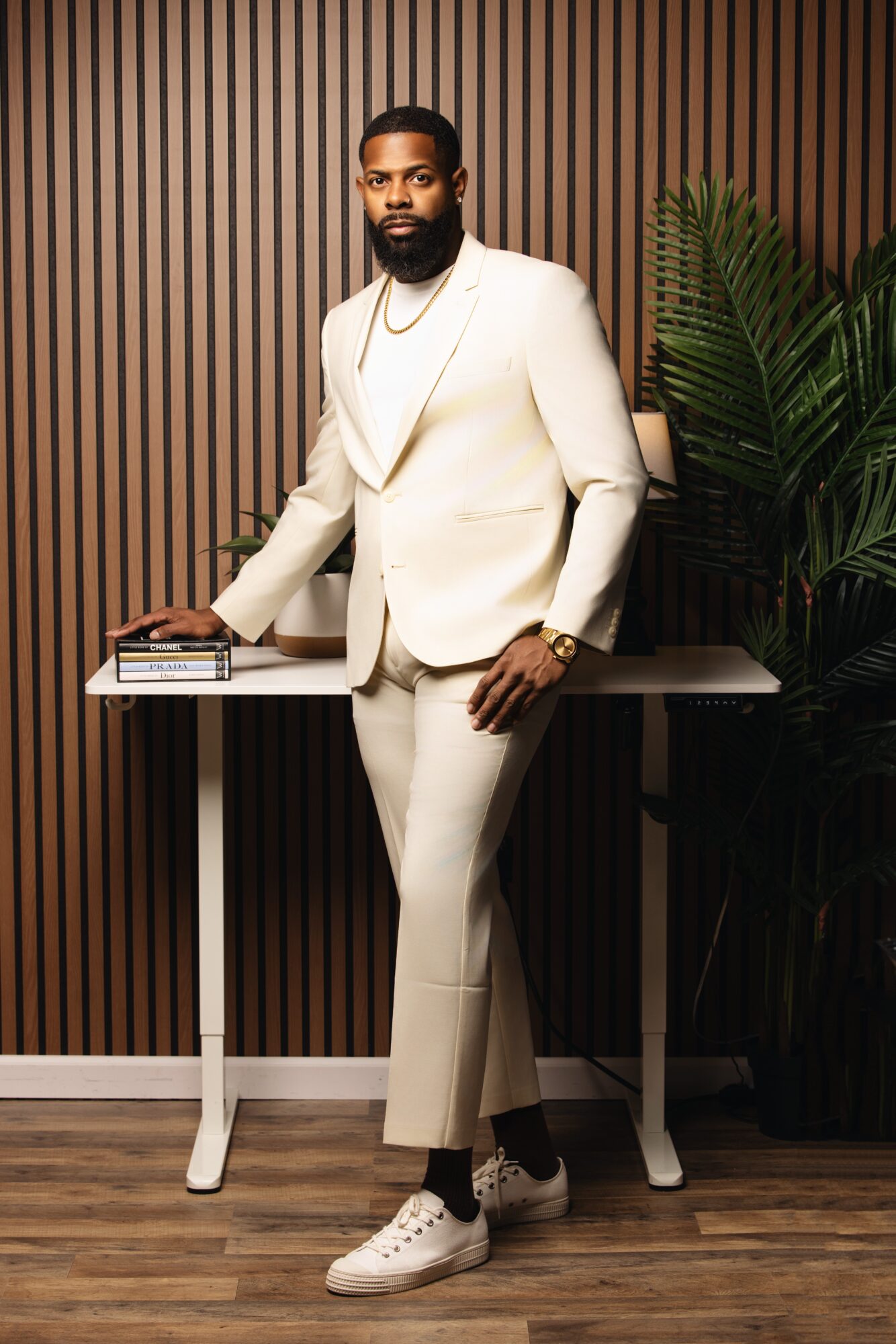
Today we’d like to introduce you to Gregory Marcelle.
Hi Gregory, thanks for sharing your story with us. To start, maybe you can tell our readers some of your backstory.
My journey has always been rooted in one simple belief: everyone deserves an opportunity to heal, grow, and become the best version of themselves, regardless of where they started or what challenges they have faced. I didn’t begin this journey simply wanting to build businesses. I wanted to build something that mattered. I wanted to create opportunities, restore hope, break cycles, and develop spaces where people who have often been overlooked could finally feel seen, valued, and supported. My professional journey began in the mental health field, where I witnessed firsthand how deeply individuals and families were impacted by mental illness, substance use disorders, trauma, poverty, and the lack of accessible resources. I encountered people who genuinely wanted to change their lives but faced barriers that made recovery and stability feel almost impossible. What became clear to me was that treatment alone was not enough. People needed more than a diagnosis, a counseling session, or a referral. They needed compassion, consistency, housing, employment opportunities, community, and someone willing to believe in their potential.
That realization became the foundation for everything I would eventually create. As a Licensed Professional Counselor and healthcare leader with a Doctorate in Healthcare Administration, I combined my clinical experience with my passion for leadership, entrepreneurship, and community transformation. I understood that if I wanted to create meaningful change, I couldn’t simply identify problems. **I had to become part of building the solutions. That vision led me to establish LEVELS Services, LLC, a behavioral health organization built on the principles of Leading, Elevating, Valuing, Everyone, and Launching Success. LEVELS was created to challenge the idea that mental health services should only focus on managing symptoms. I wanted to build an organization that helped individuals regain control of their lives, strengthen their independence, and recognize that their circumstances did not define their future.
Today, LEVELS provides an array of behavioral health services, including crisis intervention, community stabilization, mental health skill building, intensive in-home services, and substance use treatment. What began as a vision has grown into an organization serving hundreds of individuals and families, creating employment opportunities for behavioral health professionals, and expanding access to care in communities where services are desperately needed. But as LEVELS continued to grow, I recognized another painful reality: we could help someone stabilize their mental health, but what happened when they returned to an environment that made maintaining that stability nearly impossible?
How could someone focus on recovery without a safe place to sleep? How could they build independence without employment? How could we expect lasting transformation when the social and economic barriers contributing to their struggles remained unchanged?
Those questions inspired me to establish Our Community Home, Inc., a nonprofit organization dedicated to addressing the needs that extend beyond traditional behavioral health treatment. Our Community Home was built on the belief that recovery should lead to opportunity. Through recovery housing, life skills development, workforce initiatives, transportation assistance, and community partnerships, we work to help individuals move from instability toward independence and long-term success. For me, Our Community Home represents something deeply personal about leadership: the responsibility to create pathways for people who have been told, directly or indirectly, that their past determines their future. I wanted individuals transitioning from substance use treatment, incarceration, homelessness, or other difficult circumstances to know that their stories were not over. They deserved more than a second chance. They deserved the tools, support, and opportunities necessary to make that chance meaningful.
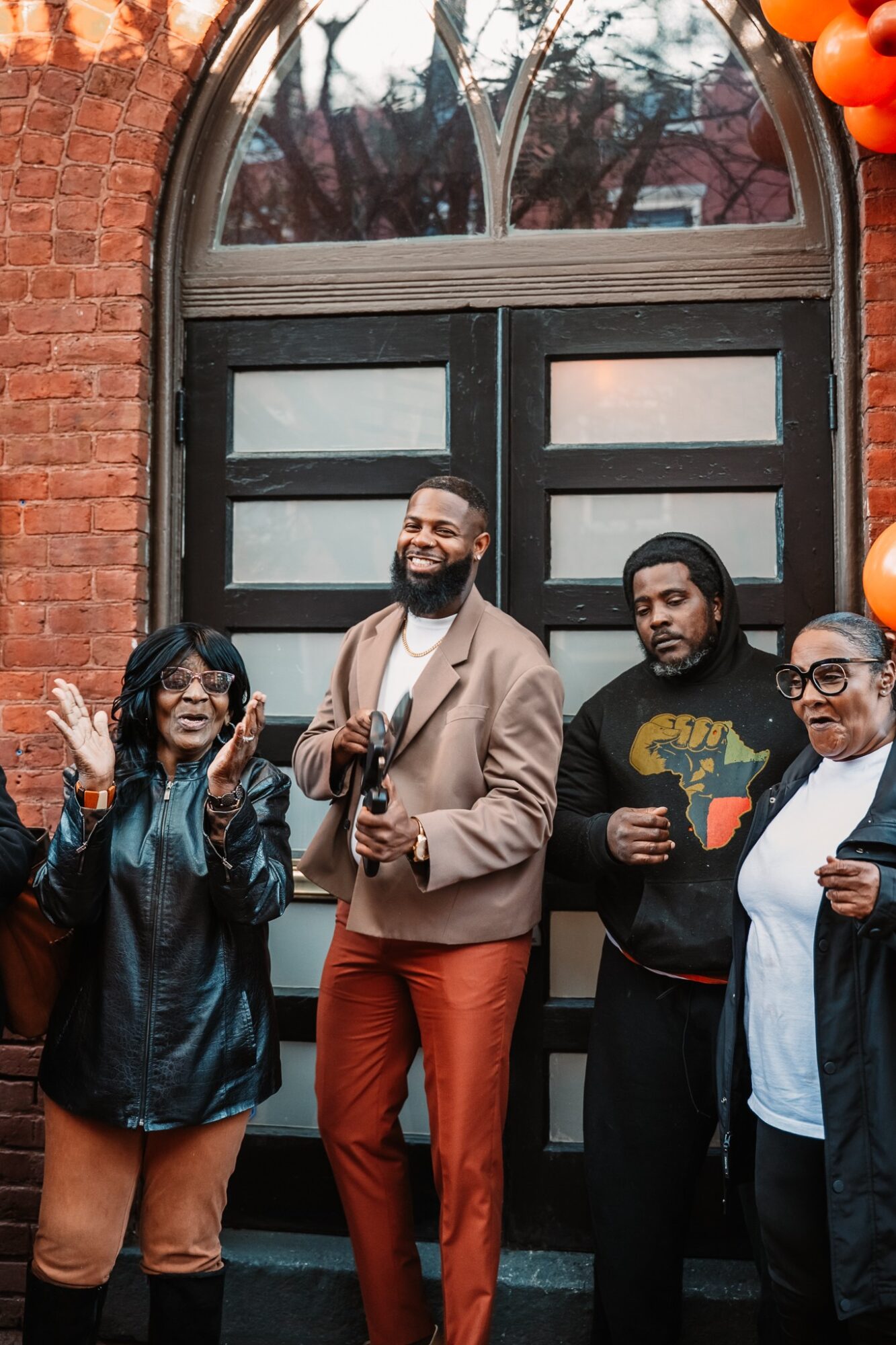
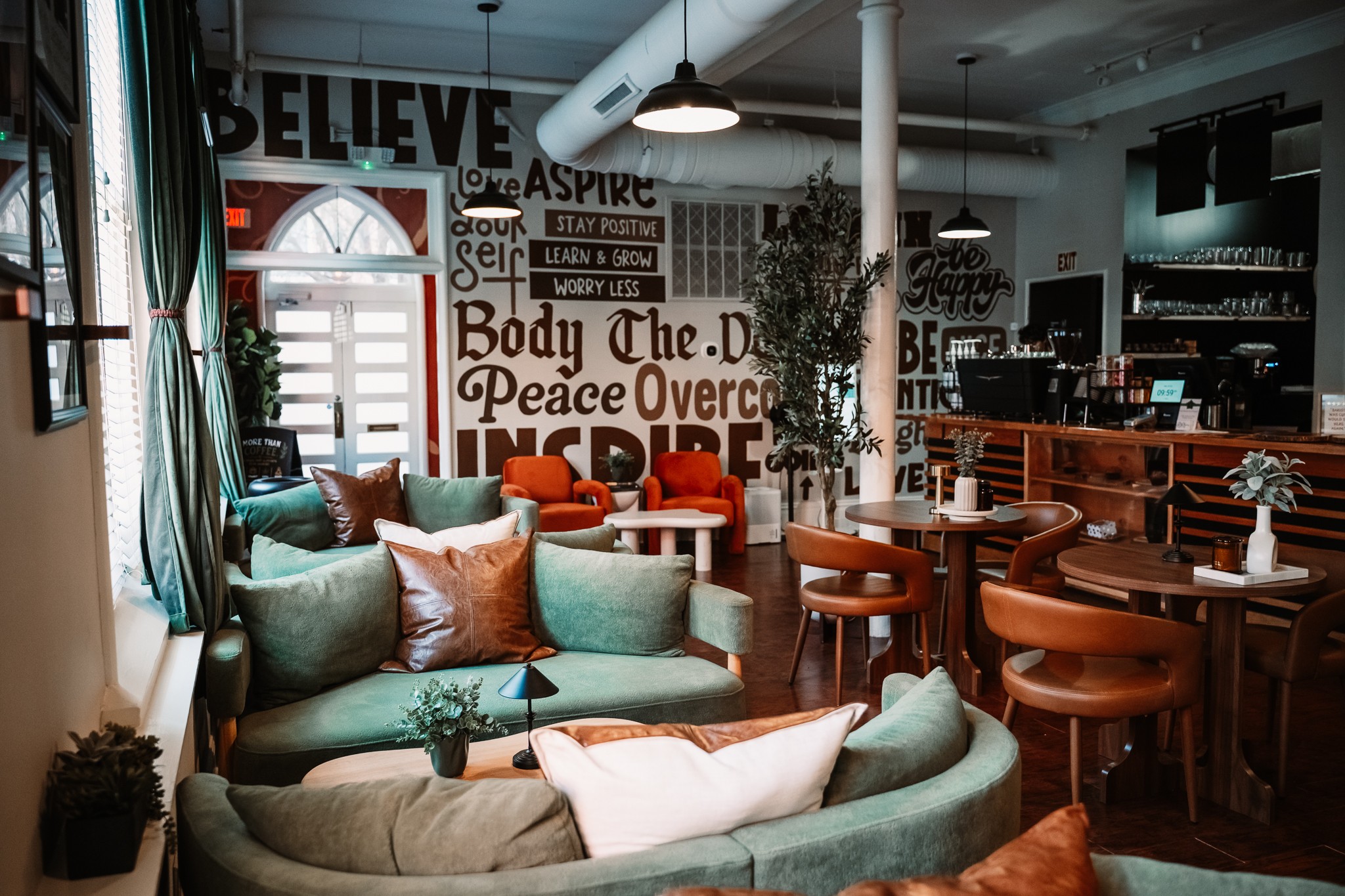
As our work expanded, so did my understanding of what true community transformation could look like. I began thinking about how we could create spaces that not only provided services but also brought people together, generated economic opportunities, and challenged the stigma surrounding mental health and recovery. That vision gave birth to The Collective Cup, a community-centered coffee shop located in Richmond’s historic Shockoe Bottom neighborhood.
To some people, The Collective Cup may look like another beautiful place to grab a latte, meet a friend, or get some work done. But to me, it represents something much bigger. The Collective Cup is where community, connection, entrepreneurship, and purpose meet. Created as an initiative of Our Community Home, The Collective Cup is designed to be more than a coffee shop. It is a welcoming environment where people from different backgrounds can connect, build relationships, exchange ideas, attend community events, and feel a genuine sense of belonging. It also represents our broader vision of developing workforce pathways and creating opportunities for individuals who face barriers to employment. I believe some of the most meaningful conversations happen when people feel comfortable enough to simply be themselves. Sometimes healing begins in a therapy office. Other times, it begins over a cup of coffee, through an unexpected conversation, or when someone walks into a space and realizes they belong.
The Collective Cup allows us to bring that philosophy to life in a completely different way. When I look at LEVELS, Our Community Home, and The Collective Cup, I don’t see three separate organizations. **I see three interconnected expressions of one mission: helping people heal, creating opportunities for them to rebuild, and developing communities where they can thrive. LEVELS addresses behavioral health and recovery needs. Our Community Home helps bridge the gap between treatment and sustainable independence. The Collective Cup creates space for connection, community engagement, and economic opportunity. Together, they reflect my belief that meaningful transformation requires us to care for the whole person, not just one part of their circumstances.
Of course, entrepreneurship and leadership have not been without challenges. Building organizations that serve vulnerable populations requires sacrifice, resilience, difficult decisions, and an unwavering commitment to the mission. There have been moments when the responsibilities felt overwhelming, when resources were limited, and when the vision seemed bigger than what was immediately possible. But I’ve learned that purpose doesn’t eliminate obstacles. **Purpose gives you a reason to keep moving through them.
One of the greatest lessons I’ve learned is that success cannot be measured solely by revenue, expansion, professional titles, or recognition. Those accomplishments are meaningful, but they are not what drives me. Success is seeing someone who once struggled with addiction begin rebuilding their life. It’s watching an individual experiencing a mental health crisis regain hope. It’s seeing someone secure employment, transition into stable housing, reconnect with their family, or begin believing in themselves again. It’s also watching employees grow into leaders, seeing community partnerships develop, and realizing that something that once existed only as an idea is now creating tangible opportunities for others. Today, I am proud of what we have built, but I am even more excited about what lies ahead. My vision continues to expand beyond providing services. I want to create sustainable systems of care, economic empowerment, and community development that will continue making an impact for generations.
I want to demonstrate that businesses can be financially sustainable while remaining deeply committed to social responsibility. I want aspiring entrepreneurs, particularly those who come from communities where opportunities have historically been limited, to understand that they do not have to choose between building wealth and making a difference. Most importantly, I want people to understand that their beginnings do not have to determine their endings. If there is one message I hope my journey communicates, it is this: You do not have to wait until you have everything figured out to begin making a difference. Sometimes you simply have to recognize a need, believe that change is possible, and have the courage to take the first step. I started with a desire to help people navigate some of the most difficult moments of their lives. That desire evolved into a vision for organizations, programs, and community spaces that could help change the trajectory of those lives. And while I’m grateful for how far this journey has taken me, I still believe the most important work is ahead. Because for me, the goal has never been simply to build successful businesses. It has always been to build something that makes other people’s lives better long after I’ve left the room.
Can you talk to us a bit about the challenges and lessons you’ve learned along the way. Looking back would you say it’s been easy or smooth in retrospect?
Absolutely not, and I think that is one of the most important parts of my story to share. From the outside, people often see the finished product: the businesses, the accomplishments, the recognition, and the growth. What they don’t always see are the sacrifices, sleepless nights, financial pressures, difficult decisions, and moments of uncertainty that happen behind the scenes.
One of the greatest lessons entrepreneurship has taught me is that having a vision is one thing, but having the resilience to see that vision through is something entirely different.
Building LEVELS Services, Our Community Home, and The Collective Cup has required me to navigate three very different worlds: healthcare, nonprofit leadership, and hospitality. Each comes with its own challenges, regulations, financial responsibilities, and expectations. What connects them is the mission, but what makes them successful requires an entirely different level of discipline, strategy, and perseverance.
In the behavioral health industry, one of the biggest challenges has been navigating the complexities of healthcare systems while remaining focused on the people we serve. Insurance reimbursement, regulatory requirements, staffing, service authorizations, and the constantly changing landscape of mental health care can create significant obstacles. There have been times when the need for services was greater than the resources available to provide them. As a leader, that is difficult because you know there are individuals and families depending on your organization during some of the most vulnerable moments of their lives.
With Our Community Home, the challenges have been different but equally meaningful. Building a nonprofit requires more than passion. It requires funding, partnerships, community trust, and the ability to demonstrate that your work is making a measurable difference. One of the most difficult realities of community-based work is recognizing that the people who need the most support often have the fewest resources available to them. There is nothing easy about wanting to provide housing, employment opportunities, and stability while simultaneously working to secure the financial resources necessary to sustain those services.
Opening The Collective Cup introduced an entirely new set of challenges. Moving into the hospitality industry meant learning a different business model, understanding customer experiences, managing operational expenses, developing a brand, and creating a space that could be both financially sustainable and socially impactful. It required me to step outside my comfort zone and accept that being successful in one industry does not automatically make you an expert in another.
I had to become comfortable being a student again, even while being a leader.
Another significant challenge has been learning how to balance the responsibility of leading multiple organizations without losing myself in the process. When you are passionate about your work, it becomes easy to convince yourself that everything needs your attention. You become the visionary, the problem solver, the decision-maker, and sometimes the person everyone looks to when something goes wrong.
I’ve had to learn that leadership is not about carrying everything by yourself. It is about building strong teams, trusting other people, developing systems, and understanding that asking for support is not a weakness.
There have also been moments when I’ve had to make decisions that were necessary for the long-term health of the organizations, even when those decisions were uncomfortable or unpopular. Entrepreneurship teaches you that not everyone will understand your vision, support your decisions, or recognize the sacrifices required to build something meaningful. I’ve learned to become more intentional about protecting my peace, establishing boundaries, and surrounding myself with people who are committed to growth rather than simply attracted to success.
Perhaps one of the most personal challenges has been learning to give myself the same grace and compassion that I encourage others to give themselves. As a mental health professional, I spend a great deal of time teaching people about emotional wellness, self-care, resilience, and healthy boundaries. Yet entrepreneurship has challenged me to practice those same principles in my own life.
I’ve had to remind myself that I am human before I am a CEO, founder, counselor, or community leader. I cannot pour endlessly into other people and organizations without being intentional about replenishing myself.
But through every challenge, I’ve gained something valuable: perspective.
I’ve learned that setbacks are not always signs that you’re moving in the wrong direction. Sometimes they are opportunities to reassess, strengthen your foundation, and approach the vision with greater wisdom. I’ve learned that growth can be uncomfortable, that patience is just as important as ambition, and that success requires consistency long after the initial excitement of starting something has faded.
Most importantly, I’ve learned that you cannot allow temporary circumstances to make permanent decisions about your future.
There were moments when it would have been easier to scale back my vision, remain comfortable, or convince myself that I had already accomplished enough. But every time I thought about the people we serve, the employees who depend on these organizations, and the communities that deserve greater opportunities, I was reminded why I started.
My journey has taught me that purpose and pressure often exist in the same space. You can be grateful for what you’re building and still acknowledge that building it is difficult. You can be successful and still experience uncertainty. You can be a strong leader and still need encouragement, rest, and support.
Today, I don’t view the challenges as interruptions to my story. I see them as part of what has shaped me into the leader and person I am becoming.
If everything had been easy, I might have built businesses. But because the journey has challenged me, I’ve learned how to build resilience, develop people, strengthen communities, and create something with a purpose greater than myself.
And if there is one thing I hope other entrepreneurs take from my experience, it is this: Don’t confuse a difficult journey with an unsuccessful one. Sometimes the very challenges that make you question whether you can keep going are the experiences preparing you for the impact you’re meant to make.
Thanks for sharing that. So, maybe next you can tell us a bit more about your business?
When people learn about my work, I want them to understand that I am not simply building businesses. I am building an ecosystem of healing, opportunity, empowerment, and community transformation. Everything I have created is rooted in the belief that people deserve more than access to services. They deserve access to opportunities that can fundamentally change the direction of their lives.
Today, that vision comes to life through three interconnected organizations: LEVELS Services, LLC, Our Community Home, Inc., and The Collective Cup. Although each organization operates independently with its own purpose and identity, they collectively represent my commitment to addressing the emotional, social, and economic needs of the communities we serve.
LEVELS Services, LLC
LEVELS Services is a behavioral health organization dedicated to providing compassionate, accessible, and comprehensive mental health and substance use treatment services. The name LEVELS represents our guiding philosophy: Leading, Elevating, Valuing, Everyone, and Launching Success. At LEVELS, we specialize in helping individuals and families navigate mental health crises, emotional challenges, substance use disorders, and barriers that interfere with their ability to live stable, fulfilling lives. Our services include Mobile Crisis Response, Community Stabilization, Mental Health Skill Building, Intensive In-Home Services, mental health intensive outpatient treatment, and substance use treatment and recovery support.
What sets LEVELS apart is our commitment to meeting people where they are, both literally and emotionally. We recognize that healing does not always happen within the walls of a traditional office. Sometimes it begins in someone’s home, during a mental health crisis, or at a moment when an individual has lost hope and needs someone to remind them that their life still has value. Our approach emphasizes individualized care, clinical excellence, cultural responsiveness, and the importance of treating people with dignity. We don’t simply focus on symptoms or diagnoses. We look at the whole person, including their environment, relationships, support systems, and long-term goals. One of my proudest accomplishments has been seeing LEVELS grow into an accredited behavioral health organization serving hundreds of individuals and families. Earning CARF accreditation was a significant milestone because it represented our commitment to quality, accountability, and continuous improvement. But beyond accreditation and organizational growth, what makes me most proud is knowing that our team is often present during some of the most difficult moments in people’s lives. We have the privilege and responsibility of helping individuals move from crisis toward stability, from uncertainty toward hope, and from simply surviving toward rebuilding their lives. At LEVELS, our goal is not just to help people get through today. It is to help them believe in the possibilities of tomorrow.
Our Community Home, Inc.
Our Community Home is a nonprofit organization I founded because I recognized that clinical treatment alone could not address every barrier preventing individuals from achieving long-term stability. I witnessed people make tremendous progress in their mental health and recovery journeys, only to return to environments where housing instability, unemployment, limited transportation, and a lack of supportive relationships made maintaining that progress incredibly difficult. I wanted to help change that reality. Our Community Home focuses on recovery housing, life skills development, workforce readiness, community partnerships, and helping individuals build pathways toward sustainable independence. Through our recovery housing initiatives, we provide supportive living environments for individuals working to rebuild their lives following substance use challenges and other significant barriers. Our programs emphasize accountability, personal responsibility, recovery support, employment, financial stability, and preparation for independent living. What makes Our Community Home different is that we do not believe providing temporary assistance is enough. We believe in helping individuals develop the tools necessary to create lasting change. For example, helping someone secure housing is important, but helping that individual develop financial literacy, employment skills, healthy relationships, and the confidence to maintain their independence is what creates meaningful transformation. Our Community Home is also committed to challenging the stigma associated with addiction, mental illness, homelessness, and justice-system involvement. Too often, society defines people by the most difficult chapter of their lives. We believe people should be recognized for their capacity to grow beyond those experiences. Our philosophy is simple: Your past may be part of your story, but it does not have to determine your future. What I am most proud of is that Our Community Home represents a bridge between recovery and opportunity. It allows us to move beyond talking about community transformation and actively participate in creating it.
The Collective Cup — More Than Coffee, It’s Community
One of the most exciting chapters of my entrepreneurial journey has been bringing The Collective Cup to life.
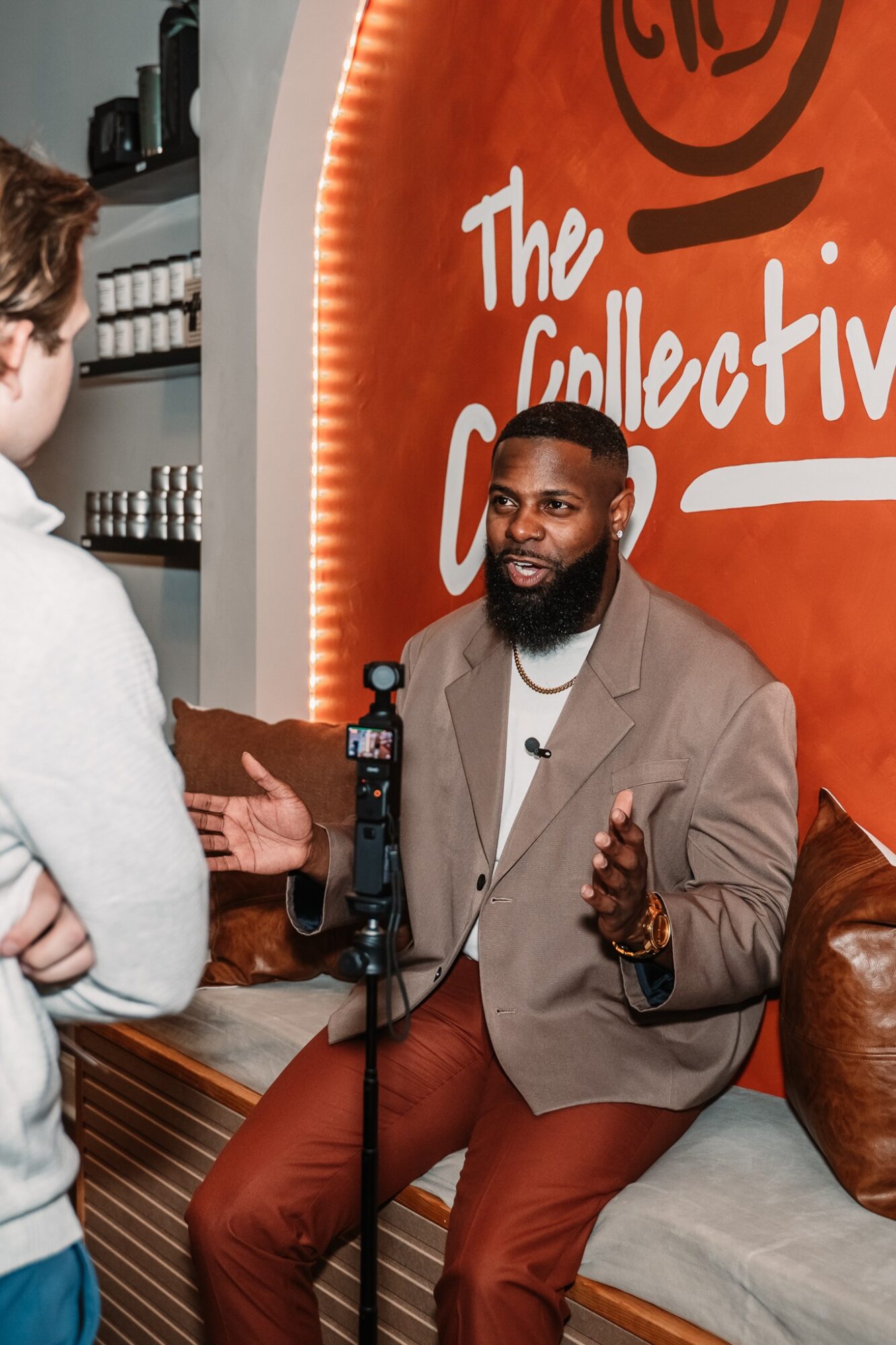
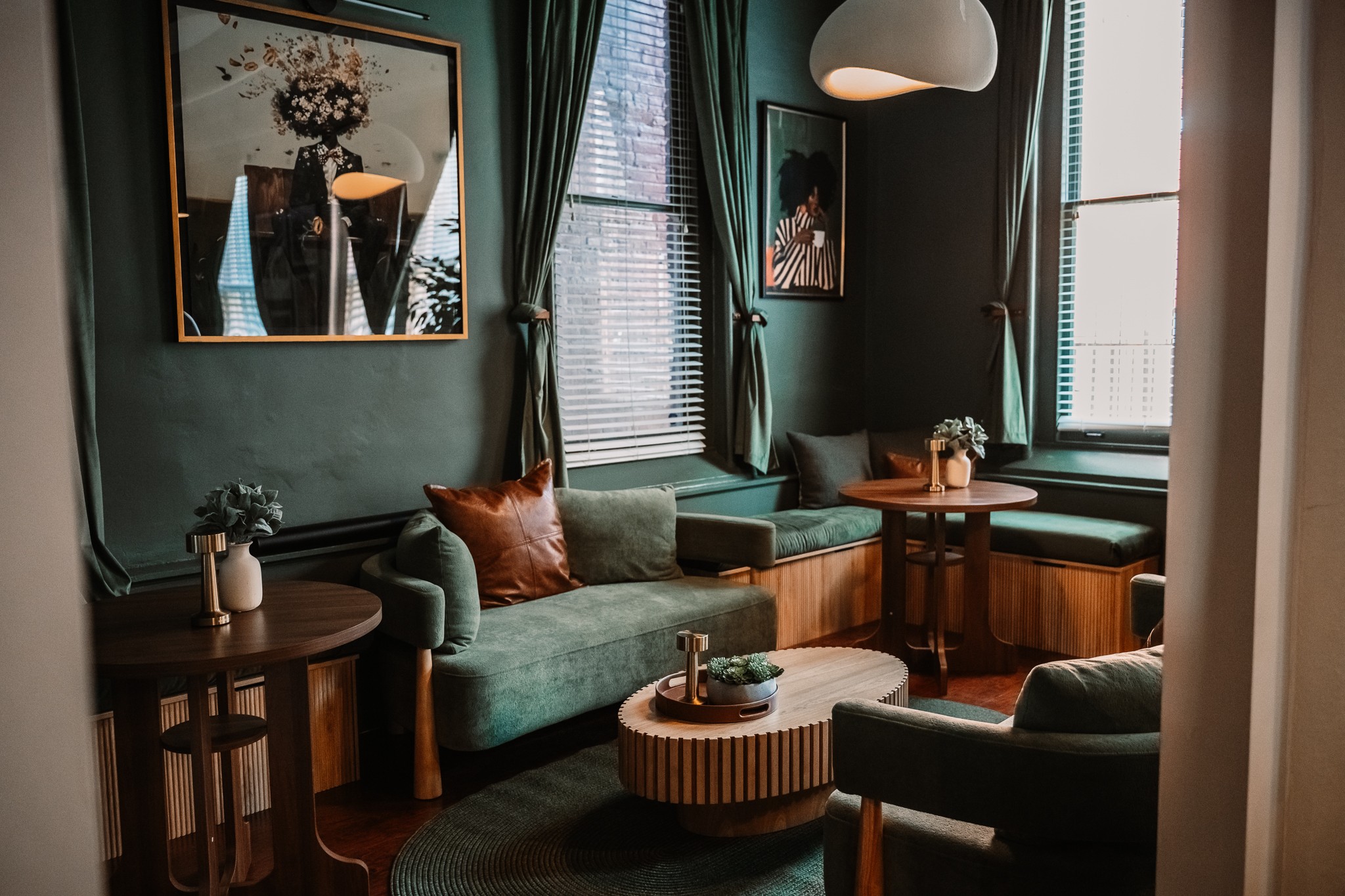
Located at 104 N. 19th Street in Richmond’s historic Shockoe Bottom neighborhood, The Collective Cup is a community-centered coffee shop created through Our Community Home. While we serve coffee, espresso beverages, specialty lattes, pastries, and other café offerings, our purpose extends far beyond what is on the menu. The Collective Cup was created around a simple but powerful idea: A cup of coffee can be the beginning of a conversation, a relationship, an opportunity, or even a life-changing connection.
I wanted to create a space where people could feel welcomed, inspired, and connected, regardless of their background, profession, or circumstances. The Collective Cup brings together coffee culture, entrepreneurship, wellness, creativity, and community engagement. We offer a comfortable environment for individuals to work, study, meet with colleagues, or simply take a moment for themselves. We also provide opportunities for private events, professional meetings, networking experiences, community gatherings, and wellness-centered programming.
What makes The Collective Cup especially meaningful is its connection to the broader mission of Our Community Home. The coffee shop is part of our vision for creating workforce development opportunities, supporting economic empowerment, and demonstrating how a social enterprise can combine business sustainability with community impact. I am particularly proud that The Collective Cup challenges traditional perceptions of what a nonprofit initiative can look like. Social impact does not always have to be presented through a traditional program or service. Sometimes it can look like a beautifully designed coffee shop, an inviting atmosphere, exceptional customer service, and a business model intentionally connected to a greater purpose. I want people to visit The Collective Cup because they genuinely love the coffee, the atmosphere, and the experience. And I want them to feel even better knowing that the business represents something meaningful for the community. Every cup is an opportunity to connect. Every connection is an opportunity to create impact.
What Sets Our Brands Apart
I believe what truly distinguishes these organizations is that they are not built around disconnected services. They are built around a shared understanding of the human experience. Through my work as a Licensed Professional Counselor and healthcare administrator, I have learned that mental health, housing, employment, financial stability, social connection, and community belonging are deeply interconnected. You cannot always separate someone’s emotional well-being from the environment in which they live. You cannot expect sustainable recovery without considering the barriers that make independence difficult. And you cannot build stronger communities without creating spaces where people feel connected, respected, and empowered. That understanding influences how I lead and how our organizations operate.
LEVELS helps individuals address behavioral health challenges and work toward emotional stability. Our Community Home focuses on removing barriers and creating opportunities for sustainable independence. The Collective Cup brings people together while advancing our vision for community engagement and economic empowerment. We are not just responding to problems. We are working to create an environment where people have a greater opportunity to succeed. Another important distinction is our commitment to combining professional excellence with genuine compassion. I believe organizations can be innovative, financially responsible, and operationally strong without losing the human connection that makes their work meaningful. For me, business success and social responsibility should never be mutually exclusive.
What I Am Most Proud Of
When I think about what makes me most proud from a branding perspective, it is not simply the logos, the websites, the physical locations, or even the recognition our organizations have received. It is the fact that each brand stands for something bigger than the services or products it provides. LEVELS represents hope and the belief that people can rise above difficult circumstances. Our Community Home represents belonging, second chances, and the opportunity to rebuild. The Collective Cup represents connection, creativity, and the power of bringing people together around a shared sense of community. I am also proud that these organizations are creating opportunities for other people to grow. Whether it is a behavioral health professional developing into a leader, an individual in recovery working toward independence, or a community member discovering a new connection through The Collective Cup, I want our organizations to be places where people recognize their own potential. I don’t want our brands to be known only for what we offer. I want them to be remembered for how we make people feel and the possibilities we help them discover.
What I Want Readers to Know
If there is one thing I want readers to understand, it is that our organizations were created with intention, and there is a place for the community to be part of that mission. If you or someone you love needs behavioral health support, LEVELS is committed to providing compassionate, professional care. If you are passionate about recovery, housing stability, workforce development, or helping individuals overcome barriers to independence, Our Community Home offers opportunities to support meaningful community change through partnerships, volunteerism, and charitable giving. And if you simply want a great cup of coffee, a welcoming place to connect, or a space to host a meaningful gathering, I invite you to experience The Collective Cup. I also want other entrepreneurs and community leaders to recognize that there is tremendous value in building businesses that solve real problems. You do not have to separate your ambition from your compassion. You can pursue growth, profitability, innovation, and excellence while remaining deeply committed to serving others.
As I look toward the future, my goal is to continue expanding our reach, strengthening our partnerships, developing sustainable opportunities, and creating a model of community-centered entrepreneurship that others can learn from and build upon. Ultimately, I want my legacy to be measured not by how many businesses I owned, but by how many lives were positively impacted because those businesses existed. That is the heart of LEVELS, Our Community Home, and The Collective Cup. Three distinct brands. One shared purpose. A commitment to healing, opportunity, and building communities where everyone has the chance to thrive.
What were you like growing up?
Growing up in Amityville, New York, I was always an outgoing, energetic, and social kid. I grew up with my mother and brothers, and being the middle child definitely shaped my personality. From an early age, I learned how to navigate different personalities, express myself, and find my own identity within my family. I was naturally drawn to people. I enjoyed being outside, spending time with friends, laughing, and simply enjoying life. I was rarely the type of kid who wanted to sit in the house all day. I loved being surrounded by people, building friendships, and finding something exciting to do. Looking back, I think that natural ability to connect with others was one of the earliest signs of the person I would eventually become.
Like many kids growing up, I explored different interests. I played basketball, football, and even ran track for a little while. Although sports didn’t become a long-term passion, I enjoyed the experiences and the opportunity to try different things. I was also really into video games when I was younger, but around the age of 14, my interests shifted. I became much more interested in being outside, socializing, and experiencing life beyond the television screen. One of the more unique parts of my childhood was my early introduction to modeling and acting. My mother enrolled me in modeling and acting opportunities when I was young, and those experiences sparked an interest in fashion, creativity, entertainment, and self-expression that has stayed with me throughout my life. I enjoyed the opportunity to express different sides of my personality, and I believe those early experiences helped me develop confidence and become comfortable presenting myself in different environments.
When I reflect on my childhood, I realize that many of the qualities that define me today were already present back then. I was social, curious, expressive, and interested in connecting with people from different walks of life. I enjoyed trying new things, being creative, and finding ways to stand out while still being part of a community. What’s interesting is that I didn’t grow up knowing I would become a mental health professional, entrepreneur, or leader of multiple organizations. Those weren’t necessarily the dreams I had as a young boy in Amityville. But I can now see how my personality and early experiences helped prepare me for the path I eventually chose. My love for people evolved into a passion for understanding and helping them. My outgoing personality became an asset in building relationships, leading teams, and connecting with communities. And my early interest in modeling, acting, and creativity continues to influence my appreciation for fashion, branding, entrepreneurship, and creating experiences that bring people together.
I think the biggest difference between who I was growing up and who I am today is that I’ve learned how to turn the things that naturally brought me joy into things that create purpose and impact. At my core, I’m still that outgoing kid from Amityville who enjoys people, creativity, new experiences, and meaningful connections. The difference is that today, I have a much greater understanding of how those qualities can be used to inspire others, create opportunities, and build something bigger than myself. Looking back, I wasn’t necessarily preparing to become an entrepreneur or community leader. I was simply being myself. And sometimes, the very things that make you who you are as a child become the foundation for the person you’re destined to become.
Contact Info:
- Website: https://WWW.GREGORYMARCELLE.COM
- Instagram: @DR.GMARCELLE @OURCOMMUNITYHOME @THE_COLLECTIVE_CUP
- LinkedIn: https://www.linkedin.com/in/dr-gregory-marcelle-56a935190/