





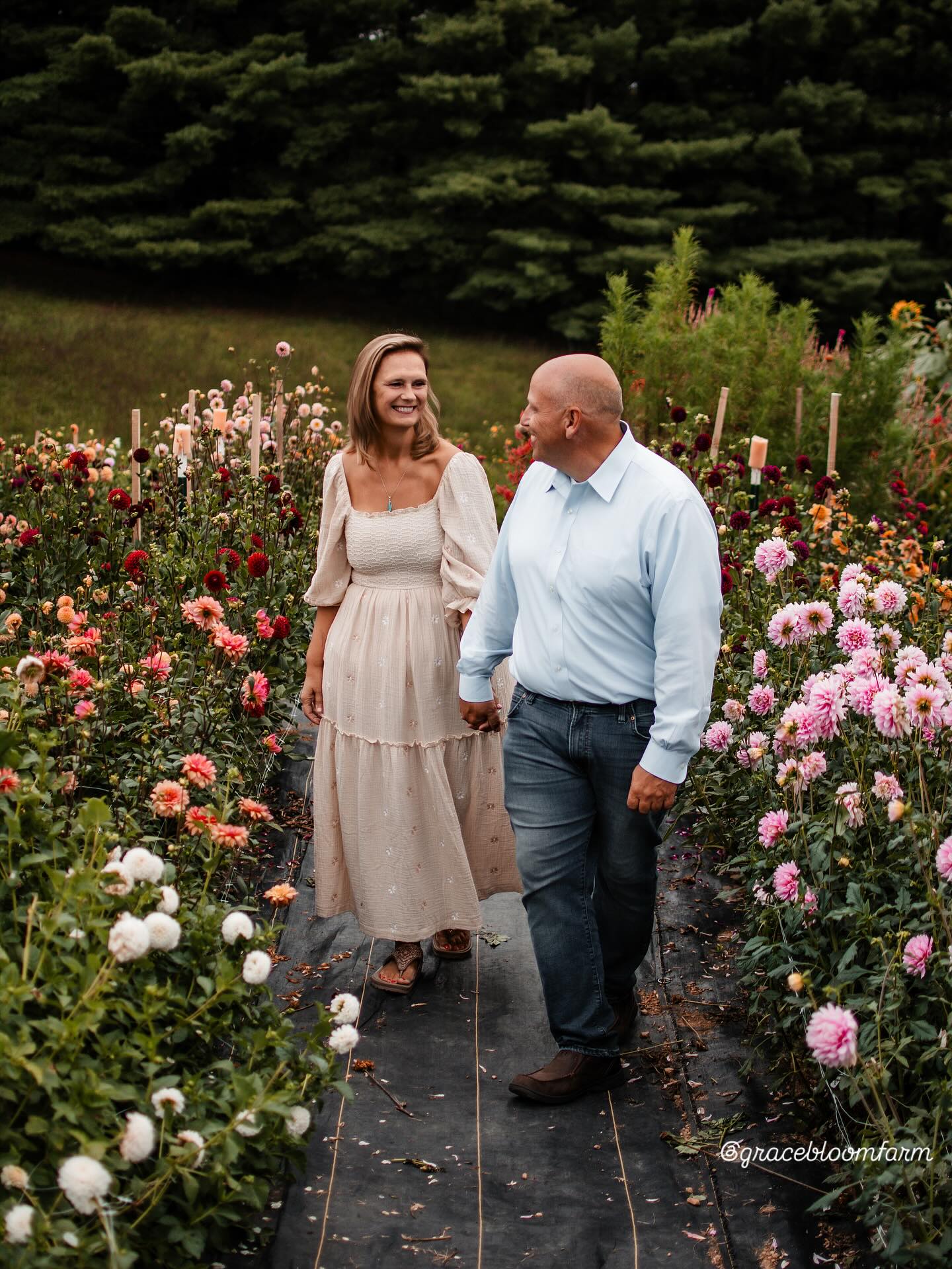
Today we’d like to introduce you to Kimberly Johnston.
Kimberly, we appreciate you taking the time to share your story with us today. Where does your story begin?
I grew up beside a small creek tucked between two mountain ranges in southwest Virginia, where the rhythms of nature shaped the rhythm of daily life. My grandmother always kept chickens, tended a generous vegetable garden, and filled the yard with flowers. I’m certain that’s where my love for blooms first took root—and where my lifelong dislike of weeding began.
As the years passed, my mother found more time to devote to her own flower beds. When I lost her to ovarian cancer in 2016, I felt an unexpected pull back to the land. I found myself reaching for the same flowers that colored my childhood—plants that carried the memory of my mother, my grandmother, and the generations before us. In caring for those blooms, I found a way to care for my grief. Flowers, in their quiet resilience, healed my soul.
In 2021, I began growing heirloom flowers and dahlia tubers with intention—with passion, peace, and reverence for the past. Now, in this next chapter of my life, I find joy in the simple act of getting dirt beneath my nails and nurturing the same varieties my grandmother once grew. What started as a personal refuge has become something I now share with others. Through farm events, you-pick days, and photography sessions, I invite people into this little world of color and memory.
It brings me joy—and sharing that joy has become its own kind of bloom.
Would you say it’s been a smooth road, and if not what are some of the biggest challenges you’ve faced along the way?
It has not been a smooth road. I have had to change directions several times. I feel you have to find your place in any business or passion. Flower farming for me is both. I never want to lose that love I have for it. So, if making vases to sell and hauling them to stores and returning a few days later with dying flowers didn’t make me happy – I stopped. It was depressing and it hurt my soul. I know all businesses do not have this option, but I have worked hard to start small and grow slow to keep changing my business plan to a viable option.
Five years in, I run a cash only business – no loans. I have no overhead, so, if I want to change the way I do things – I simply stop, re-evaluate, and make a new plan. That was part of the advice I received from taking a workshop with a wonderful entrepreneur and flower farmer, Erin Benzekein. Start slow – keep overhead low – use only what equipment you need to keep costs down. Saving money is important as we farm as organically as possible. We are always learning new techniques to protect and enhance the farm and be good stewards of the land.
I found I love seeing people enjoying the flower field – whether they are taking family photos, cutting a bouquet with their daughter in the field, or sitting and having a cup of coffee while they soak in the early morning – that is what makes me happy. I love seeing the joy on their faces and talking tips and techniques with them.
Alright, so let’s switch gears a bit and talk business. What should we know about your work?
I’ve come to see flower farming as a true art form. It requires careful planning, an understanding of seasons and timing, and a working knowledge of planting practices, soil science, and more. But at the heart of it all, you are creating art—living, ever‑changing art. The farm becomes a canvas of color and texture, feeding the soil beneath it, supporting the wildlife around it, and nourishing the spirits of everyone who steps into the field or carries a bouquet home.
Our work extends into moments that matter. We collaborate with DIY brides and event planners who want to infuse their celebrations with flowers that reflect their own style, values, and joy. I especially love working with students who are drawn to agriculture but want to contribute something nurturing, sustainable, and beautiful to the world. Our honeybees pollinate the fields, and this year we’ll harvest our first batch of local honey—a milestone that feels like a sweet reward for years of tending. We’re always opening new creative doors, following wherever curiosity and care lead us.
Today, our dahlia farm boasts more than 100 varieties grown for tuber production, and this year we finally launched online sales—a dream long in the making. Each season, thousands of unique heritage blooms unfurl across the farm. From April until the first frost, the fields are alive with color. Even into December, long after the blooms fade, professional photographers continue to visit with their sweet clients, capturing memories framed by the quiet beauty of the farm.
We’ve hosted brides and their bridal parties, offered the land as a backdrop for family gatherings, and welcomed people from across the region—some traveling from as far as Tennessee and Florida. Giving back to the community has always been woven into the purpose of the farm, and seeing it become a destination for visitors near and far is one of my greatest joys.
Do you have recommendations for books, apps, blogs, etc?
I would say most of my books, blogs and resources are all about flowers.
Floretflowers.com has so many resources in their free library as well as an excellent workshop I participate in each year.
I am constantly educating myself through books like Discovering Dahlias and Cut Flower Garden by Erin Benzakein.
Farmer Bailey has an amazing podcast and blogs as well as a resource guide on his website Farmerbailey.com.
ASCFG.org is a wonderful association to join as a flower farmer with a great community and resources as well. There is a fee to join.
Contact Info:
- Website: https://gracebloomfarm.com/
- Instagram: https://www.instagram.com/gracebloomfarm/
- Facebook: https://www.facebook.com/gracebloomfarm
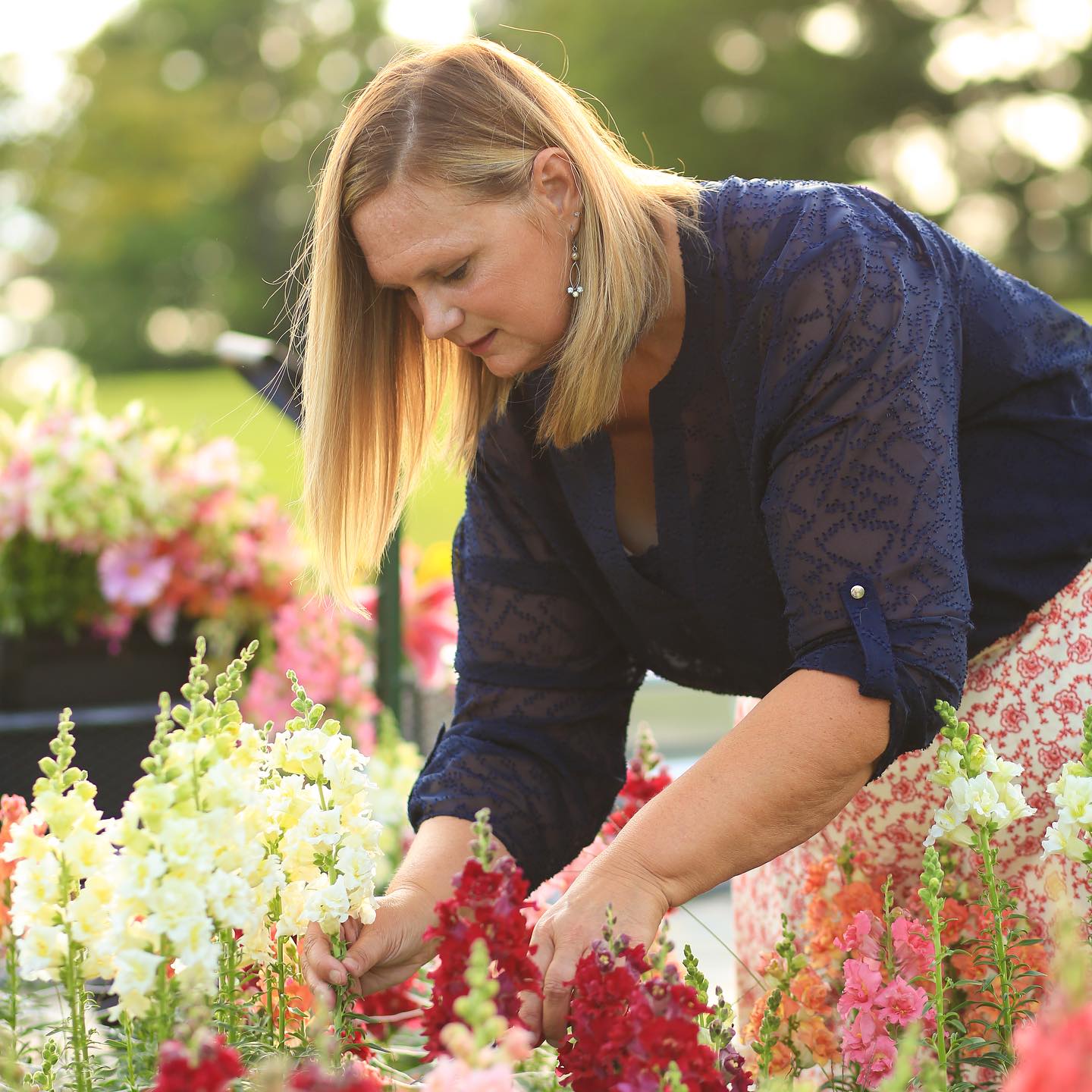
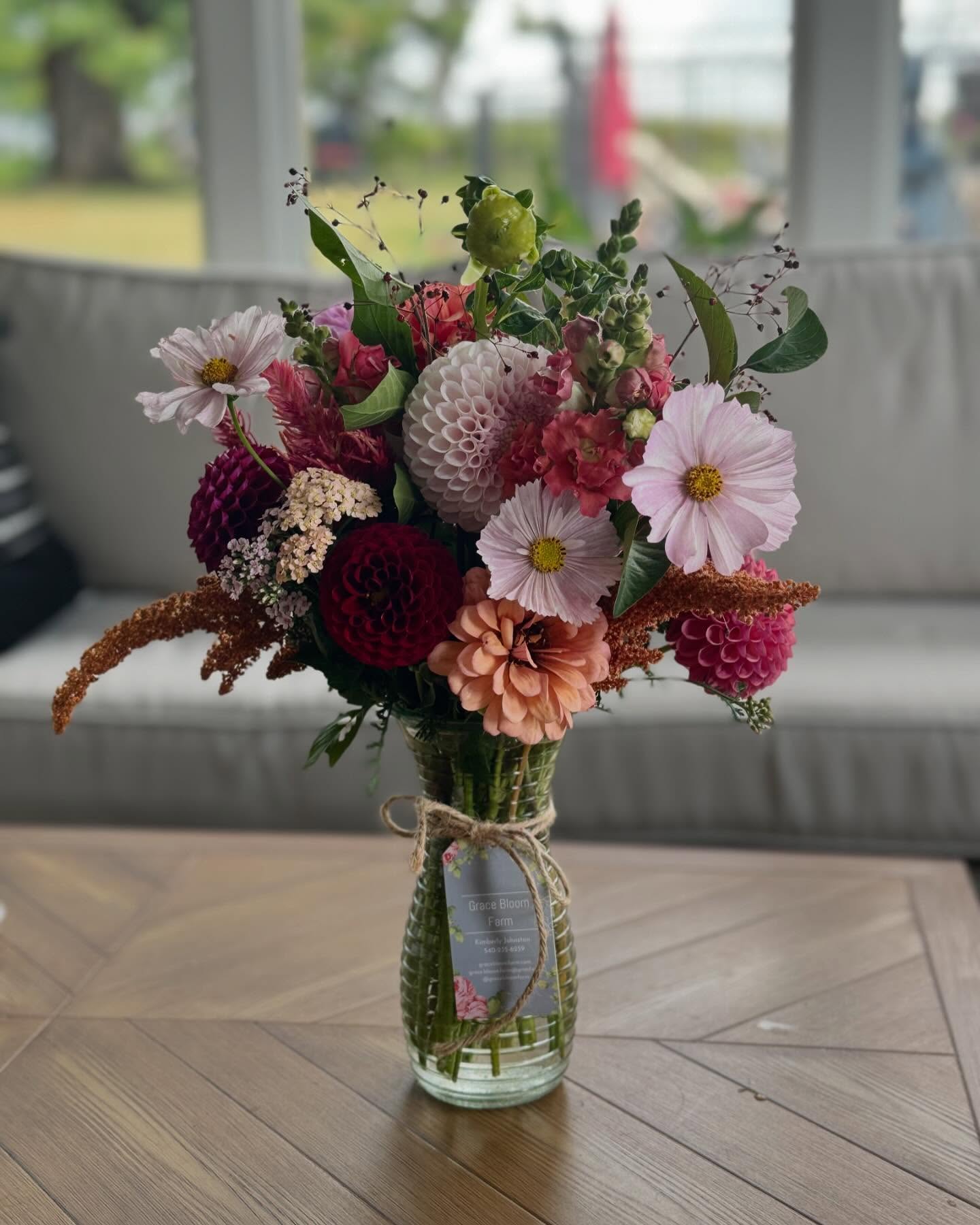
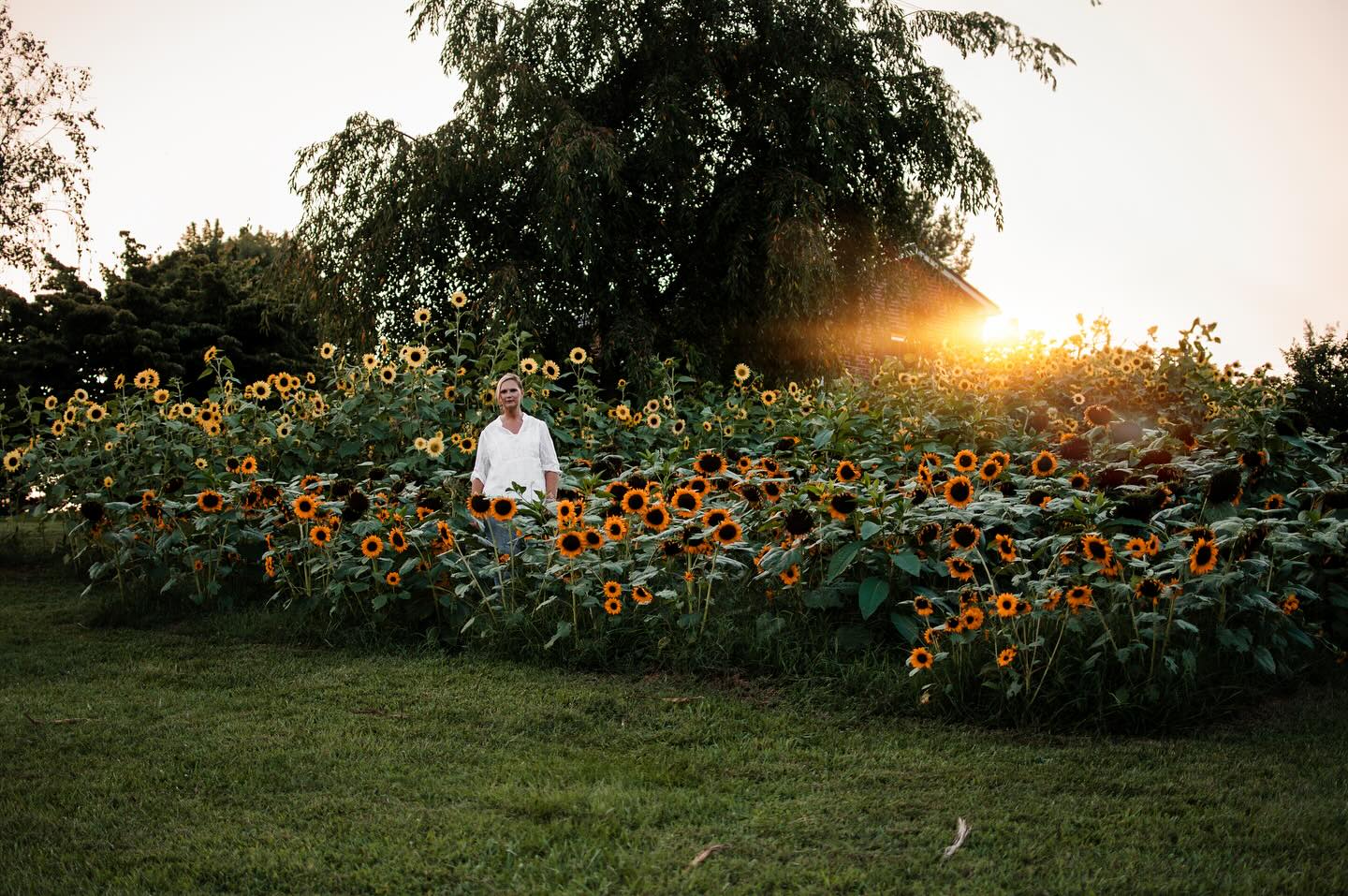
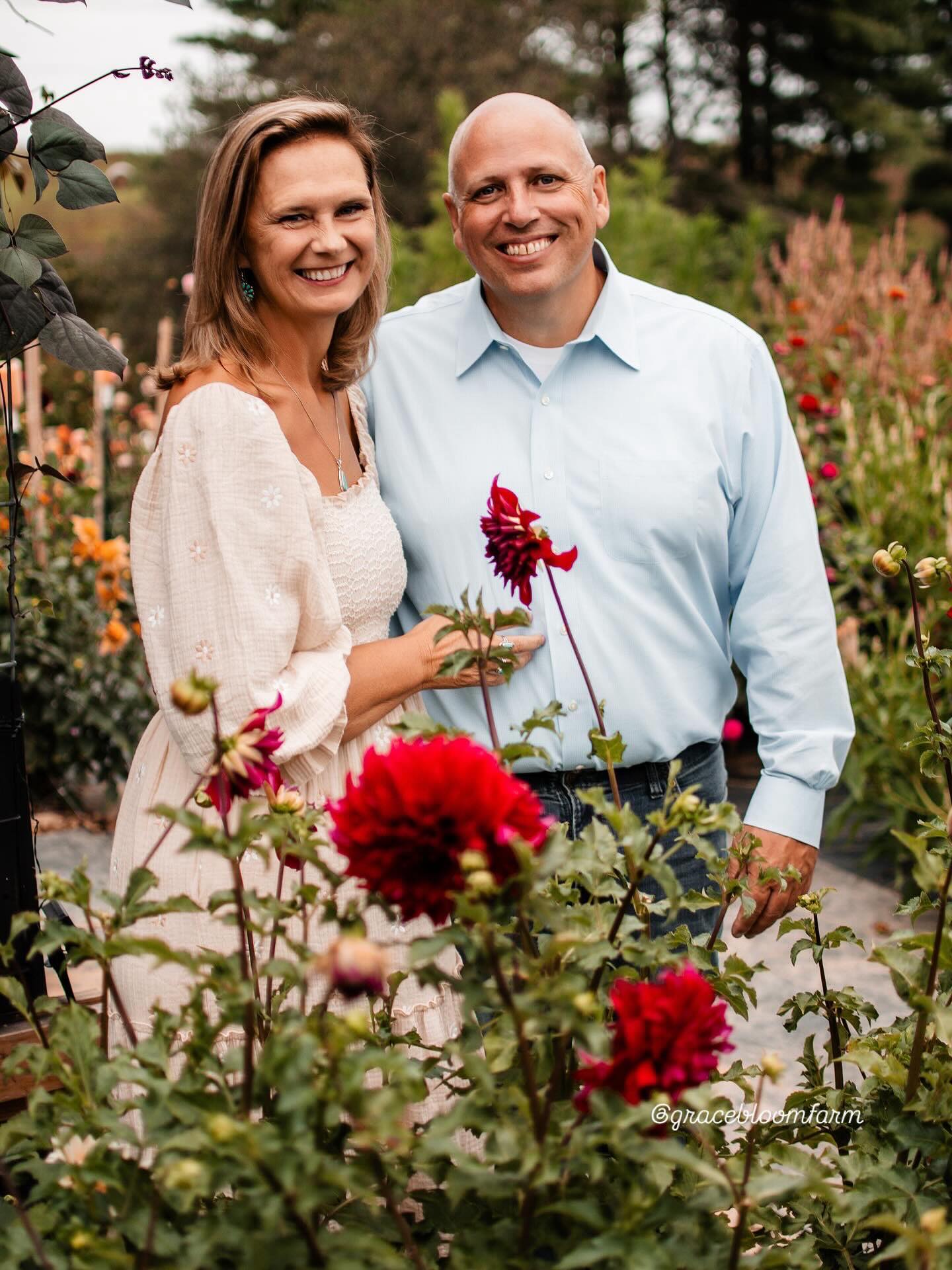
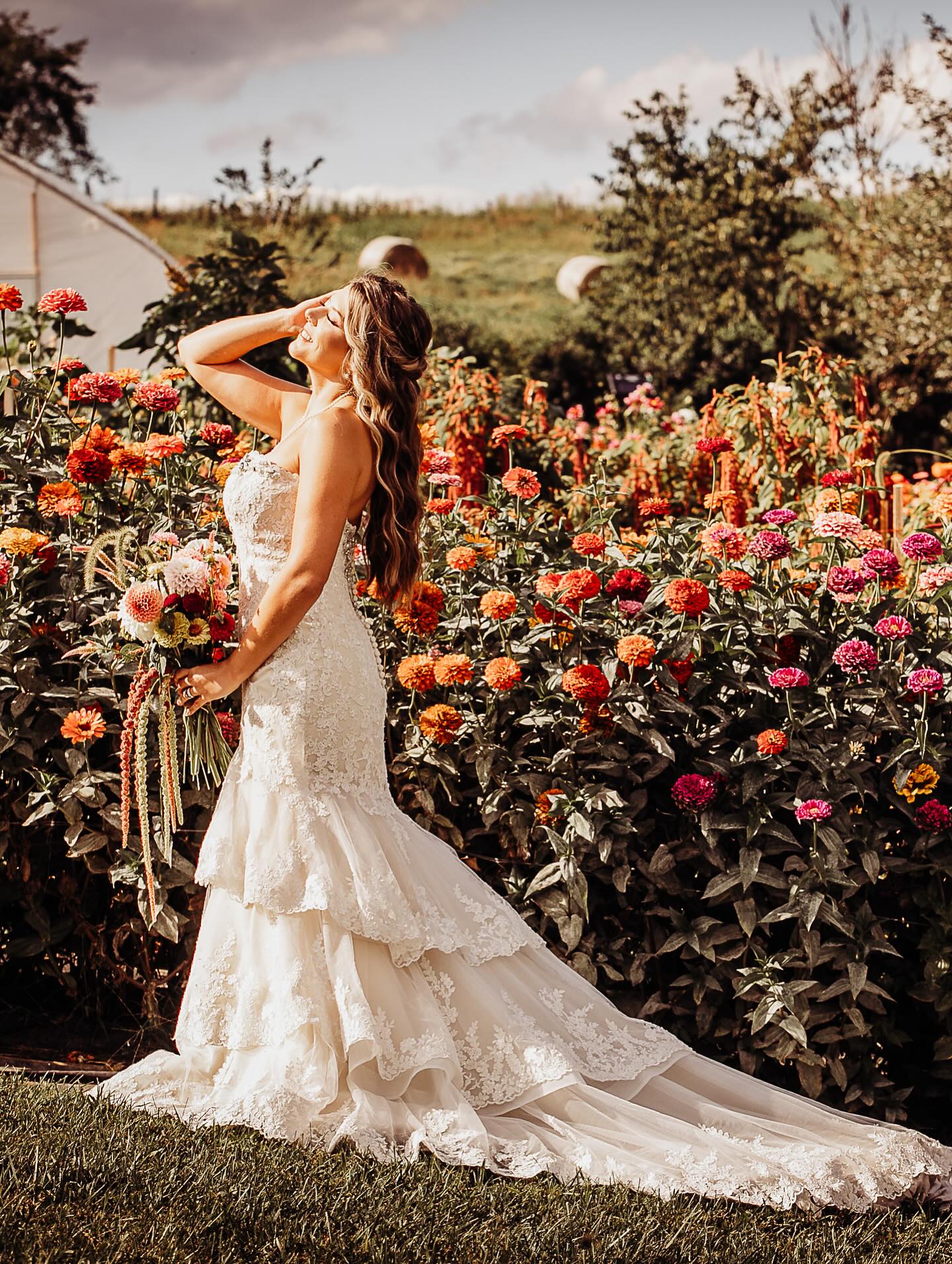
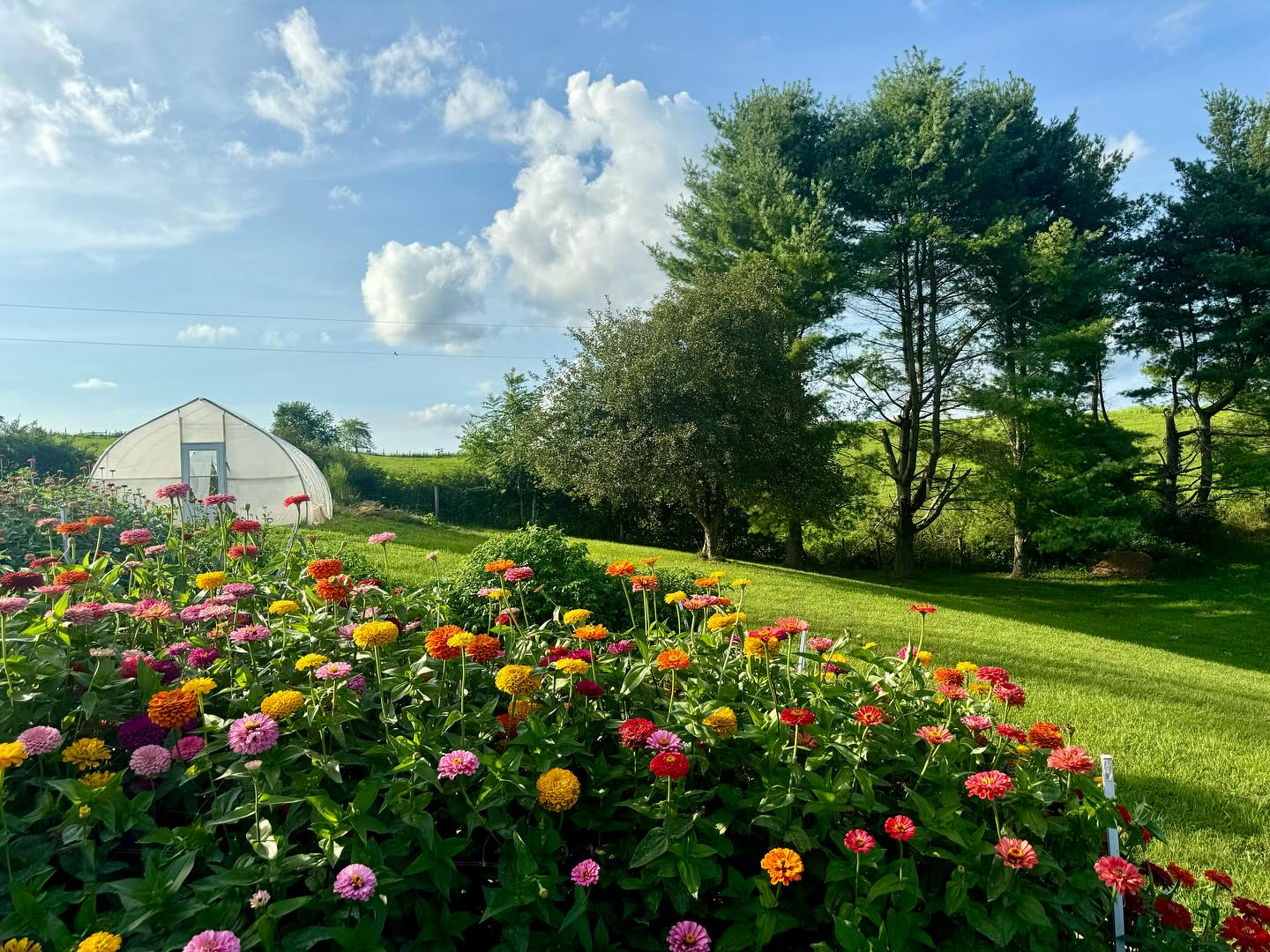
Image Credits
Audrey Cullip Photography
J Marie Photography
Kimberly Johnston at Grace Bloom Farm
Kristin Jarrells Photography