




Today we’d like to introduce you to Peter Davis.
Peter, we appreciate you taking the time to share your story with us today. Where does your story begin?
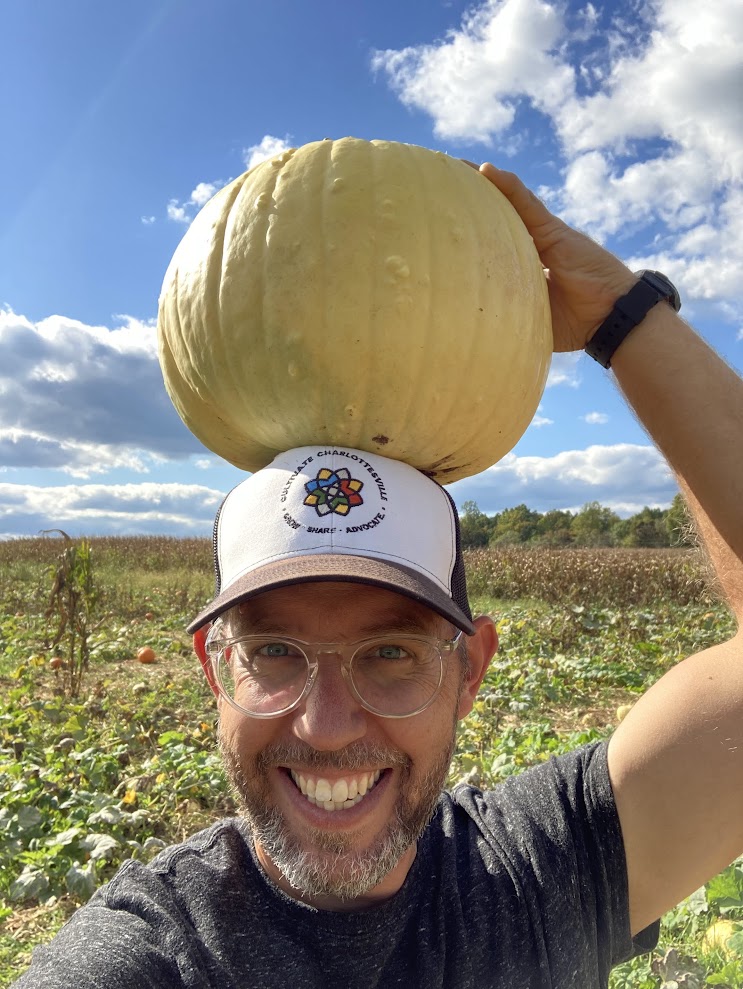
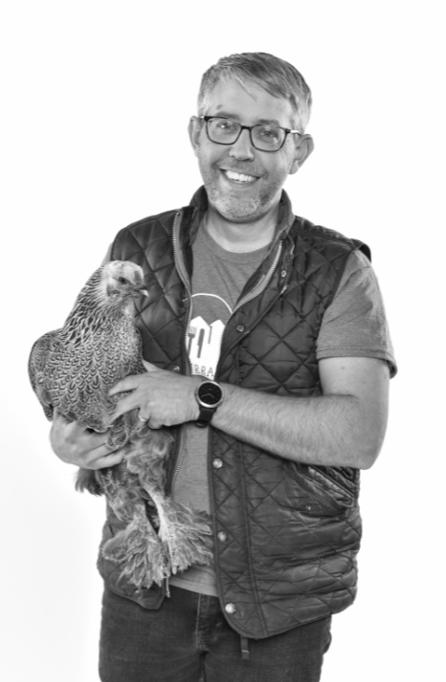
My father-in-law bought two tomato plants for our young family to grow on our apartment patio when he visited us in Los Angeles in 2006 and I was hooked. I grew up helping my dad with building and yard projects and had always enjoyed working outdoors, so this was a logical next step. At each place we moved from a townhouse in Charlotte, North Carolina to a few different rental houses here in Charlottesville, I put in progressively bigger gardens until it was time to buy a house with a little land. We moved into our little fixer-upper house on 2 acres just outside of Charlottesville with our three young kids 12 years ago and immediately built a chicken coop followed by a big garden – we were on our way to being proper homesteaders! But about that same time, I started leading the charge to overhaul a small garden behind Charlottesville High School where I was a special education teacher.
The after school garden renovation project quickly turned into a class called Garden to Market for students with disabilities. I worked to improve the garden one class period at a time with my students while helping them learn important skills and reap the benefits of a hands-on, outdoor experience during the school day.
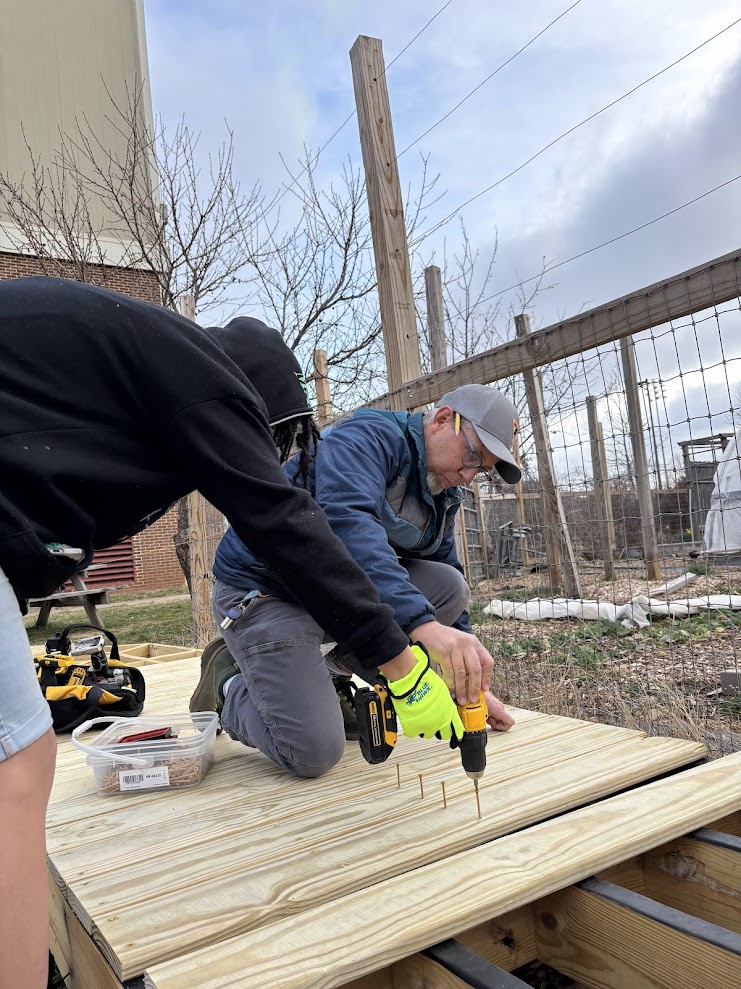
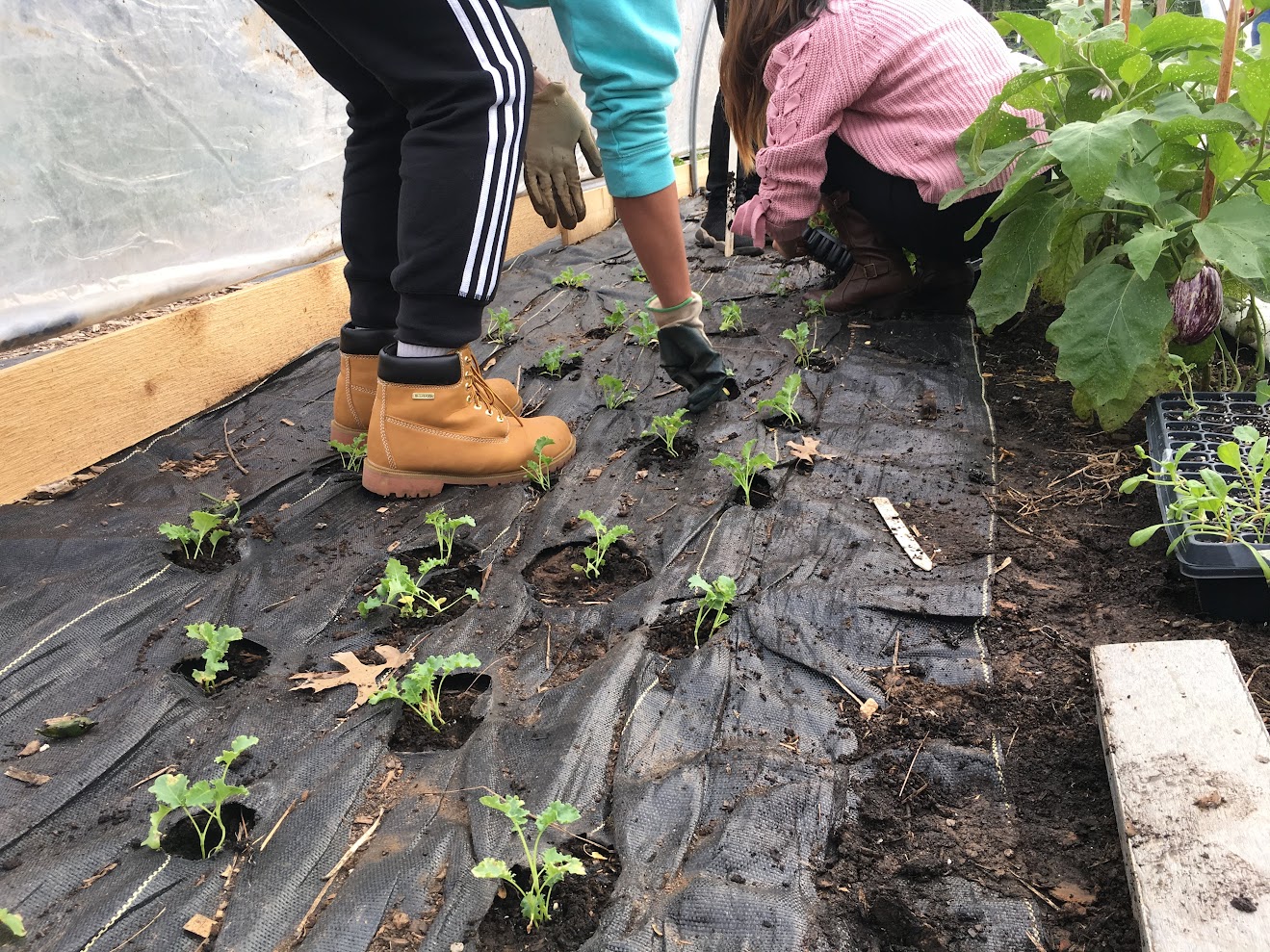
After a few years of teaching the one-off gardening class, I was able to open the courses up to all students and I became the full time Urban Farming teacher. With my entire school day focused on teaching Urban Farming, we were able to expand the garden over the years by adding chickens, a high tunnel, more growing space, fruit trees, rainwater harvesting, irrigation systems, wheelchair accessible walkways, wildflower gardens and a professional level post-harvest pack station for the produce including a walk-in cooler.
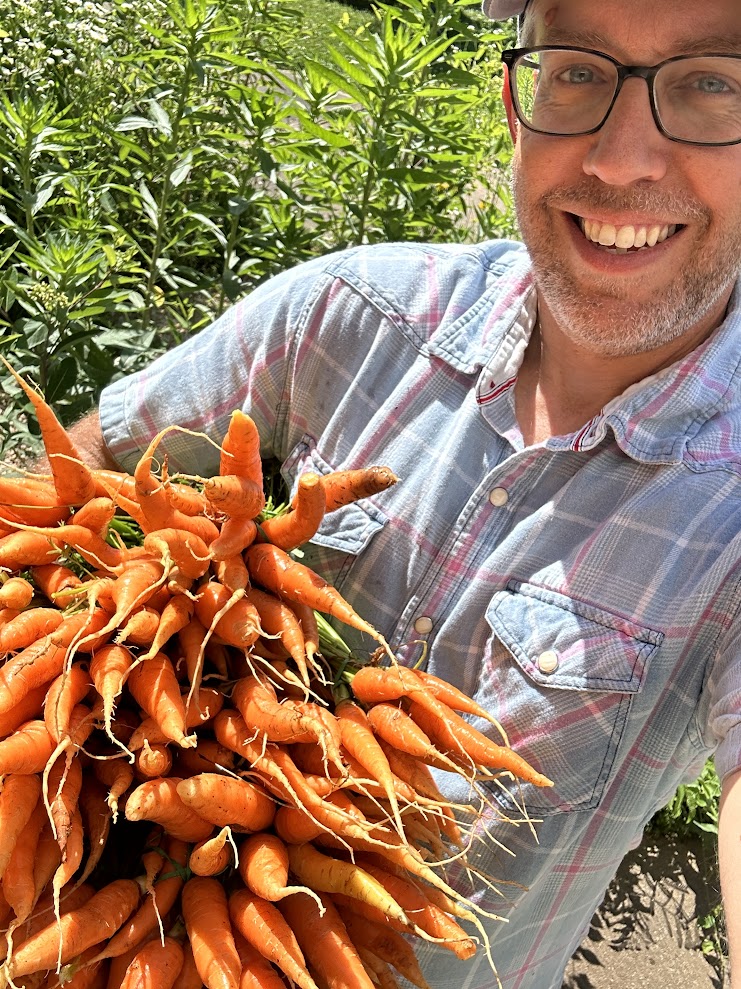
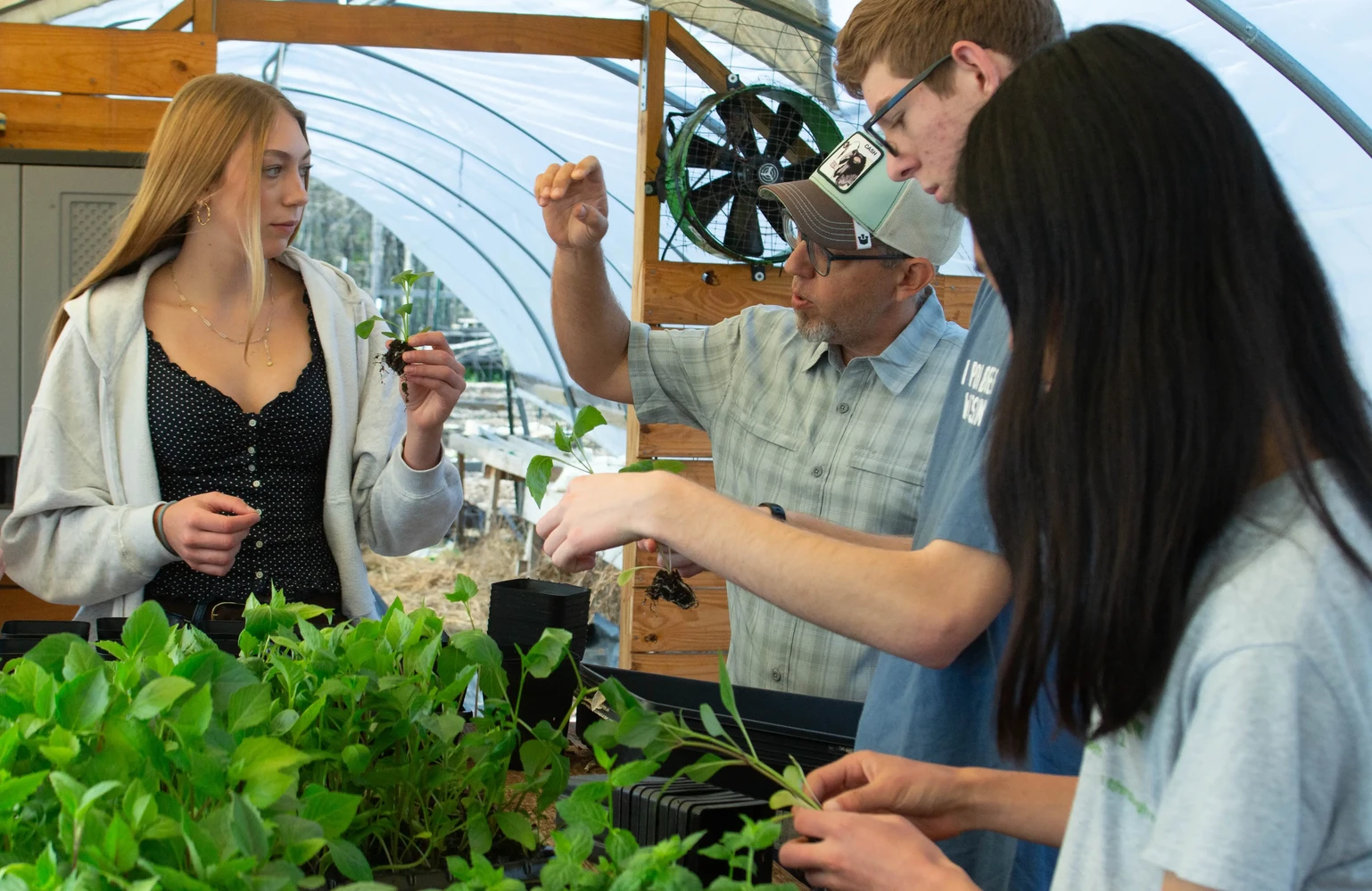
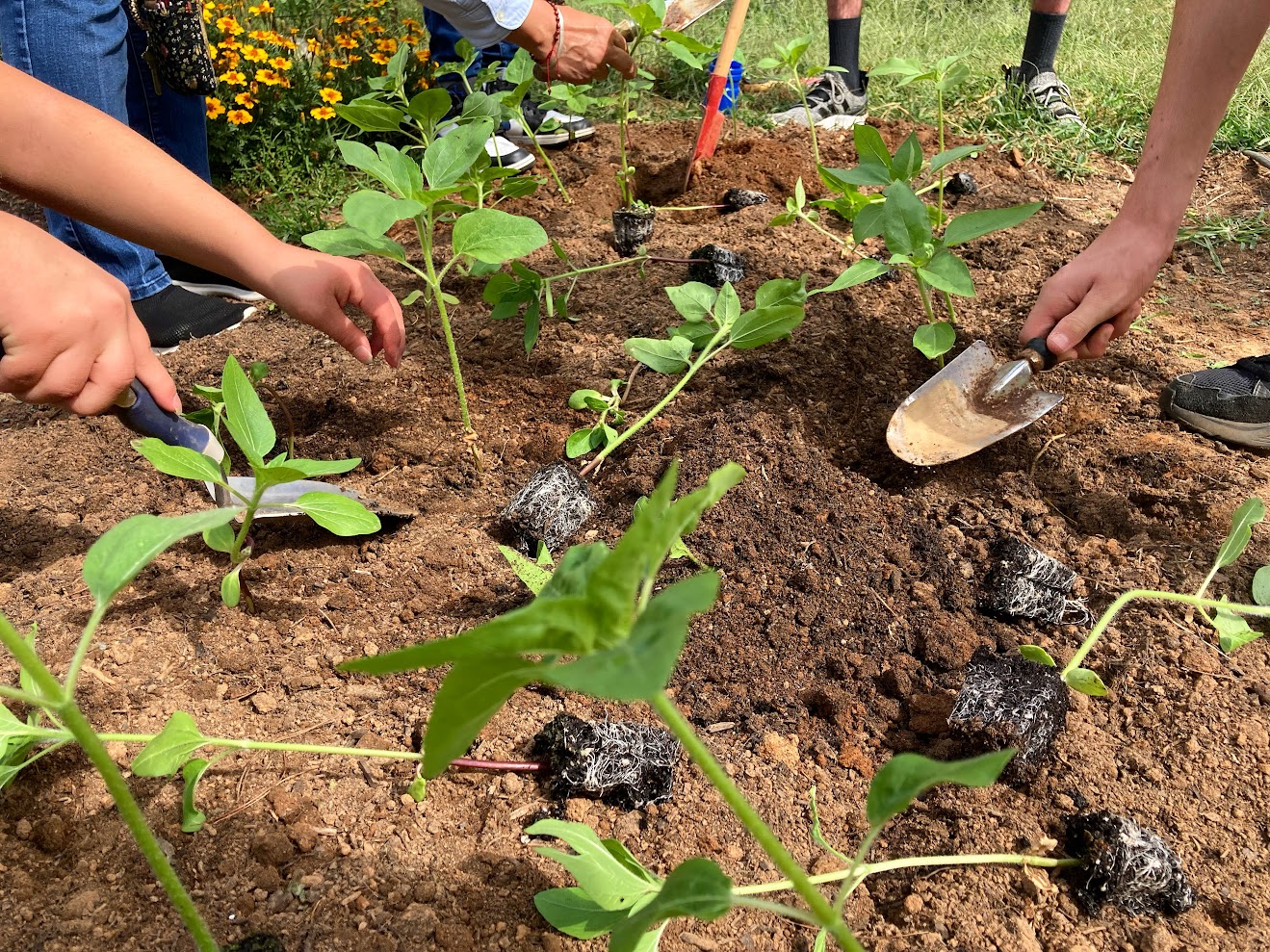
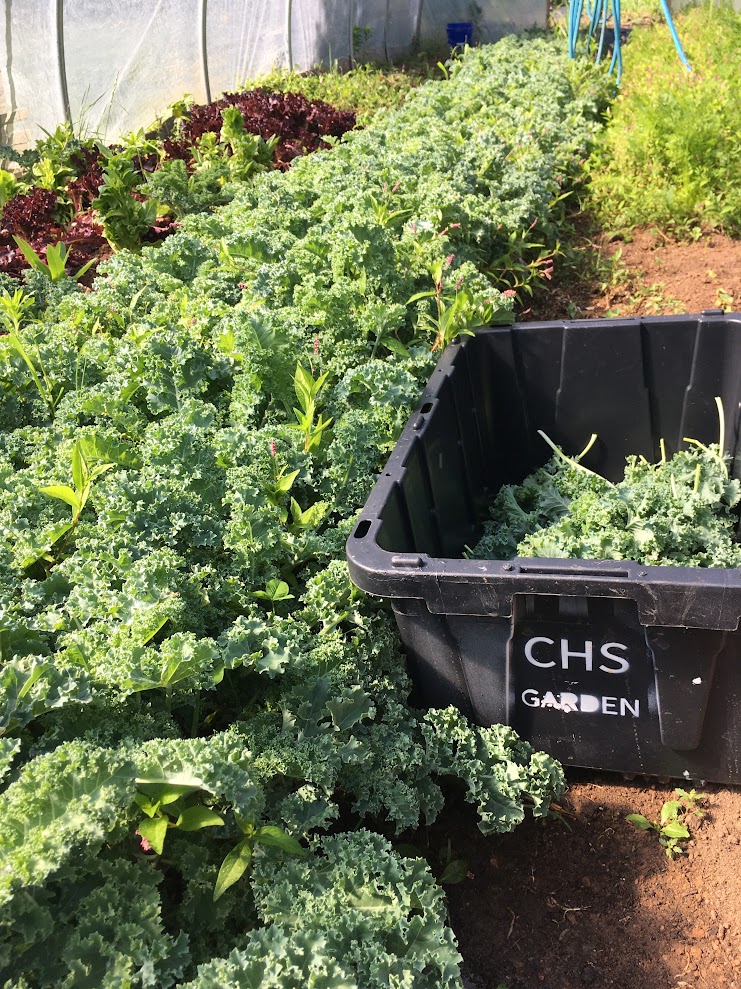
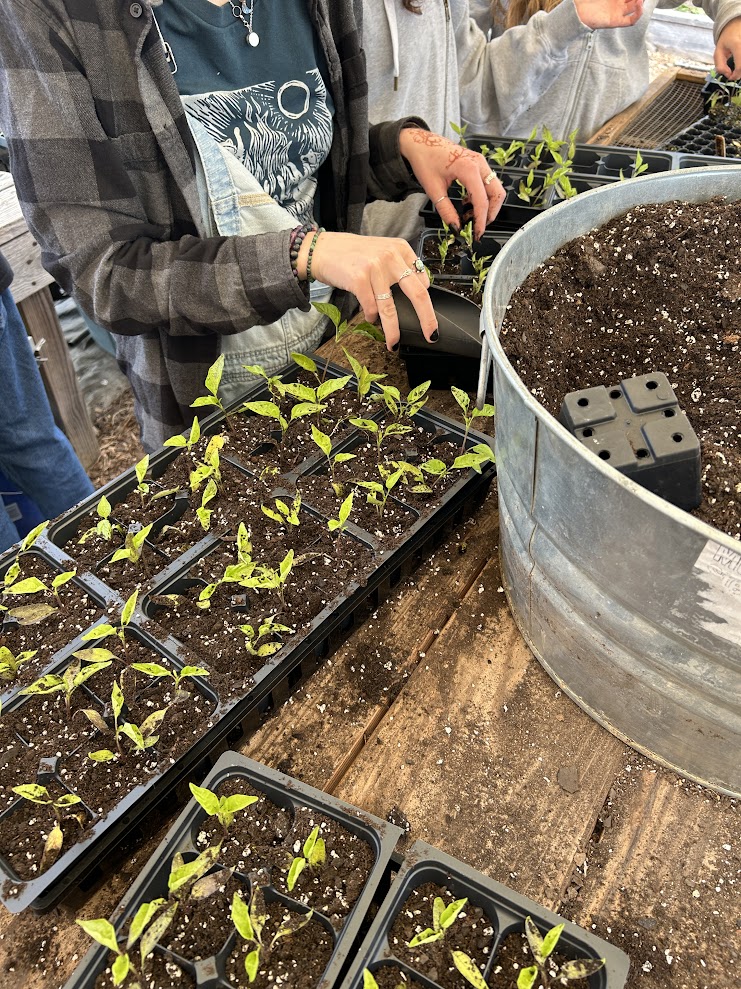
We are capable of growing over 2000 lbs of produce annually and have begun providing fresh produce to our school’s cafeteria. We also grow over 6000 fruit, vegetable, flower and herb seedlings from seed or propagation each spring. These plants are either sold at our annual plant sale and open house, donated to local charities or planted on our school farm by our city schools’ third grade students who visit each year for a day on the farm.
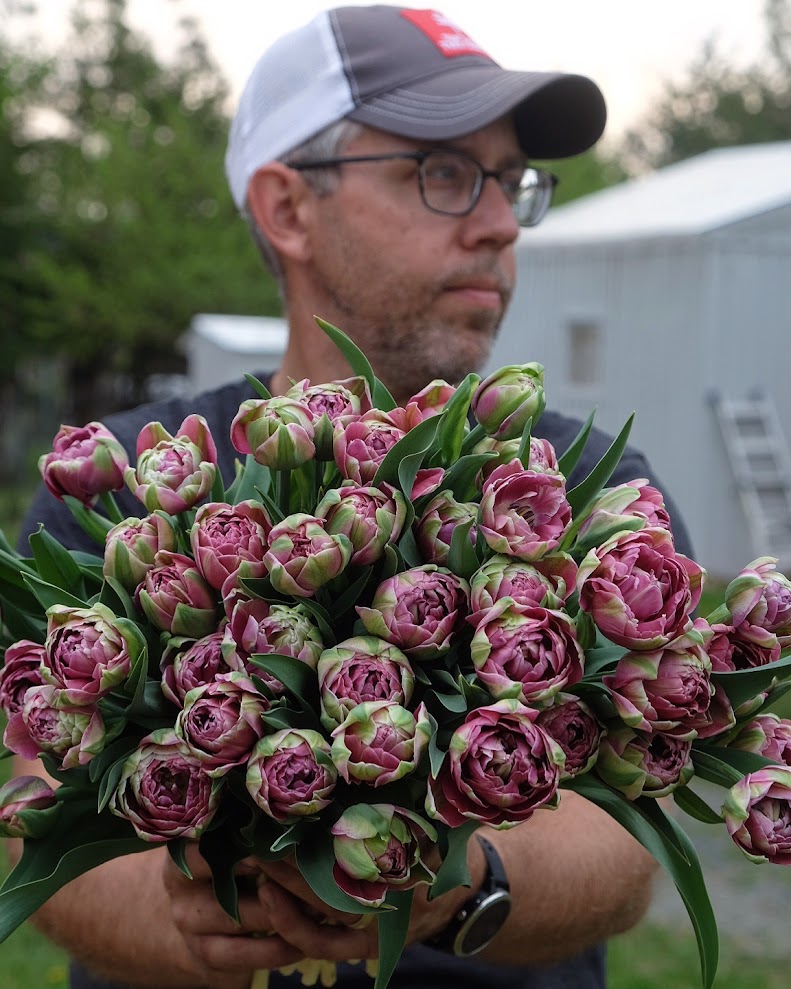
In the spring of 2020, my wife and I expanded our homesteading garden and converted the field into a cut flower farm called Foothills Flower Farm. Growing and selling flowers is her full time job now and I joke that it’s my other full time job. If I’m not involved in farming projects at school, I’m fully engaged at home on our small farm. I keep all my tools in the back of my old Honda Pilot because I’m always in need of something at either farm.
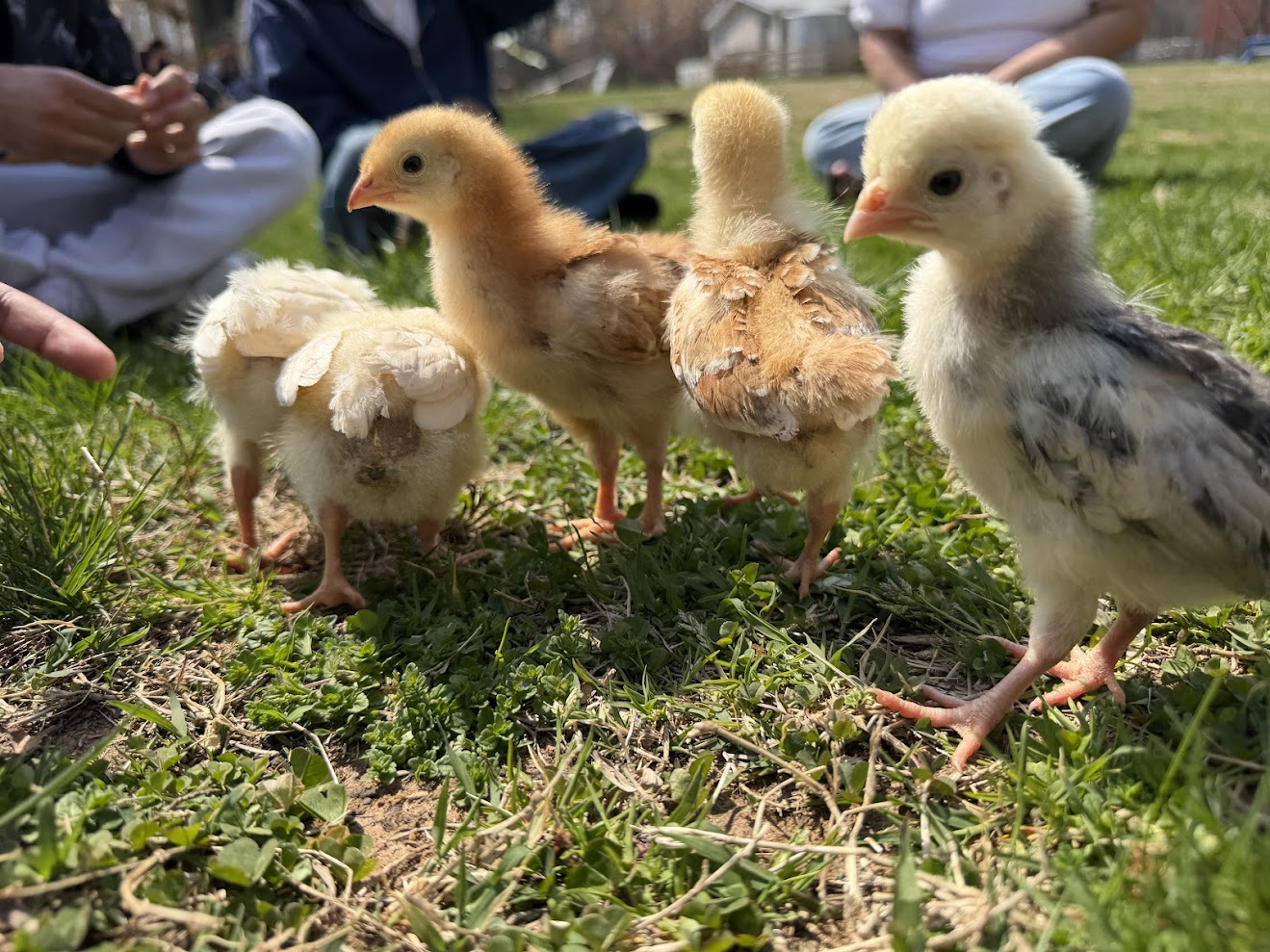
Back at Charlottesville High School, I now have six full classes each year directly serving about 120 students. The school garden has become a hub of daily activity where seven different content departments access the garden for academic, art or social reasons. The flock of 14 chickens get daily visits by staff and students and are very well loved. I’m excited to see where this journey will take the CHS Urban Farming program because I feel like we are just hitting our stride!
Alright, so let’s dig a little deeper into the story – has it been an easy path overall and if not, what were the challenges you’ve had to overcome?
Building an unconventional program in the public education setting is never a smooth road! I’m fortunate to have a supportive (and relatively small) city school district, but the beginnings of the Urban Farming program were very small and extremely humble. I had a vision that it could be everything it is today, but it took a lot of convincing and a years of steady progress, faithful attention to all the little details, and partnerships with the right people and organizations to earn the full trust of our leadership teams. I’ve had to develop all the systems, procedures, and plans from scratch. I’ve had to seek out funding opportunities and grants. My students and I have built 90% of the infrastructure of the farm along the way. We’ve experienced drought, late freezes and major pressure from the local wildlife and pests. Farming can be difficult. Teaching can be difficult. I combined those two things together, so there’s always a challenge or problem to be solved!
Thanks for sharing that. So, maybe next you can tell us a bit more about your work?
Well, I feel like I’ve been mostly talking about my work! On my personal side, I’m most proud of my family. My wife and I just celebrated our 25th anniversary and I couldn’t be more proud of our three children who are 16, 20 and 22. They’re all turning in to kind and hard-working young adults with bright futures. At work, I’m most proud of the the experience that I have created for the students at Charlottesville High School. I don’t know of any schools in our region that have anything quite like we have here. We’ve created a bit of an oasis in the field behind our school. What once was an empty field is now alive with trees, flowers, food, birds, butterflies and bees. On a nice day, you’ll easily find 60 or more students outside with their teachers completing their school work under a fruit tree, reading a book, playing soccer or cricket, feeding the chickens or just lying in the grass soaking up the sun. The work I do not only directly affects the students I have the pleasure to teach each year, but it helps make the high school experience more fun and interesting for our entire school community.
Who else deserves credit in your story?
As I mentioned before, my school division has been incredibly supportive of the Urban Farming program. The principals who have served at our school in the 17 years I’ve been here have all trusted me and given me incredible freedom to create. And I would be remiss if I did not mention the work that a local nonprofit organization called Cultivate Charlottesville has done to pave the way for school gardens to even exist in our school division. They were an invaluable partner in helping me get this program launched providing time, energy, expertise, money and administrative support as I began. We still get to partner together a few times a year to help each other out along the way in this important work of providing garden-based education for our students.
Contact Info:
- Website: www.chsfarming.com and www.foothillsflower.com
- Instagram: @chsfarming and @foothillsflower
- Facebook: @farmingchs