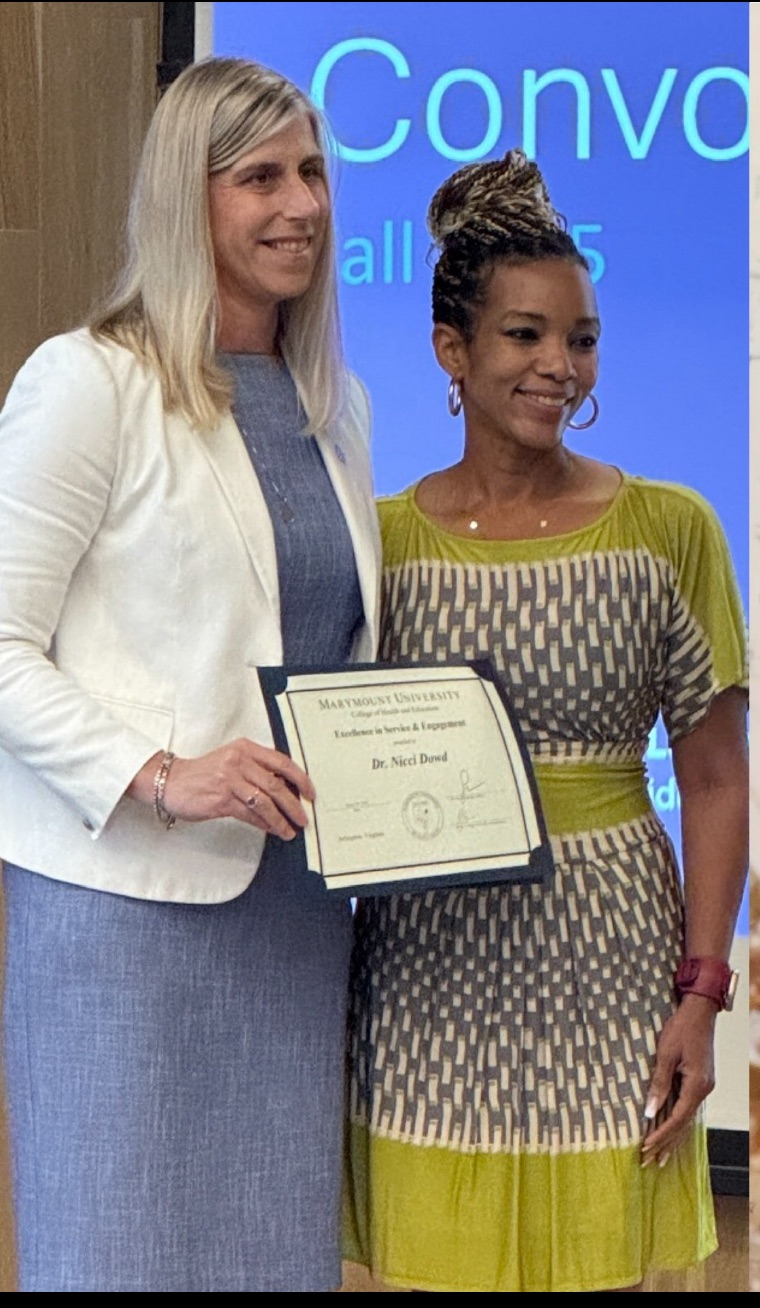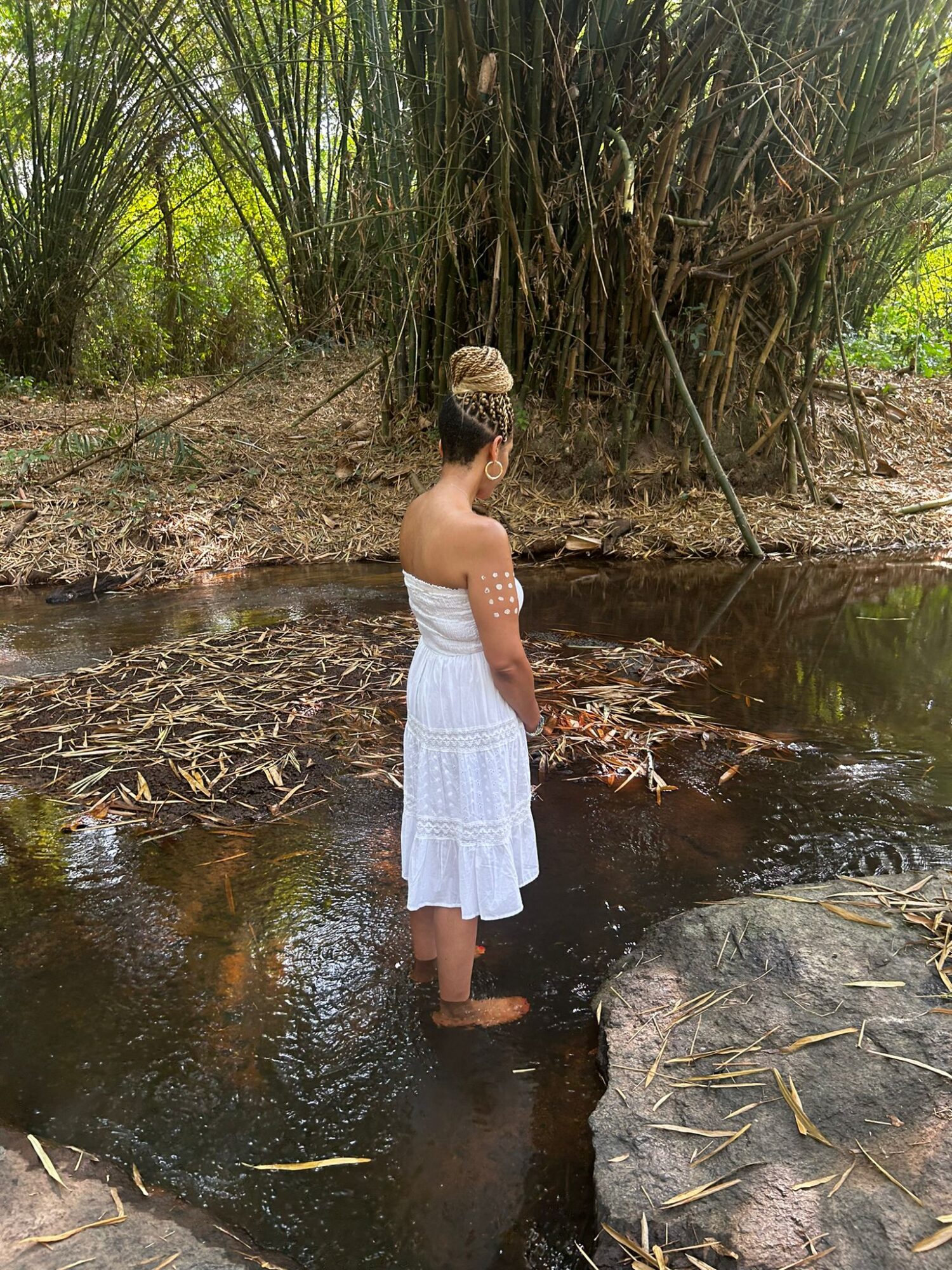





Today we’d like to introduce you to Nicci Dowd.
Hi Nicci, please kick things off for us with an introduction to yourself and your story.
It wasn’t until my son was diagnosed with autism that I began to truly understand inclusive education. I remember sitting at a table surrounded by “experts”. These experts were his teachers, the assistant principal, the school psychologist. They told me, based on their observations and testing, that my son was autistic.
I thought it was interesting that they had picked up on that about him. So I replied, “Well, yeah. His father is artistic, so naturally he would be artistic too.” Someone at the table gently corrected me, “No, not artistic. Autistic.”
They proceeded to tell me all the things my son would not be able to do and how much he was going to struggle in life. The picture they painted was one of doom and gloom. I walked out of that meeting feeling like a failure as a parent. I kept thinking “I’ve failed my son.” I sat in my car in the parking lot and cried through an entire pack of tissues. Then I made a promise to myself: no one would ever make me feel that way again. And no parent should ever be made to feel like a failure.
That day, I decided to go back to school. I wanted to learn everything I could about autism so I could help my son succeed in and out of the classroom. I earned my associate’s degree, then continued on to a bachelor’s in social psychology, a master’s in special education, an educational specialist degree in educational leadership, and finally, a doctorate in K–12 leadership. I pursued the doctorate because I wanted to be in a position to instill in practicing and future teachers the importance of advocacy not just for students with special needs, but for their families as well. At the time of my son’s diagnosis, I didn’t have many advocates.
School administrators often say they are “partners in your child’s education,” but that’s not what I felt. I wanted to change that narrative. I wanted to send a clear message: as educators, we must not predict a child’s success based solely on perceived limitations. We are more than just teachers. We are advocates for every student who enters our classrooms, and for their families. We are their advocates, not their saviors. That message is not only something I share, but something I live. It is the foundation of my practice, and it continues to guide my work with educators from around the world!
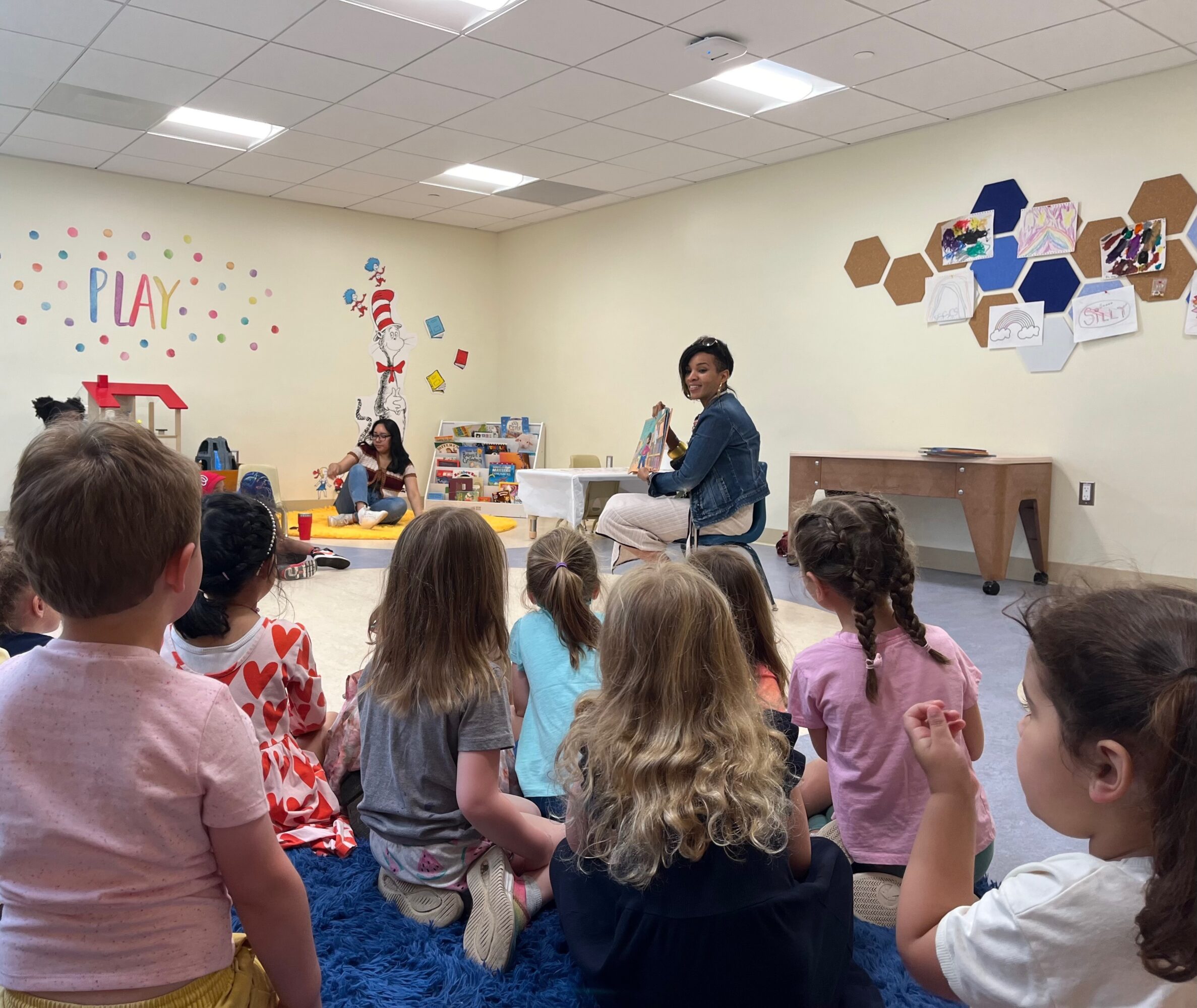
I am the founder of Ritchie Place Books (www.ritchieplacebooks.com), a space I created to share stories that inspire courage, compassion, and hope. Ritchie Place is grounded in the belief that stories shape identity, and that every child deserves to see themselves reflected with dignity and possibility. As an educator and advocate, I have seen firsthand how representation influences confidence, self‑worth, and a sense of belonging. Through Ritchie Place, my vision is to amplify voices that are often overlooked, particularly children who are underestimated, misunderstood, or navigating systems that do not fully see them. The imprint honors my family’s legacy of advocacy and leadership, and it carries forward a tradition of “lifting as we climb.”
Currently, I serve as an Assistant Professor of Special Education and mentor for doctoral students. I earned my Ed.D. in Educational Leadership from Regent University in 2020, where I was honored with the Outstanding Research Award by the School of Education. My dissertation research examined the experiences of African American males with disabilities and the factors that facilitated or inhibited their access to community-based resources. This work led to the development of a support group for African American families of young adults with disabilities. Initiating this group reflected my commitment to bridging research and practice through community-based action.
Unique Insight
I am a native of Washington, D.C., as such, my family has deep roots in the city. I am a descendant of John F. Cook, a prominent 19th-century African American educator, businessman, and activist. His wife, Helen Appo Cook, was a founder of the National Association of Colored Women (NACW). “Lifting as we climb” was NACW’s motto. Before discovering my connection to this legacy, I was already living by the principle, which continues to shape my life and work.
Historical Moment
In January 2026, I will start my term as the first African American President of the Division of International Special Education Services for the Council of Exceptional Children.
Would you say it’s been a smooth road, and if not what are some of the biggest challenges you’ve faced along the way?
No, it has not been a smooth road. Before my son’s diagnosis, I knew very little about autism or special education, and I was often led to believe that his life would be defined by struggle, dependence, and limitation. Those early messages were heavy and they were wrong!
I remember calling the school bus office one morning when the bus never arrived. My son had been waiting at the stop for fifteen minutes past the scheduled time. I explained that he has autism and relies heavily on routine and predictability. The woman on the phone assured me she would send someone immediately, but before hanging up she added, “Bless your heart… it must be so hard for you.” I didn’t share the fact that he’s Autistic so she would see that as the problem. I wanted her to know that the situation (the late bus plus the disrupted routine plus the concern about being late) is what caused anxiety. I mentioned he was autistic to simply explain to her why the delay mattered to him.
In that moment, I realized how deeply the narrative of deficit still runs. Her comment assumed hardship defined my life and my son’s life because he is autistic. That experience, and others like it, strengthened my resolve to challenge that narrative. The real struggle has never been autism itself; it has been confronting misconceptions, low expectations, and systems that underestimate what our children are capable of.
Thanks for sharing that. So, maybe next you can tell us a bit more about your work?
As I shared earlier, my son’s diagnosis reshaped both my life and my professional path. Today, I serve as an Assistant Professor of Special Education where I prepare future teachers and work with educators to build inclusive systems grounded in advocacy rather than deficit thinking.
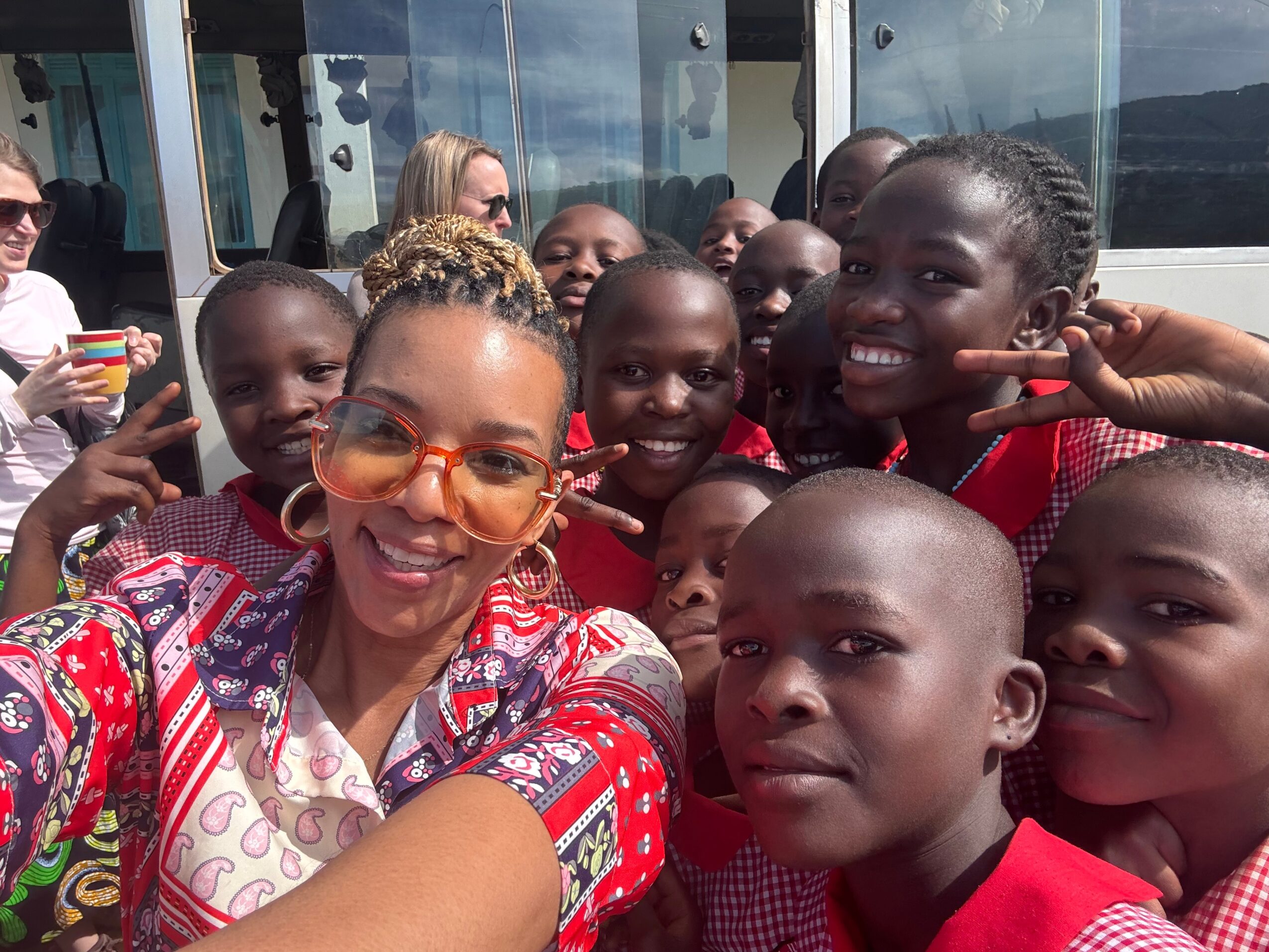
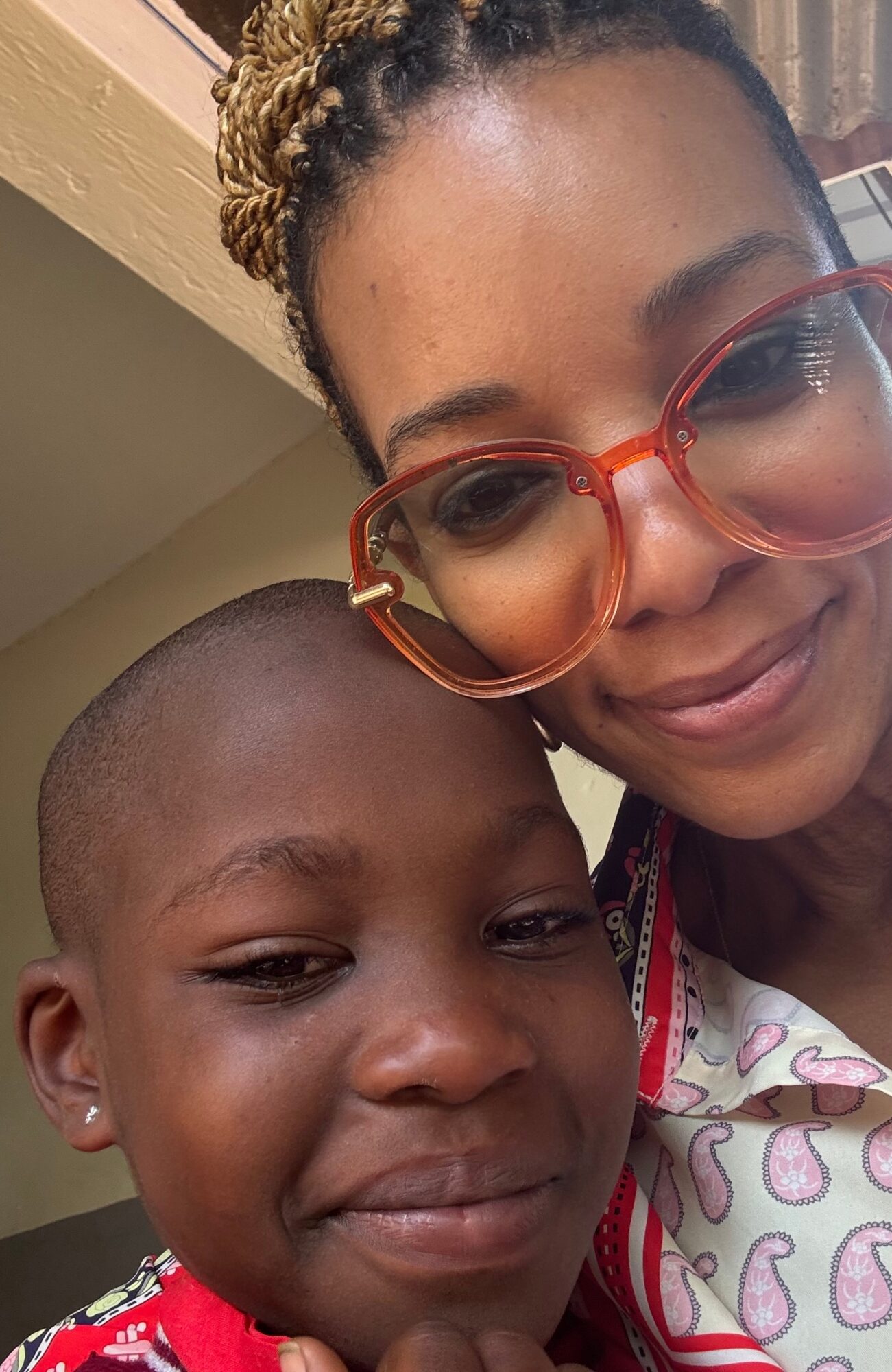
I specialize in inclusive education, leadership development, and culturally responsive practice. What sets me apart is that I approach inclusion through my lived experiences as a mom, an advocate, an educator, and a researcher. I strongly believe that inclusive education cannot be exported. it must be co-constructed within communities. For example, I am currently leading an international initiative with educators in Uganda through the Reach for Uganda teacher trip program. Prior to our upcoming teacher trip, I co-developed a six-month professional learning series alongside an Ugandan educator, focusing on SMART goals and supporting students with learning disabilities. It was important to me that the work be culturally responsive and contextually grounded. My practices are informed by Western research, but I do not enter other spaces assuming those frameworks should dominate. Instead, I prioritize partnership, listening, and shared problem-solving. I should also note that I have been asked to help facilitate the development of a special education initiative at one of the reach for Uganda Schools.
In January 2026, I started my service as the first African American President of the Division of International Special Education Services for the Council of Exceptional Children. In that role, and through my work domestically and internationally, I aim to expand inclusive practices in ways that honor culture, context, and community voice.
I am also the founder of Ritchie Place Books, a publishing initiative rooted in the belief that stories shape identity. Ritchie Place was inspired by my family’s legacy and exists to amplify voices that are often overlooked particularly children who are underestimated or misunderstood. My vision is for Ritchie Place to have a global presence while creating literature and resources that help individuals embrace their strengths, find their voice, and recognize their power.
It encourages me to see educators shift from “What can’t this student do?” to “How can we remove barriers?” If I am known for anything, I hope it is for raising expectations, challenging narratives, and leading with both courage and humility.
Any big plans?
Looking ahead, one of my biggest priorities is expanding Ritchie Place Books. I want Ritchie Place to leave its footprint. One that is rooted in storytelling, representation, and identity. My vision is to grow Ritchie Place into a global platform that amplifies voices often overlooked, especially students who are underestimated or misunderstood.
I plan to continue writing, publishing, and creating resources that help individuals see their strengths, find their voice, and recognize their power. I want Ritchie Place to shape not only literature, but how children understand themselves and their place in the world.
At the same time, I am excited to continue the work we are already advancing through DISES which is shifting the narrative from “What do we do with students with disabilities?” to “How do we design schools where every learner belongs?” This shift is already happening, and I want to ensure we leave meaningful footprints in every space we occupy. My hope is that DISES continues to be a global leader in culturally responsive, community-centered inclusion.
I also look forward to deepening my international partnerships, particularly my work with educators in Uganda. Between the Reach for Uganda teacher trip and supporting the development of a special education initiative at one of their schools, I’m eager to continue co-constructing practices that honor local culture and context. These collaborations remind me that meaningful change is not exported…it is built together.
I plan to continue preparing future teachers and supporting in-service educators in shifting from deficit-based thinking to advocacy-driven practice. My goal is to help more educators reflect on the barriers within systems rather than the perceived limitations of students.
Ultimately, my plans for the future are rooted in purpose: to build, to amplify, to partner, and to advocate. I want my work to leave footprints that open doors, challenge narratives, and ensure every learner is seen, supported, and valued.
Pricing:
- 30.00
- 24.99
- 29.99
- 19.99
Contact Info:
- Website: https://www.ritchieplacebooks.com
- LinkedIn: http://linkedin.com/in/nicci-t-dowd-edd