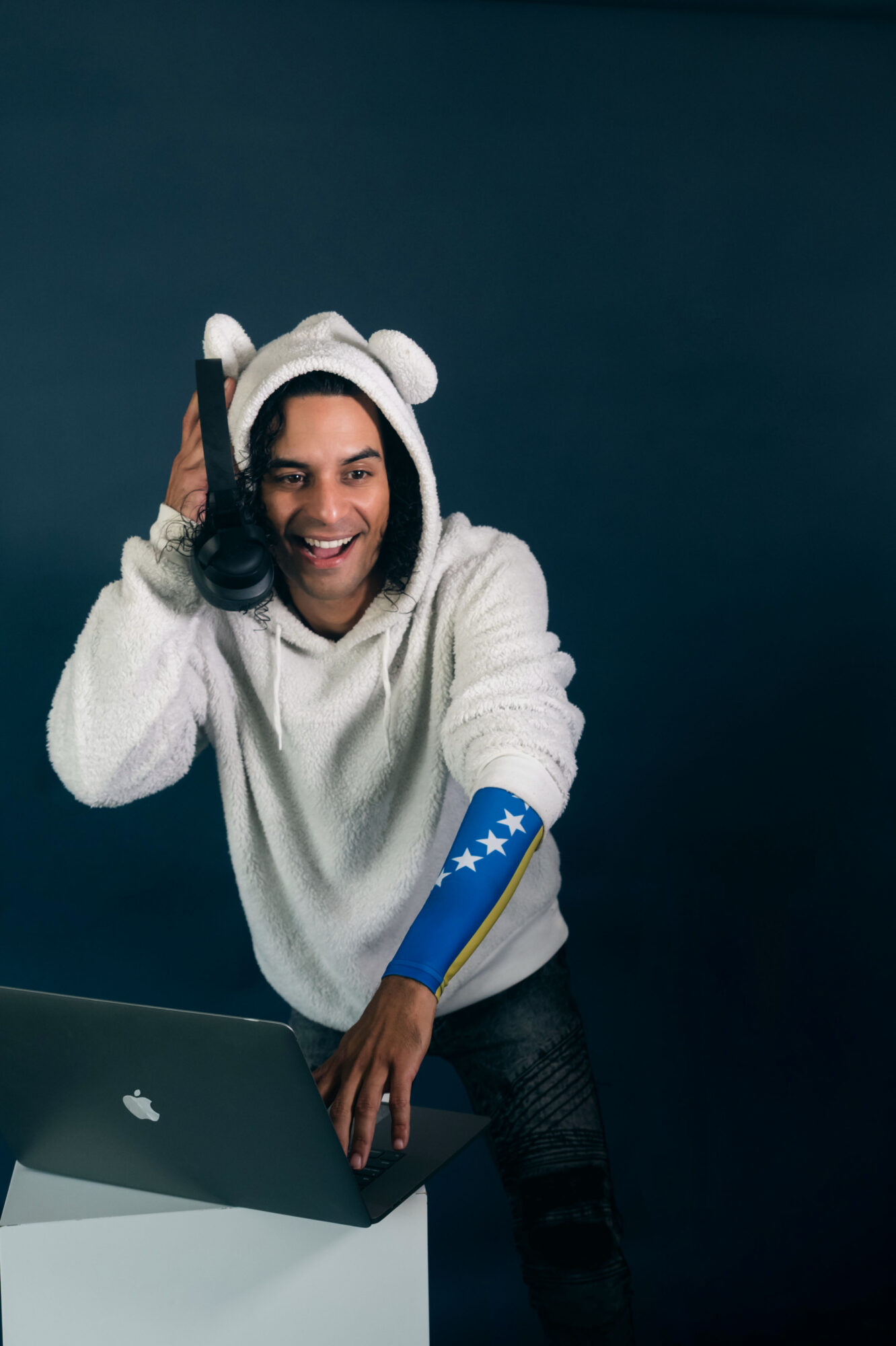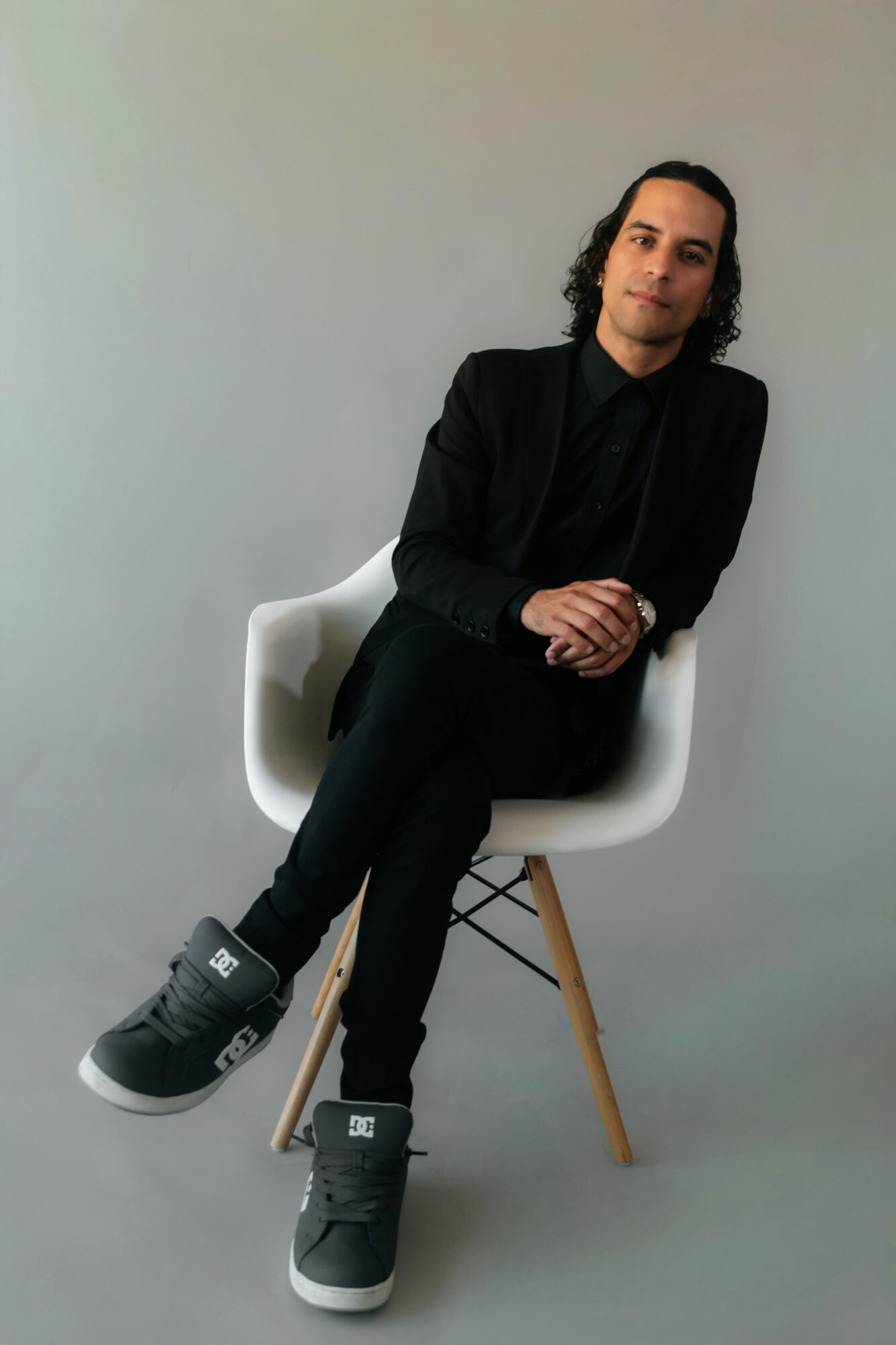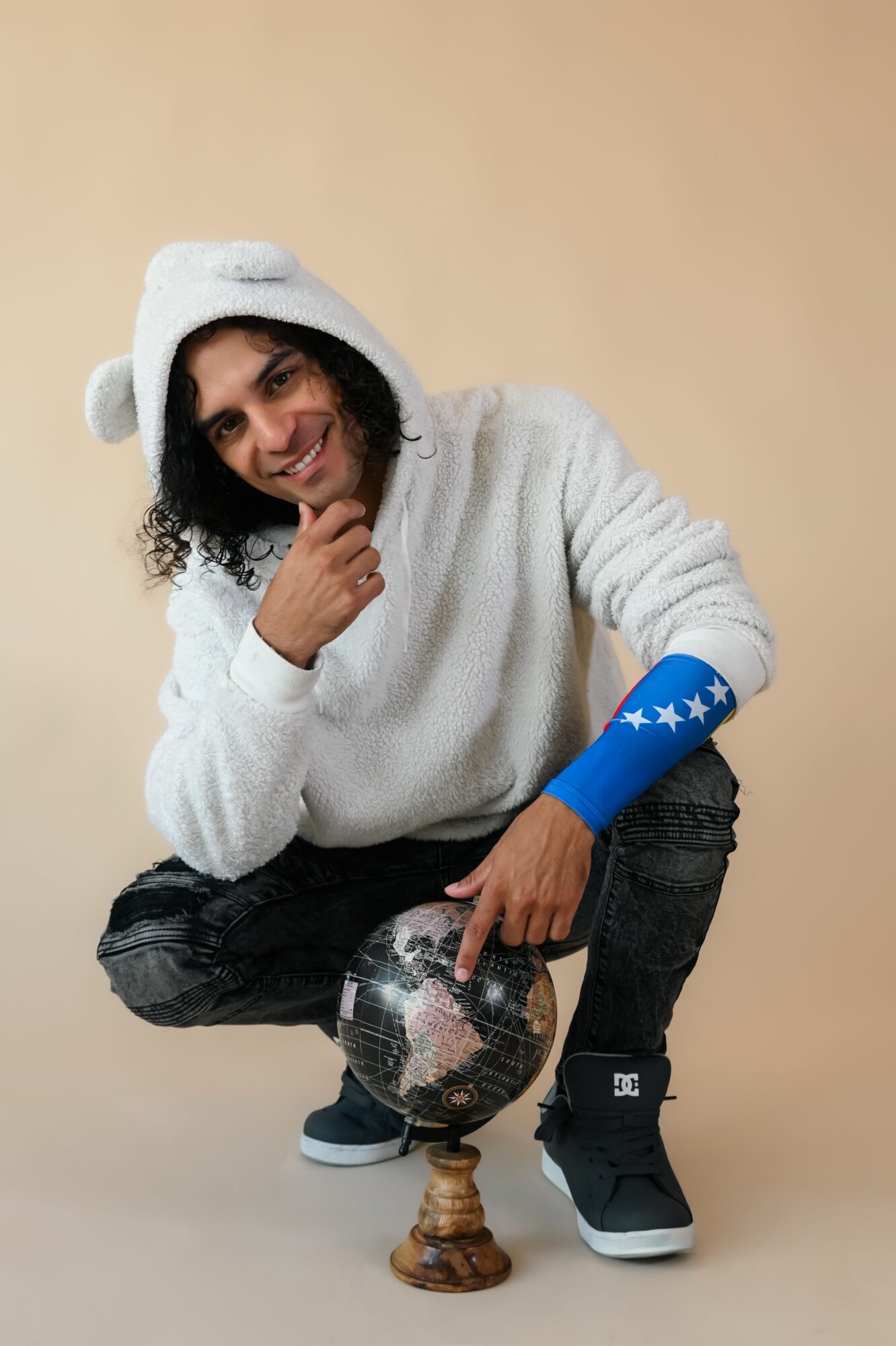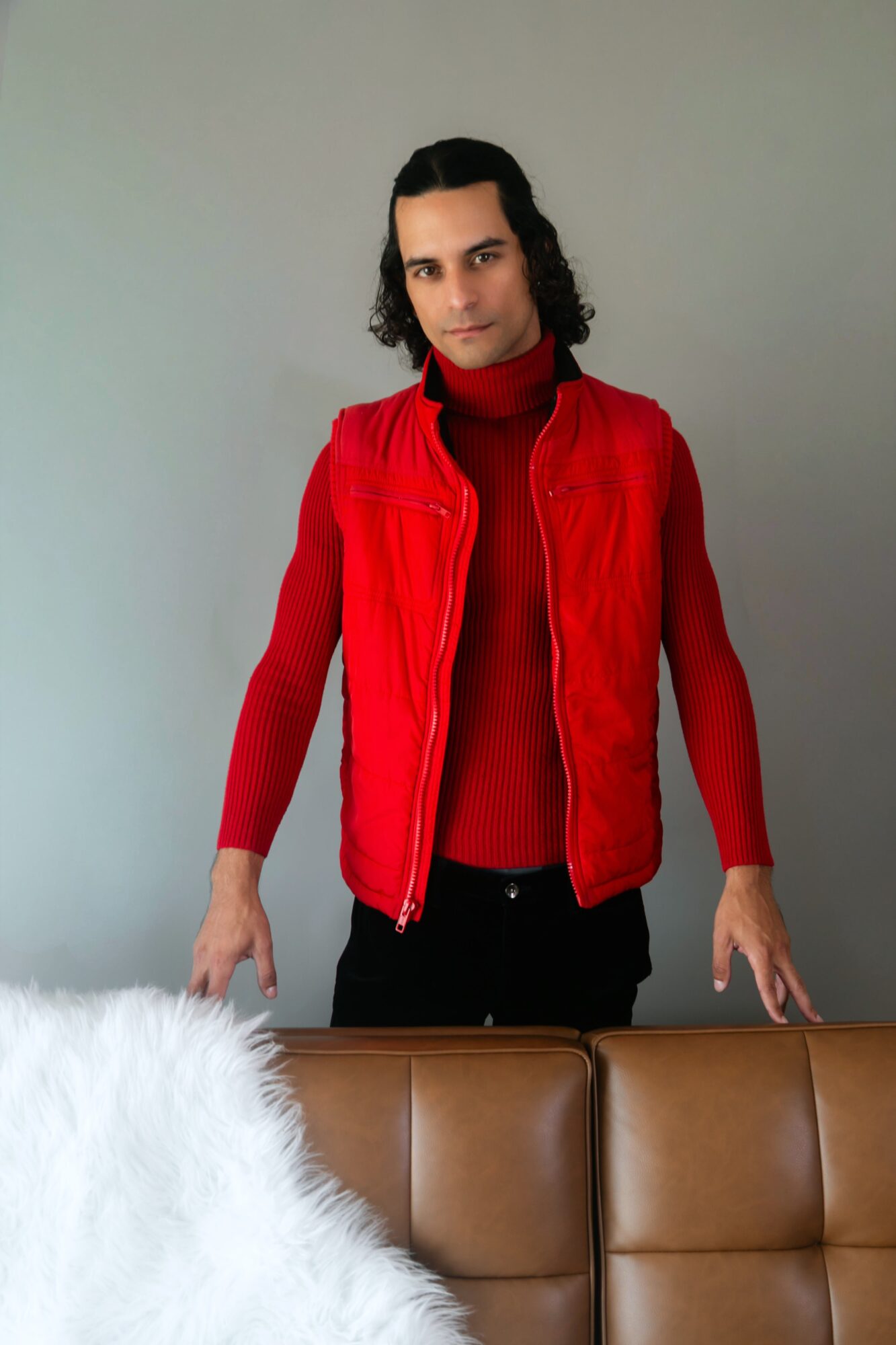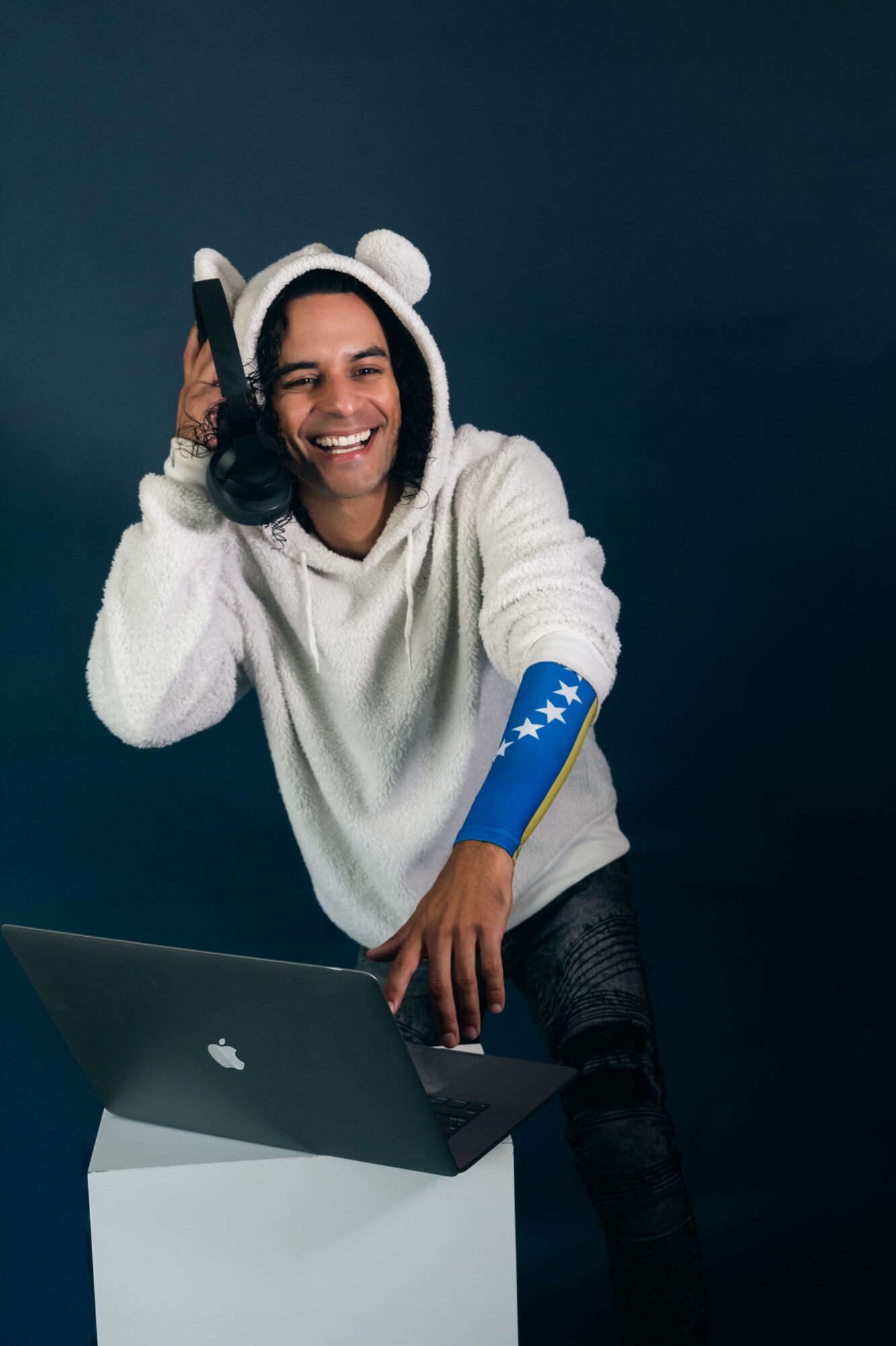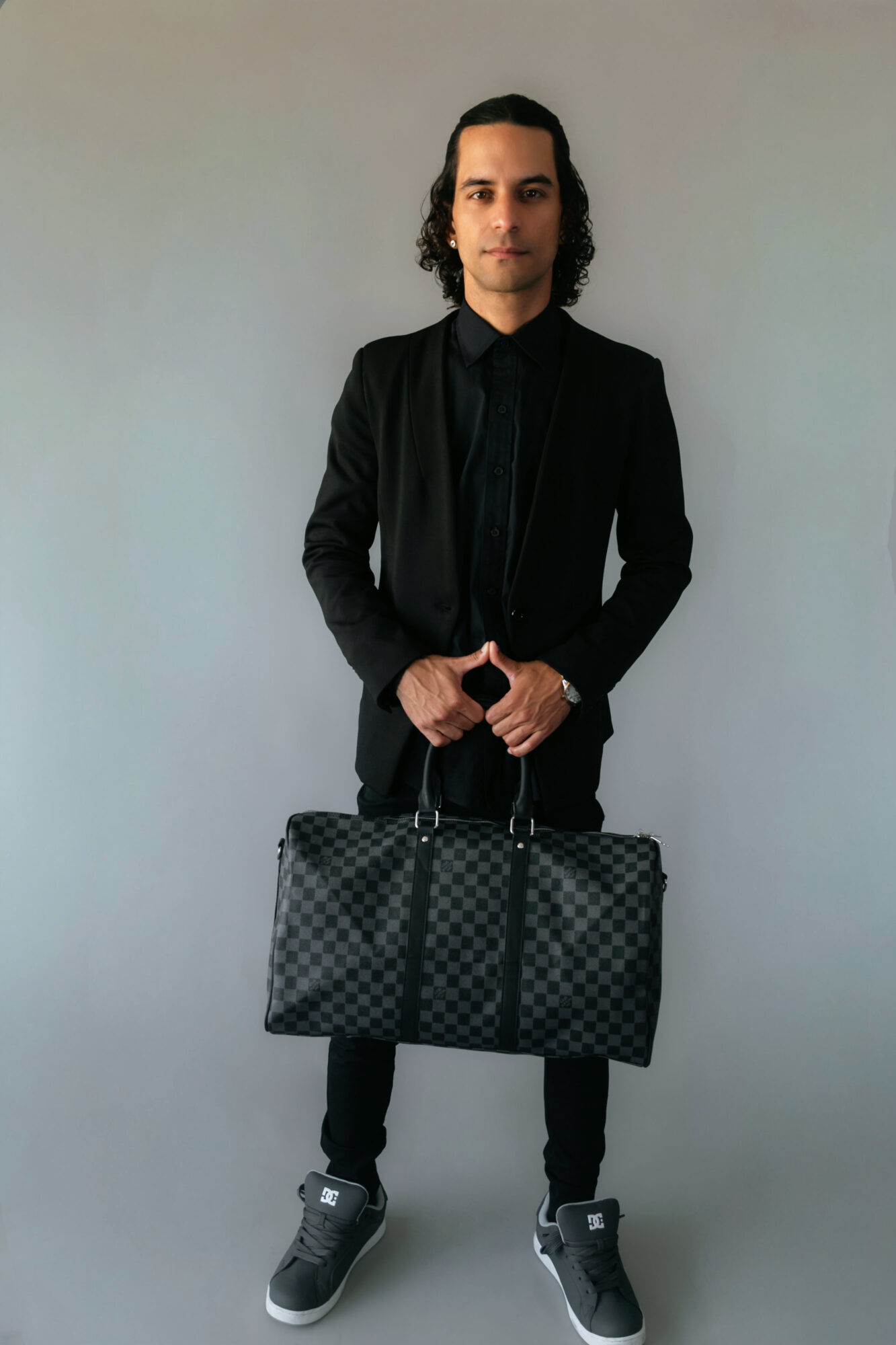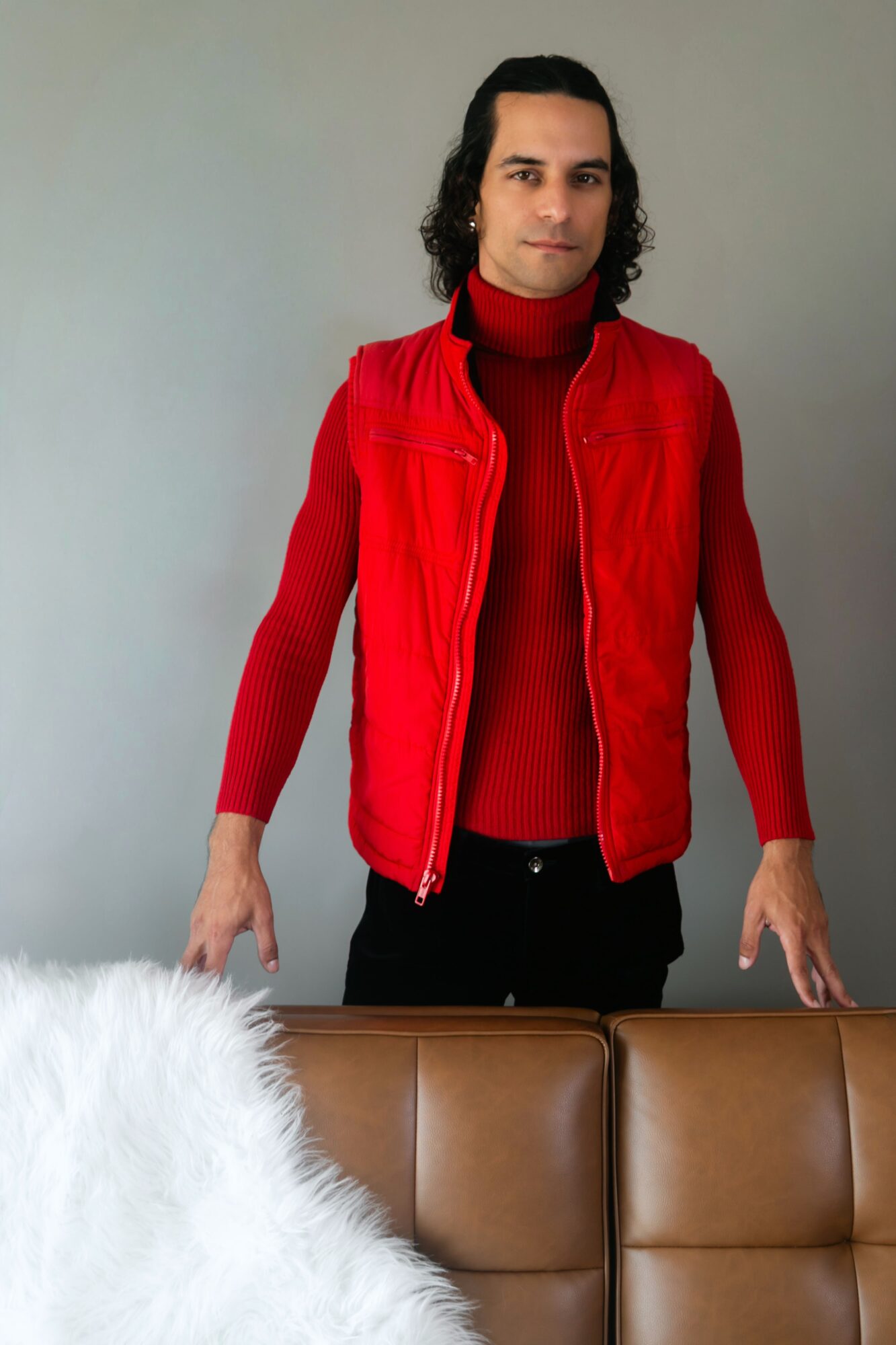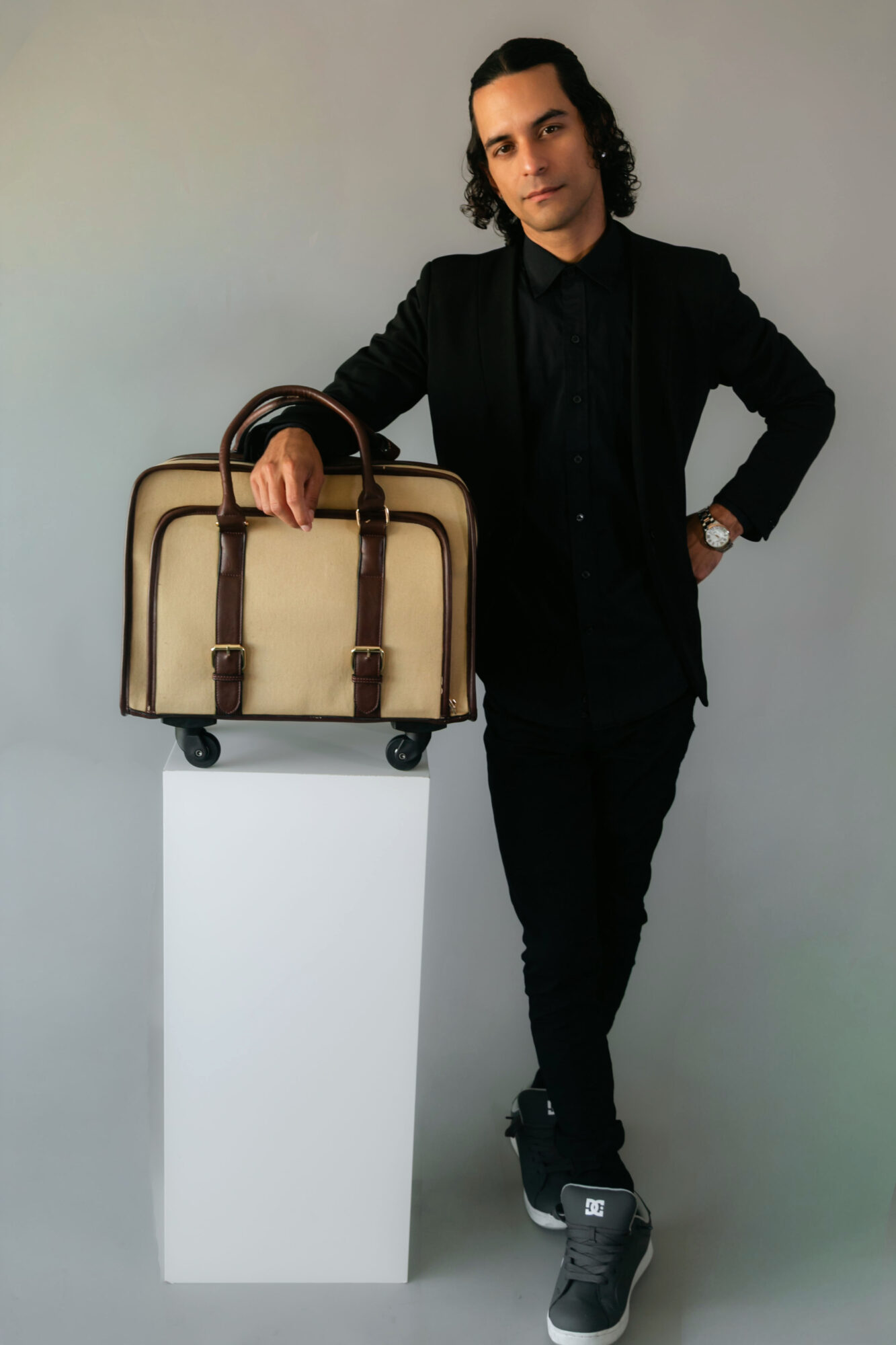

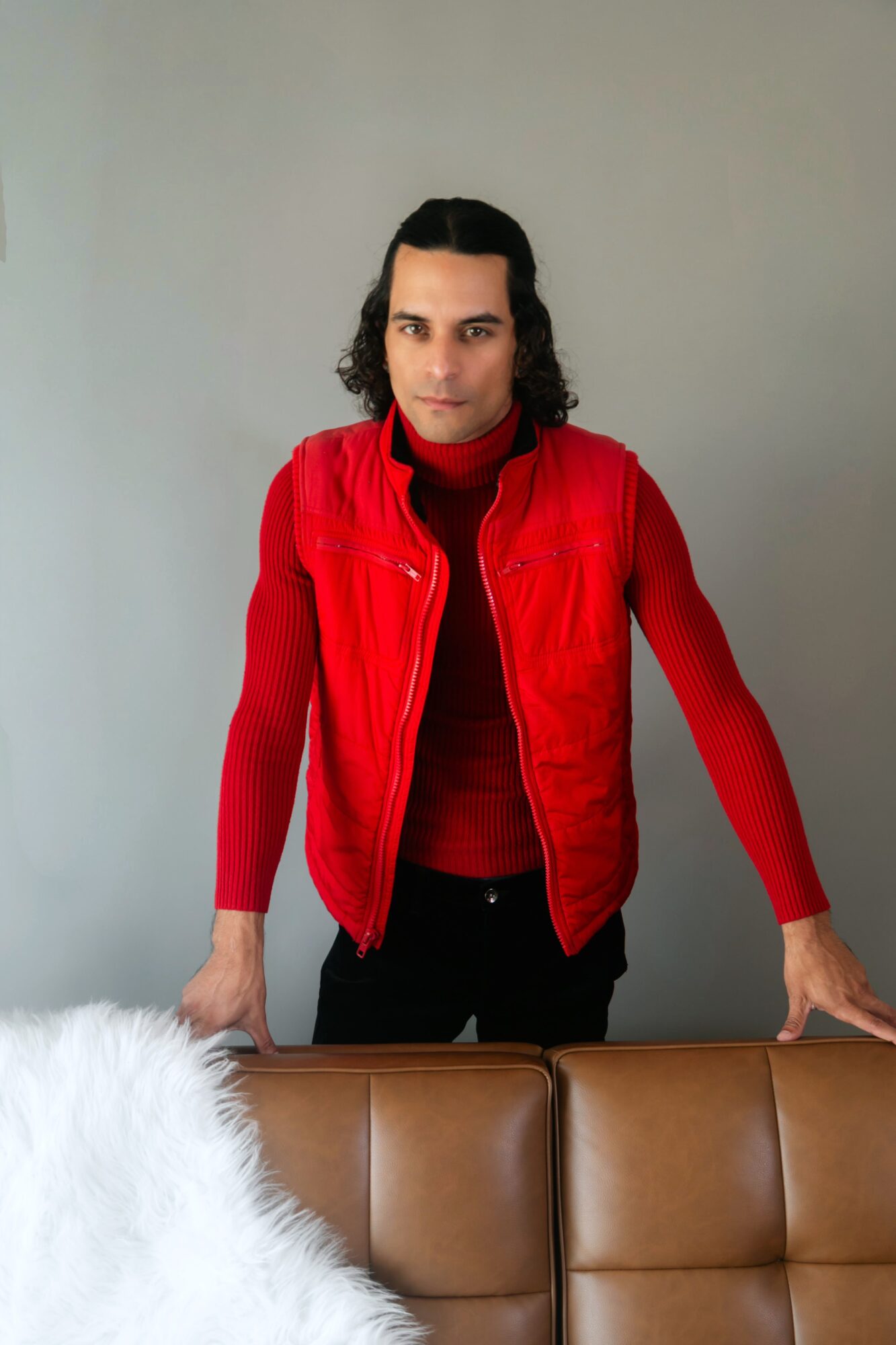
Today we’d like to introduce you to Panda Ovanni.
Hi Panda, so excited to have you with us today. What can you tell us about your story?
My story with music started when I was about 15 or 16 years old, while I was still in high school in Venezuela. One day, an invitation came directly into our classroom for students to participate in a music event. I decided to join, and the organizers offered music classes as part of the experience. That was really my introduction to music. I fell in love with it, and that connection has stayed with me ever since.
At first, I was especially influenced by pop and rock bands, but as I discovered more styles of music, my curiosity expanded beyond performing. I wanted to understand how a song was actually made, how it was produced, how it was marketed, how it was distributed, and ultimately how it reached an audience. That curiosity gradually pushed me to learn different sides of the music business instead of focusing only on being a singer.
I pursued some of that knowledge through formal education in Venezuela, including studies related to sound engineering and vocal technique. I ultimately chose not to complete those programs because I realized that the direction I wanted to take required a different path. A large part of what I know about producing songs and creating instrumentals came through self-education, spending countless hours online studying tutorials, experimenting, practicing and learning by actually making music.
Fashion was also present very early in my story. As a teenager from Maracay, I would travel to Caracas for castings involving modeling and designers. When I was 17, I performed for the first time as a singer with a band, and I actually performed wearing clothing from a designer I had met through one of those castings. Looking back, it is interesting because music, fashion and creative collaboration were already crossing paths in my life long before I thought about bringing them together professionally.
As I grew, I became interested not only in creating but also in understanding the industry from different perspectives. I spent time living in Colombia and used the opportunity to learn from another market and see how people approached music and entertainment there. Back in Venezuela, I also co-founded a company with partners, which gave me some of my earliest experience trying to build something around creative work rather than approaching it only as an artist.
Eventually, coming to the United States meant starting again in many ways. But I wasn’t really starting from zero, I was starting again with years of experience, mistakes, knowledge and a much clearer understanding of what I wanted to build.
Today, I continue making and releasing music as Panda Ovanni, while also working in music production, creative direction, fashion and events. That evolution has now taken shape through Amara Laussen LLC, where I can bring those different areas together under a business structure and continue developing them here in the United States.
For me, the journey has really been about curiosity and evolution. I started as a teenager who discovered music almost by accident through an invitation that came into his classroom. Today, I’m still learning, creating and building, only now I understand much more clearly how all of those interests can connect.
Would you say it’s been a smooth road, and if not what are some of the biggest challenges you’ve faced along the way?
It definitely hasn’t been a completely smooth road. If I had to identify the biggest challenge throughout my journey, it has consistently been the financial side of building something.
I don’t think that challenge is exclusive to music. Almost anything you want to build requires resources, capital to create, invest, promote, experiment and eventually grow. I didn’t start with that kind of capital available to me, so from very early on I had to learn how to keep moving forward while working within financial limitations.
Interestingly, that challenge also became one of my biggest sources of education. It pushed me to learn about formally structuring a company, understanding how to work with banks, thinking differently about investment, and learning how to communicate with people who might be interested in supporting or participating in a project.
One of the most important lessons I learned is that access to resources can sometimes come with a different vision attached to it. Someone may believe in what you’re building but imagine a completely different direction for it. When you need capital or connections, it can be tempting to follow that direction simply because the opportunity is available. I had to learn to listen, collaborate and remain open to other perspectives without losing clarity about what I was actually trying to build.
That was especially challenging while I was young and building in Venezuela, where the economic and political circumstances created additional limitations for entrepreneurs and independent creatives. Later, coming to the United States meant learning a new system and building again in a different environment.
At the same time, I wouldn’t describe the journey itself negatively. I genuinely enjoy music and all the different layers surrounding it, so most of the process has been something I’ve wanted to experience and understand. The financial side has probably created the most difficult moments, but it has also forced me to become more resourceful, more independent and much more intentional about the way I build.
I still have the same core vision I started with. It has evolved and become much more developed over time, but I haven’t had to abandon it just because the road to financing it wasn’t always easy.
Thanks for sharing that. So, maybe next you can tell us a bit more about your work?
What originally attracted me to music was the challenge. I had always loved music as a listener, but what made me take it seriously for myself was the challenge of learning how to create and perform it. I wasn’t choosing music because I thought I was naturally great at everything it required. Part of what fascinated me was discovering how much there was to learn.
I had some experiences with music as a child my mother enrolled me at different times in choir, drum lessons and music school and I remember teachers telling me that I was doing well. But I still never imagined it becoming my path.
When that opportunity came into my classroom as a teenager, I started thinking seriously about what it would actually take for me to perform. Singing felt especially challenging because I had never really considered myself a singer. I would listen to rappers and admire their flow and ability to deliver words, listen to singers and wonder how they could reach different notes and communicate emotion through melody, or watch guitarists and drummers and be fascinated by their musicianship. Then there was another question: how does all of that become a finished song that someone can simply press play and hear?
That curiosity has basically defined my work ever since.
I started with the challenge of learning how to sing and write songs. Writing came more naturally to me because I was good at creating stories and expressing what I wanted to say, but translating those ideas into melodies was much harder. Singing was something I had to develop deliberately. Today, when I compare where I started with the way I can sing, write and express myself now, that is probably what makes me most proud.
Along the way, something unexpected happened: every answer led me to another question. Learning to make a song introduced me to music production and an entire world of software and technology. Production led me to recording, mixing and mastering. Releasing music led me to distribution. Distribution led me to marketing, audiences, budgets and the business behind creative work. Eventually, that same curiosity expanded into fashion, events and creative direction.
Today, as Panda Ovanni, I’m a recording artist, songwriter and music producer, but I think of my work more broadly than any one title. I like understanding the complete process behind an idea and being able to participate in different stages of bringing it to life.
What sets me apart is difficult for me to answer by comparing myself with other artists, because I have a lot of respect for other creatives and I believe everyone develops their own strengths and perspective. What I can say about myself is that I care deeply about what I create. Whether I’m working on a song, producing an event, developing a visual idea or simply interacting with someone I’m working with, I want there to be genuine intention behind it.
Panda Ovanni represents all of those years of learning and overcoming things that once felt difficult or even impossible to me. I originally thought I was simply going to learn how to sing. Instead, music opened an entire world that I’m still discovering. Being able to look back at the teenager who wasn’t sure he could sing and then look at everything I can create today gives me a sense of fulfillment that is difficult to describe. I’m proud of what Panda represents because I know everything it took for me to become him.
We’d love to hear about how you think about risk taking?
I think other people probably see me as more of a risk-taker than I see myself.
Many times, by the time someone sees me taking action, I have already spent time studying the situation, understanding what I need, identifying what I don’t know and figuring out how I can make the risk manageable. From the outside, the decision may look bold or uncertain. From my perspective, there is usually a process behind it.
Interestingly, I can trace that mindset all the way back to my first experience with music. When I decided to participate in that event as a teenager, someone could have looked at me and thought it was a major risk: I wasn’t a singer, yet I had just committed myself to eventually performing in front of people.
But that wasn’t how I was thinking about it. The organizers explained that we would have classes several times a week for approximately two months before the final performance. My thinking was very practical: I don’t know how to do this today, but I have two months to learn.
I also understood that two months wasn’t enough time to become great at everything, so I adjusted the challenge to what I believed was achievable. Instead of choosing something that required vocal abilities I hadn’t developed yet, I focused more on rap. That meant I needed to learn how to write something I could perform and have music to perform it over. I broke the larger risk into smaller problems that I could actually work on.
That experience describes a lot of the way I still approach things today. I don’t believe taking a risk has to mean acting blindly. For me, risk-taking is often about studying something enough to understand what can go wrong, preparing for what I can control, and then being willing to act even though there are still no guarantees.
Of course, preparation doesn’t mean everything will always work out. There will always be variables you can’t predict. But I would rather make an informed decision and adapt along the way than avoid an opportunity simply because the outcome isn’t guaranteed.
So yes, I probably am a risk-taker, just not in the way people might initially assume. What sometimes looks like a leap from the outside usually feels much more like a calculated next step from where I’m standing.
Contact Info:
- Website: https://www.pandaovanni.com
- Instagram: https://www.instagram.com/pandaovanni
- LinkedIn: https://www.linkedin.com/in/victor-gomes-7b97b242a
- Youtube: https://www.youtube.com/@pandaovanni
- Soundcloud: https://on.soundcloud.com/MeuPKIwwgNkVlqQK0r
- Other: https://www.amaralaussen.com